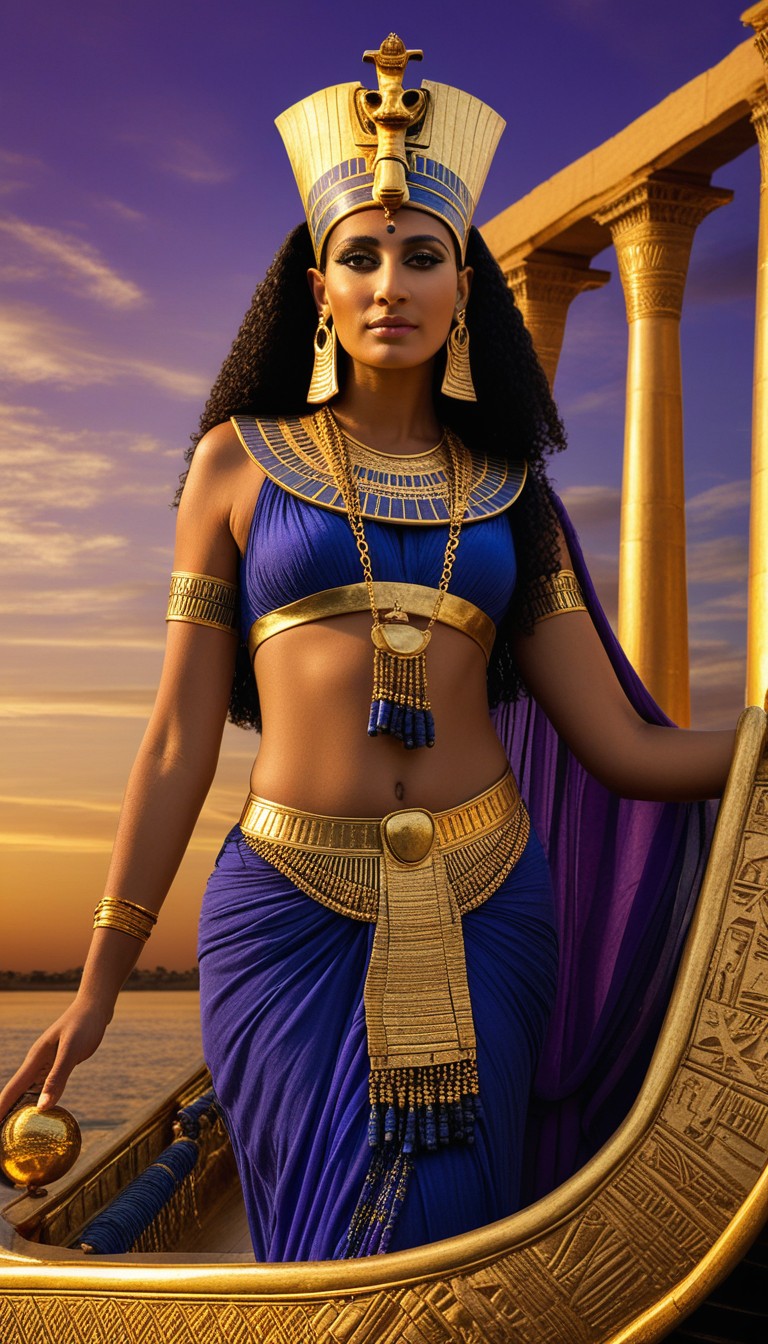
Cleopatra: The Last Pharaoh
Loading story...
69 BC
Alexandria, Egypt
Princess of the Ptolemies
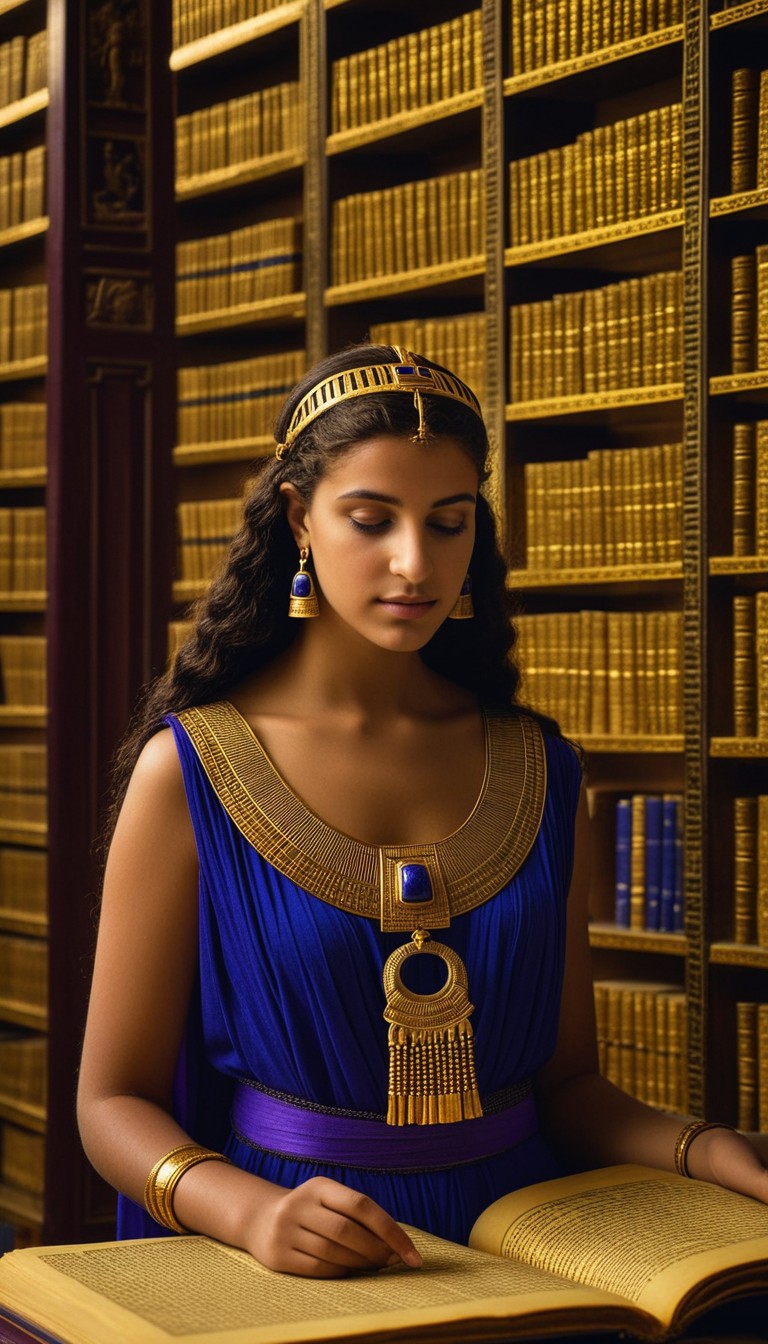
Born around 69 BC into the Ptolemaic dynasty—descendants of one of Alexander the Great's generals—Cleopatra VII grew up in the magnificent royal court of Alexandria, Egypt. While her dynasty had ruled Egypt for over two centuries, most of them never bothered to learn the Egyptian language. Cleopatra was different. A voracious scholar, she mastered Egyptian, Ethiopic, Hebrew, Aramaic, and several other languages, studying at the famed Library of Alexandria. She was the first Ptolemaic ruler who could speak directly to her own people.
51–48 BC
Alexandria & Syrian border
Power Struggle and Exile
At just eighteen, Cleopatra co-ruled Egypt with her father Ptolemy XII. When he died in 51 BC, she inherited the throne alongside her younger brother Ptolemy XIII—a political arrangement that required her to marry him, as was Ptolemaic custom. But the boy-king's advisors were determined to seize real power. By 48 BC, they had moved against Cleopatra, forcing her into exile in the desert borderlands between Egypt and Syria. She refused to accept defeat. Gathering an army of mercenaries along the eastern frontier, she prepared to fight her way back to the throne she believed was rightfully hers.

48 BC
Alexandria, Egypt
The Carpet and Caesar
Julius Caesar arrived in Alexandria in 48 BC, ostensibly to mediate the sibling dispute over Egypt's throne—but really to secure Rome's most lucrative client kingdom. Cleopatra needed to meet him without her brother's guards killing her on sight. According to ancient sources, she had herself smuggled into Caesar's chambers rolled inside a carpet or linen sack, delivered as a gift. Whatever the method, the audacity worked. Caesar was captivated. The brilliant, charismatic queen and Rome's most powerful general formed an immediate alliance. He would help restore her throne—and she would help finance his ambitions.
47 BC
Egypt
Queen of Egypt Restored
Caesar's legions crushed Ptolemy XIII's forces at the Battle of the Nile in 47 BC. Her brother drowned in the river while fleeing, and Cleopatra was restored as sole ruler of Egypt—though Roman custom required her to nominally co-rule with her youngest brother, Ptolemy XIV. She and Caesar sailed the Nile together on a royal barge, a display of her power and legitimacy to her subjects. She bore Caesar a son, Caesarion—"Little Caesar"—whom she declared his heir. Rome had propped up her throne, but Cleopatra intended to make Egypt great on her own terms.
41 BC
Tarsus, Cilicia
Enter Mark Antony
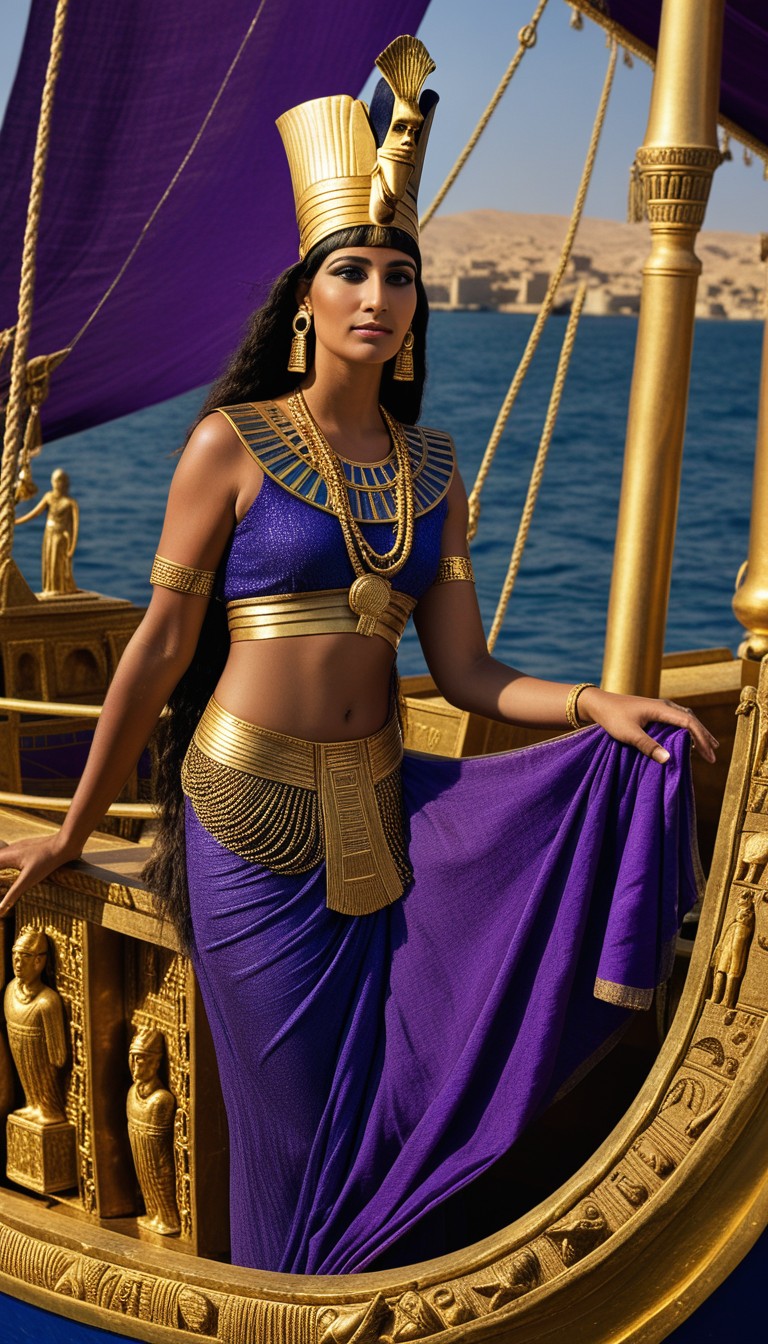
Caesar was assassinated in Rome in 44 BC, leaving Cleopatra politically exposed. Three years later, the Roman general Mark Antony—now one of the three rulers of Rome—summoned her to the city of Tarsus to answer questions about her loyalties. Cleopatra arrived not as a defendant, but as a goddess. She sailed up the river on a gilded barge with purple sails, dressed as the goddess Aphrodite, surrounded by attendants dressed as sea nymphs. Antony was overwhelmed. What followed was one of history's most famous partnerships: a political alliance cemented by a passionate romance that would last over a decade and reshape the Mediterranean world.

September 31 BC
Actium, Greece
Battle of Actium
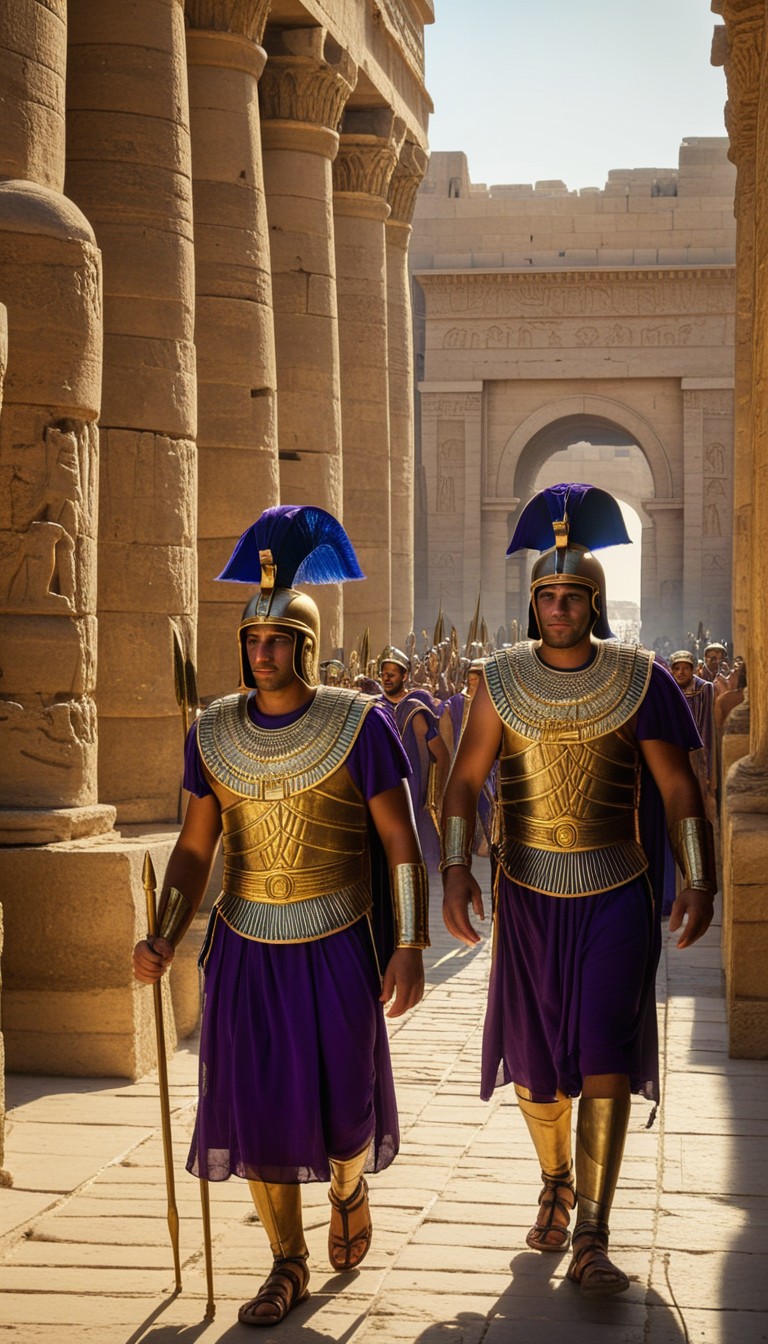
Antony and Cleopatra's alliance alarmed Rome. When Antony divorced his Roman wife to live openly with Cleopatra and declared her children as heirs to vast eastern territories, Caesar's adopted son Octavian declared war—not on Antony, but on Cleopatra, framing it as a war against a foreign queen threatening Rome. On September 2, 31 BC, the fleets met at the Battle of Actium off the coast of Greece. Mid-battle, Cleopatra's fleet broke away and retreated south. Antony, in a decision that shocked his own men, abandoned his ships and followed her. The combined fleet that had seemed unbeatable collapsed. Octavian had won.
August 30 BC
Alexandria, Egypt
The Fall of Alexandria
Octavian's forces pursued Antony and Cleopatra back to Alexandria. With their army dissolving and their navy gone, their options narrowed. Cleopatra retreated to a fortified mausoleum she had built, her treasury and her pride intact. Antony, receiving a false report that Cleopatra was already dead, fell on his sword. He was brought to her, dying, and died in her arms. Octavian entered Alexandria without a fight on August 1, 30 BC, becoming master of Egypt—the last and richest independent kingdom in the Mediterranean. The three-century Ptolemaic dynasty was over.
August 12, 30 BC
Alexandria, Egypt
Death of the Last Pharaoh
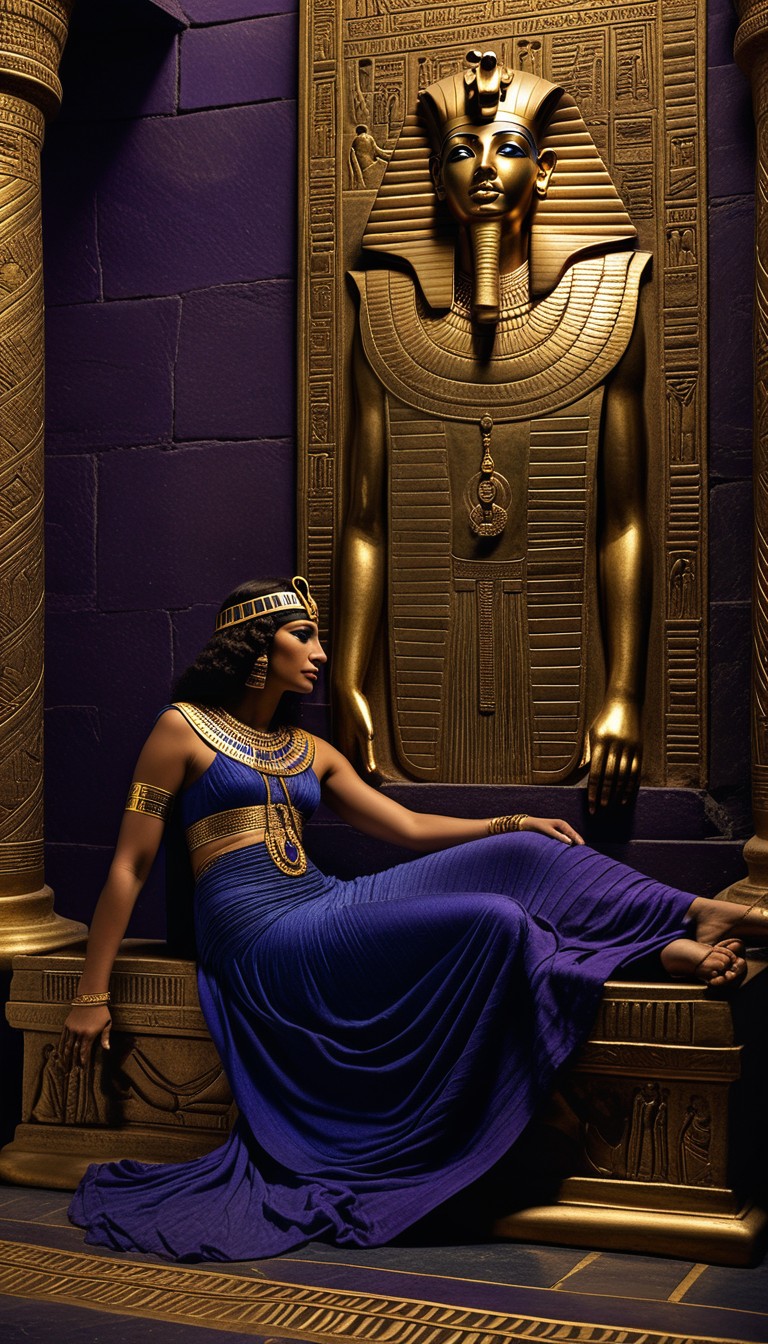
Octavian wanted Cleopatra alive—to parade her through Rome in his triumph, as he had done with other conquered rulers. She refused him that satisfaction. On August 12, 30 BC, she dressed in her royal regalia, lay down on a golden couch, and died. The exact method remains debated—ancient accounts mention an asp (Egyptian cobra), whose bite was considered a divine and painless death. She was thirty-nine years old. With her death, Egypt became a Roman province and the ancient world's last great independent empire was extinguished. Octavian became Augustus Caesar, the first Roman emperor. But history would remember Cleopatra.

The Queen Who Refused to Be Conquered
Cleopatra VII ruled Egypt for twenty-one years, navigating an era when Rome devoured kingdoms whole. She was not merely beautiful—she was brilliant, multilingual, politically shrewd, and possessed of a force of personality that bent the most powerful men of her age to her will. Neither Caesar nor Antony were naive men, yet both were utterly captivated. She alone refused to become Rome's trophy. Two thousand years later, her name is still synonymous with power, intelligence, and the fierce refusal to surrender what is yours. She was the last pharaoh—and the greatest.
Recommended Reading
As an Amazon Associate, we earn from qualifying purchases.


Swipe to navigate