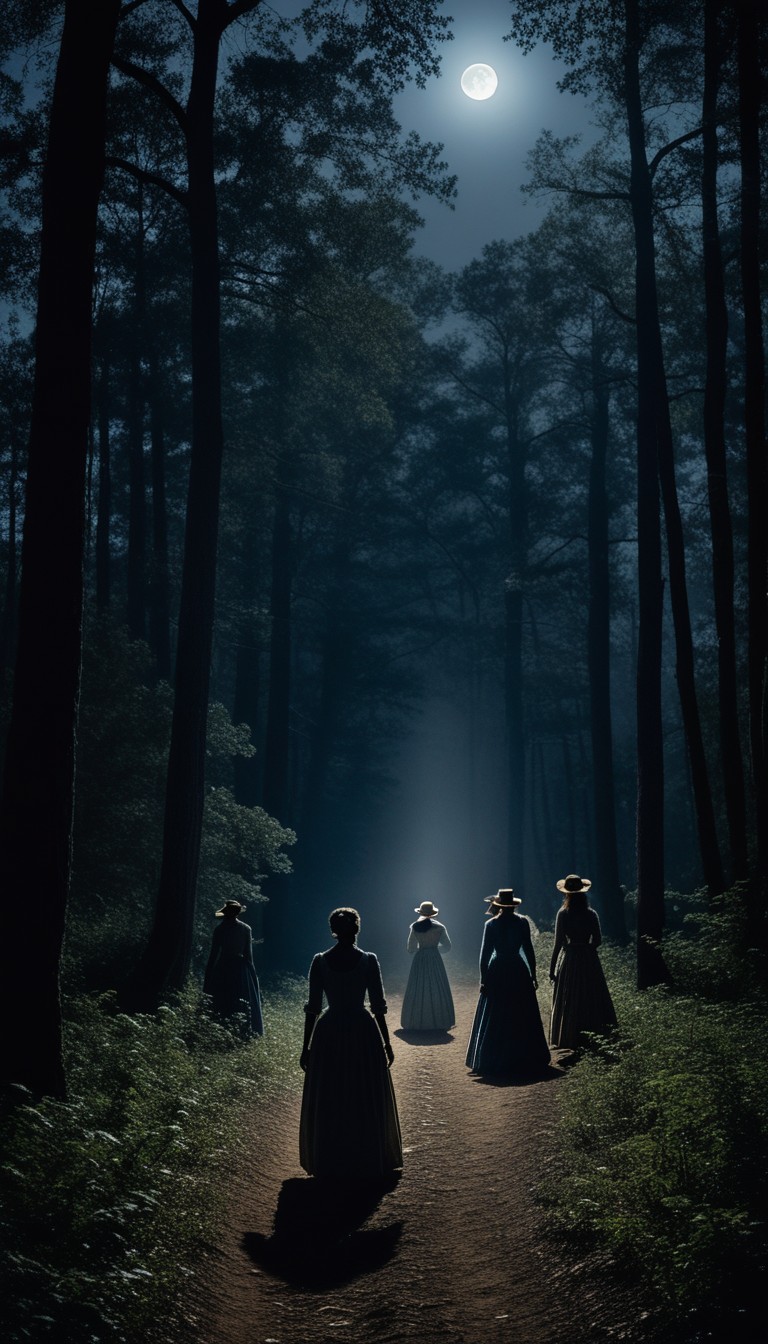
Harriet Tubman: Moses of Her People
Loading story...
c. 1822
Dorchester County, Maryland
Born into Bondage
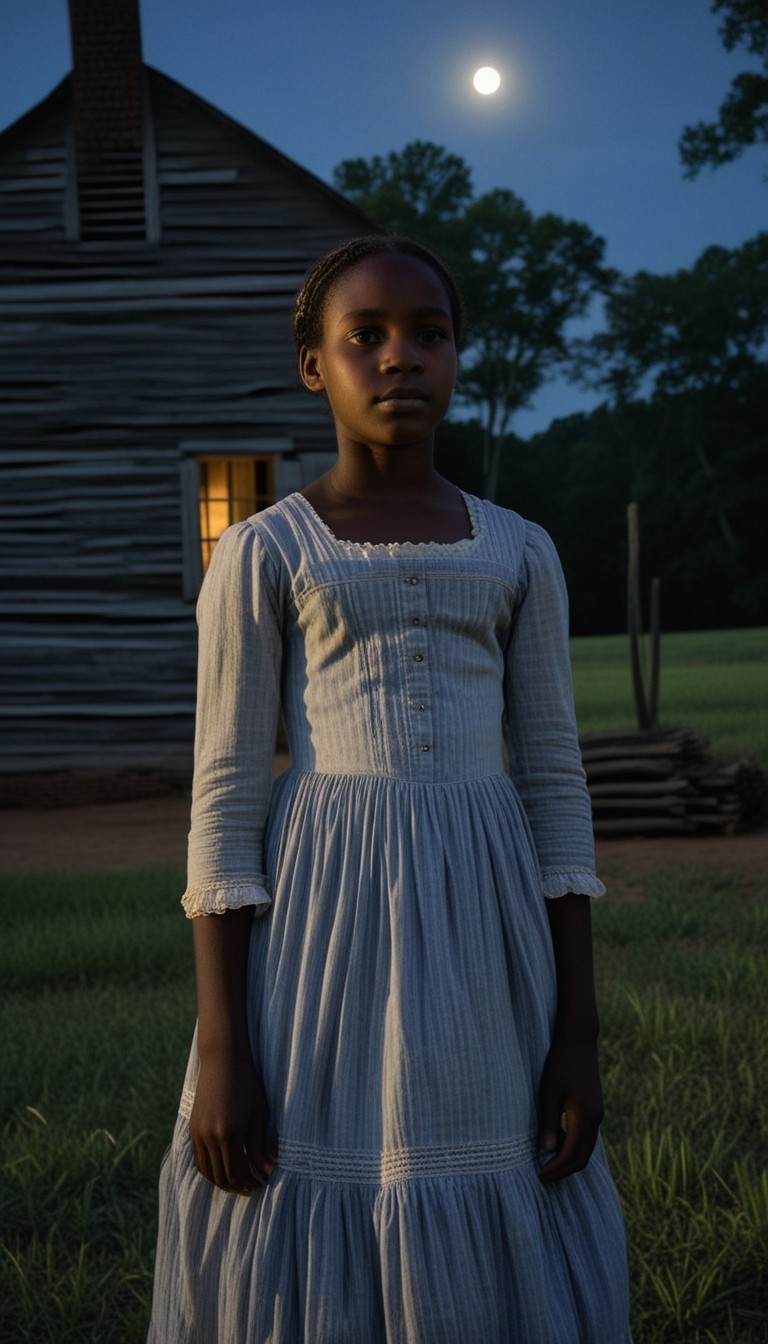
Around 1822, Araminta Ross was born into slavery on a plantation in Dorchester County, Maryland. From childhood she was hired out to neighboring farms, forced to check muskrat traps in icy water and care for infants through the night. She was whipped and beaten regularly. The world she was born into told her she had no future, no rights, and no name of her own. She would eventually take the name Harriet, after her mother—and Tubman, after her husband.
c. 1835
Maryland
The Wound That Opened Her Eyes
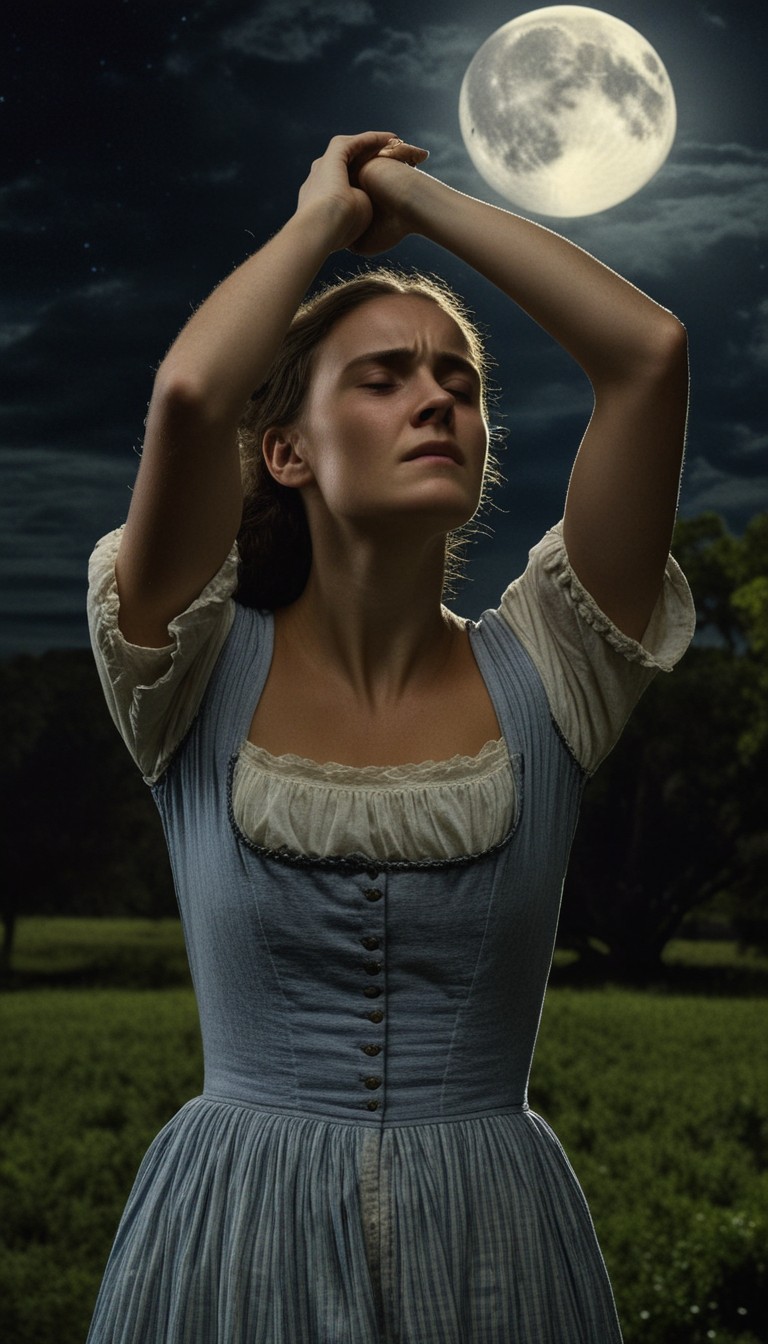
As a teenager, Harriet witnessed an overseer prepare to hurl a two-pound lead weight at a fleeing enslaved man. She stepped into the doorway, and the weight struck her full in the head. The injury was severe—she suffered debilitating headaches and sudden blackouts for the rest of her life. But something else began: vivid, intense dreams and visions she believed were messages from God. Where others saw only suffering, Harriet saw direction. The wound that should have broken her instead gave her a compass.
September 1849
Maryland to Philadelphia, Pennsylvania
The Flight to Philadelphia
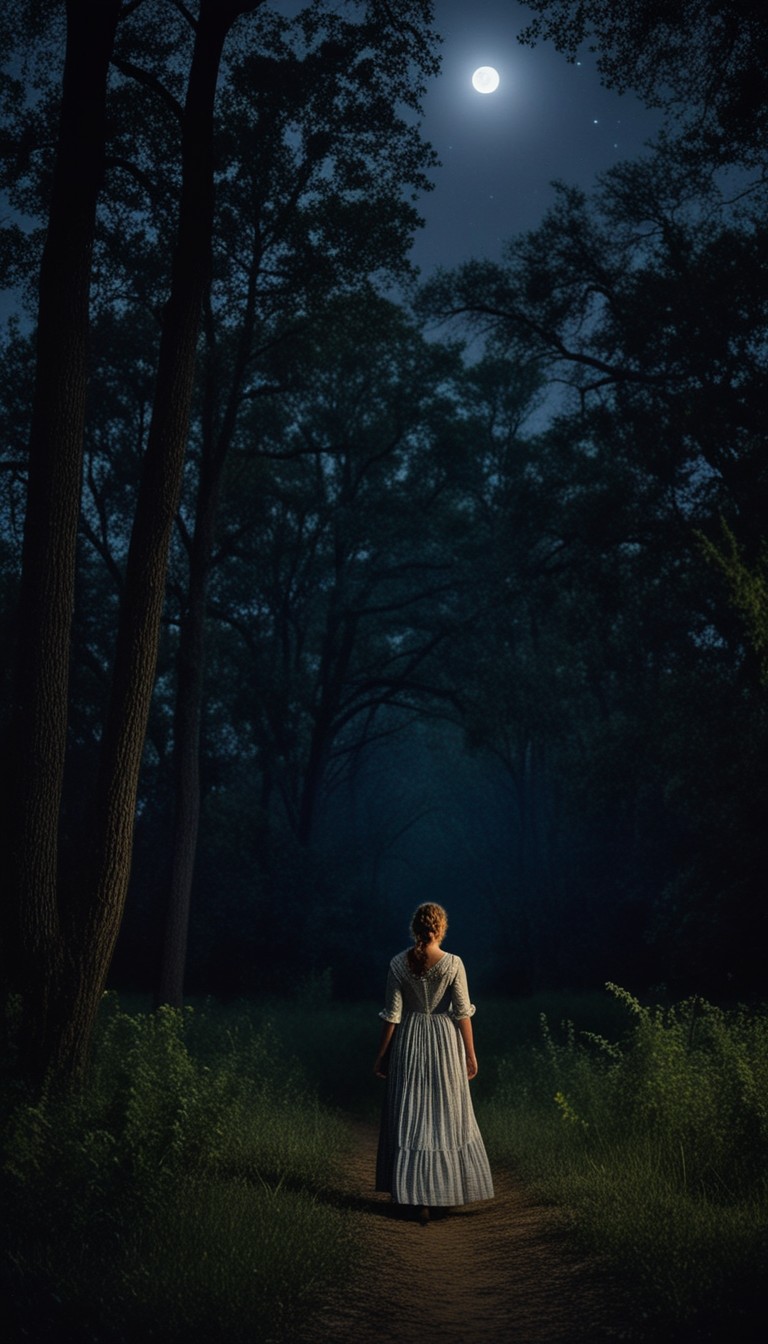
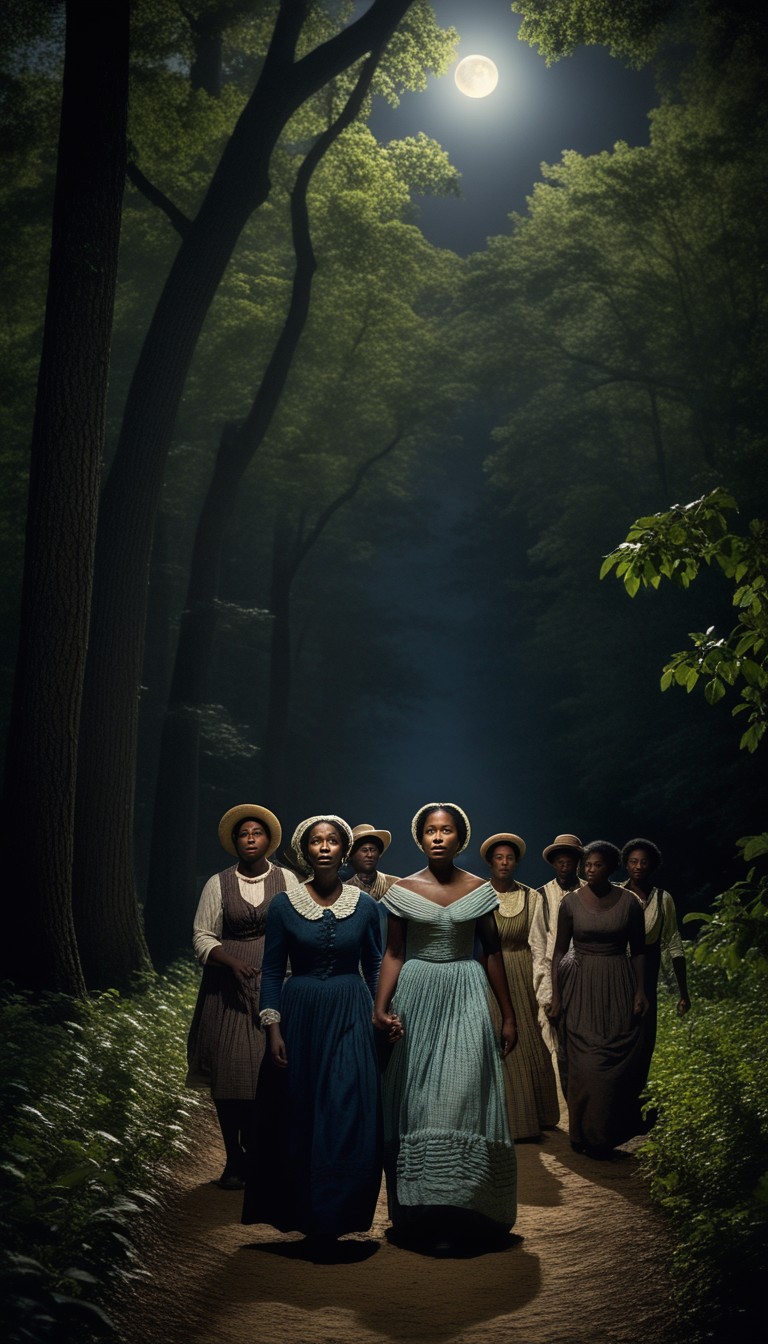
In September 1849, fearing she was about to be sold further south, Harriet made her move. Traveling alone at night, guided by the North Star and safe houses along the Underground Railroad, she crossed into Pennsylvania after roughly ninety miles on foot. When she reached Philadelphia she wrote: "When I found I had crossed that line, I looked at my hands to see if I was the same person. There was such a glory over everything." She was free. But her family was not.
1850–1860
Maryland and the Underground Railroad
Moses Returns for Her People
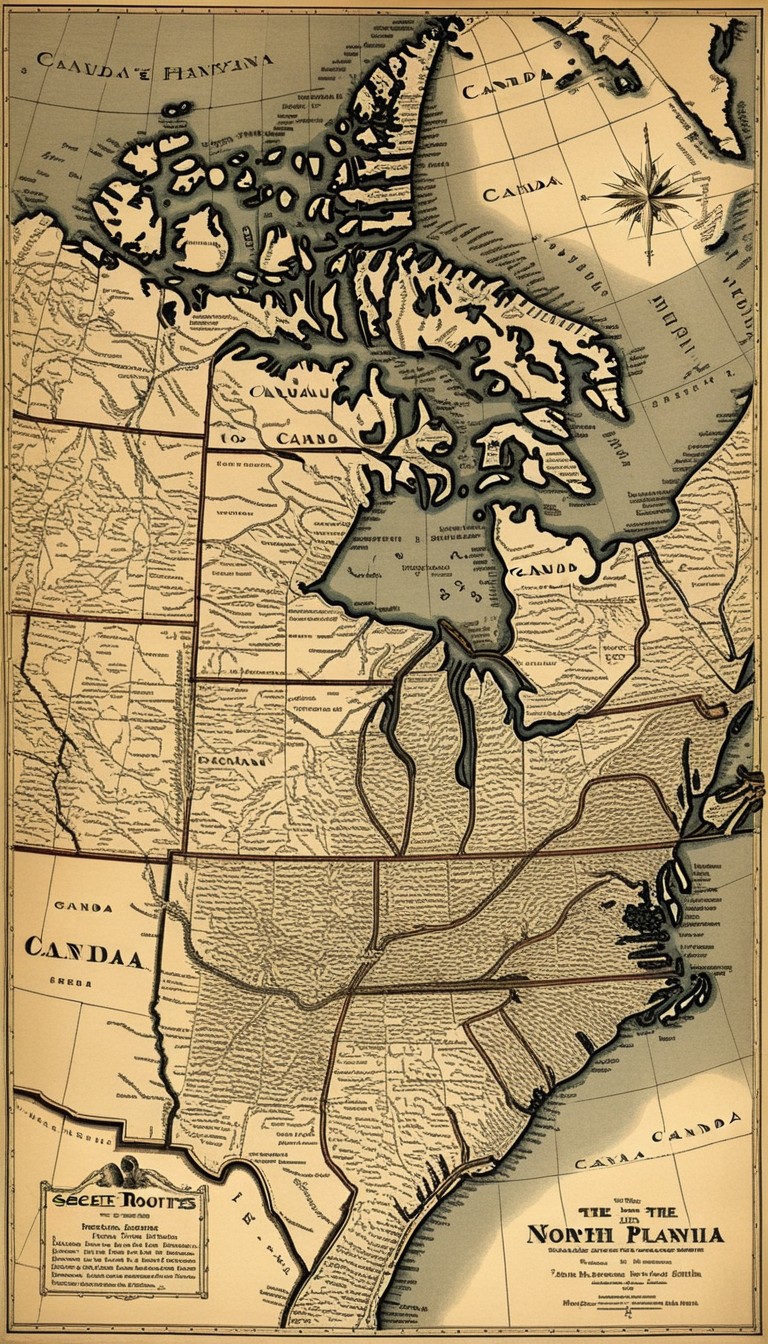
Most people, having escaped slavery, would never go back. Harriet Tubman went back again and again. Beginning in 1850, she returned to the Eastern Shore of Maryland to lead her family and others to freedom. She moved at night, using safe houses, forged papers, and an intimate knowledge of the terrain. She carried a revolver—partly for protection from slave catchers, and partly, she admitted, for anyone who lost their nerve and threatened to turn back. She could not afford to let fear betray the group.
1850–1860
Eastern Shore of Maryland to Canada
Thirteen Missions, Seventy Souls
Over a decade, Harriet Tubman made thirteen missions into slave territory and guided more than seventy enslaved people to freedom. After the Fugitive Slave Act of 1850 required northern states to return escaped slaves, she began leading people all the way to Canada. Slaveholders offered rewards totaling $40,000 for her capture—roughly $1.5 million today. They never caught her. "I never ran my train off the track," she later said, "and I never lost a passenger."
1858–1859
Ontario, Canada and Harpers Ferry, Virginia
John Brown and the Coming Storm
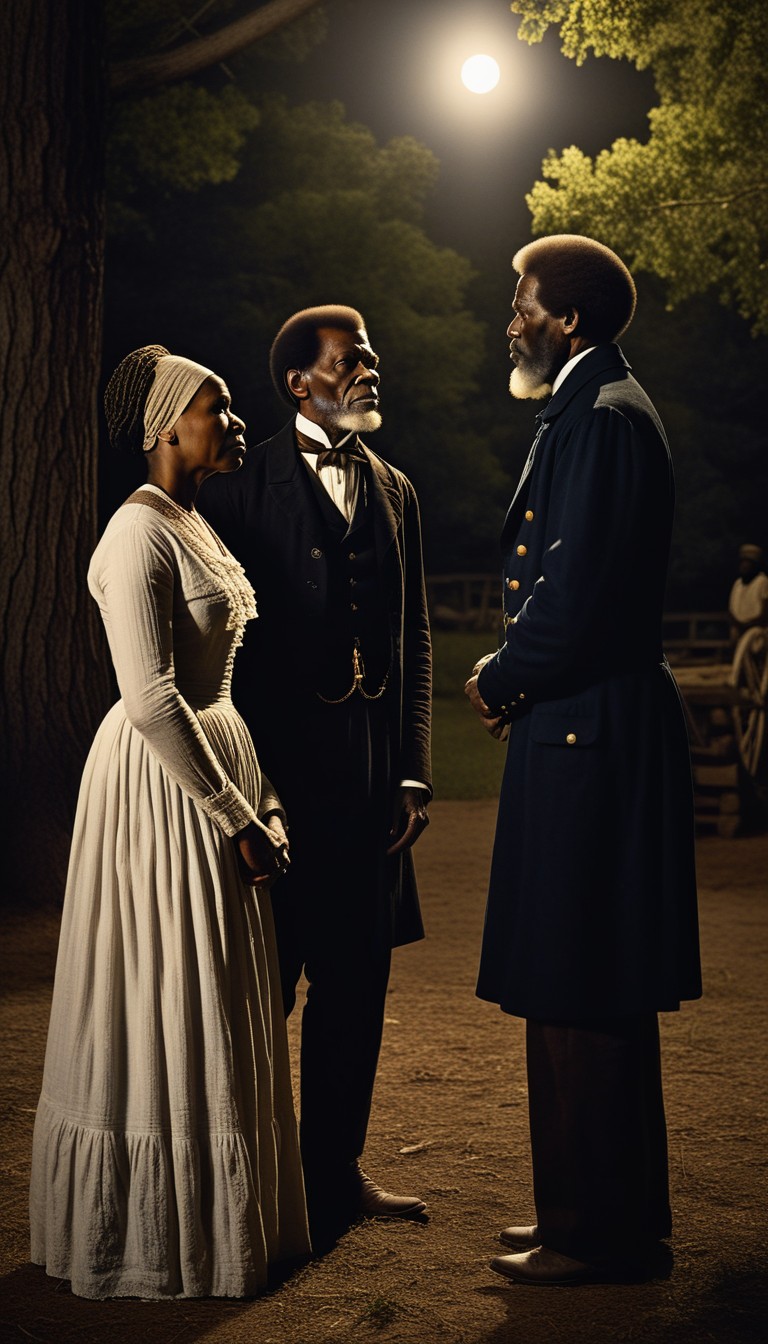
Abolitionist John Brown called Harriet Tubman "General Tubman" and sought her counsel for his planned raid on the federal arsenal at Harpers Ferry, Virginia. He hoped the raid would spark a general slave uprising across the South. Tubman helped recruit volunteers and shared her intimate knowledge of the region. Illness prevented her from joining the raid itself in October 1859. Brown's raid failed and he was hanged, but the country was shaken. The Civil War was less than two years away.
1862–1865
South Carolina and the Carolina Coast
Spy and Scout for the Union
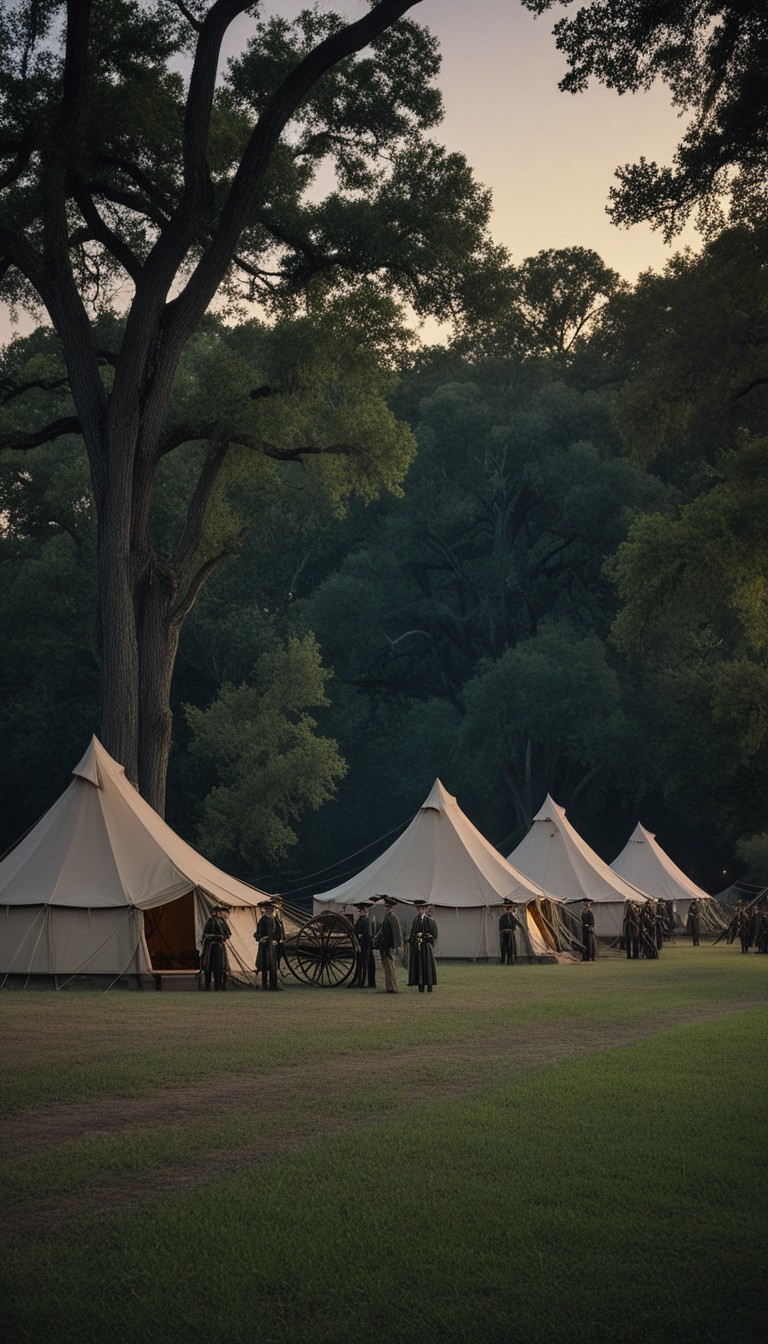
When the Civil War began, Harriet Tubman offered her services to the Union Army. She worked as a nurse, cook, and intelligence officer—recruiting a spy network of local Black men and women who could move unnoticed through Confederate territory. On June 2, 1863, she guided Colonel James Montgomery and 150 Black Union soldiers up the Combahee River in South Carolina, steering around Confederate torpedoes she had located through her network. The raid liberated more than 700 enslaved people in a single night—the largest single emancipation action of the war.
1865–1913
Auburn, New York
A Life of Service Without End
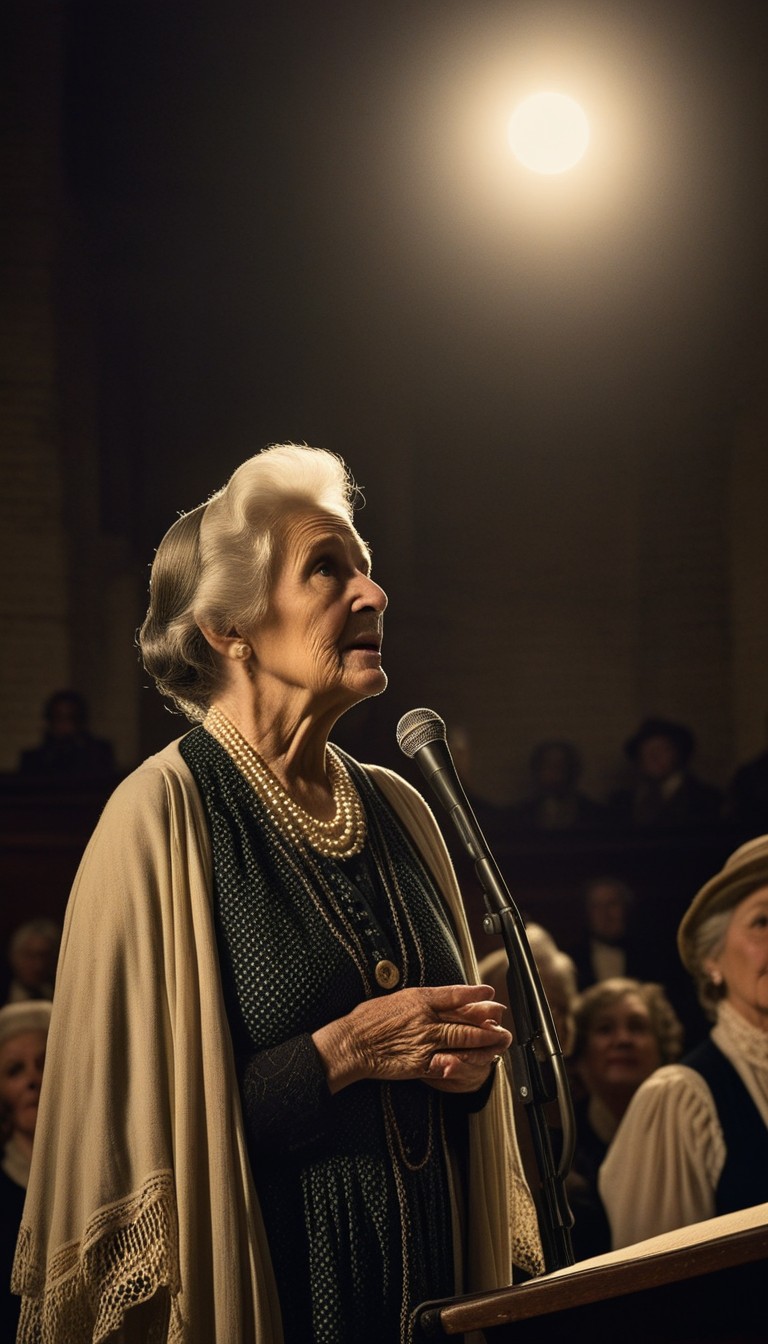
After the war, Harriet Tubman settled in Auburn, New York, where she cared for her aged parents and opened her home to those in need. She became an active voice in the women's suffrage movement, speaking alongside Susan B. Anthony and Elizabeth Cady Stanton. Despite her extraordinary service to the Union, the federal government denied her a military pension for decades—she finally received one in 1899, as a widow's benefit. She founded the Harriet Tubman Home for the Aged in 1908. When she died in 1913, her last words to those gathered around her were: "I go to prepare a place for you."

She Never Lost a Passenger
Harriet Tubman faced bounty hunters, informants, exhaustion, illness, and the constant threat of capture and death—and she never faltered. She freed herself once, and then kept going back for others. As a conductor on the Underground Railroad, a spy for the Union Army, and a champion of women's suffrage, she devoted her entire life to the freedom and dignity of others. "I was the conductor of the Underground Railroad for eight years," she said, "and I can say what most conductors can't say—I never ran my train off the track, and I never lost a passenger."
Recommended Reading
As an Amazon Associate, we earn from qualifying purchases.



Swipe to navigate