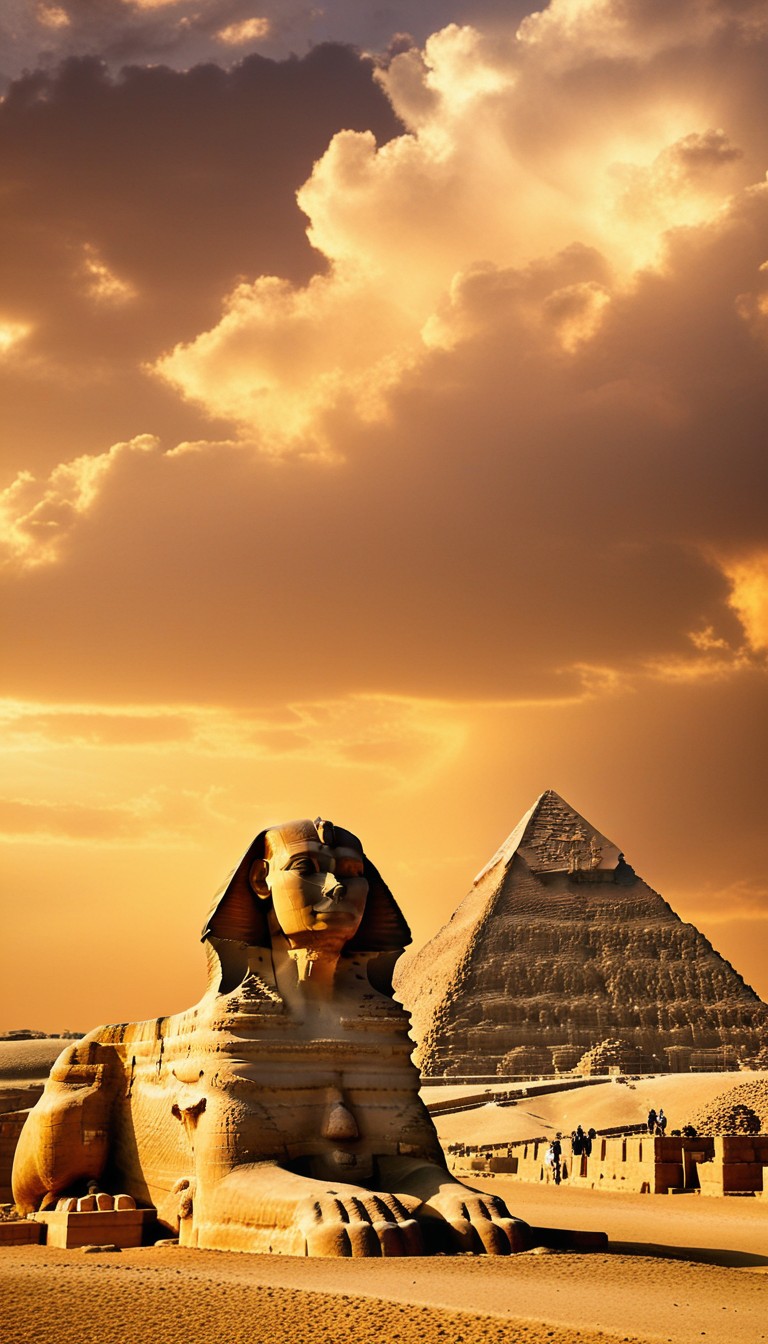
Ancient Egypt: Land of the Pharaohs
Loading story...
3100 BC
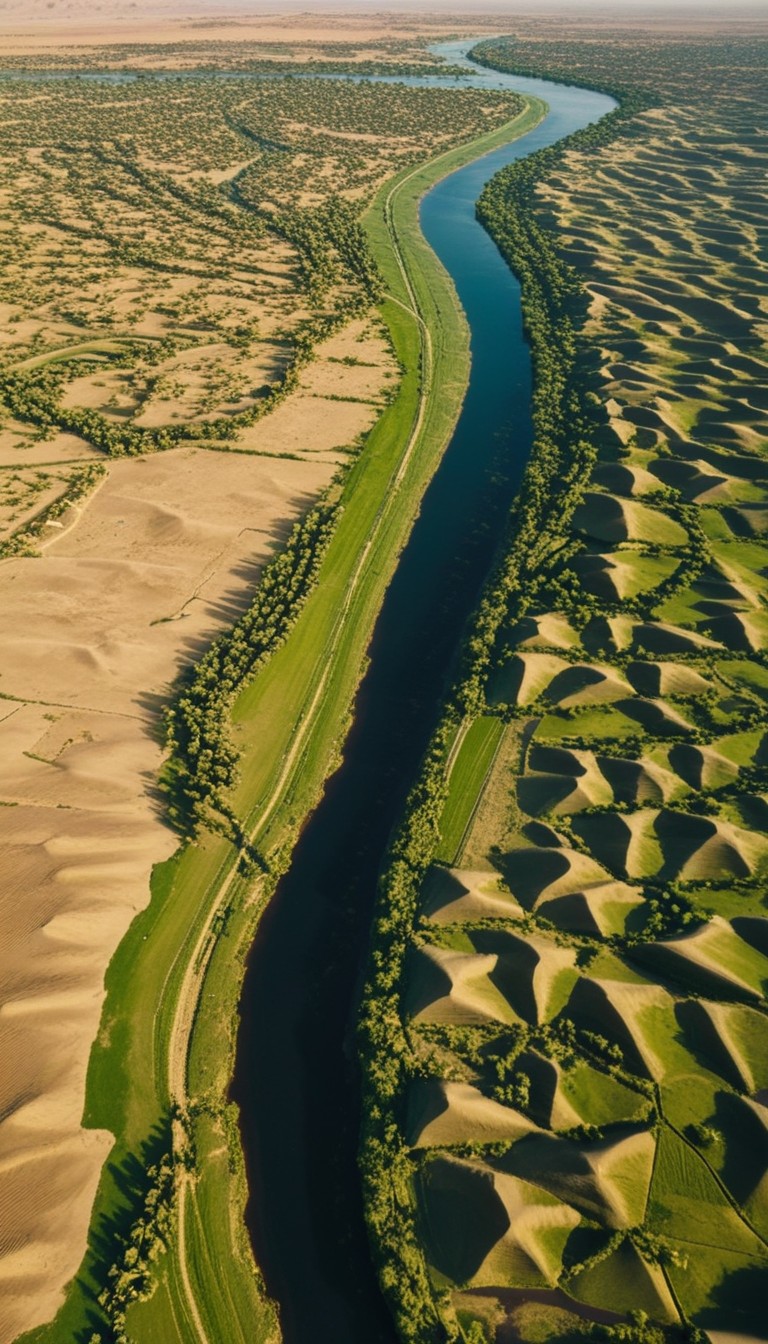
Nile River Valley
Gift of the Nile
Every year the Nile flooded, depositing rich black soil along its banks. This narrow ribbon of fertility in the desert allowed one of history's greatest civilizations to take root around 3100 BC when Upper and Lower Egypt were unified under one ruler.
2560 BC
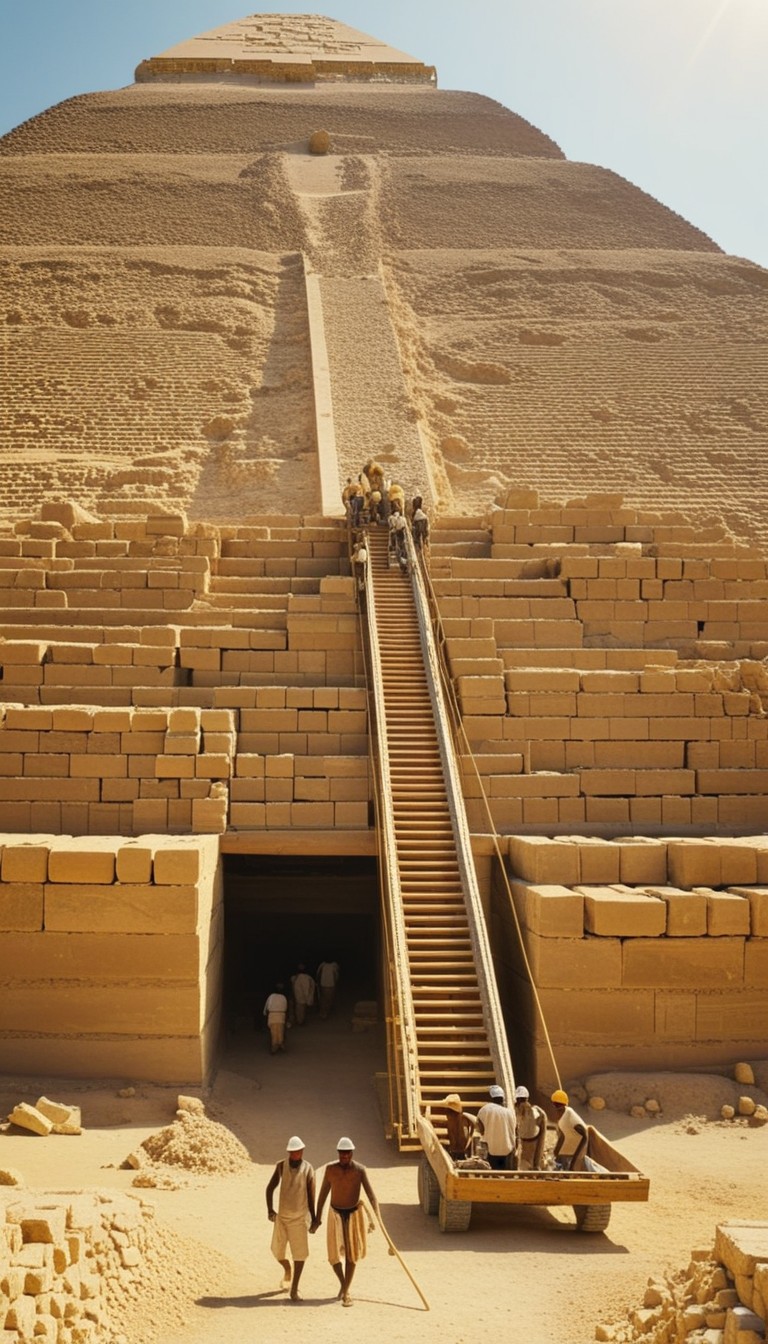
Giza, Egypt
Building the Impossible
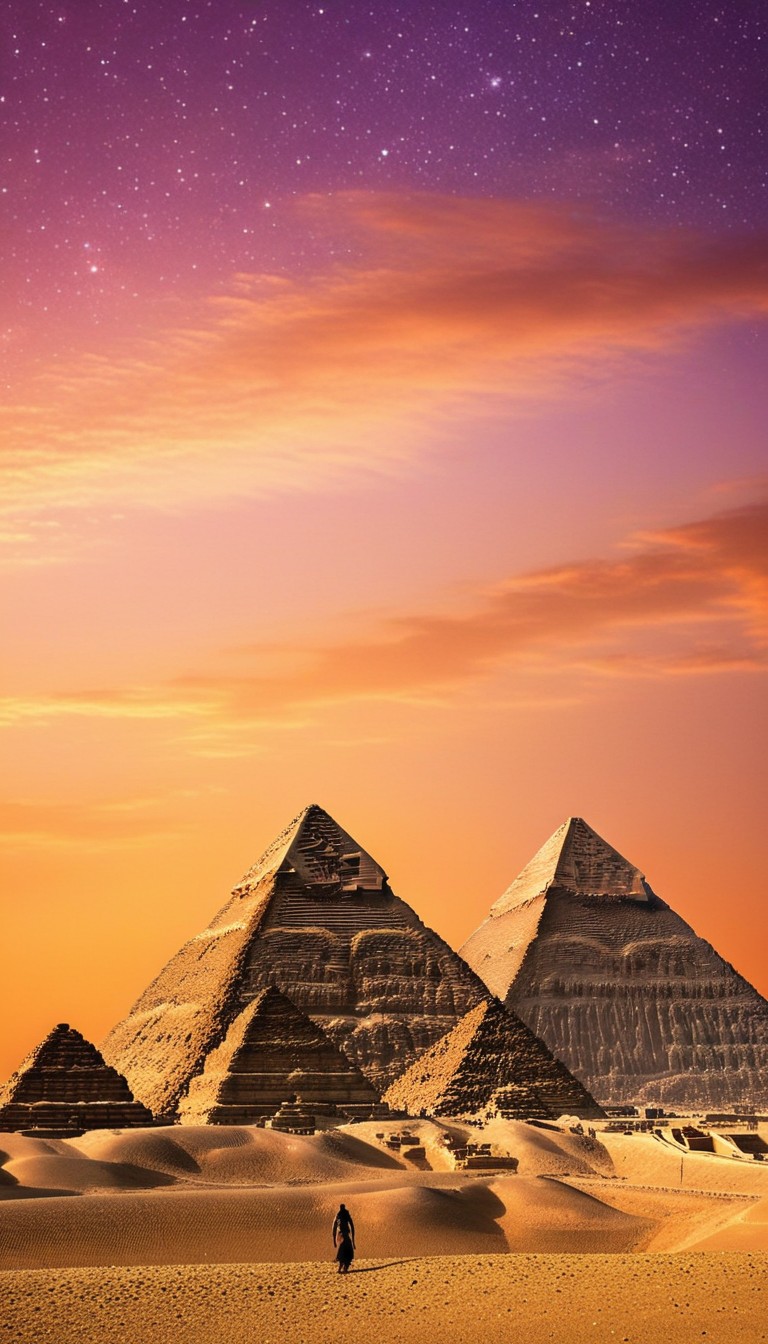
The Great Pyramid of Giza took roughly 20 years and tens of thousands of workers to build around 2560 BC. Standing 481 feet tall, it remained the tallest man-made structure on Earth for nearly 4,000 years. How they did it remains one of history's greatest mysteries.
3200-300 BC
Throughout Egypt
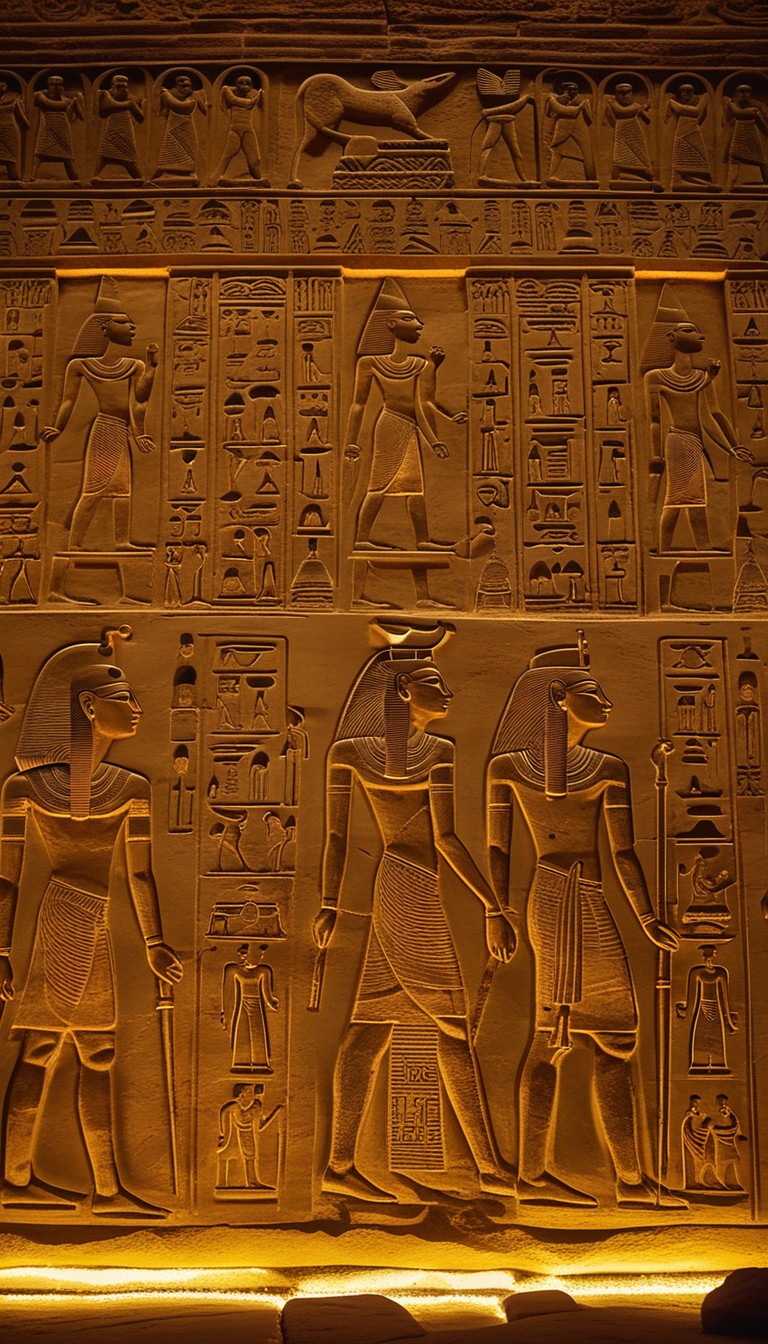
Words in Stone
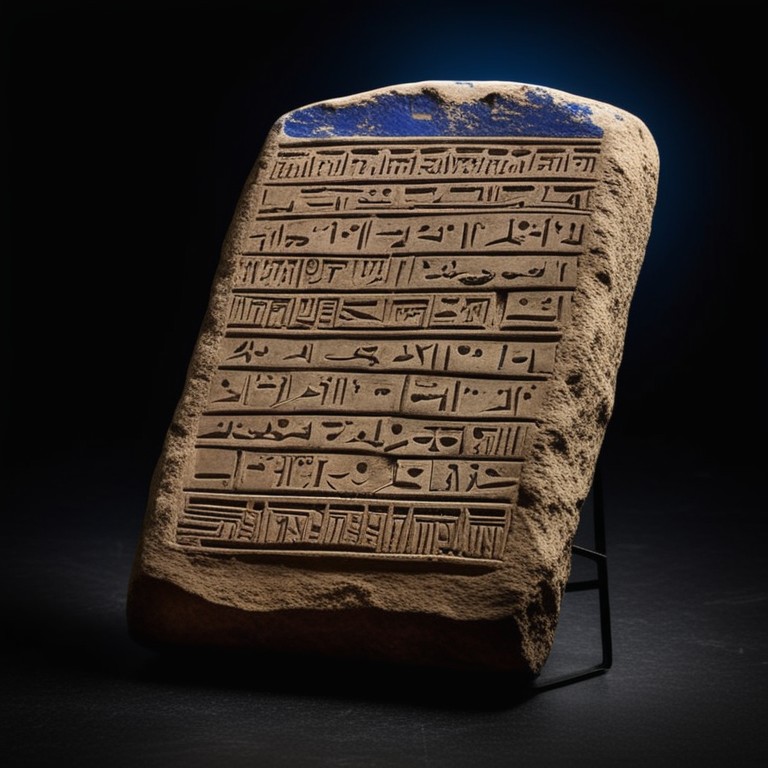
Egyptians developed hieroglyphics—over 700 symbols representing sounds, words, and ideas. Scribes spent years mastering the craft. Their writing recorded everything from royal decrees to love poems, preserving three millennia of history on temple walls and papyrus scrolls.
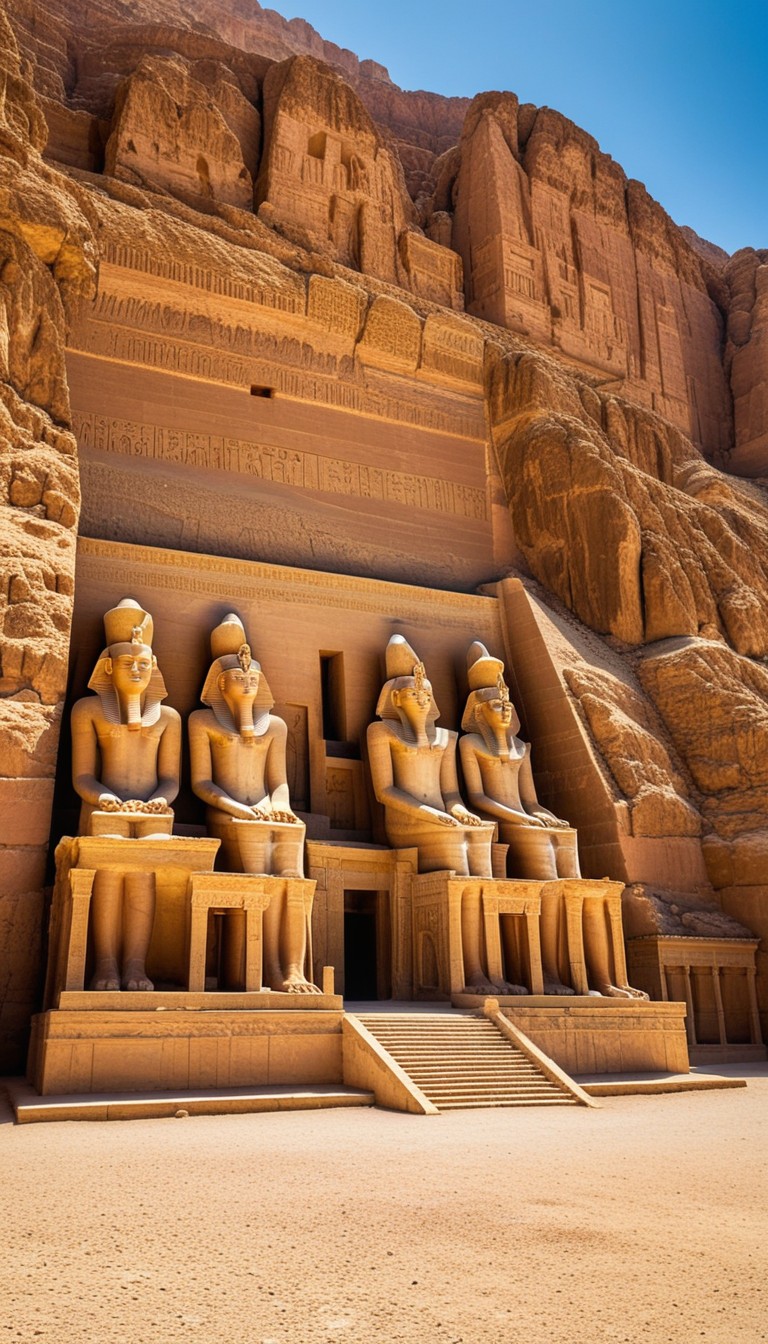
1478 BC
Thebes, Egypt
The Woman Who Was King
Hatshepsut became one of Egypt's most successful pharaohs around 1478 BC. She expanded trade routes to the Land of Punt, launched massive building projects, and ruled for over 20 years. She wore the royal beard and full pharaonic regalia—power recognizes no gender.
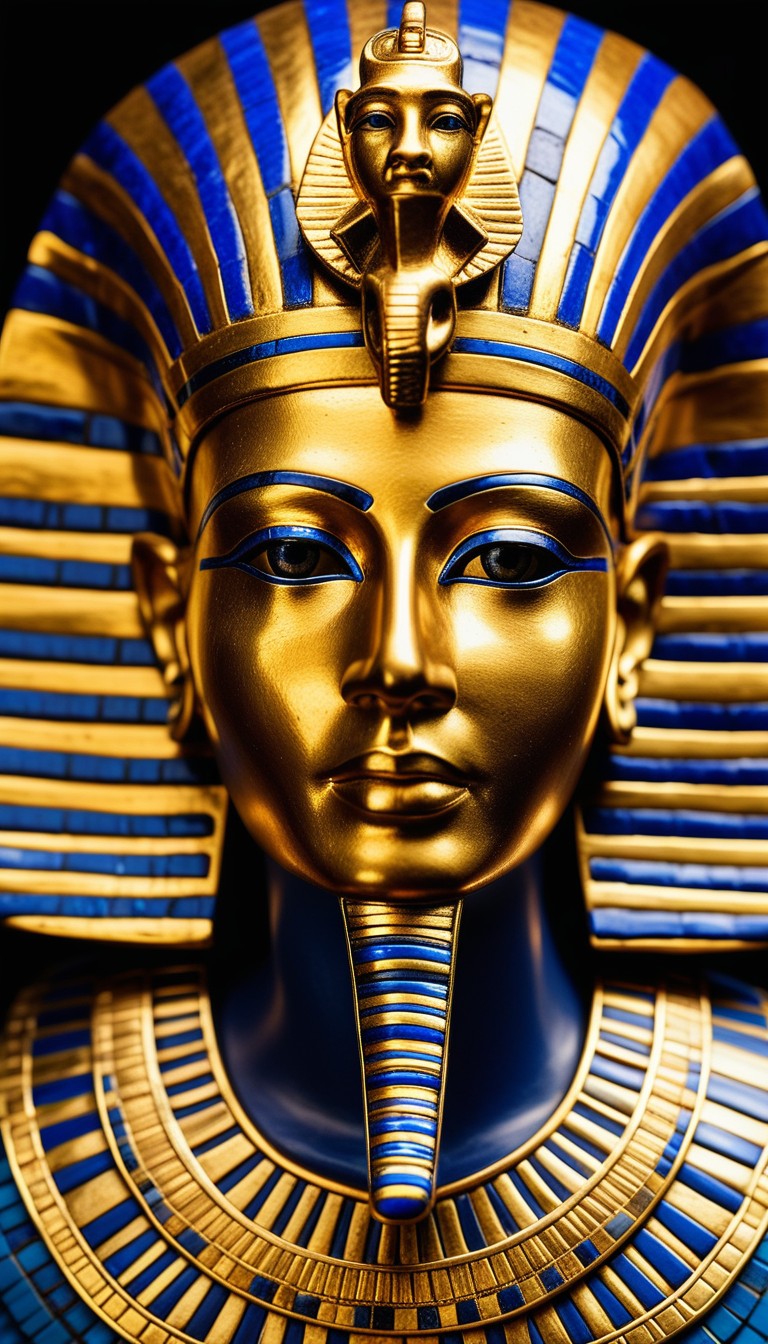
1332 BC
Valley of the Kings
The Boy King's Treasure
Tutankhamun became pharaoh at age nine and died at nineteen around 1323 BC. He might have been forgotten entirely, but in 1922 Howard Carter discovered his tomb nearly intact—over 5,000 artifacts including the iconic golden death mask that captivated the world.
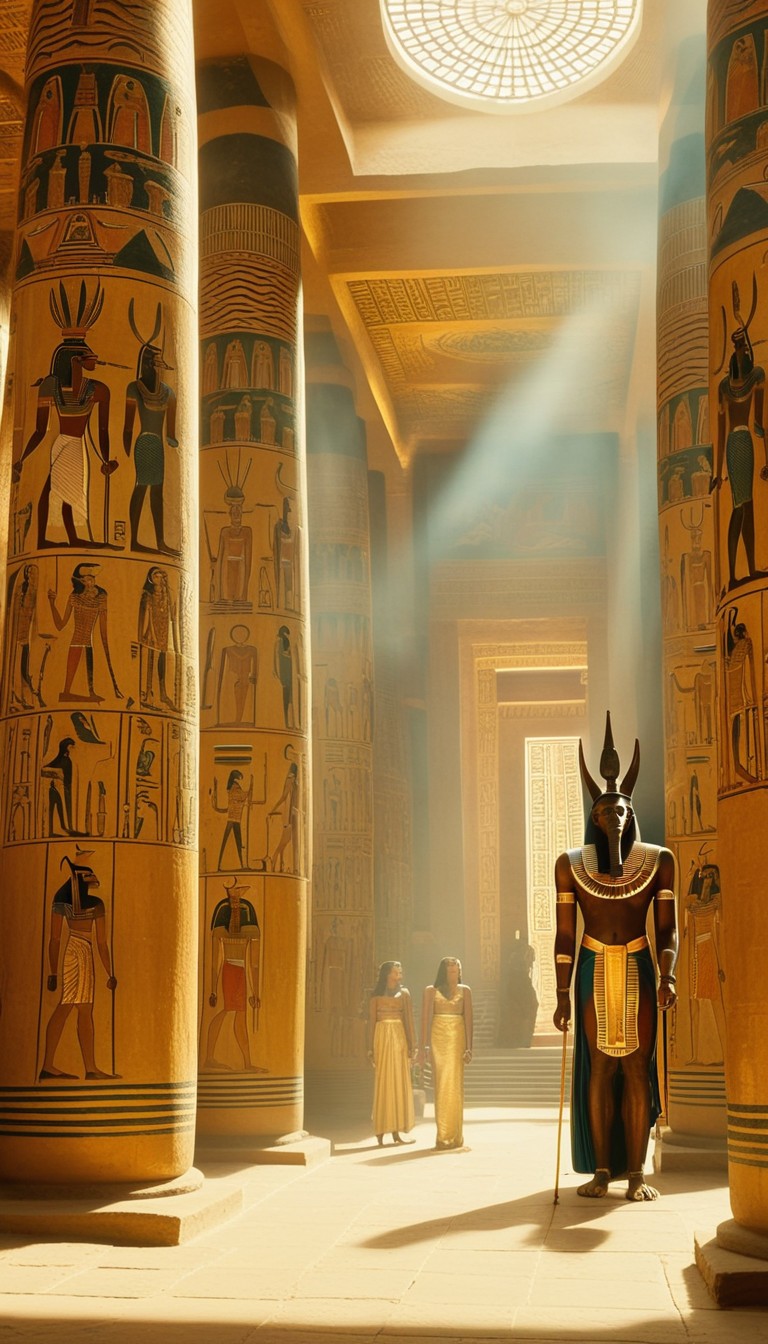
Throughout Era
Egypt
Gods of the Nile
Egyptians worshipped over 2,000 gods. Ra sailed the sun across the sky each day. Osiris ruled the underworld. Anubis weighed hearts against a feather to judge the dead. The pharaoh was considered a living god—the link between heaven and earth.
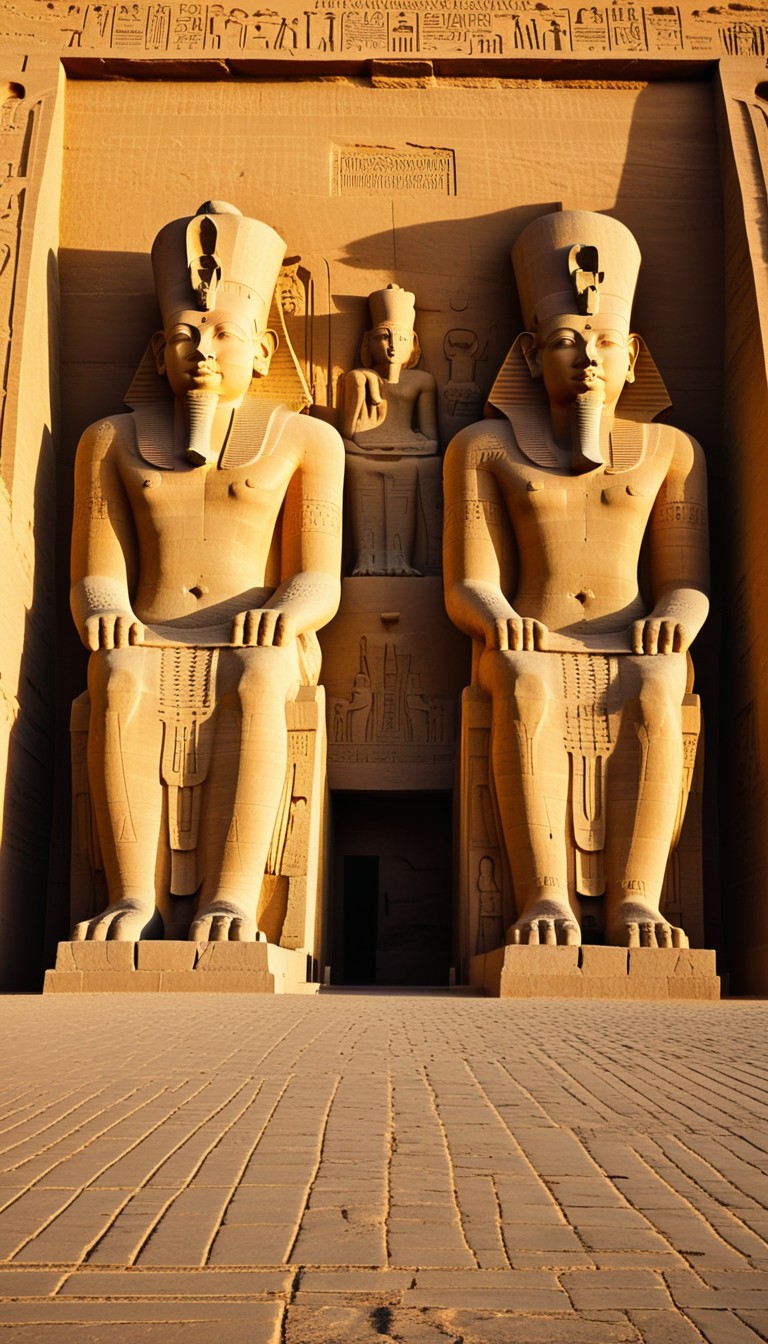
1279-1213 BC
Abu Simbel, Egypt
Ramesses the Great
Ramesses II ruled for 66 years, fathered over 100 children, and built monuments across Egypt including the temples at Abu Simbel. He fought the Hittites at Kadesh in 1274 BC and signed history's first known peace treaty. He defined what it meant to be pharaoh.
31 BC
Alexandria, Egypt
Cleopatra's Last Stand
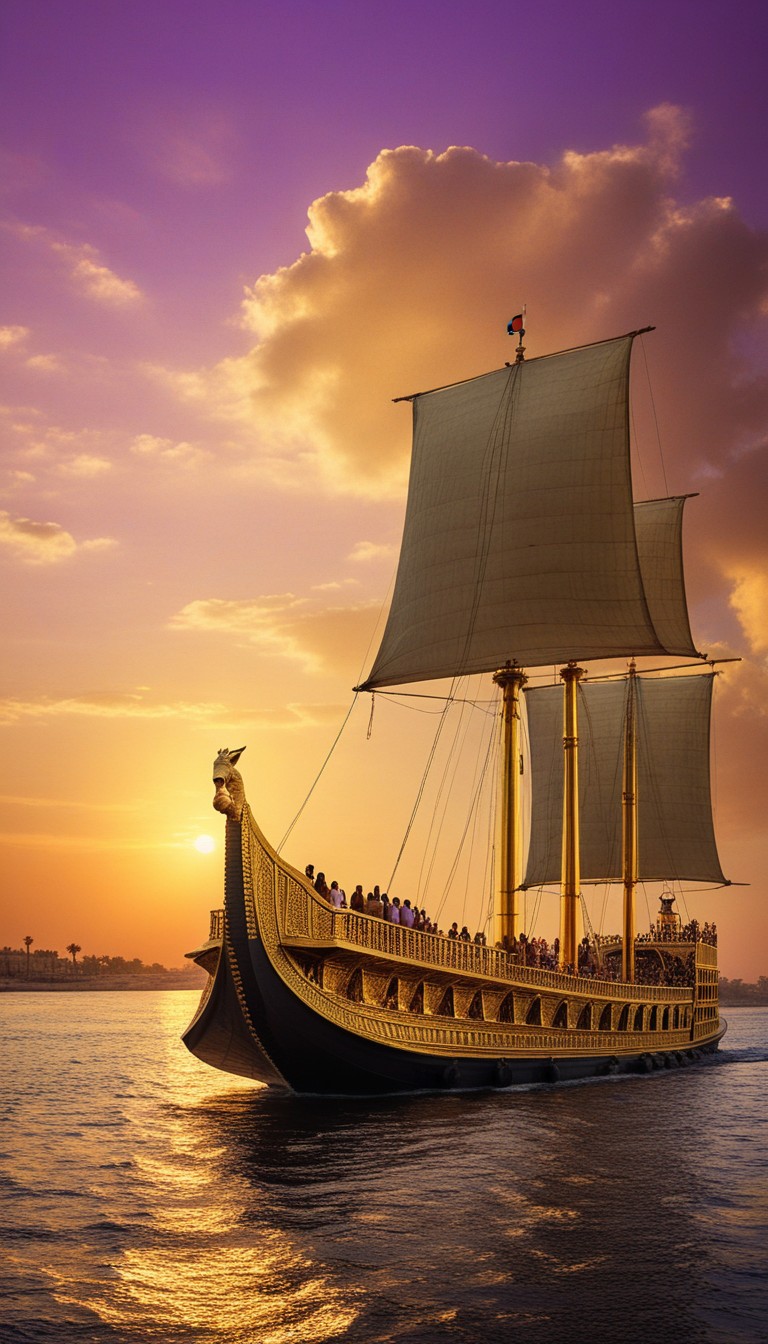
Cleopatra VII was the last pharaoh of Egypt. Brilliant, multilingual, and politically cunning, she allied with Julius Caesar and Mark Antony to preserve Egyptian independence. When Rome's Octavian defeated them at Actium in 31 BC, three thousand years of pharaonic rule came to an end.
Eternal in Stone
Ancient Egypt lasted over 3,000 years—longer than any other civilization in history. Their pyramids still stand, their writing has been decoded, and their stories continue to fascinate. The pharaohs built for eternity, and eternity delivered.
Swipe to navigate