The Qing Dynasty: China's Last Empire
Loading story...
1644
Beijing, China
The Manchu Conquest
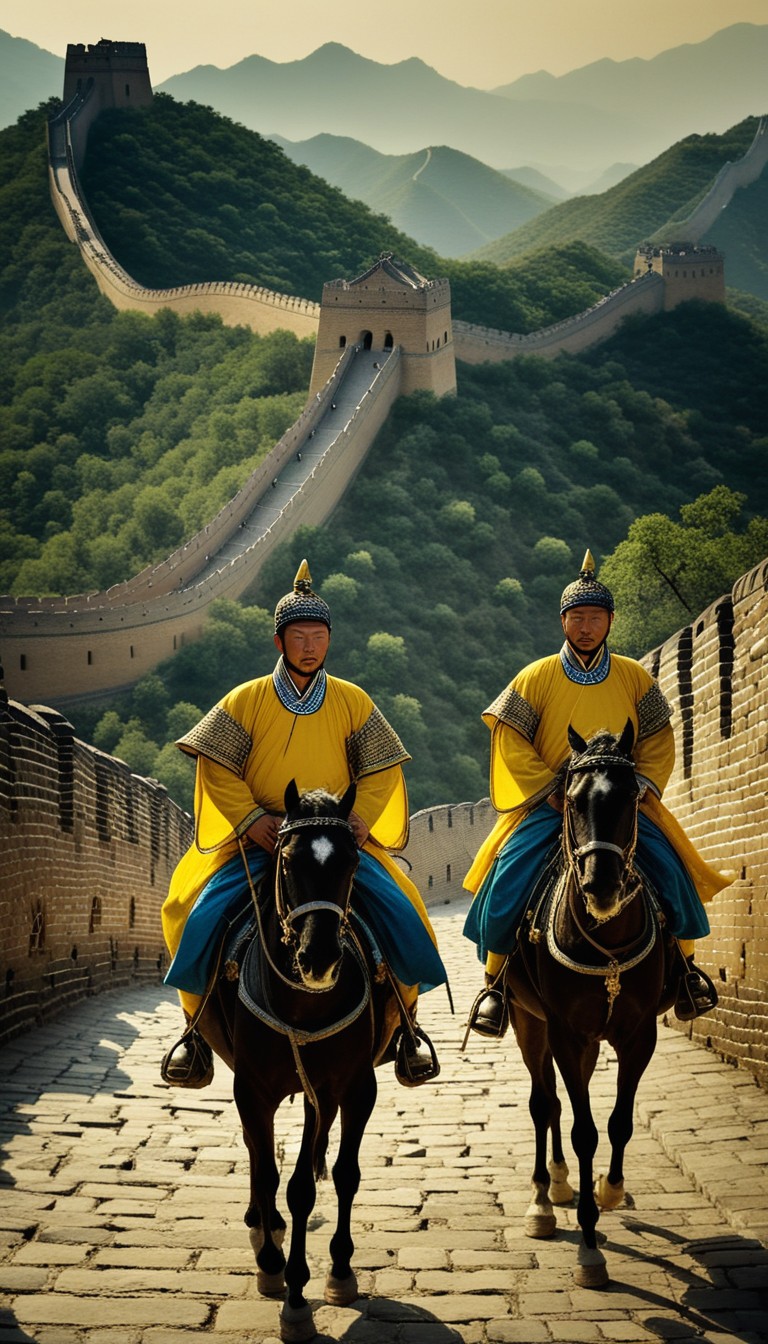
In 1644, the Ming Dynasty—weakened by famine, rebellion, and corruption—collapsed when the peasant rebel Li Zicheng captured Beijing. A Ming general, desperate to defeat the rebels, opened the gates of the Great Wall to the Manchu armies of the north. The Manchu, a semi-nomadic people from Manchuria, swept through the pass and seized the capital. They established the Qing Dynasty, declaring the Mandate of Heaven had passed to their emperor. It would take decades of brutal campaigns to subdue the south, but a new dynasty had risen to rule the Middle Kingdom.
1661–1722
Forbidden City, Beijing
The Kangxi Emperor
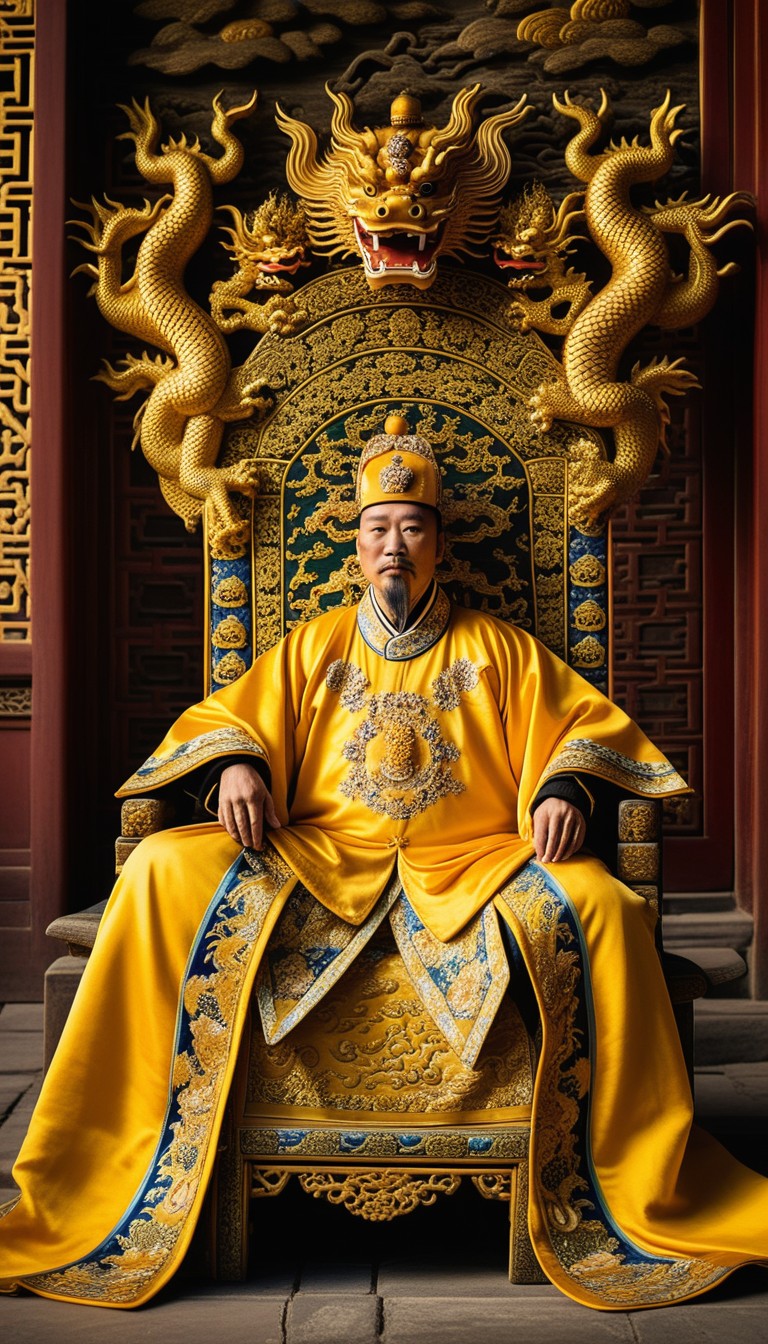
The Kangxi Emperor reigned for 61 years (1661–1722), the longest reign in Chinese history. Ascending the throne as a boy of seven, he grew into one of China's most capable rulers—a scholar, military commander, and administrator of extraordinary energy. He crushed the Revolt of the Three Feudatories, incorporated Taiwan into the empire, and negotiated the Treaty of Nerchinsk with Russia, fixing China's northern border. He patronized the arts, commissioned vast encyclopedias, and cultivated relationships with Jesuit scholars at court. Under Kangxi, the Qing Dynasty entered its golden age.
1735–1796
Qing Empire
Qianlong and Maximum Extent
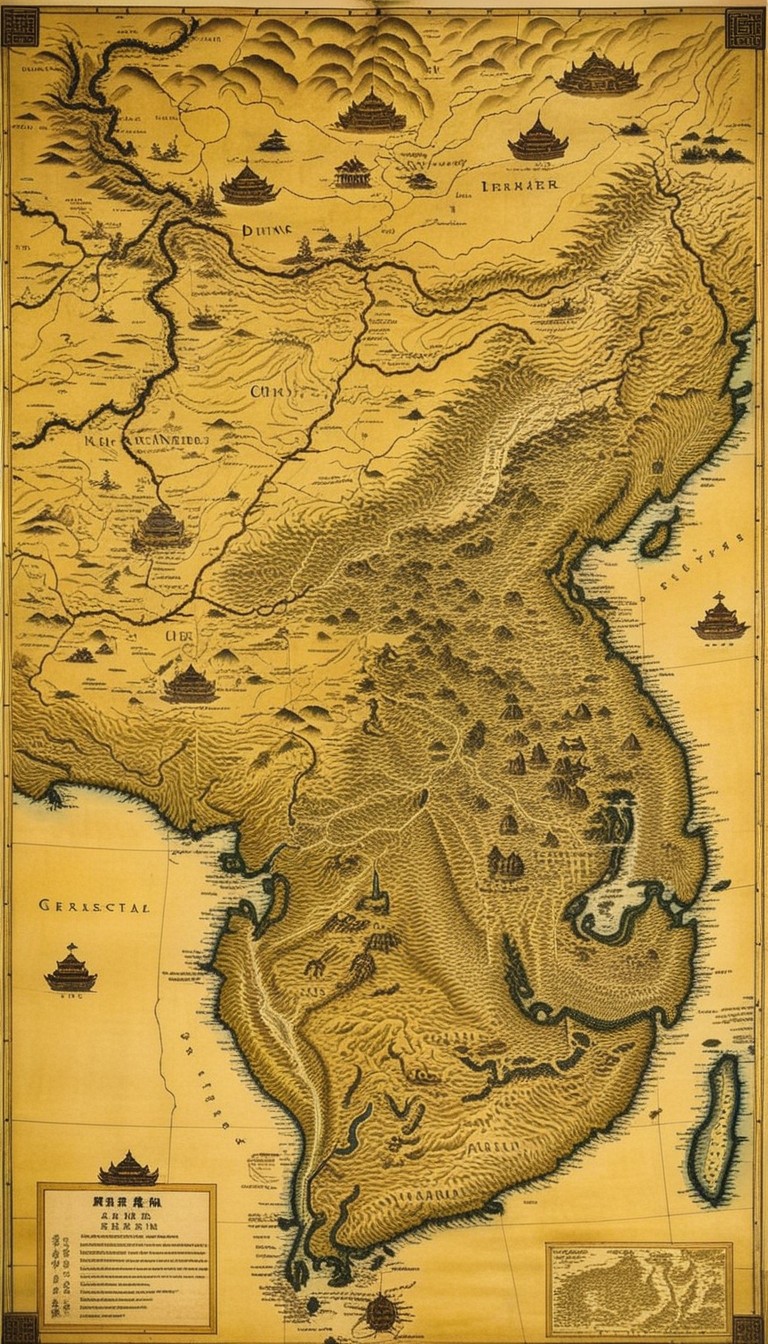
The Qianlong Emperor (1735–1796) presided over the Qing at its absolute zenith. Through a series of military campaigns he called the Ten Great Victories, he conquered Xinjiang, brought Tibet firmly under Qing suzerainty, and pushed the empire's borders to their greatest extent—an area of nearly 13 million square kilometers. The population swelled to 300 million, a third of humanity. Yet Qianlong's later reign also planted seeds of decline: corruption flourished under his favorite official Heshen, and he famously dismissed a British trade mission in 1793, declaring China had no need for foreign goods.
18th Century
Canton (Guangzhou)
The Canton System
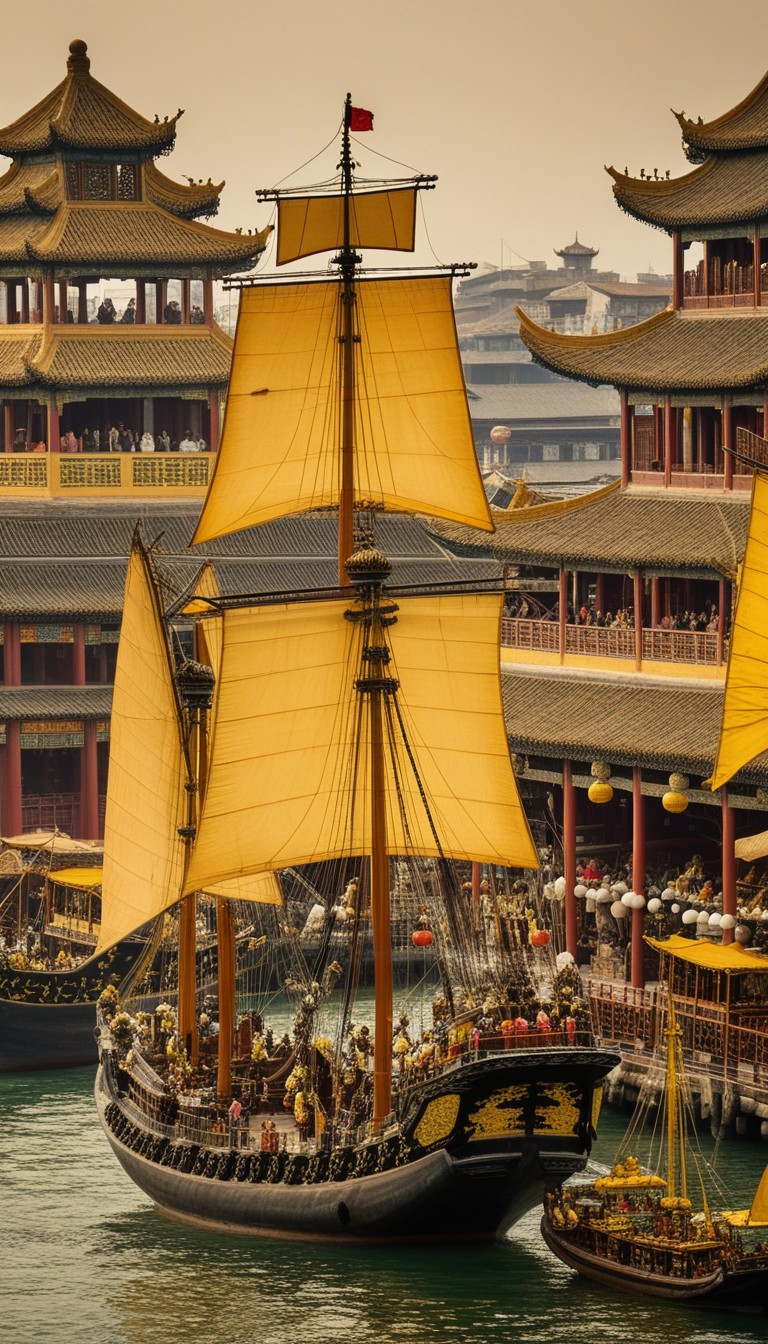
For most of the 18th century, European nations were permitted to trade with China only through the single port of Canton (Guangzhou), under a strict system managed by licensed Chinese merchant guilds called the Cohong. Europeans craved Chinese silks, porcelain, and tea—but China wanted little in return except silver. This chronic trade imbalance frustrated British merchants enormously. The East India Company struggled to find something China would buy. The answer they eventually settled upon would reshape the world: opium, grown in British India.
1839–1860
Coastal China
The Opium Wars
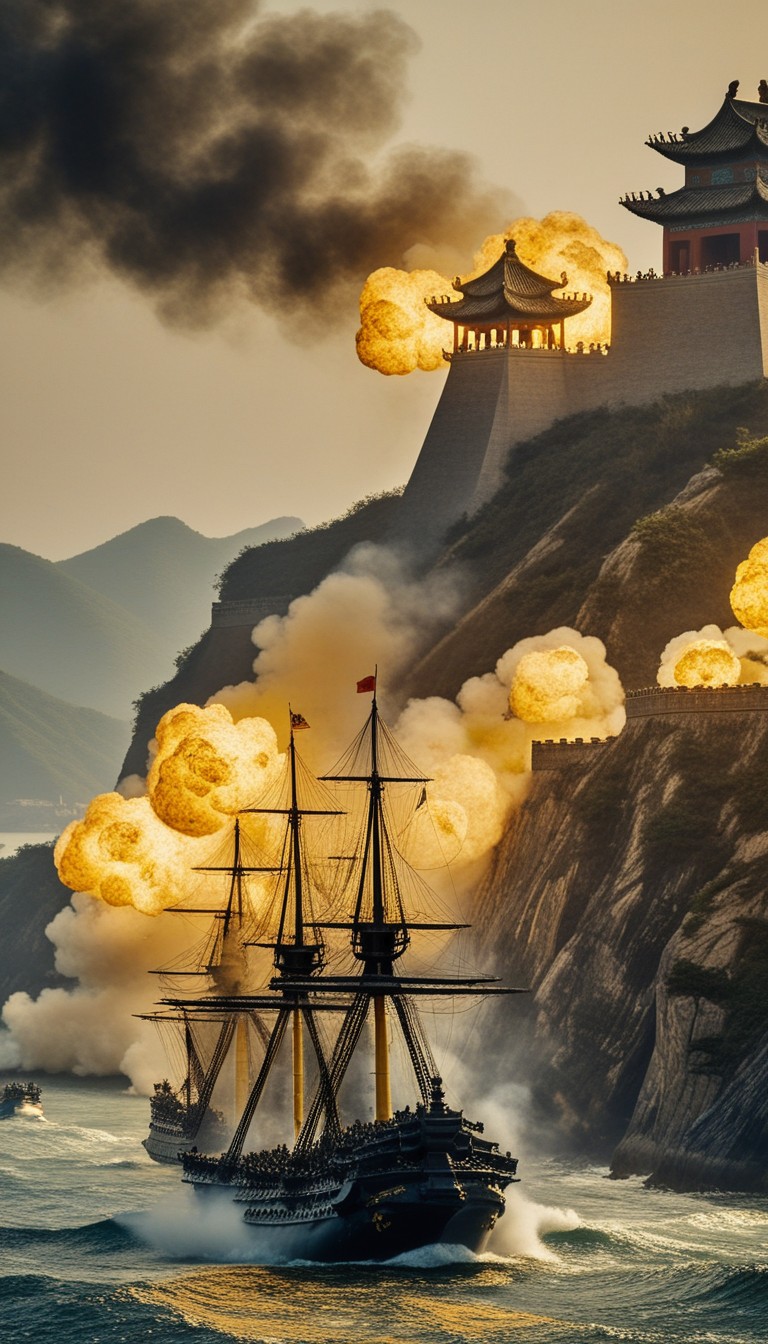
By the 1830s, millions of Chinese were addicted to British-supplied opium, and silver was flowing out of China rather than in. When the Qing government destroyed 20,000 chests of British opium in 1839, Britain responded with overwhelming naval force. The First Opium War (1839–1842) exposed the catastrophic gap between Qing military technology and the modern British war machine. China was forced to sign the humiliating Treaty of Nanking—ceding Hong Kong, opening five treaty ports, and paying vast indemnities. The Second Opium War (1856–1860) deepened the humiliation, with Anglo-French forces burning the Emperor's Summer Palace to the ground.
1850–1864
Southern China
The Taiping Rebellion
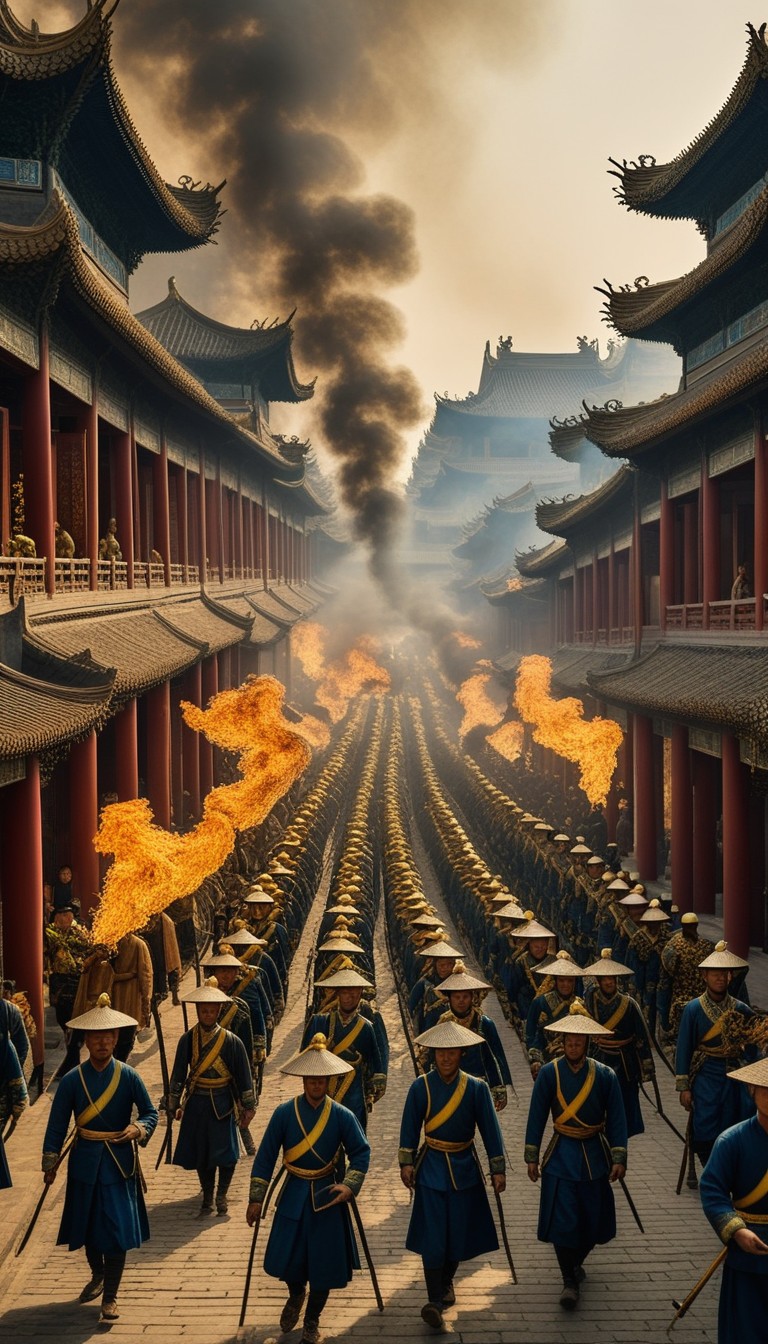
Even as China reeled from foreign pressure, internal catastrophe struck. Hong Xiuquan, a failed civil service candidate who believed himself the younger brother of Jesus Christ, launched the Taiping Heavenly Kingdom rebellion in 1850. At its peak his movement controlled a vast swath of southern China with its capital at Nanjing. The resulting civil war lasted 14 years and left an estimated 20 to 30 million dead—one of the deadliest conflicts in human history. The Qing survived only with the help of Western-led mercenary armies and the newly formed Xiang and Huai armies commanded by Chinese generals such as Zeng Guofan.
1861–1908
Forbidden City, Beijing
Empress Dowager Cixi
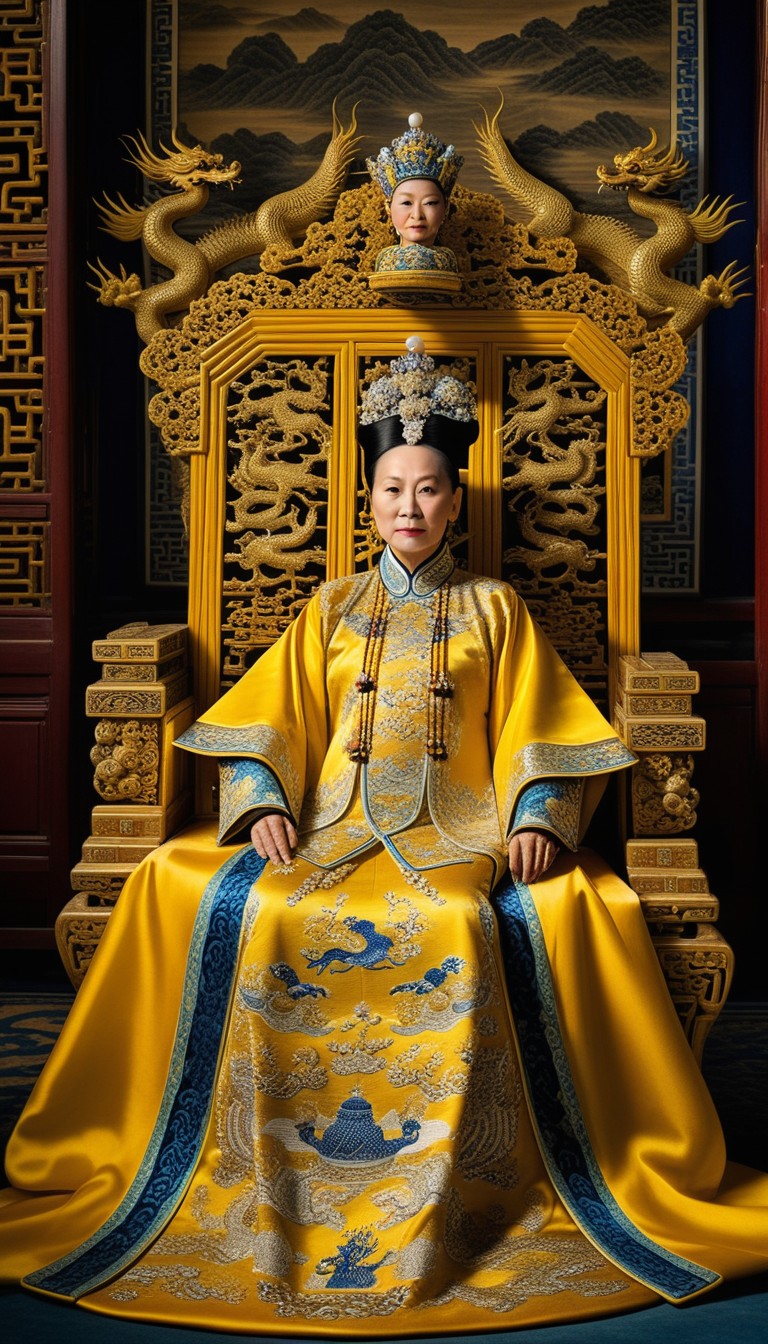
For nearly five decades, the real power behind the Qing throne was Cixi—a concubine who rose to become the most powerful woman in Chinese history. Ruling as regent through a succession of child emperors, she was a masterful political survivor. She suppressed the Hundred Days Reform of 1898, placing the reformist Guangxu Emperor under house arrest. Yet she also supported the disastrous Boxer Rebellion (1900), which brought eight foreign armies marching into Beijing. Cixi died in 1908, reportedly having the Guangxu Emperor poisoned the day before her own death, leaving a two-year-old boy on the Dragon Throne.
1911–1912
China
The Fall of the Empire, 1912
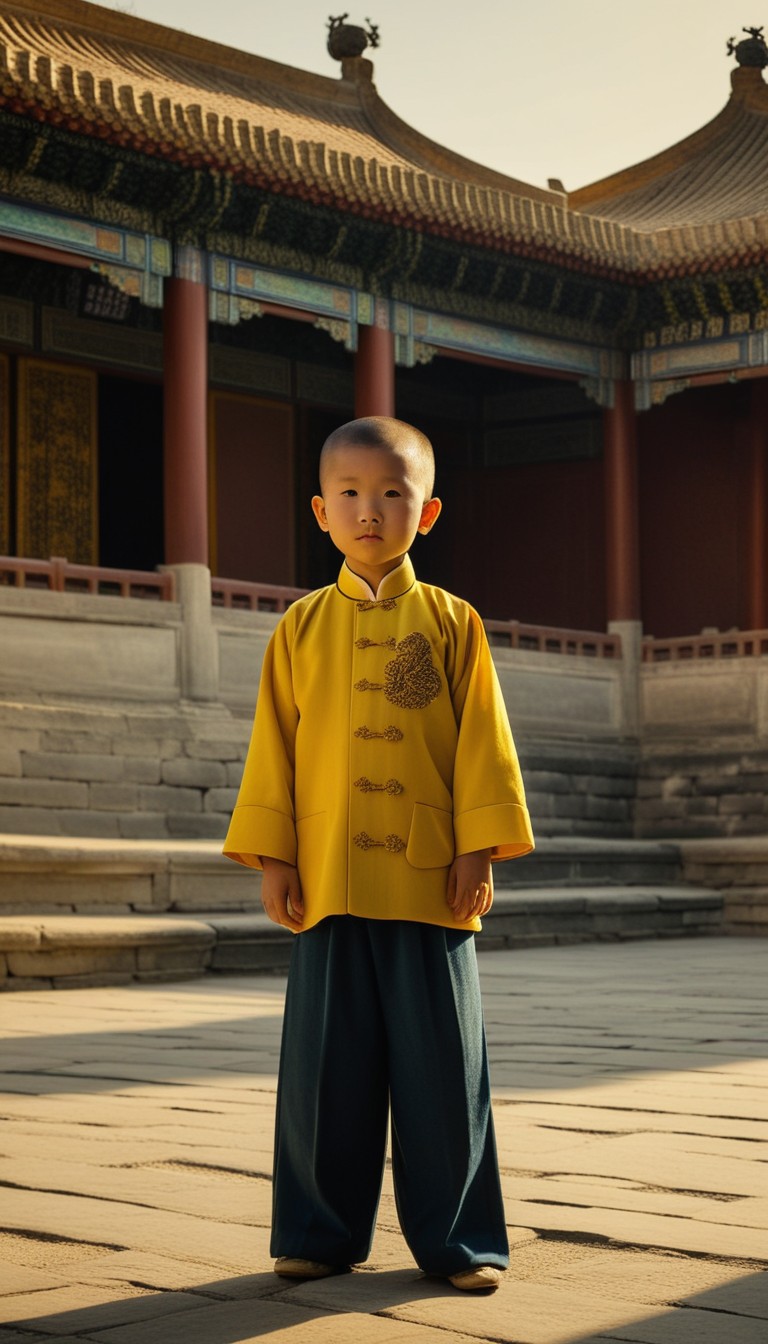
The revolution came swiftly. On October 10, 1911, a military uprising in Wuchang triggered a cascade of provincial defections from Qing rule. The revolutionary leader Sun Yat-sen returned from abroad to be named provisional president of the new Republic of China. Facing the inevitable, the empress dowager regent negotiated the abdication of the six-year-old Emperor Puyi on February 12, 1912. Two thousand years of imperial rule in China ended with the stroke of a brush. Puyi was allowed to remain in the Forbidden City until 1924—a ghost emperor in a vanishing world.
The Last Dragon Throne
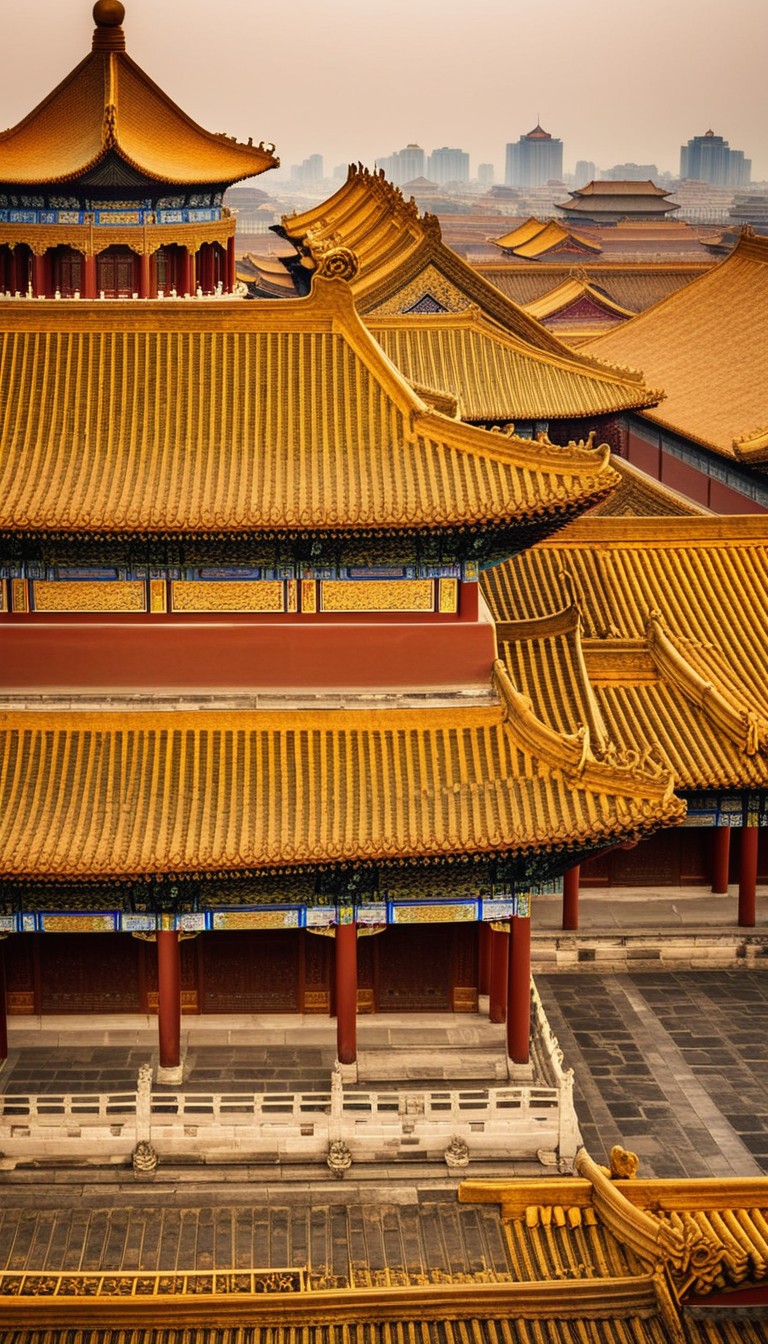
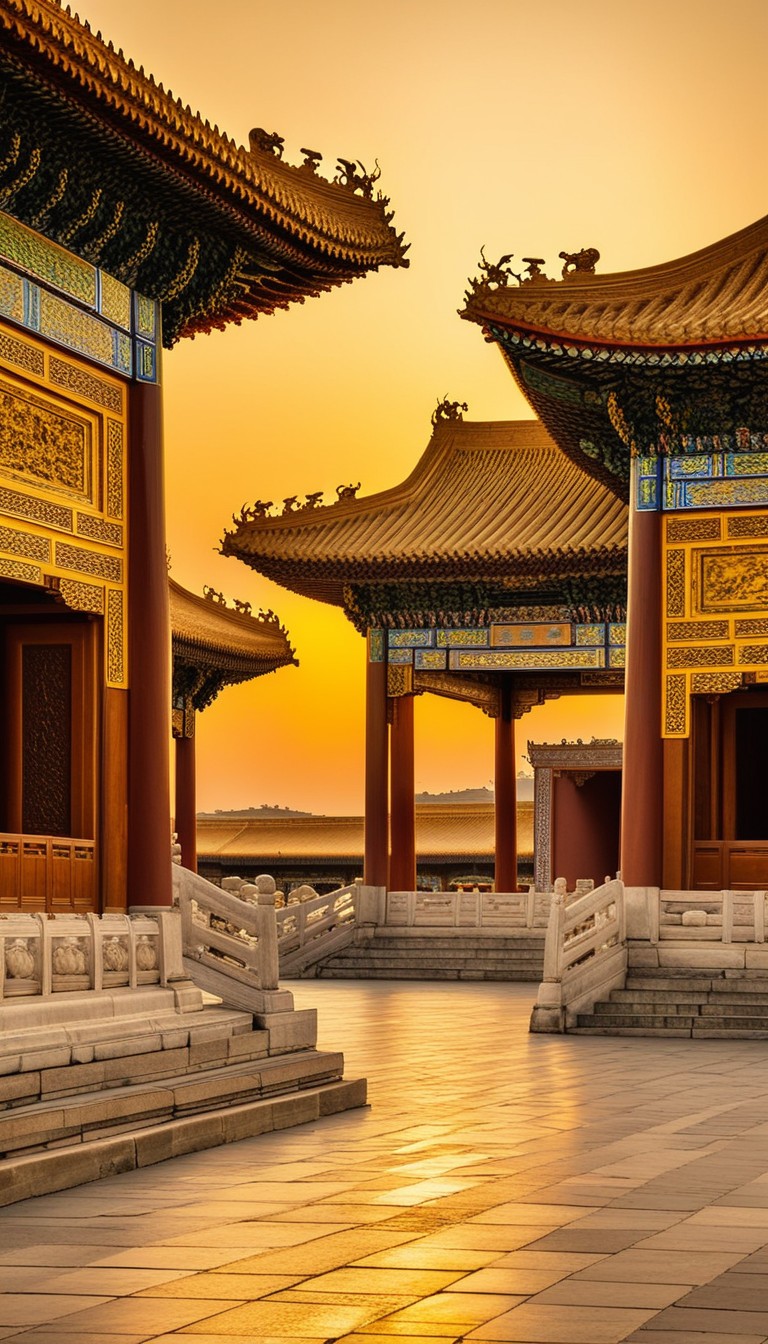
The Qing Dynasty endured for 268 years—long enough to build one of the largest empires in history, to produce emperors of genius and rulers of catastrophic failure, to survive rebellions that killed tens of millions, and to be undone not by any single enemy but by the collision of a medieval imperial system with the modern world. The Forbidden City still stands in Beijing, its red walls and golden roofs a monument to the civilization the Manchu rulers inherited, transformed, and ultimately could not save. China's imperial age was over. What came next would be even more turbulent.
Recommended Reading
As an Amazon Associate, we earn from qualifying purchases.
Swipe to navigate