Archimedes: The Master of Machines
Loading story...
~287 BC
Syracuse, Sicily
A Greek Genius in Sicily
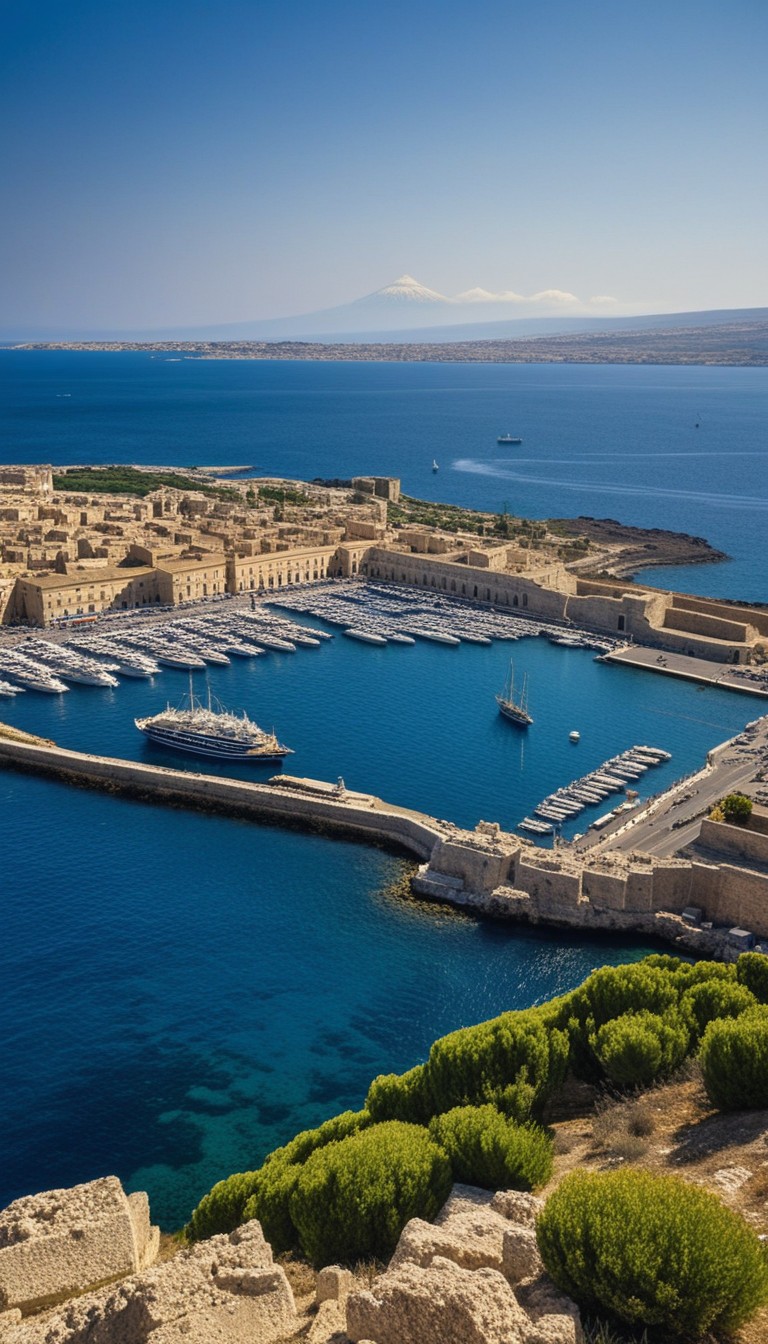
Around 287 BC, Archimedes was born in Syracuse, a wealthy Greek colony on the coast of Sicily. His father, Phidias, was an astronomer, and the young Archimedes grew up surrounded by the intellectual traditions of the Greek world. Syracuse was one of the most powerful cities in the Mediterranean, a crossroads of trade, art, and ideas. It was the perfect cradle for a mind that would reshape mathematics and engineering forever.
~260s BC
Alexandria, Egypt
Studies in Alexandria
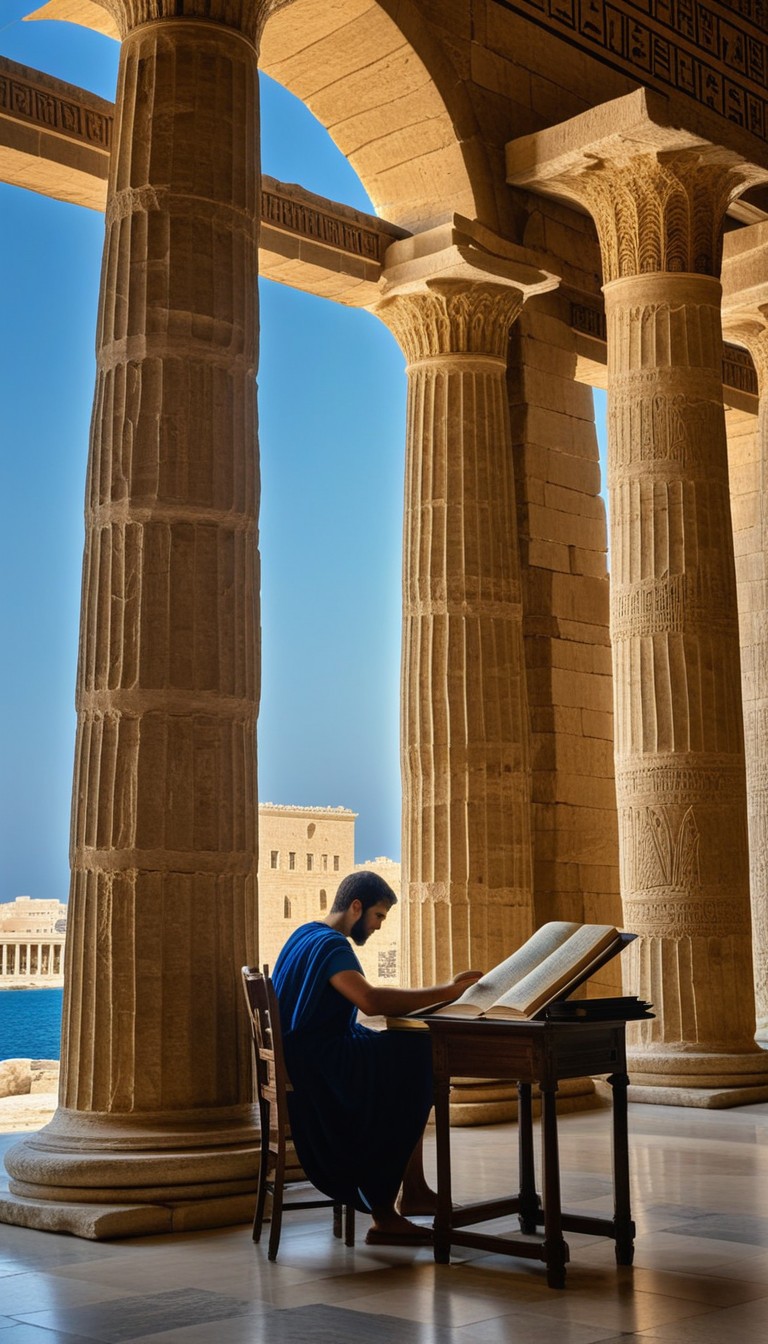
As a young man, Archimedes traveled to Alexandria in Egypt, home to the greatest library and center of learning in the ancient world. There he studied under the followers of Euclid, absorbing the cutting edge of Greek mathematics. He formed friendships with scholars like Eratosthenes, who would later measure the circumference of the Earth. When he returned to Syracuse, Archimedes carried with him the tools to push human knowledge further than anyone before.

~250s BC
Syracuse, Sicily
Eureka! The Crown Problem
King Hiero II suspected his goldsmith had cheated him by mixing silver into a supposedly pure gold crown. He asked Archimedes to find the truth without damaging the crown. The answer came in a flash while Archimedes was lowering himself into a bath—he noticed the water rising and realized he could measure the crown's volume by displacement. Legend says he leaped out and ran through the streets naked, shouting "Eureka!"—"I have found it!" He had discovered the principle of buoyancy.
3rd Century BC
Syracuse, Sicily
Mathematical Breakthroughs
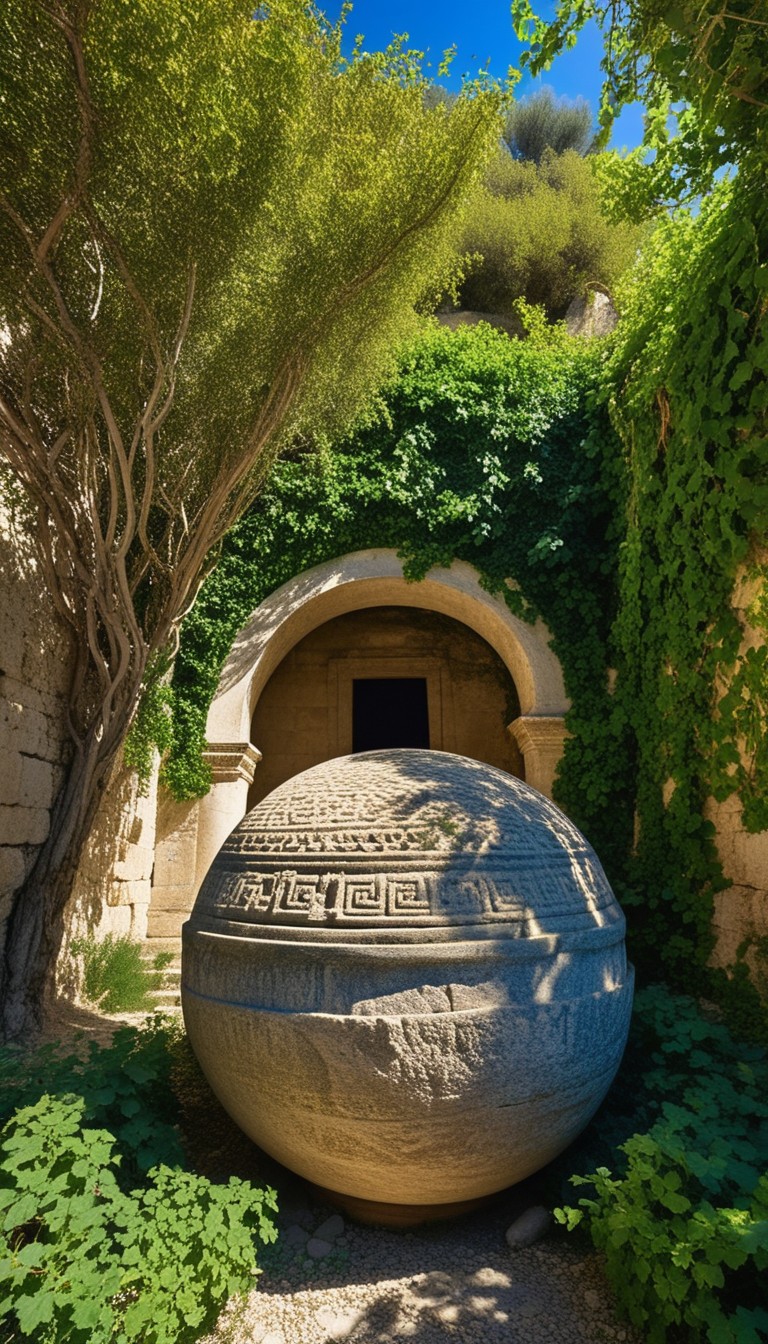
Archimedes' mathematical achievements were staggering. He calculated the value of pi more accurately than anyone before him, proved the relationship between a sphere and the cylinder that encloses it, and developed methods for calculating areas and volumes that foreshadowed integral calculus by nearly two thousand years. He considered his proof about the sphere and cylinder his greatest achievement and asked that the diagram be engraved on his tombstone.
3rd Century BC
Syracuse, Sicily
Give Me a Lever Long Enough
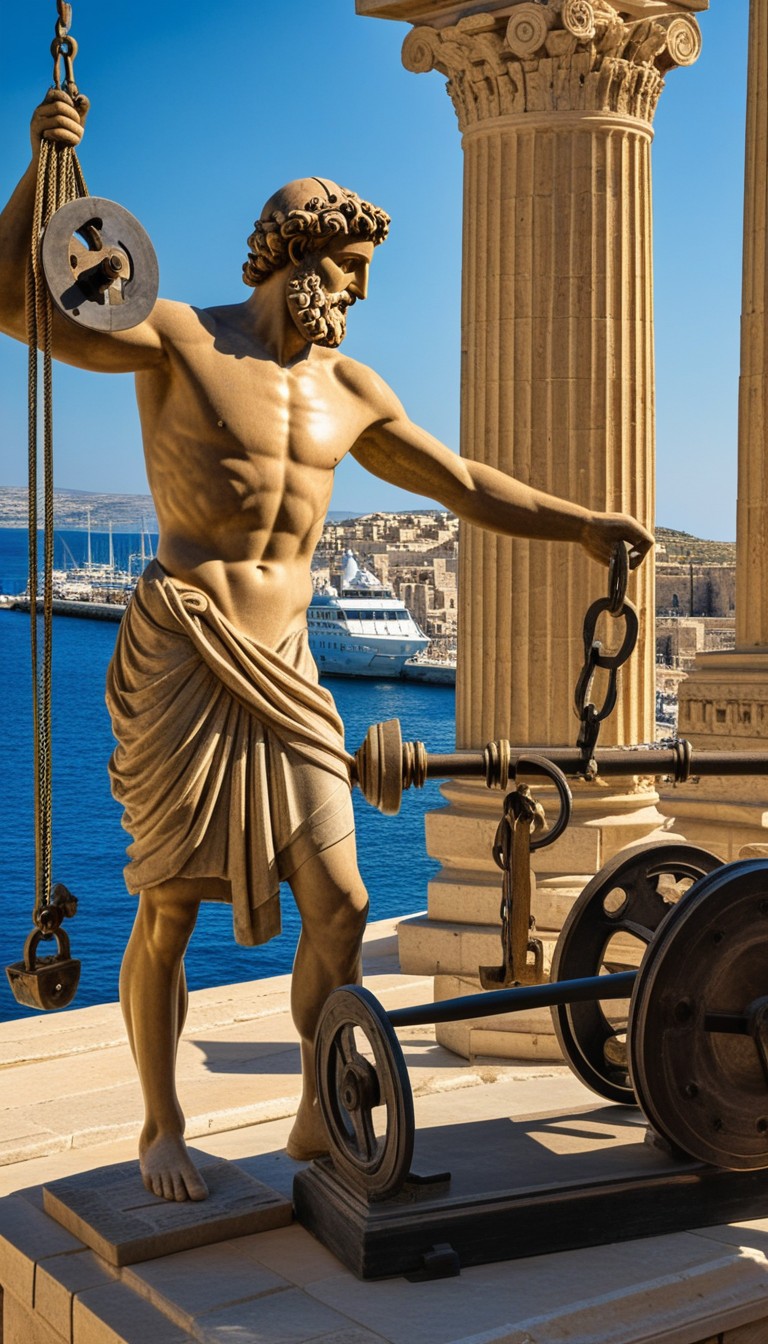
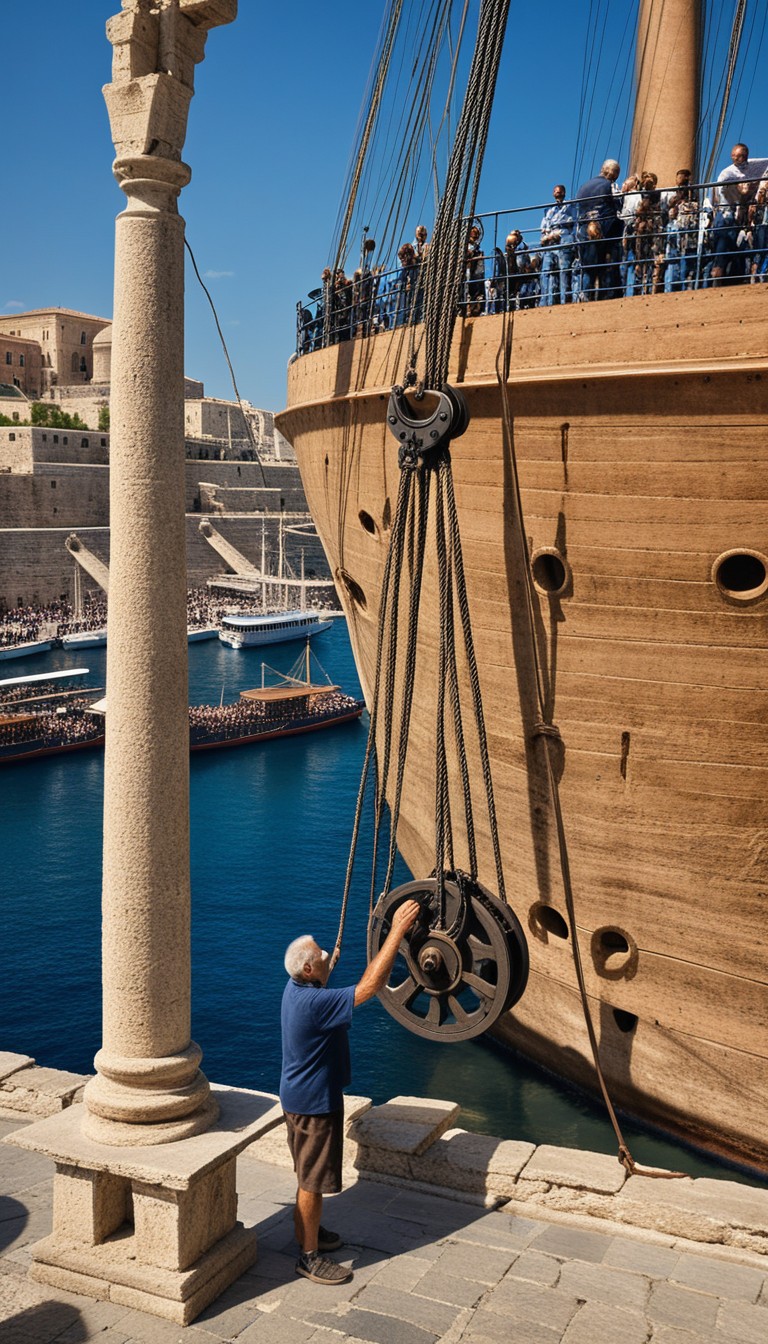
Archimedes famously declared: "Give me a place to stand, and I shall move the Earth." He proved the mathematical laws of the lever and then demonstrated his mastery of mechanics by building compound pulley systems of extraordinary power. According to ancient accounts, he single-handedly hauled a fully loaded ship out of the harbor using a system of pulleys, astonishing King Hiero and everyone who watched. Theory and practice were united in his hands.
214-212 BC
Syracuse, Sicily
War Machines Against Rome
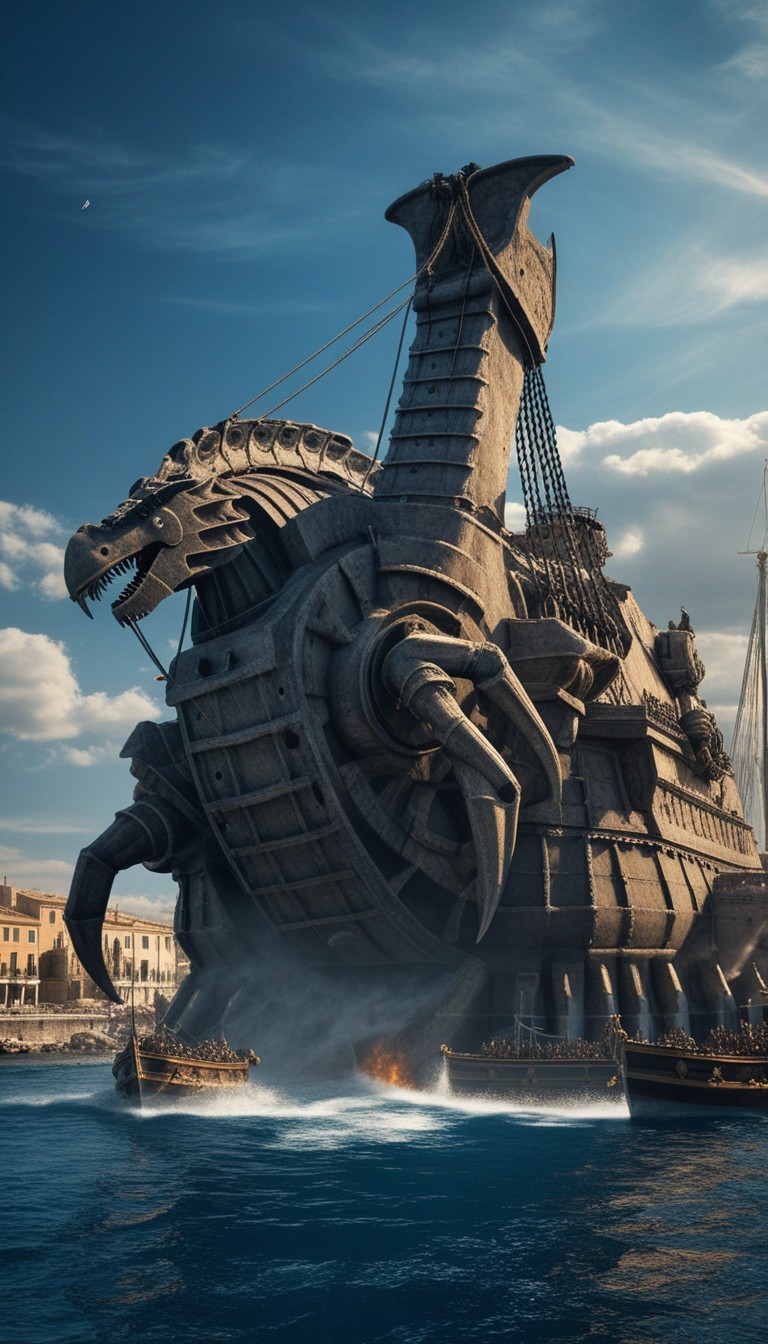
When Rome besieged Syracuse in 214 BC, Archimedes turned his genius to defense. He designed massive catapults that hurled boulders at Roman ships, cranes called "the Claw of Archimedes" that lifted enemy vessels out of the water and smashed them, and possibly even arrays of polished mirrors to focus sunlight and set ships ablaze. The Roman general Marcellus reportedly said Archimedes was fighting a one-man war against the entire Roman fleet. The siege dragged on for two years.
3rd Century BC
Syracuse, Sicily
The Archimedes Screw
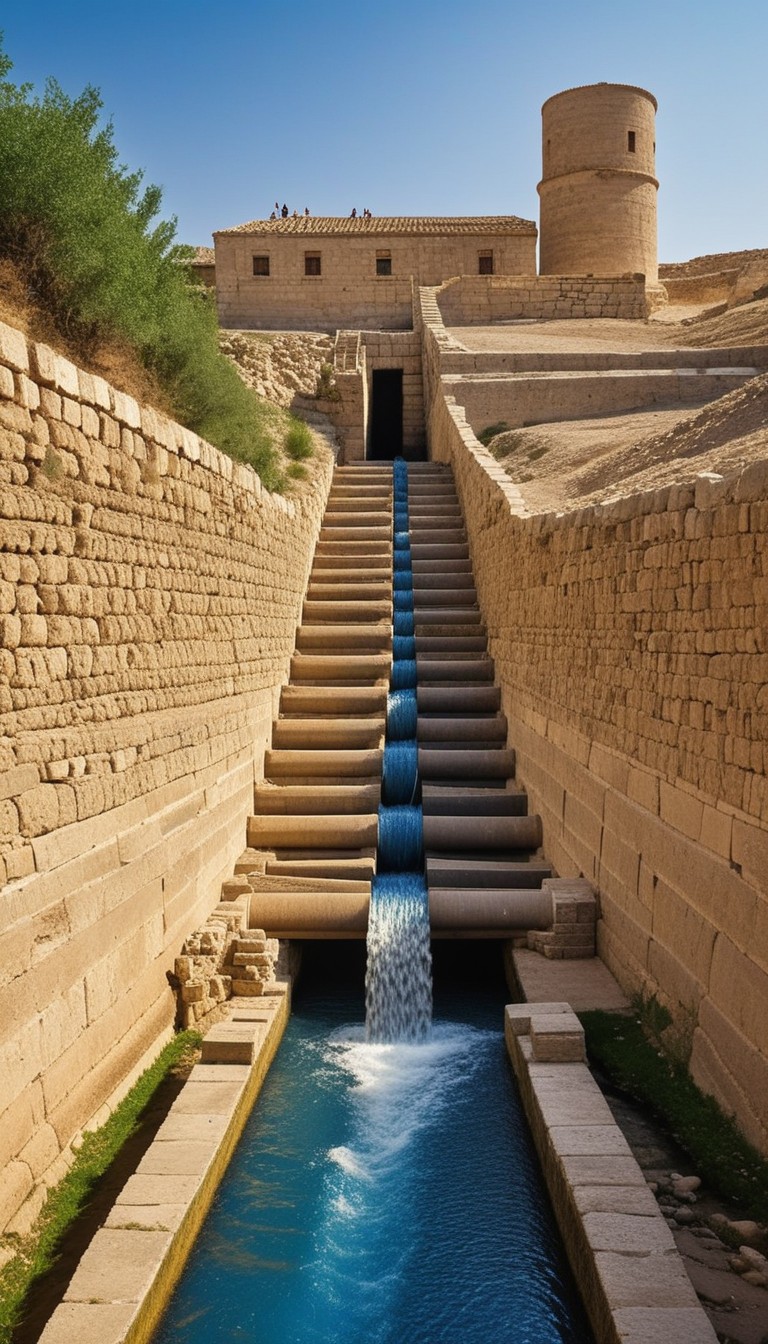
Not all of Archimedes' inventions were weapons of war. The Archimedes screw—a rotating helical blade inside a cylinder—was a brilliantly simple device for lifting water from low-lying sources into irrigation channels and ship bilges. It may have been invented during his time in Egypt or designed for King Hiero's great ship. Remarkably, this twenty-three-hundred-year-old invention is still used today in water treatment plants and agricultural systems around the world.
212 BC
Syracuse, Sicily
Do Not Disturb My Circles
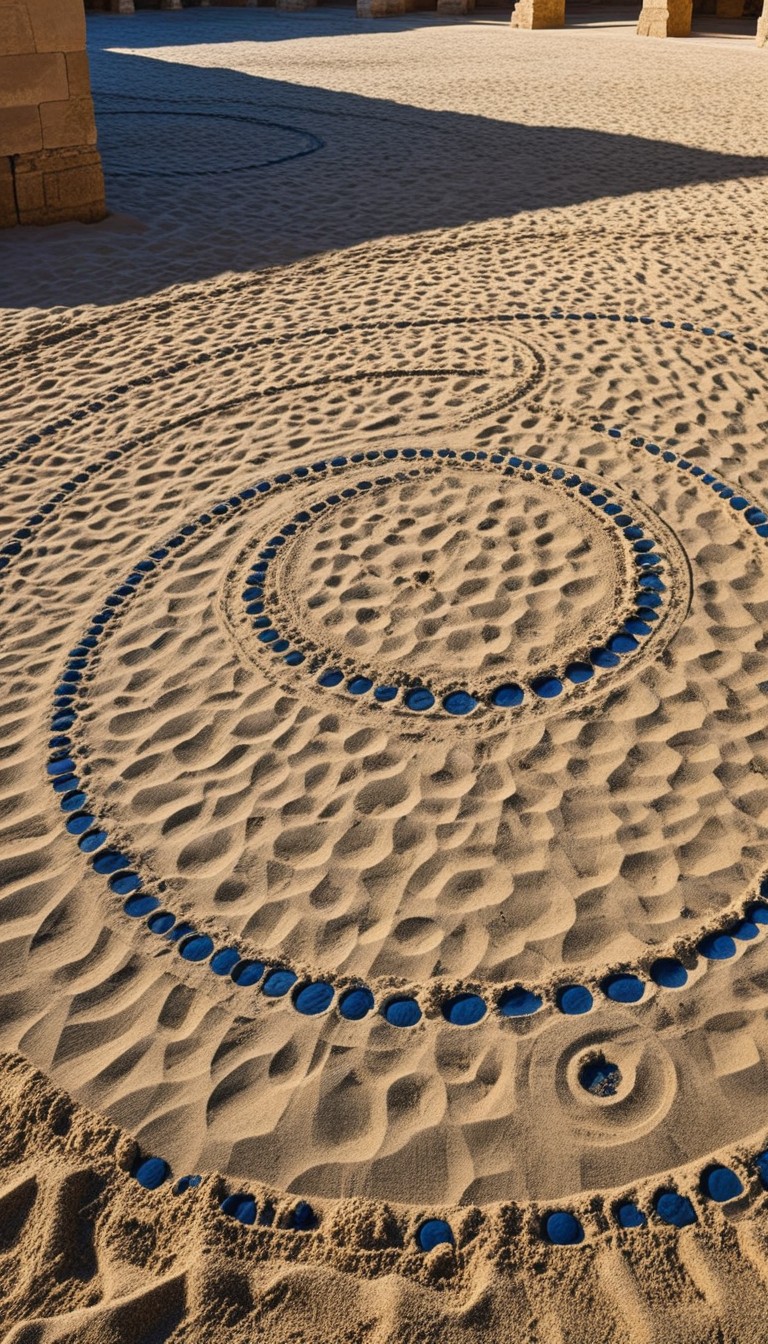
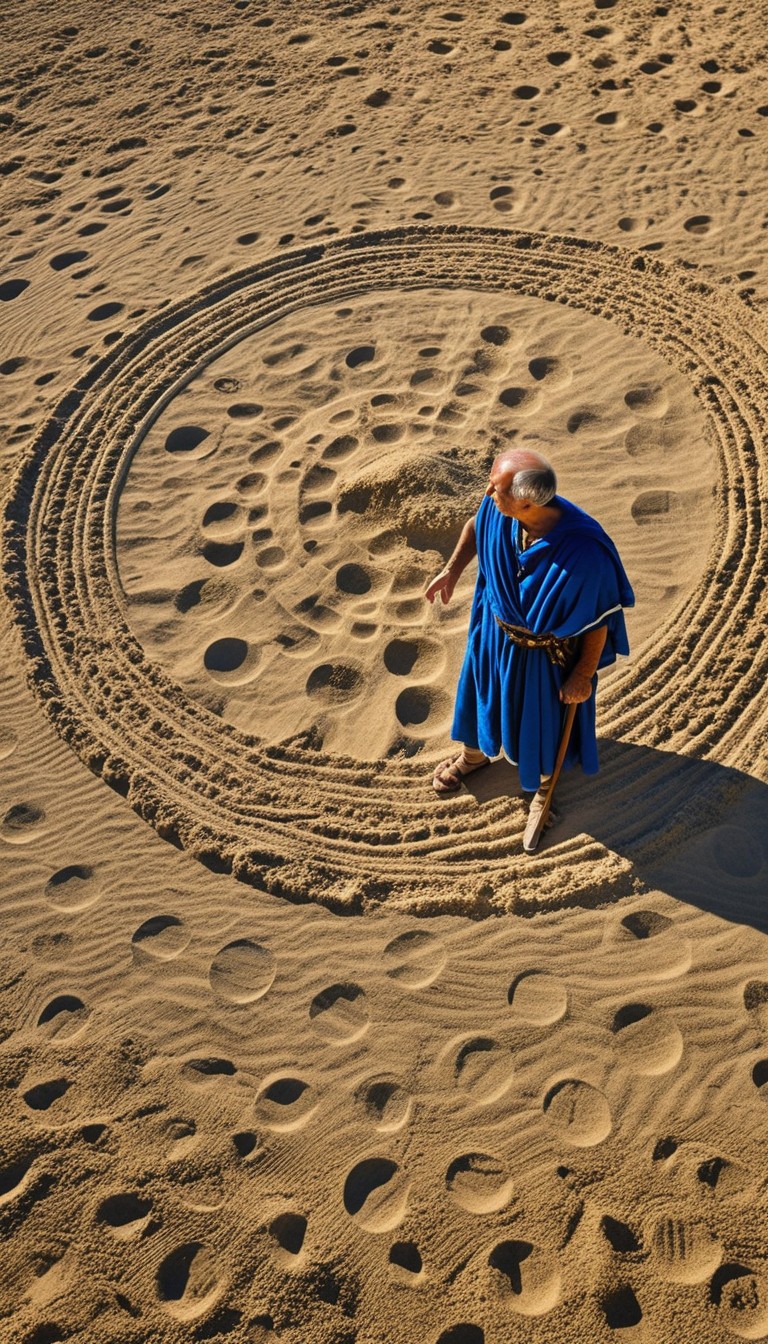
In 212 BC, the Romans finally breached the walls of Syracuse. General Marcellus gave strict orders that Archimedes was to be taken alive. But a Roman soldier found the old mathematician absorbed in a geometric diagram drawn in the sand. When Archimedes reportedly said "Do not disturb my circles," the soldier, not recognizing him, struck him down. Marcellus was grief-stricken. The greatest mind of antiquity was dead at approximately seventy-five years of age.
The Man Who Could Move the World
Archimedes was more than an inventor or mathematician—he was a bridge between pure thought and the physical world. His calculations laid foundations that Newton and Leibniz would build upon two thousand years later. His machines proved that understanding nature's laws grants the power to reshape it. From the Eureka moment to his final circles in the sand, Archimedes showed that the greatest force in the universe is a curious and fearless mind.
Recommended Reading
As an Amazon Associate, we earn from qualifying purchases.

Swipe to navigate