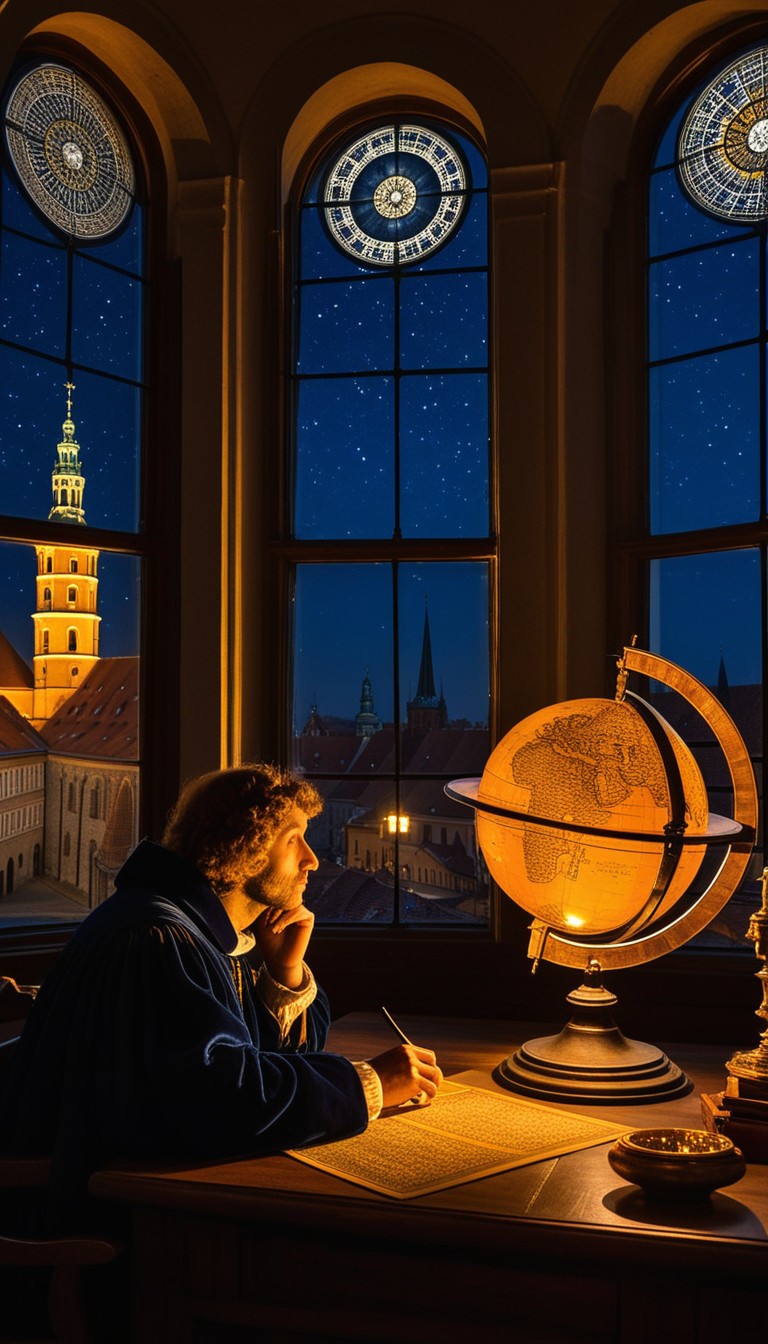
Copernicus: The Sun-Centered Revolution
Loading story...
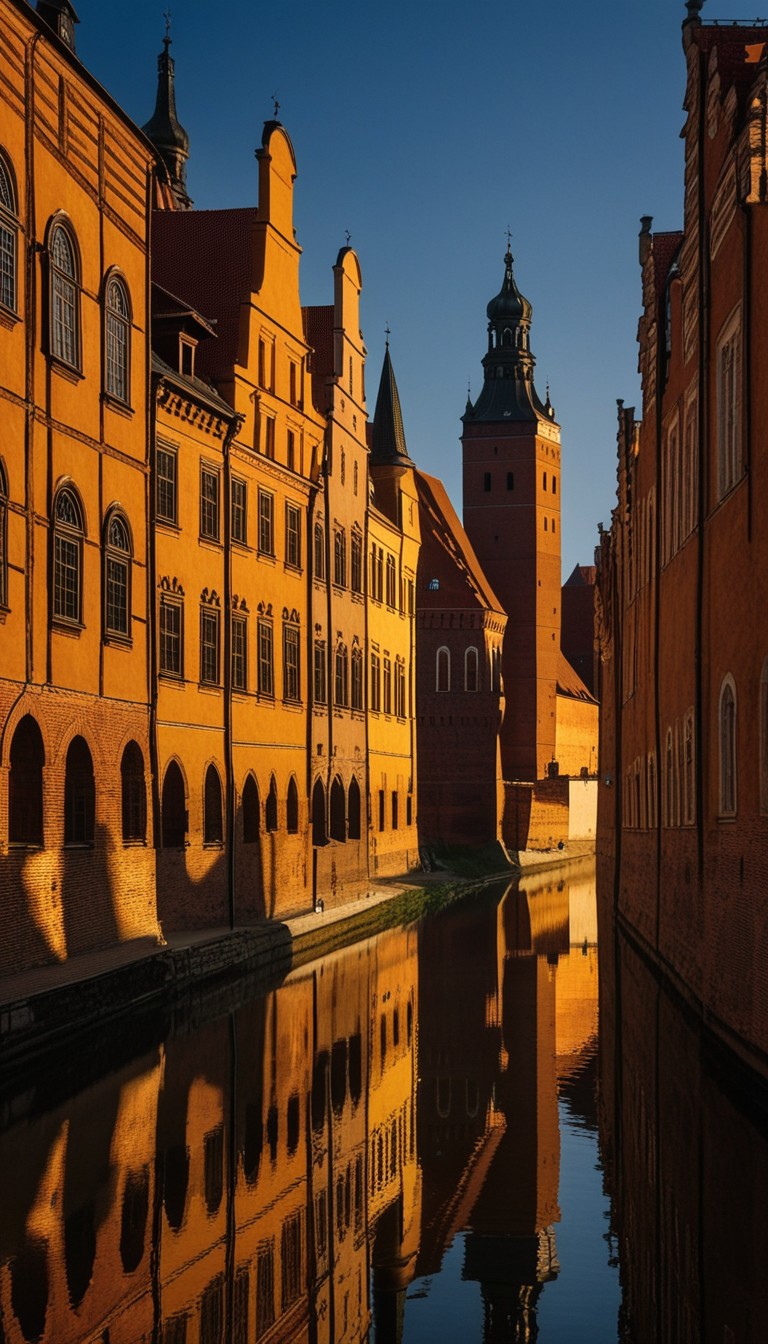
1473
Toruń, Poland
A Merchant's Son in Toruń
On February 19, 1473, Nicolaus Copernicus was born in Toruń, a prosperous trading town on the banks of the Vistula River in Royal Prussia. His father was a successful copper merchant, and his mother came from a wealthy family. When his father died around 1483, young Nicolaus was taken under the wing of his uncle, Lucas Watzenrode, a powerful bishop who would shape the course of his nephew's life.
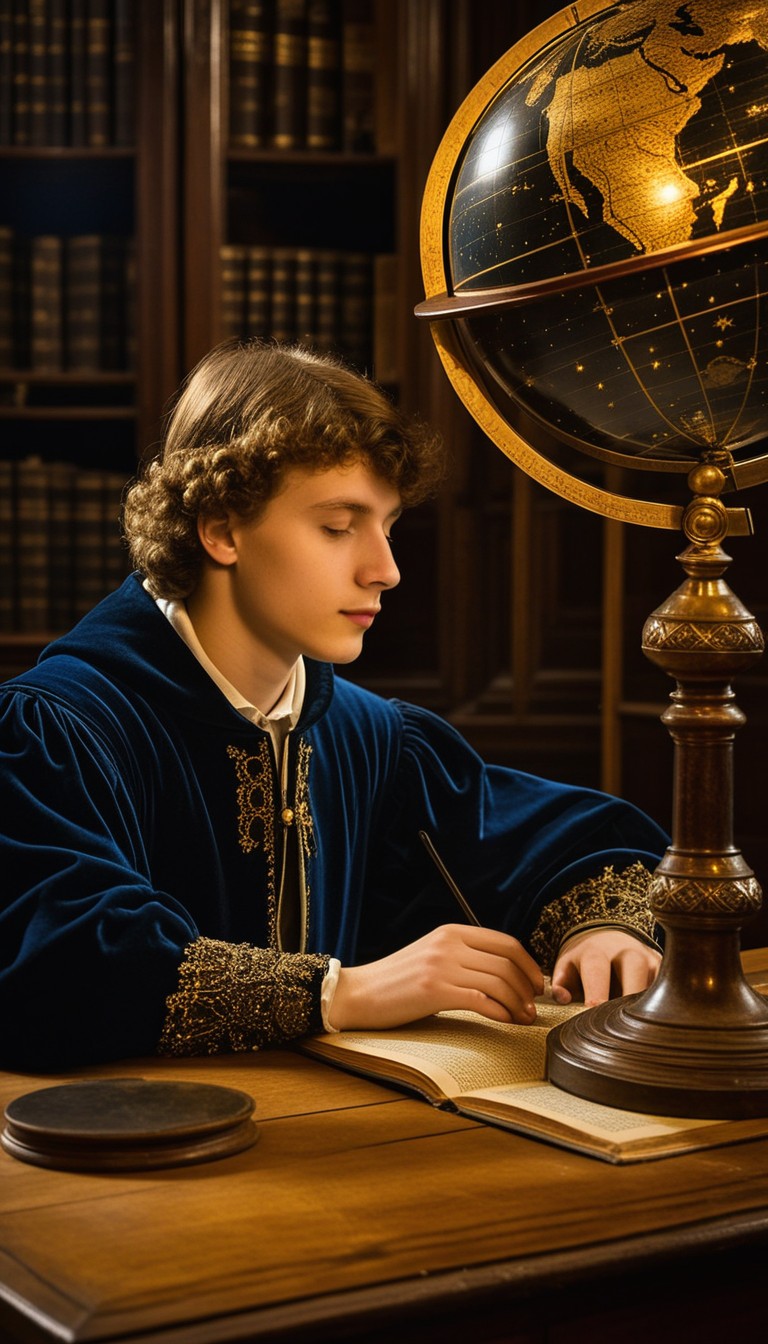
1491-1503
Kraków, Poland & Italy
A Renaissance Education
Copernicus studied at the University of Kraków, one of Europe's great centers of learning, where he first encountered astronomy. His uncle then sent him to Italy, where he spent nearly a decade studying canon law at Bologna, medicine at Padua, and earning a doctorate in law at Ferrara. In Italy he absorbed the intellectual ferment of the Renaissance—new ideas about art, philosophy, and the natural world were everywhere. He returned to Poland a thoroughly educated man.
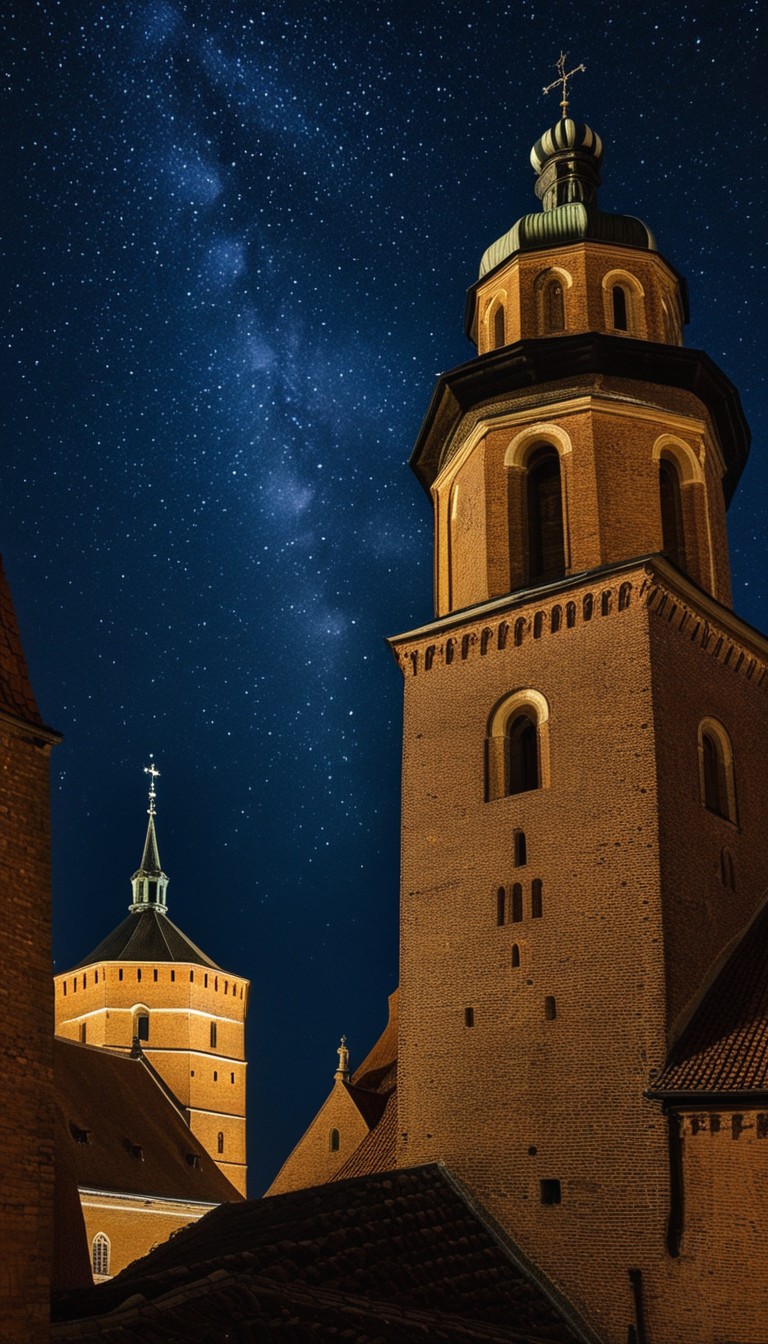
1510s-1530s
Frombork, Poland
Canon by Day, Astronomer by Night
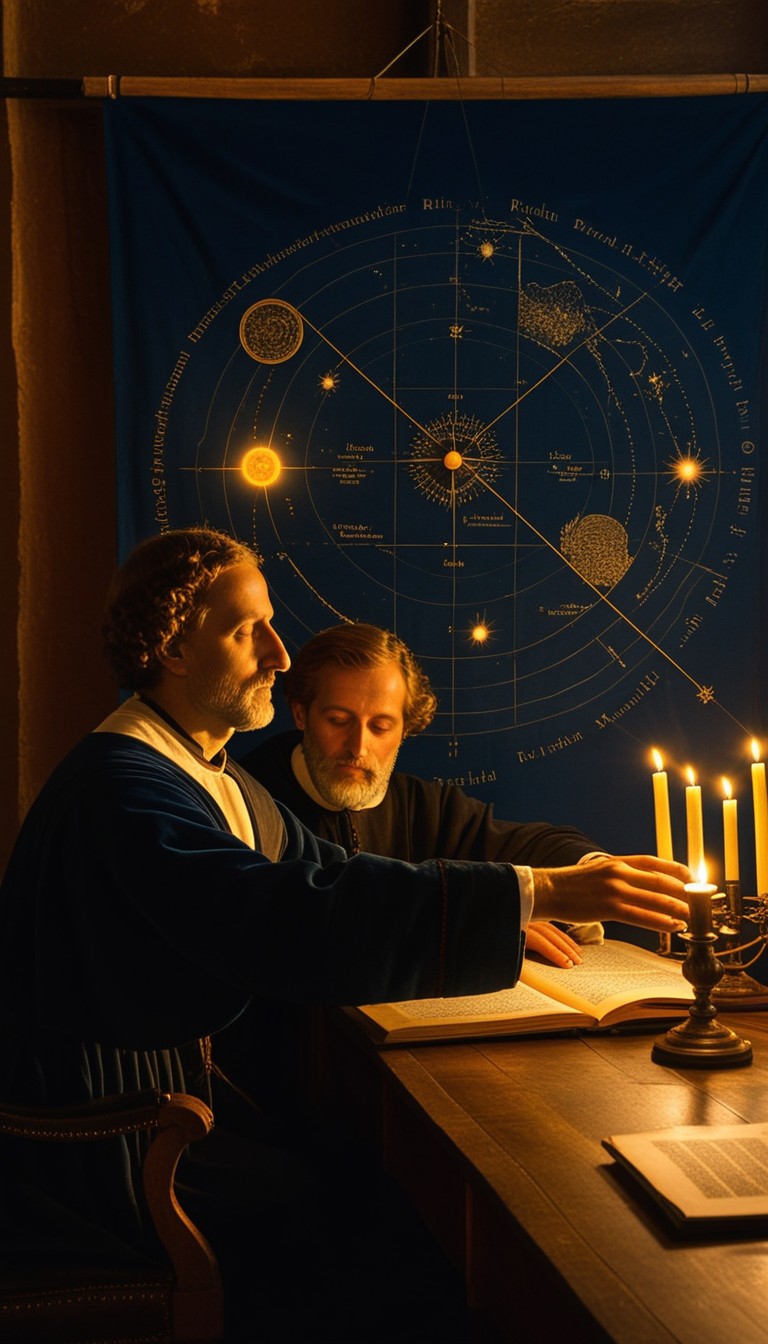
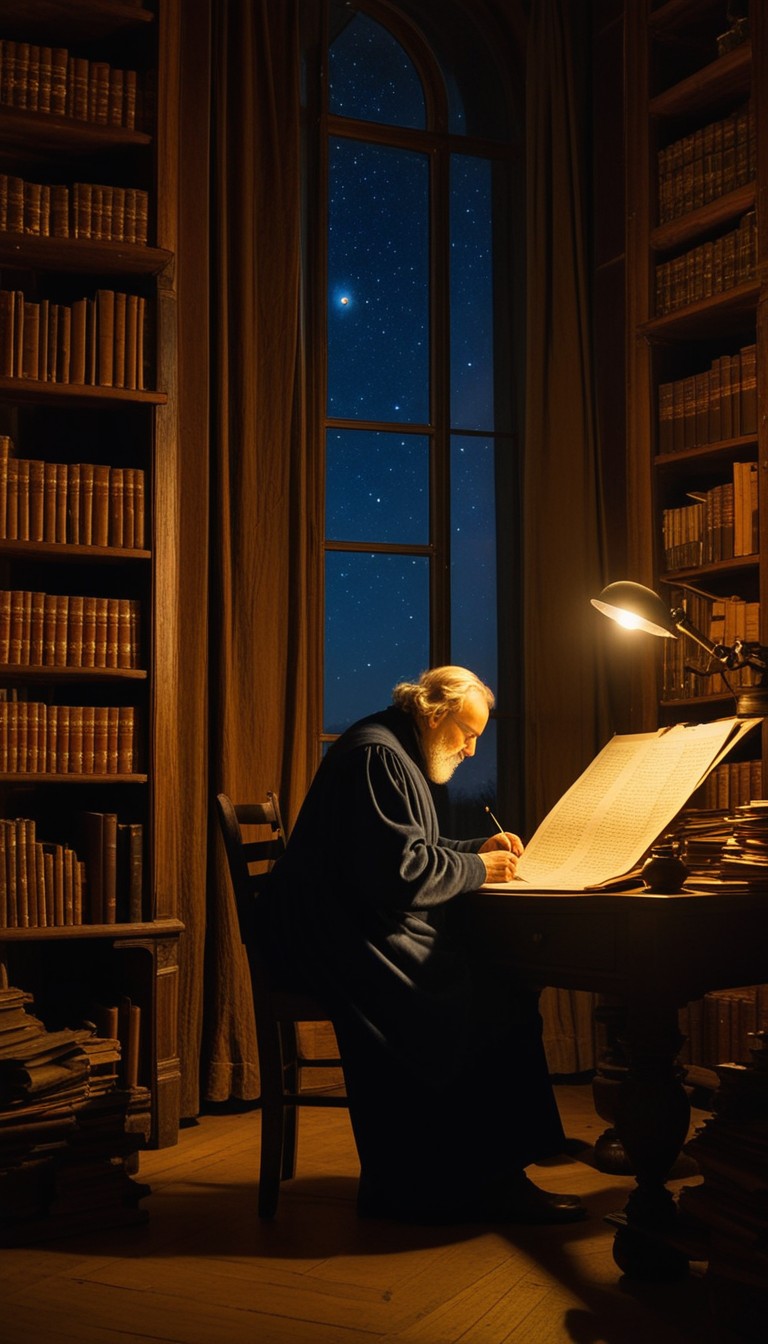
Copernicus settled into the role of canon at Frombork Cathedral on the Baltic coast, managing church estates, practicing medicine, and serving as a trusted administrator. But his true passion burned after dark. From a small tower near the cathedral, he spent countless nights observing the stars and planets with simple instruments—no telescope existed yet. Slowly, methodically, he gathered the observations that would underpin his revolutionary theory.
1510s
Frombork, Poland
Challenging Ptolemy
For over a thousand years, the Western world accepted the model of Claudius Ptolemy: the Earth sat motionless at the center of the universe while the Sun, Moon, and planets revolved around it. Copernicus realized this system was needlessly complicated, requiring dozens of imaginary circles-upon-circles to explain planetary motion. His radical insight was breathtakingly simple—place the Sun at the center and let the Earth be just another planet orbiting around it. The math became elegant, and the heavens made sense.
1510s-1540s
Frombork, Poland
Decades of Secret Calculations
Copernicus knew his idea was dangerous. Moving the Earth from the center of creation challenged both ancient authority and the Church's understanding of Scripture. For decades he refined his calculations in private, checking and rechecking his work with painstaking care. He confided in only a small circle of trusted friends and fellow scholars. The perfectionist in him always found one more observation to make, one more calculation to verify before he would dare publish.
~1514
Frombork, Poland
The Commentariolus
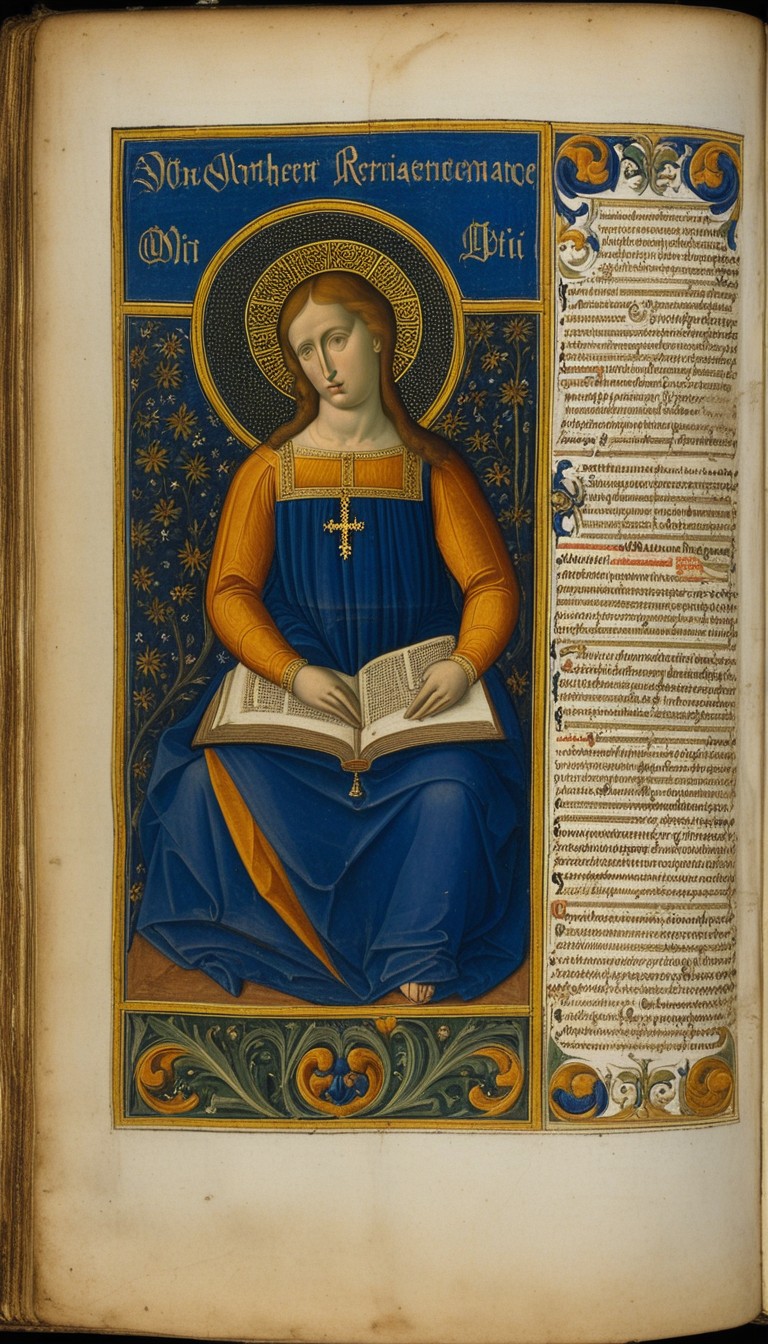
Around 1514, Copernicus wrote a short manuscript called the Commentariolus—"Little Commentary"—outlining his heliocentric theory in broad strokes. He circulated it privately among a handful of astronomers and scholars, never intending it for publication. Yet word spread through Europe's intellectual networks. By the 1530s, scholars and even some Church officials were urging Copernicus to publish his full work. His ideas were already quietly reshaping how educated Europeans thought about the cosmos.
1543
Frombork, Poland
De Revolutionibus—Published on His Deathbed
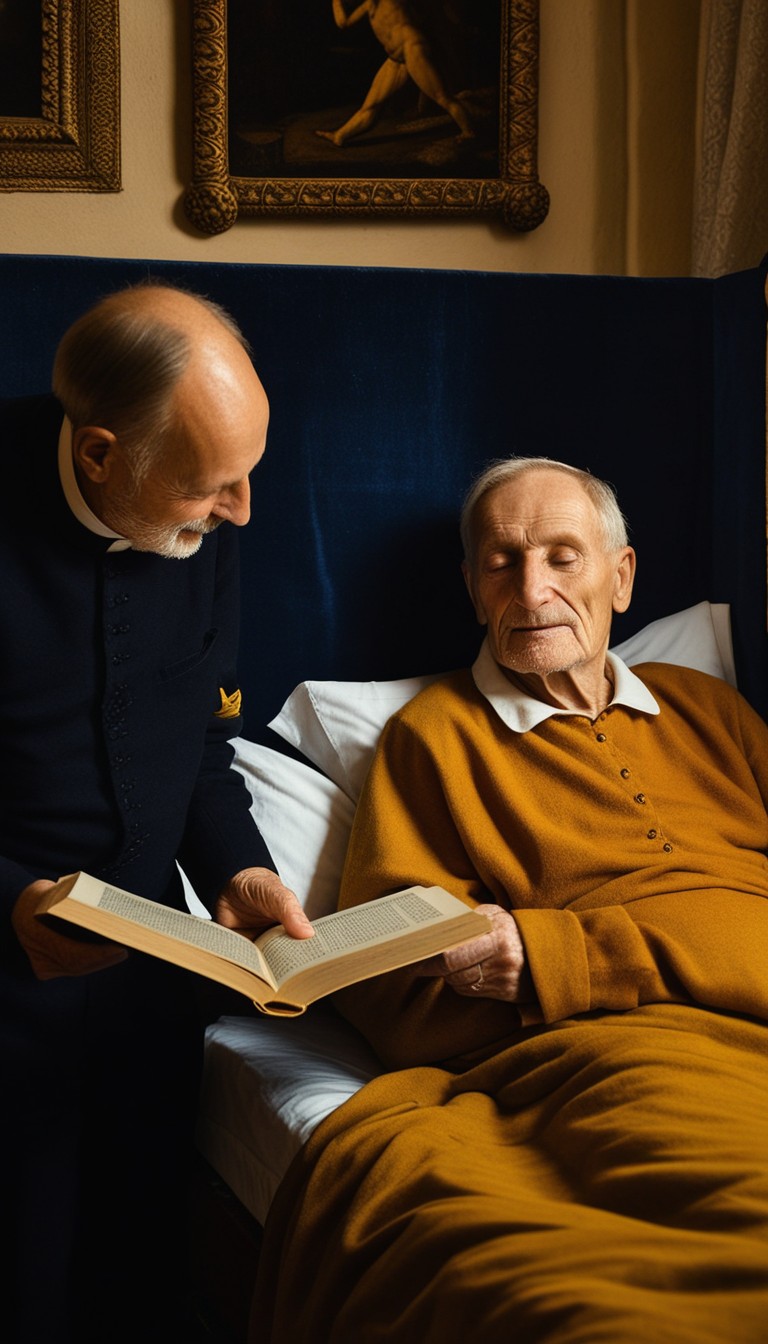
After decades of hesitation, Copernicus was finally persuaded by his young student Georg Joachim Rheticus to publish his masterwork, De Revolutionibus Orbium Coelestium—"On the Revolutions of the Heavenly Spheres." Legend holds that the first printed copy was placed in Copernicus' hands on May 24, 1543, the very day he died. He was seventy years old. The book that would change the world arrived just as its author departed it.
16th-17th Century
Europe
The Copernican Revolution
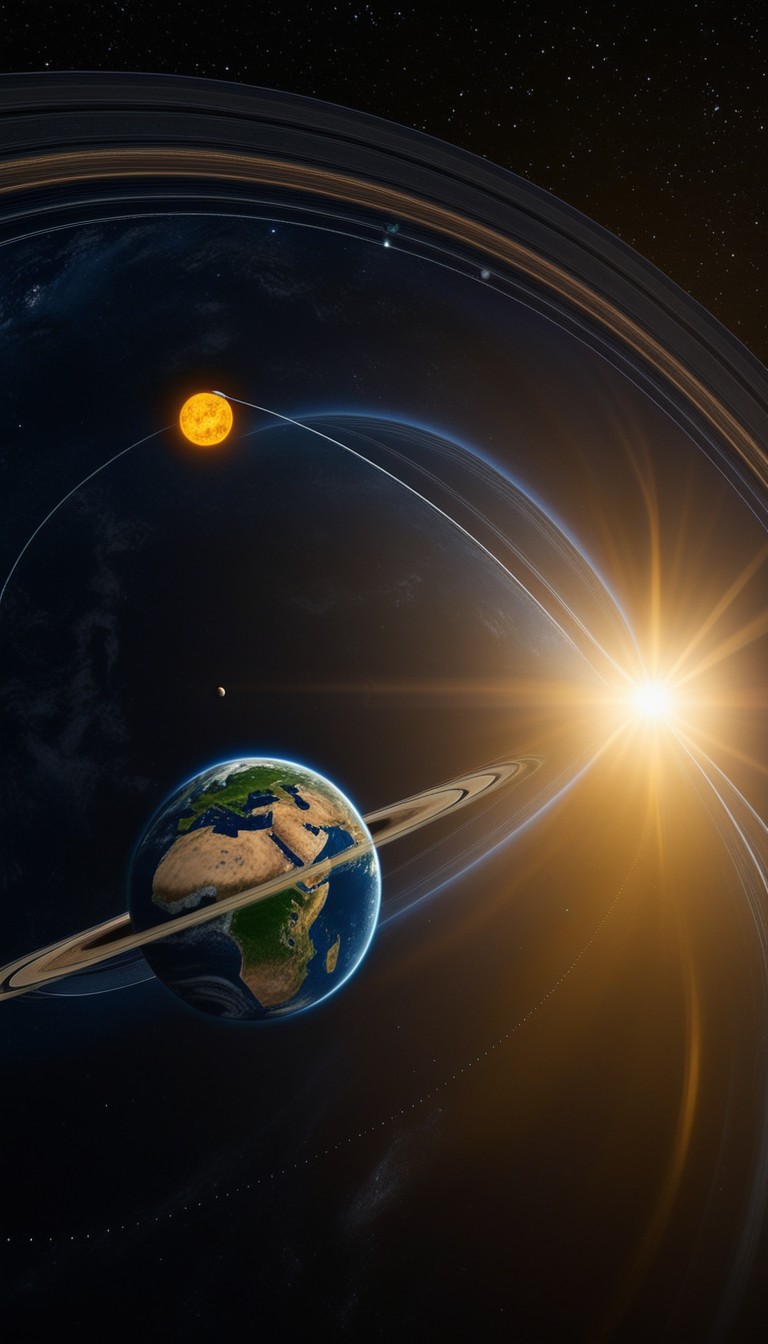
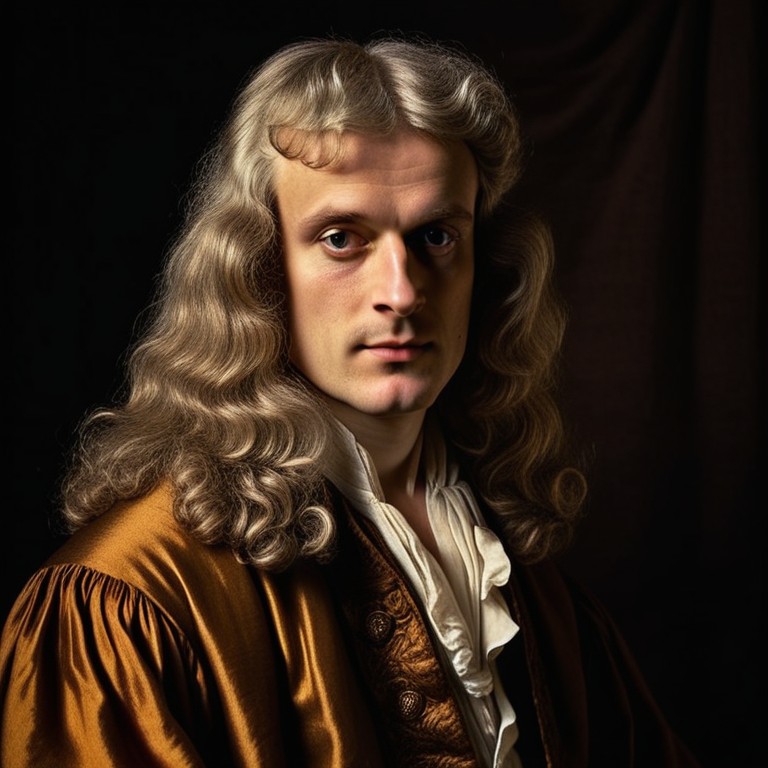
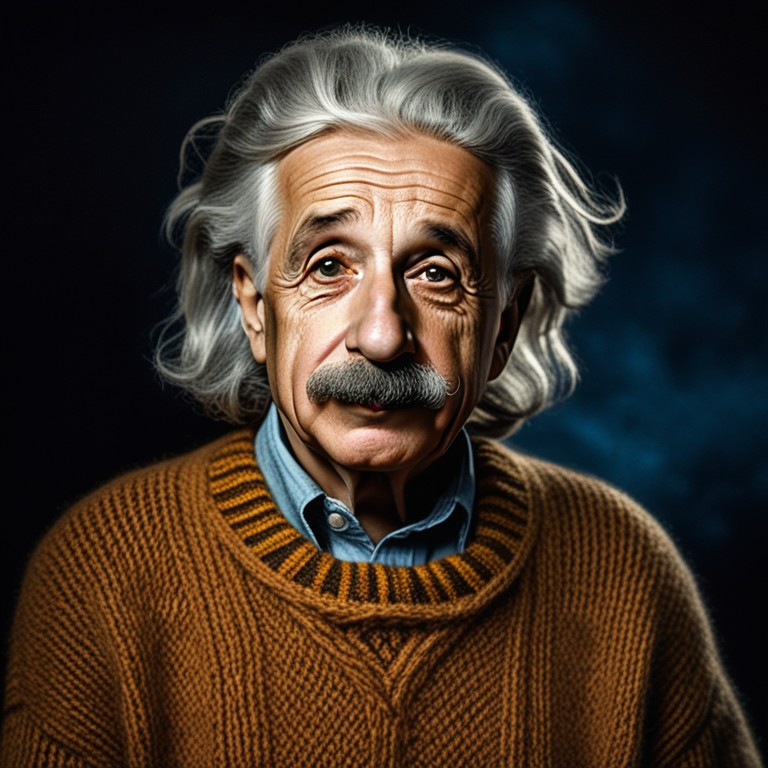
The impact of Copernicus' work was not immediate but unstoppable. Tycho Brahe made precise observations to test the theory. Johannes Kepler used those observations to discover that planets move in ellipses. Galileo turned his telescope skyward and found evidence that confirmed the heliocentric model. Isaac Newton explained why it all worked with his law of gravity. Together, they completed the revolution Copernicus had started—and modern science was born.
The Quiet Revolutionary Who Moved the Earth
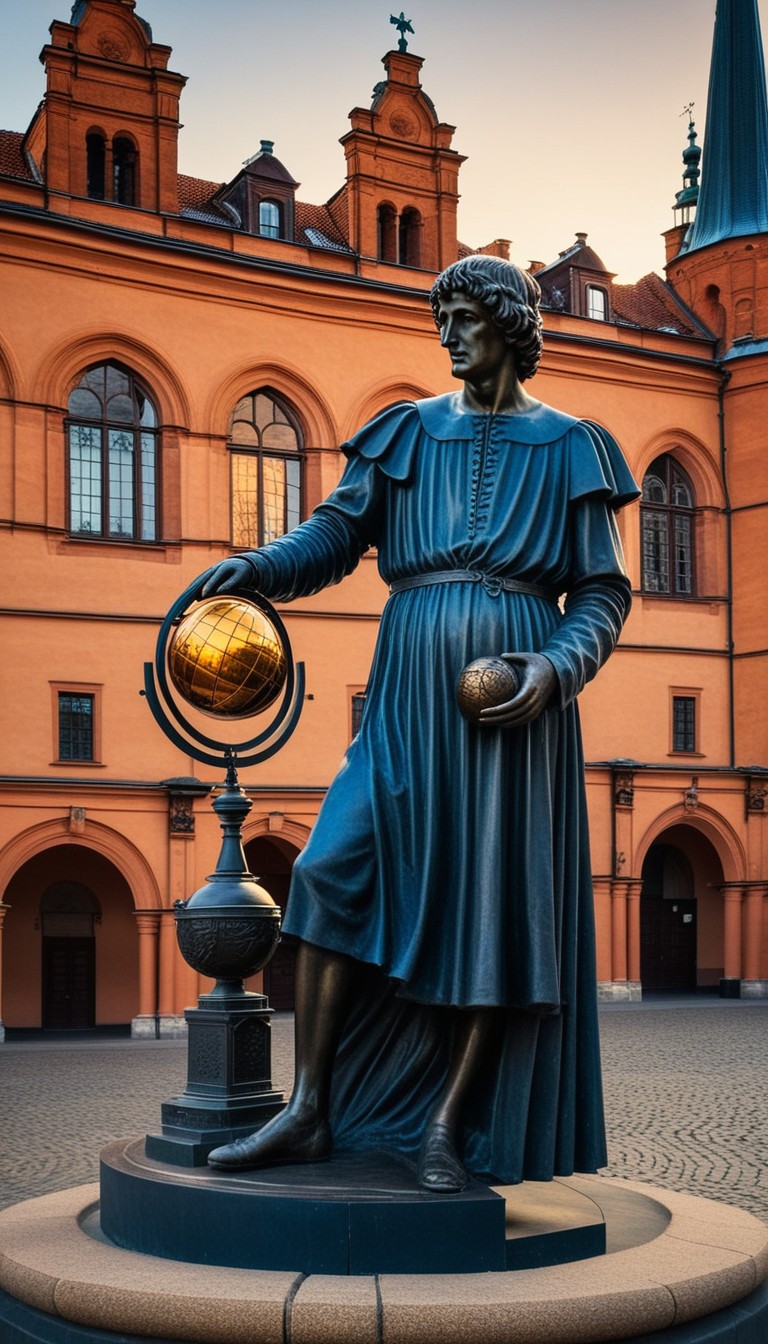
Copernicus was no firebrand rebel—he was a cautious, meticulous church administrator who happened to see the universe more clearly than anyone before him. He spent a lifetime gathering the courage and evidence to share what he knew. In doing so, he dethroned the Earth from the center of creation and gave humanity something far more valuable: the understanding that truth, discovered through observation and reason, is more powerful than any tradition. He moved the Earth, and science has never looked back.
Recommended Reading
As an Amazon Associate, we earn from qualifying purchases.
Swipe to navigate