Nikola Tesla: Master of Lightning
Loading story...
1856-1870s
Smiljan, Croatian Military Frontier
Born in a Storm
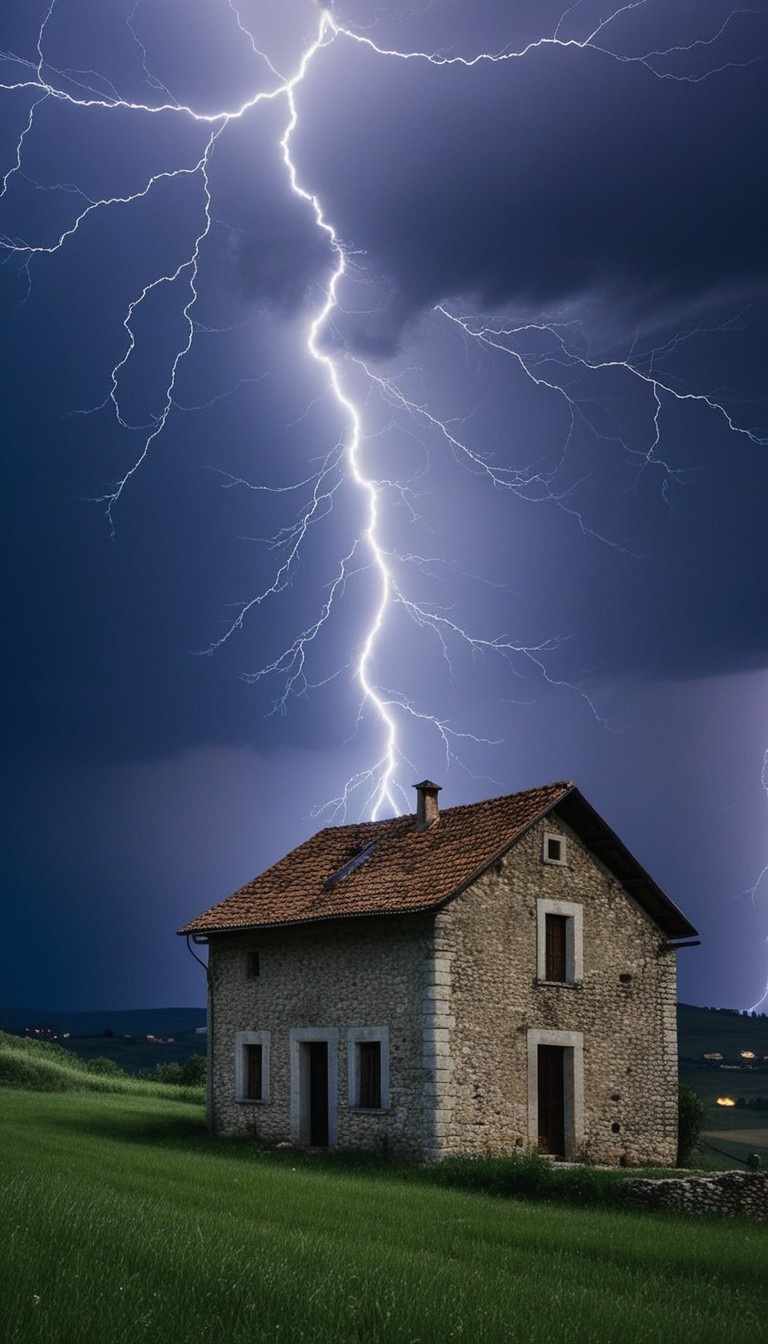
On July 10, 1856, Nikola Tesla was born in the village of Smiljan, in what is now Croatia. Legend says a violent lightning storm raged during his birth—the midwife called it an ill omen, but his mother replied, "No, he will be a child of light." His father was an Orthodox priest, his mother an inventor of small household tools. From the very beginning, electricity and Tesla seemed destined for each other.
1875-1882
Graz, Austria & Budapest, Hungary
The Vision of the AC Motor
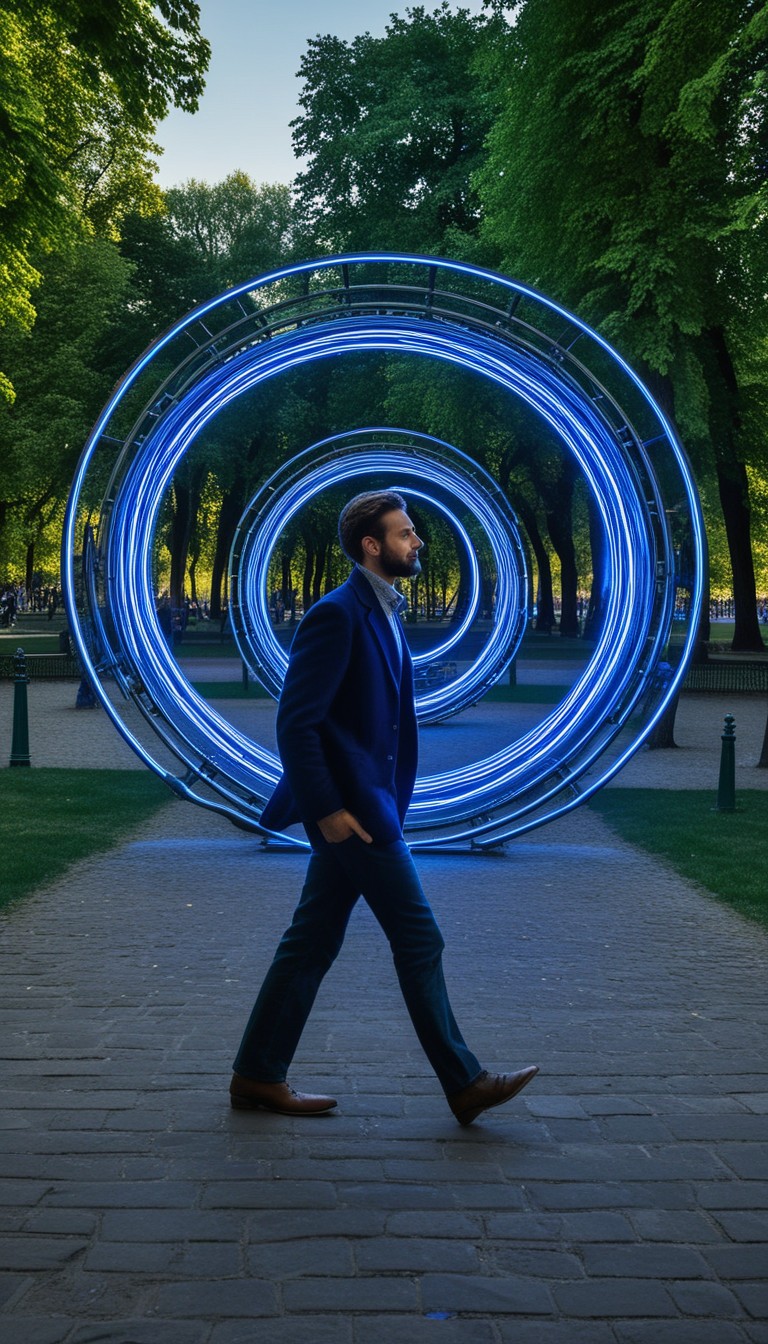
While studying engineering in Graz, Austria, Tesla became obsessed with the inefficiencies of direct current motors. One evening in 1882, while walking through a Budapest park, the solution hit him like a thunderbolt—he saw the design for a rotating magnetic field motor fully formed in his mind. He sketched it in the dirt with a stick. It was the invention that would power the modern world.
1884
New York City, New York
Coming to America
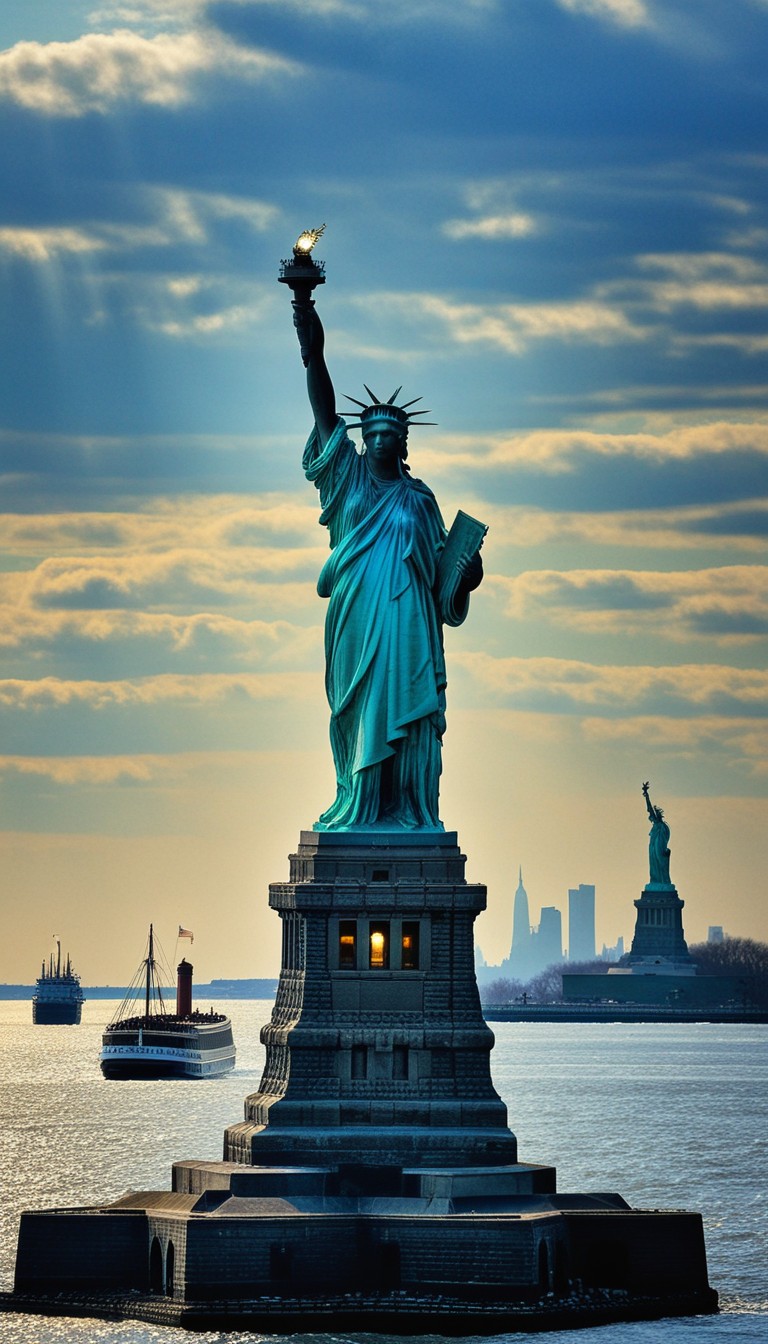
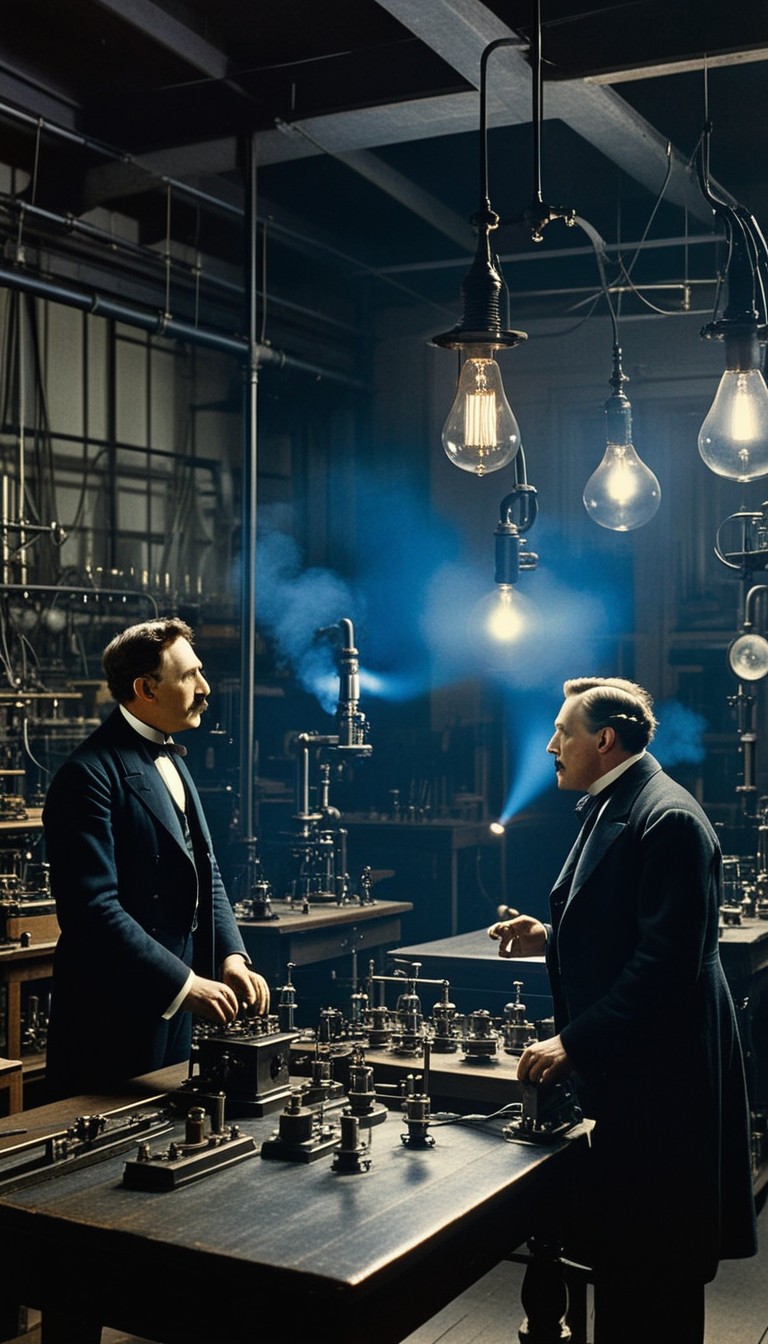
In 1884, Tesla arrived in New York City with four cents in his pocket, a letter of introduction, and a head full of revolutionary ideas. He went to work for Thomas Edison, the most famous inventor in America. But the two men clashed almost immediately—Edison championed direct current, while Tesla knew alternating current was the future. After Edison reportedly broke a promise to pay him, Tesla quit and struck out on his own.
1886-1893
New York City & Pittsburgh
The War of Currents
What followed was one of the fiercest rivalries in the history of technology. Edison launched a ruthless campaign against AC power, publicly electrocuting animals to prove it was dangerous. Tesla partnered with industrialist George Westinghouse, who believed in AC's potential. The stakes were enormous—whoever won would control the electrical infrastructure of the entire nation. Science, money, and ego collided in a battle that would shape the modern age.
November 16, 1896
Niagara Falls, New York
The Triumph at Niagara Falls
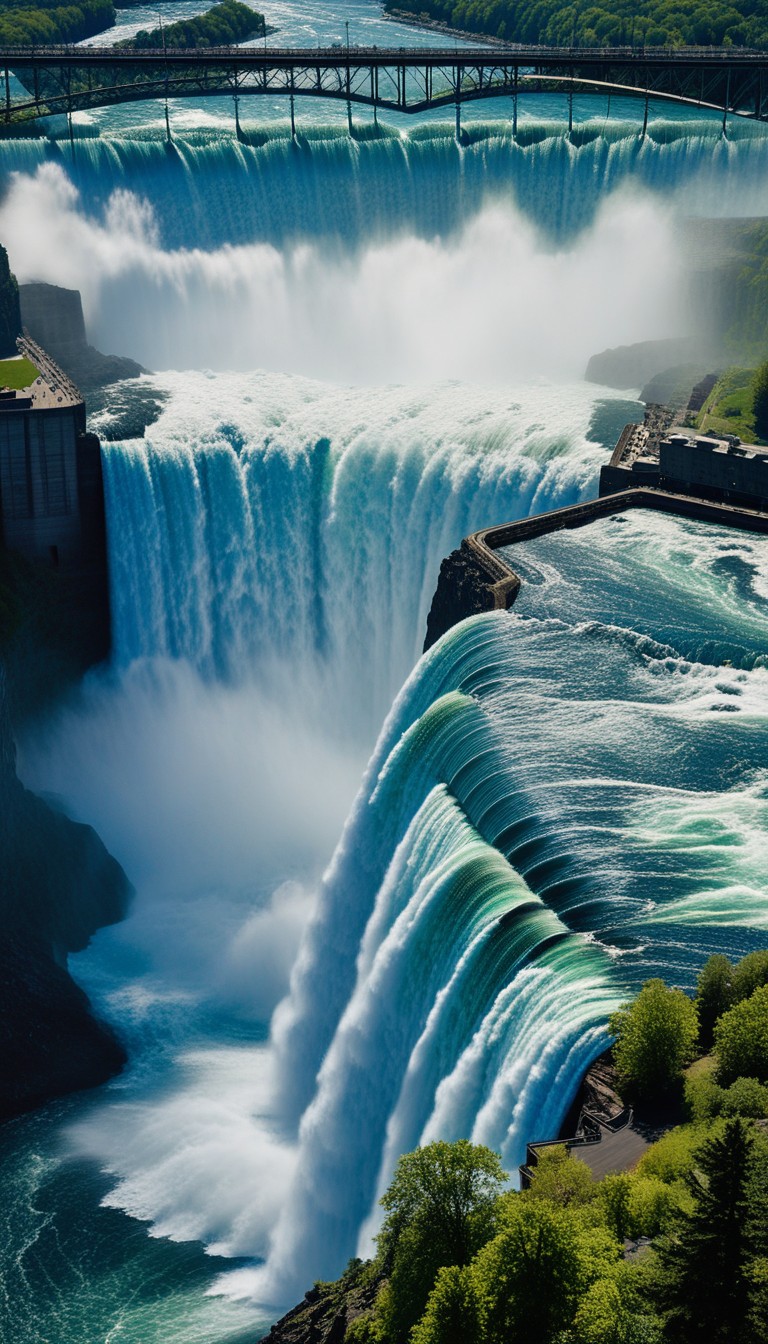
In 1895, Tesla's alternating current system was used to harness the power of Niagara Falls—one of the greatest engineering achievements of the age. AC electricity was transmitted 26 miles to the city of Buffalo, lighting homes and powering factories. It was a decisive victory. The War of Currents was over, and Tesla had won. Alternating current would become the standard that powers the world to this day.
1899-1900
Colorado Springs, Colorado
Lightning in the Mountains
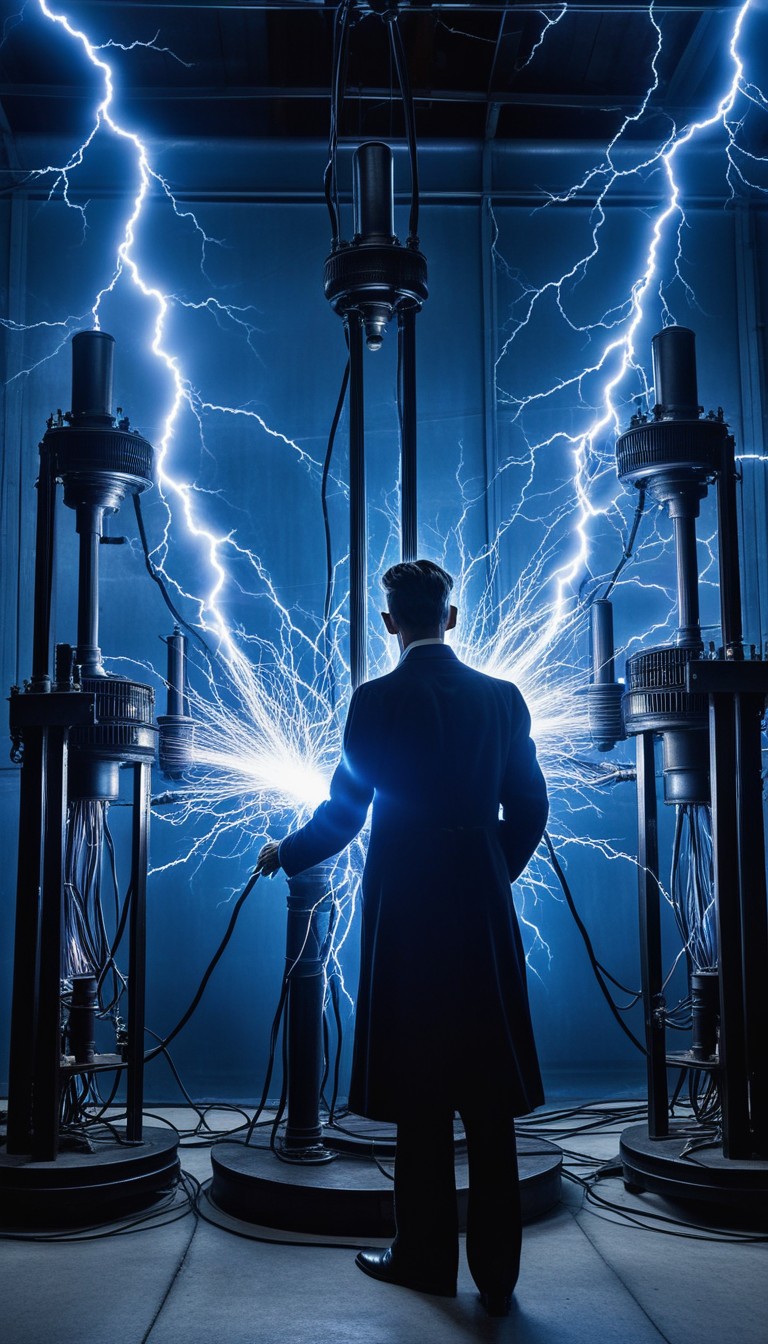
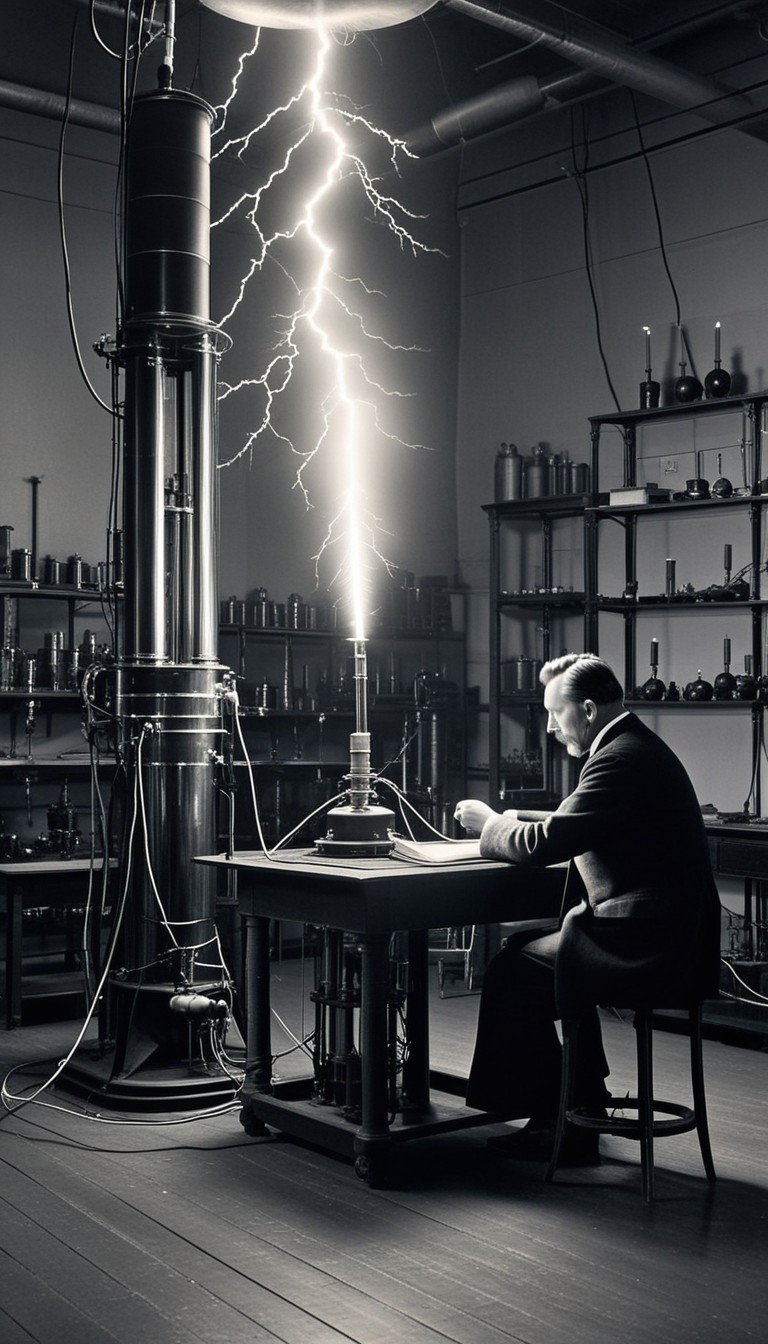
In 1899, Tesla built a laboratory in Colorado Springs to push the boundaries of electrical science. He generated artificial lightning bolts over 130 feet long—the largest ever created by a human. The thunder could be heard 15 miles away. He claimed to have received signals from outer space and believed he was close to transmitting power wirelessly across the globe. The photographs from his lab remain some of the most iconic images in the history of science.
1901-1917
Shoreham, Long Island, New York
The Wardenclyffe Dream
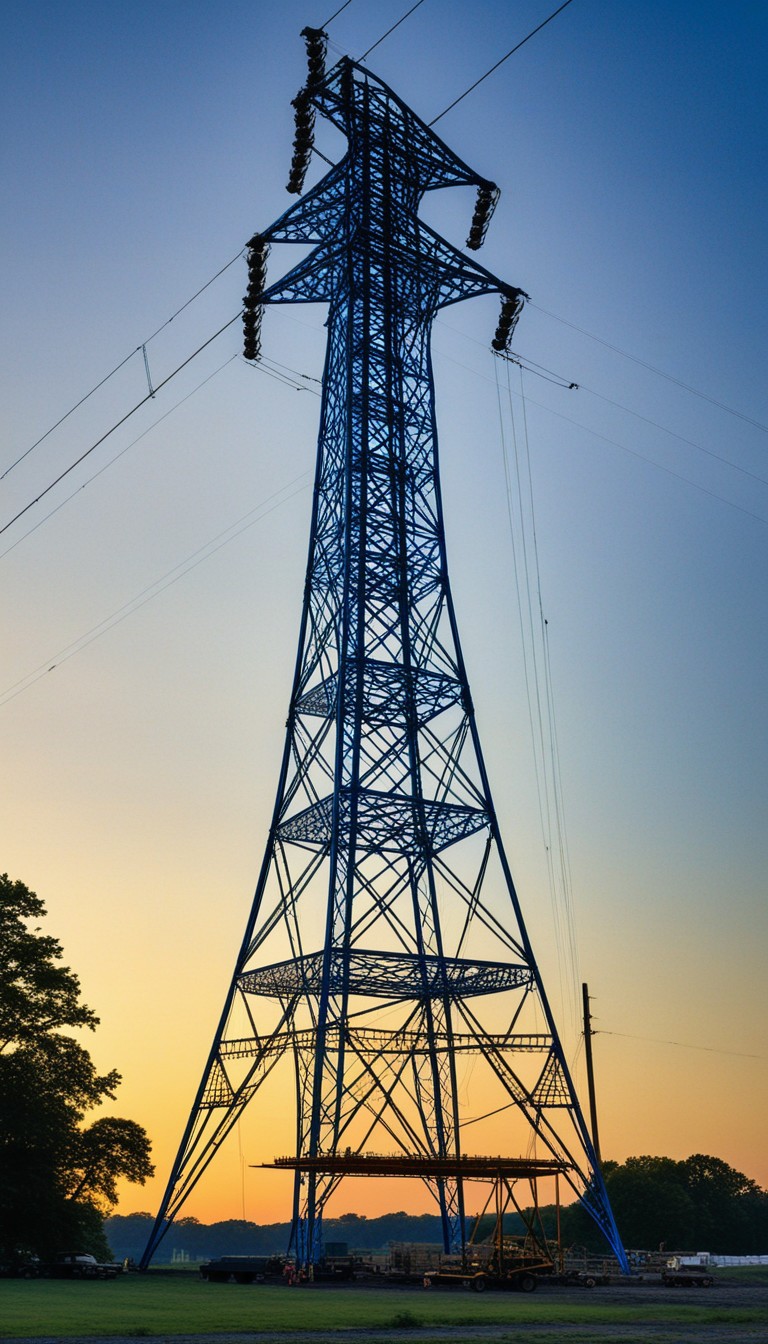
Tesla's grandest vision was Wardenclyffe Tower on Long Island—a facility designed to transmit wireless energy and communication across the Atlantic. Financier J.P. Morgan initially backed the project, but pulled funding when he realized Tesla wanted to give free energy to the world. "Where do I put the meter?" Morgan reportedly asked. The tower was never completed and was eventually demolished. Tesla's greatest dream died with it.
1920s-1943
New York City, New York
Alone with the Pigeons
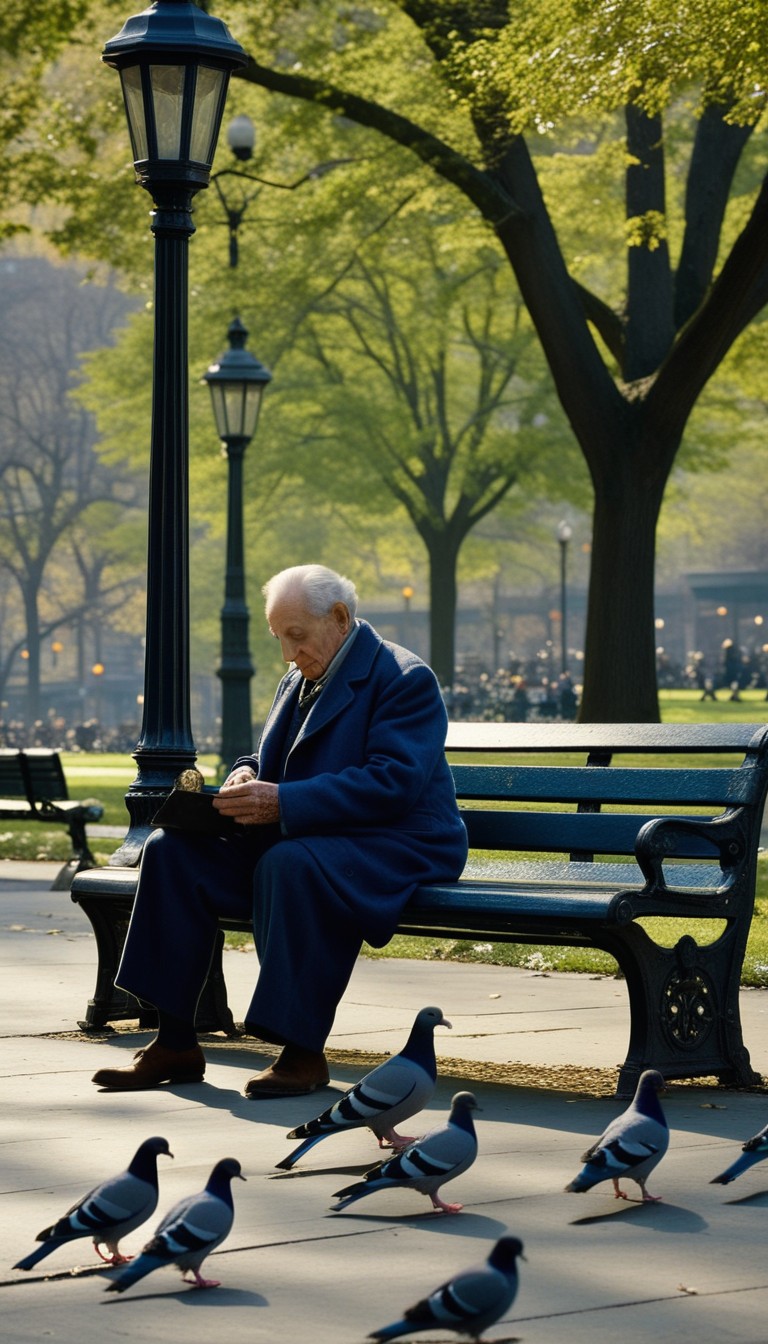
Tesla's final years were spent in near-poverty at the New Yorker Hotel. He had torn up his Westinghouse royalty contract years earlier—a gesture of loyalty that cost him millions. He fed pigeons in Bryant Park daily and claimed to have a special bond with a white pigeon he loved "as a man loves a woman." Nikola Tesla died alone on January 7, 1943, at the age of 86. The FBI seized his papers the same day.
The Present Is Theirs, the Future Is Mine
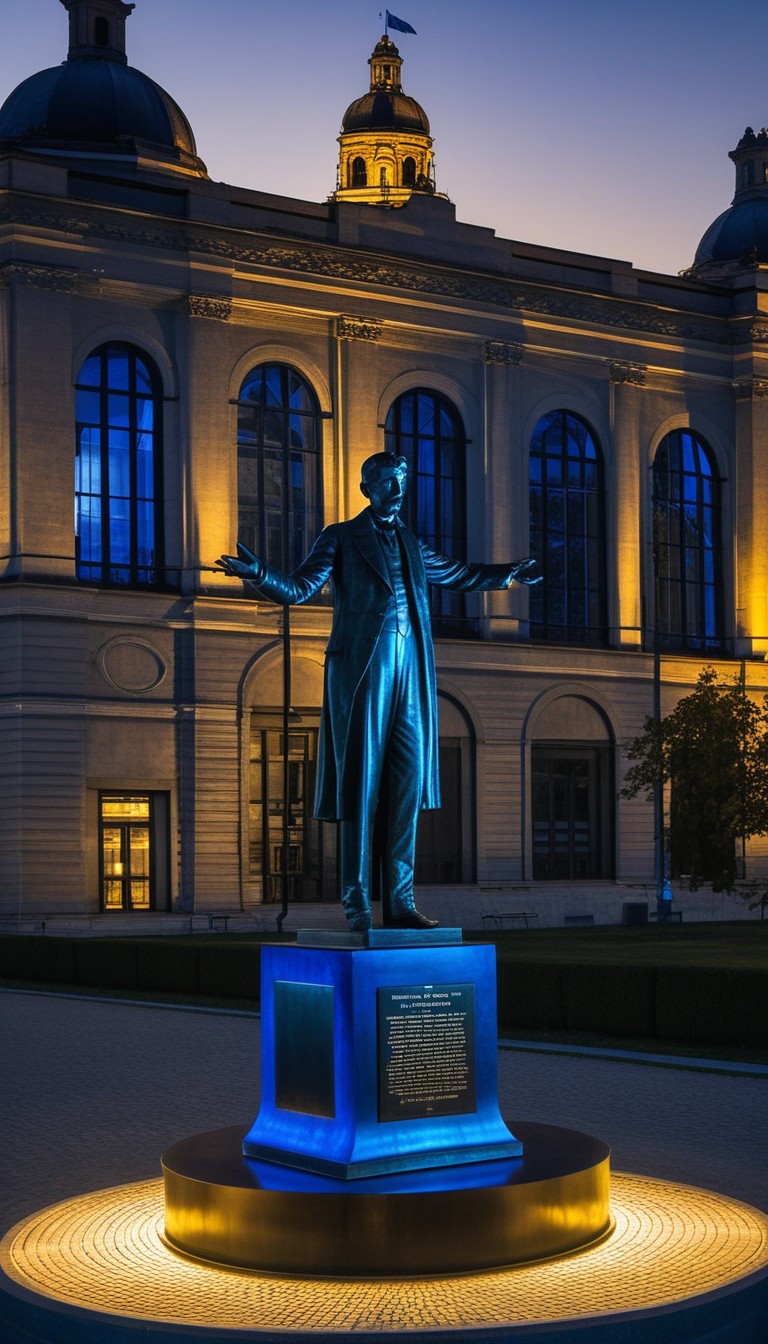
Nikola Tesla held over 300 patents and envisioned technologies—wireless communication, remote control, renewable energy—that would not become reality for decades. He was a man who dreamed too big for his own time, whose genius was matched only by his generosity and eccentricity. Today, his name adorns one of the most valuable companies on Earth, and the world he imagined is finally catching up to his vision.
Recommended Reading
As an Amazon Associate, we earn from qualifying purchases.
Swipe to navigate