Charles Darwin: The Theory of Evolution
Loading story...
1809-1825
Shrewsbury, England
A Boy Who Loved Beetles
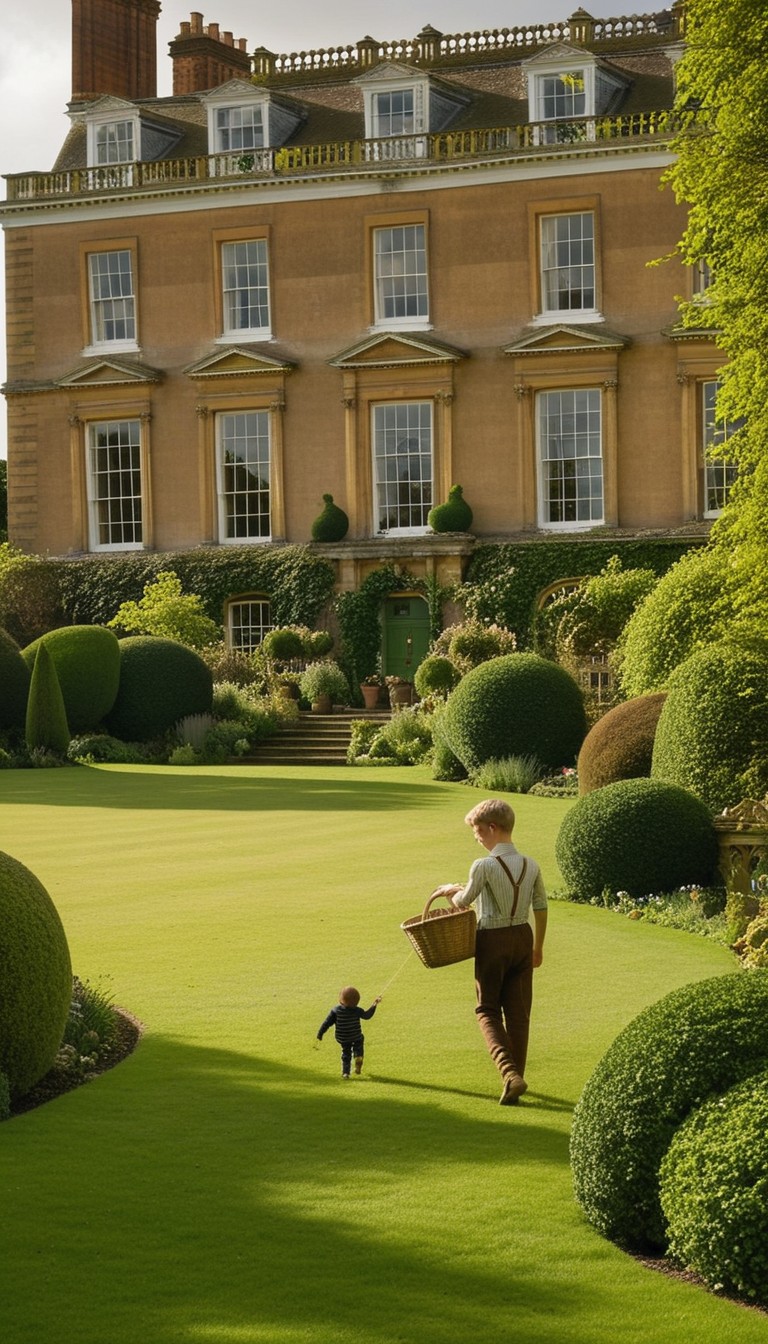
On February 12, 1809, Charles Darwin was born at The Mount, a grand Georgian house in Shrewsbury, England. His father was a wealthy physician, his grandfather the famous Erasmus Darwin. Young Charles was an unremarkable student but a passionate collector of beetles, rocks, and anything he could find outdoors. Nature was his true classroom, and the English countryside was his first laboratory.
1825-1831
Edinburgh & Cambridge, England
Almost a Clergyman
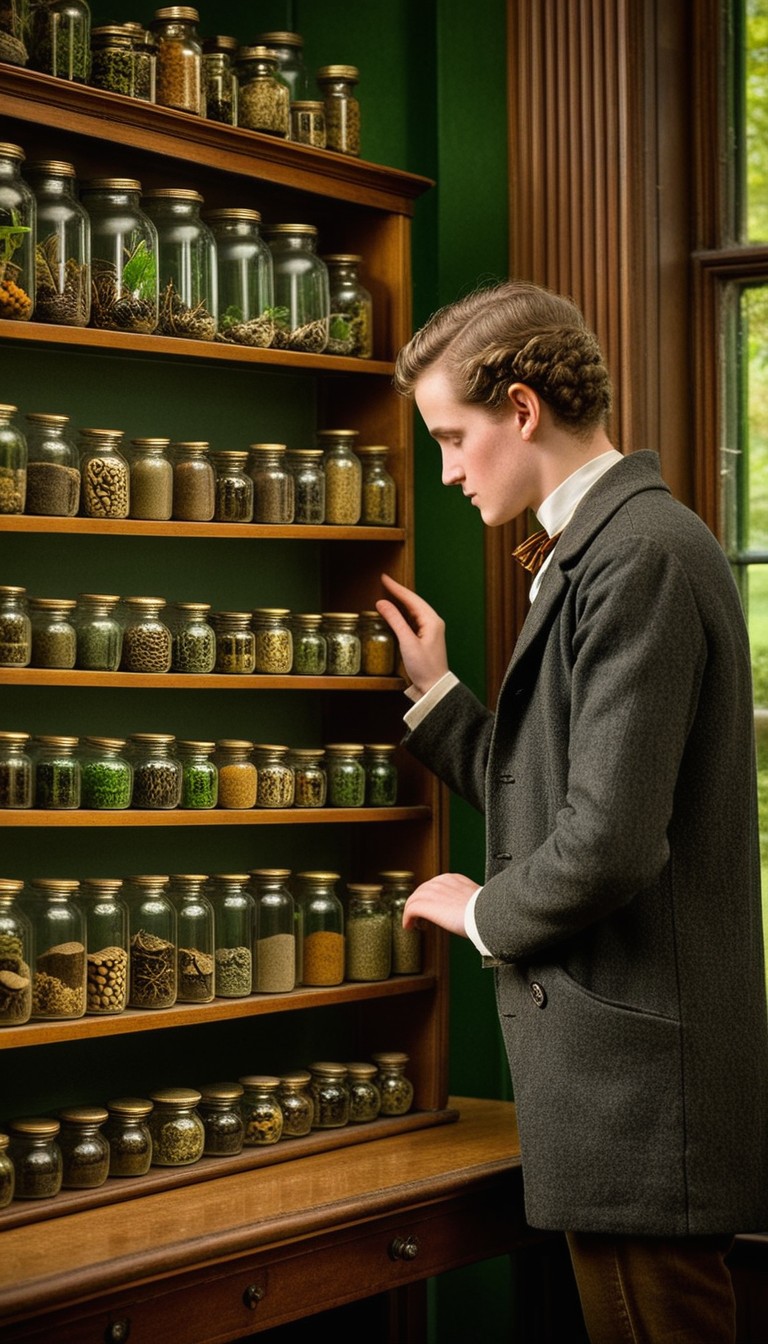
Darwin's father sent him to Edinburgh to study medicine, but the sight of surgery without anesthesia horrified him. He transferred to Cambridge, where he was supposed to become a clergyman. Instead, he spent his time riding horses, collecting beetles, and befriending the botanist John Stevens Henslow. It was Henslow who would change the course of Darwin's life—and the history of science.
1831-1836
Plymouth, England to South America
The Voyage of the Beagle
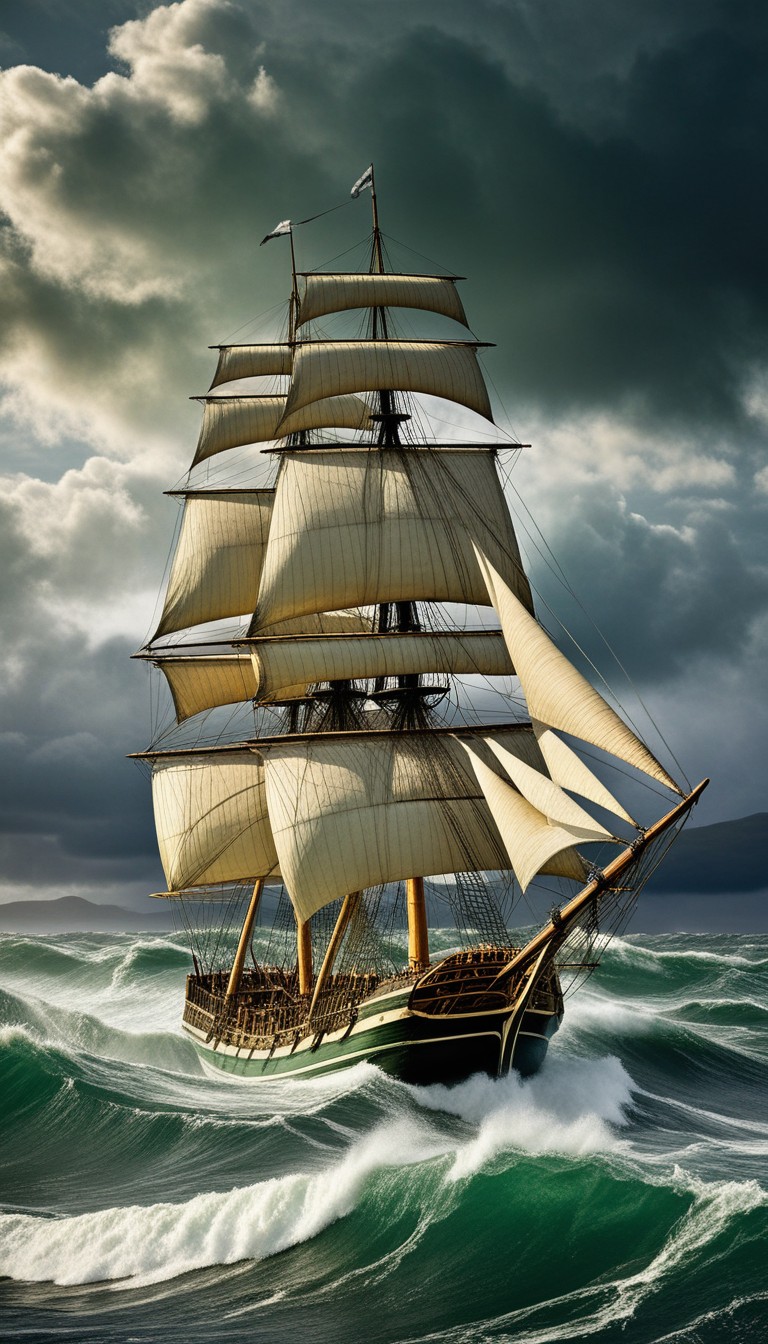
In December 1831, the 22-year-old Darwin boarded HMS Beagle as the ship's gentleman naturalist. His father disapproved, calling it a waste of time. The voyage was meant to chart the South American coastline, but for Darwin it became an education like no other. He collected fossils in Argentina, trekked through Chilean earthquakes, and marveled at the rainforests of Brazil. The world was far stranger than anyone at Cambridge had taught him.
September 1835
Galápagos Islands, Pacific Ocean
The Galápagos Revelation
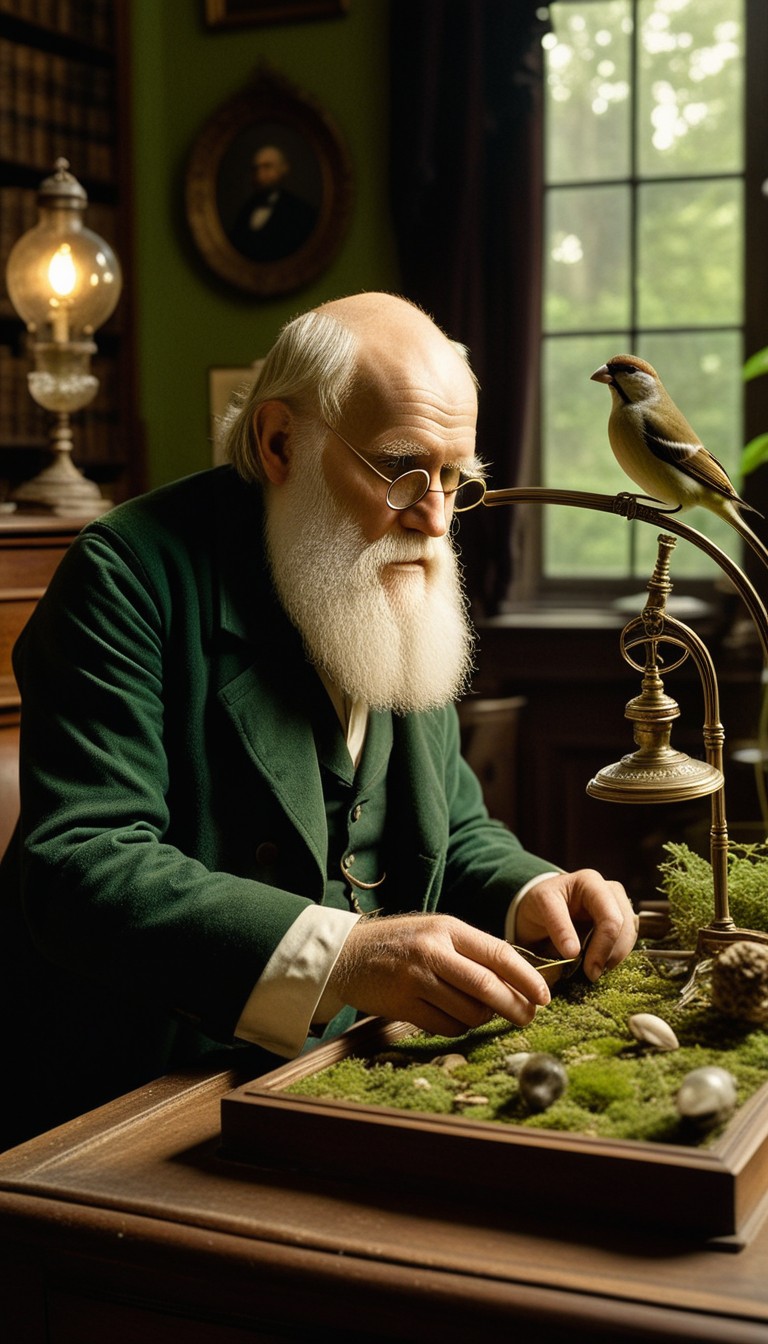
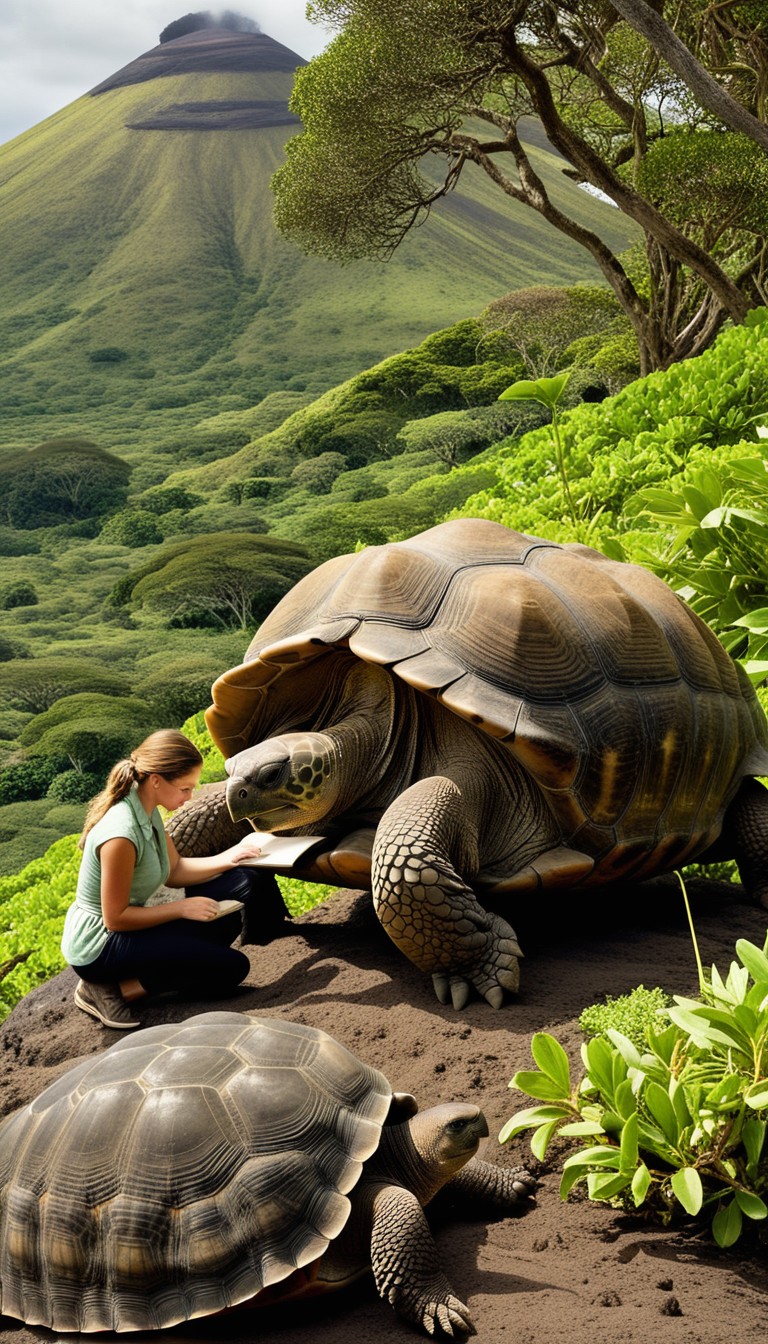
In September 1835, the Beagle reached the Galápagos Islands—a volcanic archipelago 600 miles off Ecuador. Darwin noticed that finches on different islands had differently shaped beaks, each perfectly suited to the local food supply. Giant tortoises varied from island to island too. These observations haunted him for years. Why would a Creator make slightly different species for each tiny island? Something else must be at work.
1837-1858
Down House, Kent, England
Twenty Years of Secret Research
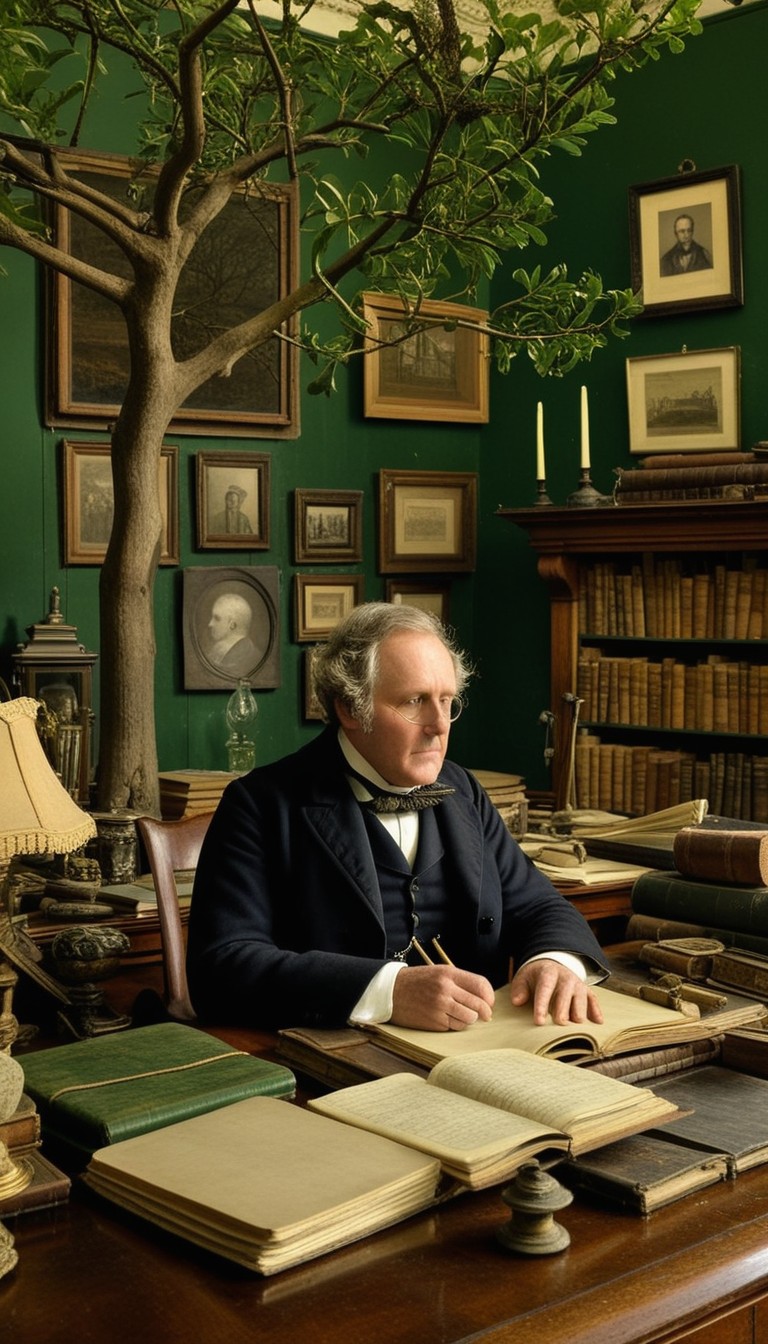
Back in England, Darwin knew he had a dangerous idea—that species were not fixed creations but evolved over time through natural selection. For twenty years he gathered evidence obsessively: breeding pigeons, studying barnacles, corresponding with naturalists worldwide. He confided to a friend that admitting species change felt "like confessing a murder." He knew the idea would shake Victorian society to its core.
November 24, 1859
London, England
On the Origin of Species
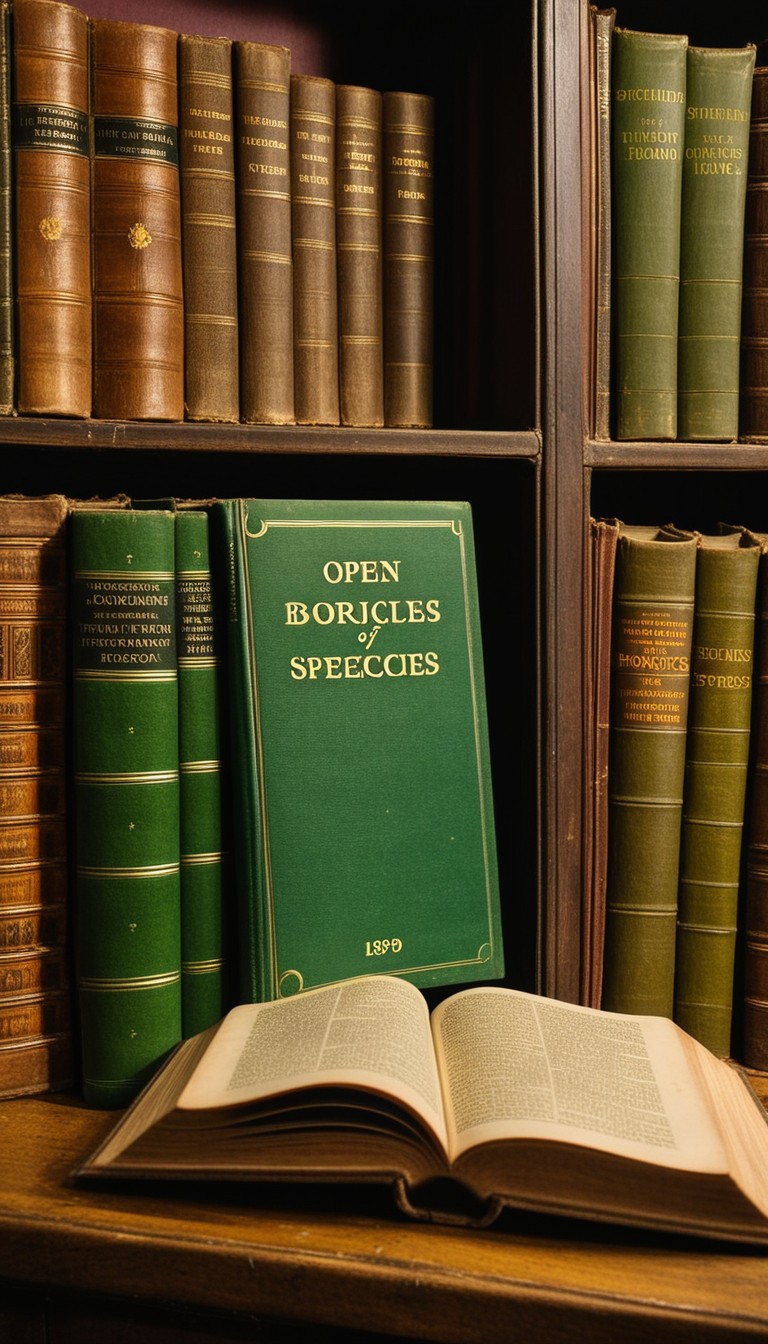
In 1858, Alfred Russel Wallace independently arrived at the same theory, forcing Darwin's hand. On November 24, 1859, On the Origin of Species was published—and all 1,250 copies sold out on the first day. Darwin argued that all living things share common ancestors and that nature "selects" the best-adapted individuals to survive and reproduce. It was elegant, evidence-based, and utterly revolutionary.
1860s
Oxford & London, England
Debate, Outrage, and Triumph
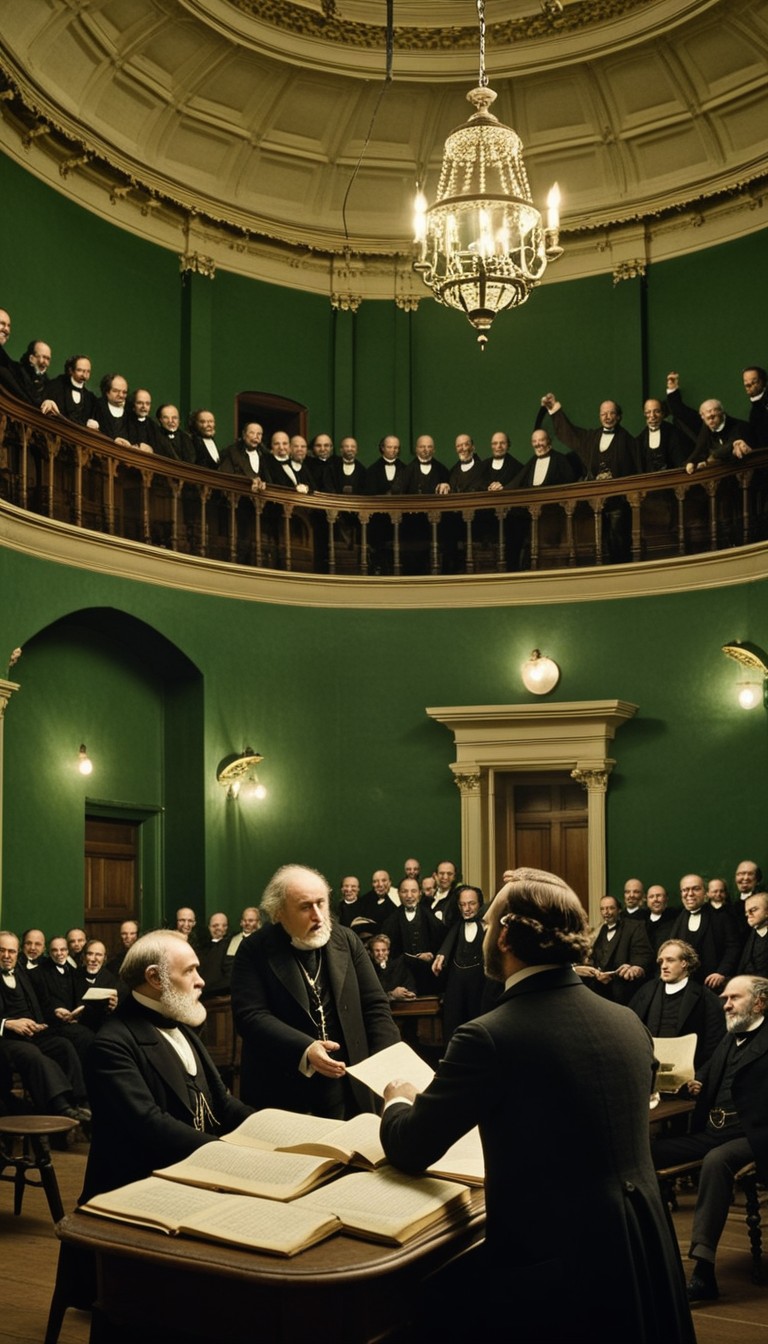
The reaction was immediate and fierce. The Church condemned the book. Cartoonists drew Darwin as an ape. At the famous 1860 Oxford debate, Bishop Samuel Wilberforce mockingly asked Thomas Huxley whether he was descended from an ape on his grandmother's or grandfather's side. Huxley crushed him with evidence. Over time, the scientific community overwhelmingly embraced Darwin's theory as the unifying framework of biology.
1870s-1882
Down House, Kent, England
The Quiet Genius of Down House
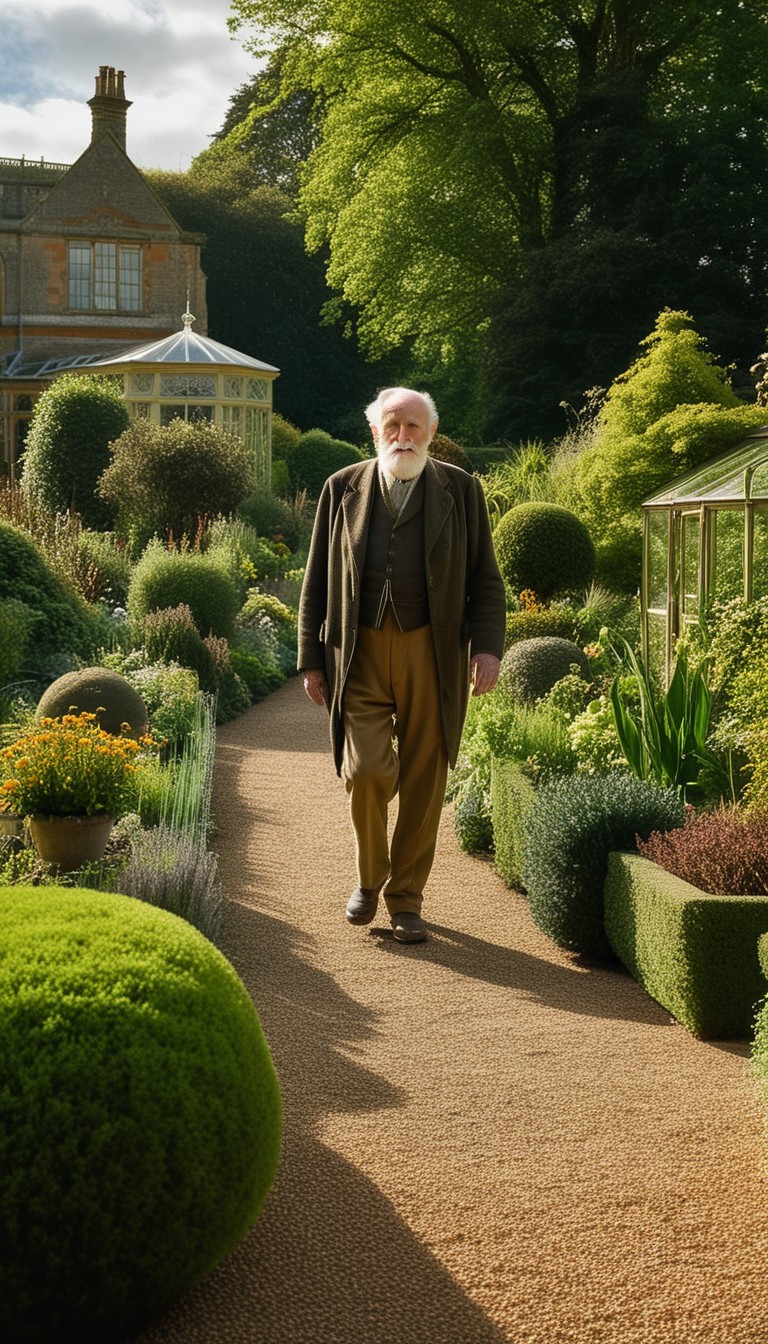
Darwin spent his later years at Down House, writing prolifically about orchids, earthworms, and human emotions. He suffered from mysterious chronic illness for decades but never stopped working. Charles Darwin died on April 19, 1882, and was buried in Westminster Abbey—a national hero. The boy who collected beetles had given humanity its most powerful idea about the living world.
There Is Grandeur in This View of Life
Charles Darwin showed us that all life on Earth is connected—woven together by billions of years of descent with modification. From a curious beetle collector to the father of evolutionary biology, he proved that patient observation and bold thinking can unlock the deepest secrets of nature. His final words in the Origin remain among the most beautiful in all of science.
Recommended Reading
As an Amazon Associate, we earn from qualifying purchases.
Swipe to navigate