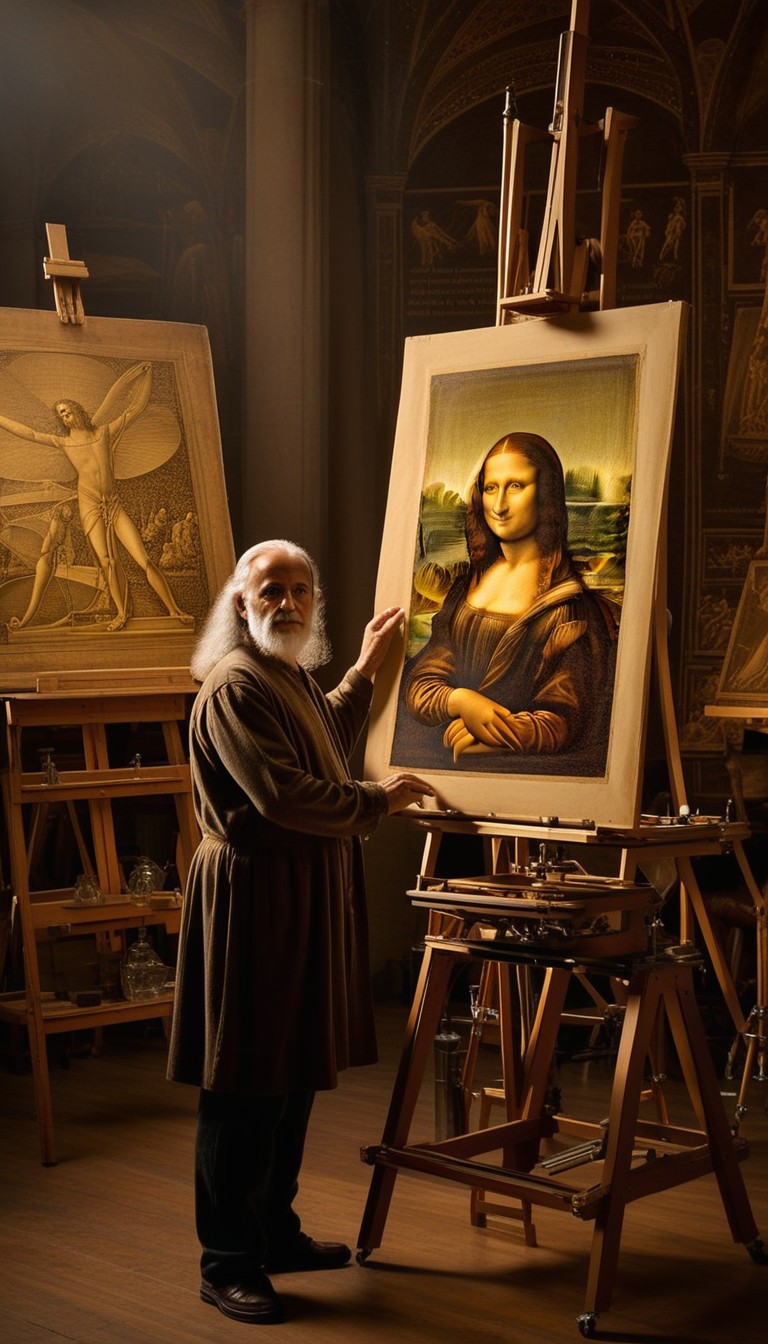
Leonardo da Vinci: The Universal Genius
Loading story...
1452
Vinci, Tuscany
A Child of Tuscany
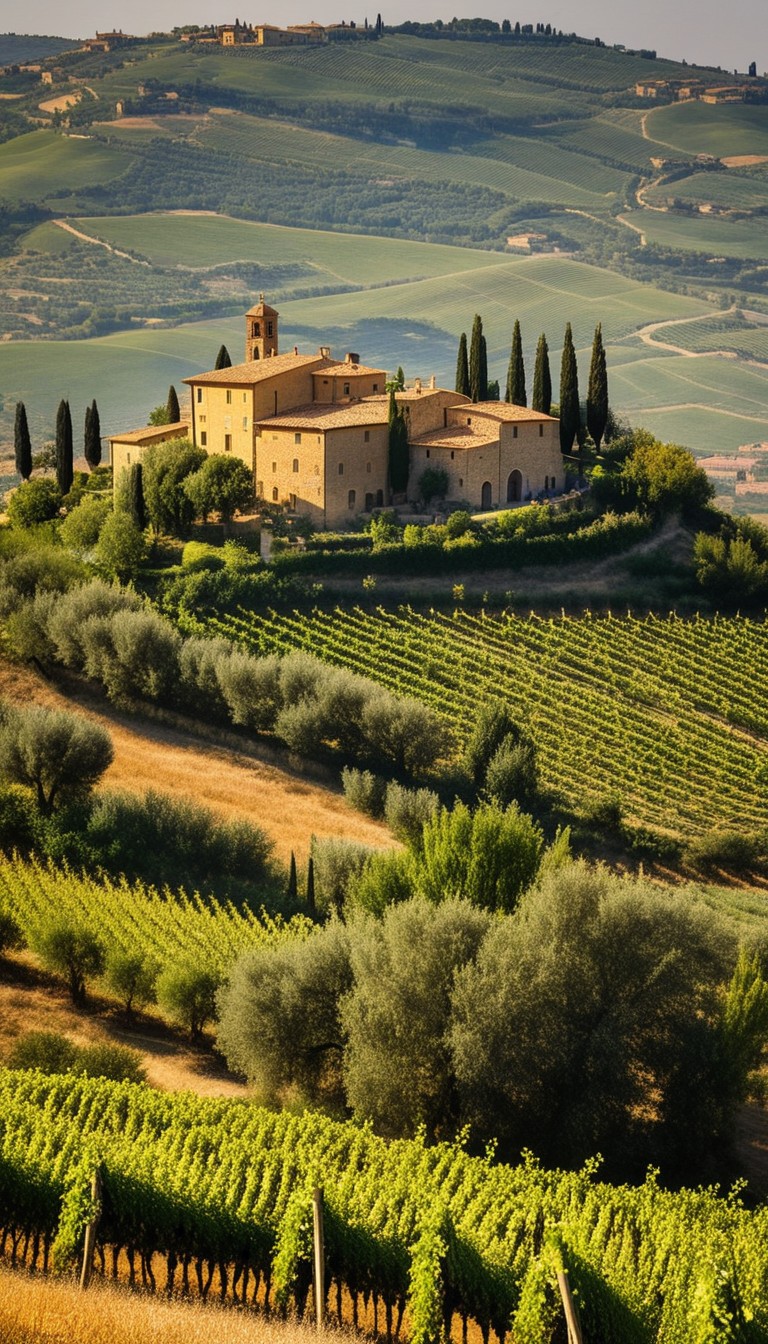
On April 15, 1452, Leonardo was born in the small hill town of Vinci, nestled among olive groves and vineyards in Tuscany. He was the illegitimate son of a Florentine notary and a peasant woman. Because of his birth status, he could not attend university or enter most professions. But the rolling Tuscan countryside became his first classroom, and his extraordinary powers of observation were evident from childhood.
~1466-1472
Florence, Italy
Verrocchio's Workshop
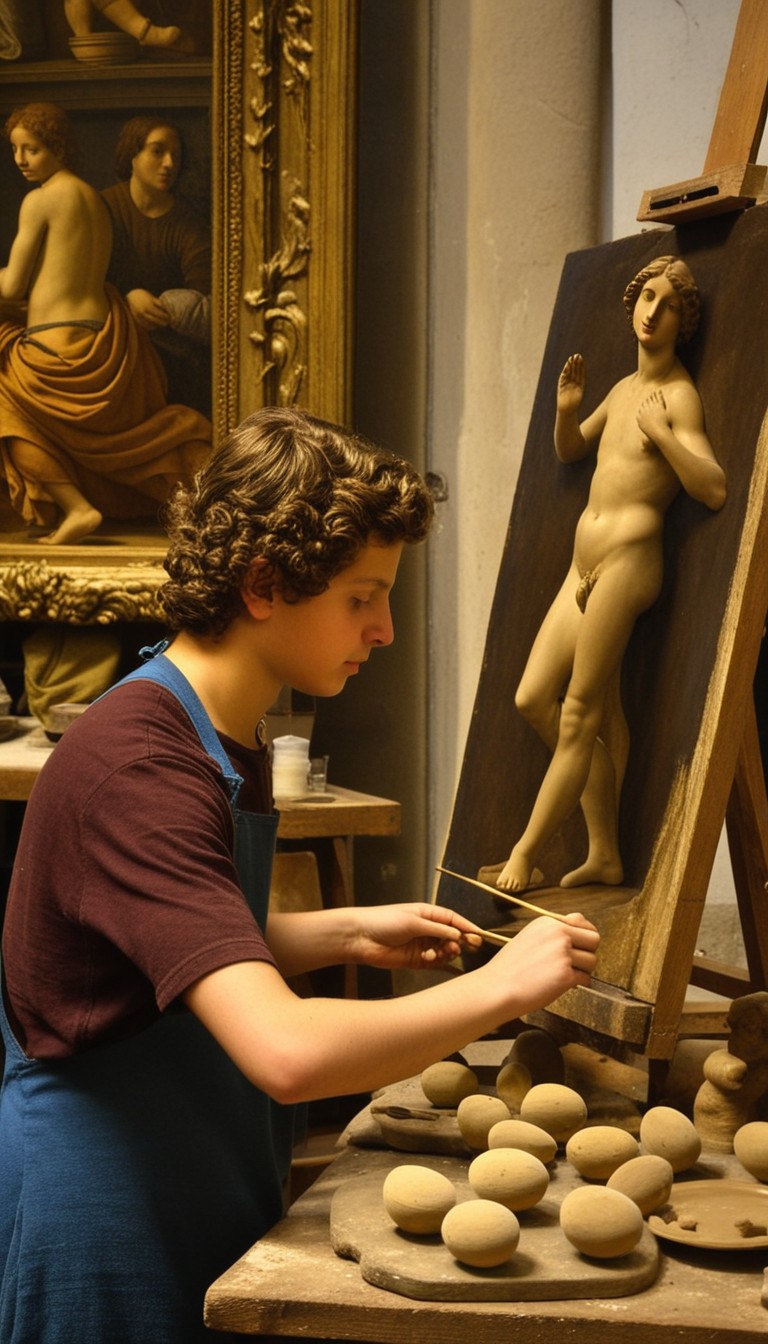
At fourteen, Leonardo's father secured him an apprenticeship with Andrea del Verrocchio, one of Florence's leading artists. In Verrocchio's bustling workshop, Leonardo learned painting, sculpting, metalwork, and engineering. Legend holds that when young Leonardo painted an angel in Verrocchio's Baptism of Christ, the master was so stunned by the boy's talent that he vowed never to paint again. The student had surpassed the teacher.
~1472-1482
Florence, Italy
The Genius Emerges
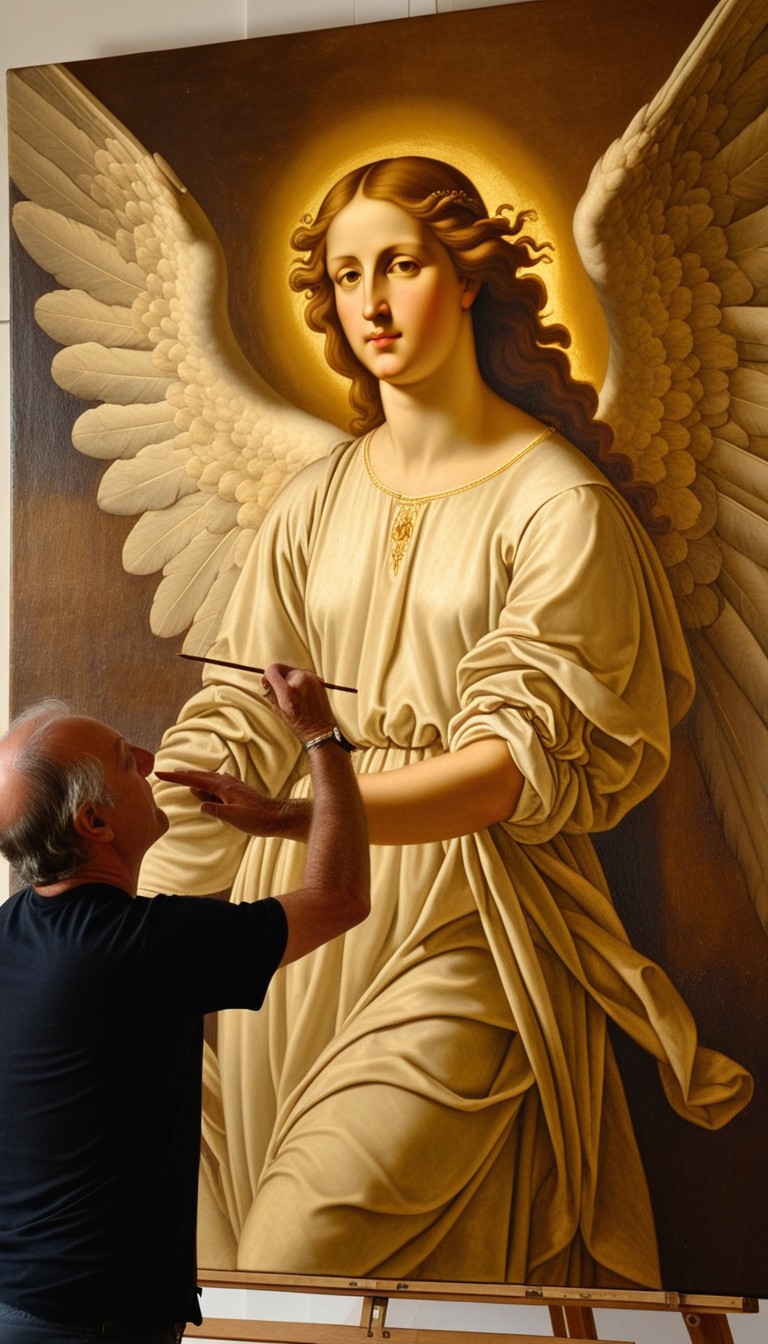
By his early twenties, Leonardo had established his own studio in Florence and was producing works of breathtaking beauty and technical innovation. His Annunciation and Ginevra de' Benci revealed a mastery of light, shadow, and human emotion that no one had achieved before. He pioneered sfumato—a technique of soft, smoky transitions between colors that made his figures seem to breathe. Florence was full of brilliant artists, but Leonardo stood apart.
1482-1499
Milan, Italy
The Milan Years
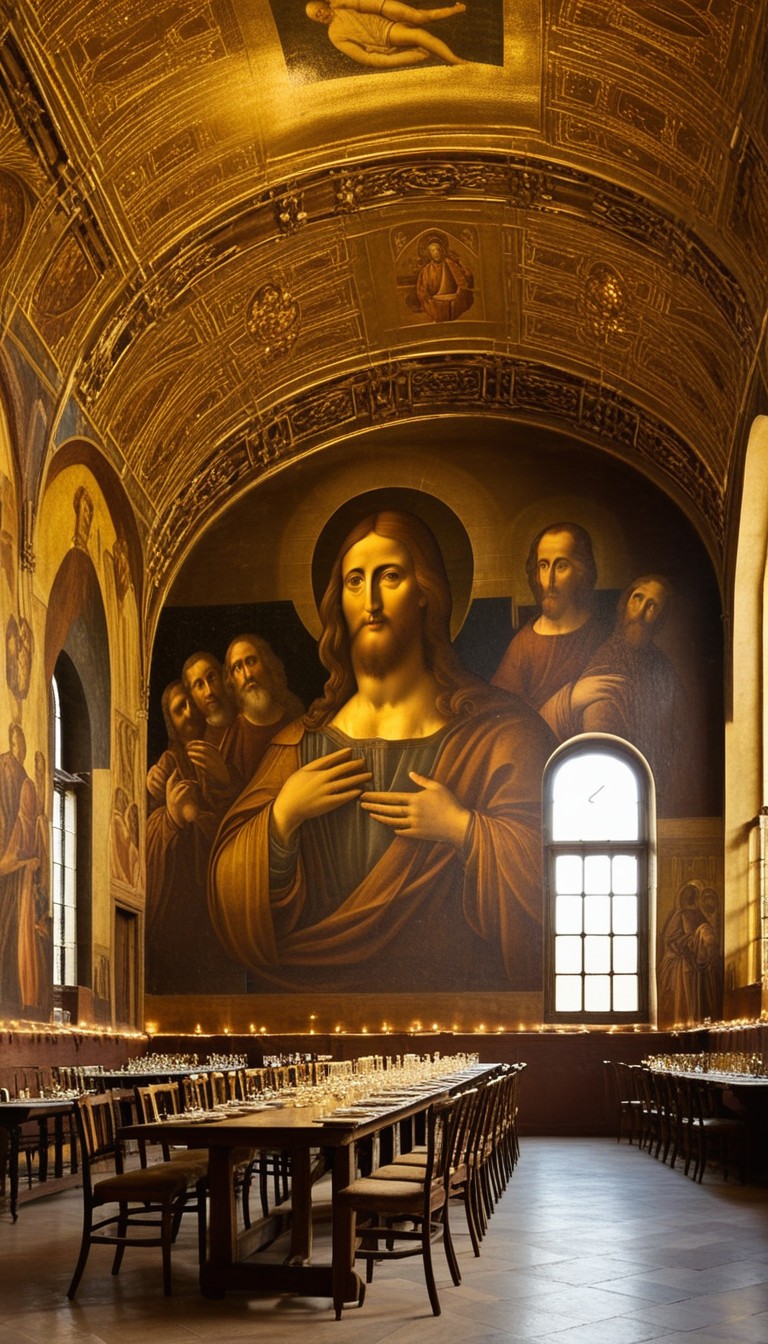
In 1482, Leonardo moved to Milan to serve Duke Ludovico Sforza—not primarily as a painter but as a military engineer. He designed bridges, weapons, and fortifications. Yet it was in Milan that he created The Last Supper, a revolutionary mural capturing the instant Jesus announces his betrayal. He also planned a massive bronze horse statue, studied hydraulics, and designed elaborate court spectacles. Milan unleashed the full range of his genius.
~1489-1513
Milan & Rome, Italy
Mapping the Human Machine
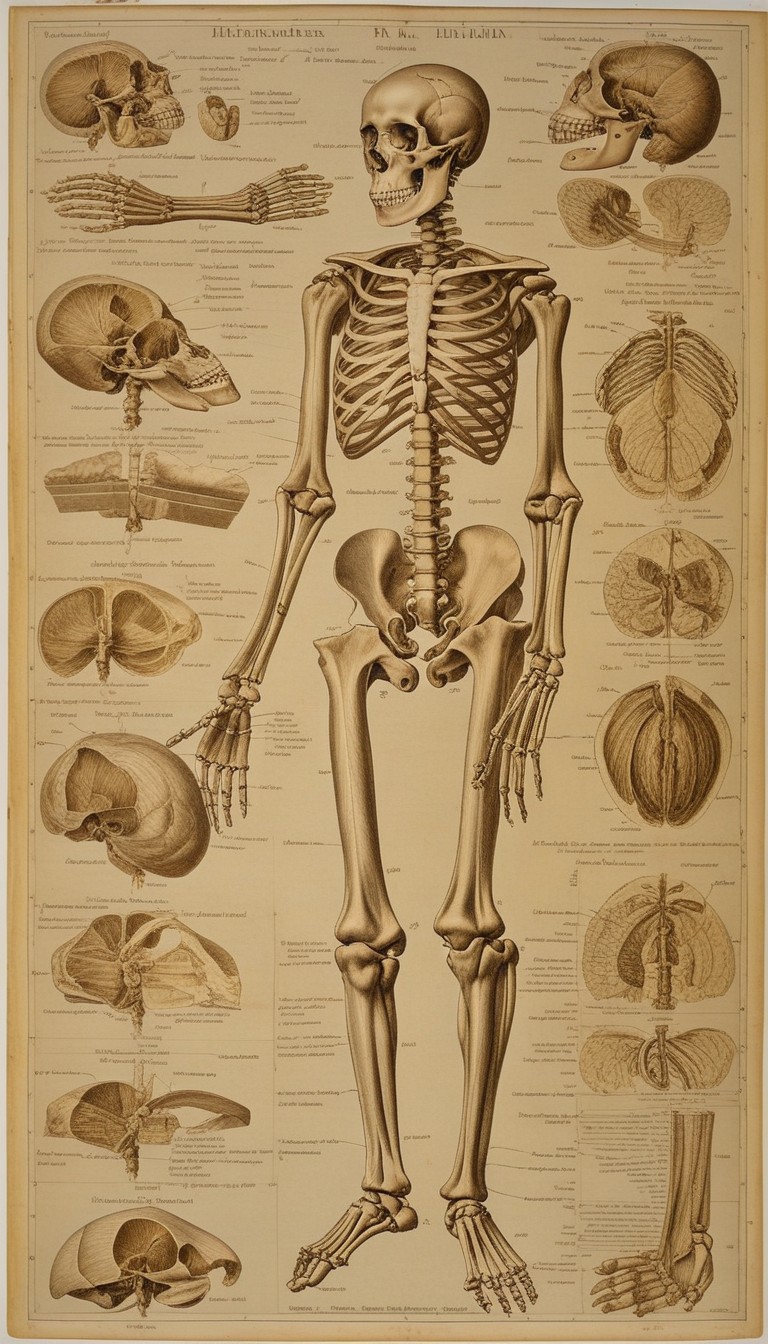
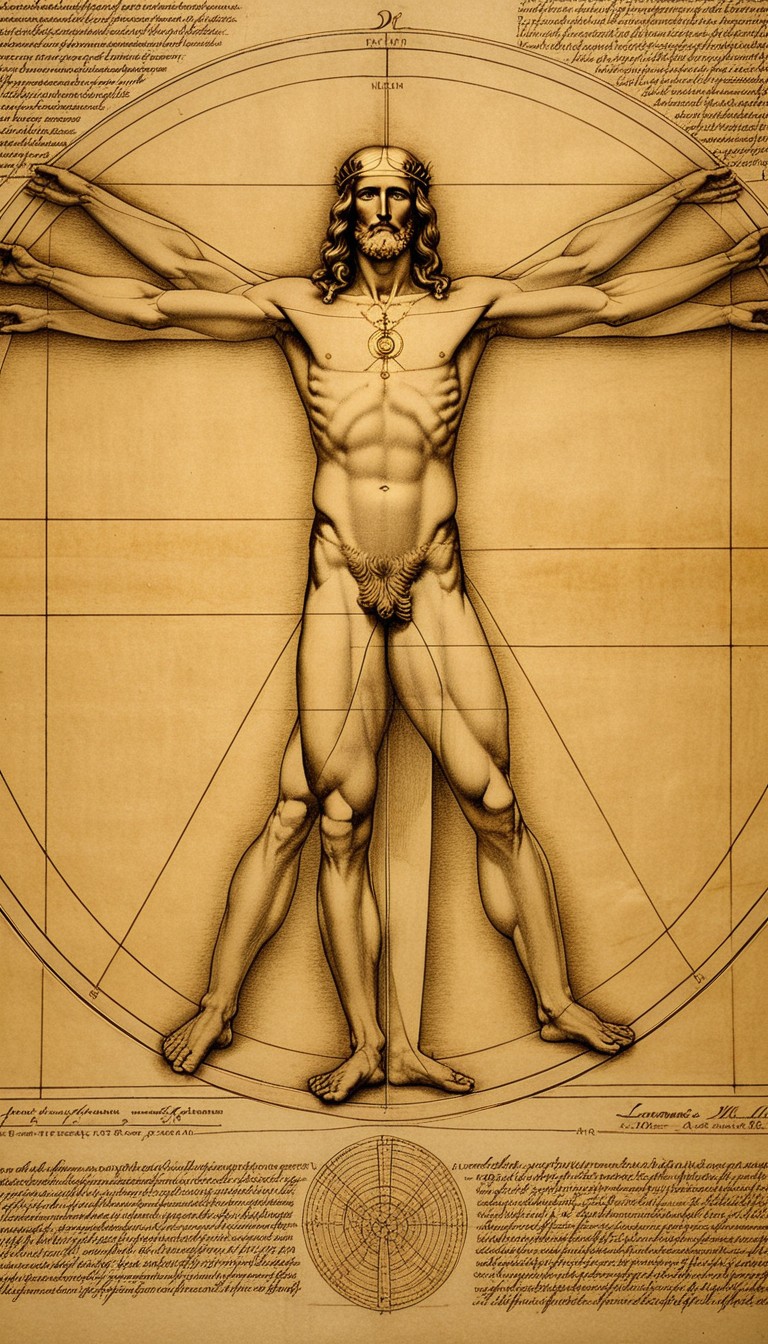
Leonardo dissected over thirty human corpses in dimly lit hospital morgues, working through the night to map the body's every muscle, bone, and organ. His anatomical drawings were centuries ahead of medical textbooks—he was the first to accurately depict the spine's curvature, the heart's chambers, and the fetus in the womb. He saw the body as the most magnificent machine ever designed, and he documented it with an artist's eye and a scientist's precision.
~1485-1519
Milan & Florence, Italy
Inventions Centuries Ahead
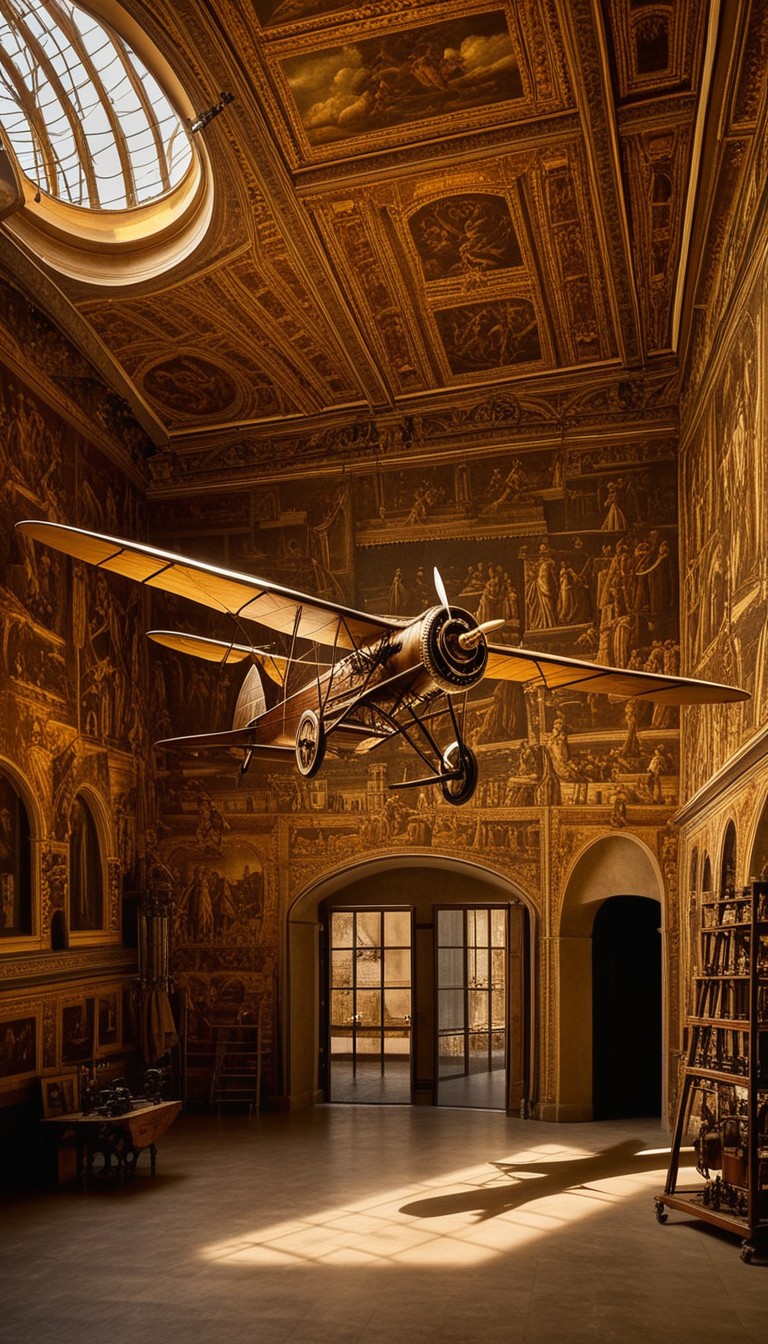
Leonardo's notebooks overflow with inventions that would not be built for hundreds of years. He designed a helicopter, a parachute, a self-propelled cart, an armored tank, a diving suit, and a machine gun. He studied the flight of birds obsessively, filling pages with wing mechanics and air currents. Most of these machines were never built in his lifetime, but modern engineers have proven they would have worked. His imagination operated on a different timescale than the rest of humanity.
~1503-1519
Florence & France
The Mona Lisa
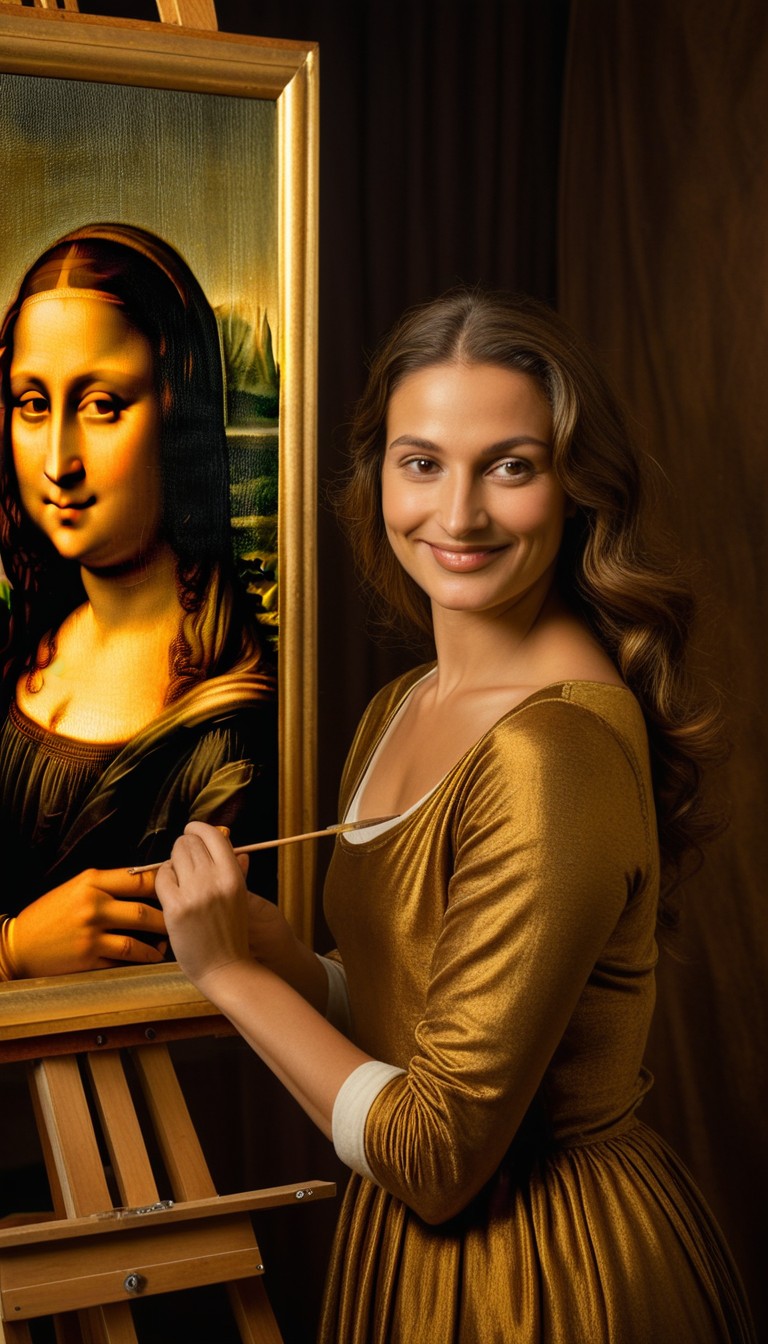
Sometime around 1503, Leonardo began painting a portrait of Lisa Gherardini, the wife of a Florentine merchant. He worked on it for years, carrying it with him across Italy and into France, never quite declaring it finished. The Mona Lisa's mysterious smile, achieved through layers of translucent glazes so thin they cannot be seen with the naked eye, has captivated the world for five centuries. It remains the most famous painting ever created.
1516-1519
Amboise, France
Final Years in France
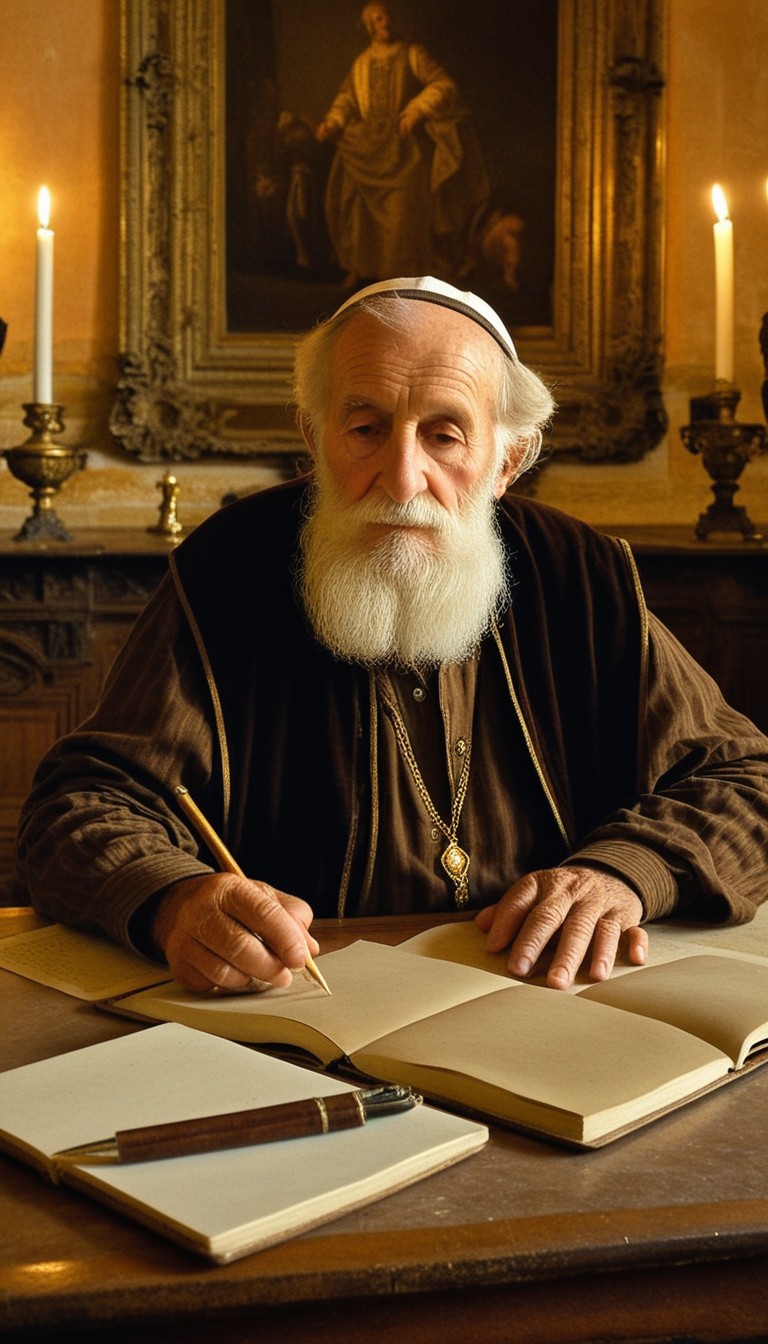
In 1516, an aging Leonardo accepted an invitation from King Francis I of France, who adored him. The king gave him a manor house near the royal chateau at Amboise, a generous pension, and the title "First Painter, Engineer, and Architect to the King." Leonardo spent his final years organizing his notebooks, entertaining the court, and enjoying the friendship of a king who called him the greatest mind in the world. He died on May 2, 1519, at sixty-seven.
Art Is Never Finished, Only Abandoned
Leonardo da Vinci was not just a great painter or a great inventor—he was the embodiment of human potential. He proved that art and science are not opposites but partners, that curiosity is the greatest gift, and that one mind, given freedom, can illuminate every corner of human knowledge. Five centuries after his death, we are still catching up to his vision.
Recommended Reading
As an Amazon Associate, we earn from qualifying purchases.
Swipe to navigate