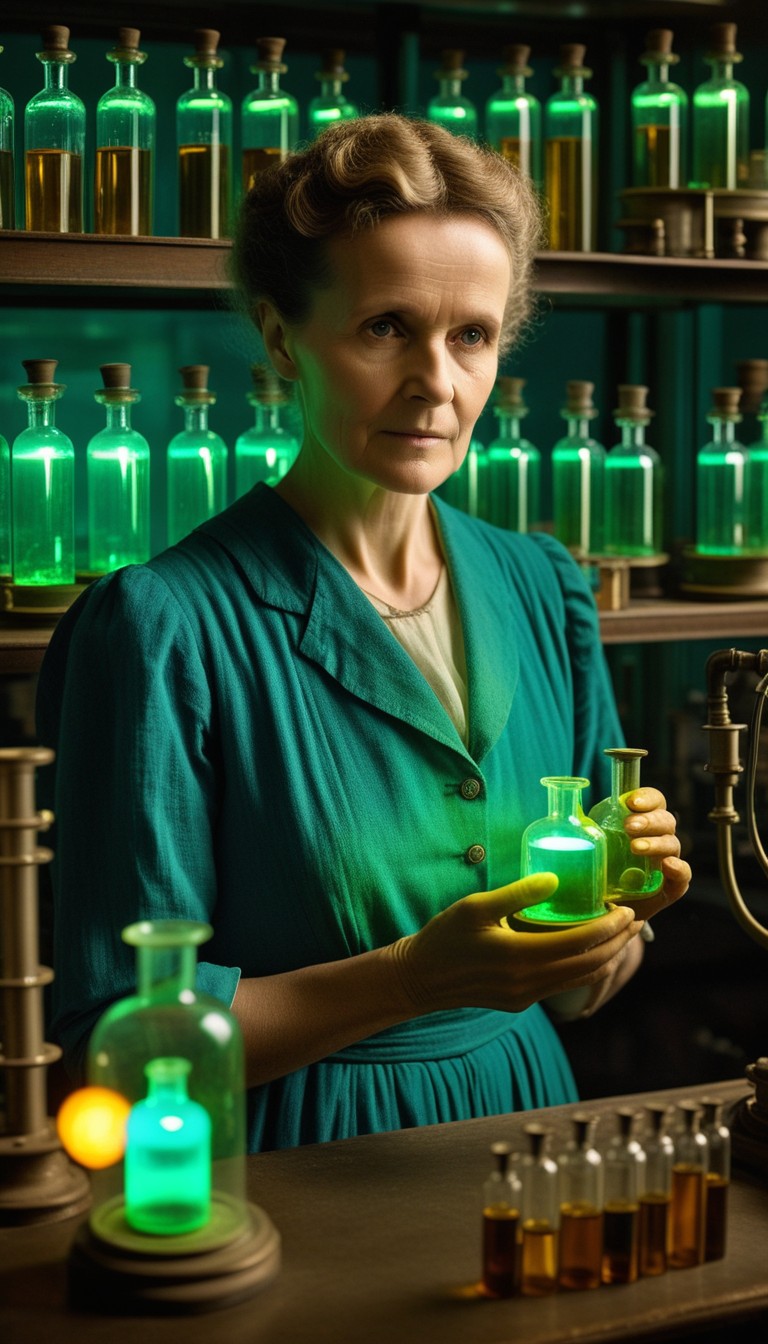
Marie Curie: Pioneer of Radioactivity
Loading story...

1867
Warsaw, Poland
A Girl in Occupied Warsaw
On November 7, 1867, Maria Sklodowska was born in Warsaw, Poland—then under the iron grip of the Russian Empire. Her parents were both teachers who valued education above all else. Young Maria was brilliant, finishing first in her high school class. But Russian-controlled universities barred women from enrolling. She would have to look elsewhere to fulfill her dream of becoming a scientist.
1891-1894
Paris, France
Paris and the Sorbonne
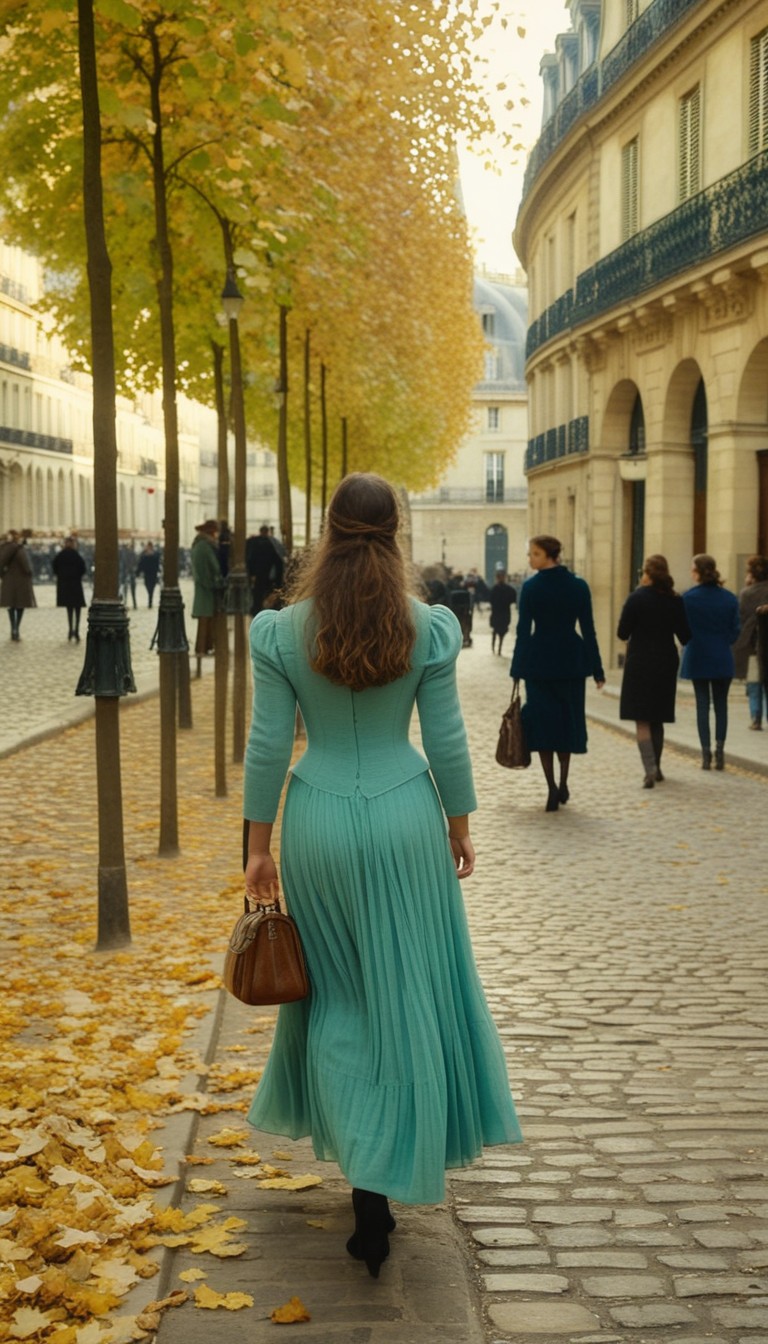
In 1891, at age 24, Maria moved to Paris and enrolled at the Sorbonne. She lived in a freezing garret, sometimes too poor to eat, surviving on bread and chocolate. She studied physics and mathematics with ferocious intensity, often the only woman in her lectures. She earned her physics degree first in her class in 1893, and a mathematics degree the following year. Paris had given her wings.

1894-1895
Paris, France
A Partnership of Equals
In 1894, Marie met Pierre Curie, a gifted French physicist. Their shared passion for science blossomed into love. They married in 1895 in a simple ceremony—Marie wore a dark blue dress she could later use in the lab. Pierre gave up his own research to join Marie's investigation into mysterious uranium rays. Together, they became one of the most remarkable scientific partnerships in history.
1898
Paris, France
Polonium and Radium
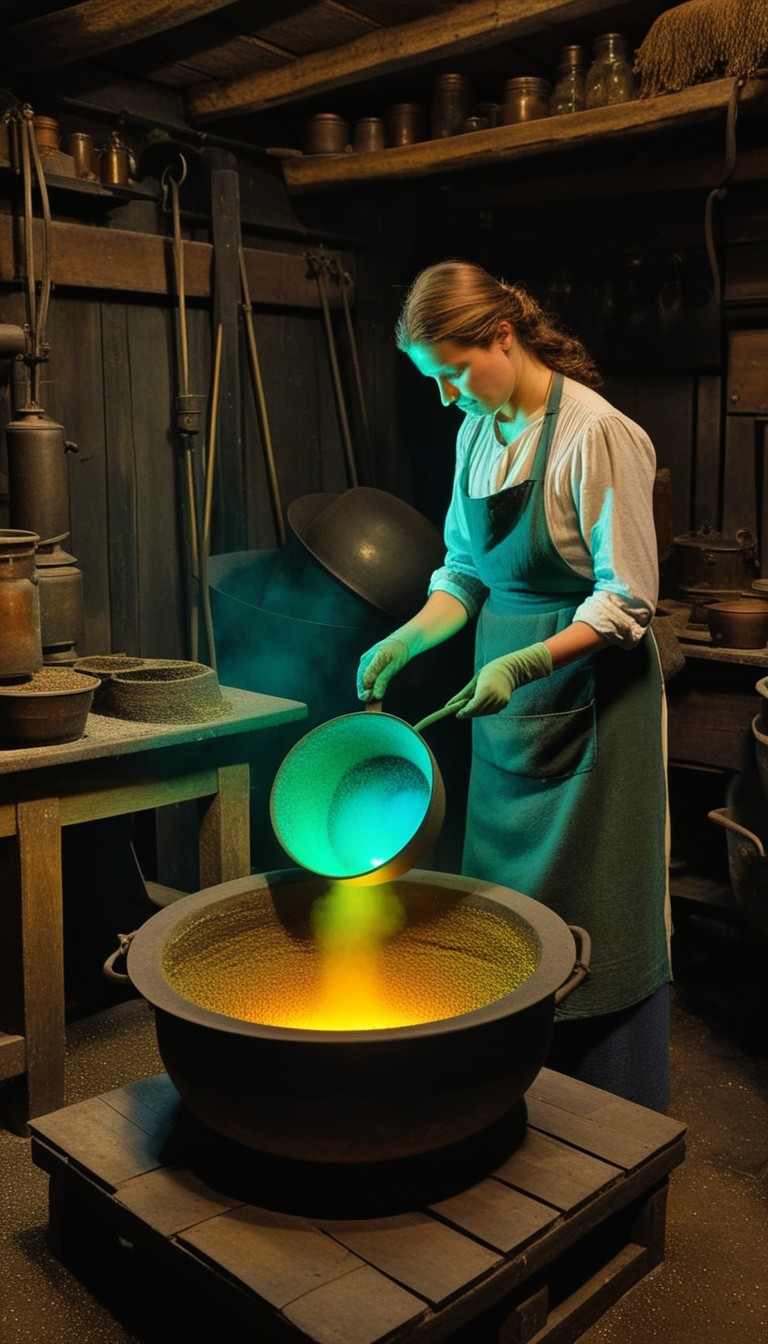
Working in a leaky, converted shed, the Curies processed tons of pitchblende ore by hand. In 1898, they announced the discovery of two new elements: polonium, named for Marie's beloved Poland, and radium, from the Latin word for "ray." Radium glowed an eerie blue-green in the dark. Marie coined the term "radioactivity" to describe these strange emissions. It was backbreaking, dangerous work—and it changed science forever.
1903
Stockholm, Sweden
The First Nobel
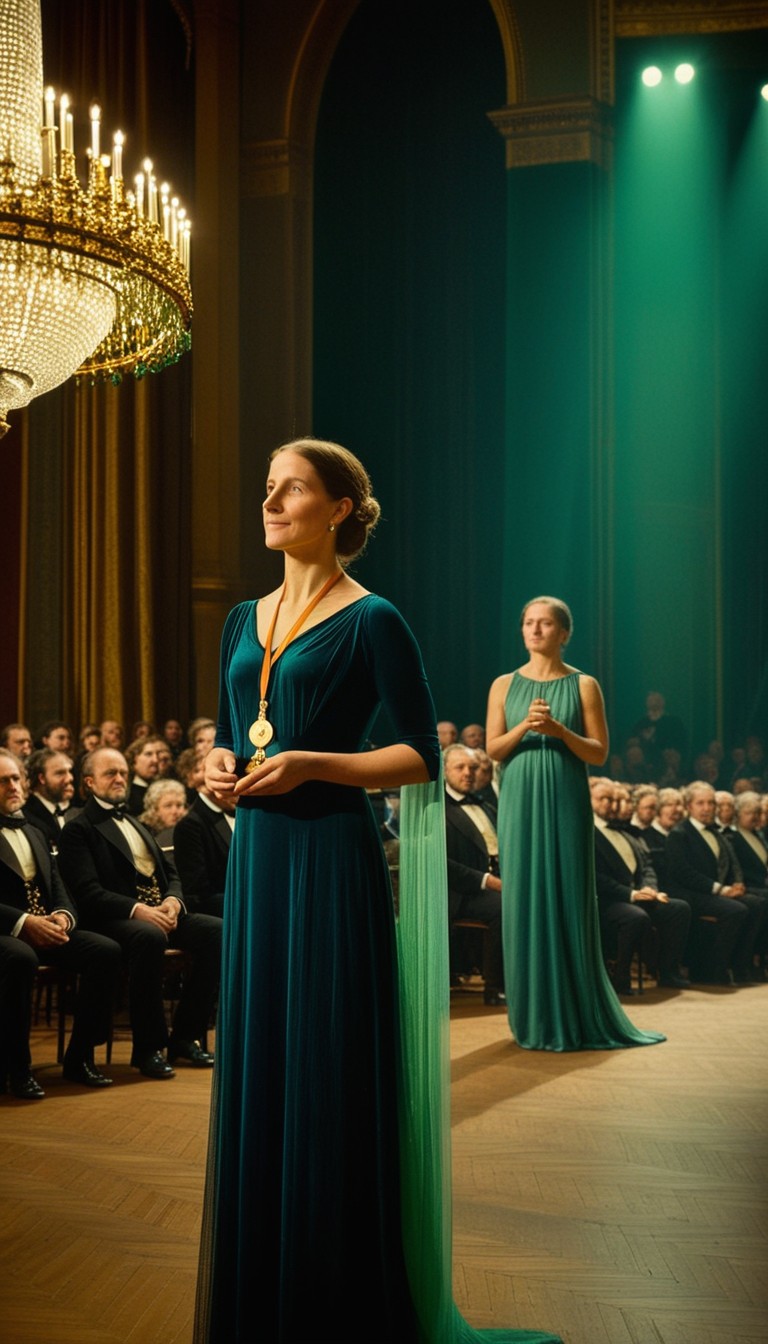
In 1903, Marie and Pierre Curie shared the Nobel Prize in Physics with Henri Becquerel for their research on radioactivity. Marie was the first woman ever to receive a Nobel Prize. The Swedish Academy had initially planned to honor only Pierre and Becquerel—until Pierre insisted Marie be included. The prize brought fame, but the Curies preferred their quiet laboratory to the spotlight.
1906
Paris, France
Tragedy Strikes
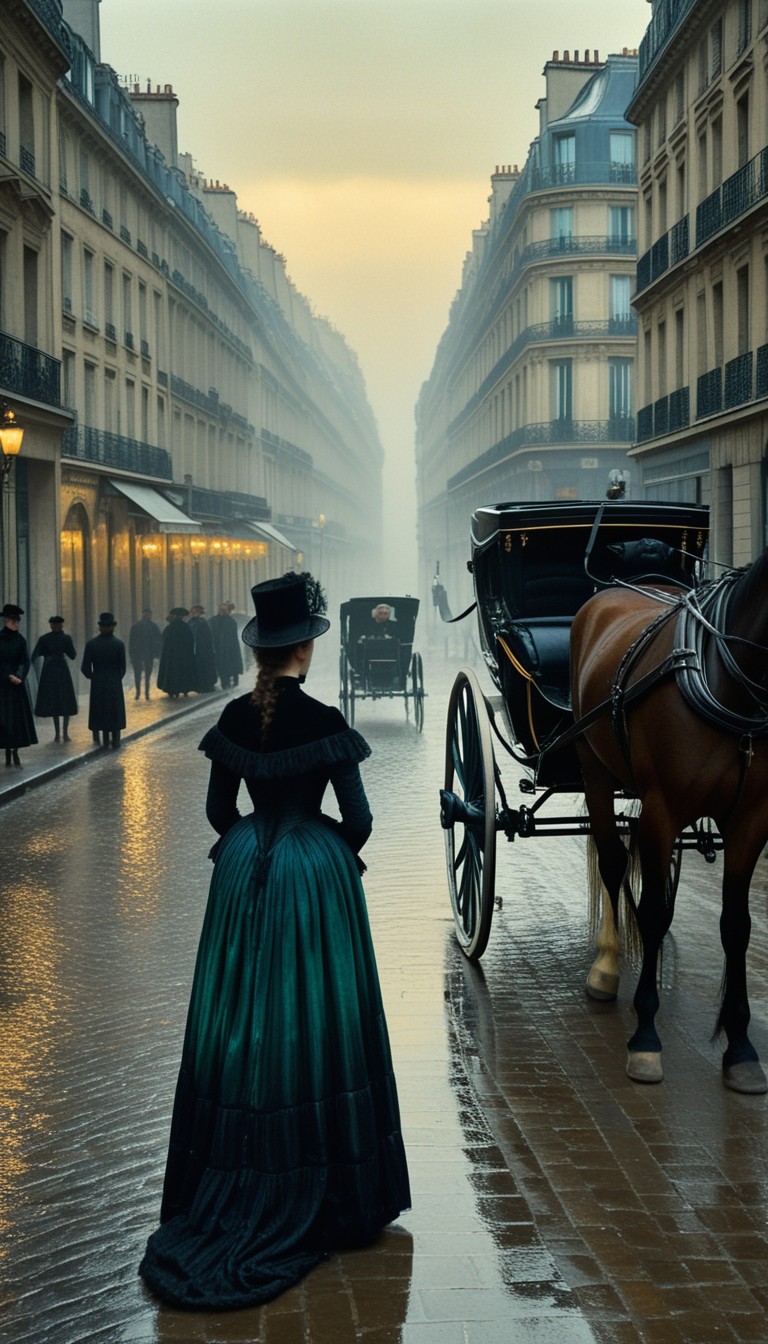
On April 19, 1906, Pierre Curie was killed instantly when he slipped in the rain and was run over by a horse-drawn cart on a Paris street. Marie was devastated. She wrote in her diary: "It is the end of everything." But she refused to collapse. The Sorbonne offered her Pierre's teaching position, and she became the university's first female professor. She channeled her grief into relentless work.

1911
Stockholm, Sweden
A Second Nobel Prize
In 1911, Marie Curie won the Nobel Prize in Chemistry for her discovery of radium and polonium and her work isolating pure radium. She became—and remains—the only person in history to win Nobel Prizes in two different sciences. The achievement came despite a vicious smear campaign by the French press over her personal life. She attended the ceremony with dignity, letting her science speak louder than the scandal.

1914-1918
Western Front, France
Little Curies on the Front Lines
When World War I erupted, Curie saw soldiers dying from wounds that proper imaging could have diagnosed. She equipped vehicles with portable X-ray machines and drove them to the front lines herself. These mobile units, nicknamed "petites Curies"—Little Curies—helped doctors locate bullets and shrapnel in wounded soldiers. Marie trained 150 women as X-ray operators. She saved countless lives, though the radiation exposure would eventually cost her own.

A Light That Never Fades
Marie Curie died on July 4, 1934, of aplastic anemia caused by decades of radiation exposure. Her notebooks are still so radioactive they must be stored in lead-lined boxes. In 1995, she became the first woman interred in the Paris Pantheon on her own merits. Her legacy lives on in every cancer treatment using radiation therapy, every woman who enters a science lab, and every person who refuses to let the world tell them what they cannot achieve.
Recommended Reading
As an Amazon Associate, we earn from qualifying purchases.
Swipe to navigate