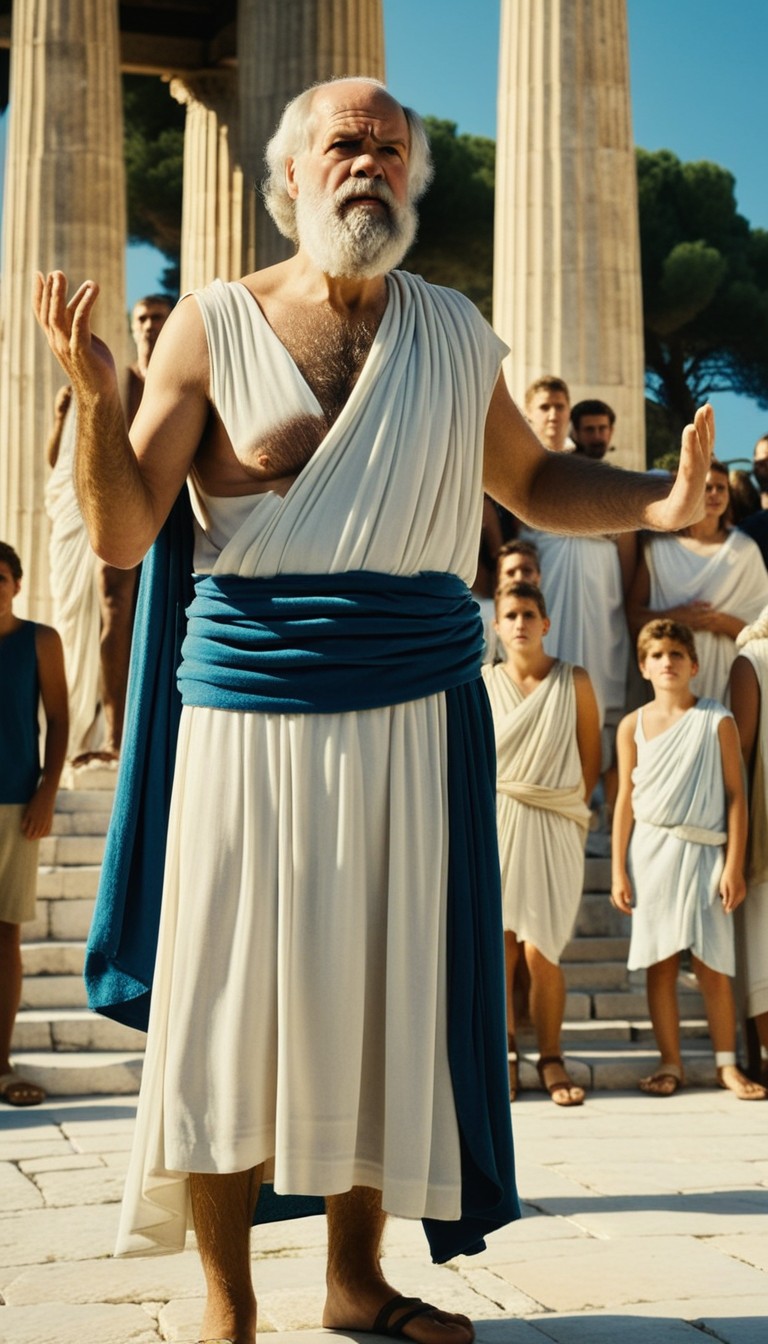
Socrates: The Gadfly of Athens
Loading story...
~470 BC
Athens, Greece
Athens in the Golden Age
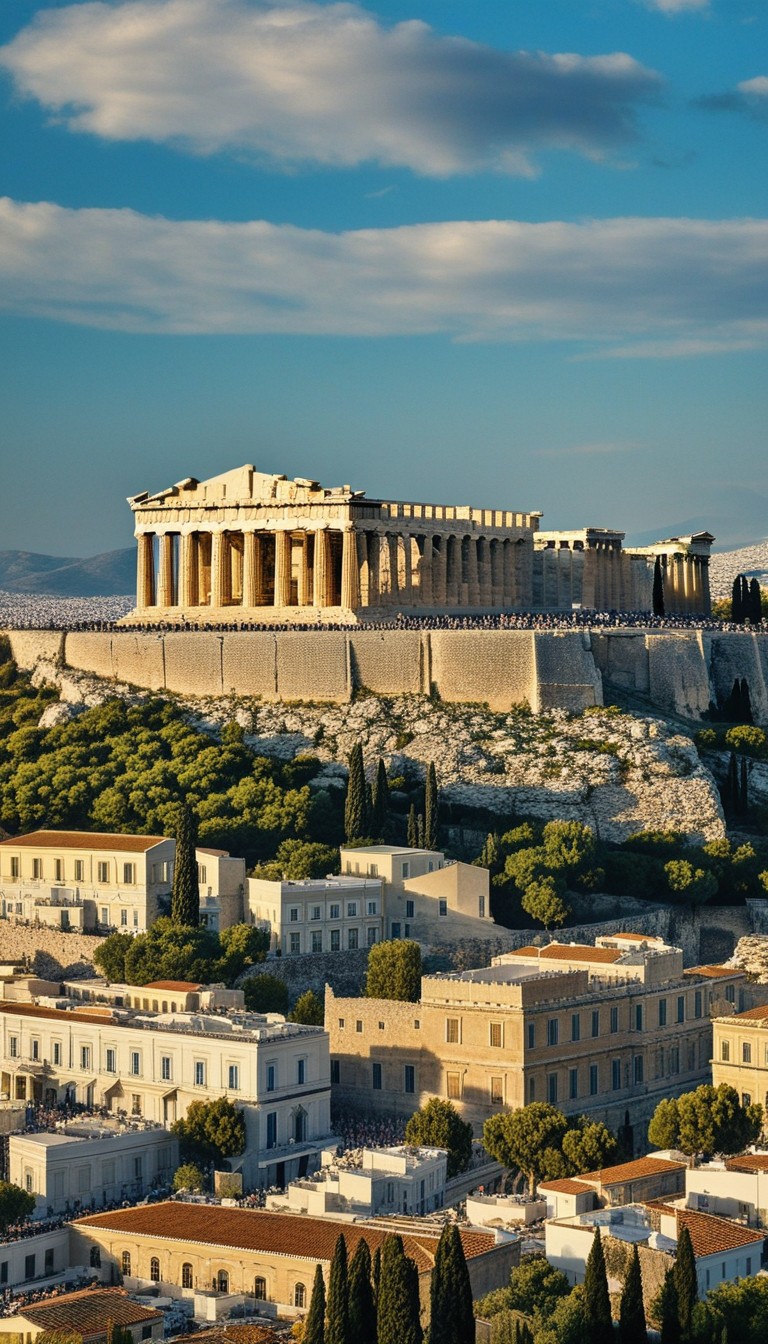
Around 470 BC, Socrates was born into an Athens bursting with ambition and beauty. The Parthenon was rising on the Acropolis, Pericles was leading the world's first democracy, and playwrights like Sophocles filled open-air theaters with thousands. It was the most intellectually alive city on Earth—the perfect cradle for a philosopher who would change how humans think.
~450-430 BC
Athens & Potidaea
The Stonemason's Son
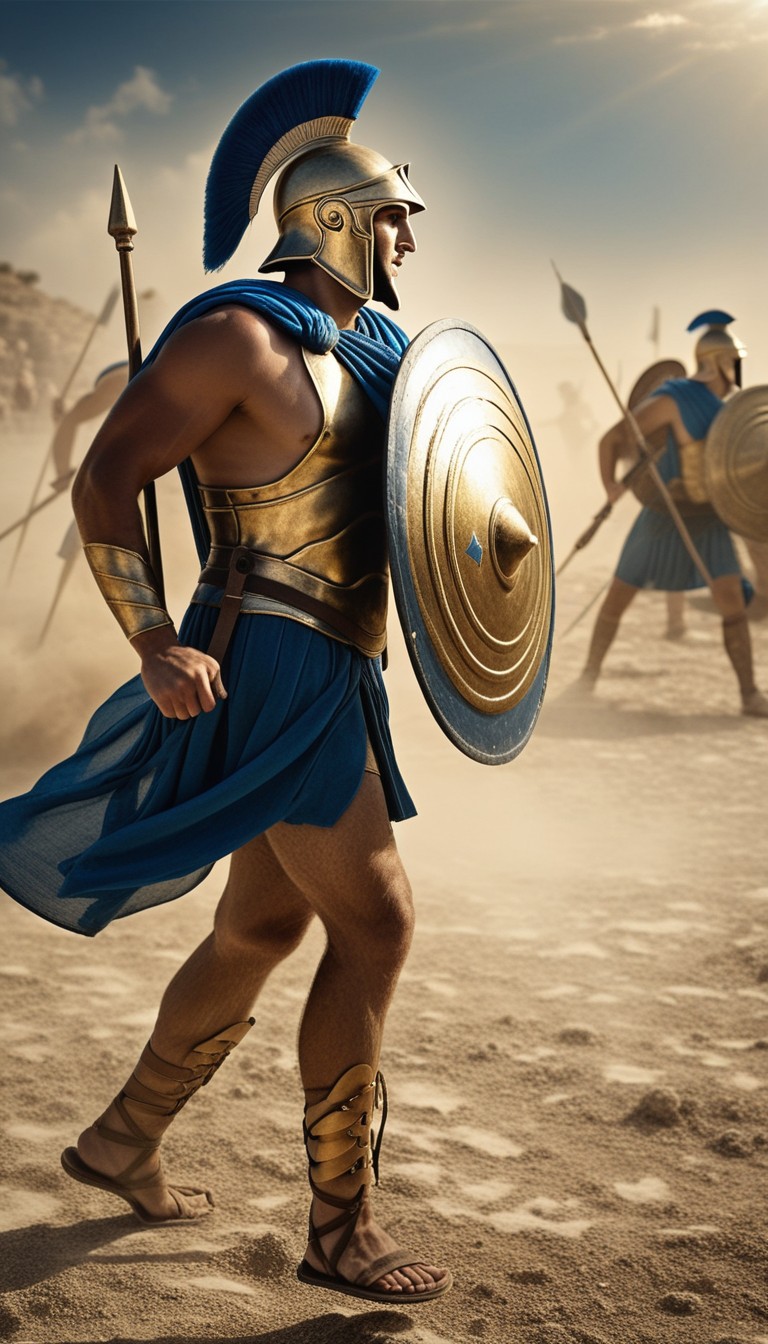
Socrates was the son of Sophroniscus, a stonemason, and Phaenarete, a midwife. As a young man he learned his father's trade, carving stone under the Attic sun. He also served as a hoplite soldier at the brutal siege of Potidaea, where he earned a reputation for extraordinary physical endurance and calm courage under fire. He walked barefoot through the snow while his fellow soldiers shivered in their cloaks.
~430-400 BC
The Agora, Athens
The Gadfly of the Agora
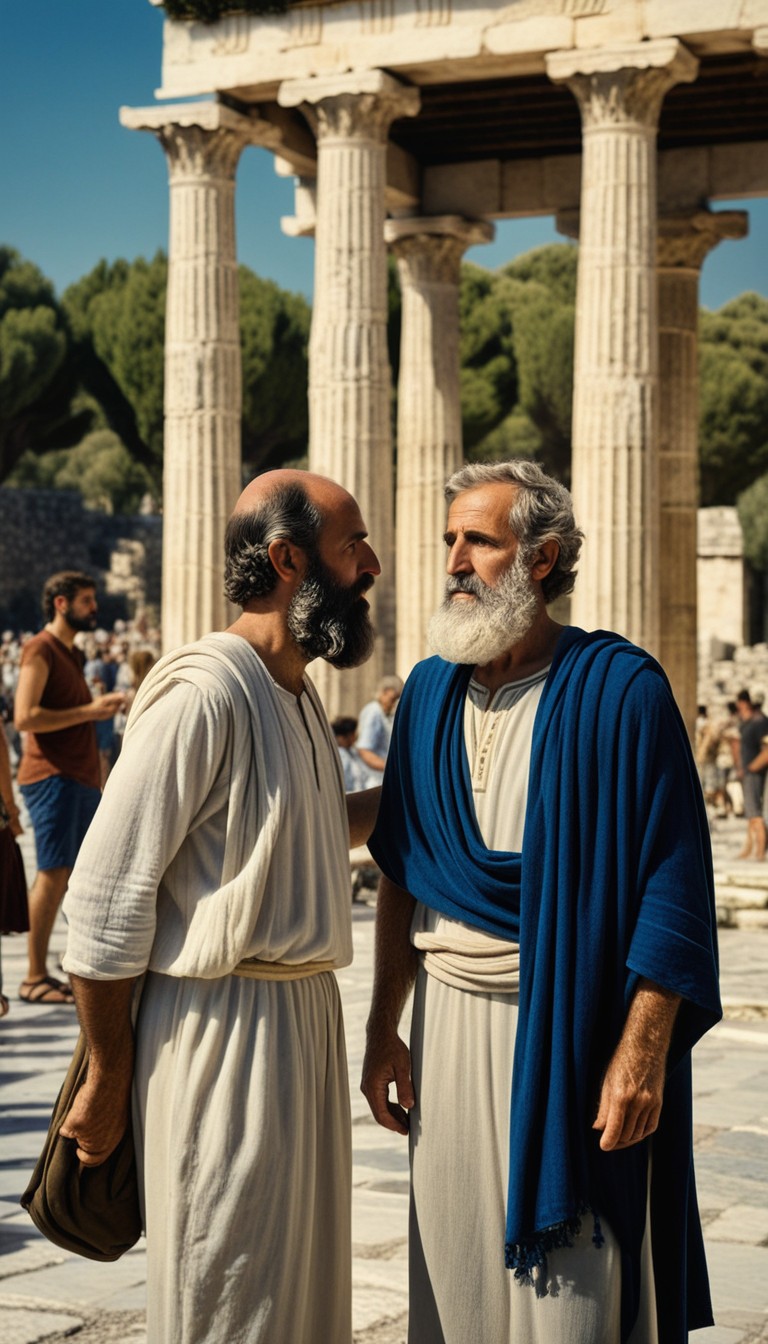
Socrates abandoned stonemason work and spent his days in the agora—Athens' bustling marketplace and civic heart. He approached generals, politicians, craftsmen, and poets with disarming questions that peeled back layers of assumed knowledge. He had no school, no fees, and no prepared lectures. His classroom was the open air, and his only tool was conversation.
~430-399 BC
Athens, Greece
I Know That I Know Nothing
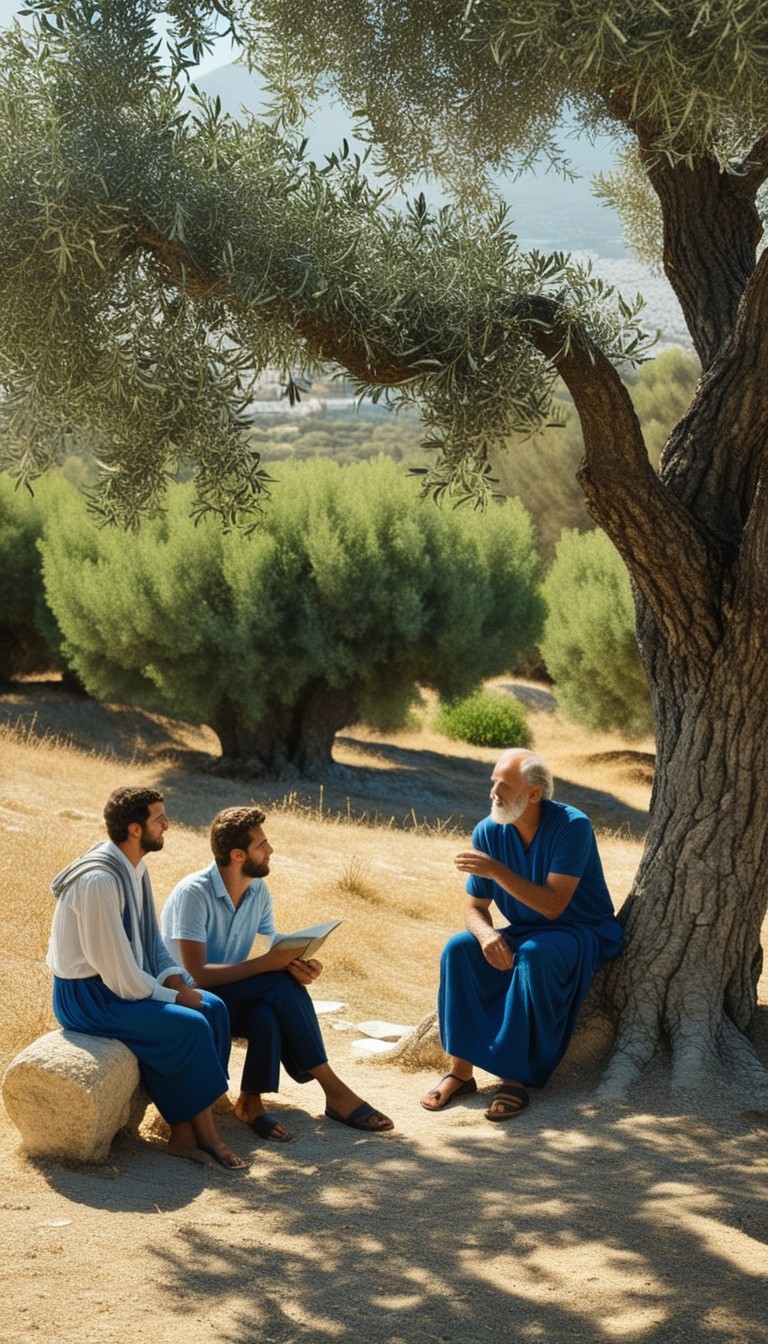
Socrates developed a revolutionary way of seeking truth: not by lecturing, but by asking carefully crafted questions that forced people to examine their own beliefs. This method—later called the Socratic Method—exposed contradictions and assumptions hiding beneath confident opinions. His most famous paradox was his claim of wisdom through ignorance: "I know that I know nothing." It was not modesty but a radical starting point for genuine inquiry.

~420-399 BC
Athens, Greece
A Circle of Brilliant Students
Though he never charged for teaching, Socrates attracted a devoted circle of followers. Among them was Plato, who would found the Academy and become one of history's greatest philosophers. Xenophon, the soldier-historian, preserved Socratic conversations in his own writings. And Alcibiades, the dazzling and reckless Athenian general, adored Socrates even as he scandalized the city. Together they show the range of minds Socrates inspired.
~420 BC
Delphi & Athens, Greece
The Wisest Man in Greece
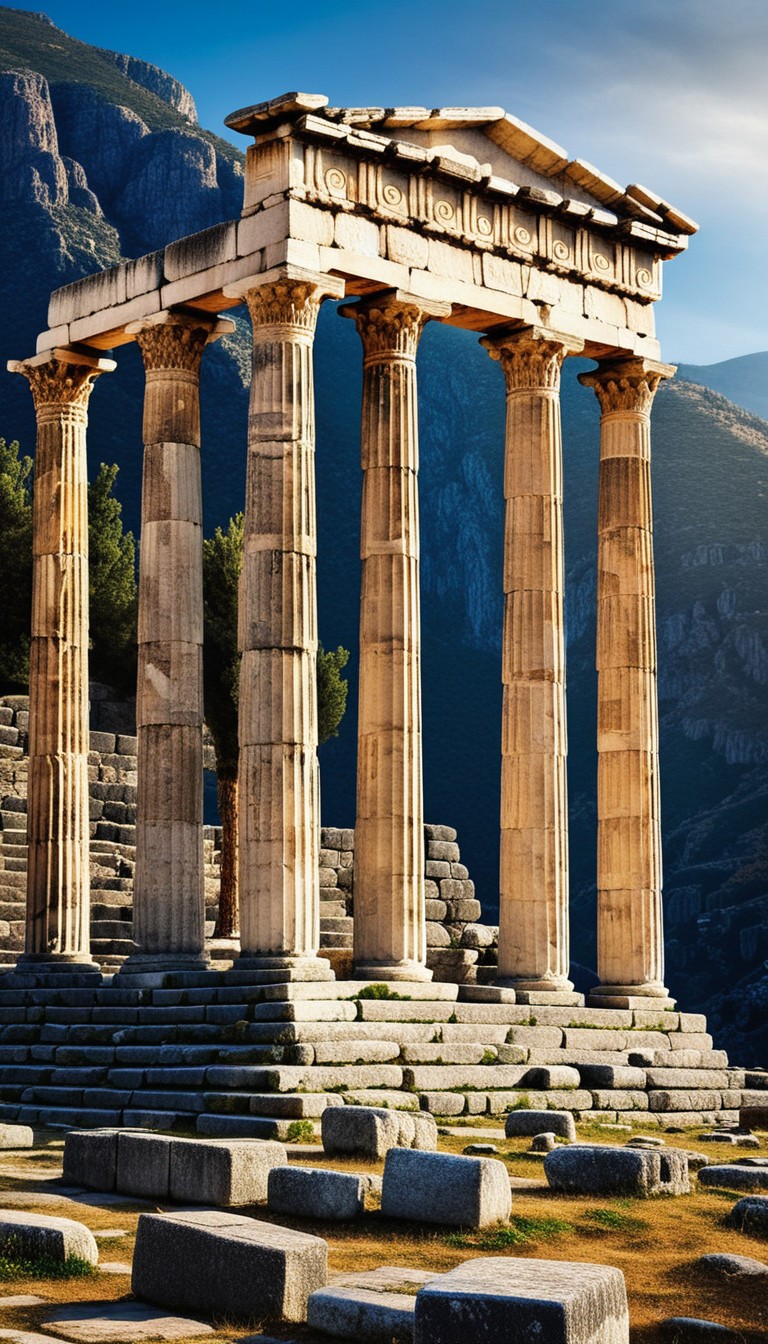
Socrates' friend Chaerephon traveled to the Oracle at Delphi and asked the priestess whether anyone was wiser than Socrates. The Oracle said no. Socrates was baffled—he didn't consider himself wise at all. So he set out to find someone wiser, questioning experts across Athens. He concluded the Oracle was right, but only because he alone recognized his own ignorance. Everyone else was ignorant too, but didn't know it.
399 BC
Athens, Greece
The Trial of Socrates
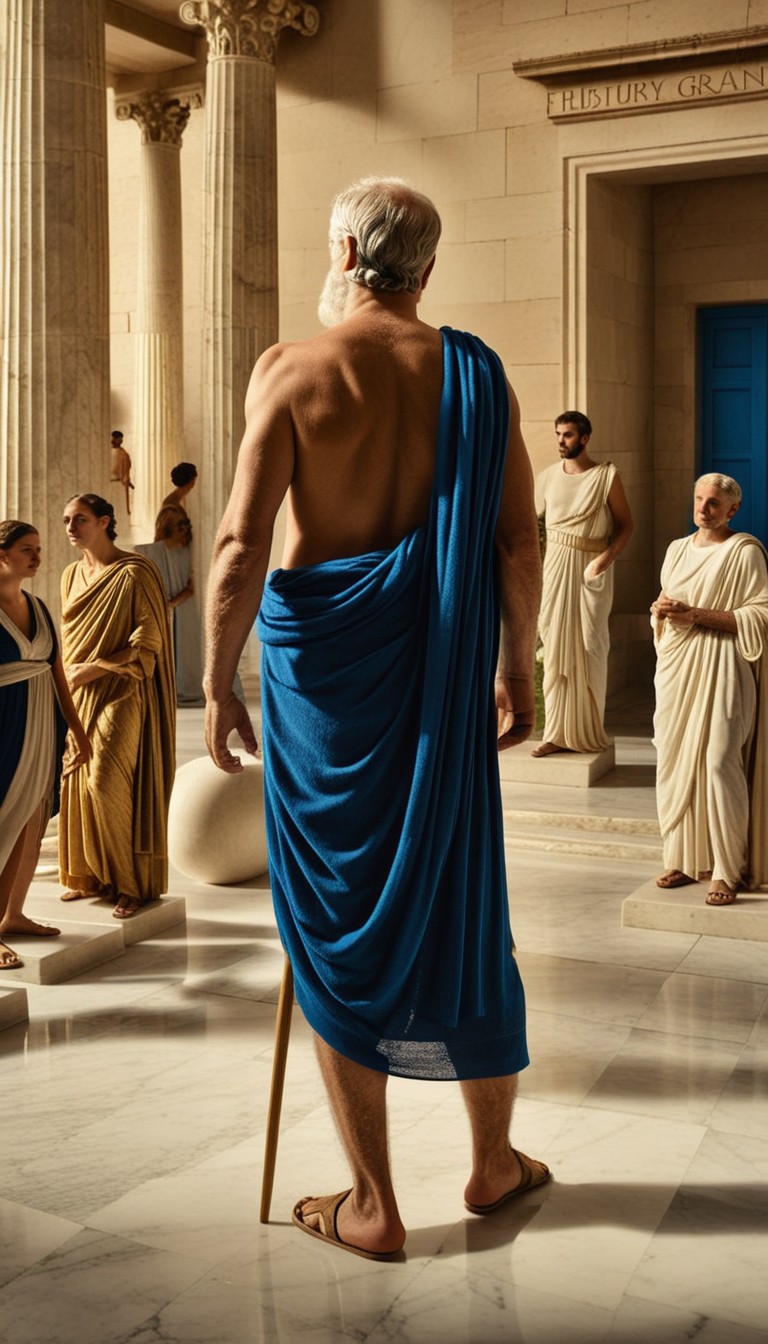
In 399 BC, three Athenian citizens brought formal charges against Socrates: impiety and corrupting the youth. Athens had recently lost the Peloponnesian War and was looking for scapegoats. Before a jury of 501 citizens, Socrates refused to grovel or beg for mercy. Instead he defended philosophy itself, arguing that questioning authority was the highest service a citizen could perform. The jury voted to convict by a narrow margin.
399 BC
Athens, Greece
The Hemlock Cup
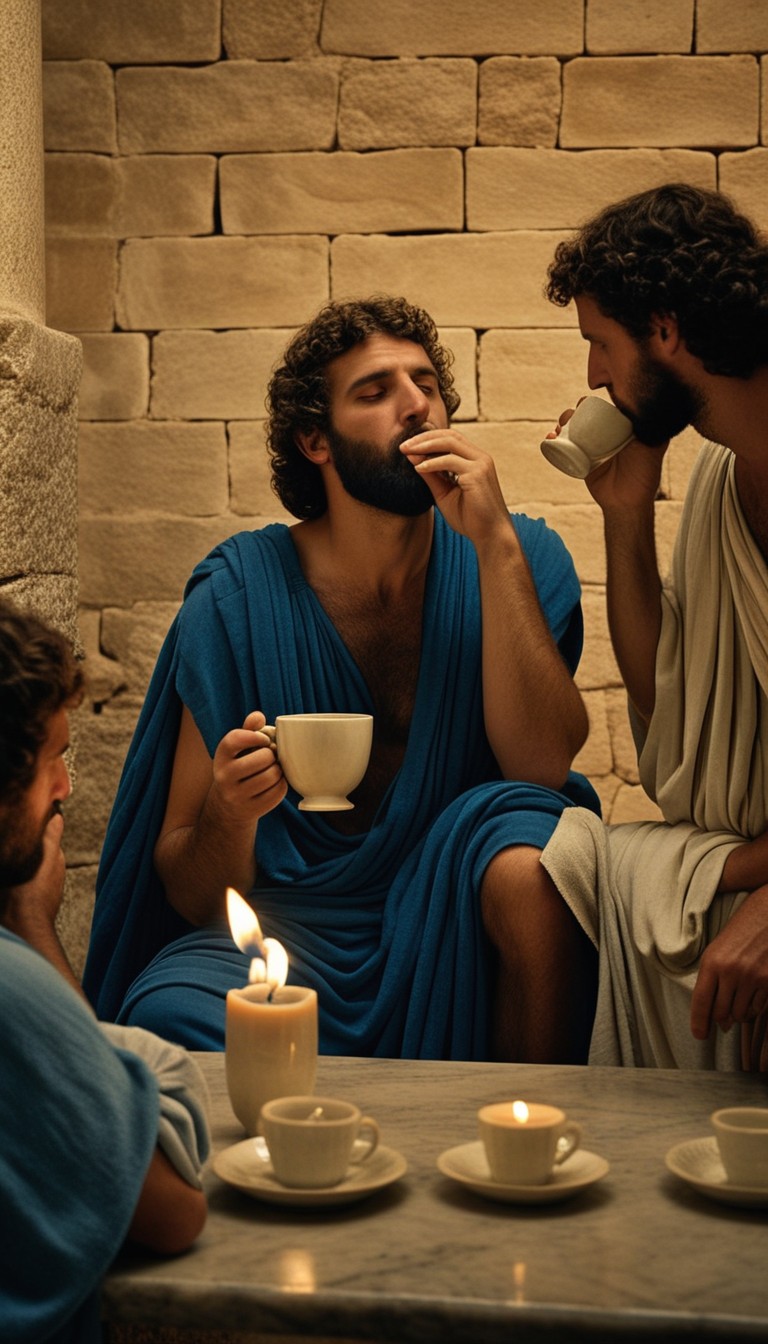
Sentenced to death, Socrates was offered the chance to escape Athens—his friends had bribed the guards. He refused. To flee would betray everything he had taught about justice and obedience to rational principle. On his final day, surrounded by weeping friends, he calmly drank the poison hemlock, discussed the immortality of the soul, and died with the words: "Crito, we owe a rooster to Asclepius. Pay it and do not neglect it."
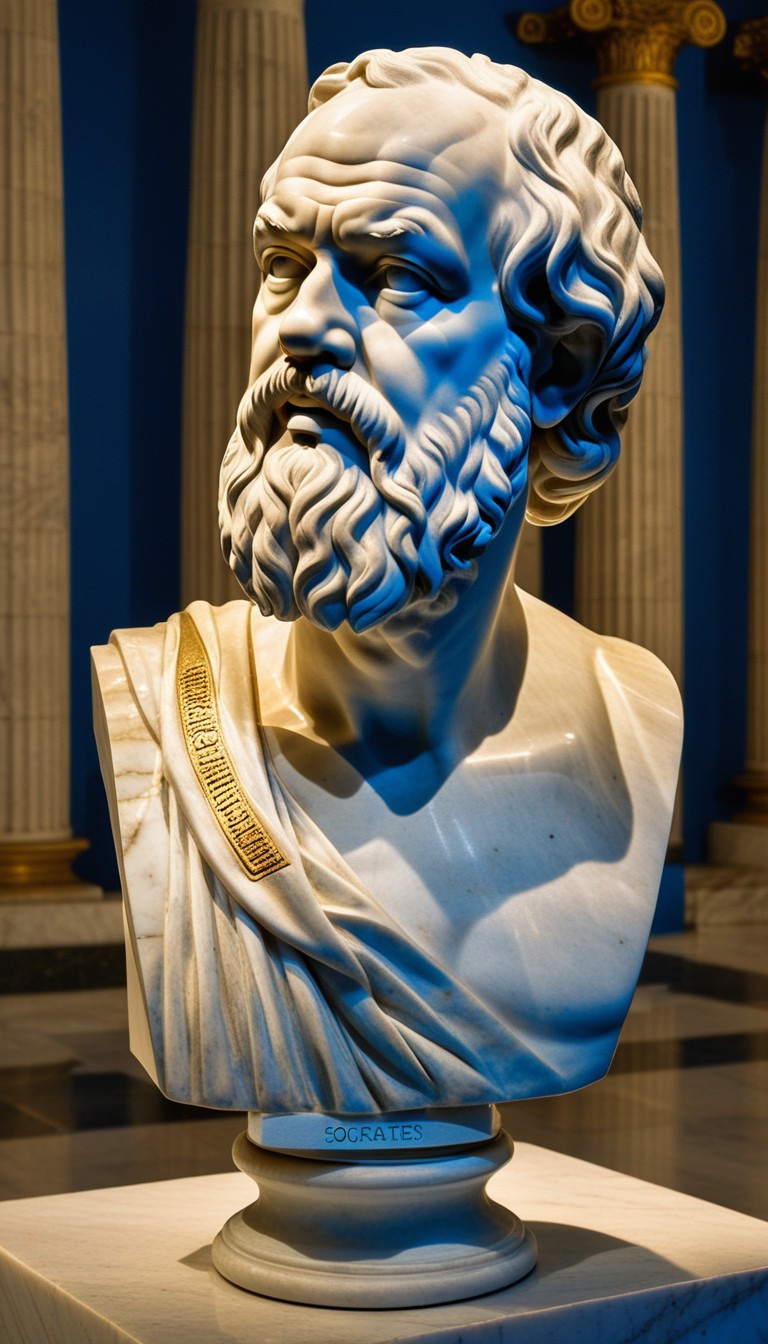
The Unexamined Life Is Not Worth Living
Socrates never wrote a book, never held office, and never built a school. Yet his insistence on questioning everything laid the foundation for Western philosophy, science, and democratic thought. Through Plato's dialogues, his voice still challenges us to examine our beliefs, question authority, and pursue truth no matter the cost.
Recommended Reading
As an Amazon Associate, we earn from qualifying purchases.

Swipe to navigate