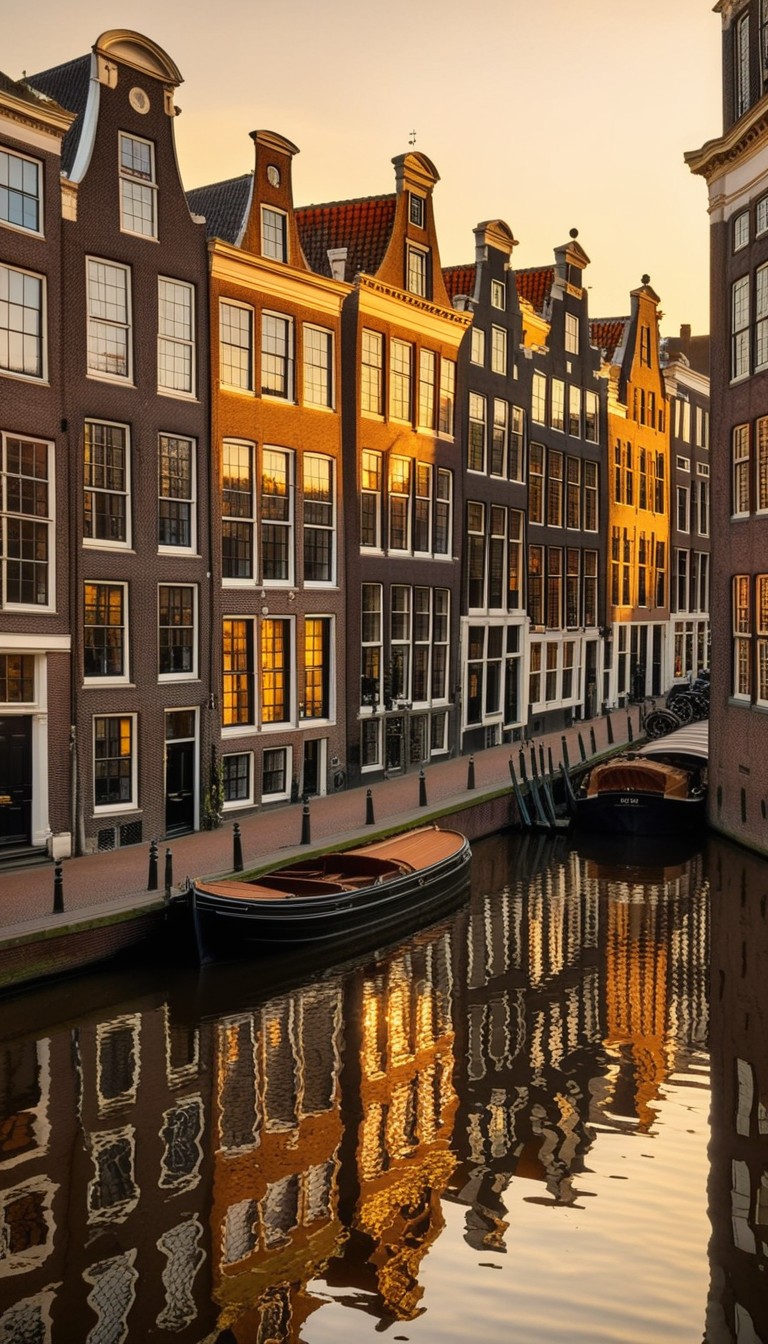
The Dutch Golden Age
Loading story...

1568-1581
The Netherlands
Born in Rebellion
The Dutch Republic was forged in war. Beginning in 1568, the Dutch revolted against Spanish Habsburg rule in a conflict that lasted 80 years. Led by William of Orange, seven provinces declared independence in 1581—creating a republic in an age of kings.
1602
Amsterdam
The VOC: History's First Corporation
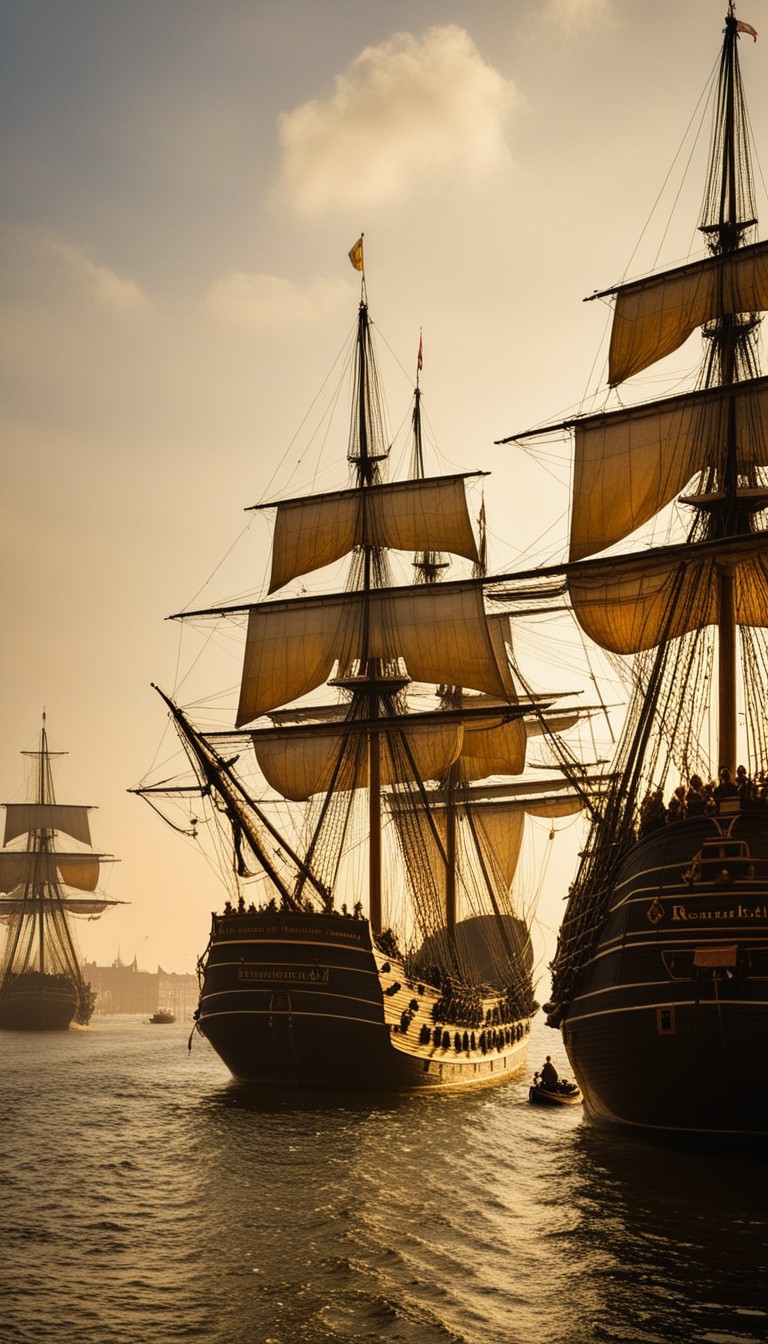
In 1602, the Dutch East India Company (VOC) became the world's first publicly traded company. It had its own army, could negotiate treaties, and at its peak was worth $7.9 trillion in today's money. The VOC made the Netherlands the center of global trade.
1602-1700s
Amsterdam
Inventing Modern Finance
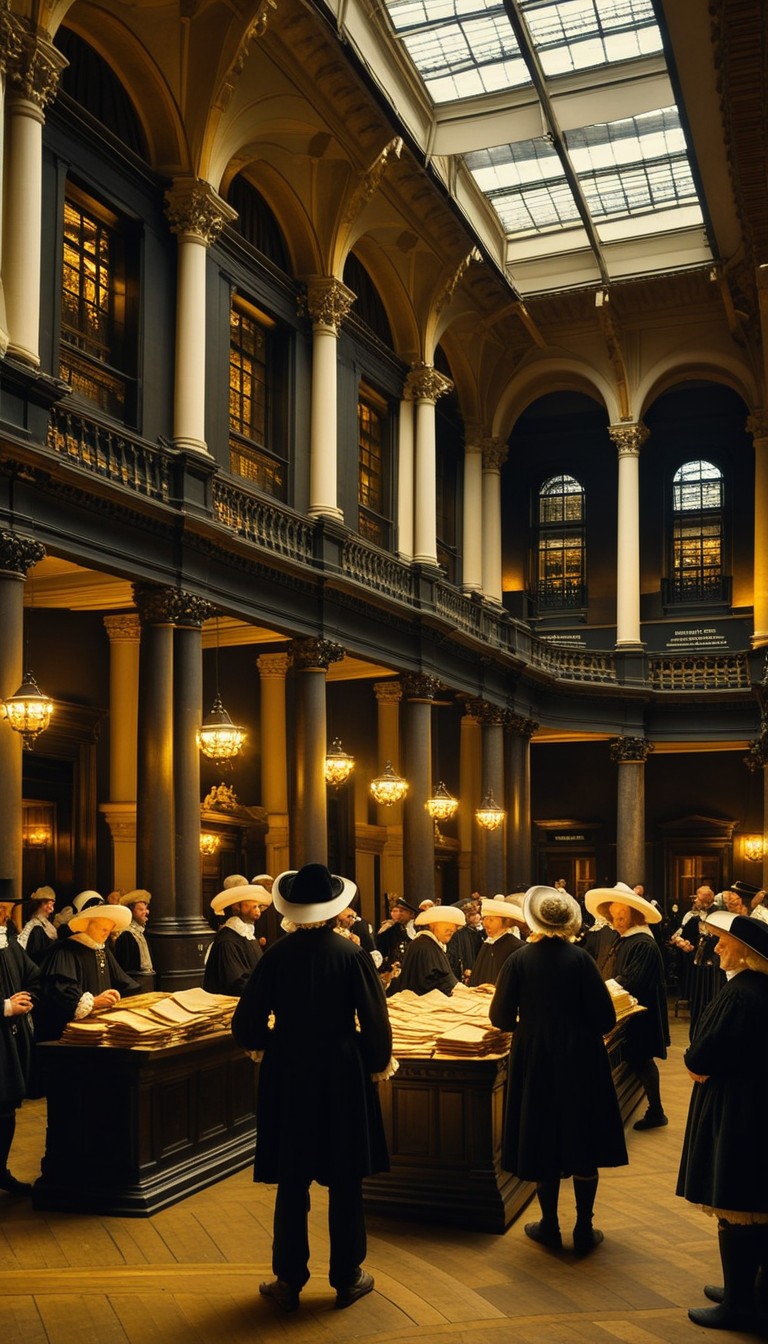
Amsterdam created the world's first stock exchange in 1602. The Dutch invented futures contracts, short selling, and modern banking. Amsterdam became Europe's financial capital—a position it held until London took the crown a century later.
1620s-1670s
Amsterdam & Delft
Masters of Light
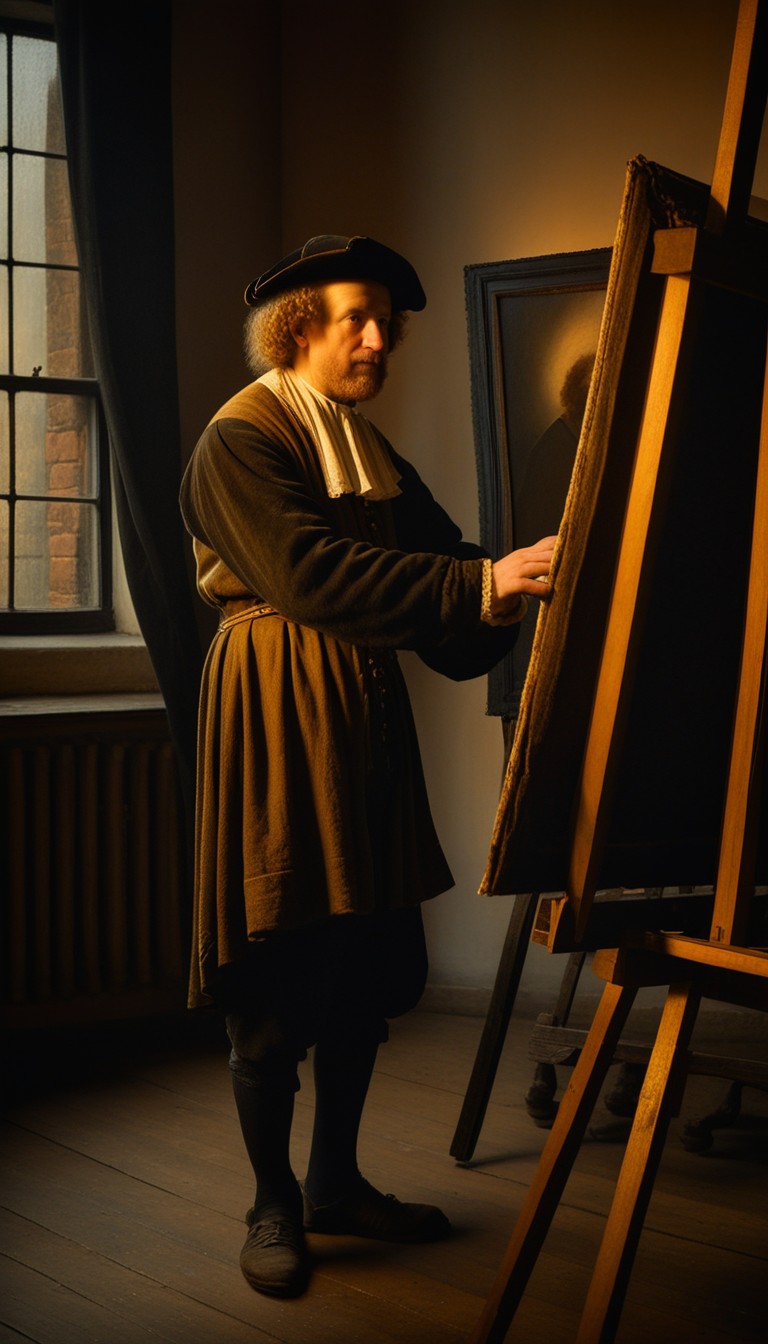
Rembrandt, Vermeer, and Frans Hals transformed European art. Rembrandt's "The Night Watch" revolutionized group portraiture. Vermeer's "Girl with a Pearl Earring" captured light itself. In the Golden Age, the Dutch Republic produced more paintings than any country in history.
1637
The Netherlands
Tulip Mania
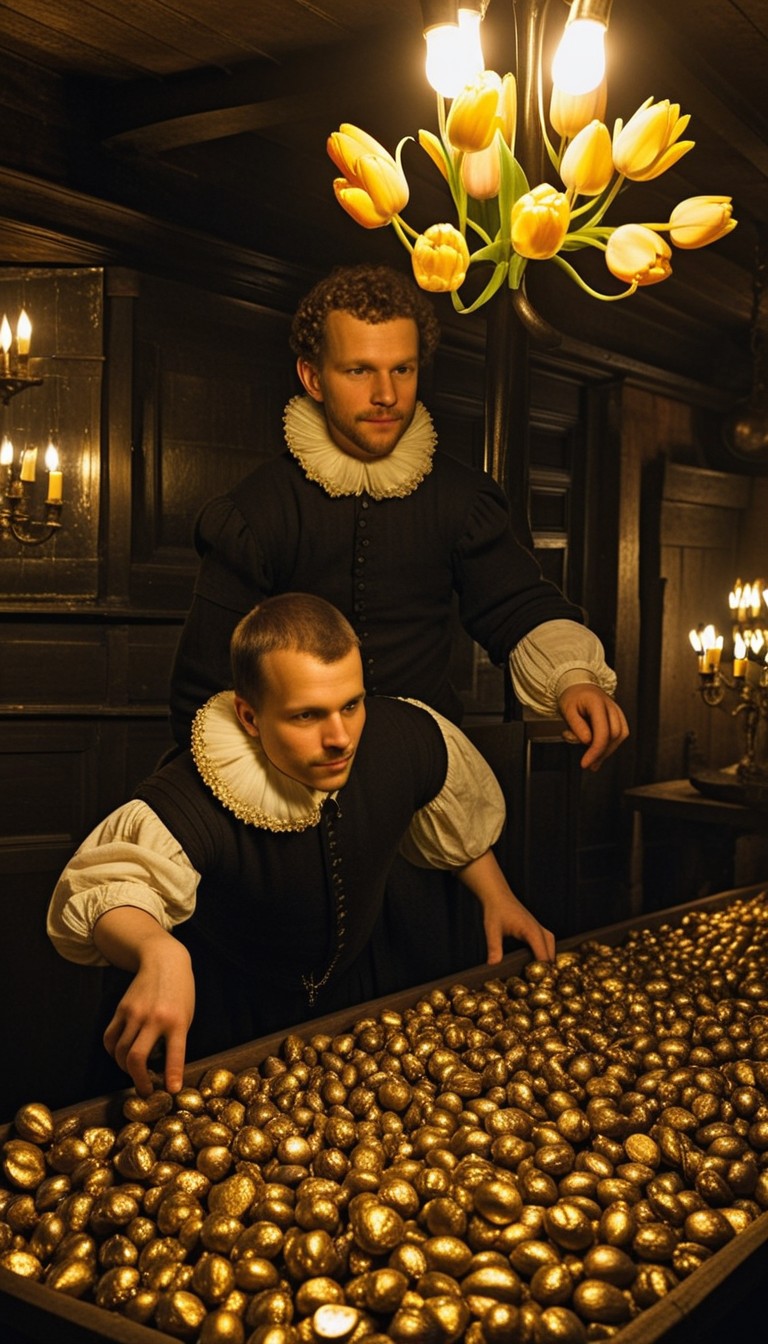
In 1637, the Dutch went mad for tulips. Single bulbs sold for more than houses. A rare Semper Augustus bulb fetched 10,000 guilders—enough to buy a mansion on Amsterdam's finest canal. Then the bubble burst, wiping out fortunes overnight. History's first speculative crash.
1600s-1700s
Worldwide
A Global Empire
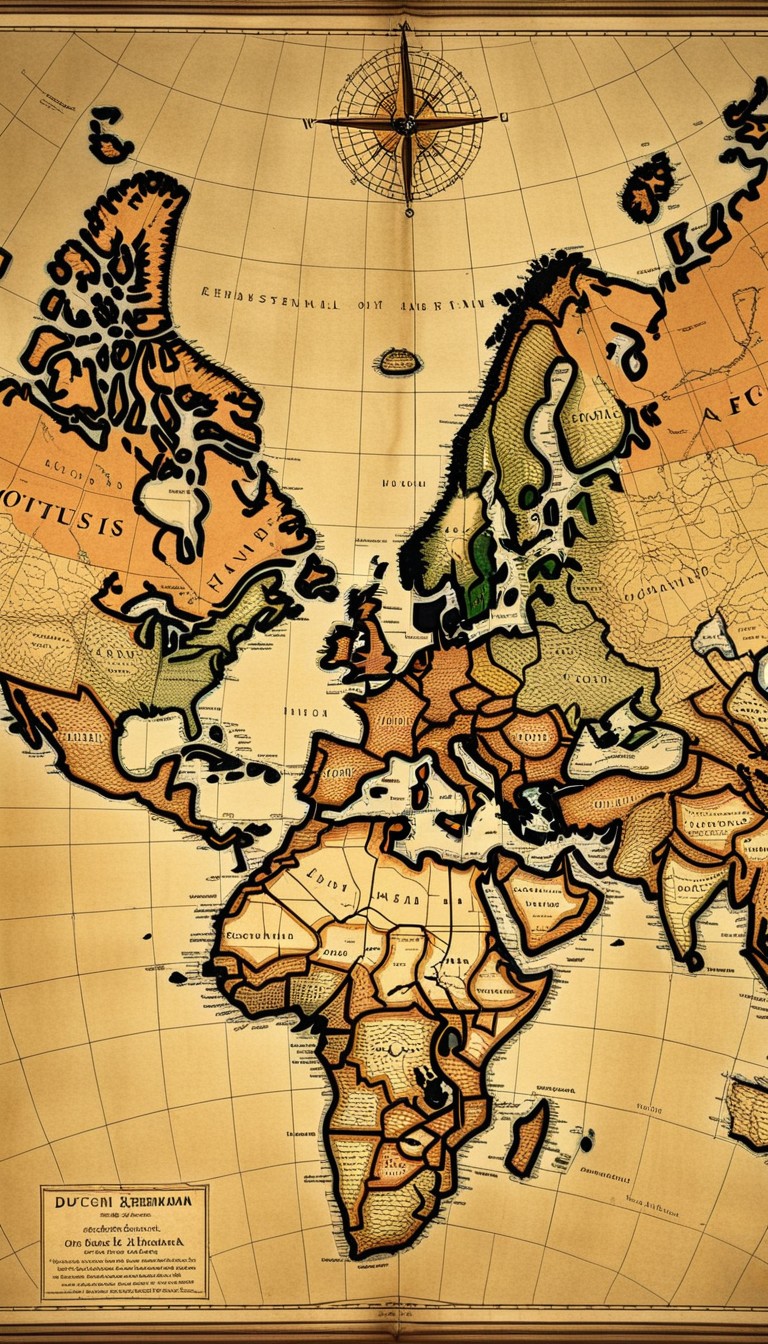
Dutch traders reached every corner of the globe. They colonized parts of Brazil, South Africa, Indonesia, and New York (originally New Amsterdam). The spice trade from the East Indies generated enormous wealth—nutmeg from the Banda Islands was worth more than gold.
1660s-1690s
Delft & Leiden
Science and Discovery
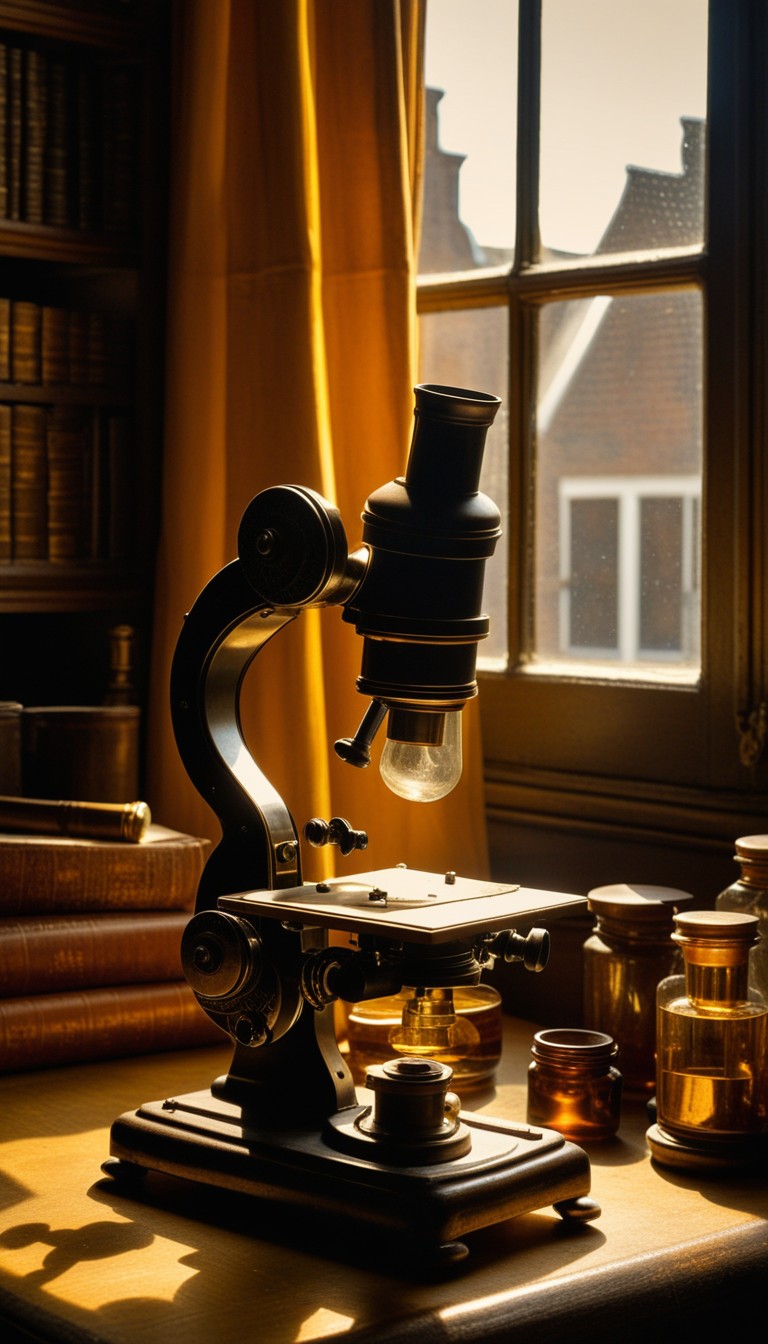
The Dutch led Europe in science. Antonie van Leeuwenhoek invented the microscope and discovered bacteria. Christiaan Huygens built the first pendulum clock. The University of Leiden attracted scholars from across Europe. Freedom of thought fueled innovation.
Early 1700s
The Netherlands
The Golden Age Fades
Wars with England and France drained Dutch resources. By the early 1700s, the Golden Age was over. But the Dutch legacy endured: modern capitalism, masterpiece art, religious tolerance, and the revolutionary idea that a small nation of merchants could rival the mightiest empires.
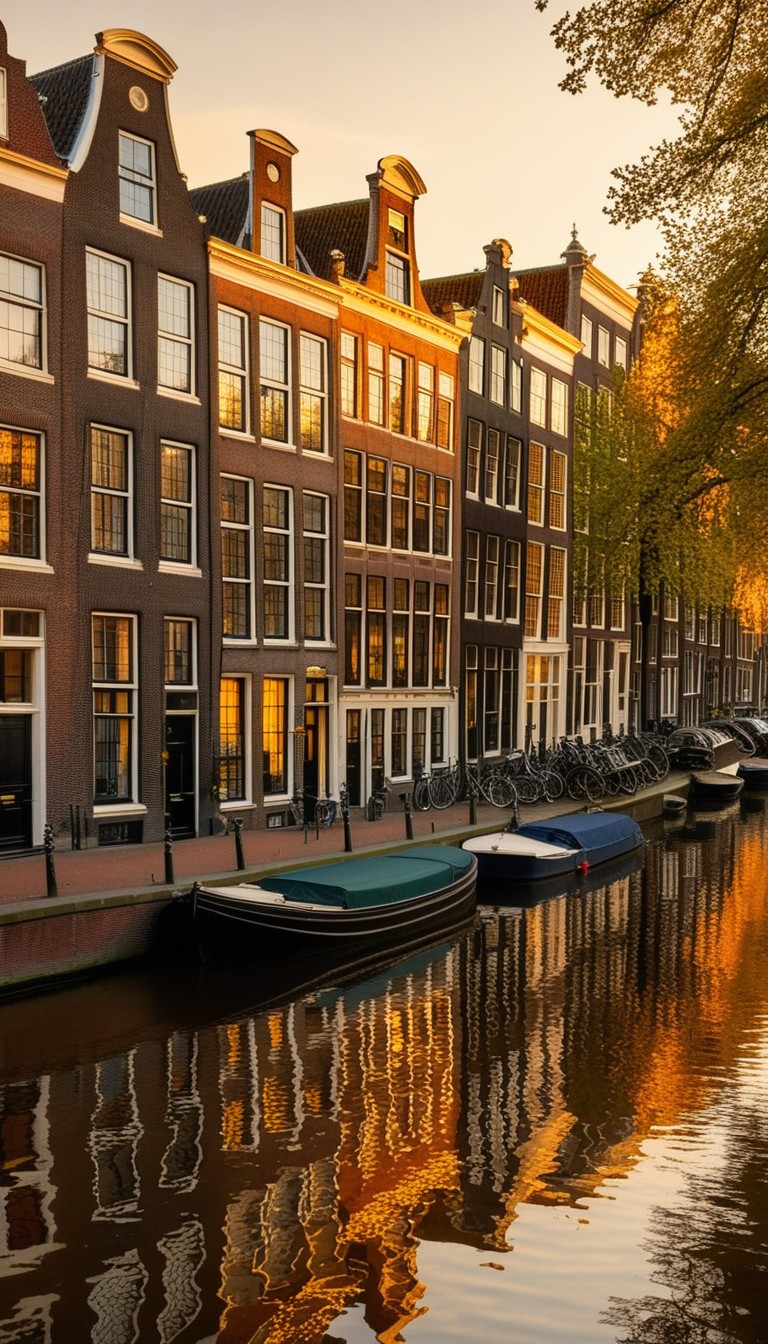
A Small Nation's Giant Legacy
The Dutch Golden Age proved that innovation, trade, and tolerance could make a tiny nation the richest in the world. From Wall Street (named after a Dutch wall) to the microscope, the fingerprints of this remarkable era are everywhere.
Recommended Reading
As an Amazon Associate, we earn from qualifying purchases.

Swipe to navigate