The Portuguese Empire: Navigators of the World
Loading story...
1420s
Sagres, Portugal
Henry the Navigator
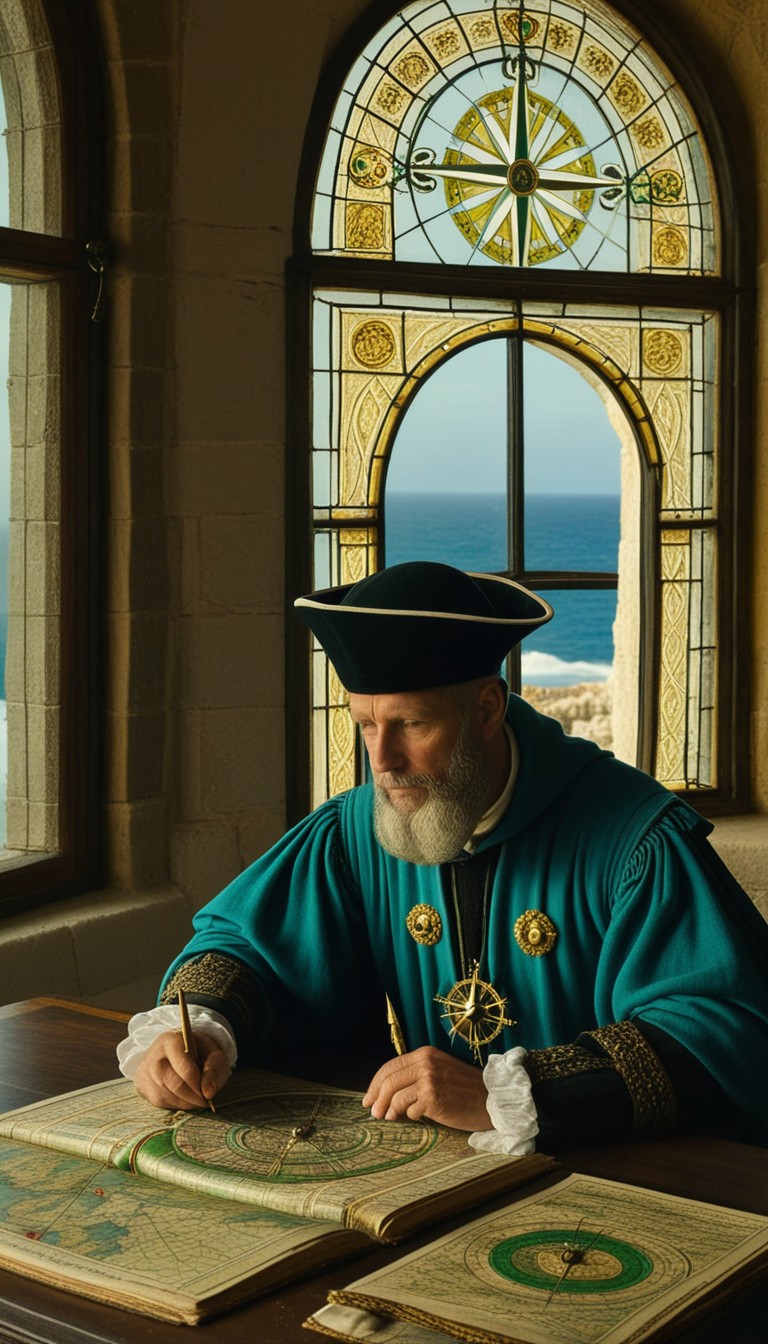
Prince Henry of Portugal never sailed himself, but he launched an era. From his school at Sagres in the 1420s, he sponsored expedition after expedition down the African coast. Better ships, better maps, better navigation—Henry turned exploration from adventure into science.
1488
Cape of Good Hope
Rounding the Cape
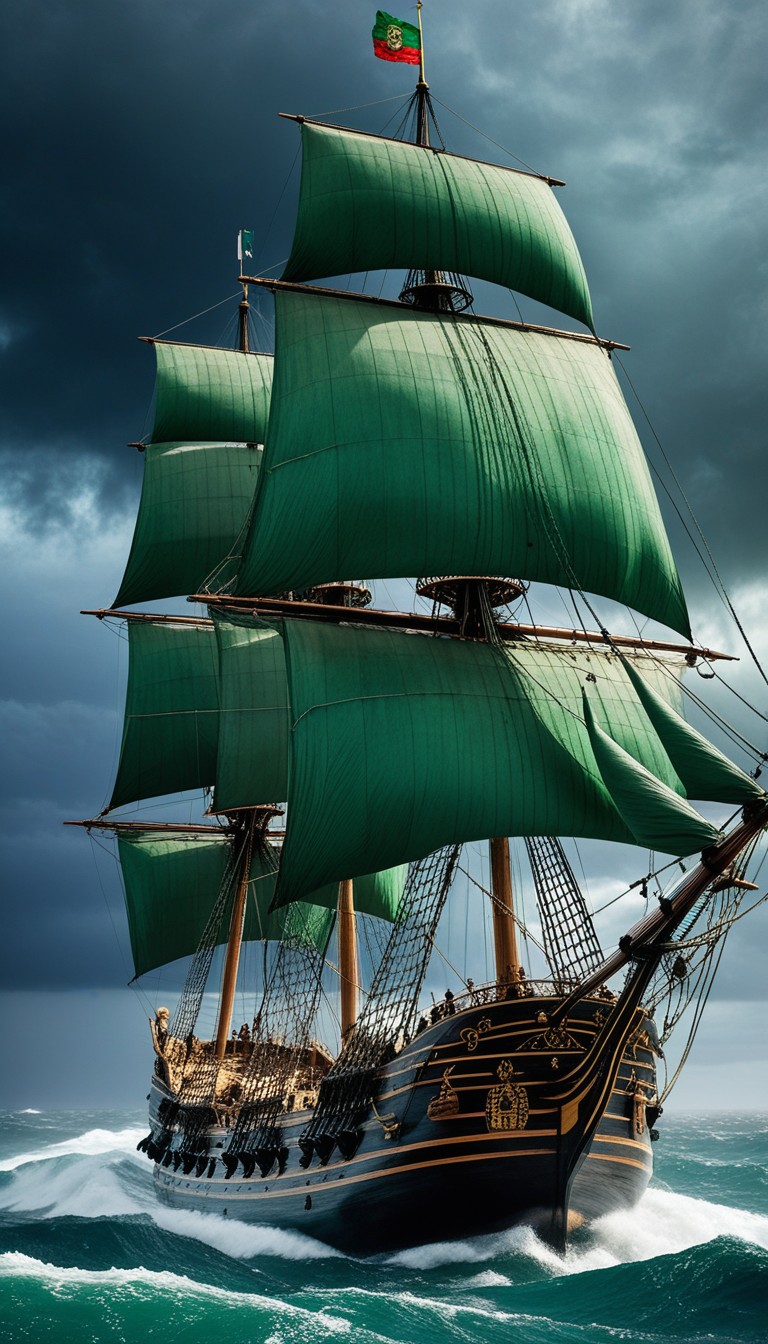
In 1488, Bartolomeu Dias became the first European to sail around the southern tip of Africa. He called it the Cape of Storms; King John II renamed it the Cape of Good Hope. The sea route to Asia was now within reach.
1498
Calicut, India
Da Gama Reaches India
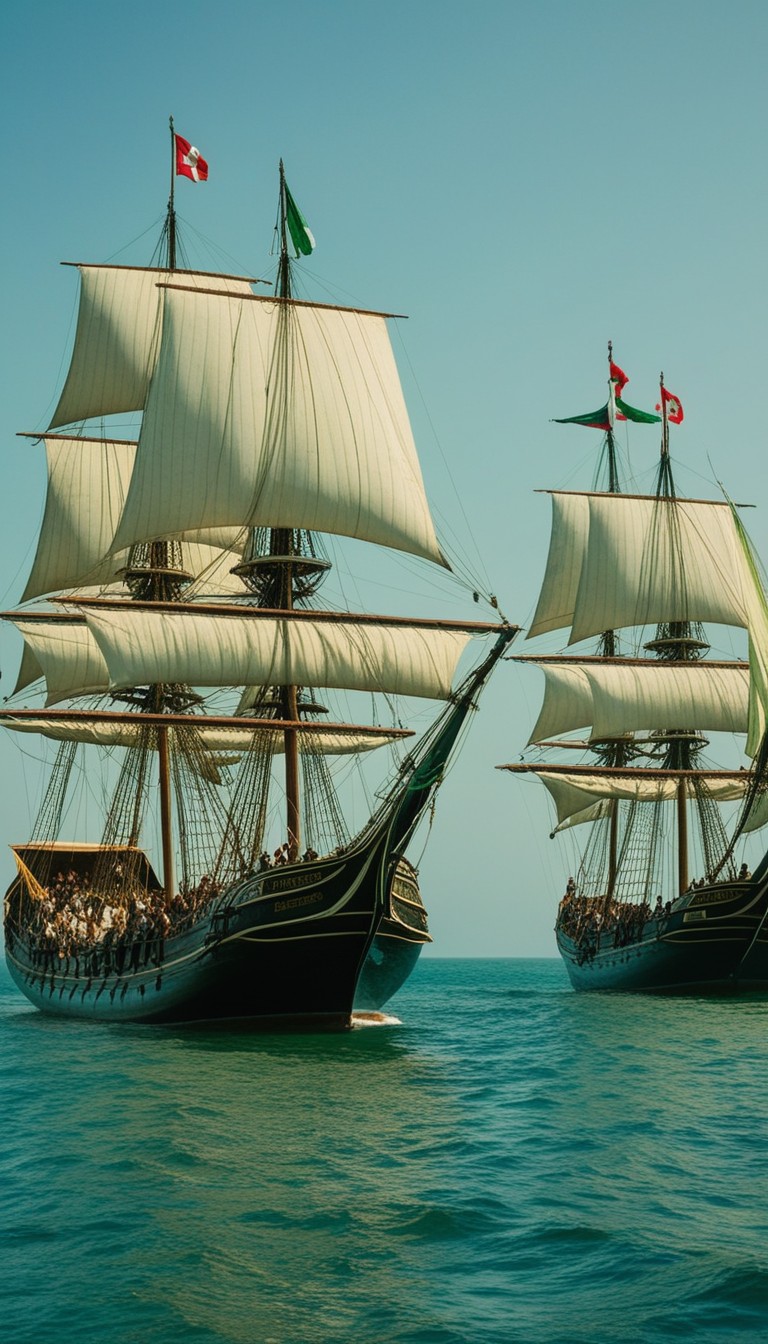
On May 20, 1498, Vasco da Gama landed in Calicut, India—completing the first sea voyage from Europe to Asia. The spice trade, long controlled by Arab and Venetian middlemen, was now open to direct Portuguese access. The profit margins were astronomical.
1500
Brazil
Brazil: An Accidental Discovery
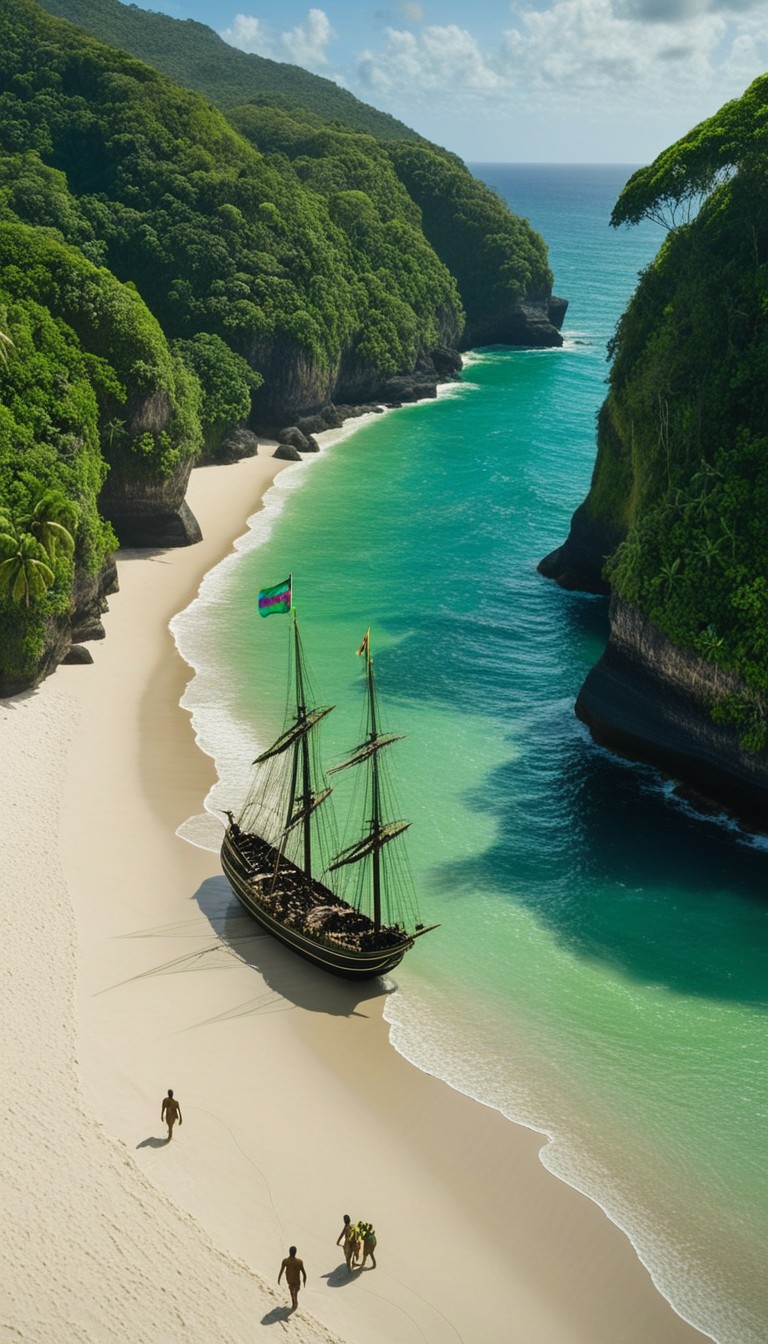
In 1500, Pedro Álvares Cabral was sailing to India when winds pushed him far west—and he stumbled upon Brazil. What began as a minor claim became Portugal's greatest colony. Brazilian sugar, gold, and eventually coffee would fuel the empire for centuries.
1500s-1600s
Africa, India, Southeast Asia
Empire of Trading Posts
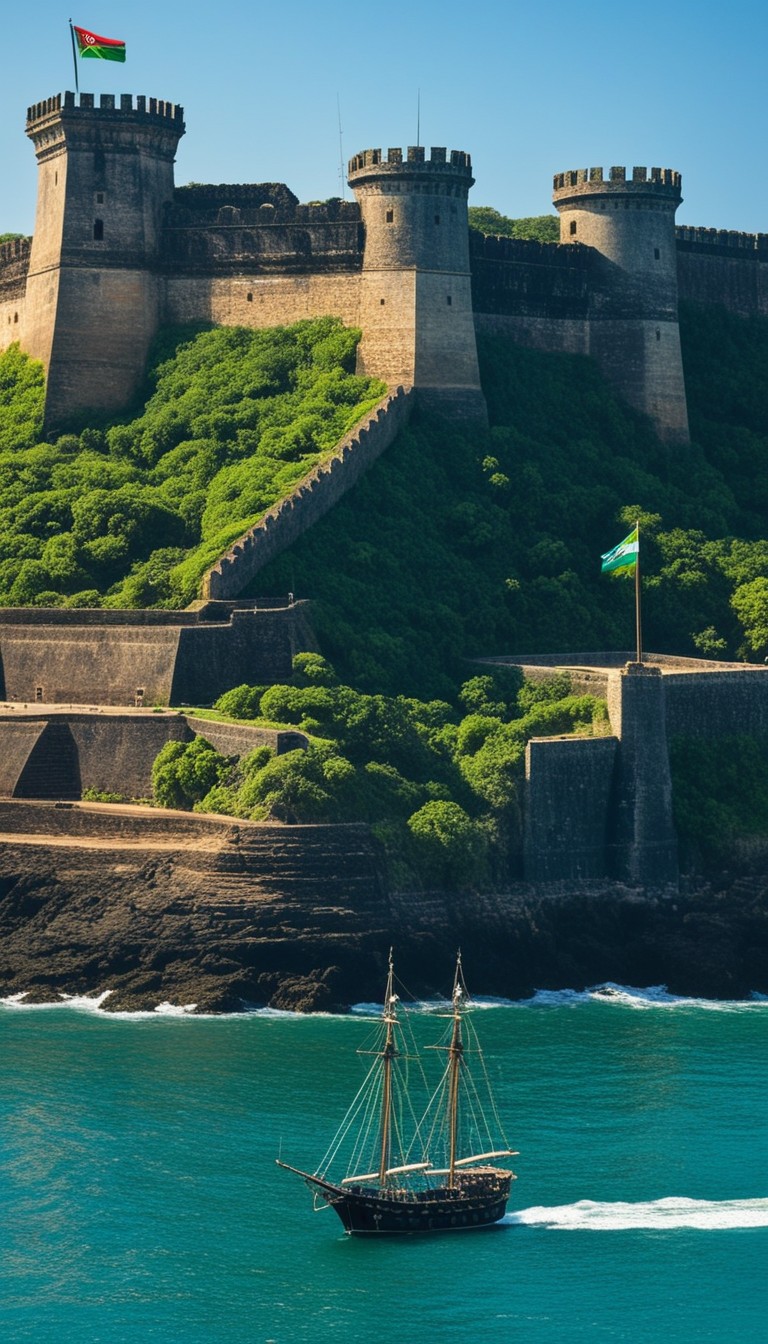
Unlike Spain, Portugal didn't conquer vast inland territories. Instead, they built a network of coastal forts and trading posts—from Mozambique to Goa to Macau. Control the ports, control the trade. It was an empire of maritime choke points.
1519-1522
Global
First Around the World
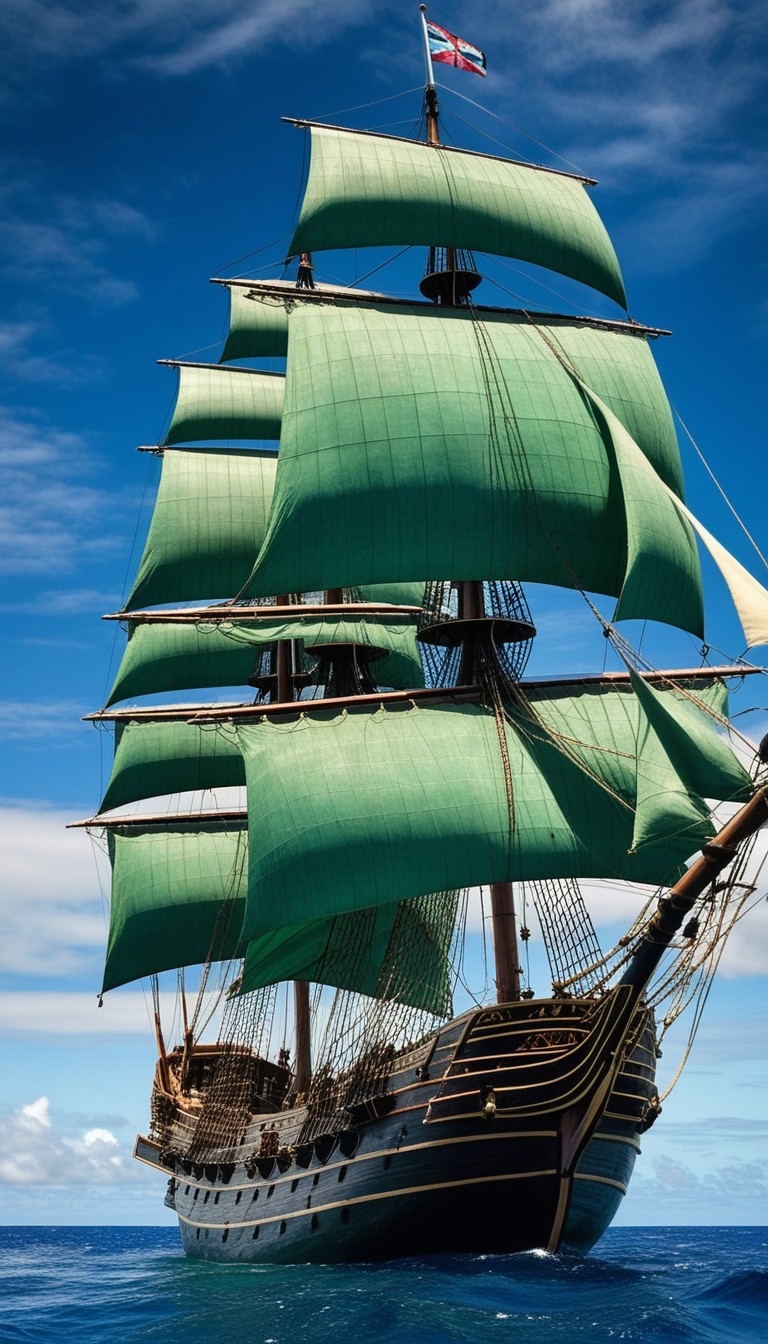
In 1519, Portuguese navigator Ferdinand Magellan set out under the Spanish flag to circumnavigate the globe. He was killed in the Philippines, but his ship Victoria completed the journey in 1522—proving once and for all that the Earth was round and the oceans connected.
1500s-1700s
Global
Cross and Commerce
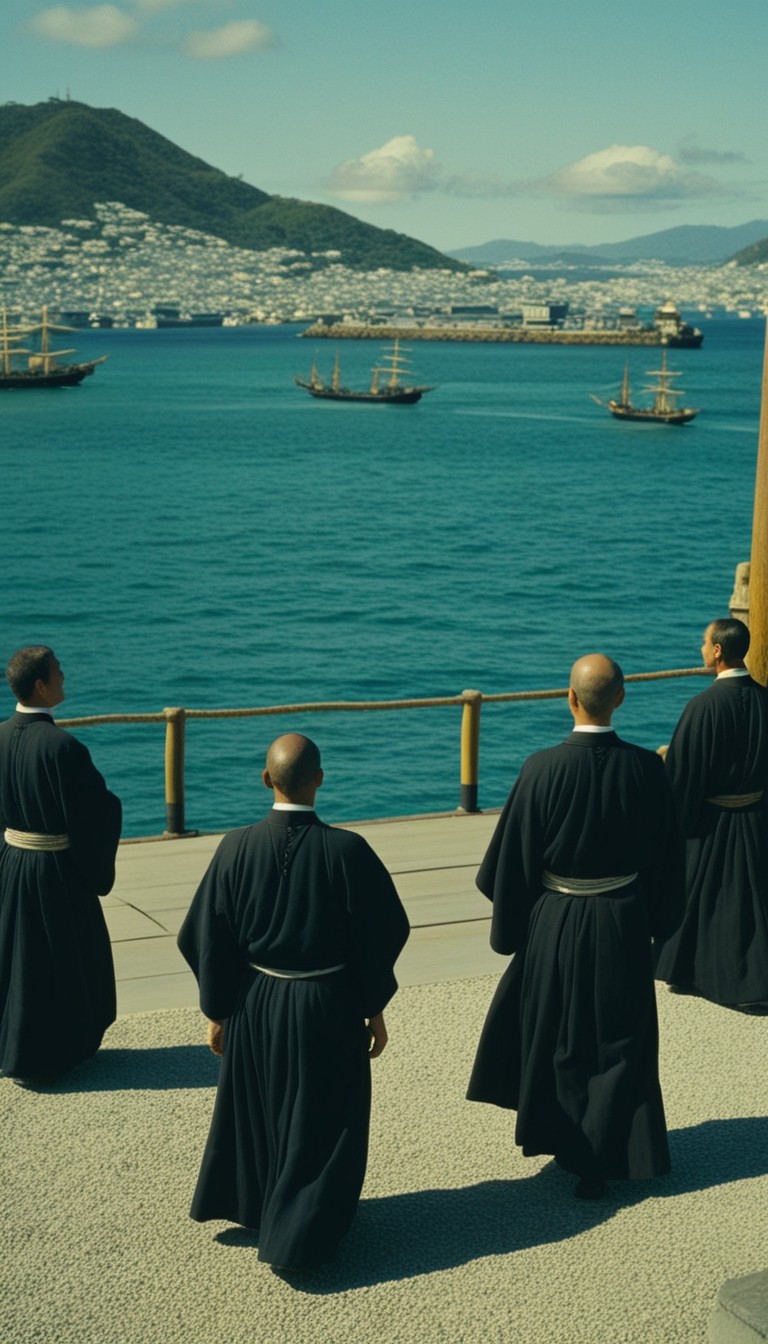
Portuguese expansion carried Christianity worldwide. Jesuits like Francis Xavier established missions from Brazil to Japan. The Portuguese introduced tempura to Japan, chili peppers to India, and the guitar to Hawaii. Cultural exchange flowed in every direction.
1415-1999
Macau
The Longest Empire
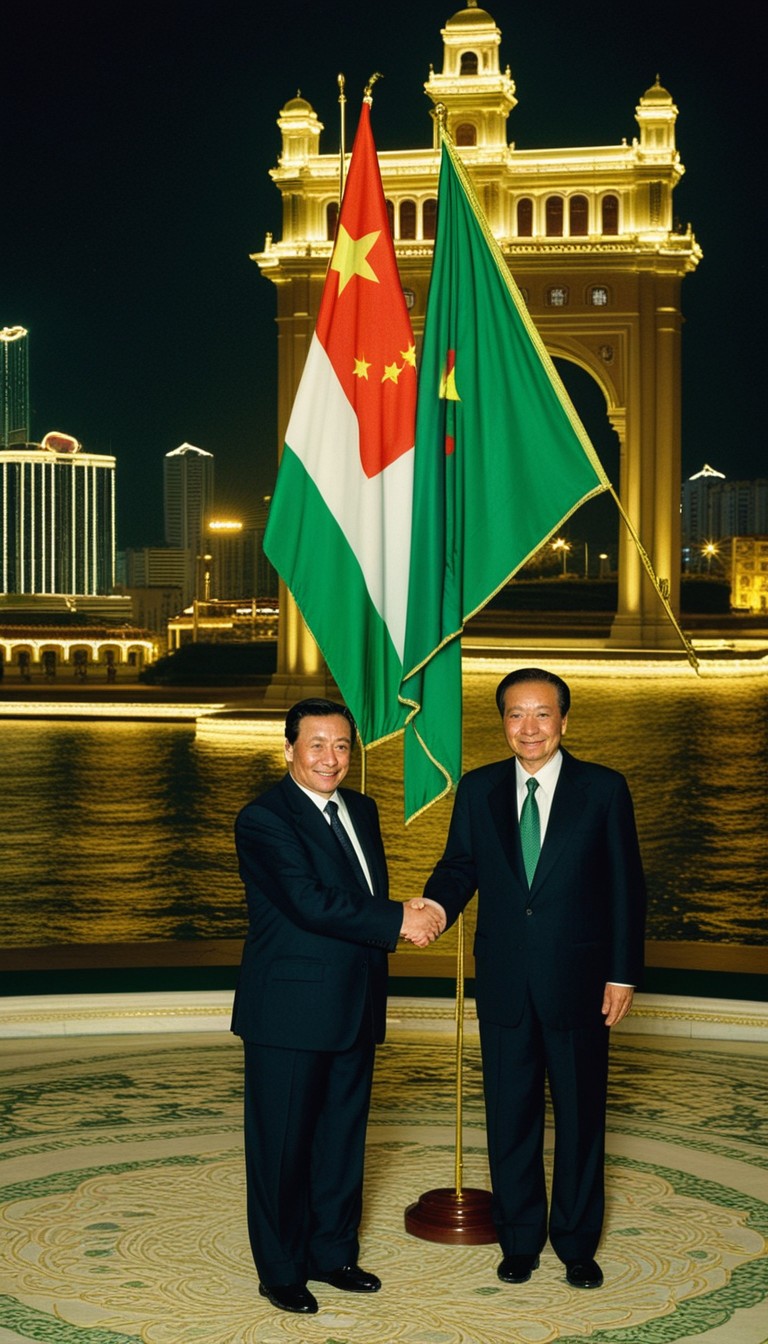
Portugal's empire lasted from the 1415 conquest of Ceuta to the 1999 handover of Macau—nearly 600 years, the longest of any European colonial power. Today, 260 million people speak Portuguese across nine countries. A tiny nation's outsized mark on the world.
Navigators of the World
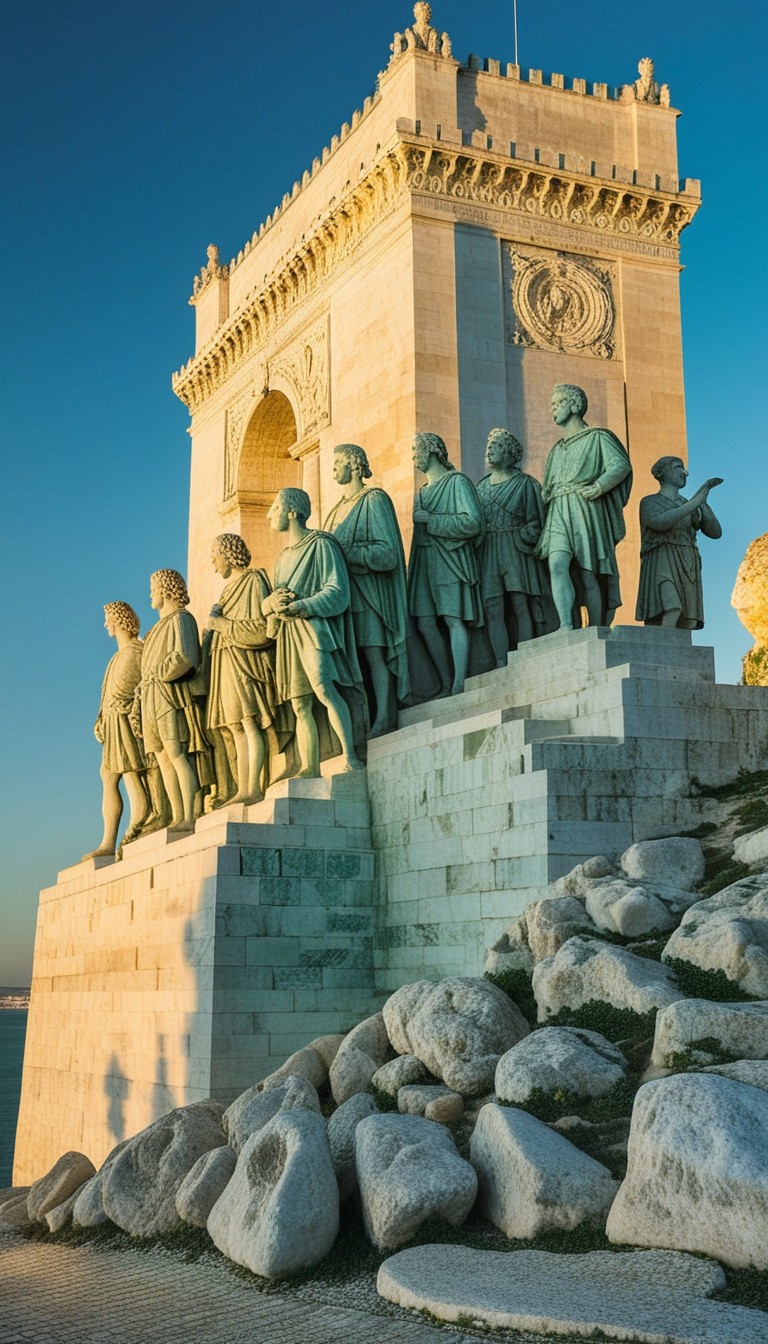
A nation of one million people redrew the map of the world. Portuguese explorers opened every ocean, connected every continent, and launched the age of globalization. Their caravels were small, but their impact was immense—they showed humanity the true shape of its world.
Recommended Reading
As an Amazon Associate, we earn from qualifying purchases.
Swipe to navigate