Marco Polo: The Merchant of Wonders
Loading story...
1254
Venice, Italy
City of Merchants
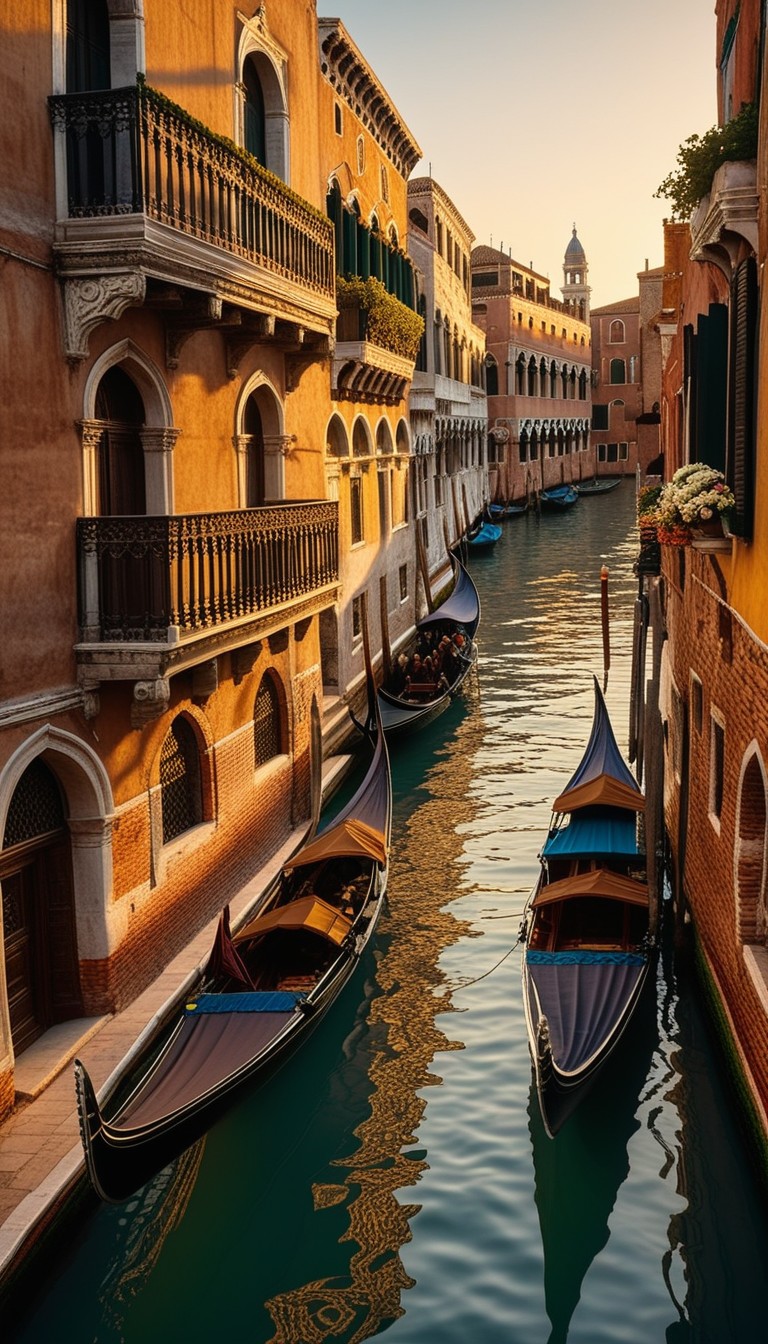
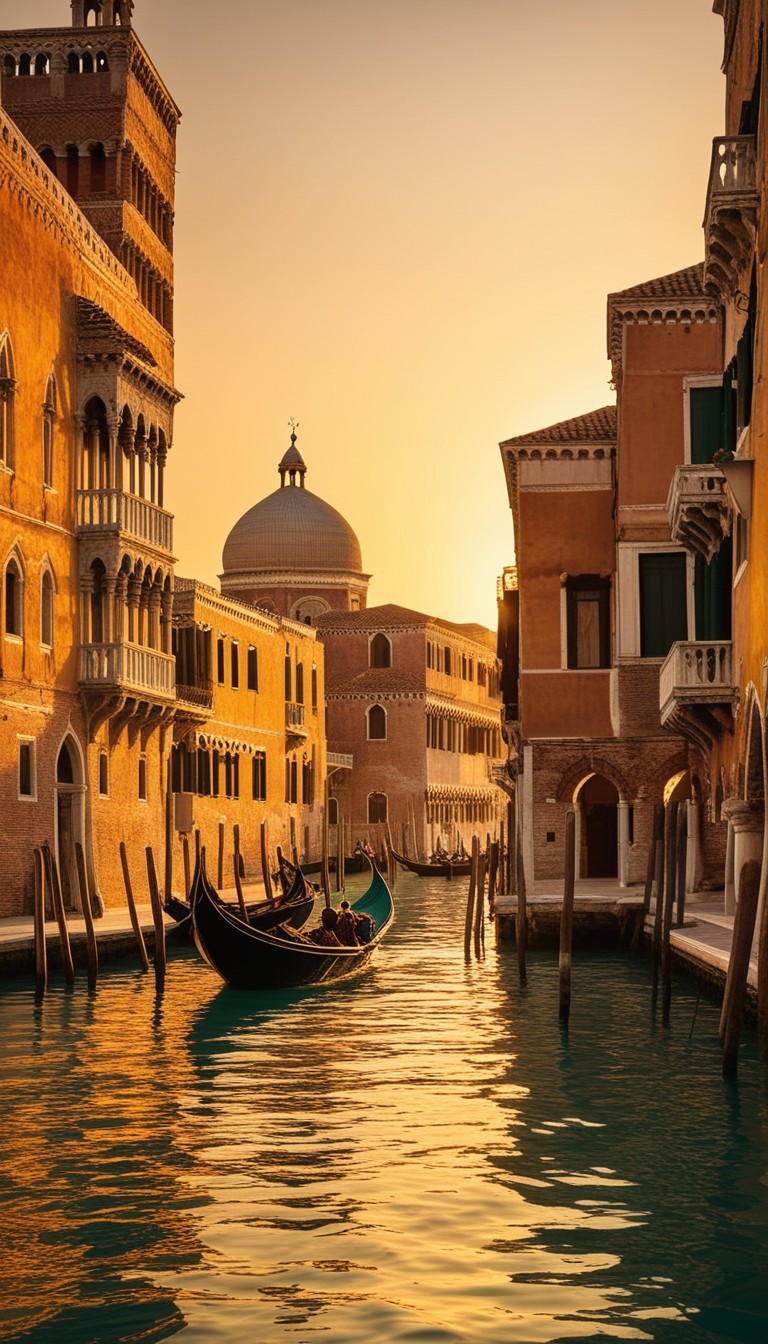
Marco Polo was born in 1254 in Venice, the most powerful trading republic in the Mediterranean world. The city floated on a lagoon at the crossroads of East and West, its marble palaces and busy canals humming with the commerce of a dozen civilizations. Venetian merchants dealt in silk, spices, and precious stones, and the great families competed fiercely for the trade routes that made fortunes. It was into this world of ambition and adventure that young Marco was born—though his father, Niccolò, was rarely home to see him grow.
1269
Venice, Italy
Tales from the East
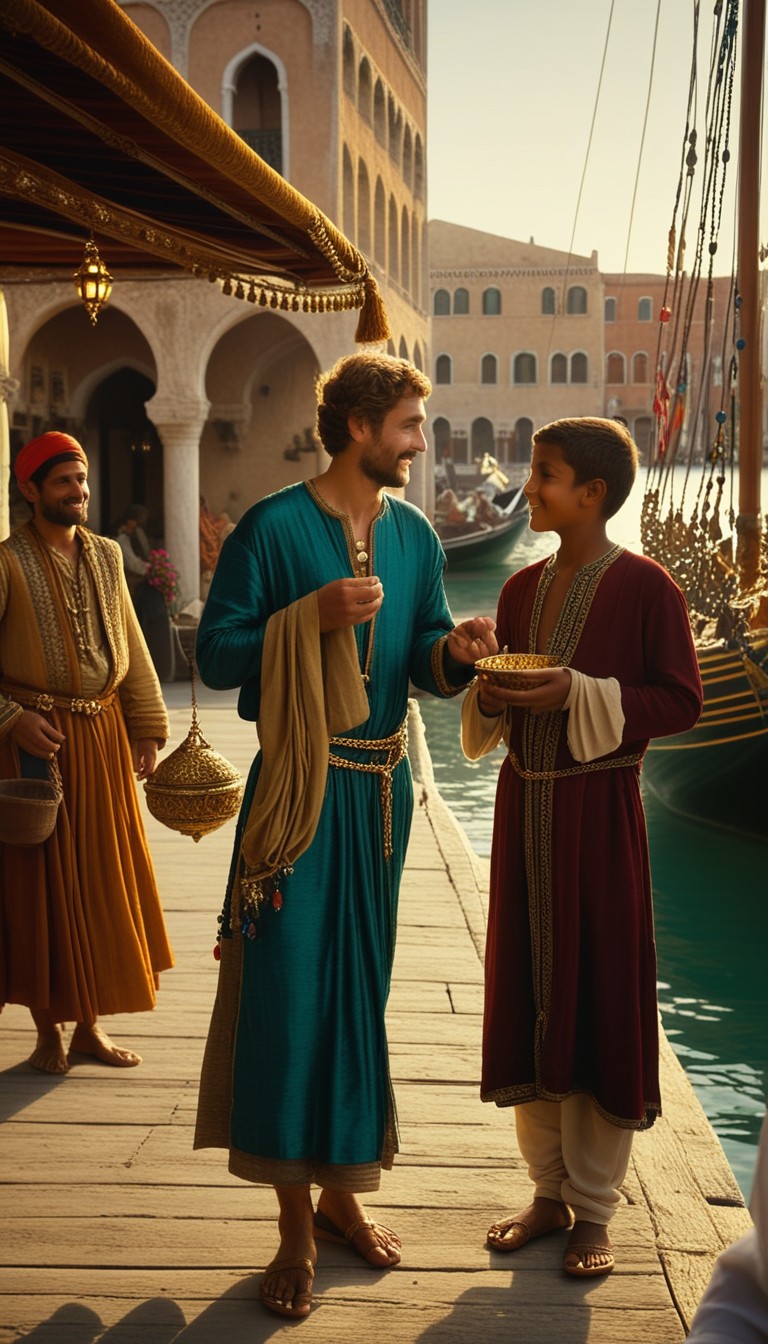
Marco had never met his father when Niccolò Polo and his brother Maffeo finally returned to Venice in 1269, fifteen years after they had departed on a trading voyage. They had journeyed all the way to the court of the Mongol ruler Kublai Khan, who had shown them extraordinary hospitality and sent them home bearing gifts and a request—that the Pope send him learned men to teach the Christian faith. The brothers returned with heads full of impossible stories: cities of white jade, rivers of silk, and a ruler whose empire dwarfed anything the medieval West could imagine. For fifteen-year-old Marco, the tales were a fire that would not go out.
1271
Venice to Persia
The Road East
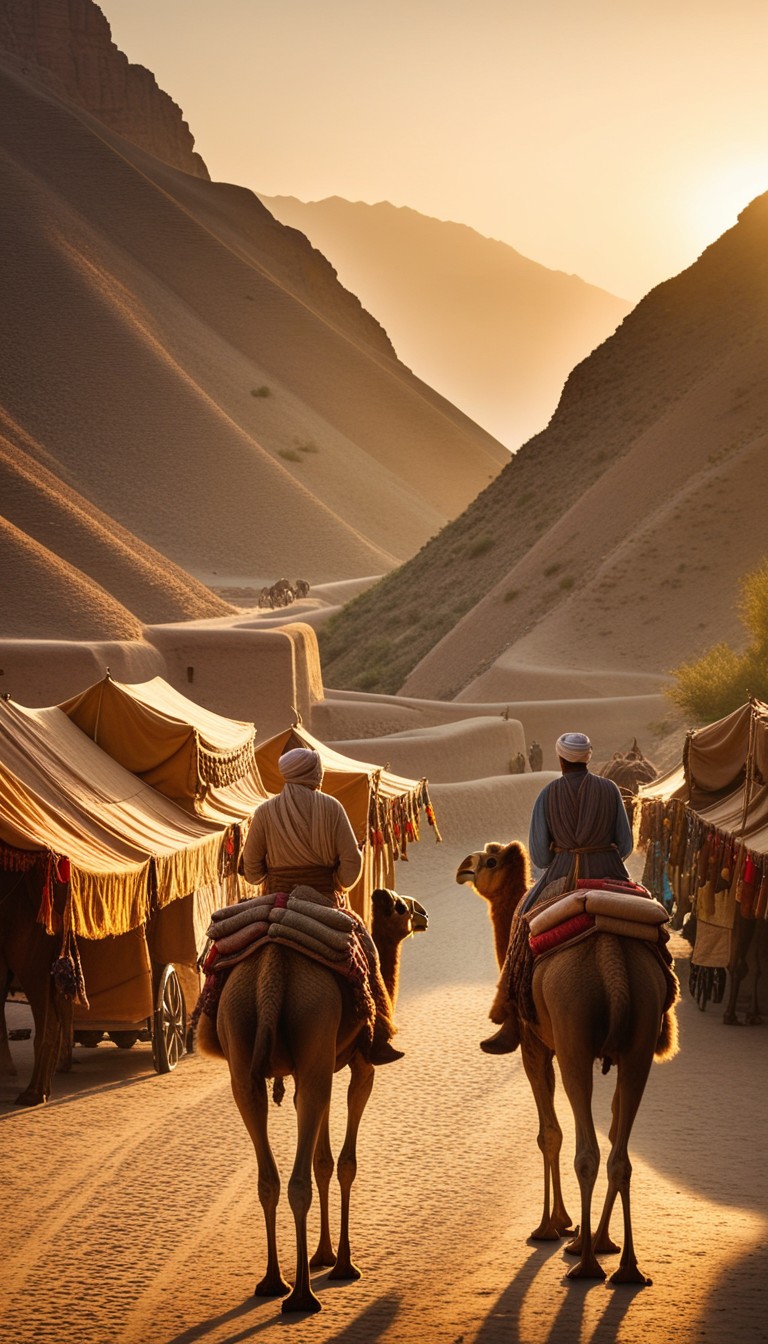
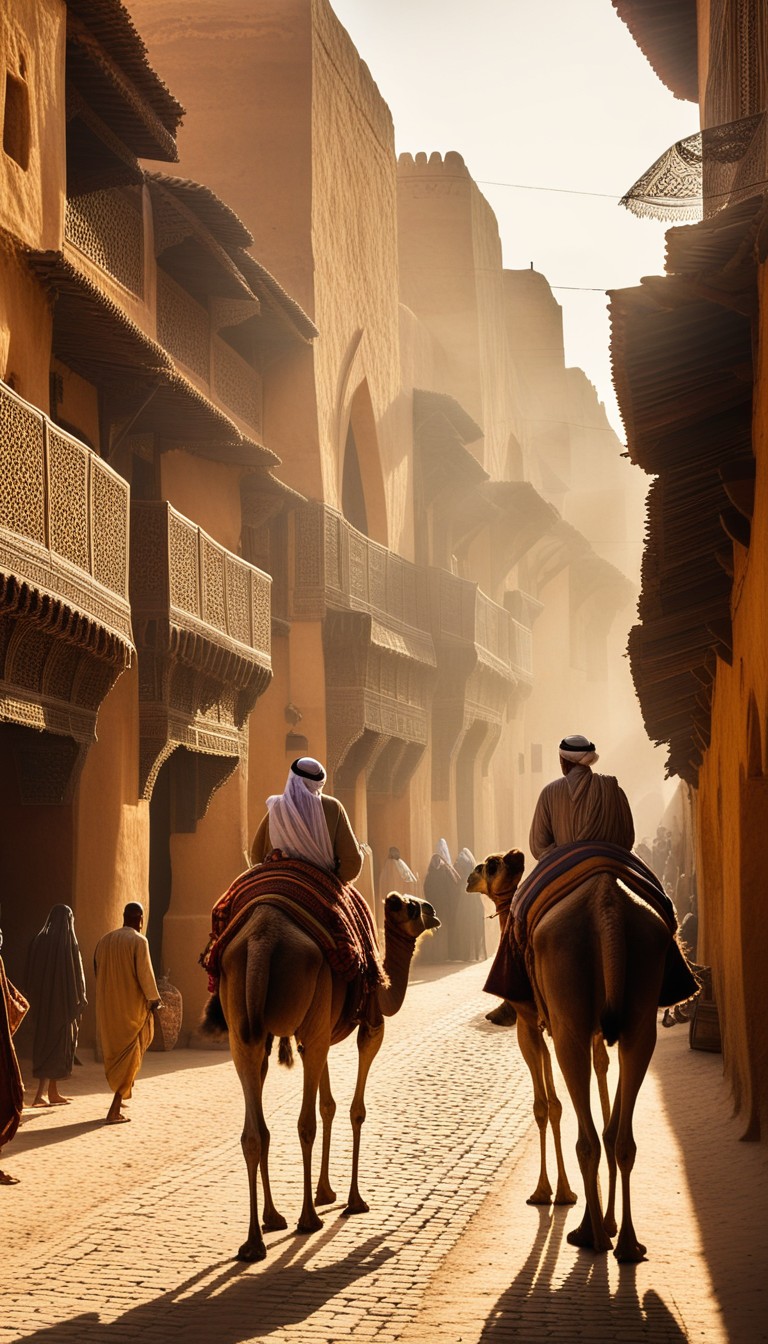
In 1271, Niccolò and Maffeo set out again for the court of the Khan—this time taking seventeen-year-old Marco with them. They sailed from Venice to Acre, then struck out overland through the deserts of Persia, passing ancient cities of sun-bleached brick and caravansaries packed with traders from a dozen nations. Marco absorbed every detail with the hungry eyes of a born observer, noting local customs, religions, and commodities with a thoroughness that would later astonish Europe. The journey would take four years and cover roughly fifteen thousand miles before they reached their destination.
1272–1274
Pamir Mountains and Gobi Desert
Mountains and Desert
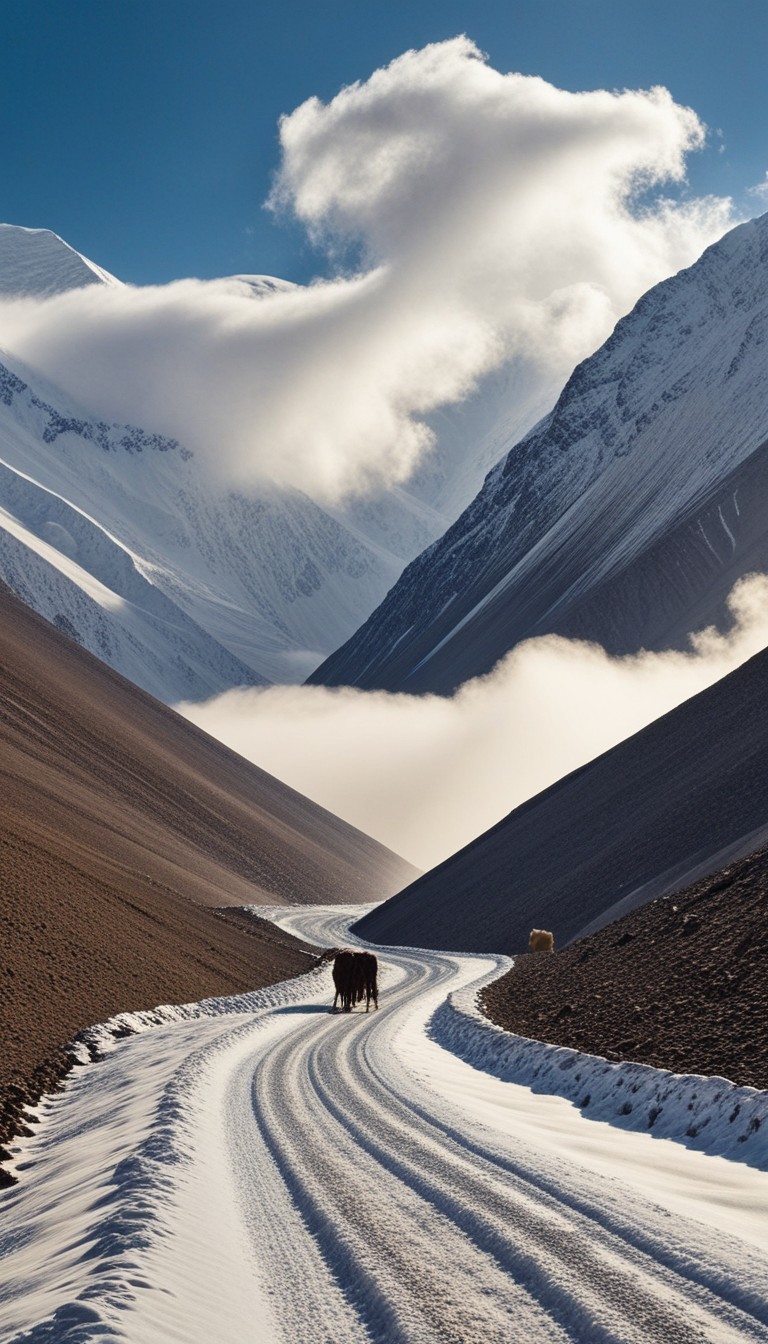
The Polo party climbed into the Pamir Mountains, the "Roof of the World," where the air was so thin that Marco noted fires gave less warmth and food refused to cook properly. From those icy heights they descended into the vast expanse of the Gobi Desert, one of the most forbidding landscapes on earth—a sea of gravel and shifting dunes stretching for hundreds of miles without water or shelter. Marco wrote of the desert's strange voices, the sounds of spirits calling travelers to their deaths, which modern scholars believe were the groaning of shifting sands. Despite sickness, extreme cold, and the ever-present danger of bandits, the three Polos pressed on.
1275
Shangdu (Xanadu), China
The Court of the Great Khan
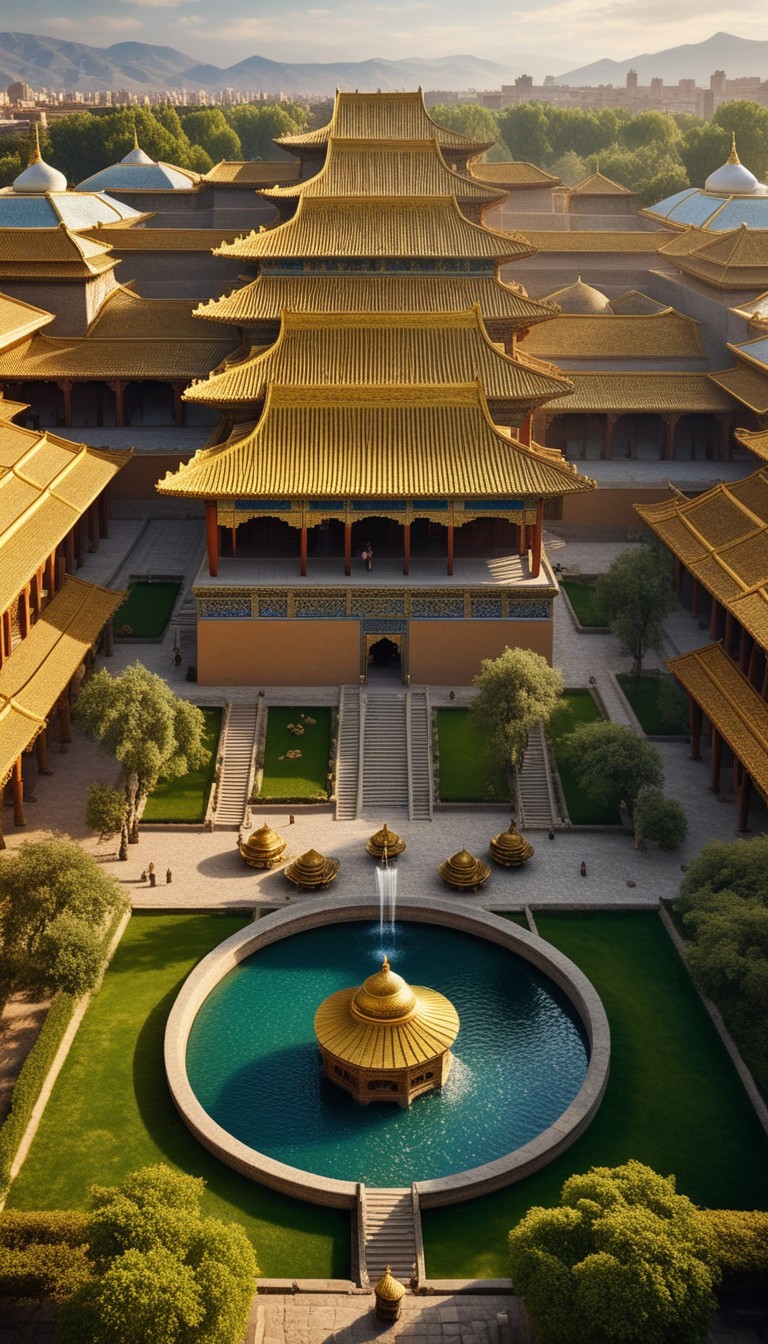
In 1275, the Polo family arrived at the summer palace of Kublai Khan in Shangdu—the place that Coleridge would later immortalize as "Xanadu." The palace was everything the legends had promised and more: marble pavilions inlaid with gold, vast parklands stocked with deer and leopards, and a court of thousands drawn from every corner of the Mongol Empire. Kublai Khan, grandson of Genghis Khan and ruler of the largest contiguous empire in history, received them warmly. He was especially taken with the sharp-minded young Marco, whose talent for observation and languages set him apart from the other foreign visitors who came to pay tribute.
1275–1292
China and Southeast Asia
Servant of the Khan
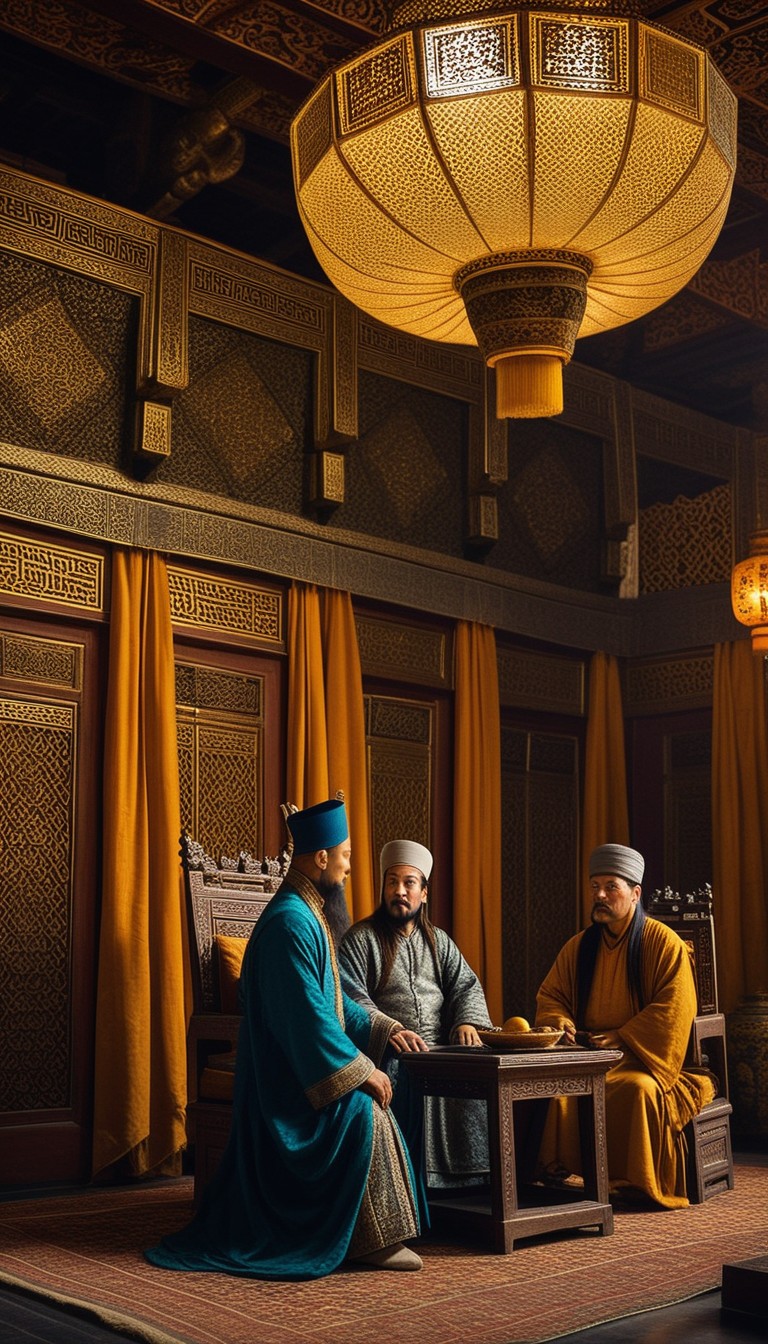
For seventeen years, Marco Polo served as a trusted envoy and administrator in the court of Kublai Khan, traveling throughout China, Burma, India, and the islands of Southeast Asia on diplomatic missions. He witnessed technologies that would not reach Europe for centuries—paper money, coal burned as fuel, a postal system with relay stations every twenty-five miles, and cities of a scale and sophistication that dwarfed anything in the medieval West. The Khan valued Marco's detailed reports from the provinces and kept the Polo family at court far longer than they had intended to stay. It was a gilded captivity: extraordinary privilege within an empire from which they could not simply walk away.
1292–1295
South China Sea to Persia
The Long Voyage Home
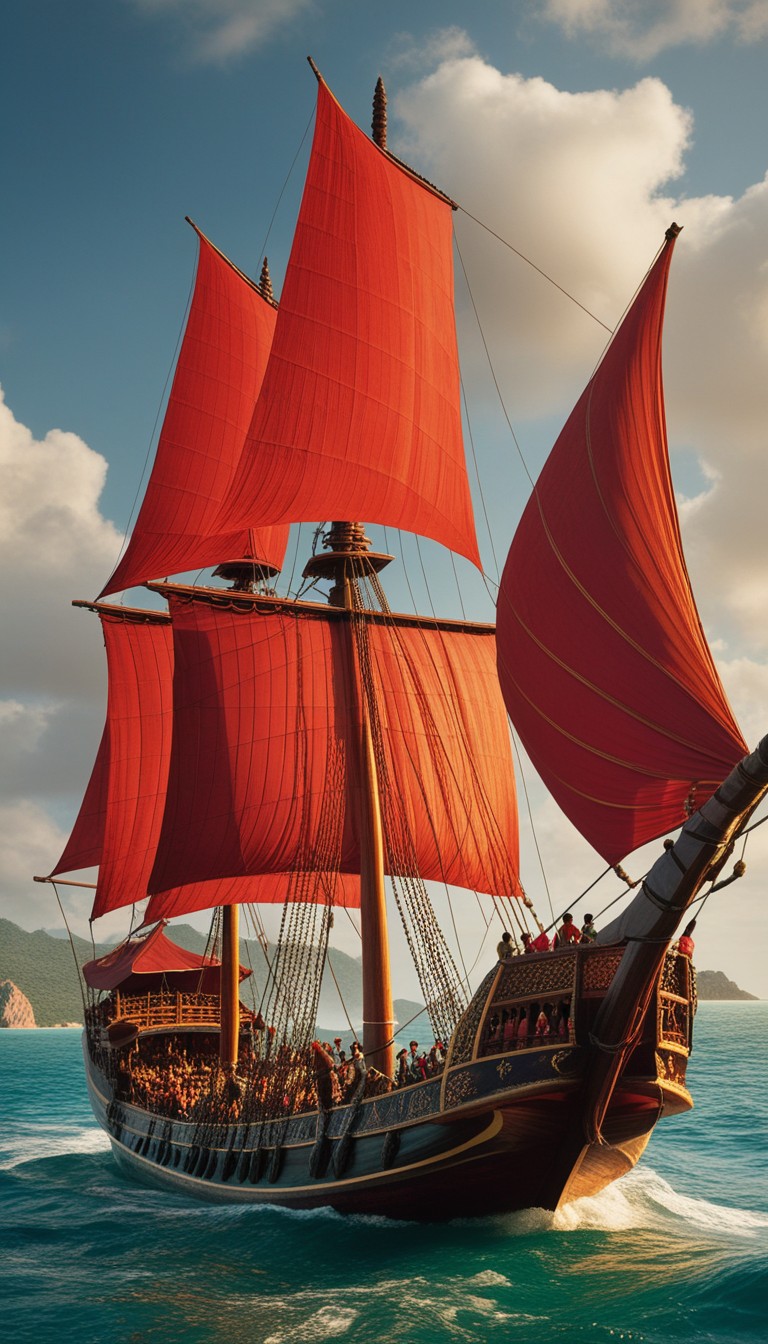
The opportunity to leave finally came in 1292, when Kublai Khan entrusted the Polos with escorting a Mongol princess by sea to Persia for her marriage. A fleet of fourteen large junks set sail from the Chinese port of Quanzhou, carrying six hundred passengers. The voyage was grueling—storms, disease, and encounters with hostile islanders claimed the lives of all but eighteen of the passengers. The Polos arrived in Persia in 1293 to find that the Khan who had arranged the marriage had already died. After nearly three years at sea and on land, they finally reached Venice in 1295, twenty-four years after they had departed.
1298
Genoa, Italy
The Book of Wonders
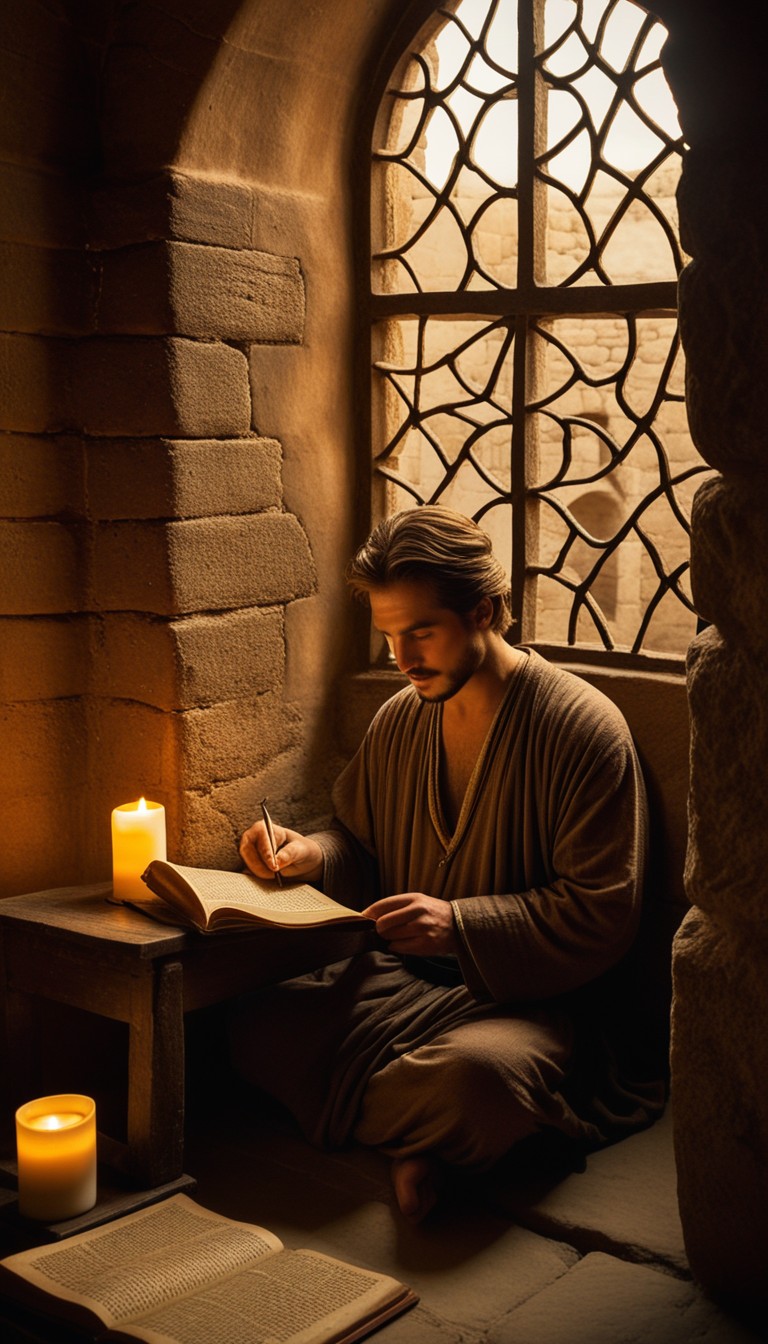
In 1298, Venice and Genoa went to war, and Marco Polo was captured at sea and imprisoned in Genoa. There, he met a romance writer named Rustichello of Pisa, and together they produced one of the most remarkable books of the Middle Ages—"The Travels of Marco Polo," known in Italian as "Il Milione." The book described the marvels of Asia with such extravagance that many readers dismissed it as fantasy; his Venetian neighbors nicknamed him "Il Milione" in mocking reference to his endless millions. Yet his descriptions of China, Japan, India, and the spice islands would fire the imaginations of every major explorer who came after him, including Christopher Columbus, who carried an annotated copy on his voyage westward in 1492.
"I Have Not Told Half of What I Saw"
Marco Polo died in Venice in 1324, at the age of sixty-nine. On his deathbed, friends and priests urged him to retract the "fictions" in his book—to admit that the wonders he described were exaggerations. He refused. "I have not told half of what I saw," he reportedly said. Whether every detail of his account is accurate remains a matter of scholarly debate, but the larger truth is undeniable: Marco Polo crossed the world when crossing it was nearly impossible, and he came back with a vision of human civilization that shattered the narrow boundaries of the medieval European mind. Every explorer who followed him sailed, in some sense, in his wake.
Recommended Reading
As an Amazon Associate, we earn from qualifying purchases.

Swipe to navigate