
Euclid: The Father of Geometry
Loading story...

c. 325-265 BCE
Alexandria, Egypt
The Mysterious Scholar of Alexandria
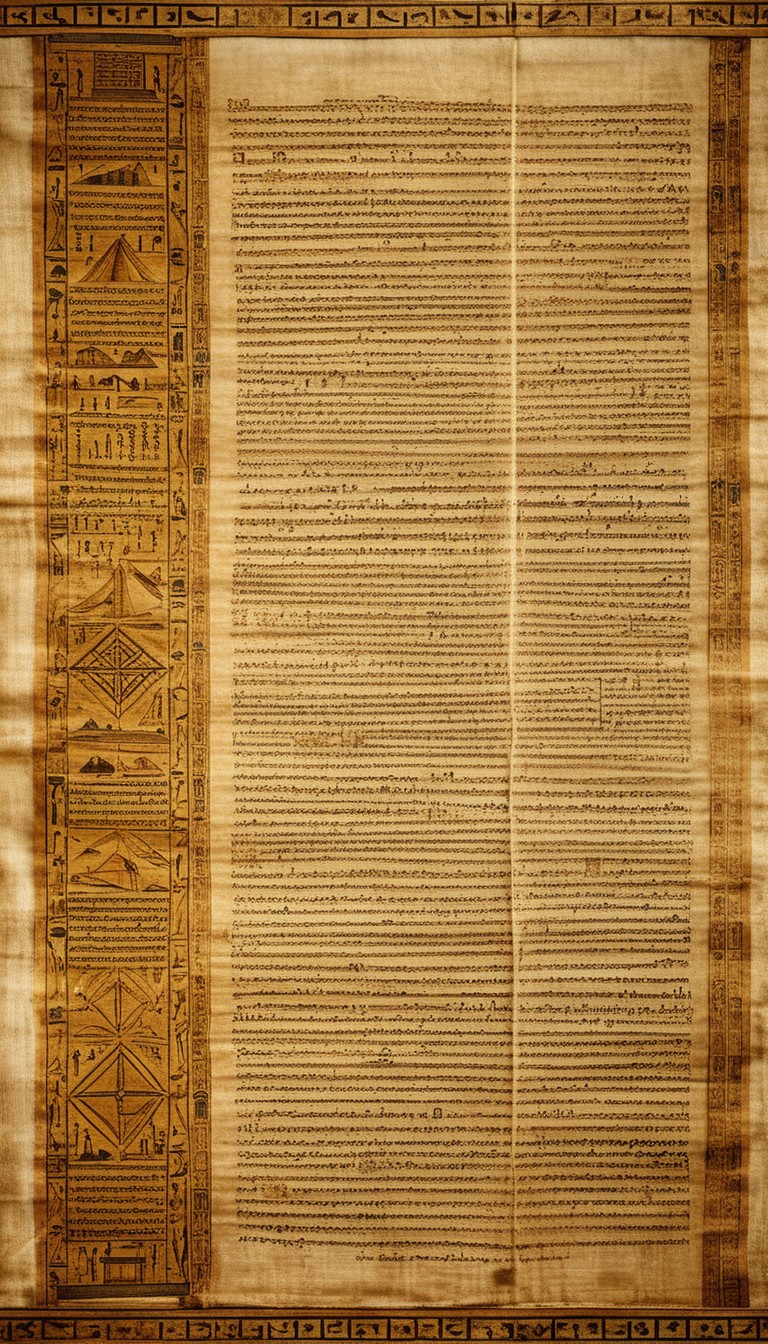
Almost nothing is known about Euclid's personal life. He was active around 300 BCE in Alexandria, Egypt, during the reign of Ptolemy I, who had just founded one of the ancient world's greatest centers of learning. What we do know is that Euclid gathered, organized, and expanded the scattered mathematical knowledge of the Greeks into a single, magnificent work. His identity may be a mystery, but his impact is beyond question.
c. 300 BCE
Alexandria, Egypt
The Elements: A Masterwork in Thirteen Books
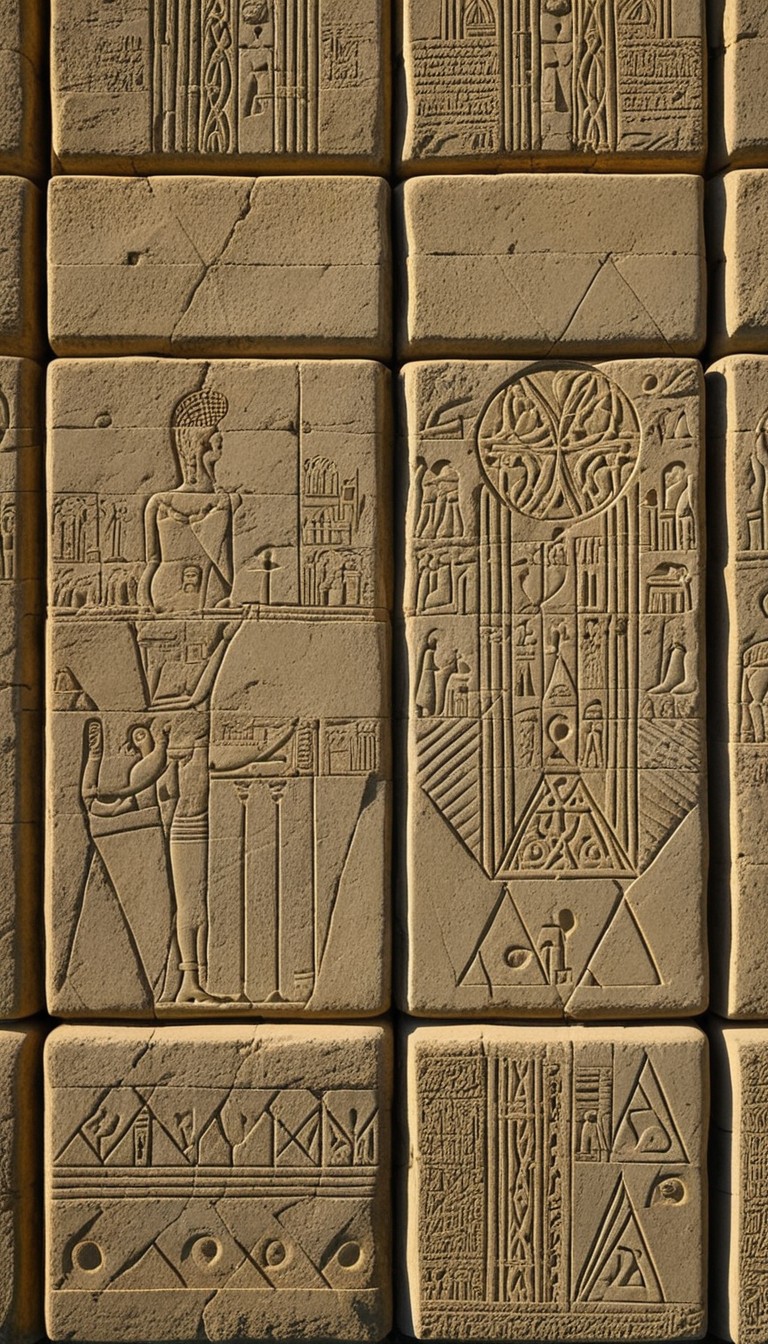
Euclid's Elements is not just a geometry textbook. Across thirteen books, it lays out the foundations of plane geometry, number theory, and solid geometry with breathtaking clarity. Starting from just five postulates and five common notions, Euclid built 465 propositions, each proven step by logical step. No leaps of faith, no hand-waving. Only the relentless march of reason. After the Bible, it may be the most printed book in Western history.
c. 300 BCE
Alexandria, Egypt
Five Postulates That Built a World
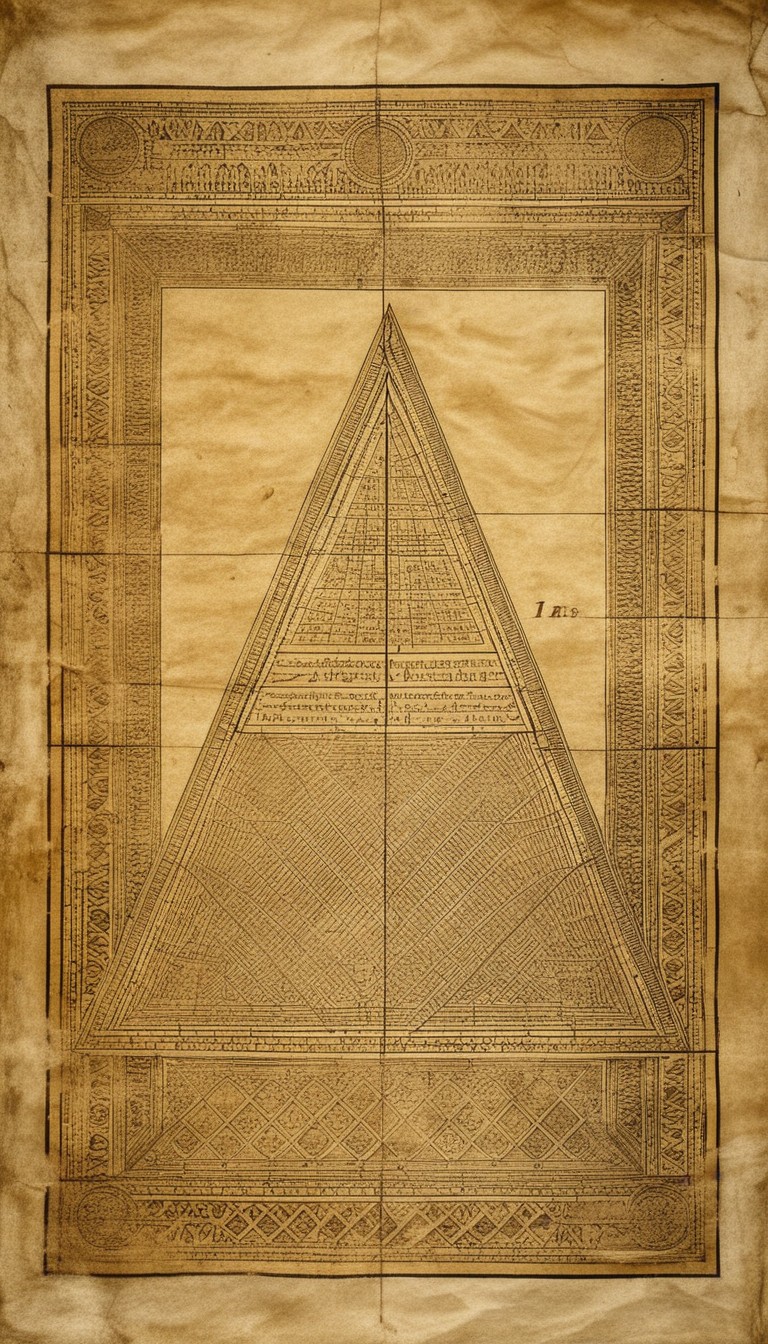
Euclid began with five simple assumptions: a straight line can be drawn between any two points, a line segment can be extended infinitely, a circle can be drawn with any center and radius, all right angles are equal, and the famous fifth postulate about parallel lines. From these spare, elegant starting points, he constructed the entire edifice of classical geometry. The fifth postulate would tantalize mathematicians for over two thousand years, eventually giving birth to non-Euclidean geometry.
c. 300 BCE
Alexandria, Egypt
The Art of Mathematical Proof
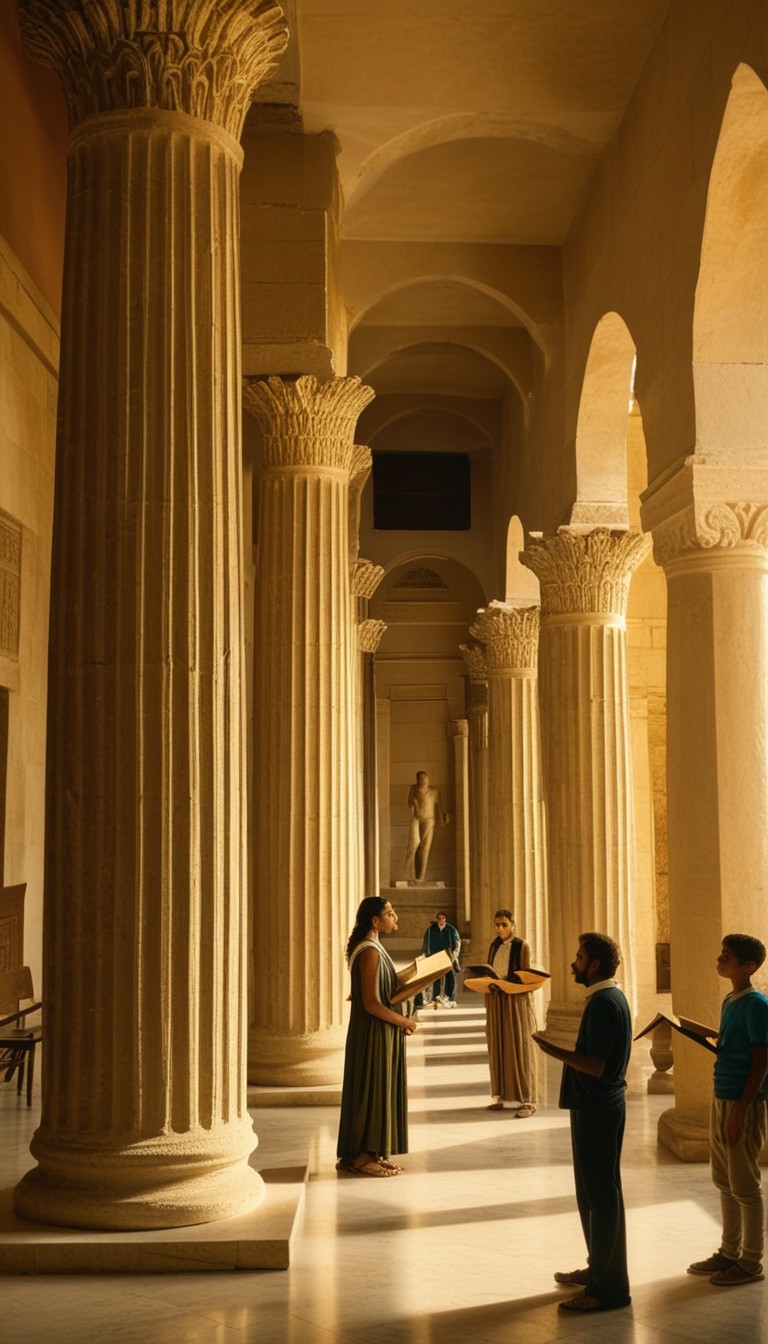
Euclid's greatest contribution was not any single theorem but the method itself: the axiomatic approach. Every statement must be proven from earlier statements, which themselves trace back to the original postulates. His proof of the Pythagorean theorem in Book I, Proposition 47, is a masterclass in logical elegance. He also proved that the number of primes is infinite, a result in Book IX that still stuns with its simplicity and power.
c. 300 BCE
Alexandria, Egypt
There Is No Royal Road to Geometry
According to legend, when King Ptolemy I asked Euclid if there was a shortcut to learning geometry, Euclid replied: "There is no royal road to geometry." The story captures the spirit of his work. Mathematics demands patience, rigor, and the willingness to follow logic wherever it leads, whether you are a king or a commoner. Euclid ran a school in Alexandria and trained a generation of mathematicians in this uncompromising tradition.
c. 300 BCE
Alexandria, Egypt
Beyond Flat Shapes: The Platonic Solids
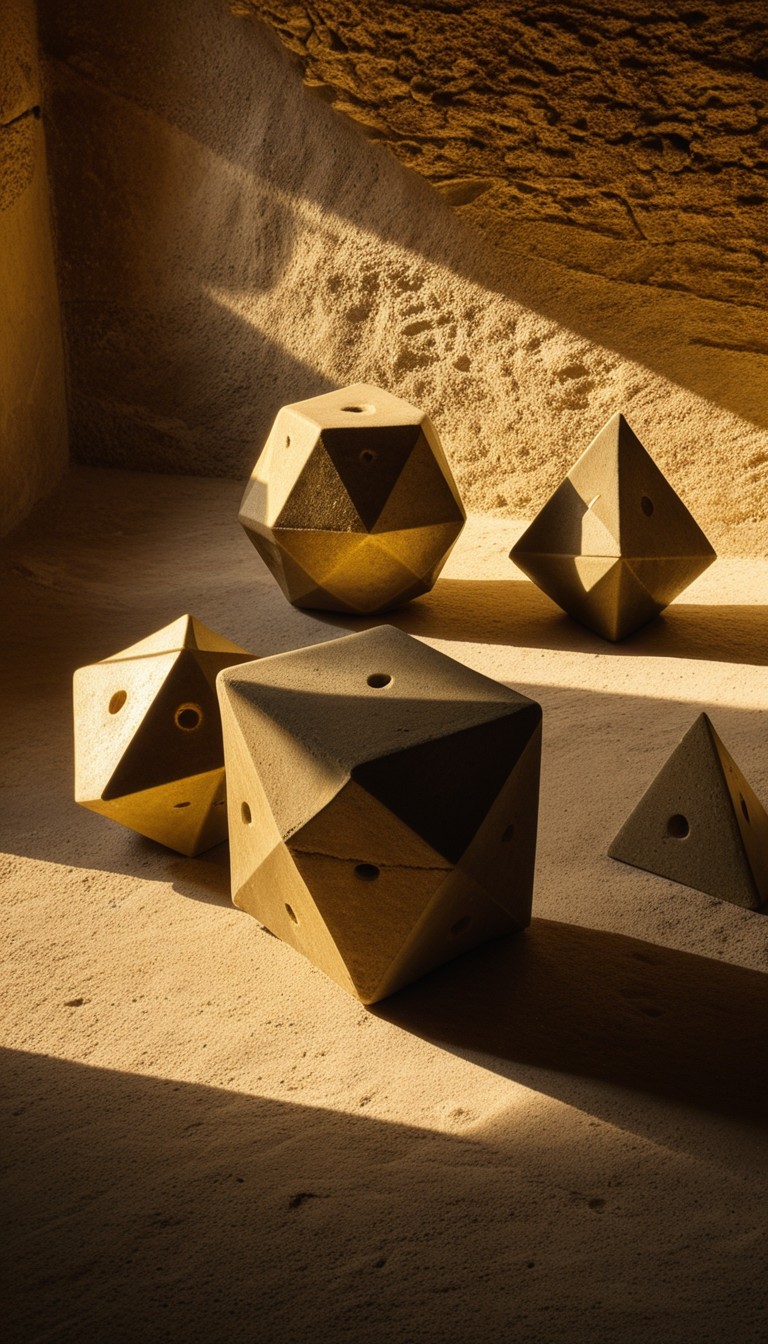
The final book of the Elements, Book XIII, culminates in the construction of the five Platonic solids: the tetrahedron, cube, octahedron, dodecahedron, and icosahedron. Euclid proved that these are the only regular convex polyhedra that can exist, a result of stunning finality. This work connected geometry to philosophy, as Plato had associated each solid with a classical element. Euclid gave Plato's mysticism the backbone of proof.
c. 800-1900 CE
Baghdad, London, and Beyond
Two Thousand Years of Influence
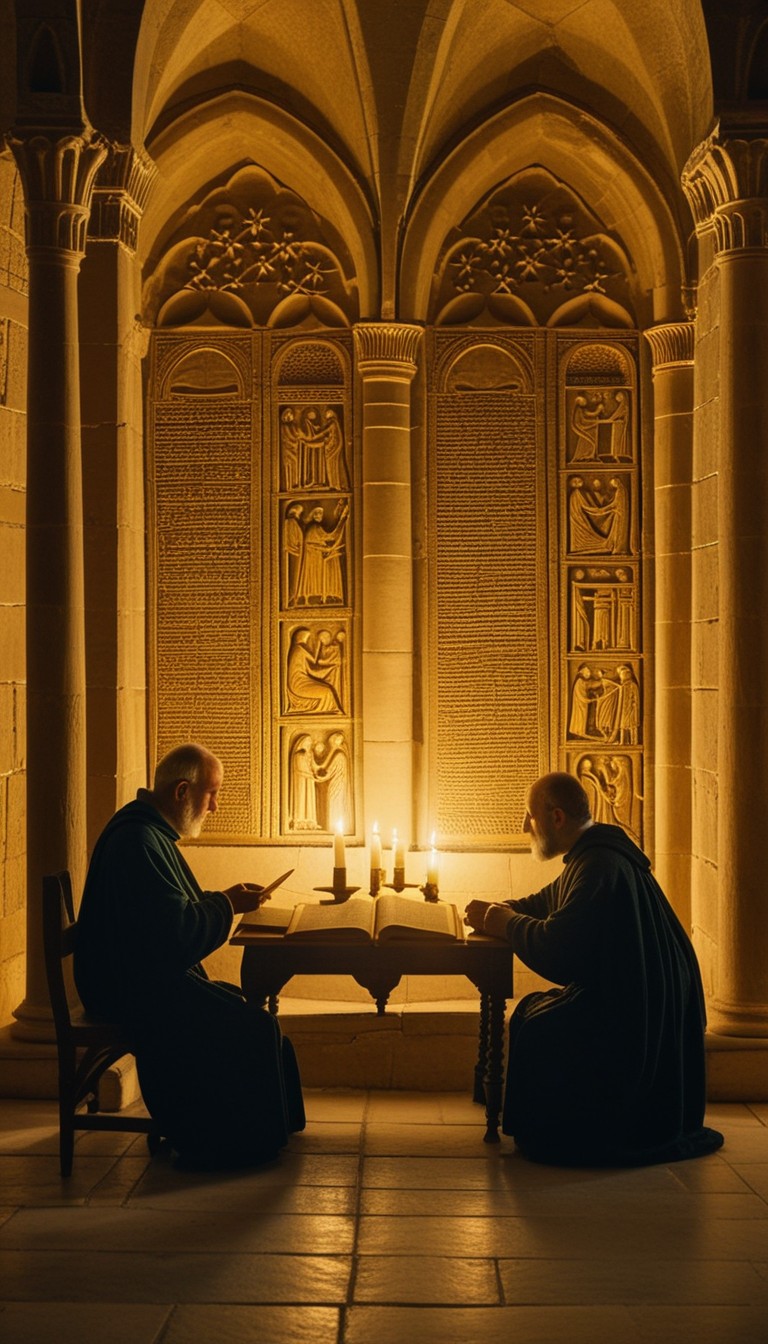
The Elements was translated into Arabic during the Islamic Golden Age and later into Latin, becoming the standard geometry text across Europe for centuries. Abraham Lincoln studied it to sharpen his reasoning. Galileo, Newton, and Einstein all built upon Euclidean foundations. It was used as a school textbook well into the twentieth century. No other mathematics text has shaped human thought for so long or so deeply.
c. 300 BCE - Present
Alexandria to the World
The Legacy That Never Ends
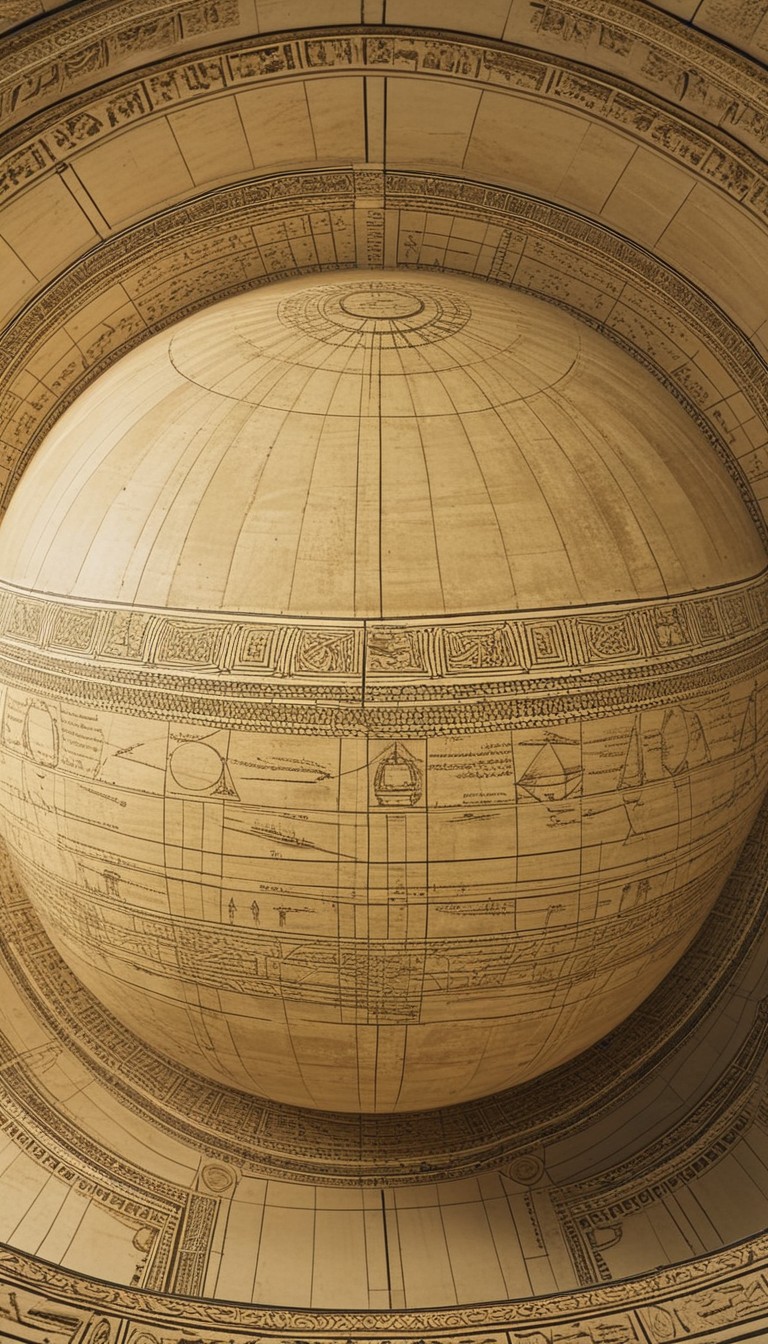
Euclid also wrote works on optics, conic sections, and mathematical astronomy, though many are lost. His treatment of optics anticipated ray diagrams used in physics today. But it is the Elements that endures as his monument. When mathematicians in the nineteenth century finally showed that the fifth postulate could be replaced, creating non-Euclidean geometries that would underpin Einstein's general relativity, they were still paying tribute to Euclid's framework.
The Architect of Reason
Euclid proved that certainty can be built from simplicity. With a handful of axioms and the discipline of logical proof, he constructed a cathedral of knowledge that has endured for over two millennia. Every scientist who demands proof, every engineer who trusts a calculation, every student who draws a triangle owes something to the quiet scholar of Alexandria who showed the world how to think with precision.

Swipe to navigate