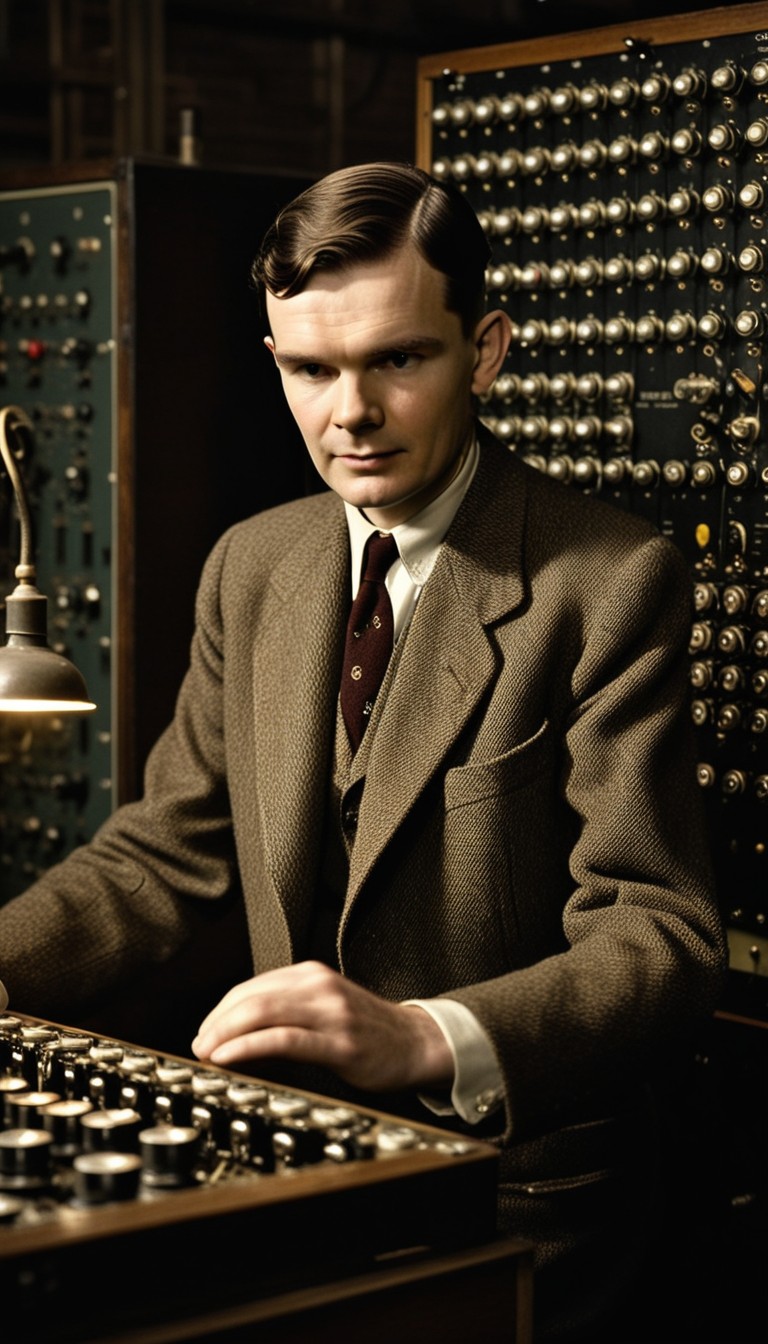
Alan Turing: The Mathematician Who Imagined the Computer
Loading story...
1912-1931
London & Sherborne, England
A Solitary Brilliant Boy
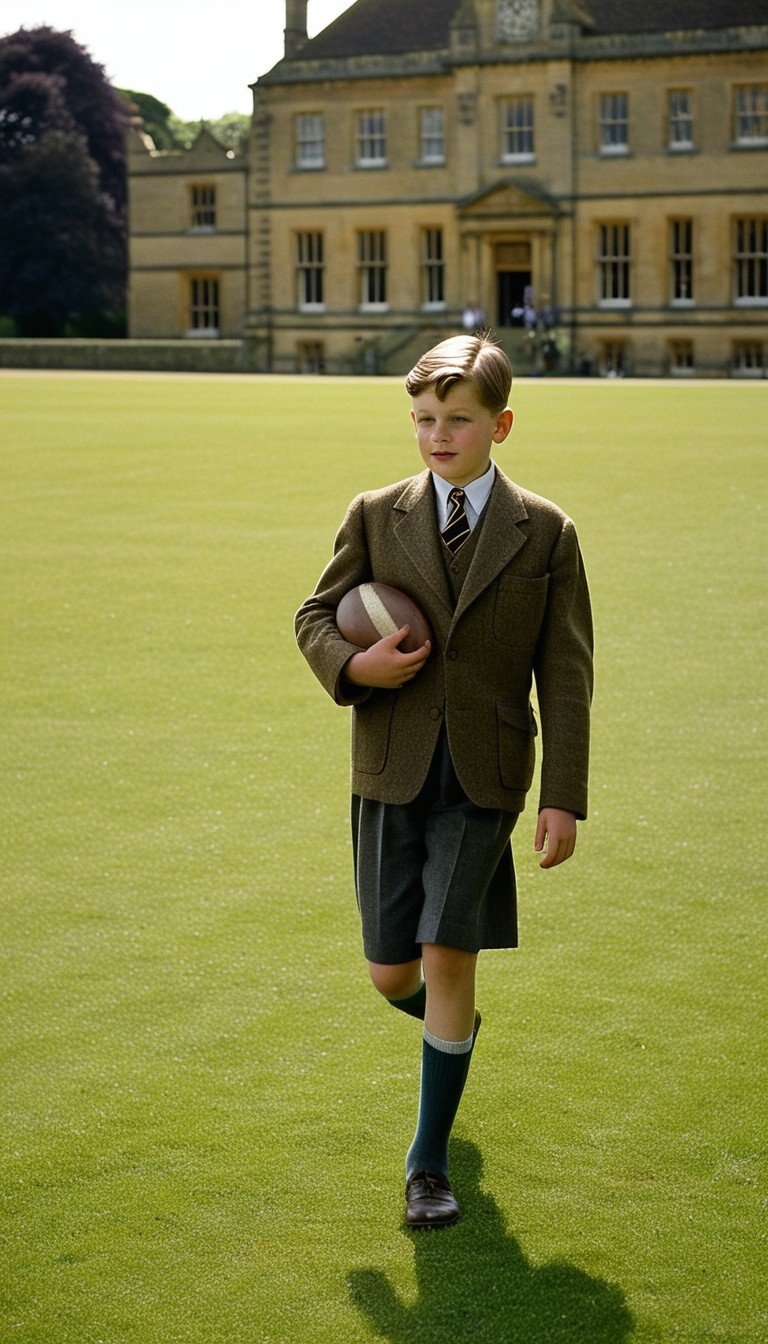
Alan Mathison Turing was born on June 23, 1912, in London. His parents were in the Indian Civil Service, and he spent much of his childhood in foster homes and boarding schools. At Sherborne School, he was an outsider: awkward, untidy, and obsessed with science and mathematics. His closest friend, Christopher Morcom, died suddenly in 1930, a loss that haunted Turing for life and deepened his fascination with the nature of mind and mechanism.
1931-1936
Cambridge, England
Cambridge and the Decision Problem
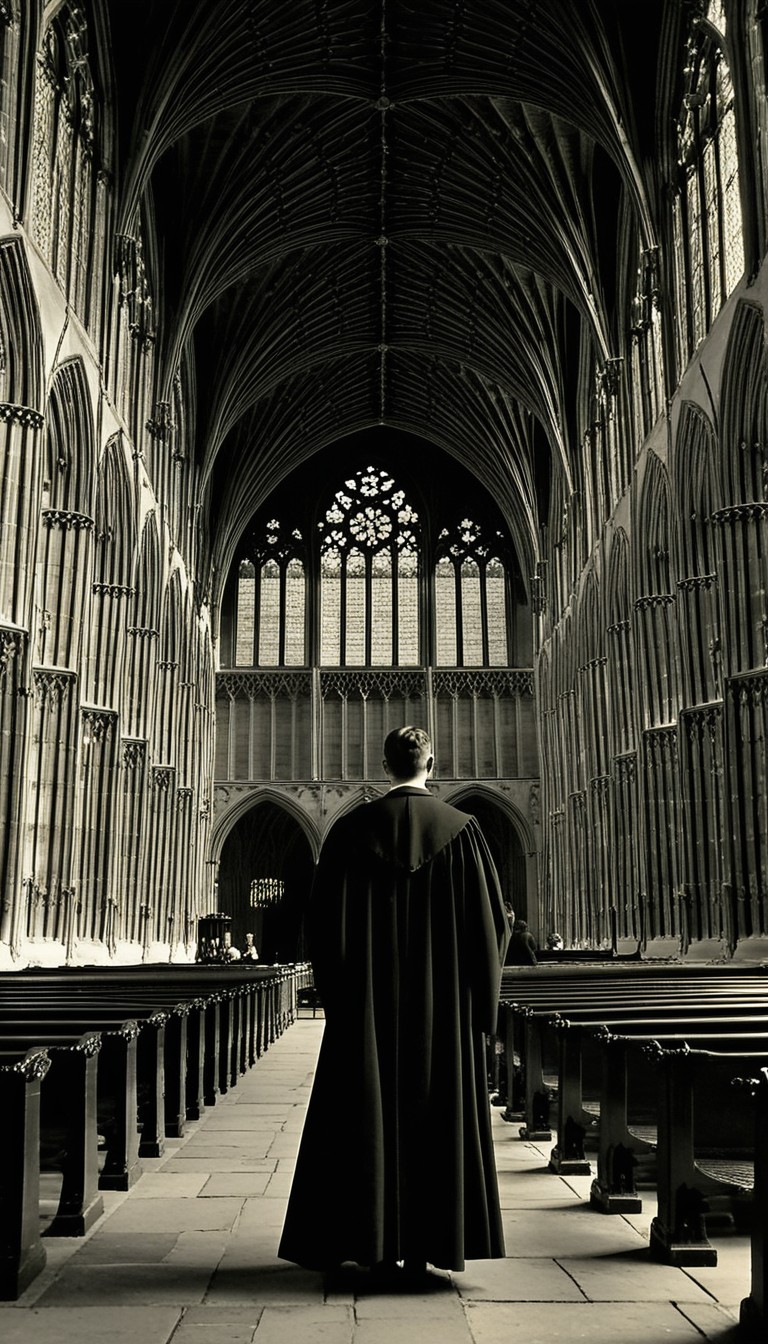
At King's College, Cambridge, Turing immersed himself in mathematical logic. The great mathematician David Hilbert had posed the Entscheidungsproblem: is there a mechanical procedure that can determine the truth of any mathematical statement? In 1936, at age twenty-four, Turing answered with a resounding no. To do so, he invented an abstract machine, a thought experiment that would become the theoretical blueprint for every digital computer.
1936
Cambridge, England
The Turing Machine: Computing Before Computers
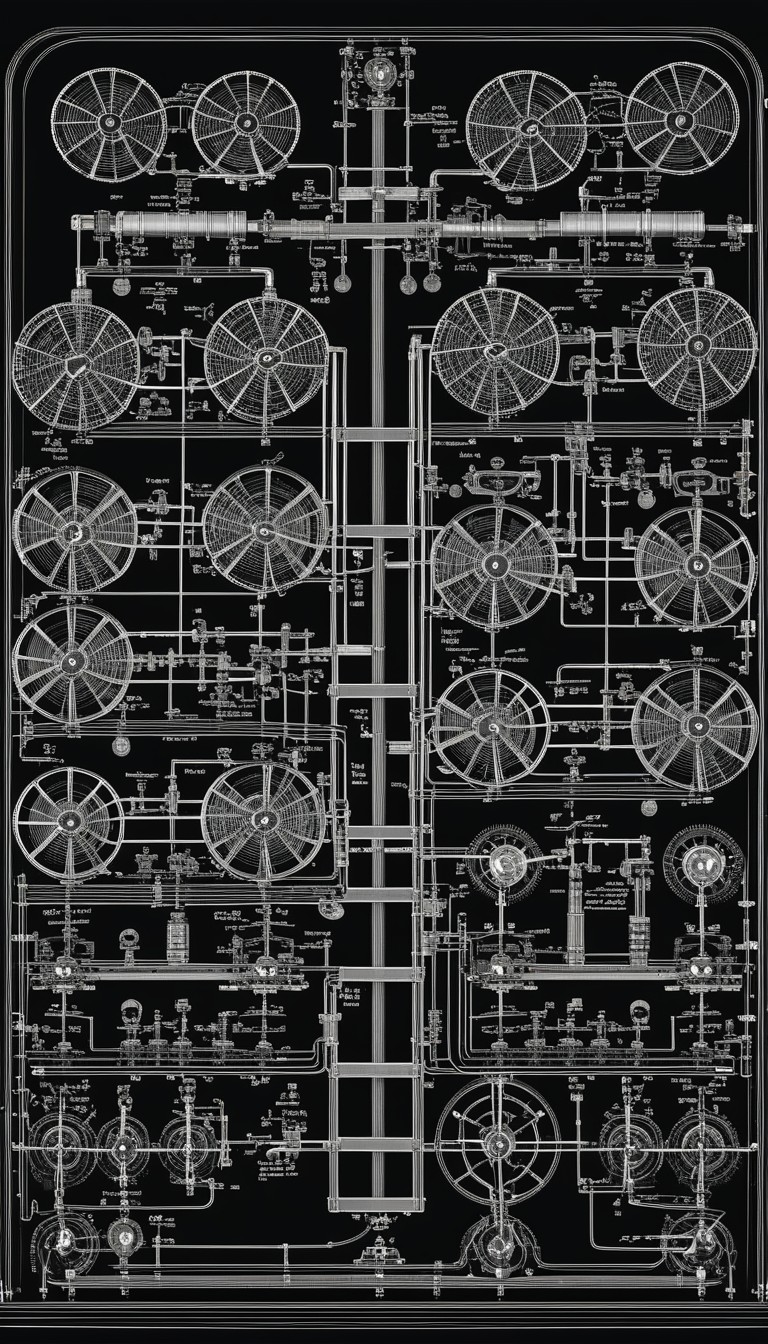
Turing's 1936 paper, "On Computable Numbers," introduced the Turing machine: an imaginary device with an infinite tape, a read-write head, and a set of rules. Despite its simplicity, this machine can compute anything that any computer can compute. Turing proved that a single universal machine can simulate any other Turing machine, anticipating the stored-program computer. He also proved that some problems are fundamentally undecidable, no algorithm can solve them. This set the boundary of computation itself.
1939-1945
Bletchley Park, England
Breaking Enigma at Bletchley Park
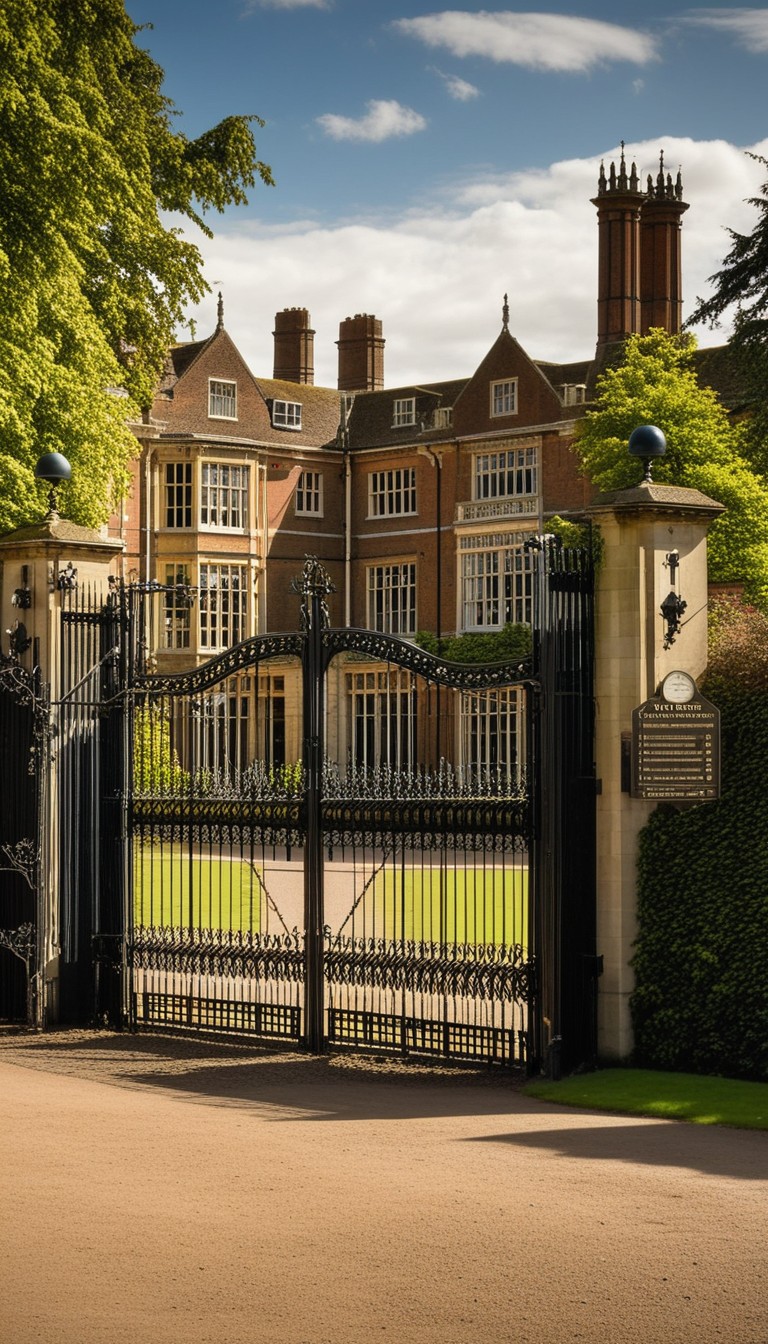
When World War II began, Turing joined the Government Code and Cypher School at Bletchley Park. The Germans were using the Enigma machine, which they believed produced unbreakable codes. Turing designed the Bombe, an electromechanical device that dramatically accelerated the decryption of Enigma messages. His work, and the intelligence it produced, shortened the war by an estimated two years and saved millions of lives. It was the most consequential application of mathematical thinking in the twentieth century.
1945-1949
London & Manchester, England
Building the First Computers
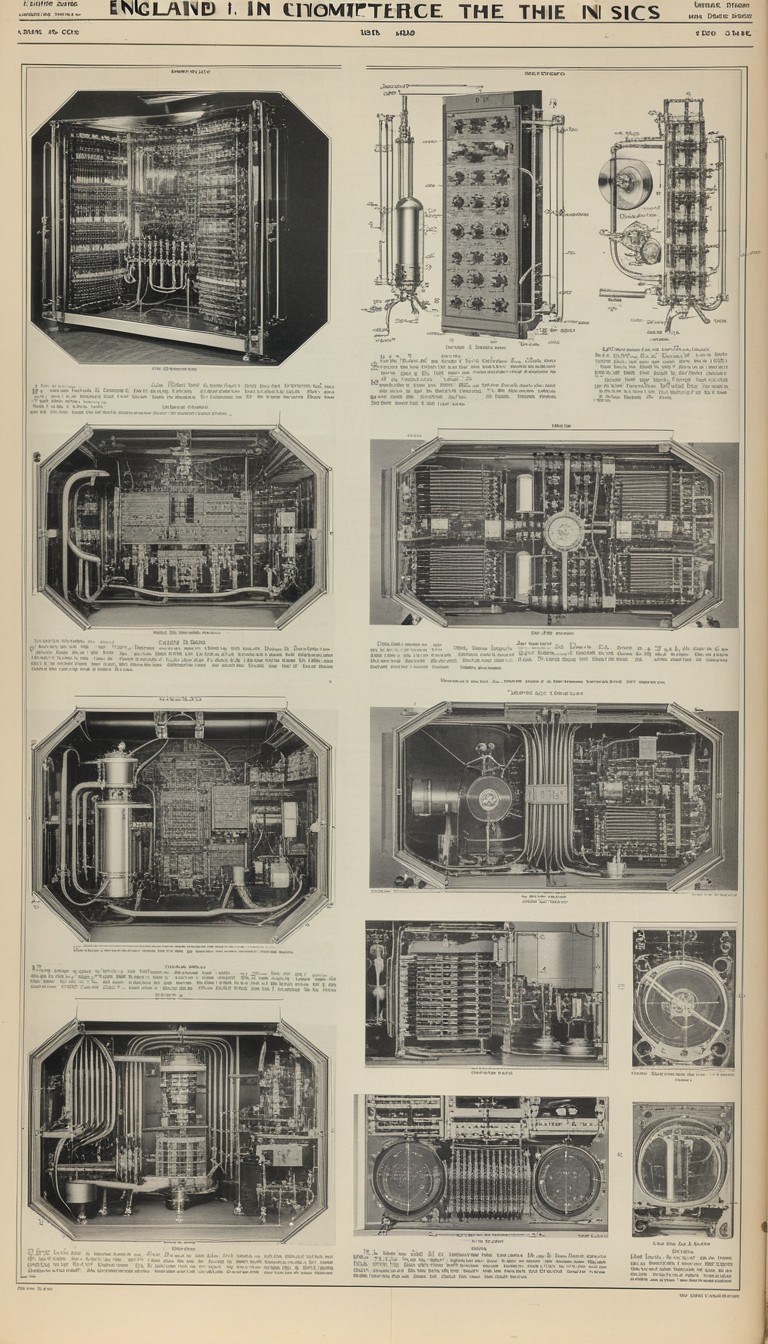
After the war, Turing worked at the National Physical Laboratory, where he designed the Automatic Computing Engine, one of the first detailed designs for a stored-program electronic computer. He later moved to the University of Manchester, where the Manchester Mark 1, one of the world's first working electronic computers, was being built. Turing wrote some of the earliest programs for it, including a chess-playing algorithm. The abstract idea of the Turing machine was becoming physical reality.
1950
Manchester, England
Can Machines Think?
In 1950, Turing published "Computing Machinery and Intelligence," one of the most influential papers in the history of artificial intelligence. He proposed the imitation game, now known as the Turing Test: if a machine's responses are indistinguishable from a human's, should we say it thinks? He anticipated nearly every objection, from consciousness to creativity, with remarkable clarity. The question he posed remains the central philosophical challenge of artificial intelligence seventy-five years later.

1952
Manchester, England
The Mathematics of Life Itself
In 1952, Turing published "The Chemical Basis of Morphogenesis," exploring how patterns like spots and stripes arise in biological organisms. He proposed that chemical substances called morphogens, diffusing and reacting together, could spontaneously create complex patterns from uniform conditions. This was decades ahead of its time. Modern biology has confirmed his reaction-diffusion model, which explains patterns in everything from animal coat markings to the arrangement of fingers on a hand.
1952-1954
Manchester, England
Persecution and a Posthumous Pardon
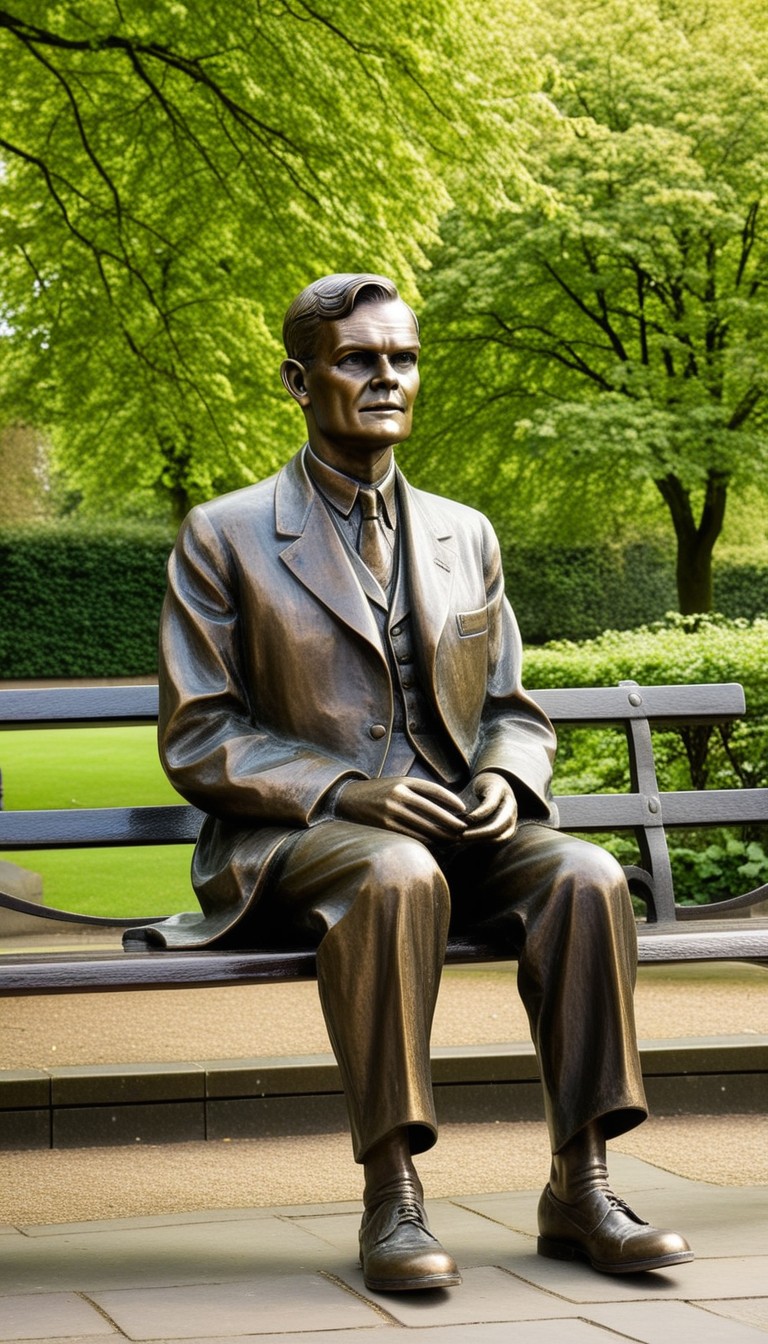
In 1952, Turing was prosecuted for homosexuality, then a criminal offense in Britain. He was convicted, stripped of his security clearance, and forced to undergo chemical castration. On June 7, 1954, he was found dead from cyanide poisoning, ruled a suicide. He was forty-one years old. In 2013, Queen Elizabeth II granted Turing a royal pardon, and in 2021, his face appeared on the British fifty-pound note. The world had finally begun to reckon with the magnitude of what it had lost.
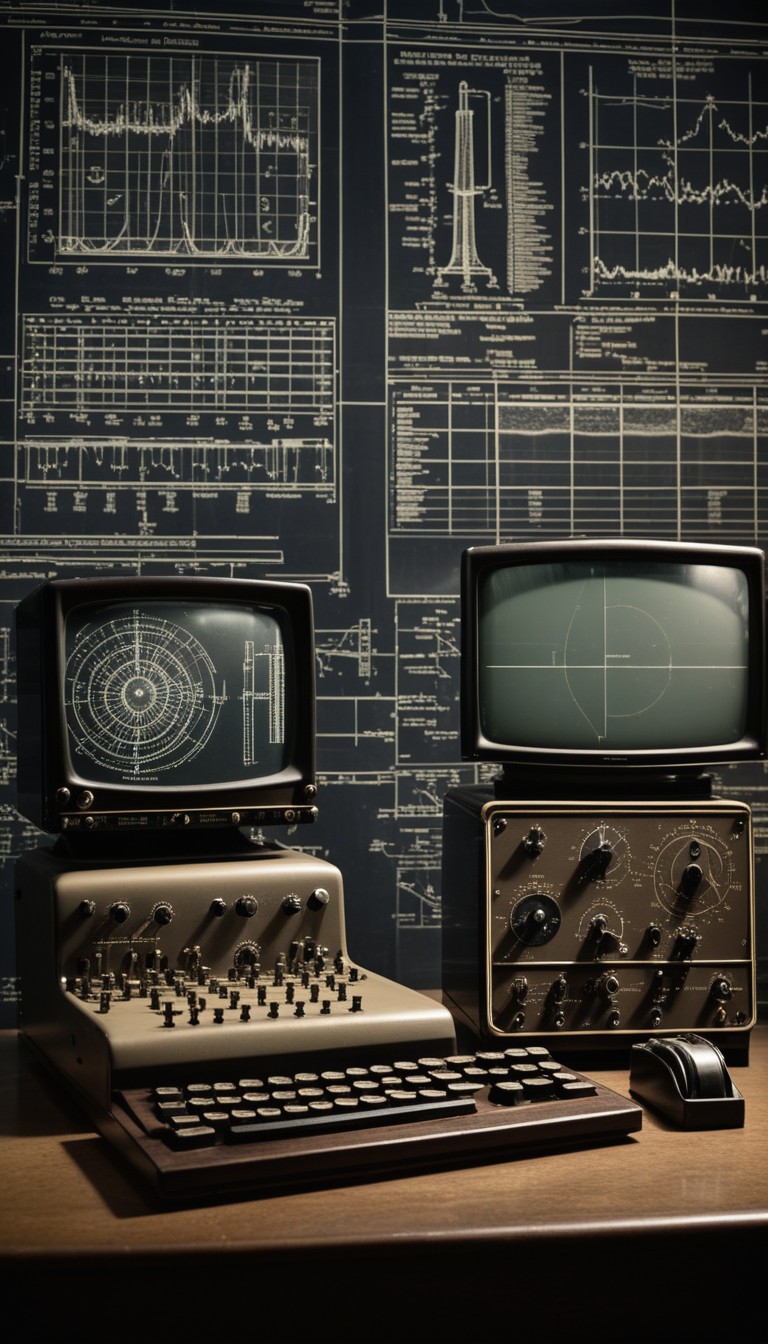
The Architect of the Digital Age
Alan Turing defined what it means to compute. His abstract machine became the theoretical foundation of computer science, his wartime codebreaking demonstrated the power of mathematical thinking under pressure, and his vision of artificial intelligence posed questions we still cannot fully answer. Every time you use a computer, a phone, or a search engine, you are using a device whose theoretical limits were mapped out by a lonely, brilliant mathematician in 1936.
Swipe to navigate