Mahatma Gandhi: The Great Soul

Loading story...
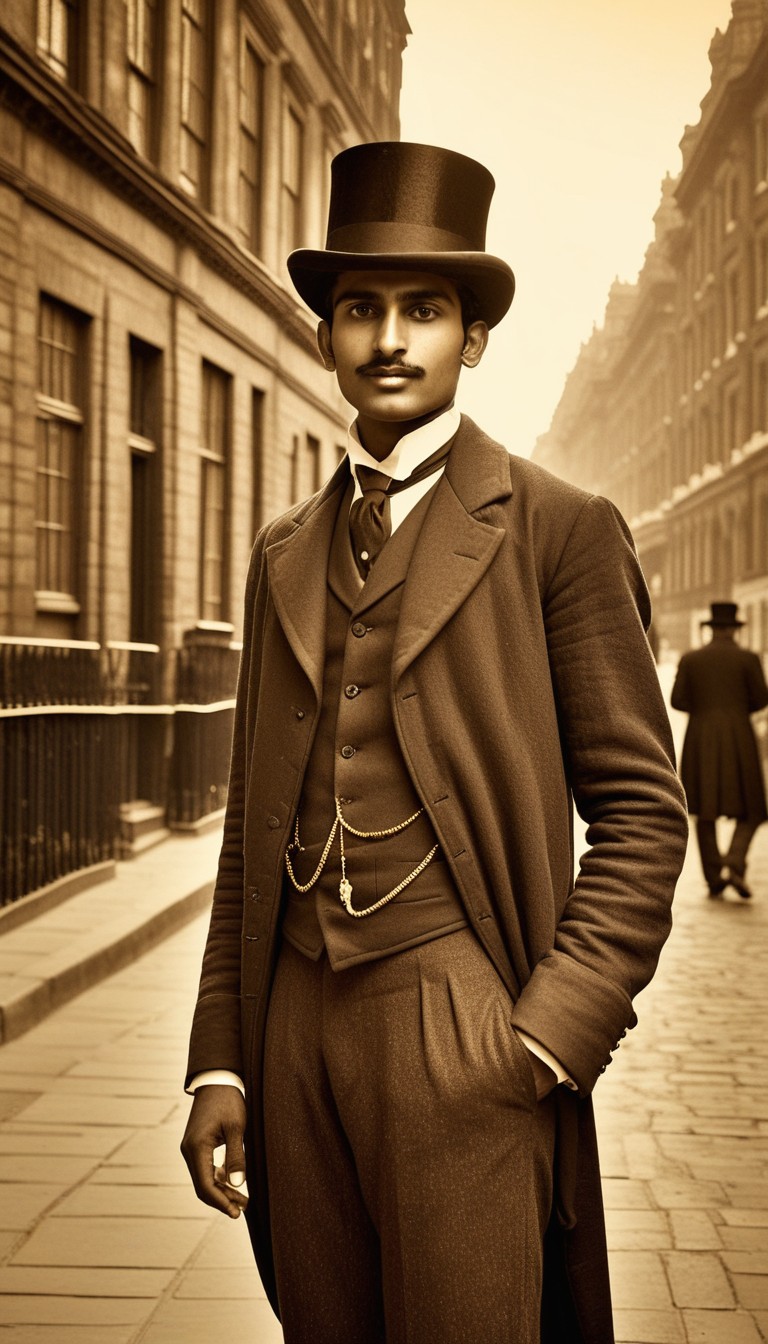
A young Mohandas Gandhi in formal Western clothing as a law student in Victorian London
1869–1891 Porbandar & London

The Shy Boy from Porbandar

Mohandas Karamchand Gandhi was born on October 2, 1869, in the coastal town of Porbandar in the princely state of Kathiawar, India. A quiet and unremarkable student, he was so painfully shy that he would bolt from the classroom rather than speak aloud. At eighteen he sailed to London against the wishes of his caste elders, vowing to his mother to abstain from meat, wine, and women, and enrolled at the Inner Temple to study law. The cosmopolitan city opened his mind to vegetarianism, Theosophy, and the works of Tolstoy and Ruskin—seeds that would eventually grow into his philosophy of nonviolence.
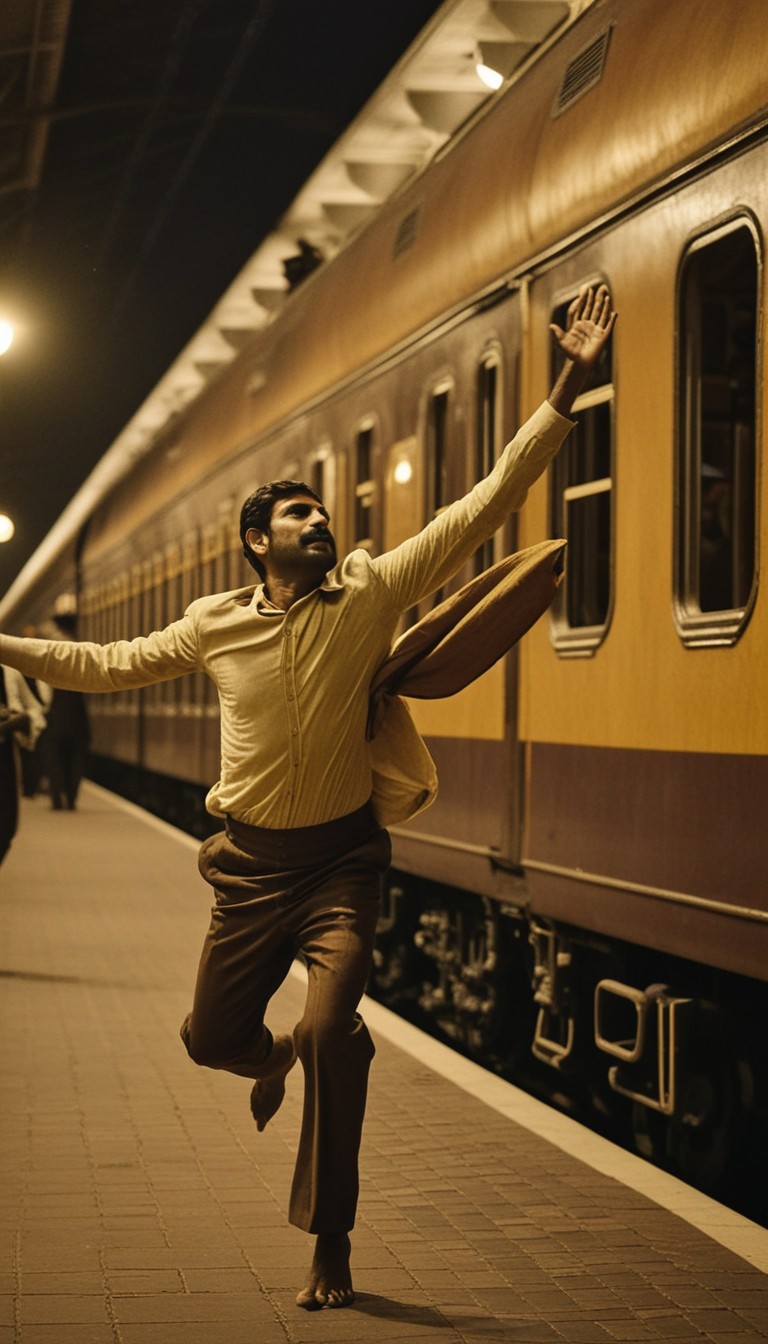
Gandhi being thrown off a train at Pietermaritzburg station in South Africa at night
1893–1914 South Africa

South Africa and the Birth of Satyagraha
In 1893 Gandhi traveled to South Africa to work as a lawyer, expecting to stay a year. On his very first train journey he was forcibly ejected from a first-class carriage at Pietermaritzburg simply because he was Indian—an act of humiliation that he later called the most decisive moment of his life. Rather than retreat to India in shame, he resolved to fight the racial discrimination entrenched in South African law. Over the next twenty-one years he developed satyagraha—literally "truth-force" or "soul-force"—a method of nonviolent resistance that used moral courage, peaceful protest, and willingness to suffer as weapons against injustice.
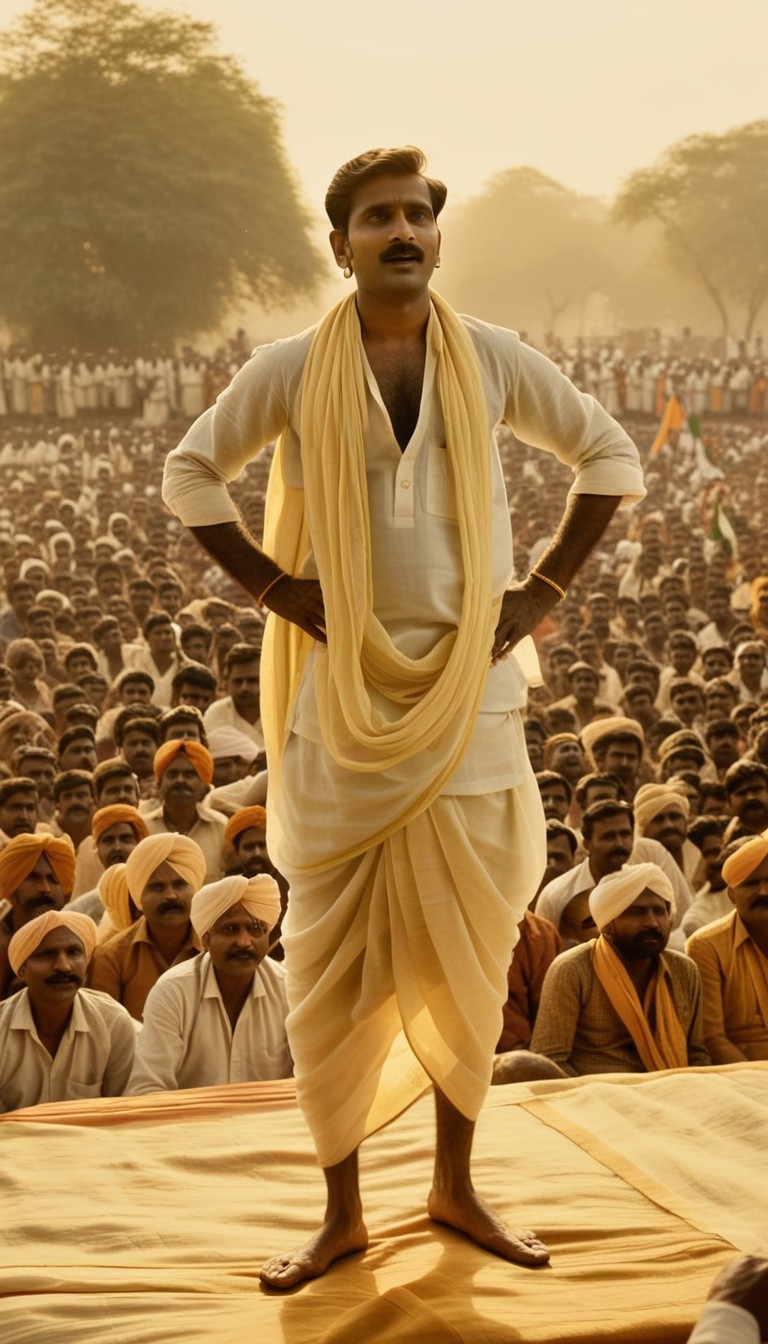
Gandhi in simple Indian dhoti addressing a vast crowd at a political gathering in India
1915–1920 India

Return to India

Gandhi returned to India in January 1915 as a hero, greeted by the great poet Rabindranath Tagore who would later bestow on him the title "Mahatma"—Great Soul. On the advice of his mentor Gopal Krishna Gokhale, he spent a year traveling third class across India to understand the suffering of ordinary people before entering politics. He joined the Indian National Congress and quickly distinguished himself by championing the causes of impoverished indigo farmers in Champaran and mill workers in Ahmedabad, winning concrete concessions through disciplined nonviolent campaigns and demonstrating to a colonized nation that satyagraha could work on Indian soil.
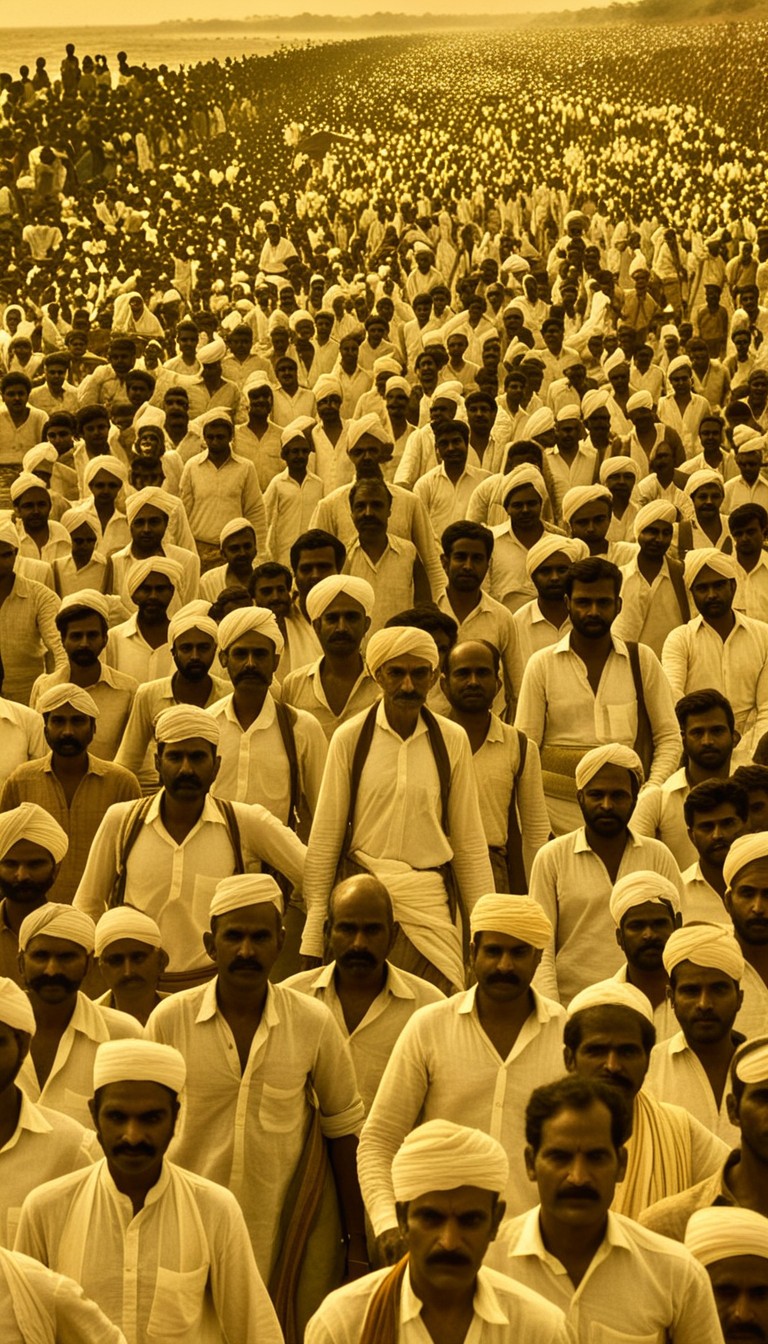
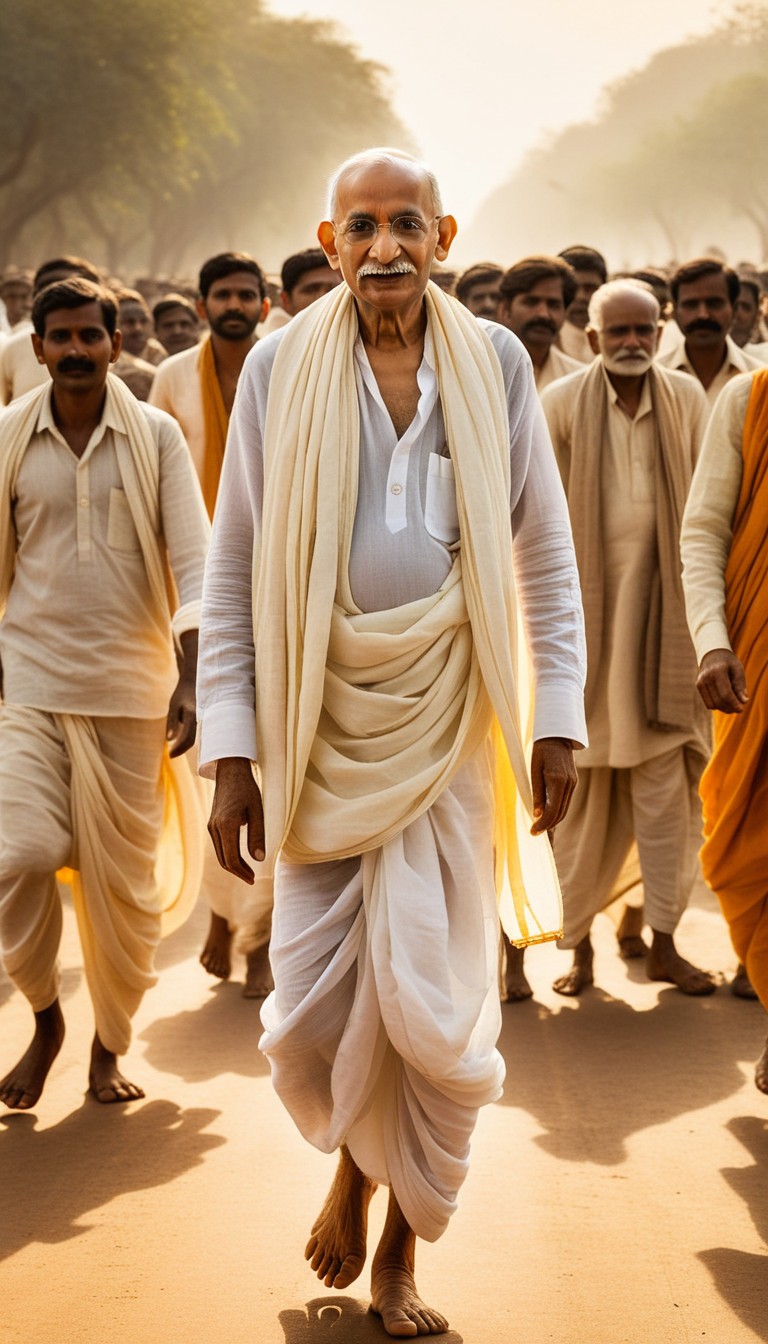
Gandhi and thousands of followers marching to the sea across the sun-baked Gujarat landscape
March–April 1930 Gujarat, India

The Salt March

On March 12, 1930, Gandhi set out from his ashram at Sabarmati with seventy-eight disciples on a 241-mile march to the sea at Dandi. The British salt laws forbade Indians from collecting or selling salt without paying a heavy tax—a small injustice with enormous symbolic power. When Gandhi bent down on April 6 and picked up a lump of natural salt from the beach, he broke the law and invited the world to watch. The march electrified India and the international press; tens of thousands joined in across the country, making salt illegally in a mass act of civil disobedience that exposed the moral bankruptcy of colonial rule and forced Britain onto the defensive.
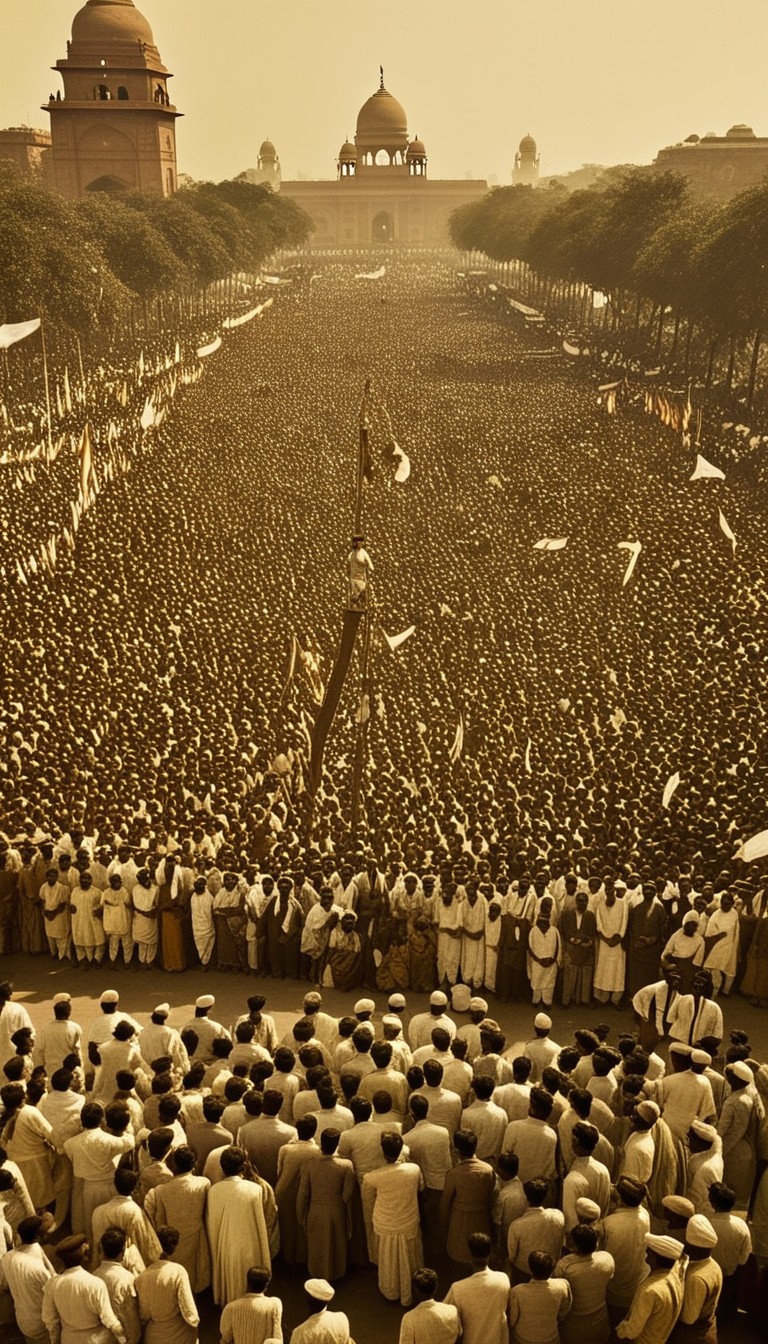
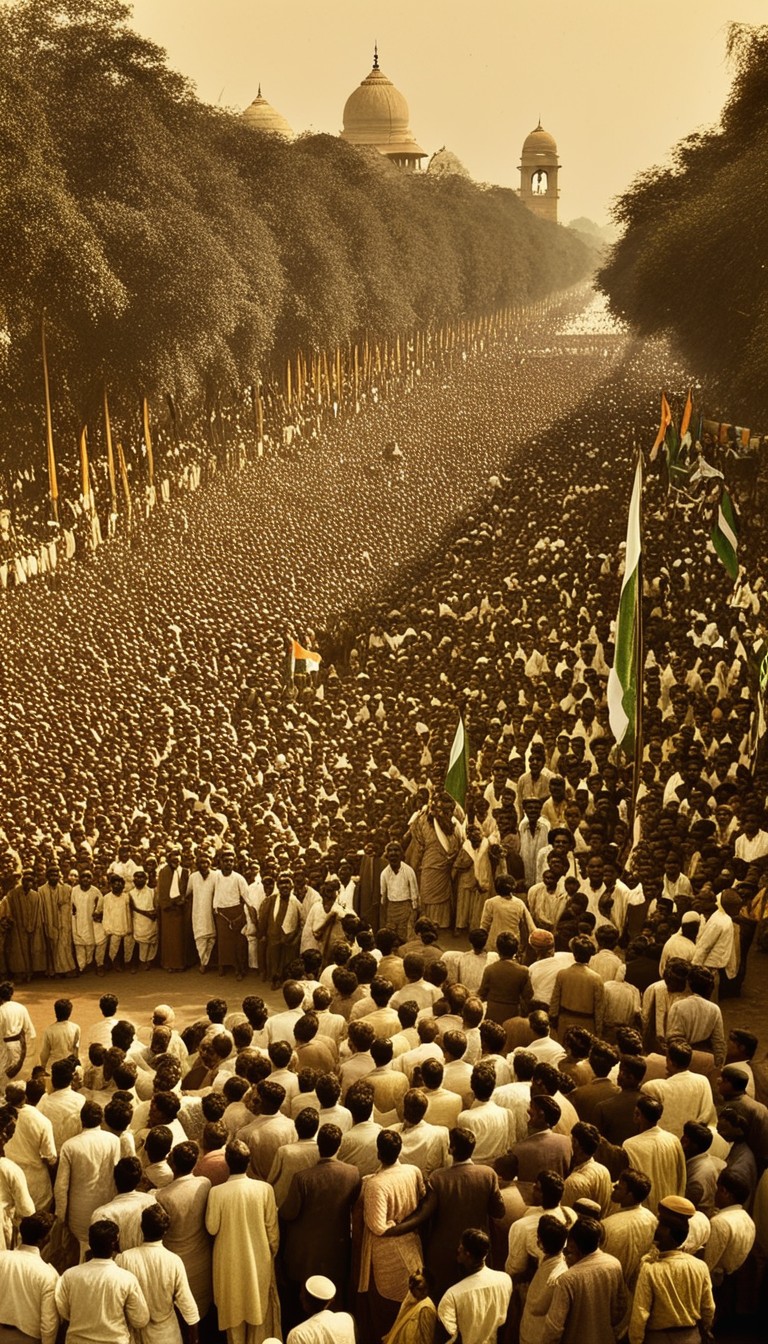
A massive crowd filling a public square as Gandhi addresses them during the Quit India Movement
August 1942 Bombay, India

Quit India

With World War II raging and Britain demanding Indian support without offering independence in return, Gandhi launched his most radical campaign on August 8, 1942. Standing before the All India Congress Committee in Bombay, he delivered an electrifying call to action: "Do or Die—we shall either free India or die in the attempt." The Quit India Movement demanded immediate British withdrawal and triggered the largest mass arrest in Indian history—Gandhi and virtually the entire Congress leadership were imprisoned within hours. Though the British suppressed the uprising harshly, the movement shook the foundations of empire and made clear that the colonial project in India was unsustainable.
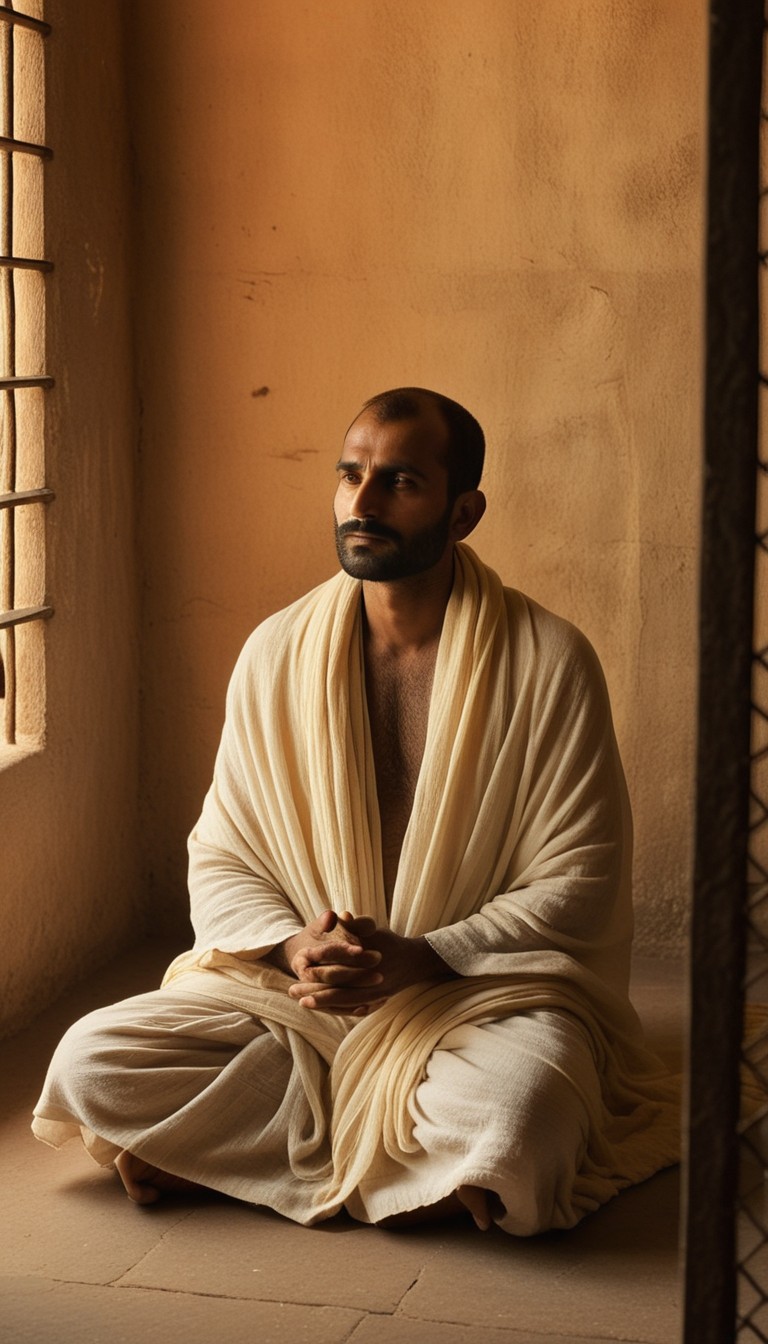
Gandhi seated in a sparse prison cell, wrapped in a white shawl, in quiet meditation
1908–1944 Various prisons, India

Prison and the Fast as Weapon

Gandhi spent nearly six years of his life behind British bars—in South Africa and India combined—wearing imprisonment as a badge of moral authority rather than shame. When other weapons failed, he turned to the fast, placing his own frail body on the line as a sacrifice to appeal to the conscience of his opponents and his own people alike. His most dramatic fast came in 1932 when he starved himself to protest the British decision to create a separate electorate for untouchables, which he feared would permanently divide Hindu society; the fast ended only when a compromise was reached. These fasts terrified both the British and Indian leaders, for a dead Gandhi would have been catastrophic for anyone who claimed his mantle.
Enormous crowds celebrating Indian independence while Gandhi mourns communal violence in Calcutta
August 1947 India & Pakistan

Independence and the Agony of Partition
At the stroke of midnight on August 15, 1947, India won the independence Gandhi had devoted his life to achieving—but it came at a price he considered unbearable. Britain's partition of the subcontinent into India and Pakistan unleashed one of the largest and bloodiest mass migrations in human history: roughly twelve to fifteen million people uprooted and between five hundred thousand and two million killed in religious violence between Hindus, Muslims, and Sikhs. While the rest of India celebrated, Gandhi fasted and walked through the riots of Calcutta and Noakhali, placing his body between mobs as a human peace offering, achieving in days what battalions of police could not. He called independence without unity "a spiritual tragedy."
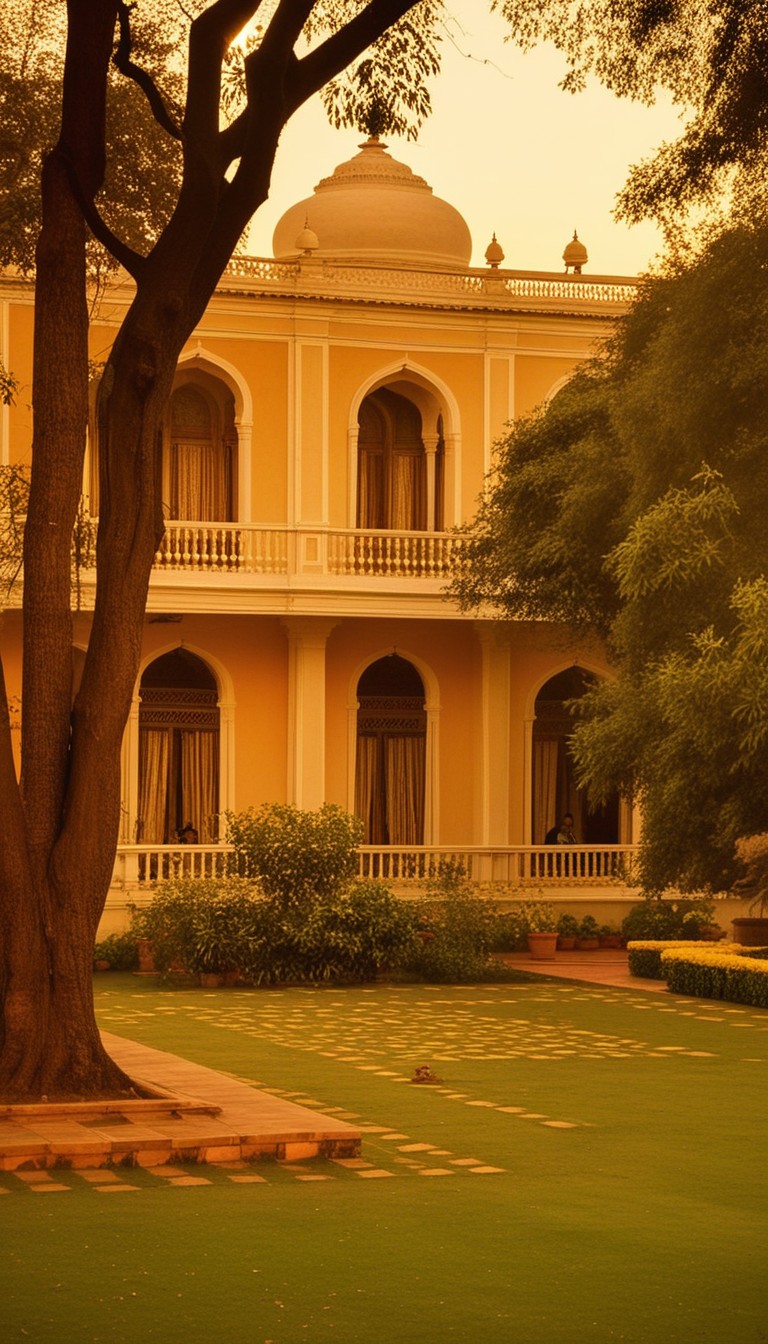
The garden of Birla House in New Delhi where Gandhi was assassinated at an evening prayer meeting
January 30, 1948 New Delhi, India

Assassination and Immortality

On the evening of January 30, 1948, Gandhi walked through the garden of Birla House in New Delhi toward his daily prayer meeting, leaning on the shoulders of two young grandnieces. Nathuram Godse, a Hindu nationalist who blamed Gandhi for the concessions made to Muslims and for Partition, stepped forward from the crowd, bowed slightly, and fired three shots at point-blank range. Gandhi fell, murmuring what witnesses heard as "Hey Ram"—Oh God. He was seventy-eight years old. The world mourned: Albert Einstein wrote that generations to come would scarcely believe that such a man in flesh and blood had ever walked upon this earth.
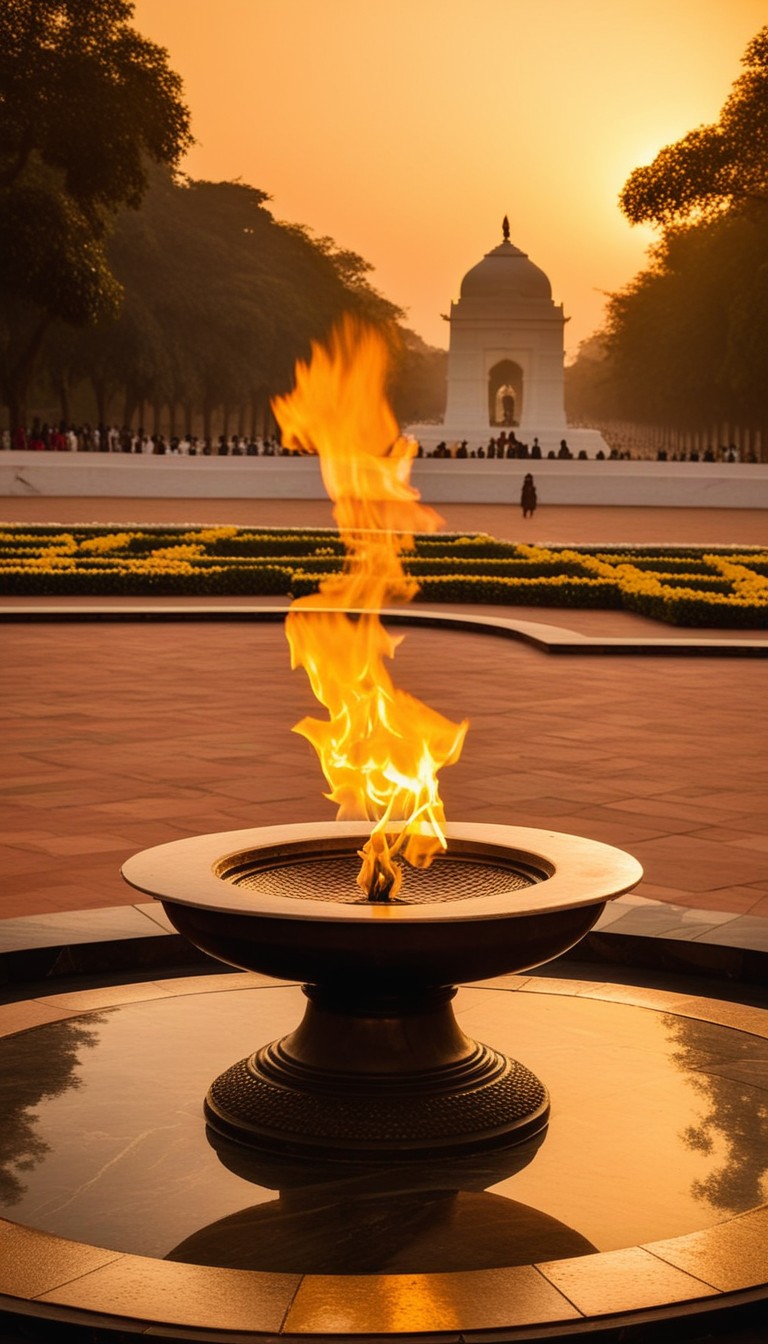
The eternal flame at Gandhi's memorial at Raj Ghat in New Delhi at dawn

The Great Soul Lives On

Mahatma Gandhi never held political office, commanded an army, or accumulated wealth—yet he brought down the greatest empire the world had ever seen using only the weapons of truth, love, and an unbreakable willingness to suffer for his convictions. His methods of nonviolent civil disobedience became a template for liberation movements from Martin Luther King Jr. in Alabama to Nelson Mandela in South Africa to the Solidarity movement in Poland. At Raj Ghat in New Delhi, an eternal flame burns at the black marble platform that marks where his body was cremated, inscribed with his last words: "Hey Ram." The spinning wheel he carried everywhere now graces the center of the Indian national flag.

Recommended Reading

As an Amazon Associate, we earn from qualifying purchases.
Swipe to navigate