Simón Bolívar: The Liberator
Loading story...
1783–1803
Caracas, Venezuela & Europe
Born into Privilege
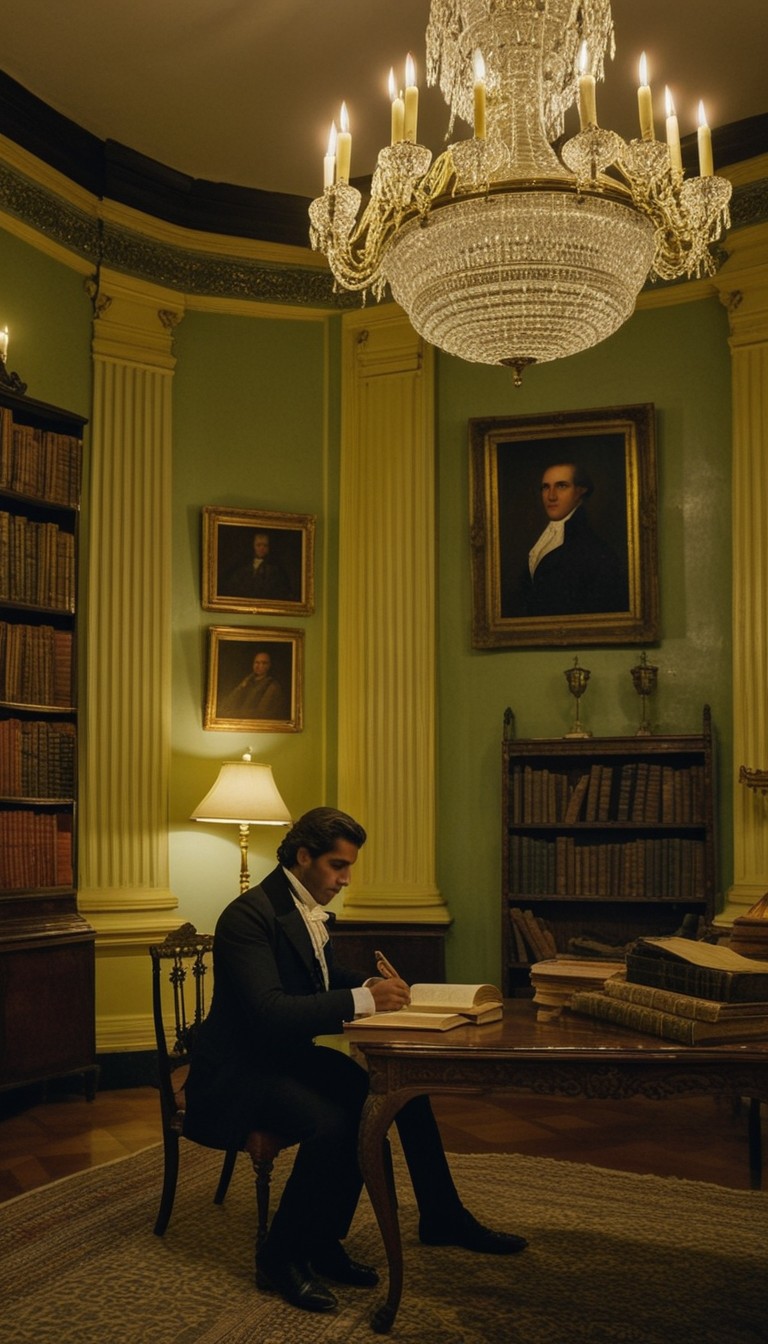
Simón José Antonio de la Santísima Trinidad Bolívar was born on July 24, 1783, in Caracas, into one of the wealthiest creole families in Venezuela. Orphaned by age nine, he inherited vast sugar and copper plantations. His family sent him to Spain and France for his education, where he absorbed the Enlightenment ideas of Rousseau, Voltaire, and Montesquieu. The young Venezuelan aristocrat encountered a world of revolutionary thought that would forge the liberator inside the wealthy boy.
August 1805
Monte Sacro, Rome
The Oath on Monte Sacro
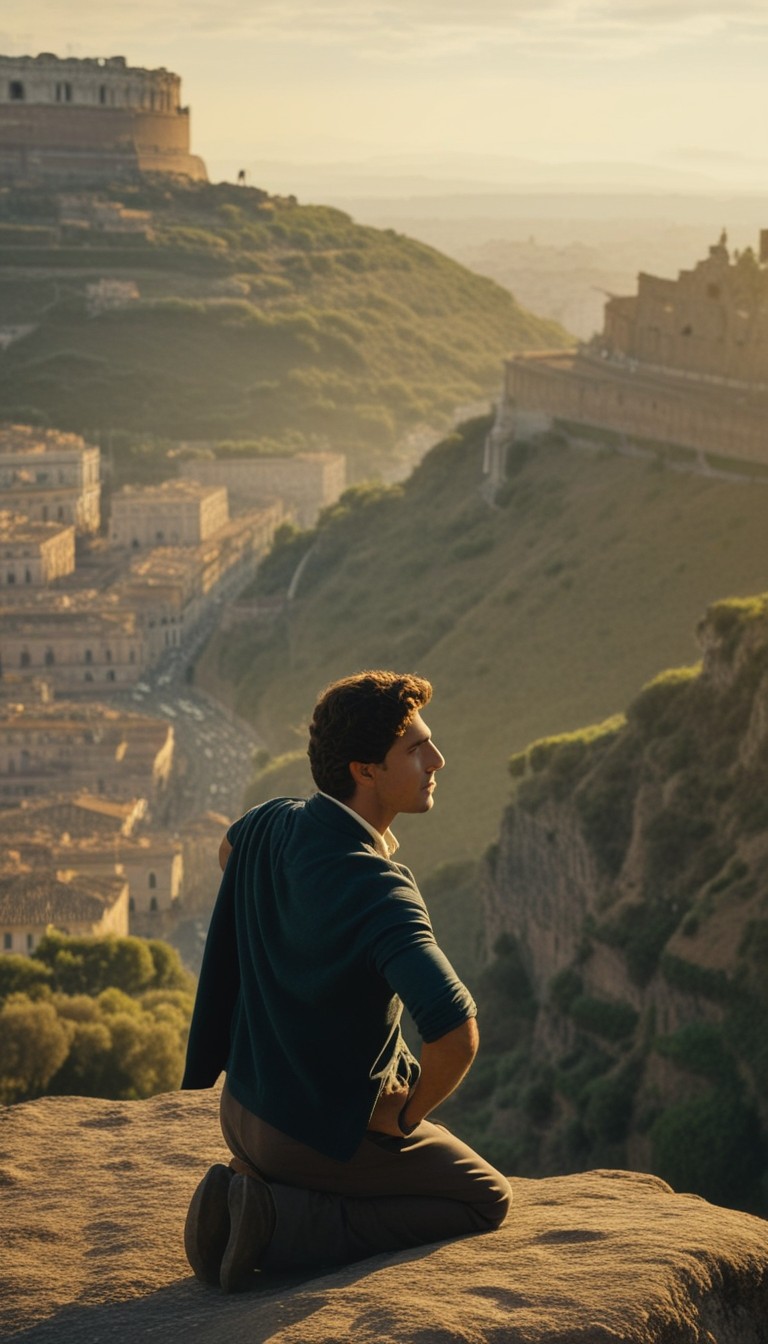
In August 1805, on the sacred hill of Monte Sacro in Rome, Bolívar made a vow that would define his life. Before his mentor Simón Rodríguez, he swore: "I swear before you, I swear by the God of my fathers, I swear by my fathers themselves, I swear by my honor, and I swear by my country, that I will not rest body or soul until I have broken the chains of Spain." It was not a political statement—it was a covenant. He was twenty-two years old.
1811–1815
Venezuela & Caribbean
Independence and Early Defeats
Bolívar returned to Venezuela as revolution spread across Latin America. Venezuela declared independence in 1811, the first Spanish colony to do so. But the royalist forces struck back hard. Earthquakes, betrayal, and military defeats forced Bolívar into exile—twice. He retreated to New Granada (modern Colombia) and then to Jamaica, where he wrote his prophetic Jamaica Letter in 1815, outlining his vision for a united South America. Defeat had not extinguished his fire—it had made it burn hotter.
May–August 1813
Venezuela
The Admirable Campaign
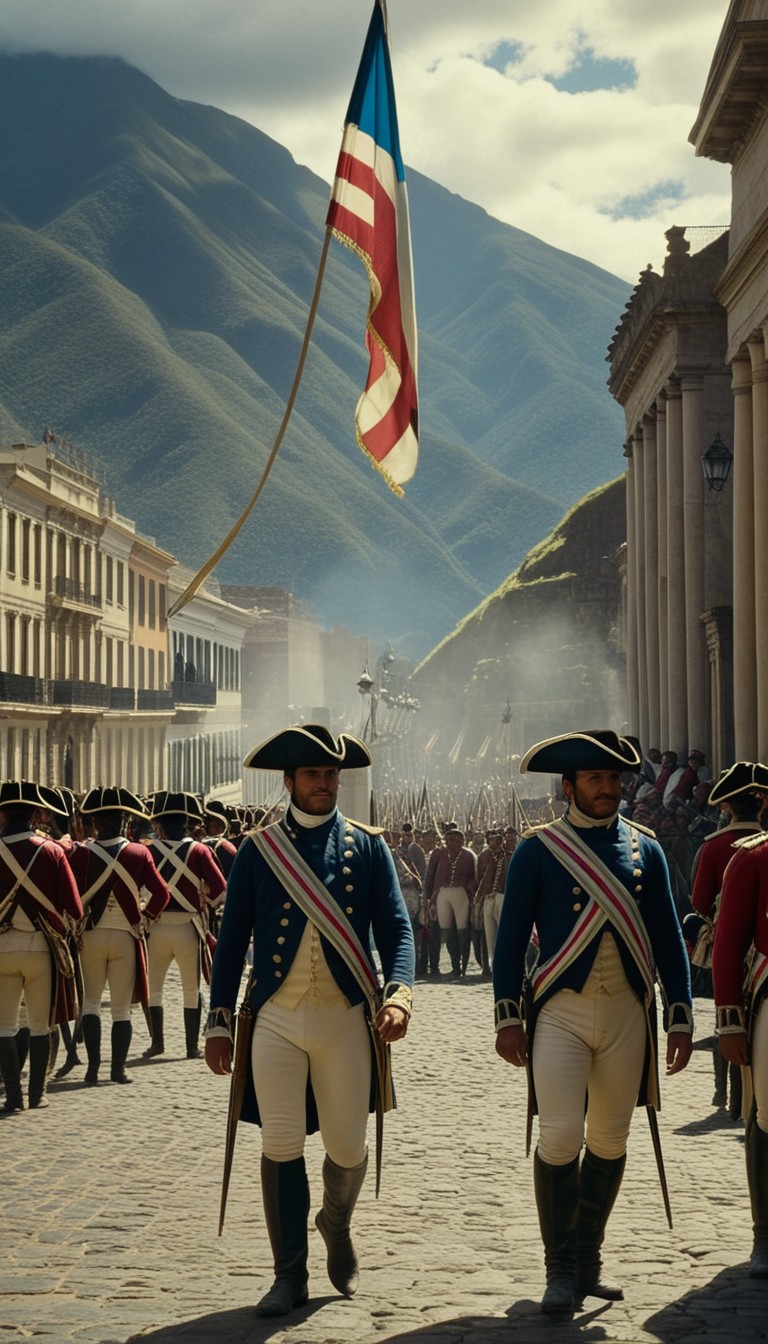
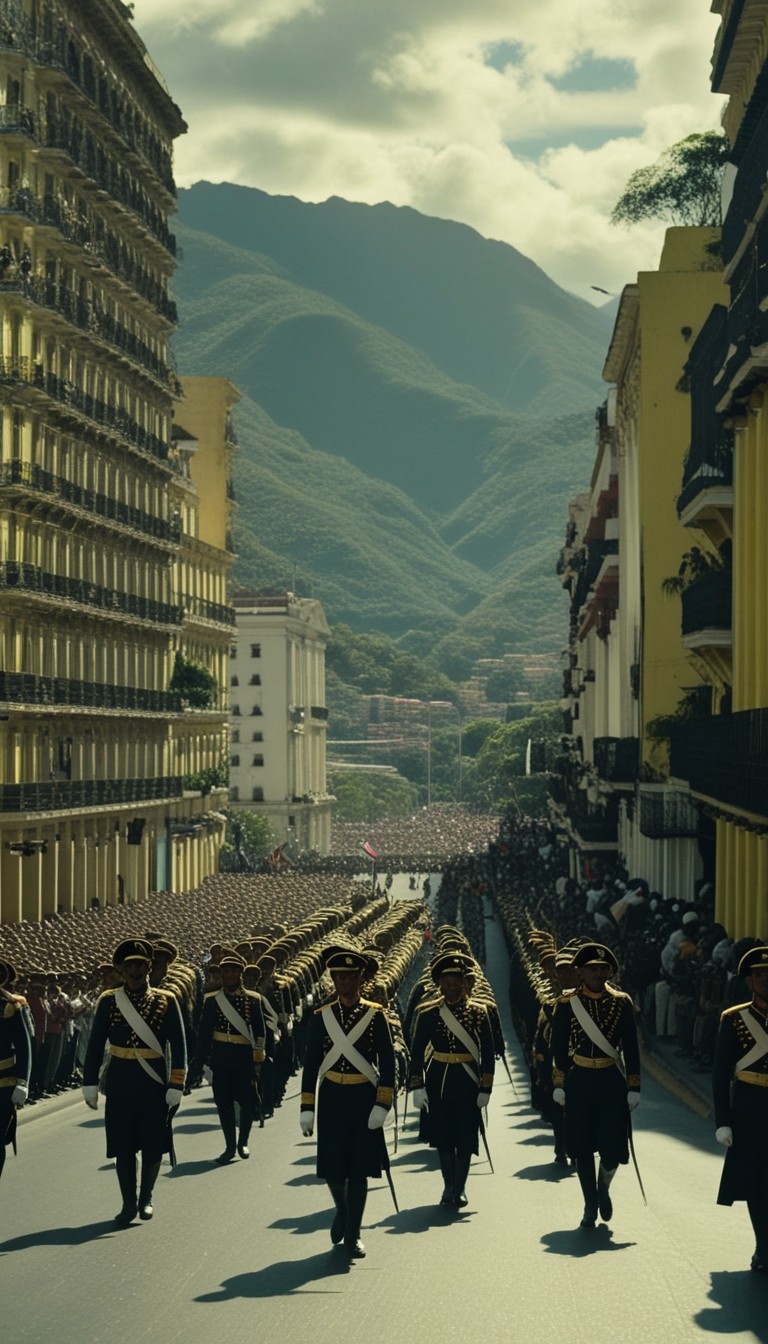
In 1813, Bolívar launched what history calls the Admirable Campaign—a six-week blitzkrieg across Venezuela that recaptured the country from royalist forces. Marching over 1,200 kilometers through jungles and plains, his army won six major engagements in succession. He entered Caracas in triumph on August 6, 1813, and was proclaimed El Libertador for the first time. It was a military feat that stunned Spanish commanders who had underestimated the creole aristocrat turned revolutionary general.
June–July 1819
Andes Mountains
Crossing the Andes
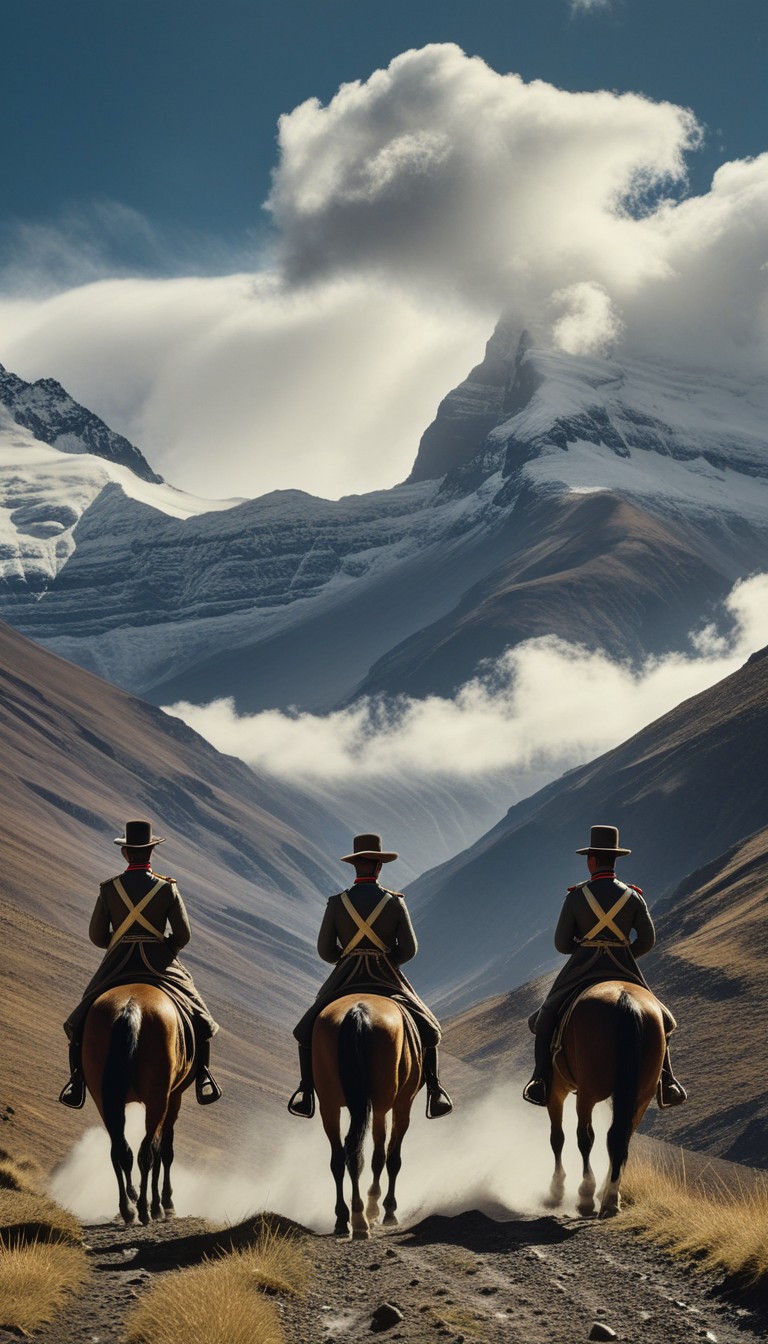
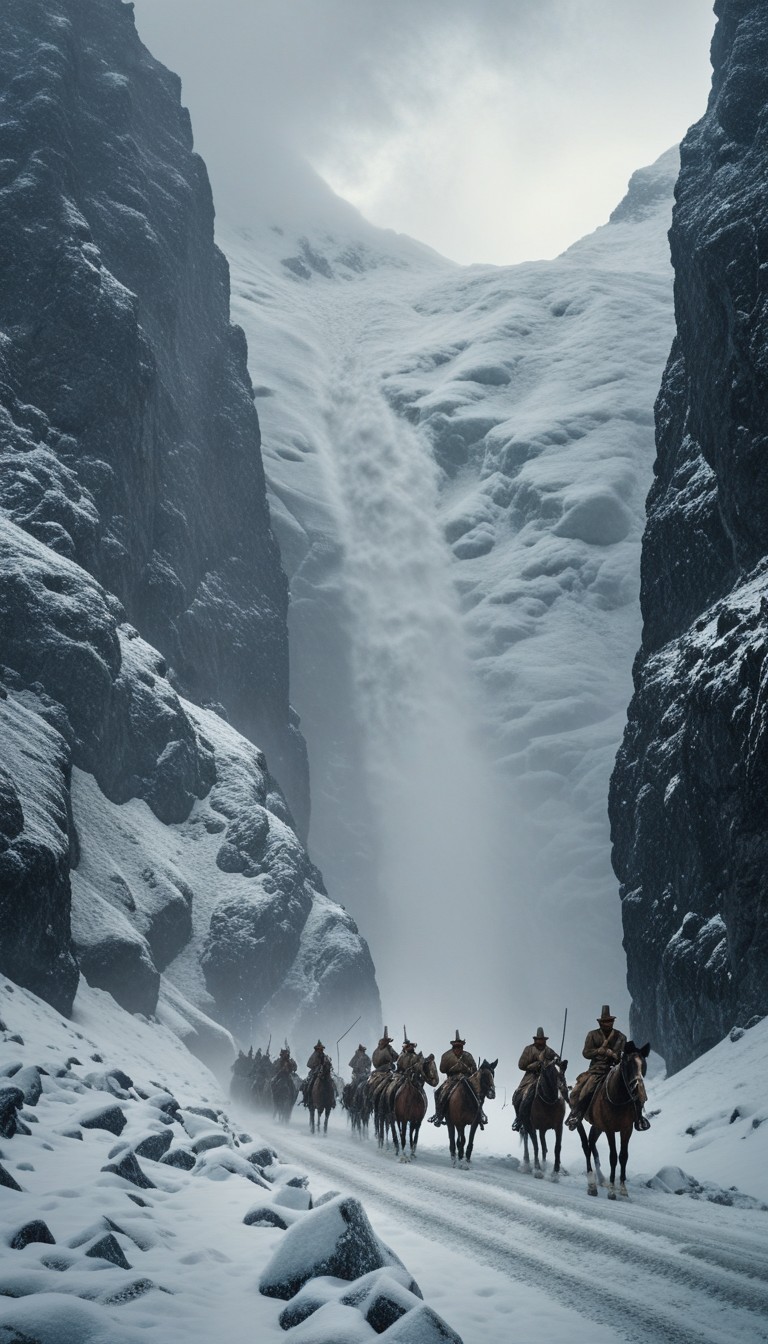
In June 1819, Bolívar executed one of the most daring military maneuvers in history. Leading roughly 2,500 troops—including British and Irish volunteers—he marched his army across the Andes through the Páramo de Pisba at over 13,000 feet elevation in the dead of winter. Hundreds died from cold and altitude. The Spanish never imagined an army could cross there. When Bolívar's half-frozen but battle-hardened force descended into New Granada, the royalists were completely unprepared.
August 7, 1819
Boyacá, Colombia
Victory at Boyacá
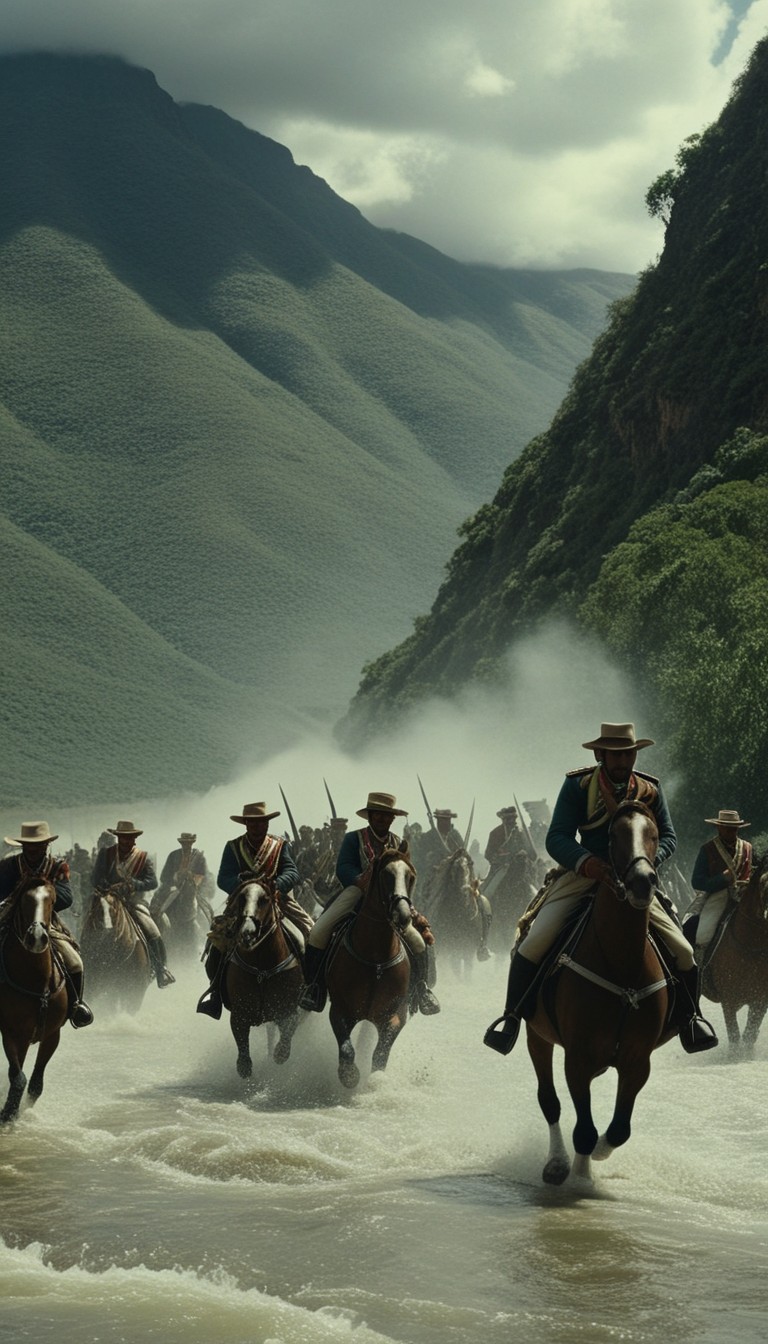
On August 7, 1819, Bolívar met the royalist forces at the Battle of Boyacá, a stone bridge over a small river in the Colombian highlands. The engagement lasted barely two hours. His cavalry cut off the Spanish retreat while infantry overwhelmed the center. Over 1,600 royalists were captured, including their commander. The Spanish Viceroy fled Bogotá that same night. New Granada—modern Colombia—was free. Bolívar rode into the capital three days later as its liberator.
1819–1825
Gran Colombia & Peru
Gran Colombia
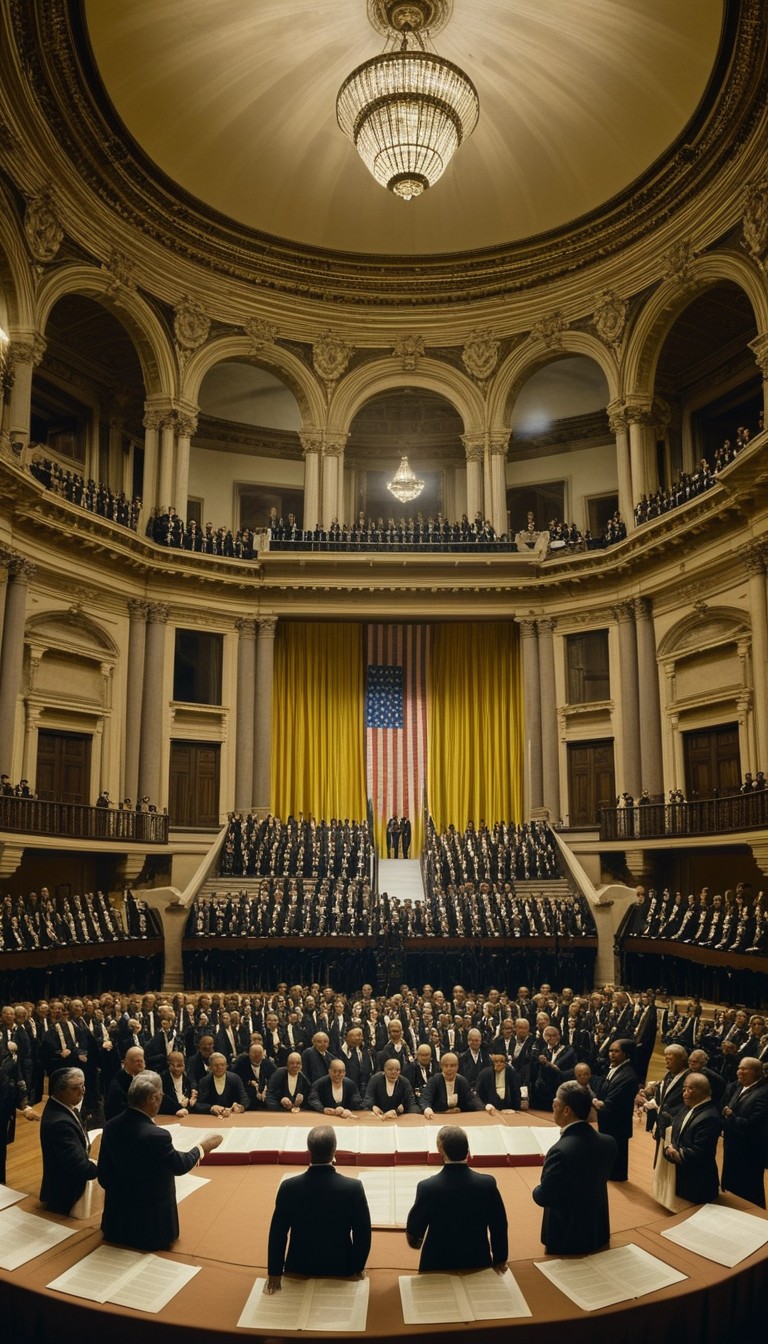
In December 1819, the Congress of Angostura created Gran Colombia—a new republic uniting Venezuela, New Granada, and Ecuador. Bolívar became its first president. Over the next six years, he continued his campaigns south, liberating Ecuador in 1822, Peru in 1824, and creating the nation of Bolivia—named in his honor—in 1825. Six nations freed. But governing proved far harder than fighting. Regional rivalries, political factions, and Bolívar's authoritarian tendencies began fracturing the grand union he had built.
1826–1830
Santa Marta, Colombia
Disillusionment and Death
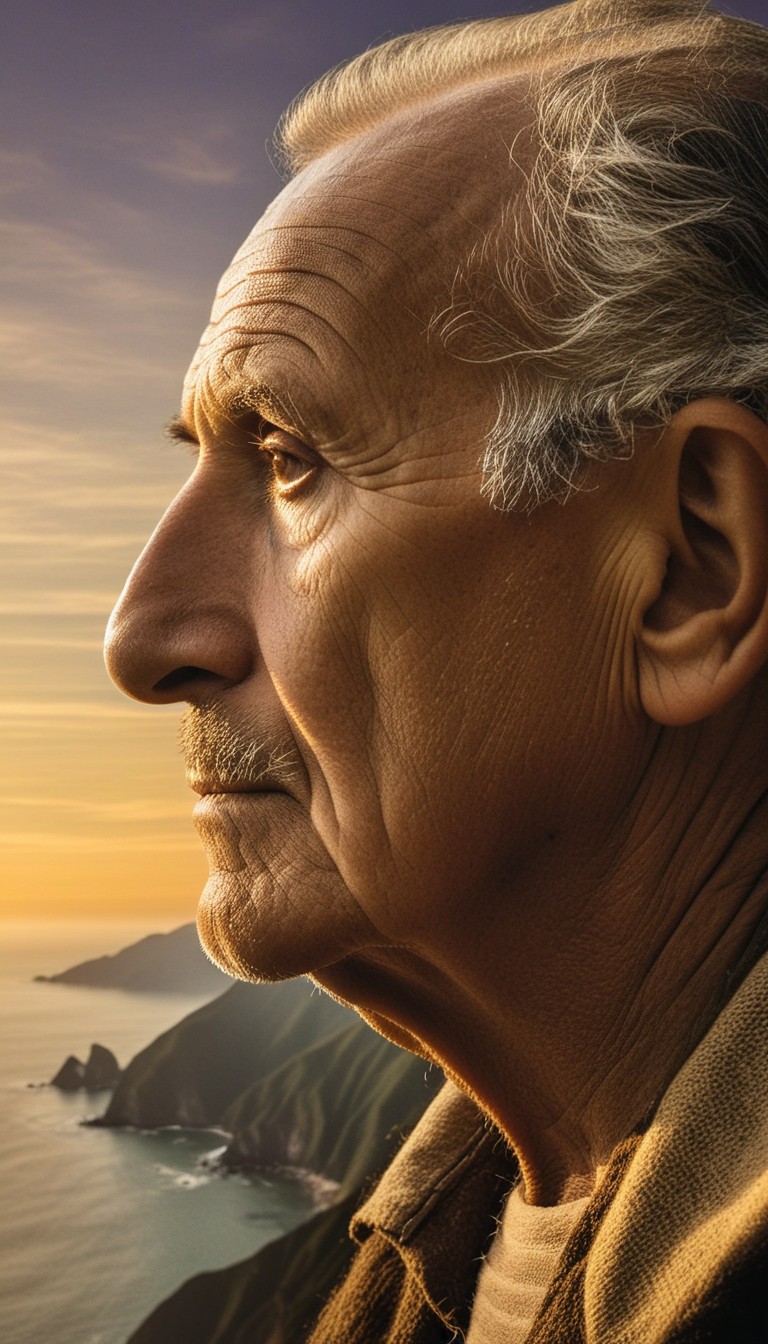
By the late 1820s, the continent Bolívar had liberated was tearing itself apart. Gran Colombia fractured into separate nations. Assassination attempts haunted him. His beloved partner Manuela Sáenz kept him alive through one plot in 1828, but the political wounds ran deeper than daggers could reach. He resigned the presidency in 1830, suffering from tuberculosis, betrayed by allies, and heartbroken by the collapse of his dream. He died on December 17, 1830, near Santa Marta, Colombia, at age 47—calling himself "he who plowed the sea."
Six Nations, One Liberator
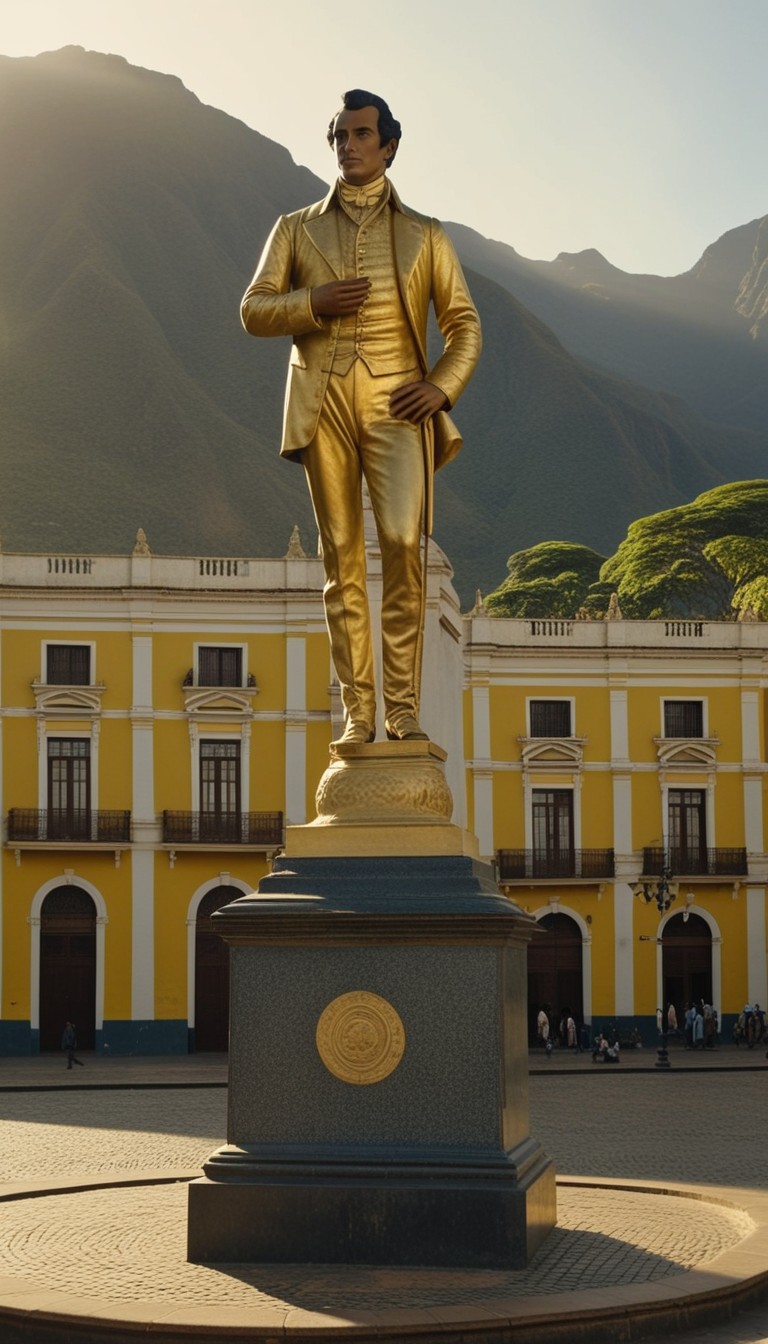
Simón Bolívar freed six nations from Spanish colonial rule: Venezuela, Colombia, Ecuador, Peru, Bolivia, and Panama. He led over 100 battles, crossed the Andes in winter, and marched his armies tens of thousands of kilometers across a continent. His dream of a united South America was not realized in his lifetime, and he died believing he had failed. Yet today his statue stands in the central square of virtually every major city he liberated—a reminder that the man who thought he had plowed the sea had, in fact, changed it forever.
Recommended Reading
As an Amazon Associate, we earn from qualifying purchases.
Swipe to navigate