
Joan of Arc: The Maid of Orléans
Loading story...

c. 1425
Domrémy, France
Voices from Heaven
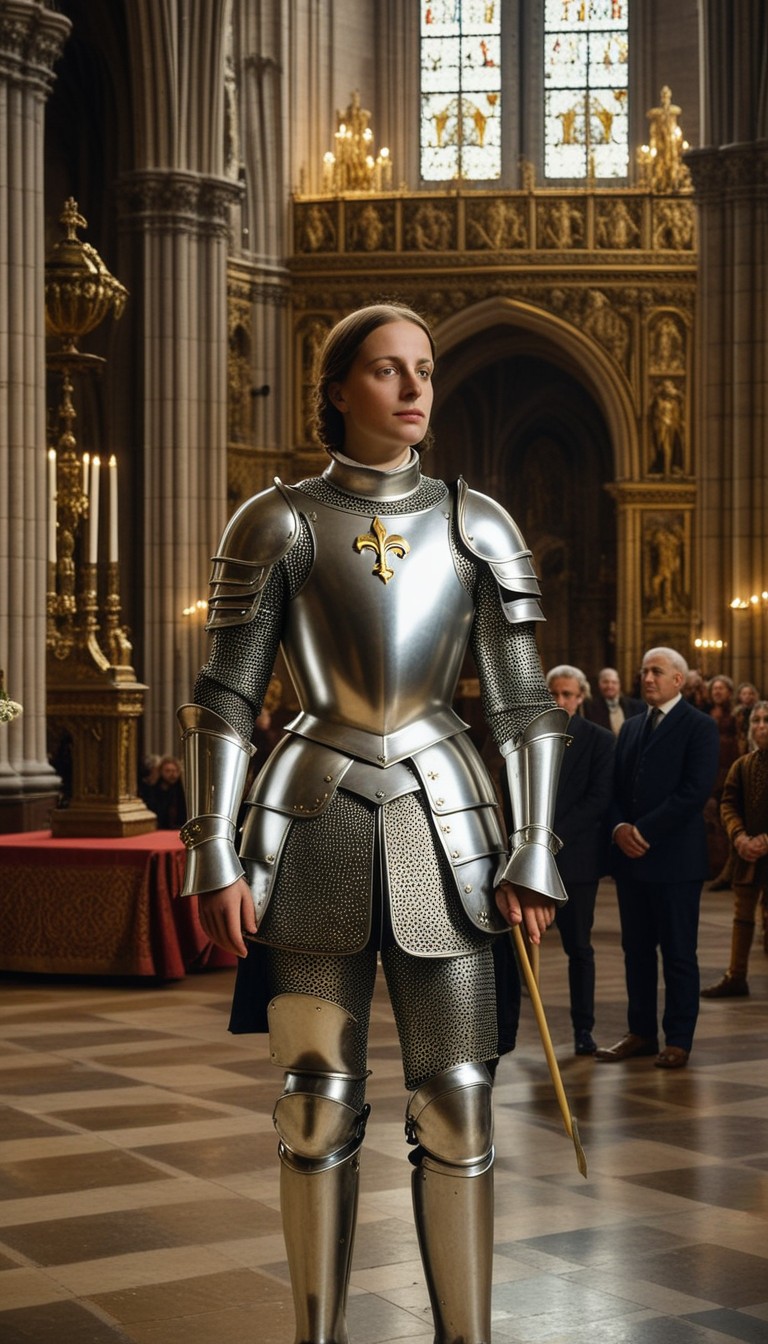
In the small village of Domrémy in northeastern France, a devout peasant girl named Jehanne — known to history as Joan of Arc — began hearing voices at around the age of thirteen. She believed them to be Saint Michael, Saint Catherine, and Saint Margaret, speaking on behalf of God. Their message was extraordinary: she was chosen to expel the English from France and ensure the Dauphin Charles was crowned king. To a girl who could neither read nor write, this was a divine commission that would reshape a nation.
March 1429
Chinon, France
Convincing the Dauphin
At seventeen, Joan traveled to Chinon to seek an audience with Charles VII, the uncrowned Dauphin of France. Skeptical courtiers arranged a test — Charles disguised himself among his nobles to see if she would recognize him. She walked directly to him. After extensive questioning and examination by theologians, Charles granted her request. He gave her armor, a banner, and command of a relief army. A teenage peasant girl was now leading France's battered forces.

April–May 1429
Orléans, France
The Siege of Orléans Lifted
Orléans had been under English siege for months, and its fall would have opened the road to all of southern France. Joan arrived on April 29, 1429, and transformed the morale of the French garrison instantly. Within nine days of her arrival, she led a series of bold assaults on the English fortifications surrounding the city. On May 8, 1429, the English abandoned the siege entirely. The Maid of Orléans had delivered her first miracle, and her legend was born.

June 1429
Loire Valley, France
The Loire Campaign
Fresh from Orléans, Joan pushed the French army into an aggressive campaign along the Loire Valley. In rapid succession, French forces captured Jargeau, Meung-sur-Loire, Beaugency, and Patay — where the English suffered a catastrophic defeat that shattered their field army. The pace was relentless and the victories were decisive. In little over a month, Joan had reversed years of English dominance and cleared the path north to Reims for the coronation march.
July 17, 1429
Reims, France
Coronation at Reims
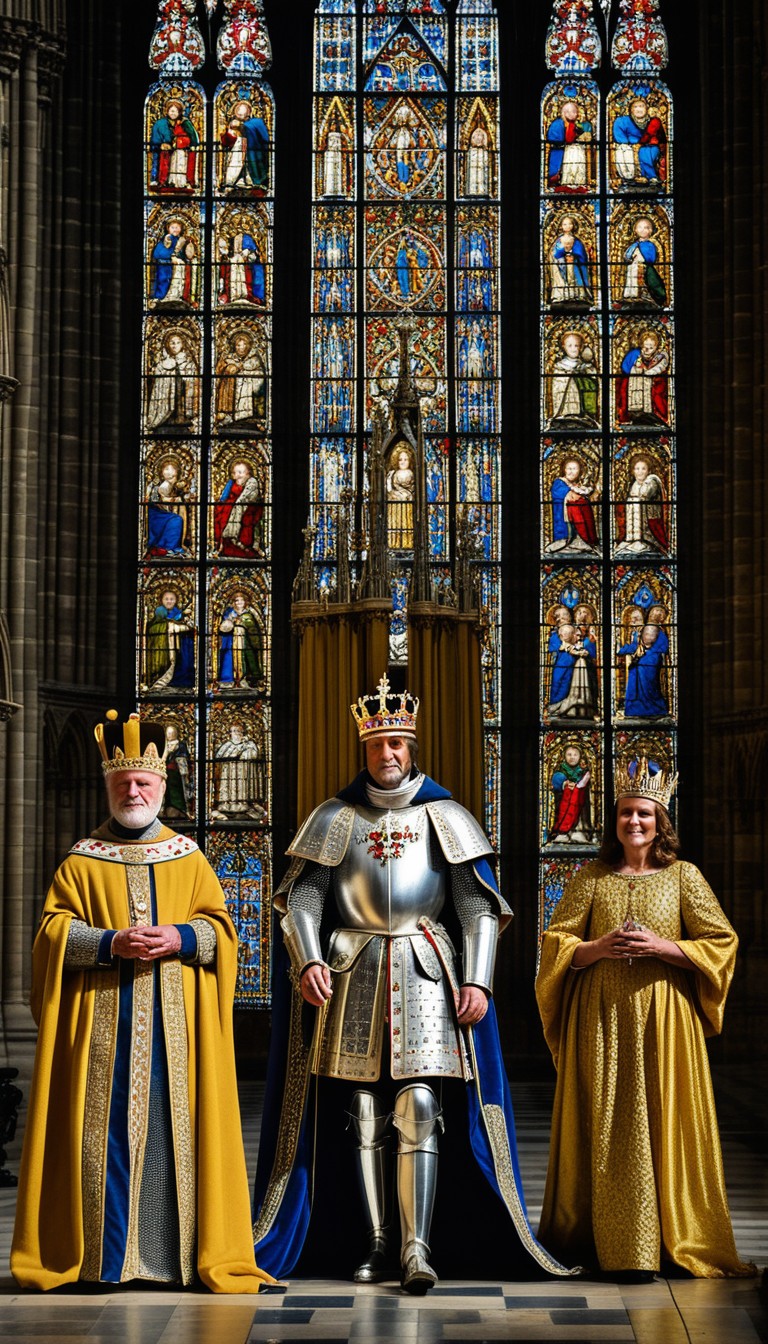
Joan's primary mission was always the coronation of Charles VII, and on July 17, 1429, she stood beside him in the Cathedral of Notre-Dame de Reims as he was anointed King of France. Joan wept with joy, reportedly telling Charles: "Noble king, now is accomplished the pleasure of God." The coronation at Reims — the traditional site of French royal anointings — gave Charles undeniable legitimacy and dealt a powerful symbolic blow to the English claim over France.

May 23, 1430
Compiègne, France
Captured at Compiègne
After the coronation, Joan's military fortunes began to turn. She failed to take Paris in September 1429, and fighting dragged into the following year. On May 23, 1430, while leading a sortie outside the walls of Compiègne, she was unhorsed and captured by Burgundian soldiers — French allies of the English. Charles VII made no effort to ransom or rescue her. The English paid a king's ransom of 10,000 livres to acquire the prisoner they feared most.
February–May 1431
Rouen, Normandy
Trial at Rouen
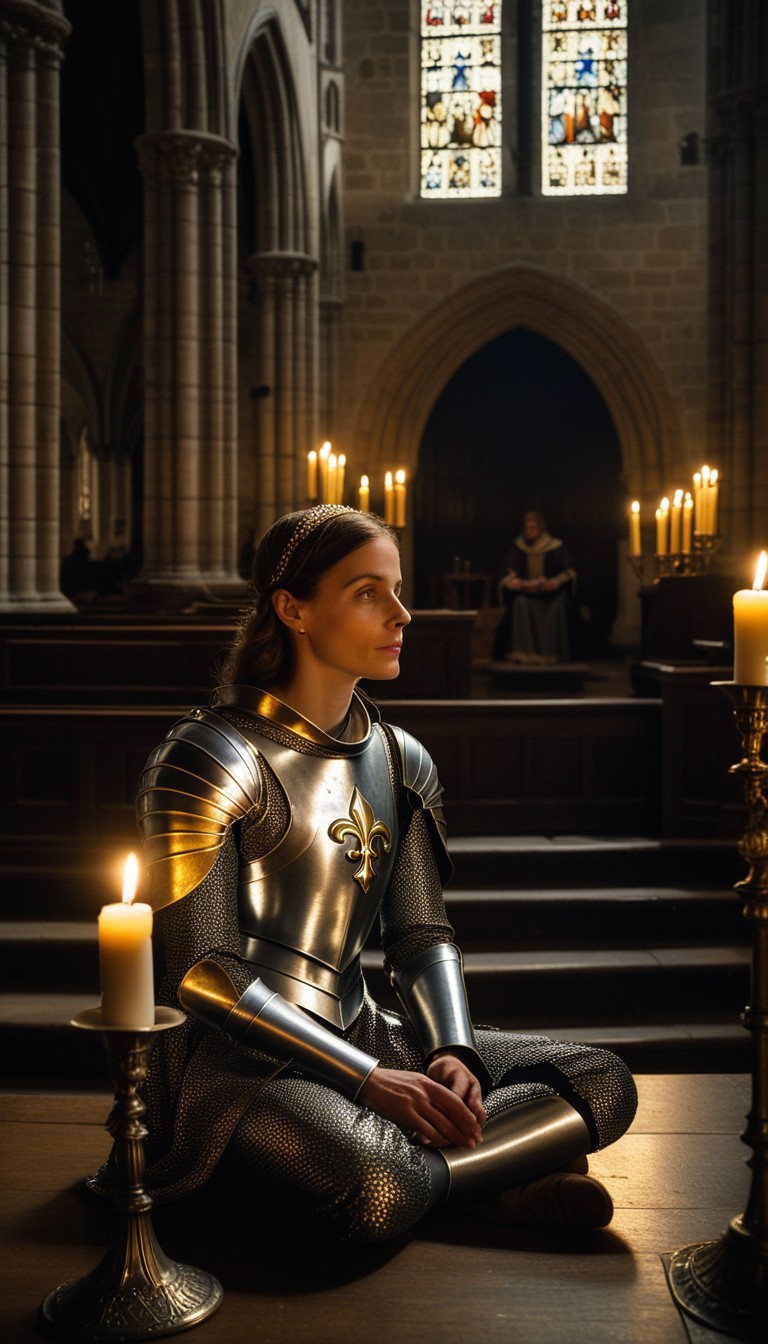
Joan was put on trial in Rouen in February 1431 before an ecclesiastical court controlled by English-allied Bishop Pierre Cauchon. The charges centered on heresy and wearing men's clothing — accusations designed to destroy her reputation and retroactively delegitimize the coronation she had made possible. For months she faced relentless questioning from trained theologians. Her responses, recorded in meticulous detail, revealed a sharp and unwavering mind. But the verdict was never in doubt. The trial was a political execution dressed in church robes.

May 30, 1431
Rouen, Normandy
Burned at the Stake
On May 30, 1431, Joan of Arc was burned at the stake in the Old Market Square of Rouen. She was nineteen years old. She asked for a cross to be held before her eyes, and her last word, shouted through the flames, was "Jesus." An English soldier watching reportedly said: "We are lost — we have burned a saint." Twenty-five years later, Pope Calixtus III ordered a retrial; Joan was formally declared innocent in 1456 and the original verdict annulled as fraudulent and unjust.
Saint, Martyr, and Symbol of France
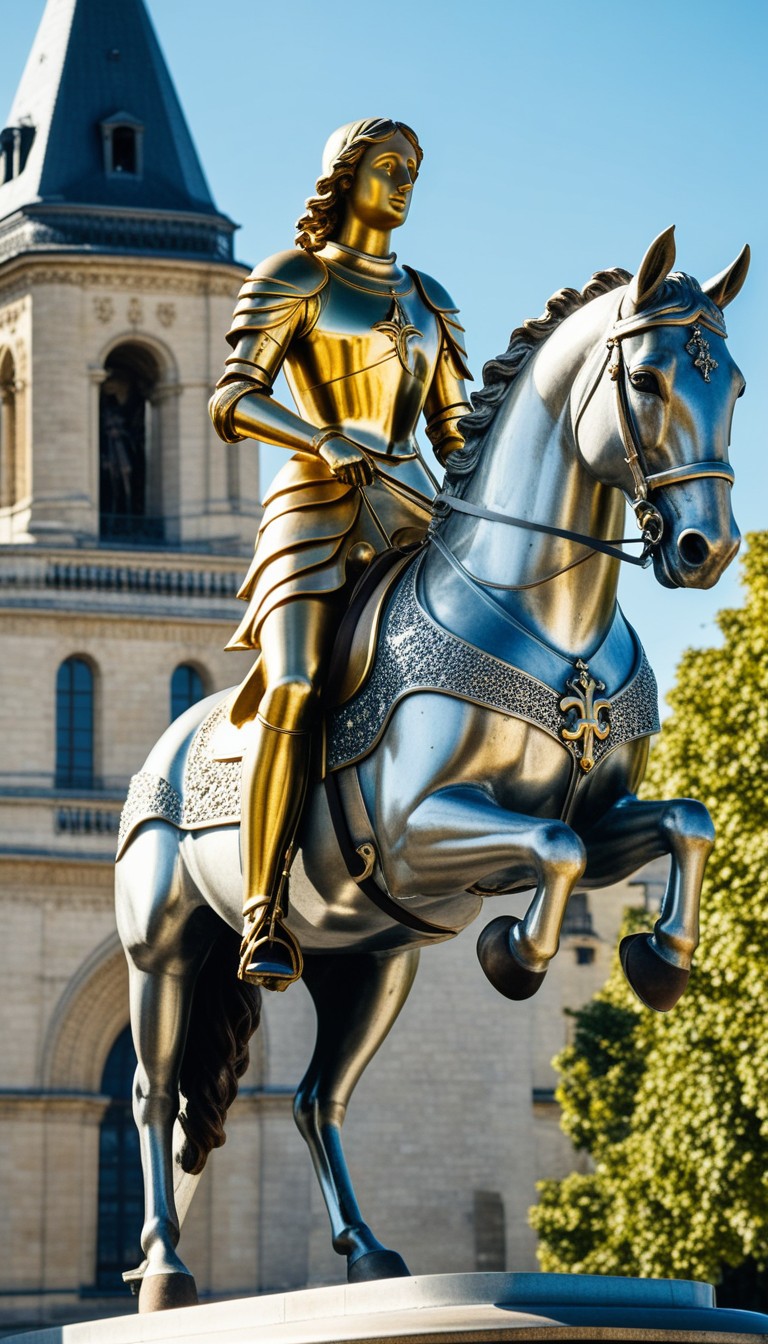
Nearly five centuries after her death, on May 16, 1920, Pope Benedict XV canonized Joan of Arc as a saint of the Catholic Church. She had already become the patron saint of France and one of the most painted, sculpted, and written-about figures in all of history. A peasant girl who heard voices, who led armies and won, who was betrayed, tried, and burned — and whose courage outlasted every empire that sought to extinguish it. Joan of Arc remains history's most enduring proof that one person, against all reason, can change the world.
Recommended Reading
As an Amazon Associate, we earn from qualifying purchases.


Swipe to navigate