Martin Luther King Jr.: I Have a Dream
Loading story...
1929
Atlanta, Georgia
Born in Atlanta, Son of a Preacher
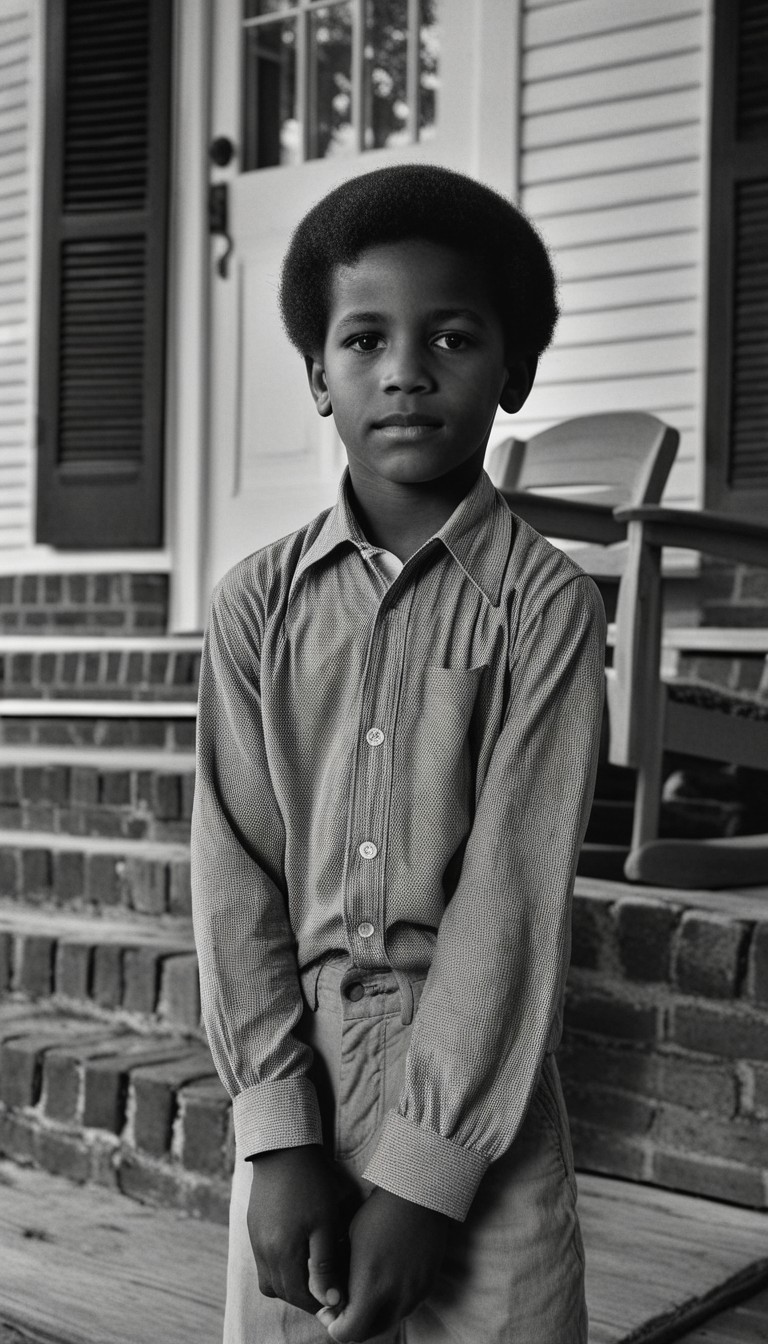
On January 15, 1929, Michael King Jr. was born on Auburn Avenue in Atlanta, Georgia—the heart of the city's Black middle-class community known as "Sweet Auburn." His father, Michael King Sr., was a prominent Baptist preacher who later changed both their names to Martin Luther King in honor of the German reformer. Growing up in the Ebenezer Baptist Church, young Martin absorbed a gospel of dignity and justice. He was brilliant—entering Morehouse College at just fifteen years old.
1955–1956
Montgomery, Alabama
Montgomery Bus Boycott, 1955
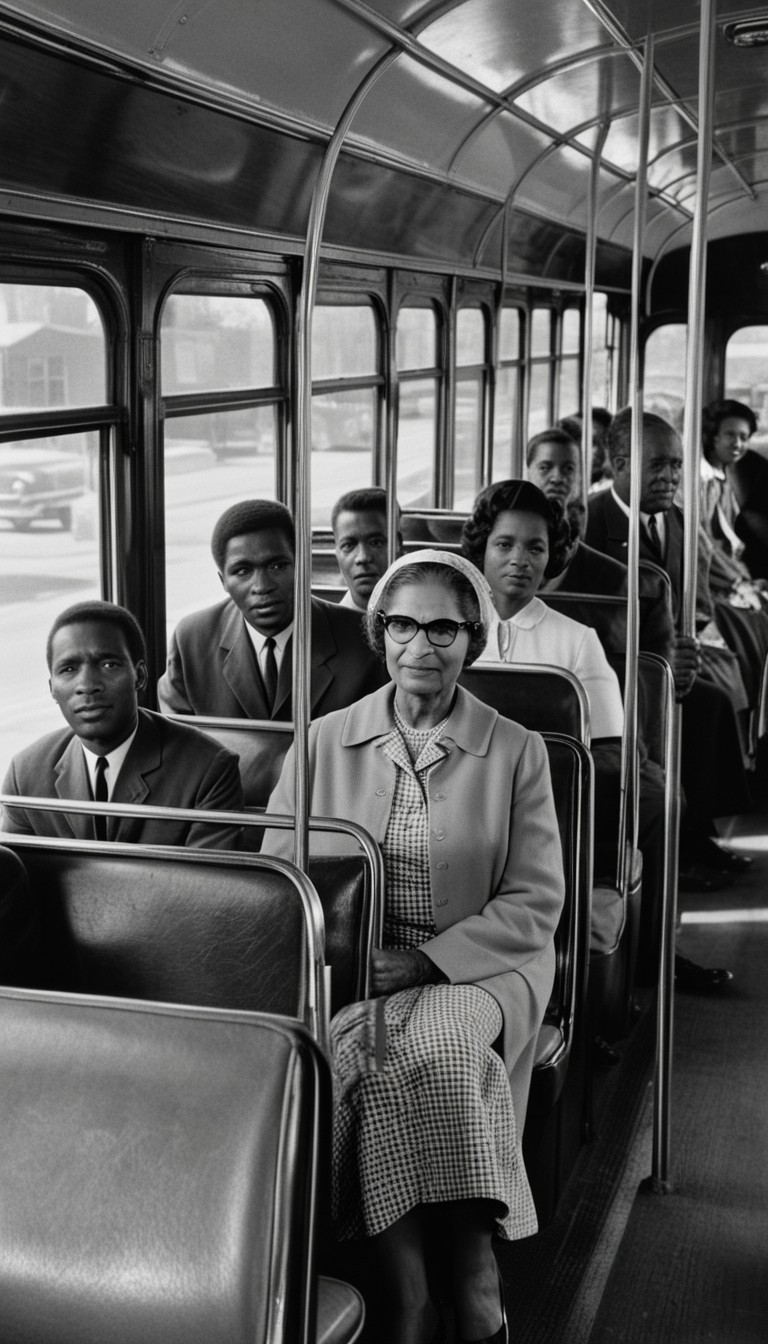
On December 1, 1955, Rosa Parks refused to give up her seat on a Montgomery, Alabama bus and was arrested. The Black community responded with a citywide bus boycott that would last 381 days. At 26 years old, the newly arrived pastor of Dexter Avenue Baptist Church—Dr. Martin Luther King Jr.—was chosen to lead the Montgomery Improvement Association. His home was bombed. He received death threats nightly. But the boycott held, and in November 1956 the Supreme Court ruled bus segregation unconstitutional. A movement was born.
1957
Atlanta, Georgia
Southern Christian Leadership Conference
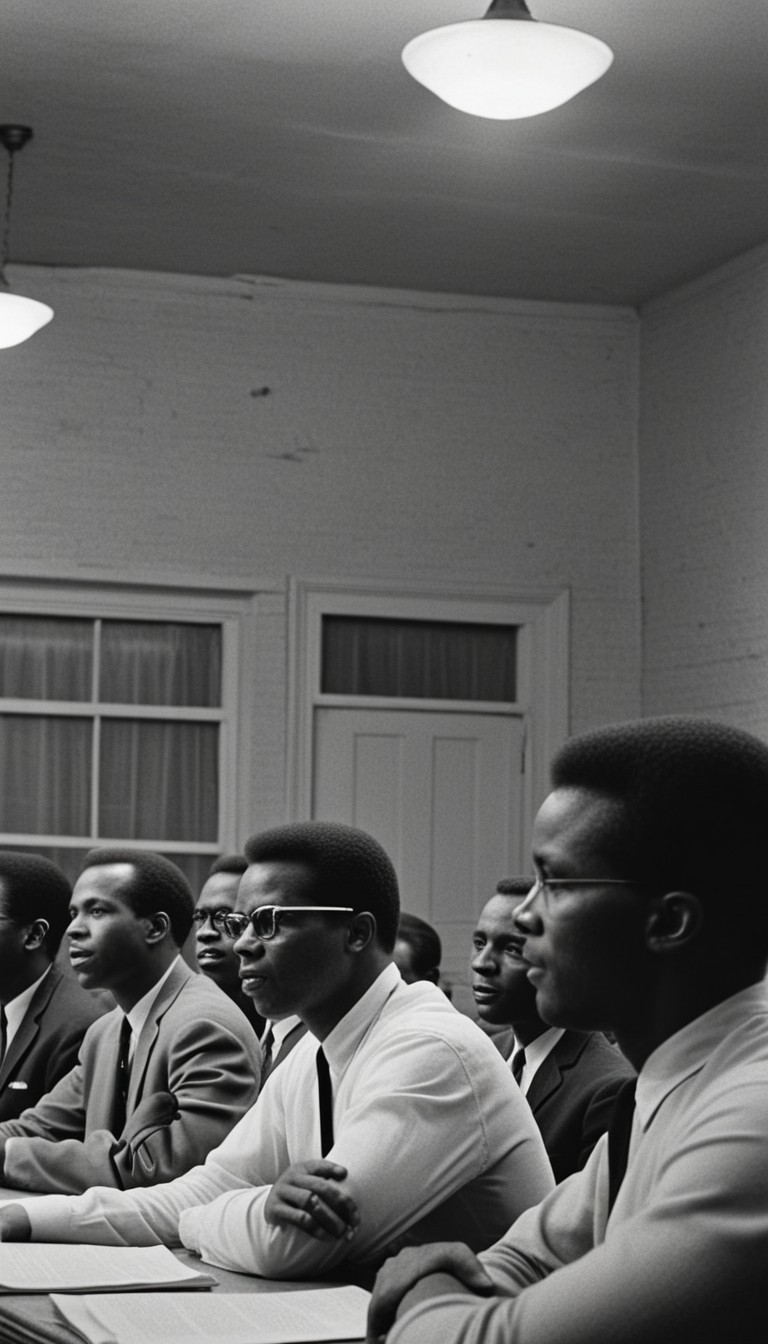
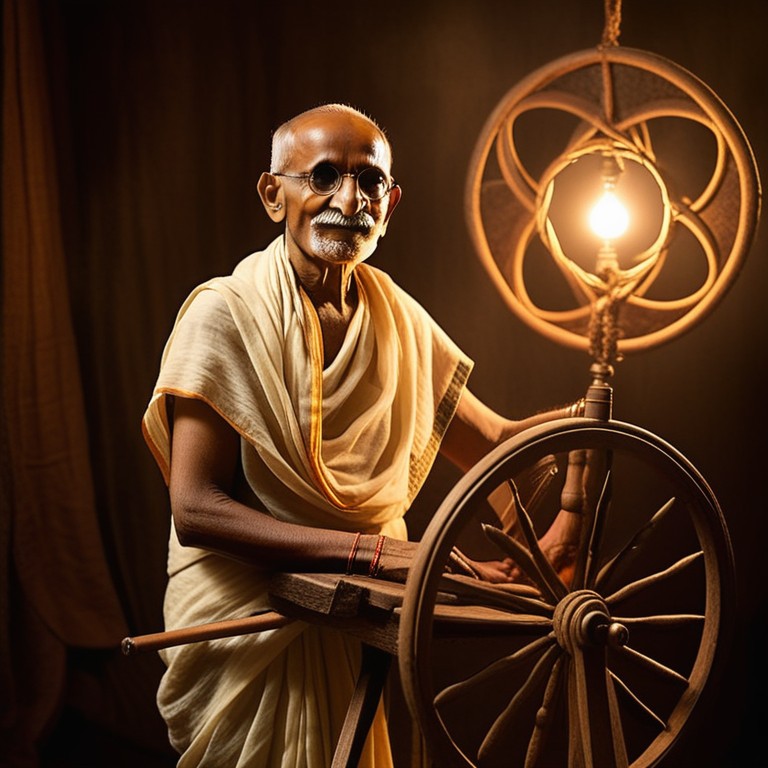
Buoyed by the Montgomery victory, King and other Black ministers founded the Southern Christian Leadership Conference (SCLC) in January 1957. The organization would become the strategic backbone of the civil rights movement, using Black churches as organizing hubs across the South. King was elected its first president. Rooted in the philosophy of nonviolent resistance he had studied in Gandhi's campaign against British rule in India, the SCLC aimed to dismantle segregation through moral force, not violence.
April–May 1963
Birmingham, Alabama
Birmingham Campaign and Letter from Jail
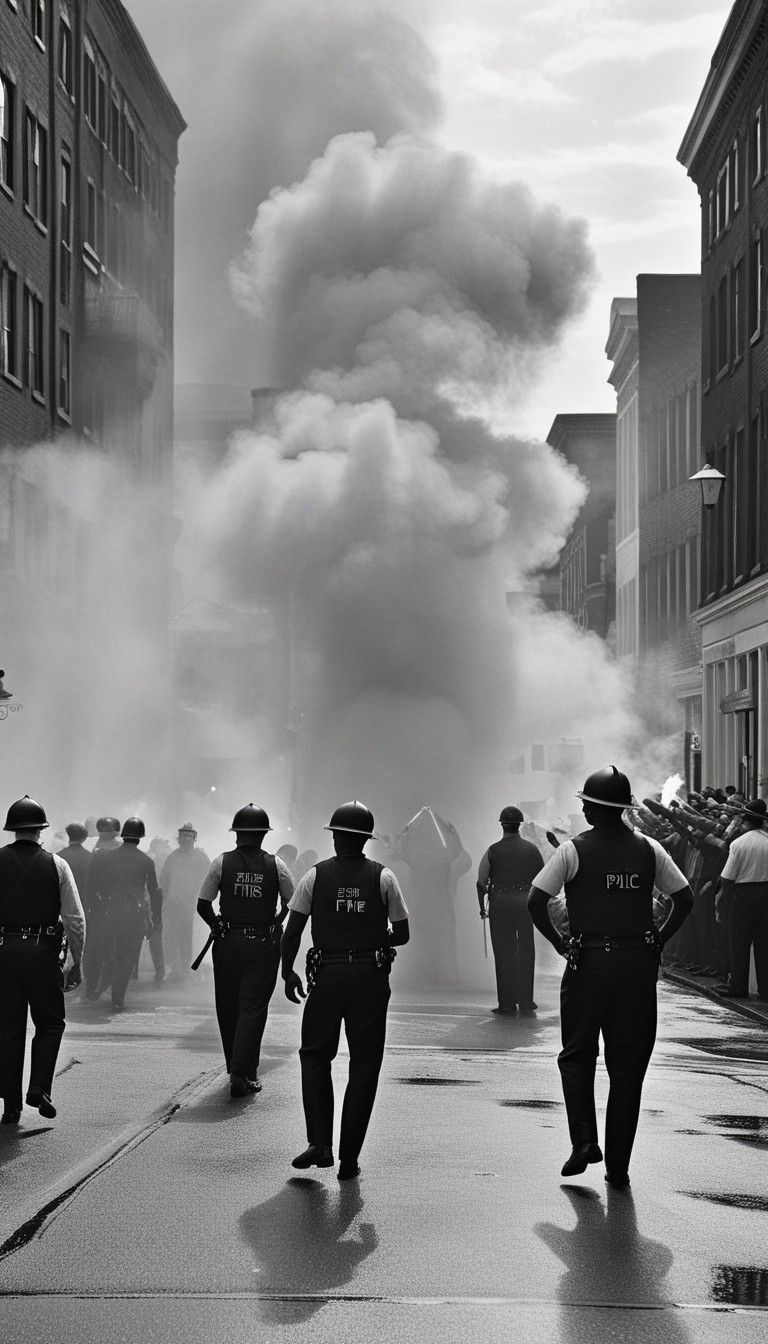
In the spring of 1963, King targeted Birmingham, Alabama—one of the most violently segregated cities in America. Public Safety Commissioner Bull Connor unleashed fire hoses and police dogs on peaceful marchers, including children. The brutal images shocked the nation and the world. When white clergymen published a letter urging King to be patient, he responded from his jail cell with the "Letter from Birmingham Jail"—a masterwork of moral argument that declared: "Injustice anywhere is a threat to justice everywhere."
August 28, 1963
Washington, D.C.
March on Washington and "I Have a Dream"
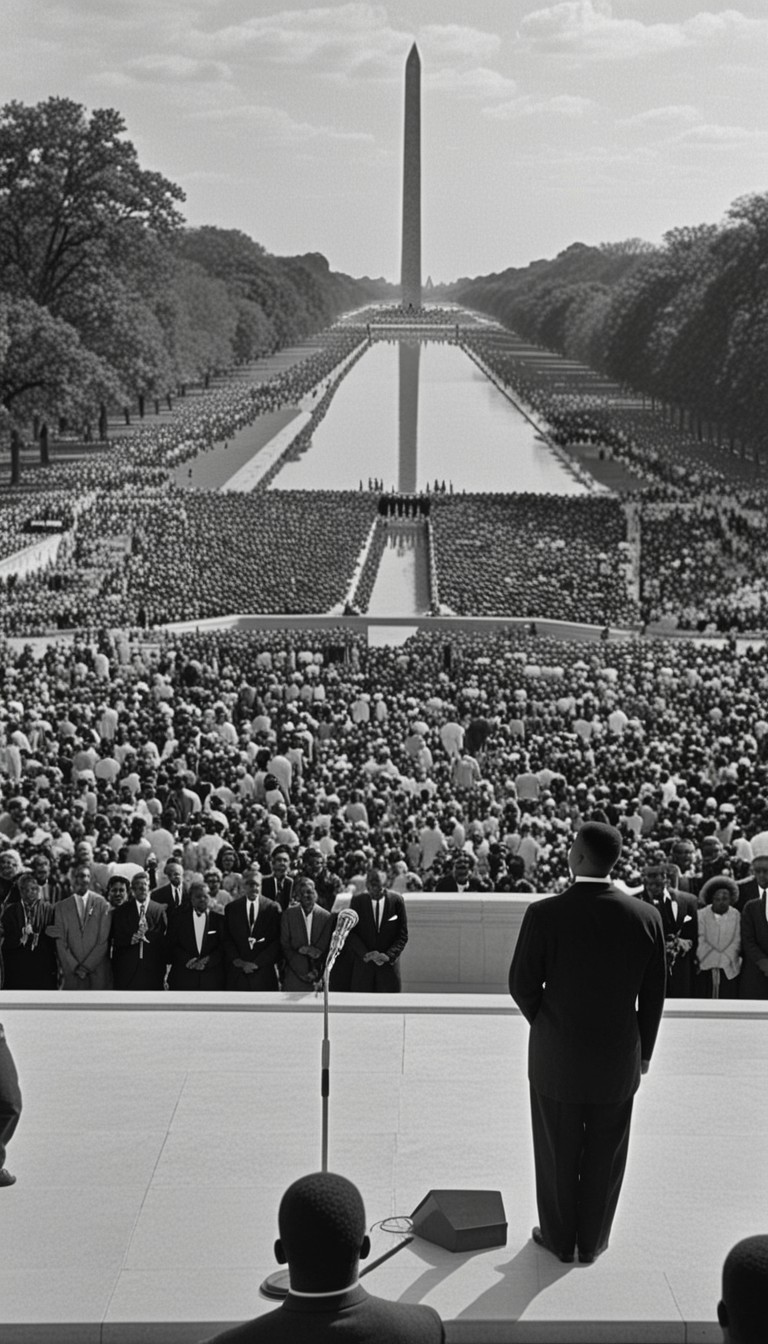
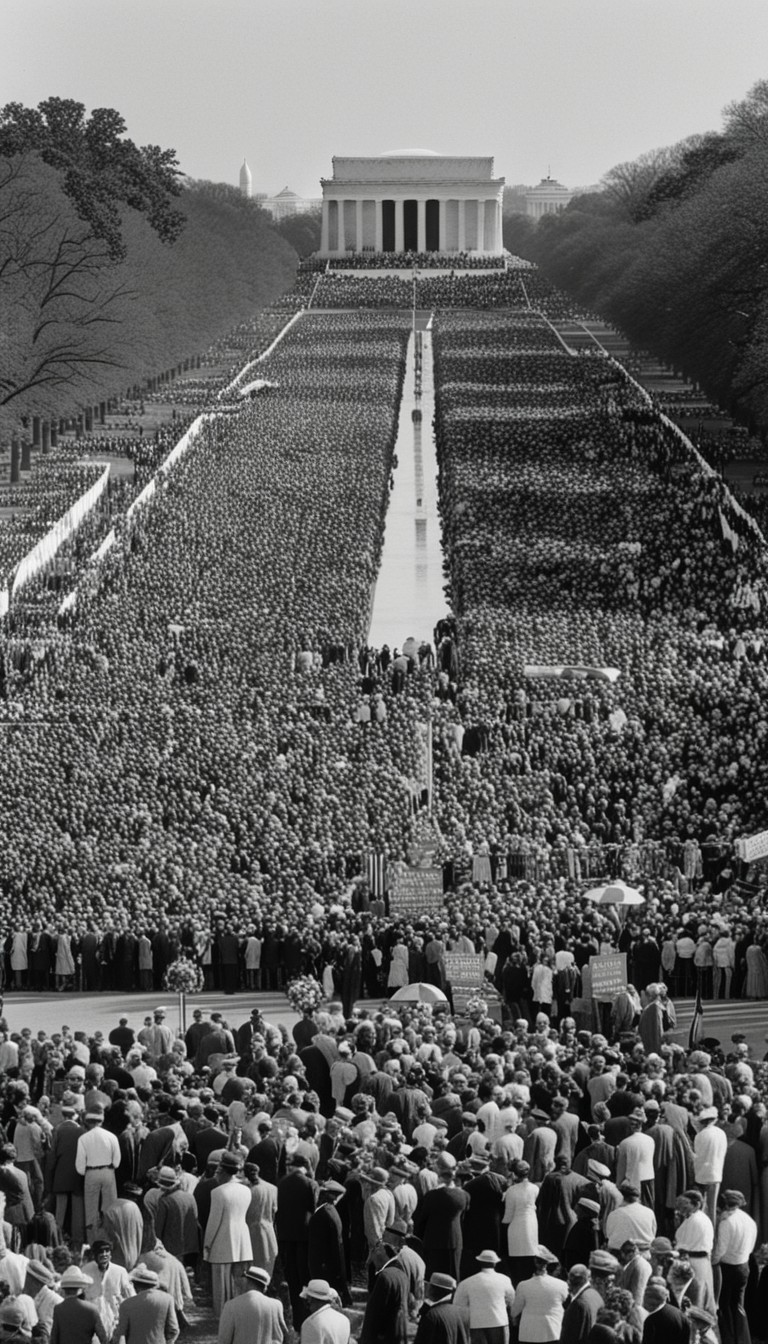
On August 28, 1963, over 250,000 people gathered at the Lincoln Memorial for the March on Washington for Jobs and Freedom. It was the largest political demonstration in American history to that point. Closing the day, King departed from his prepared text and began to improvise, summoning the prophetic tradition of the Black church: "I have a dream that my four little children will one day live in a nation where they will not be judged by the color of their skin but by the content of their character." The speech redefined American democratic idealism.
October 1964
Oslo, Norway
Nobel Peace Prize, 1964
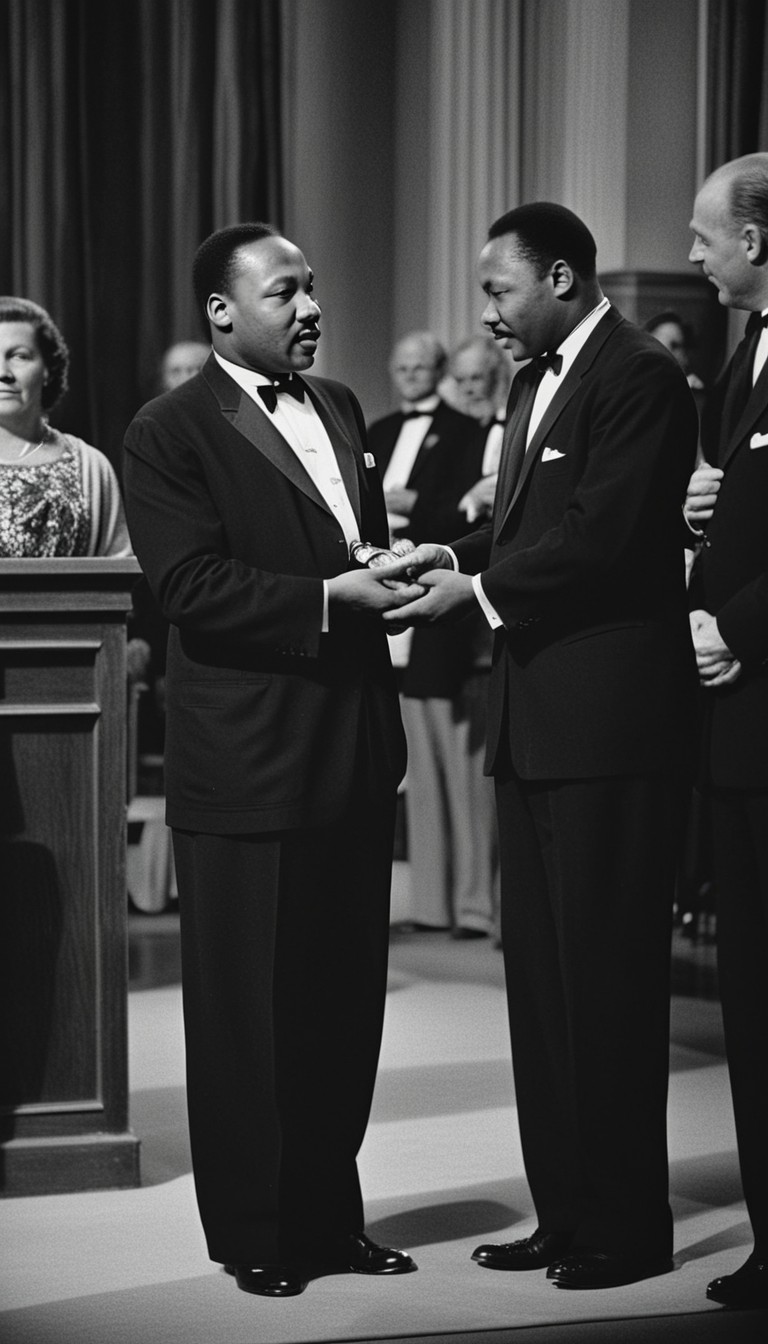
On October 14, 1964, Martin Luther King Jr. was awarded the Nobel Peace Prize—at 35, the youngest recipient in history at that time. He donated the entire $54,123 prize to the civil rights movement. In his Nobel Lecture, he declared that nonviolence was not passive but a powerful moral force that could transform oppressors as well as the oppressed. The award also came just weeks after President Lyndon B. Johnson signed the Civil Rights Act of 1964 into law, outlawing discrimination based on race, color, religion, sex, or national origin.
March 1965
Selma to Montgomery, Alabama
Selma to Montgomery and the Voting Rights Act
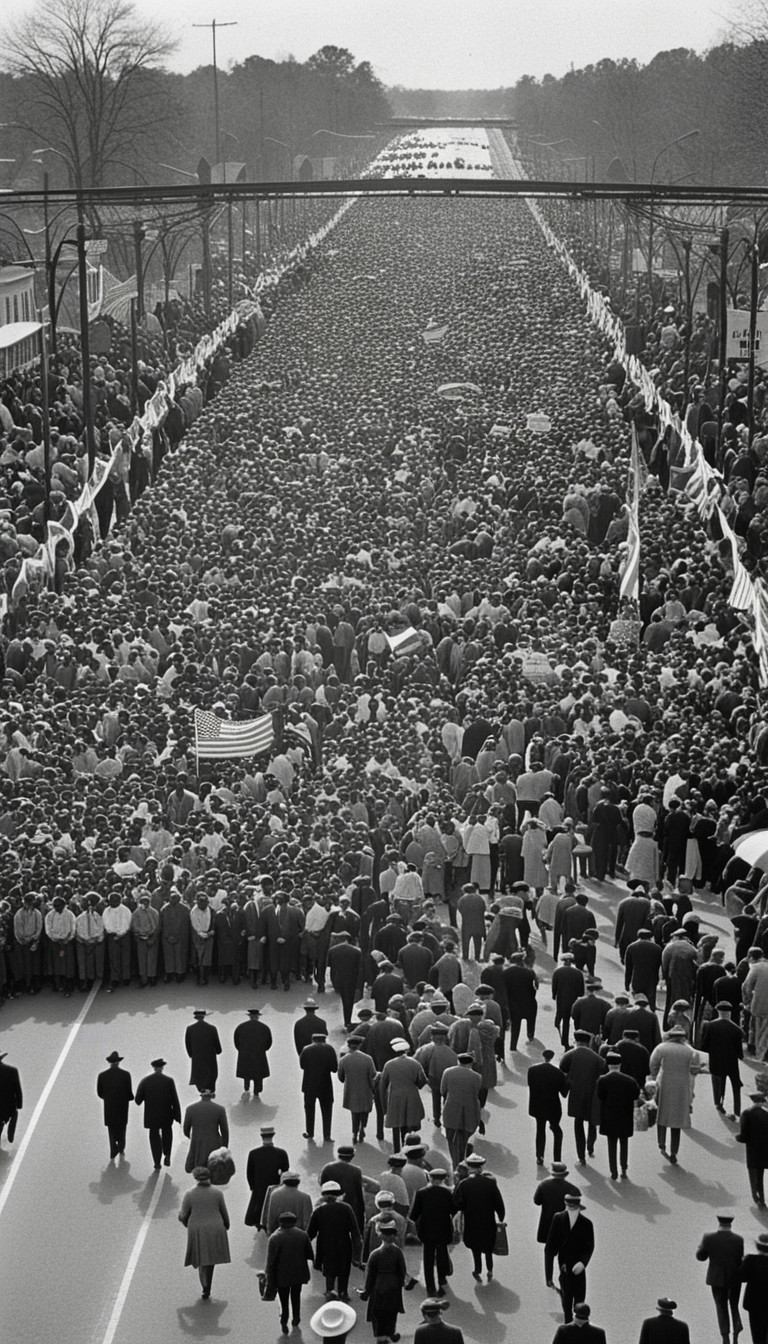
Despite the Civil Rights Act, Black Southerners were systematically denied the right to vote through literacy tests, poll taxes, and terror. King and the SCLC launched a voting rights campaign in Selma, Alabama. On March 7, 1965—"Bloody Sunday"—state troopers attacked marchers with clubs and tear gas as they crossed the Edmund Pettus Bridge. The televised brutality horrified the nation. Two weeks later, King led 25,000 marchers all the way to Montgomery. President Johnson signed the Voting Rights Act of 1965 that August.
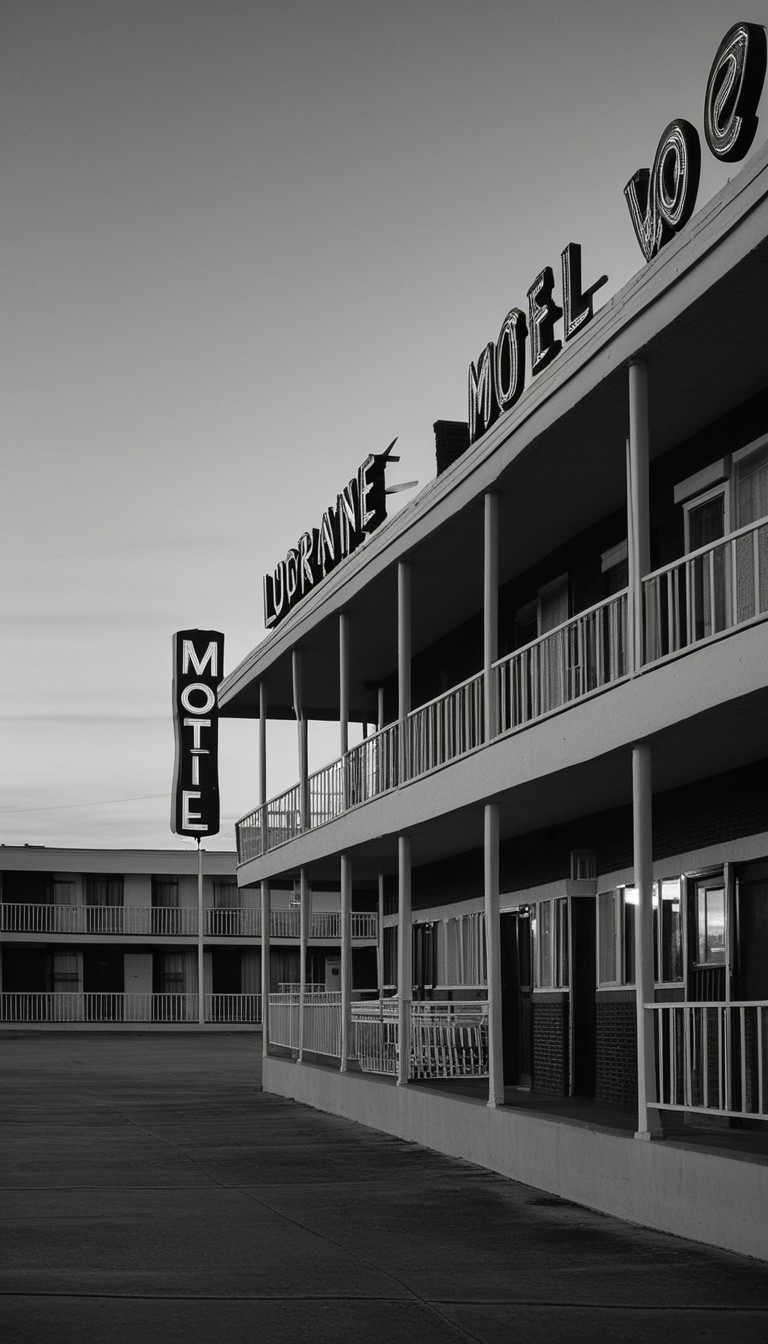
April 4, 1968
Memphis, Tennessee
Assassination in Memphis, 1968
By 1968, King had expanded his vision to challenge poverty and the Vietnam War. He traveled to Memphis, Tennessee, to support striking Black sanitation workers. On the evening of April 4, standing on the second-floor balcony of the Lorraine Motel, King was struck by a sniper's bullet. He was pronounced dead at St. Joseph's Hospital at 7:05 p.m. He was 39 years old. His assassination sent shockwaves of grief and rage across the nation. Within days, Congress passed the Fair Housing Act of 1968—the last major piece of civil rights legislation he had championed.
The Legacy of Nonviolent Resistance
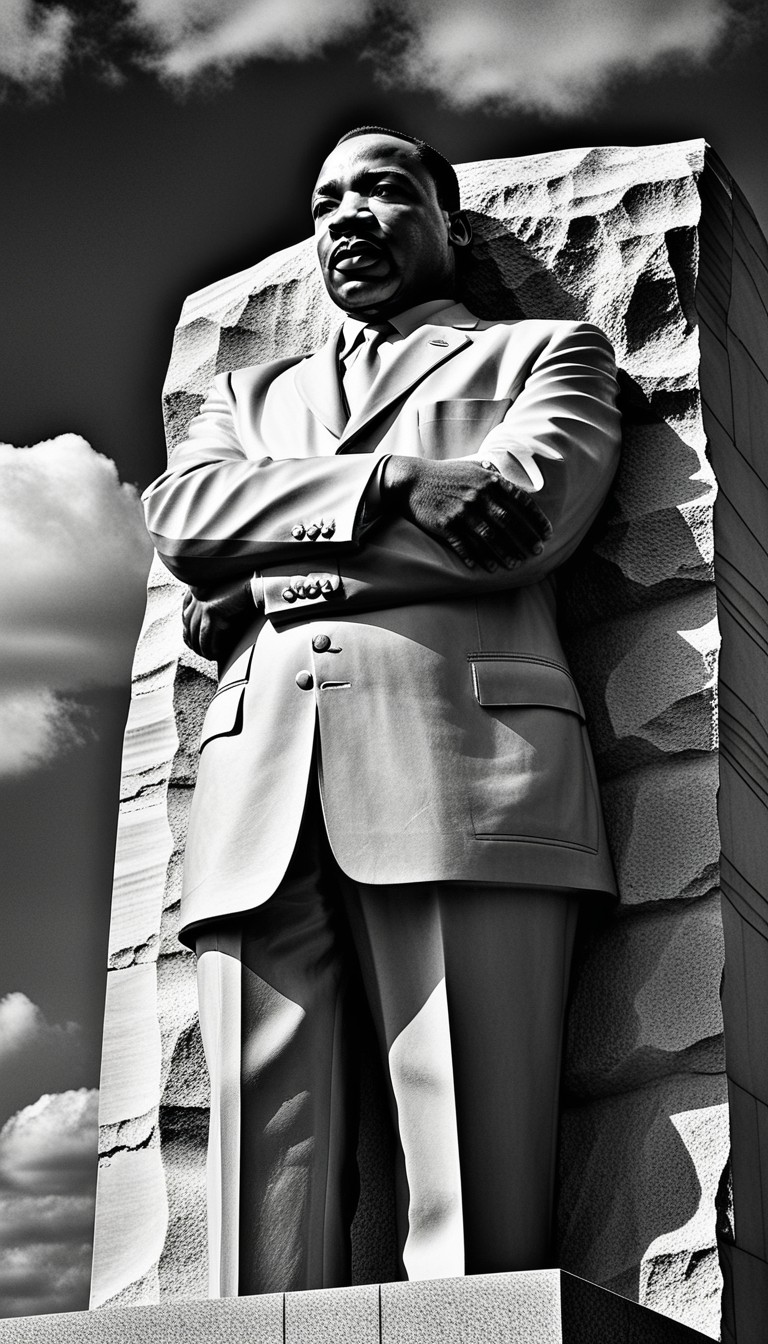
Martin Luther King Jr. proved that moral courage and organized nonviolent resistance could move a nation. In thirteen years of leadership, he helped dismantle the legal architecture of Jim Crow segregation, secured landmark federal legislation, and articulated a vision of America's highest ideals that still resonates. The movement he led inspired democratic struggles around the world—from South Africa to Northern Ireland to Tiananmen Square. His birthday is now a federal holiday. At the National Mall, a monument carved from granite bears his image—and the words he lived by: "Out of the mountain of despair, a stone of hope."
Recommended Reading
As an Amazon Associate, we earn from qualifying purchases.


Swipe to navigate