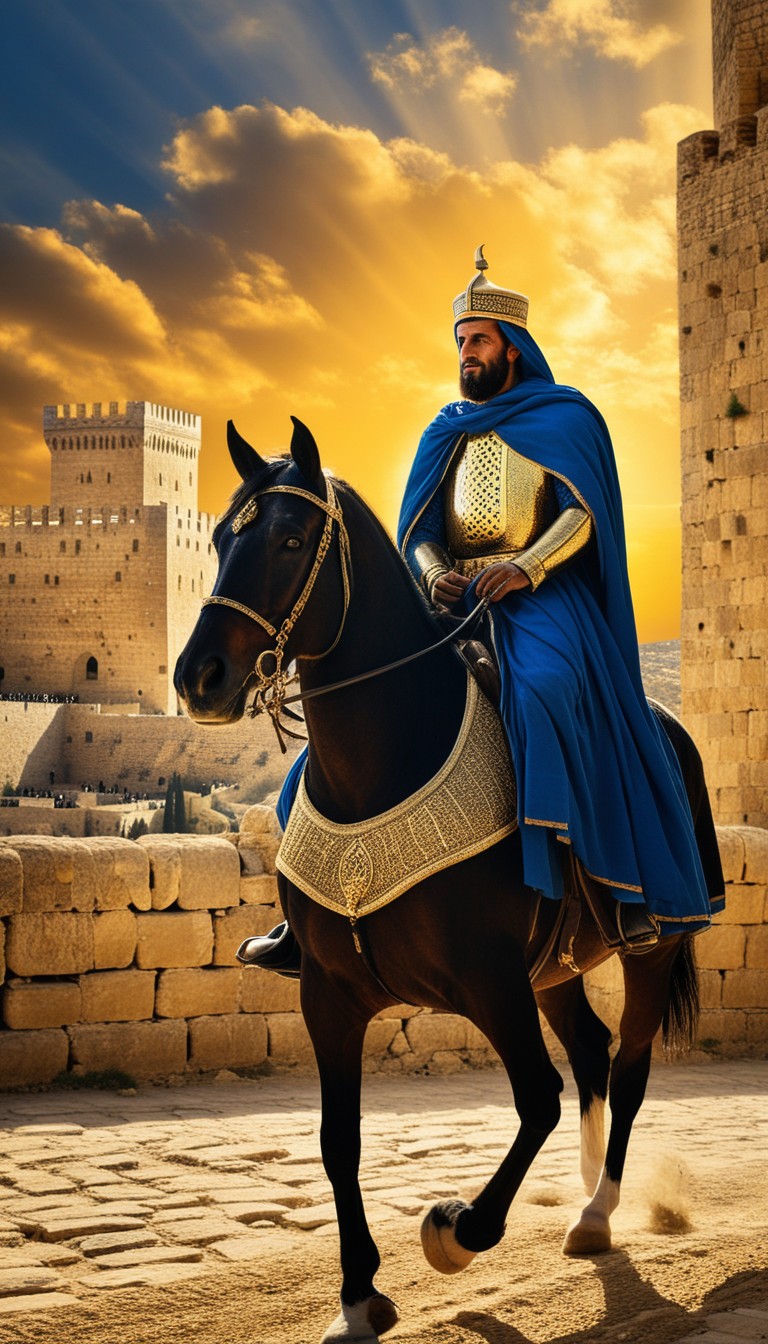
Saladin: The Sultan Who Reclaimed Jerusalem
Loading story...
1137
Tikrit / Damascus
Born in Tikrit
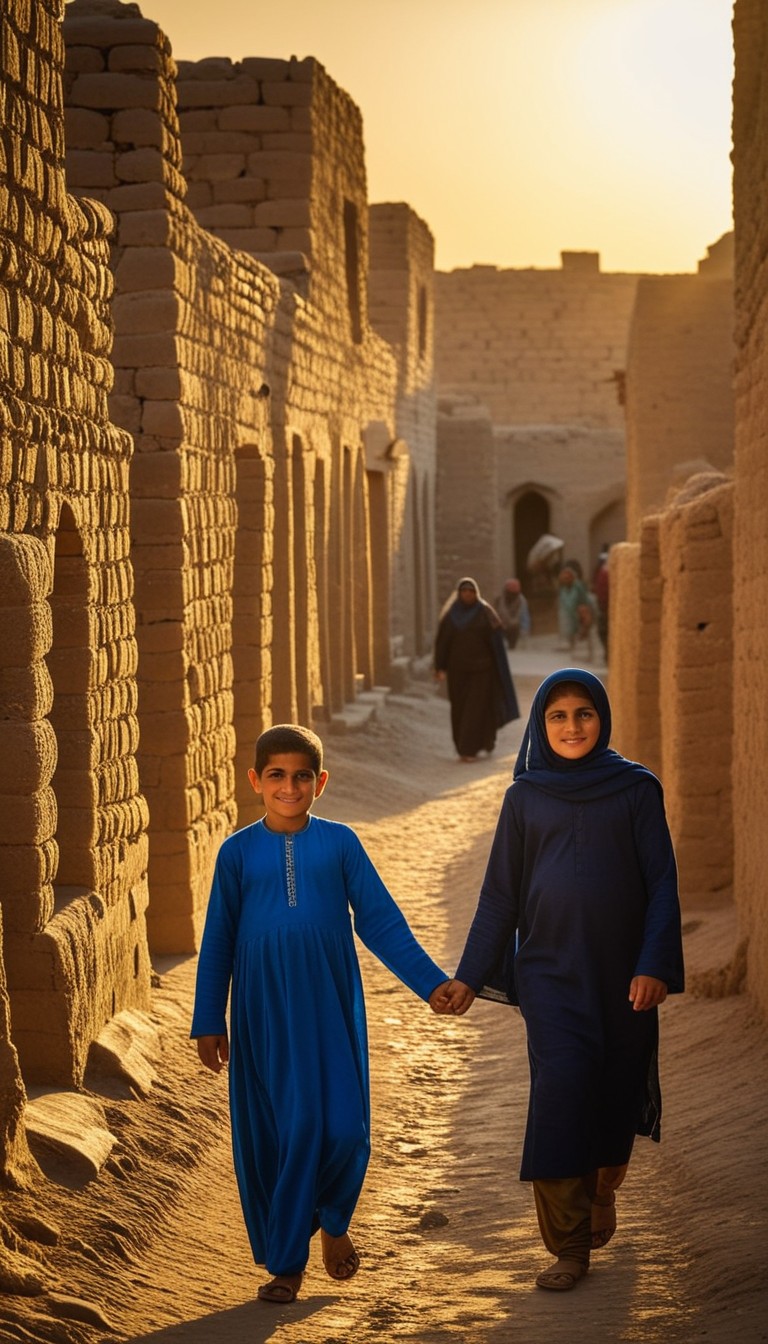
In 1137, a boy named Yusuf ibn Ayyub was born in the city of Tikrit, along the Tigris River in present-day Iraq, into a prominent Kurdish family of soldiers and administrators. Shortly after his birth, his father Najm ad-Din Ayyub accepted a posting in Damascus, the gleaming capital of Muslim Syria. It was among Damascus's mosques, markets, and military men that the boy who would one day be called Saladin—Salah ad-Din, "Righteousness of the Faith"—was shaped.
1164–1169
Egypt
Campaigns in Egypt
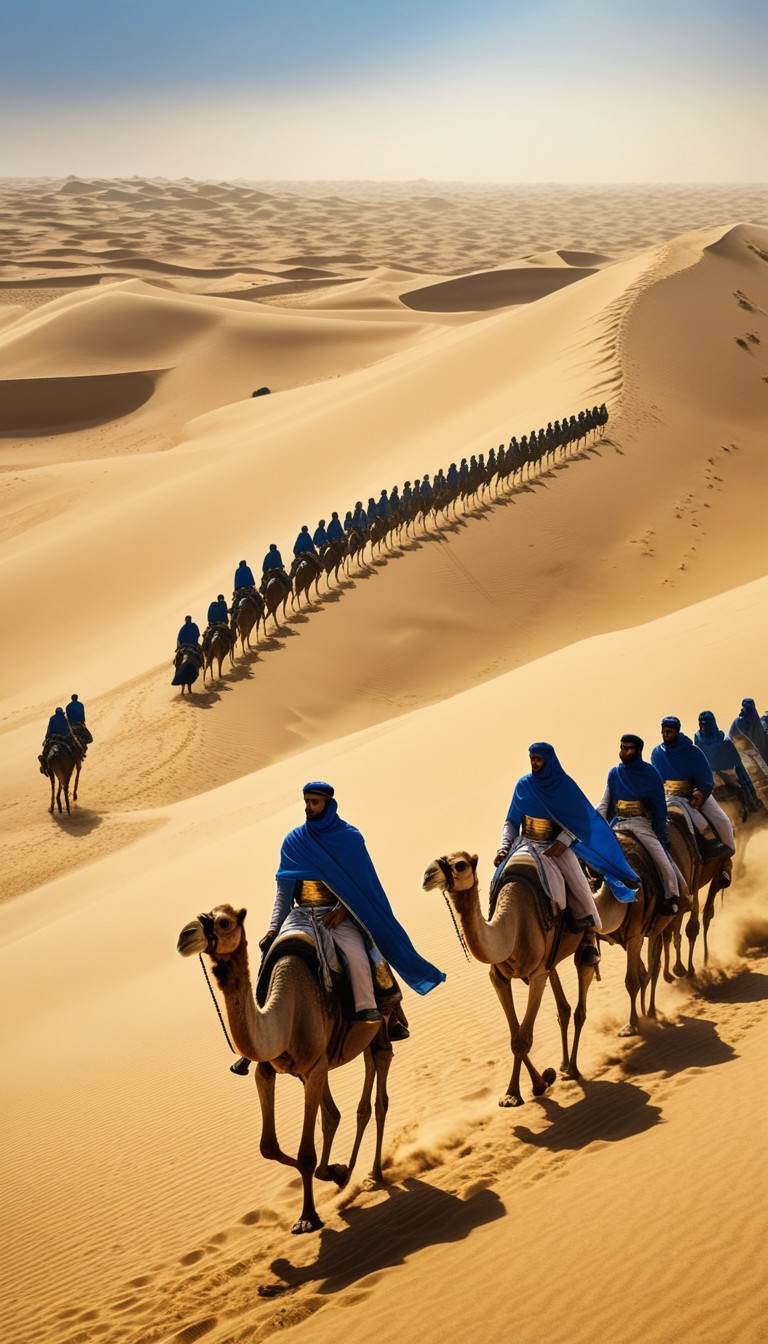
As a young officer, Saladin served under the powerful Syrian ruler Nur ad-Din, joining military expeditions into Egypt between 1164 and 1169. Egypt's Fatimid Caliphate was fractured and vulnerable, torn apart by internal intrigue and threatened by the Crusader Kingdom of Jerusalem. Saladin proved himself an able commander and diplomat through three grueling campaigns—and when his uncle Shirkuh died suddenly in 1169, Saladin found himself appointed vizier of Egypt at just thirty-one years old.
1174
Cairo
Sultan of Egypt
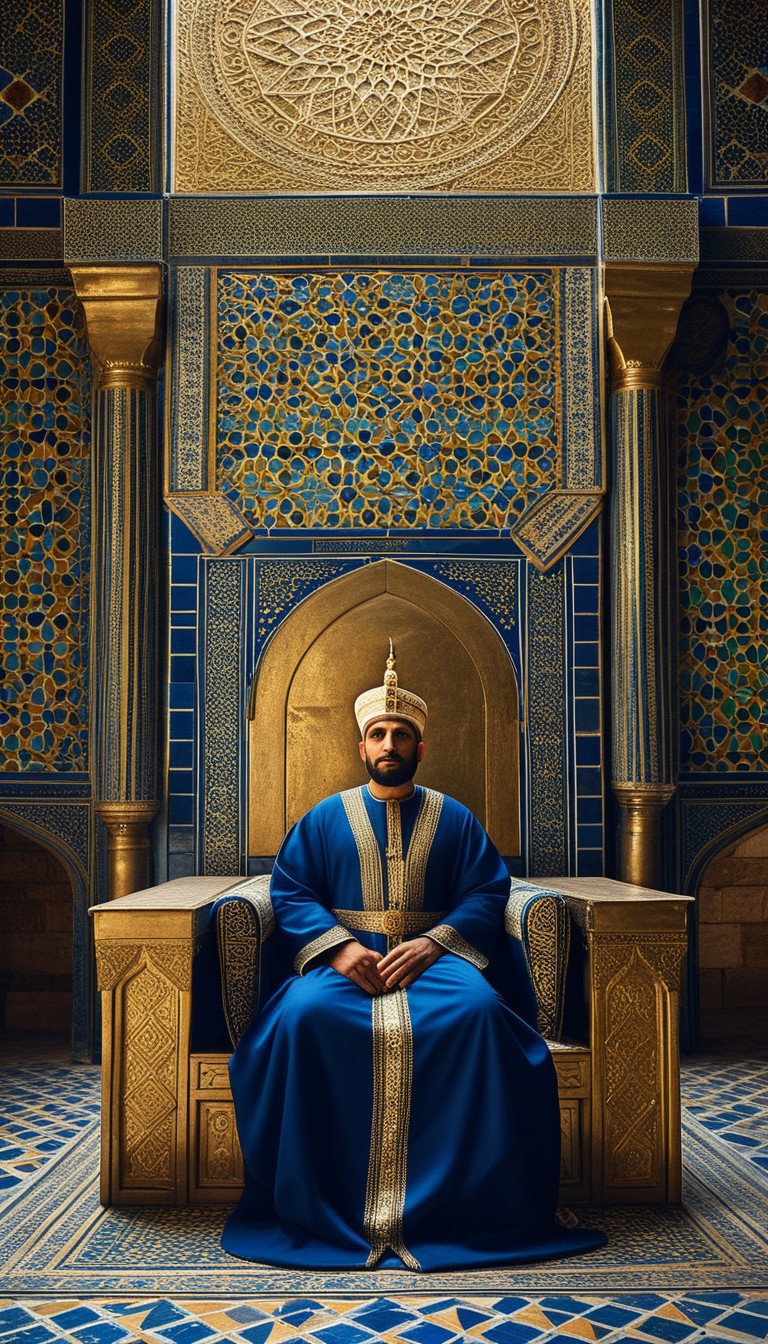
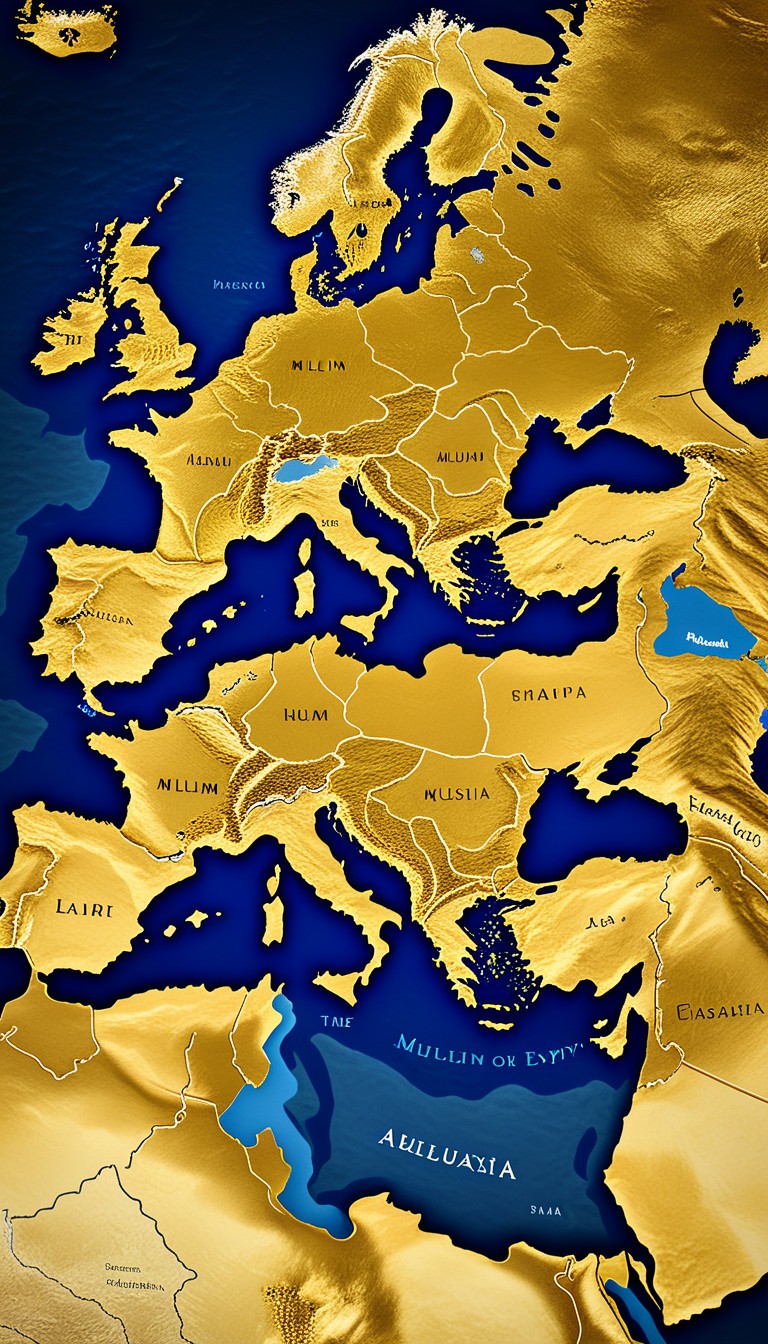
By 1171, Saladin had effectively ended the Fatimid Caliphate and restored Egypt to the Sunni fold under the Abbasid Caliph in Baghdad. When Nur ad-Din died in 1174, Saladin moved swiftly to fill the power vacuum. He marched to Syria, took Damascus, and proclaimed himself Sultan of Egypt and Syria—the undisputed master of the most strategically vital lands in the Muslim world. He was thirty-six years old.
1174–1186
Egypt and Syria
Uniting the Muslim World
From 1174 to 1186, Saladin methodically united the fragmented Muslim lands through a combination of military force, political marriages, and diplomatic persuasion. Aleppo, Mosul, and other independent city-states were brought under his Ayyubid banner. He framed his campaigns not as conquest for personal glory but as preparation for a single great purpose: the liberation of Jerusalem from the Crusaders who had held it since 1099. His patience and strategic vision set him apart from every ruler who had come before him.
July 1187
Galilee
The Battle of Hattin
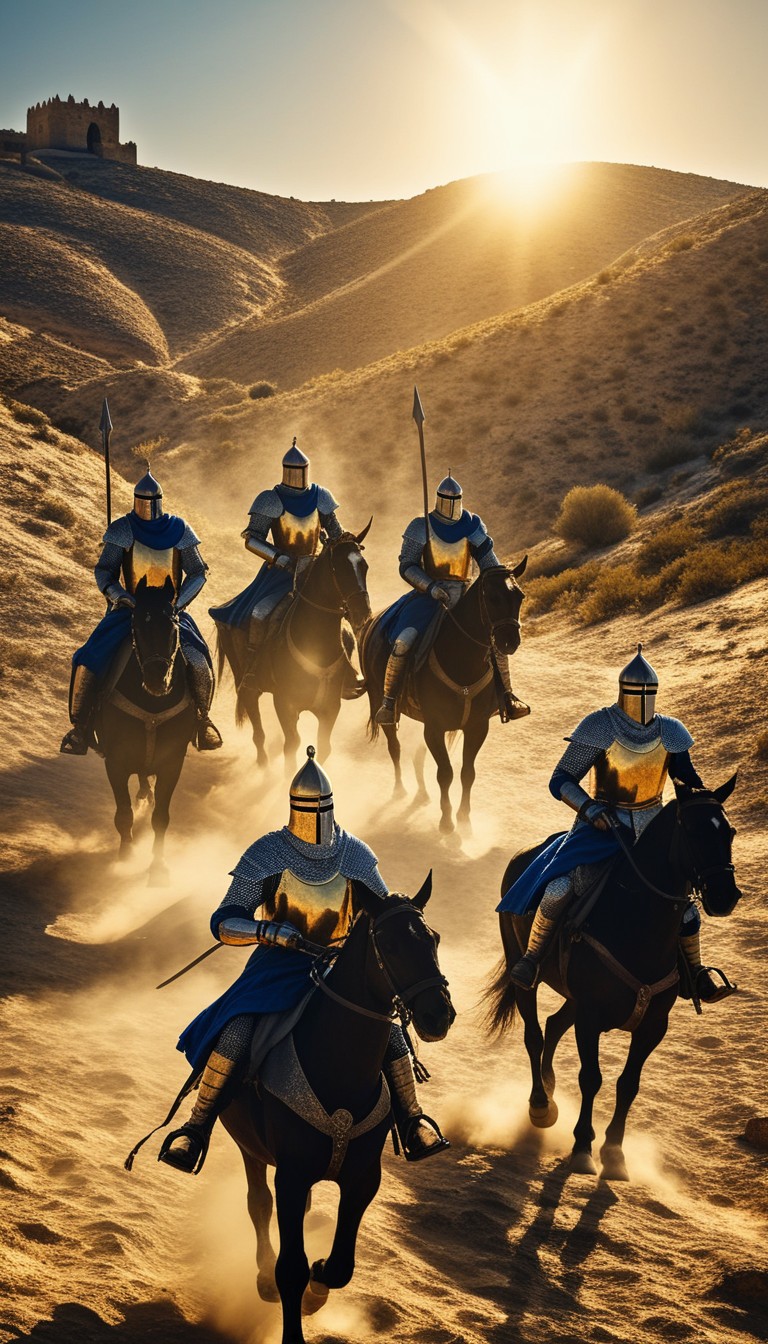
On July 4, 1187, Saladin lured the army of the Kingdom of Jerusalem into the waterless hills near Tiberias in Galilee. The Crusader force—the largest the kingdom had ever fielded—marched through blistering summer heat toward a mirrorlike lake they could see but never reach. Saladin's forces set the dry grass ablaze, choking them with smoke. By the time battle was joined at the twin peaks called the Horns of Hattin, the Crusader army was destroyed. King Guy of Lusignan was captured, and the True Cross itself was seized.
October 1187
Jerusalem
Jerusalem Reclaimed
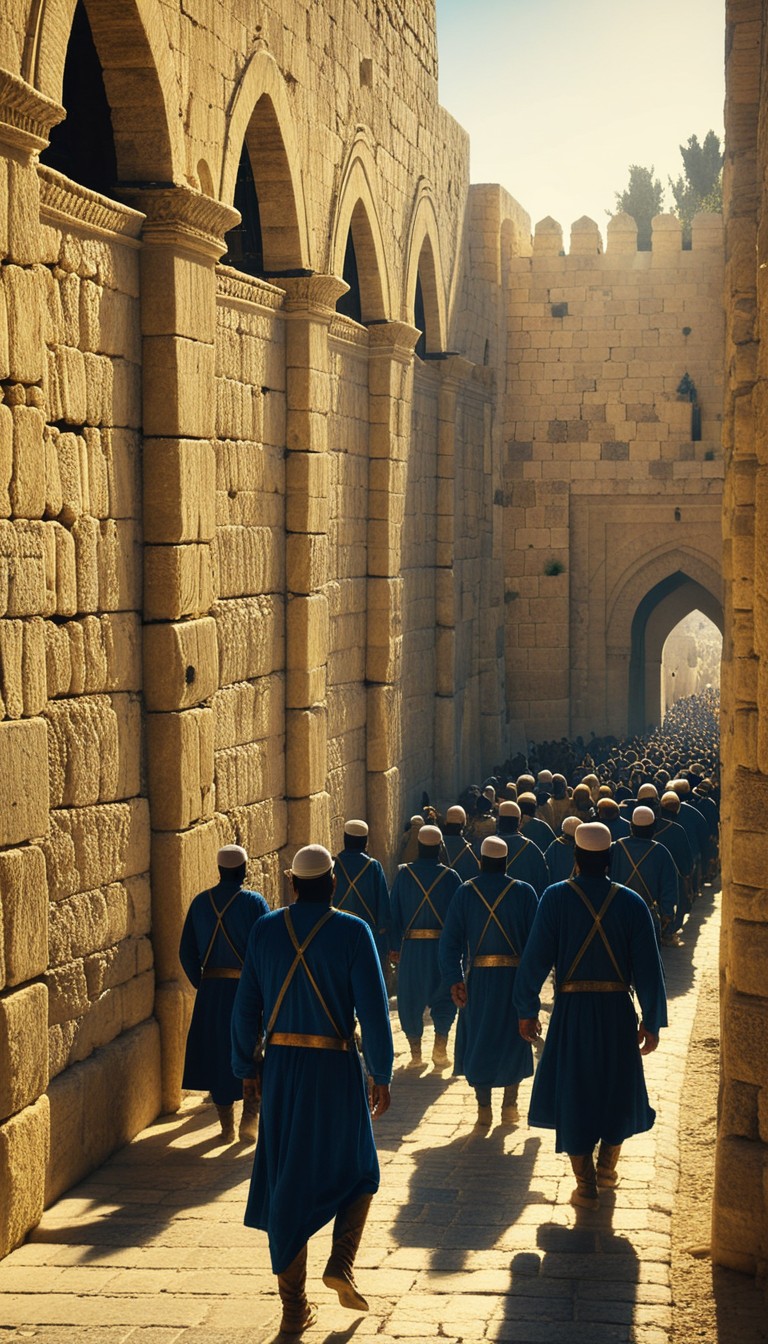
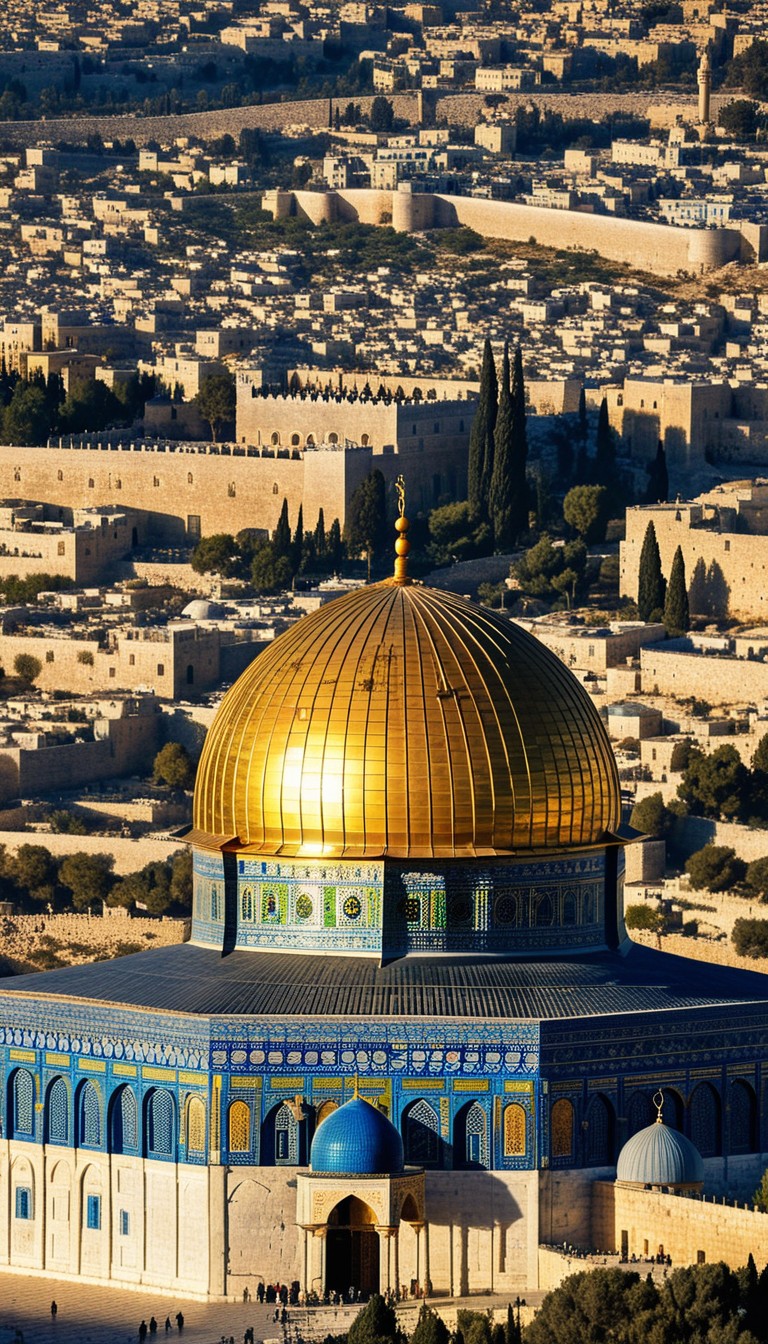
On October 2, 1187, Saladin's army entered Jerusalem—eighty-eight years after the First Crusade had taken it in a massacre. Rather than answering slaughter with slaughter, Saladin forbade revenge. Christian inhabitants were allowed to ransom themselves and leave safely; those who could not pay were freed at his personal expense. Churches were protected, priests were permitted to stay, and Christian pilgrims were guaranteed access to their holy sites. The contrast with the Crusader conquest of 1099 stunned Europe and became the foundation of Saladin's enduring legend.
1191–1192
Palestine
The Lionheart and the Sultan
Europe's response to the fall of Jerusalem was the Third Crusade, led by the formidable English king Richard I—the Lionheart. From 1191 to 1192, Richard and Saladin fought one of history's most famous military duels up and down the coast of Palestine. Richard won the Battle of Arsuf. Saladin won the race to deny him Jerusalem. Though the two men never met face to face, they exchanged gifts, messages of mutual respect, and even courtly gestures—Richard once fell ill and Saladin sent him fresh fruit and his personal physician.
1192–1193
Damascus
The Treaty of Jaffa and a Legacy of Honor
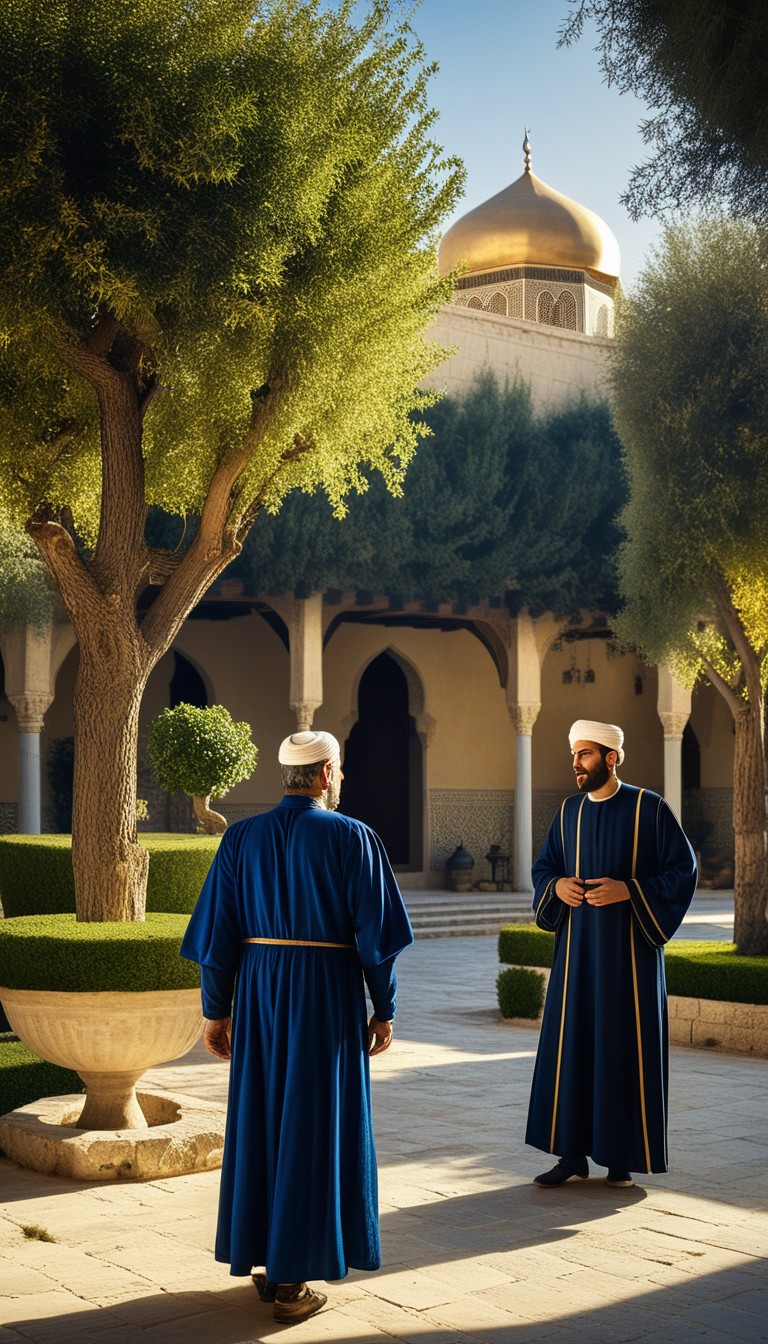
In September 1192, Saladin and Richard concluded the Treaty of Jaffa. Jerusalem remained in Muslim hands; Christian pilgrims and unarmed merchants were guaranteed free access. The Third Crusade was over. Saladin returned to Damascus, exhausted by decades of unceasing war and administration. He died on March 4, 1193, at the age of fifty-five. When his treasury was counted, it held a single gold coin and forty pieces of silver—not enough to pay for his own funeral. He had given everything to the cause. He left behind an empire, a reputation, and a name honored by Muslims and Christians alike for eight centuries and counting.
Respected by Enemies and Allies Alike
Saladin never sought to destroy his enemies—he sought to outlast them, outthink them, and when victory came, to meet it with dignity. His great adversary Richard the Lionheart praised his generosity. Crusader chroniclers wrote of his justice with undisguised admiration. Eight centuries after his death, his tomb in Damascus still draws pilgrims from across the world—Christians, Muslims, and the simply curious—all paying respects to a man who proved that the most enduring victories are won not just by the sword, but by the quality of your character in the moment of triumph.
Recommended Reading
As an Amazon Associate, we earn from qualifying purchases.
Swipe to navigate