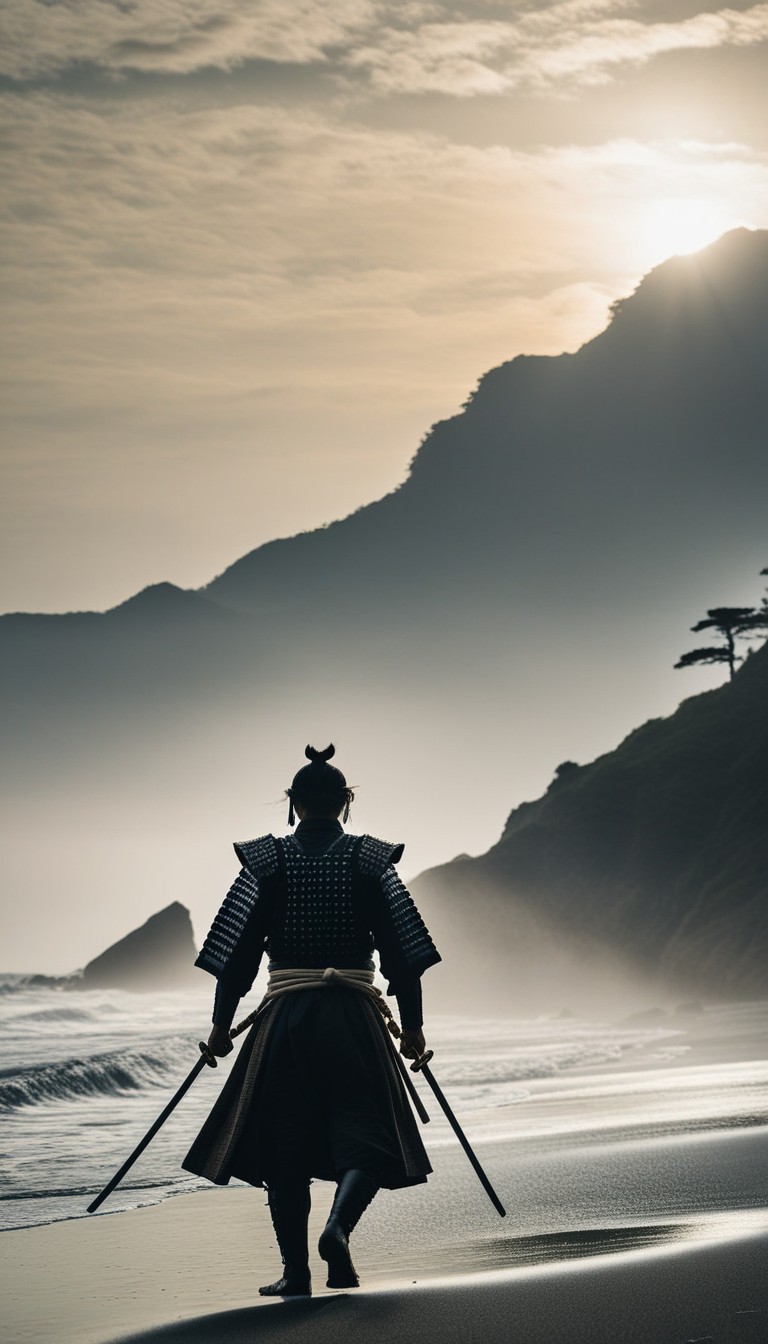
Miyamoto Musashi: The Sword Saint
Loading story...
1584
Harima Province, Japan
Born for the Blade
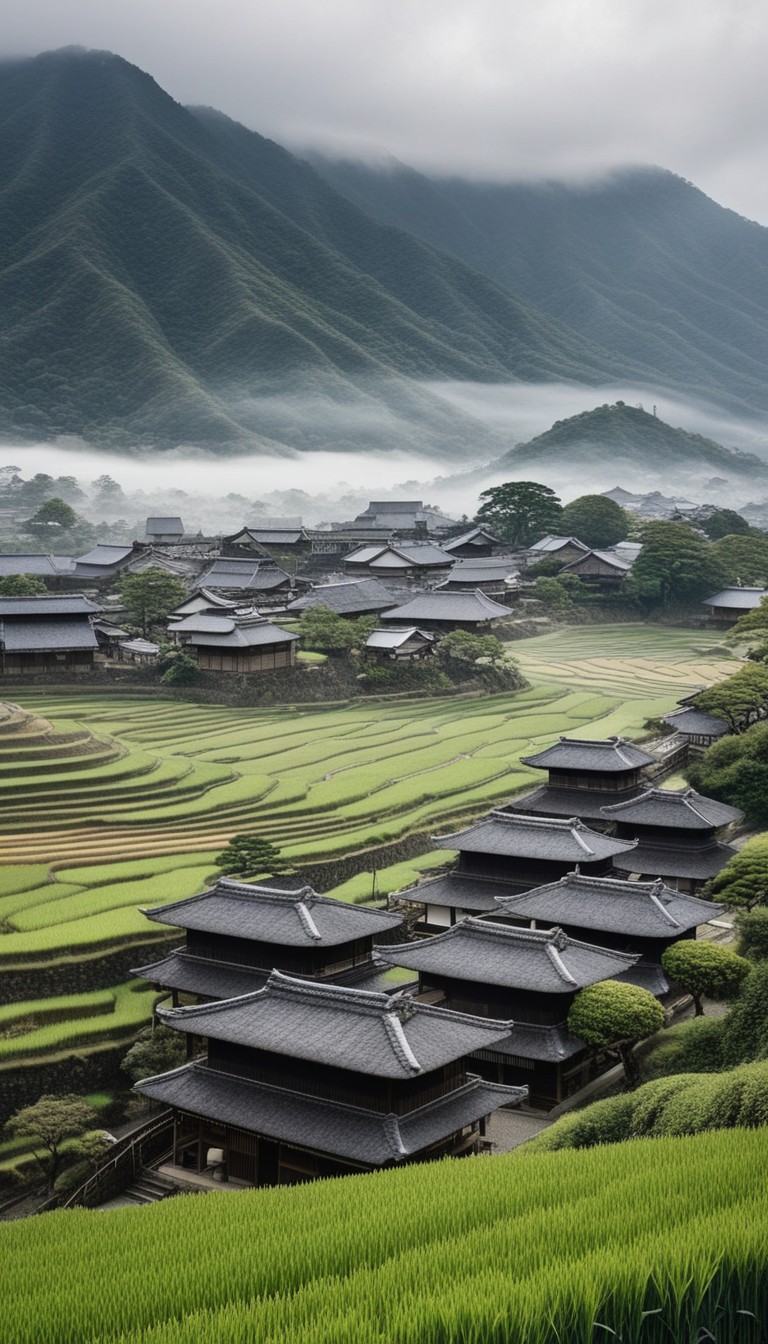
In 1584, Miyamoto Musashi was born in Harima Province on the island of Honshu, into a Japan riven by civil war and samurai strife. His father, Shinmen Munisai, was a renowned martial artist, but Musashi's childhood was anything but stable—abandoned or orphaned in early youth, he was raised by an uncle and grew up hardened by poverty and isolation. The turbulent world around him shaped a relentless inner drive to master the sword above all else.
1597
Harima Province, Japan
First Blood at Thirteen
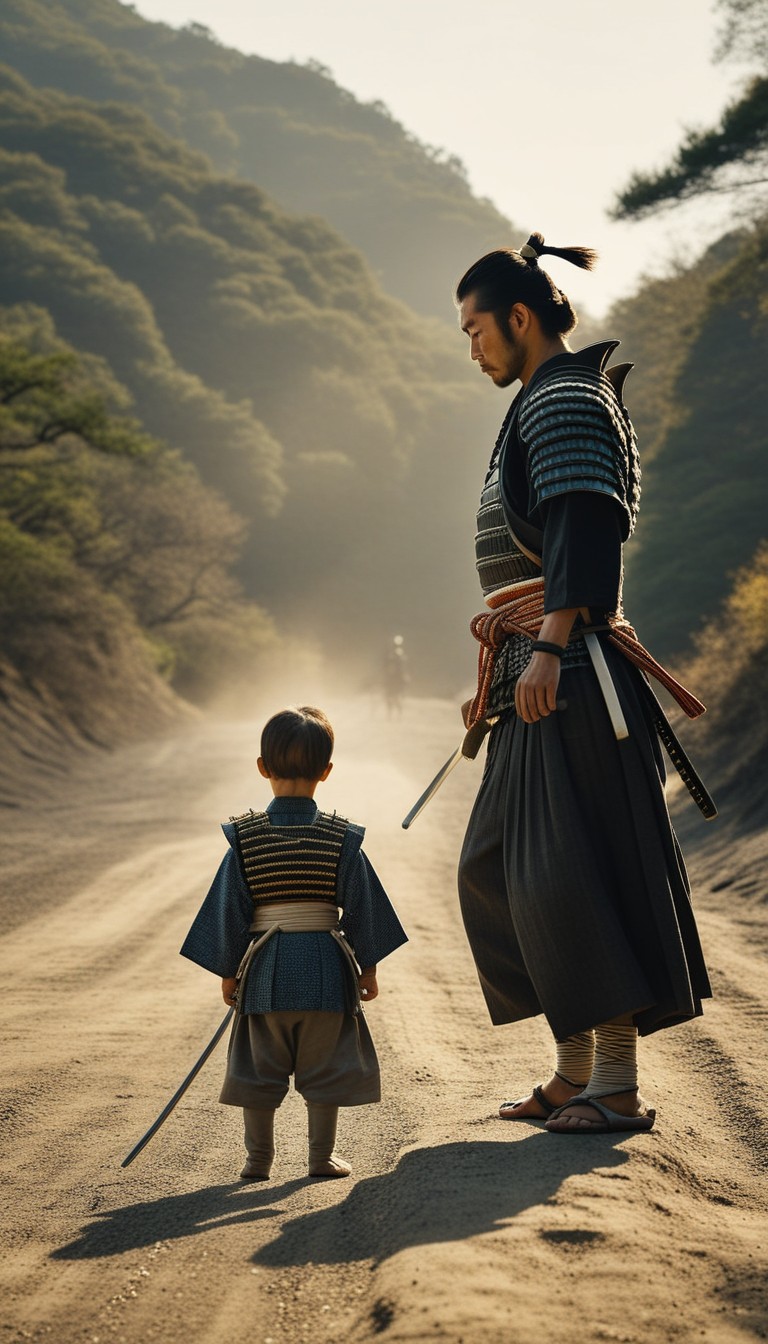
In 1597, at just thirteen years old, Musashi accepted a challenge from Arima Kihei, a wandering samurai of the Shinto-ryū school. The adult warrior expected an easy victory over a child. Instead, Musashi knocked him to the ground and beat him to death with a wooden staff. It was not a duel of elegance—it was savage, determined, and total. The boy who walked away from that dusty road was already something more than ordinary.
October 1600
Sekigahara, Japan
The Battle That Broke a Nation
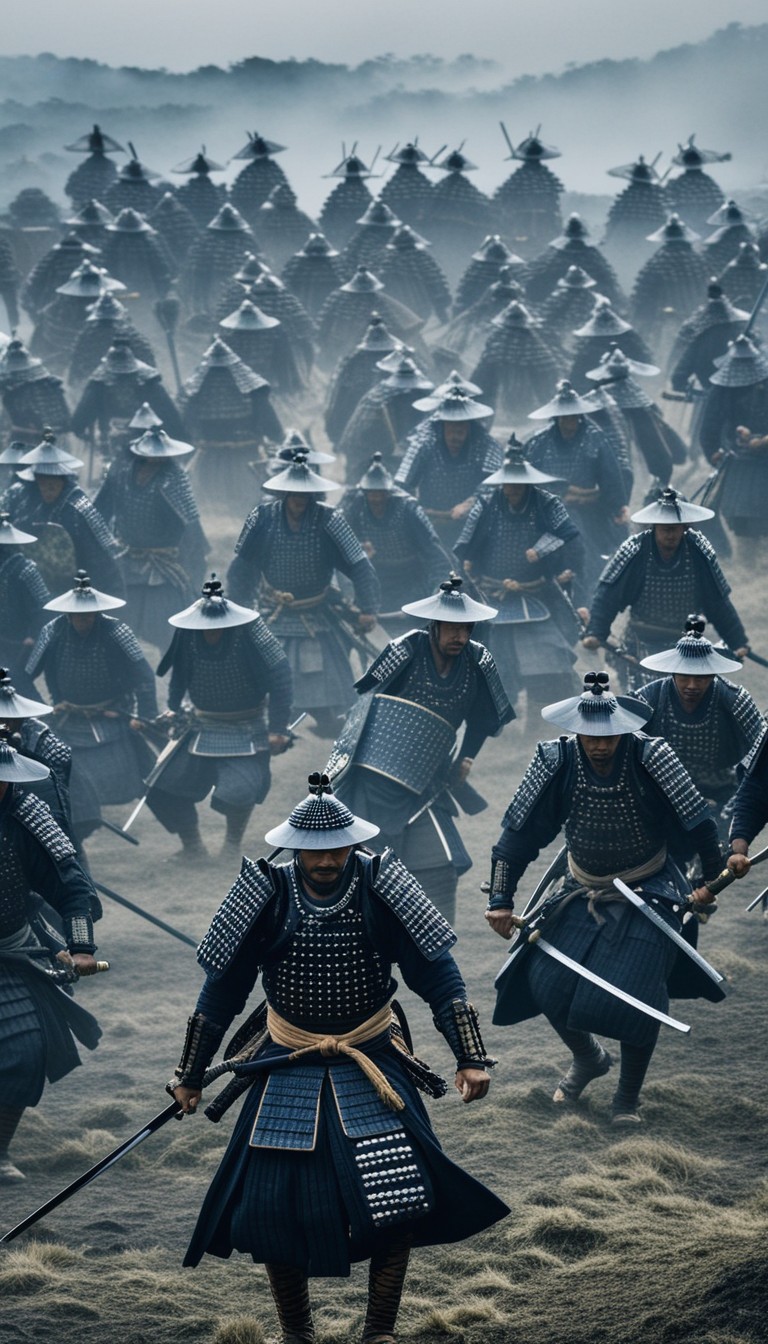
In October 1600, Musashi fought at the Battle of Sekigahara—the largest and most decisive land battle in Japanese history. Over 170,000 warriors clashed across the central plains of Honshu as the Tokugawa and Toyotomi clans fought for control of all Japan. Musashi fought on the losing Western side. The battle lasted a single day and fundamentally remade the country, ushering in over two centuries of Tokugawa rule. Musashi survived. Many thousands did not.
1600–1612
Japan
The Warrior Without a Master
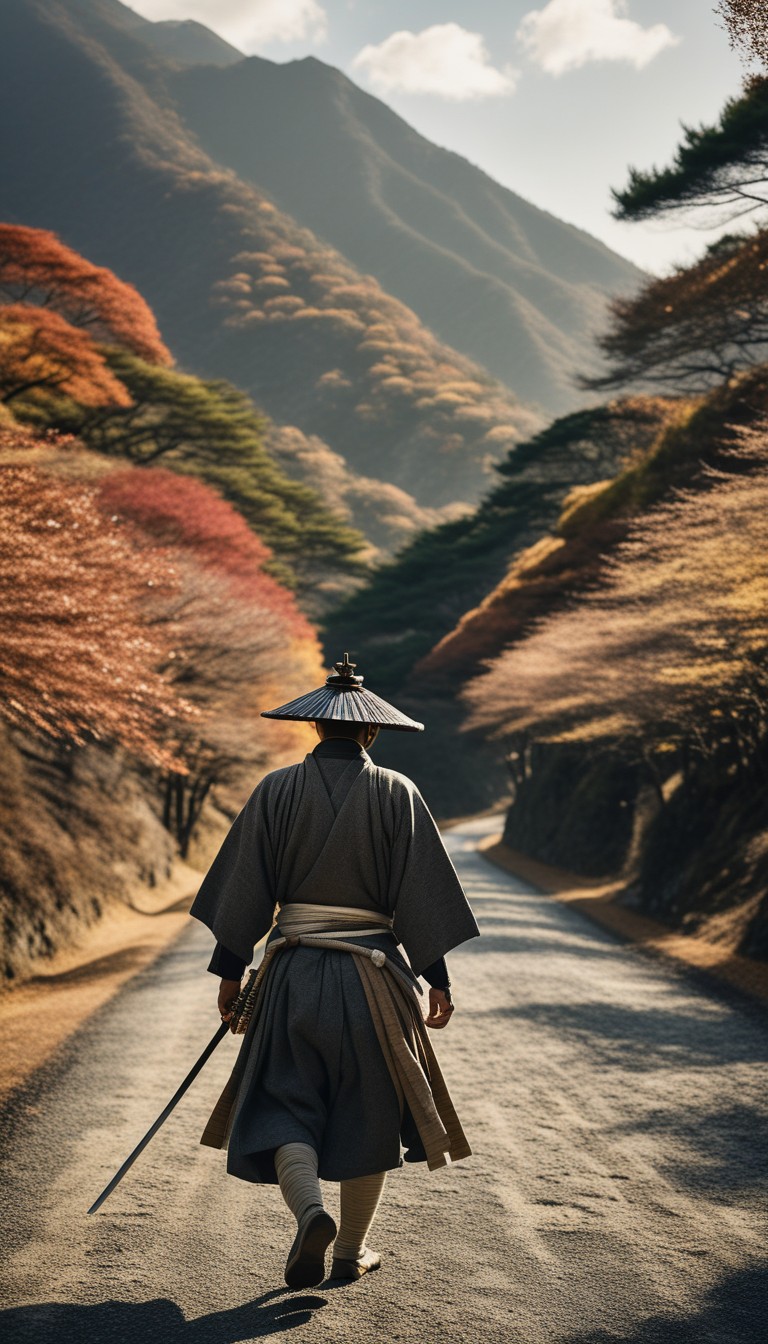
After Sekigahara, Musashi set out on a musha shugyō—a warrior's pilgrimage—travelling the roads of Japan seeking worthy opponents and refining his art through combat. Between 1600 and 1612, he fought and defeated the best swordsmen from the most prestigious schools in the country. He wore rough clothes, rarely bathed, and cared nothing for comfort or status. Each duel was a lesson; each victory sharpened his understanding of what it meant to truly master the way of the sword.
April 1612
Ganryu Island, Japan
Ganryu Island: The Greatest Duel
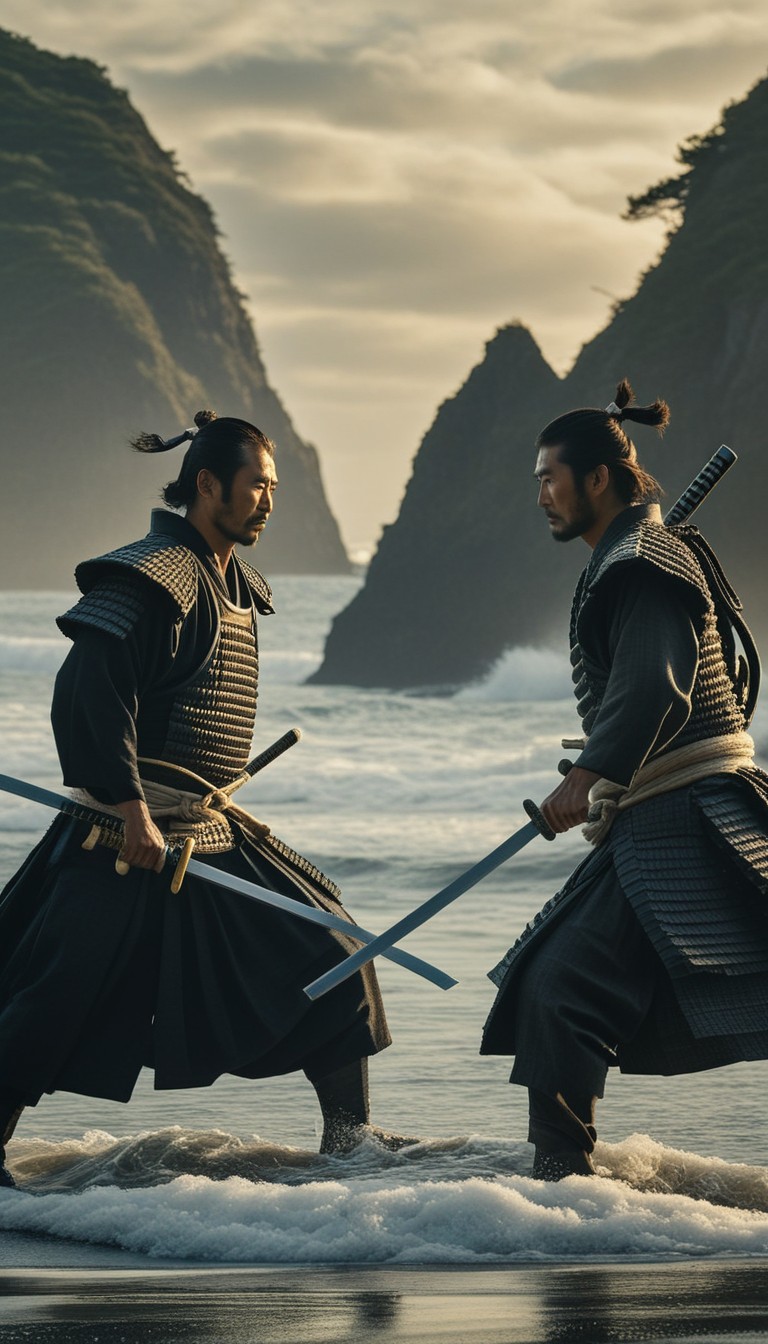
On April 13, 1612, Musashi faced Sasaki Kojiro on the remote island of Funajima—later renamed Ganryu Island in Kojiro's honor. Kojiro was celebrated across Japan for his lethal "swallow cut," a technique so fast it was said to split a swallow in mid-flight. Musashi arrived deliberately late, whittling a wooden sword from an oar during the boat ride over. When Kojiro drew his long nodachi blade and threw away its scabbard, Musashi replied that a man who discards his scabbard has already accepted death. A single strike from the carved oar ended the duel—and cemented Musashi's legend forever.
1615–1620
Japan
Two Swords, One Way
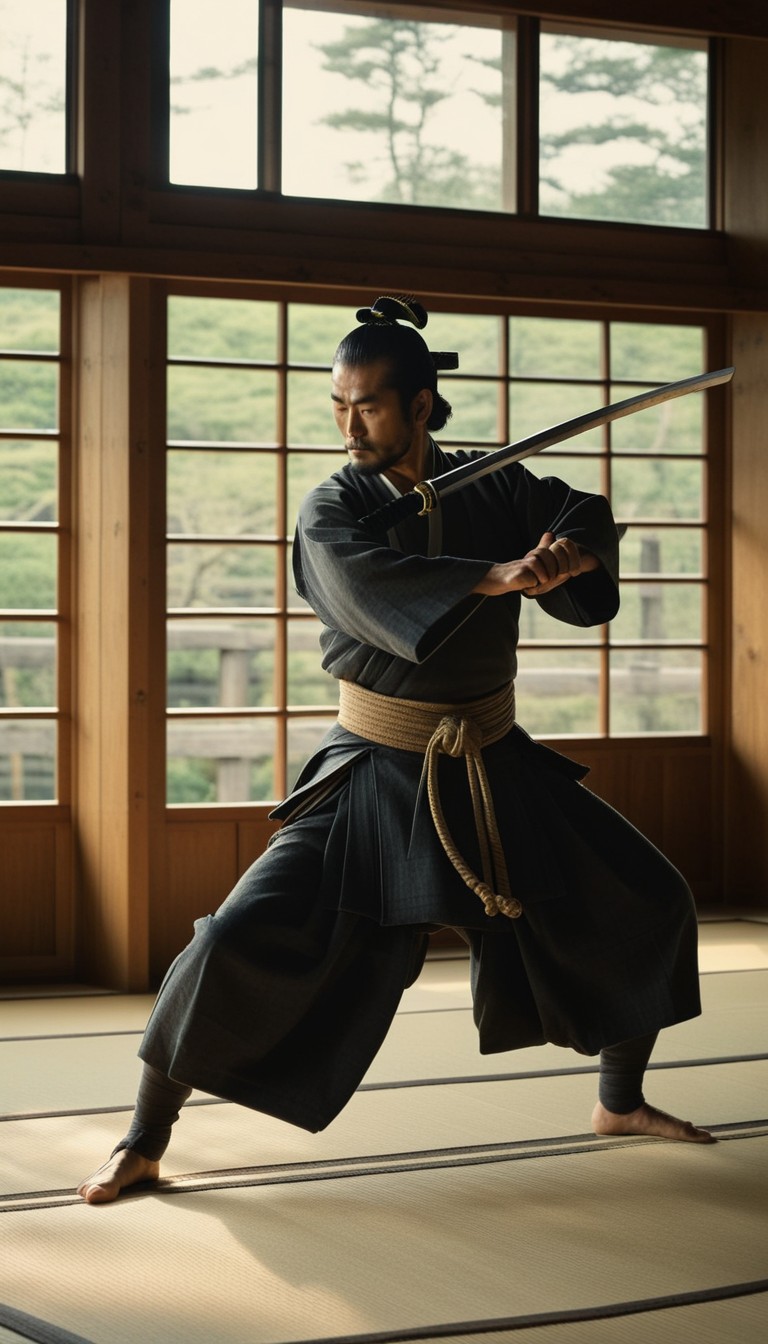
Following Ganryu Island, Musashi turned from seeking duels to codifying his art. Between roughly 1615 and 1620, he developed and refined Niten Ichi-ryū—"Two Heavens as One"—a revolutionary fighting style using a long katana and short wakizashi simultaneously. Most schools considered a second sword merely a backup weapon. Musashi taught that both blades should move as a single unified force, each hand as capable and intentional as the other. The style survives and is still practiced in Japan today.
1630s
Japan
The Warrior Turns to Art
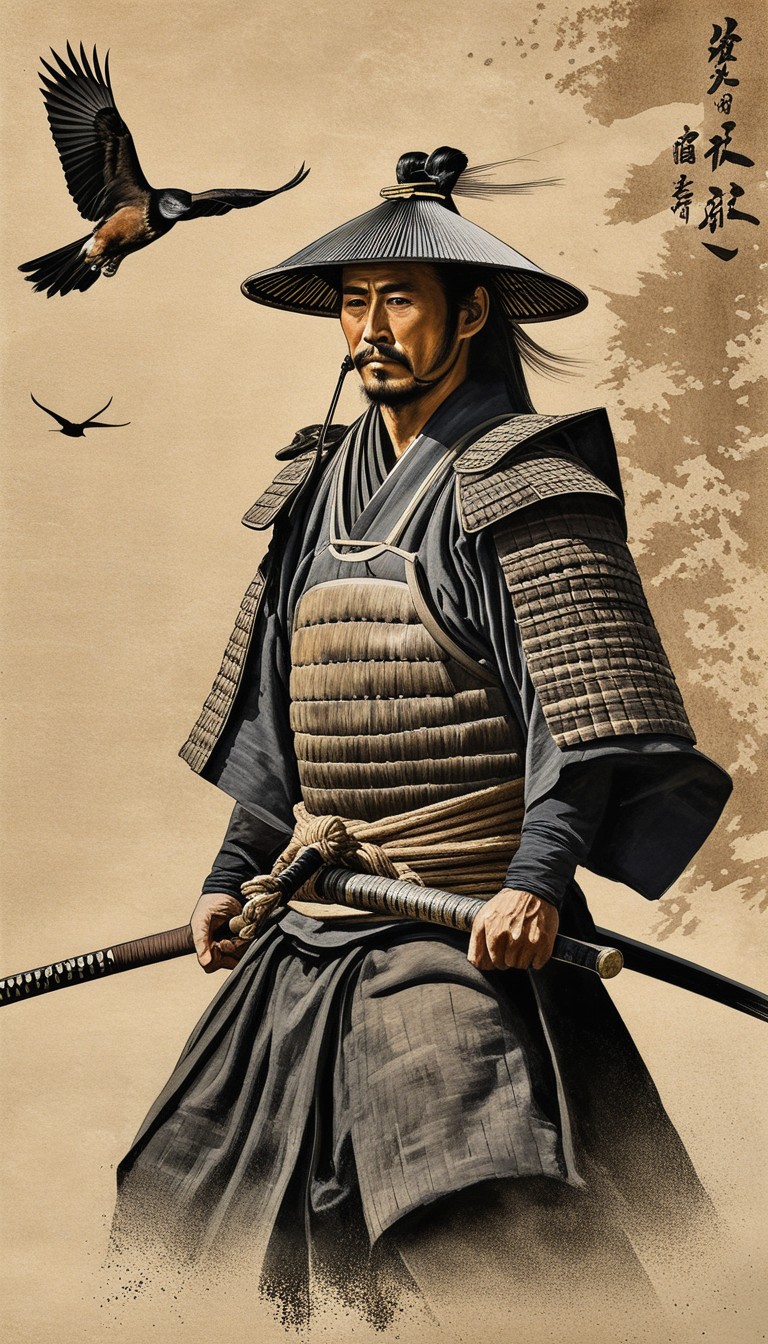
In his later years, Musashi pursued what he called the "way of all things"—the belief that true mastery in one discipline illuminates all others. In the 1630s he devoted himself to painting, calligraphy, and sculpture with the same intensity he had once given to the sword. His ink paintings of birds, landscapes, and Zen subjects are considered masterworks of Japanese art and hang in museums to this day. He sought no glory in these pursuits—only deeper understanding of the principle of strategy itself.
1643–1645
Reigando Cave, Kumamoto, Japan
Words from a Cave
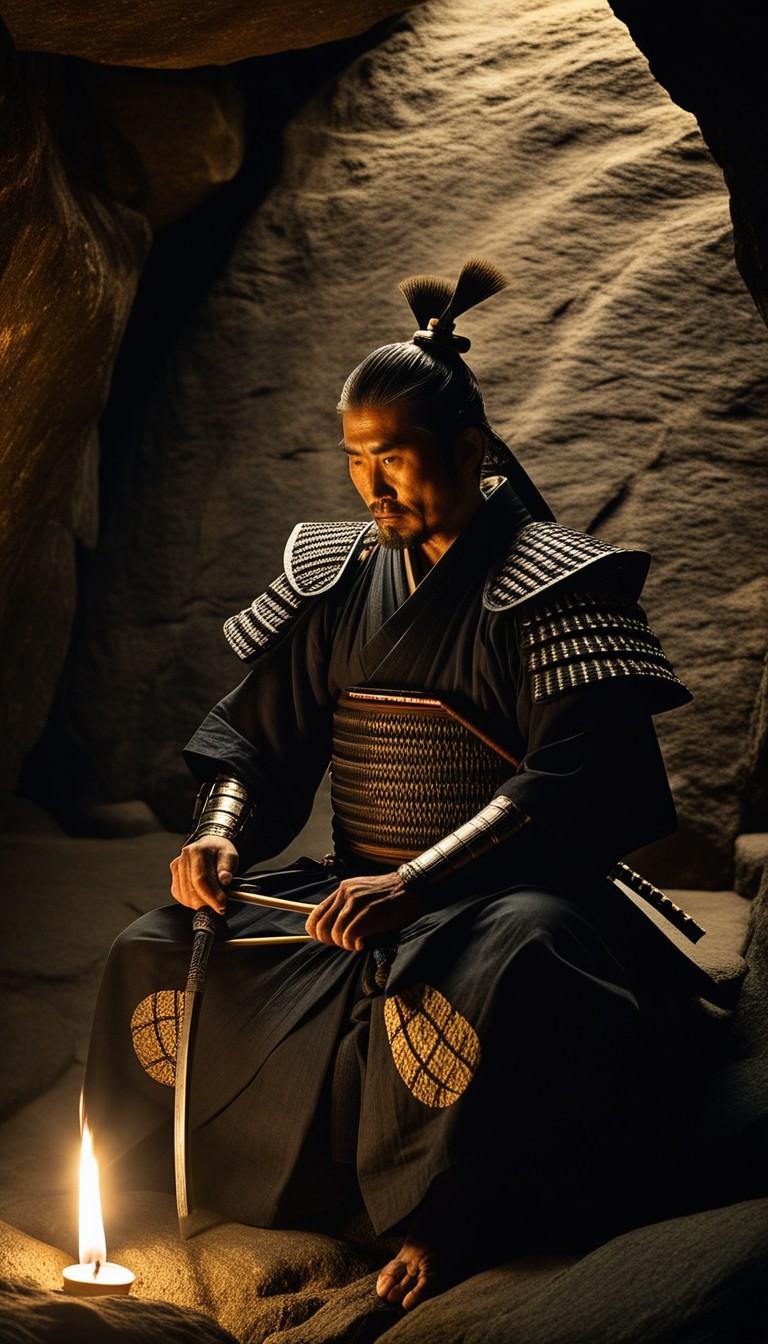
In 1643, sensing the approach of death, Musashi withdrew to Reigando—"Spirit Rock Cave"—in Kumamoto Province. There, in isolation and near total darkness, he spent two years writing Gorin no Sho: The Book of Five Rings. Organized around the five elements of Earth, Water, Fire, Wind, and Void, it is not merely a manual of sword technique but a complete philosophy of conflict, strategy, and self-mastery. He completed it weeks before his death in 1645 at the age of sixty-one. Generals, executives, and athletes still read it today.
The Way of the Warrior
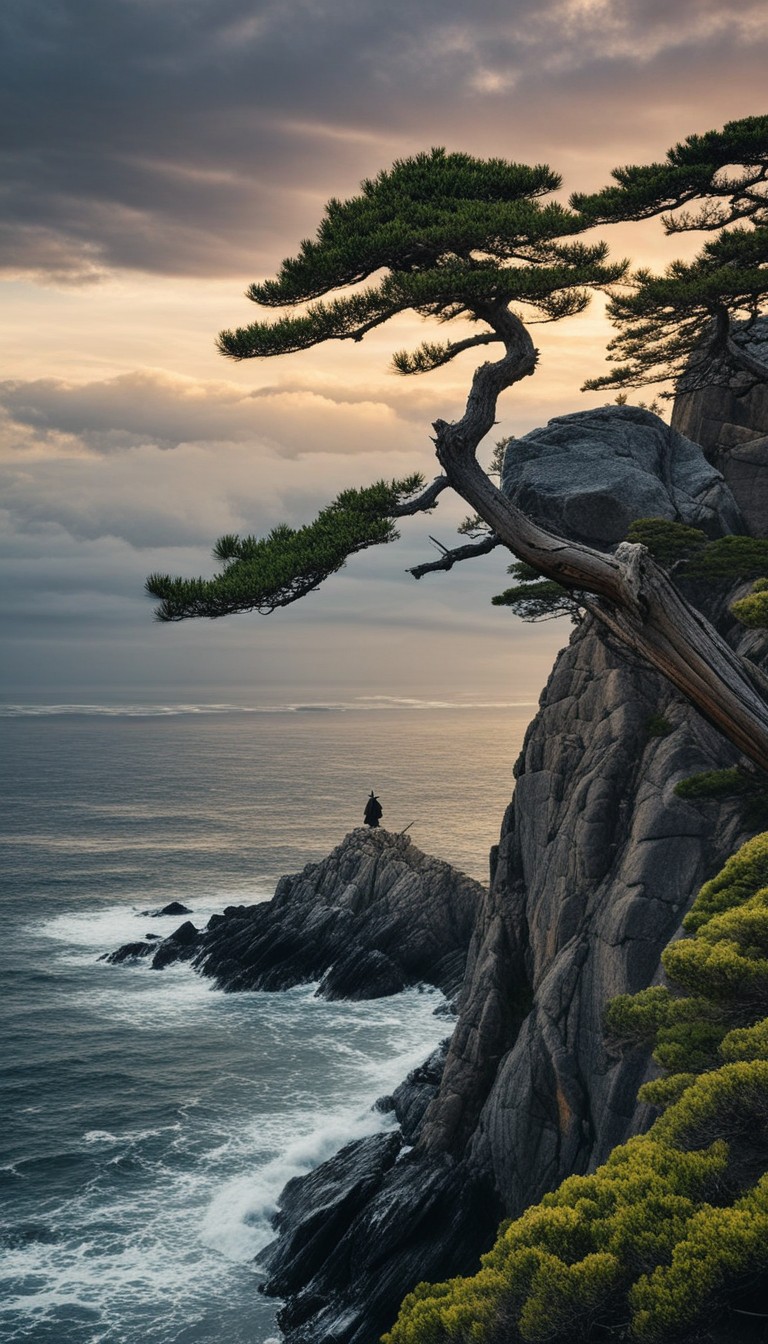
Miyamoto Musashi never lost a duel. He fought more than sixty and survived them all—not through luck or brute force, but through relentless self-examination and an unshakeable commitment to understanding the nature of conflict. He died as he had lived: alone, disciplined, and still working. The Book of Five Rings endures as one of history's great documents on strategy, as vital in boardrooms and sports arenas as it ever was on the killing fields of feudal Japan. Musashi's final recorded words were simple: "Do nothing that is of no use."
Recommended Reading
As an Amazon Associate, we earn from qualifying purchases.

Swipe to navigate