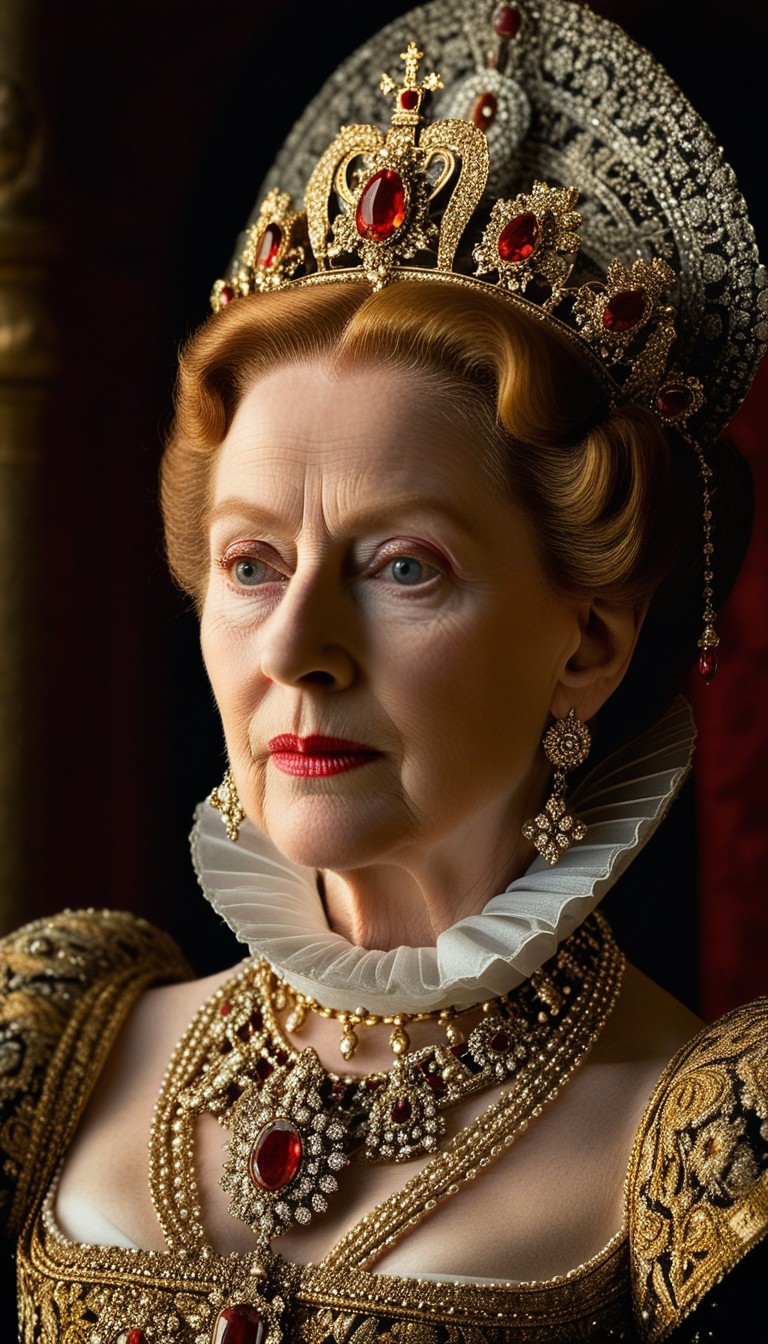
Queen Elizabeth I: The Virgin Queen
Loading story...
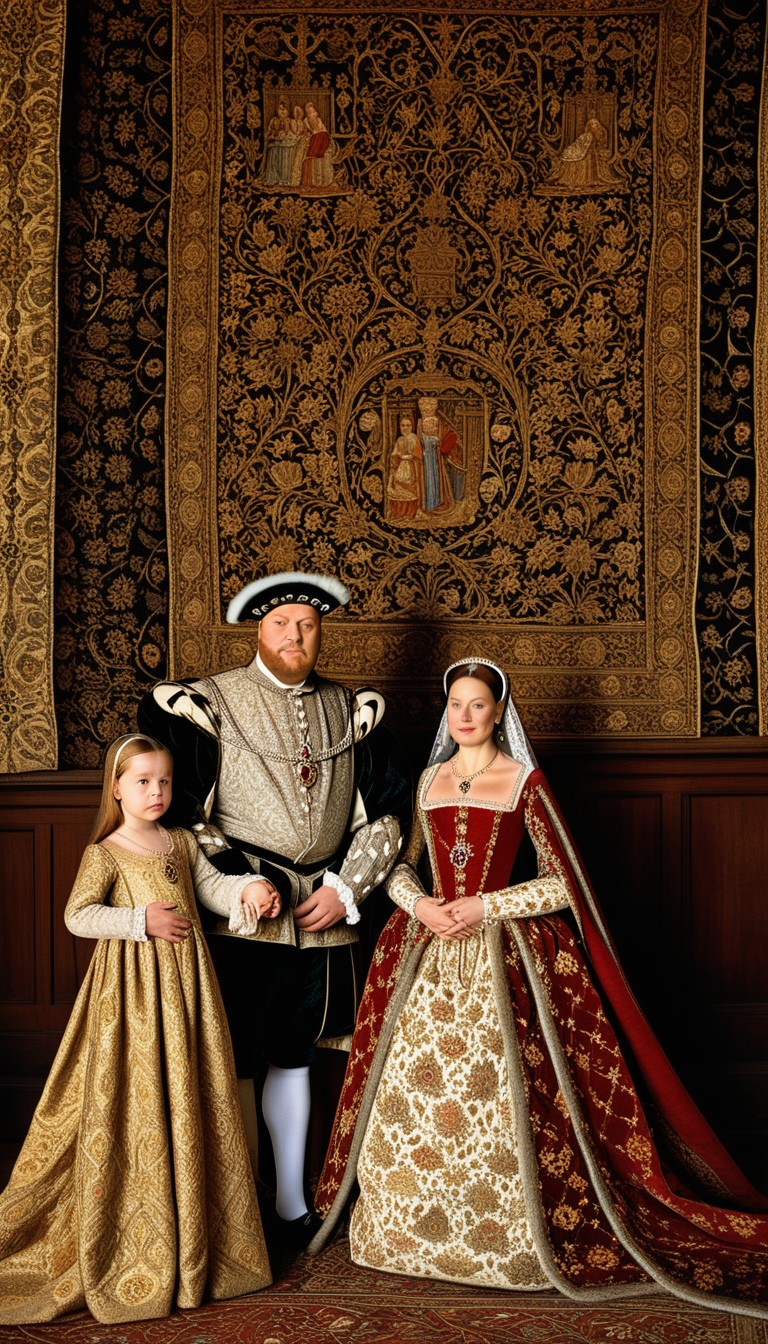
7 September 1533
Greenwich Palace, England
Daughter of Controversy
On September 7, 1533, Anne Boleyn gave birth to a daughter at Greenwich Palace—a crushing disappointment to King Henry VIII, who had shattered the Church of England to wed her in hopes of a male heir. The child was named Elizabeth. Her father had already cast aside one queen to marry her mother; within three years he would send Anne Boleyn to the executioner's block on charges of treason and adultery. From her very first breath, Elizabeth's world was shaped by power, danger, and the whims of a king.
1554
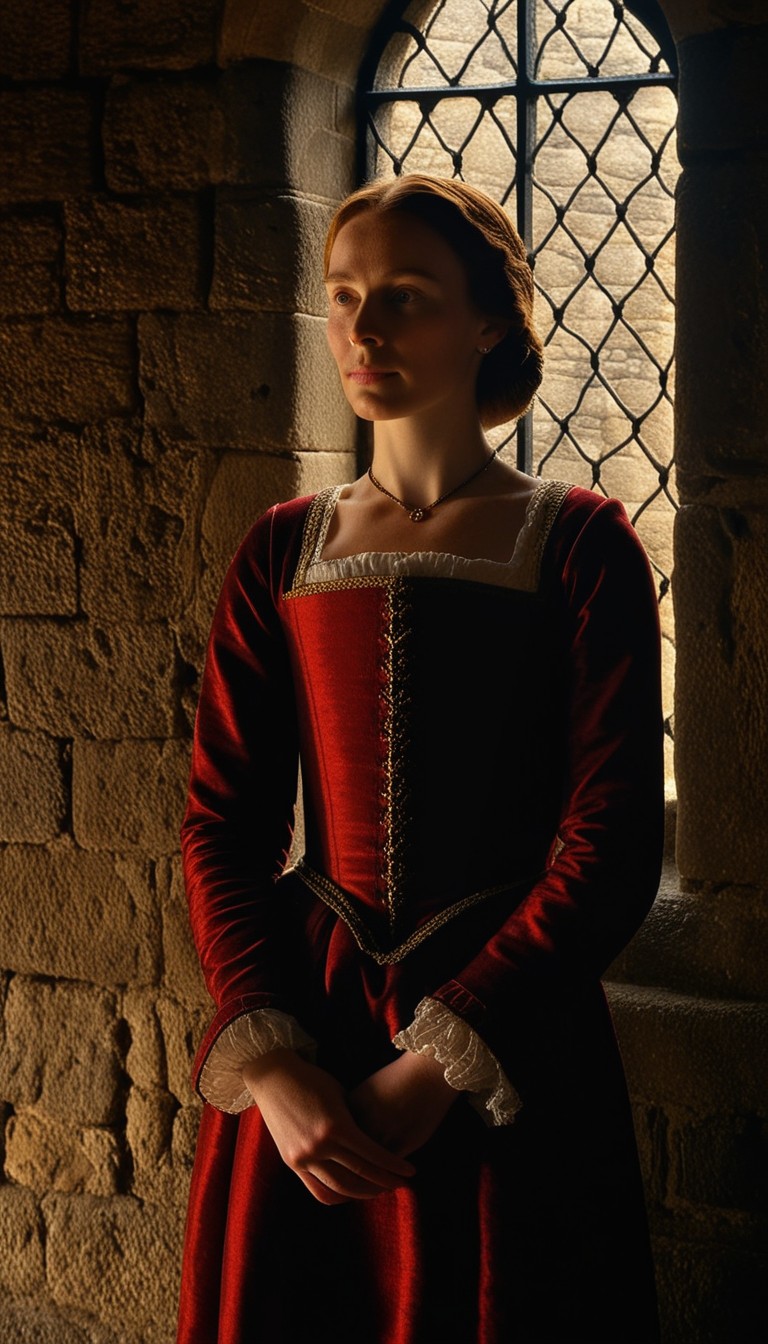
Tower of London, England
The Prisoner in the Tower
Elizabeth's childhood was a precarious game of survival. Declared illegitimate after her mother's execution, she was later restored to the line of succession by her father's final will. When her Catholic half-sister Mary I took the throne in 1553, Elizabeth—a Protestant—became a target. Accused of involvement in Wyatt's Rebellion against Queen Mary, the twenty-year-old princess was imprisoned in the Tower of London. She had watched others enter that fortress and never leave. Her careful, measured answers under interrogation saved her life. She would not forget the lesson.
15 January 1559
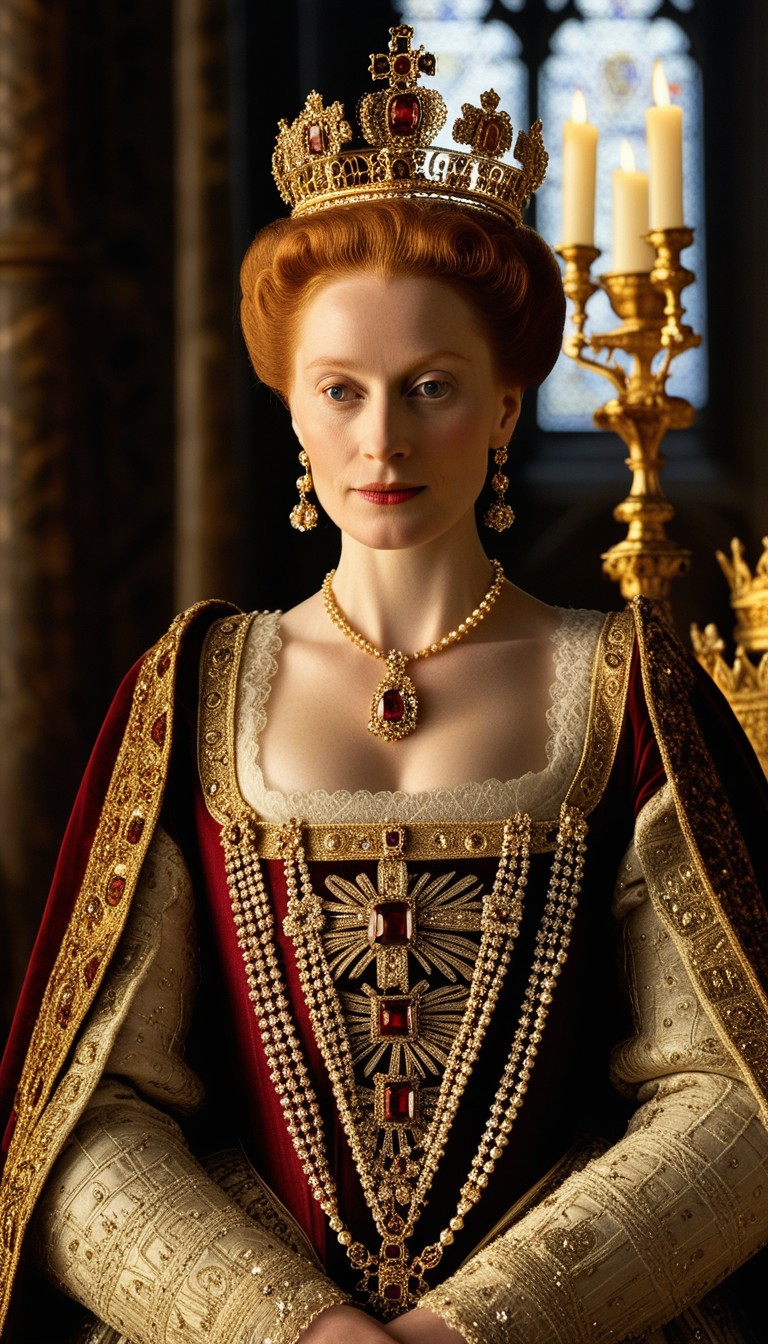
Westminster Abbey, London
Crowned at Twenty-Five
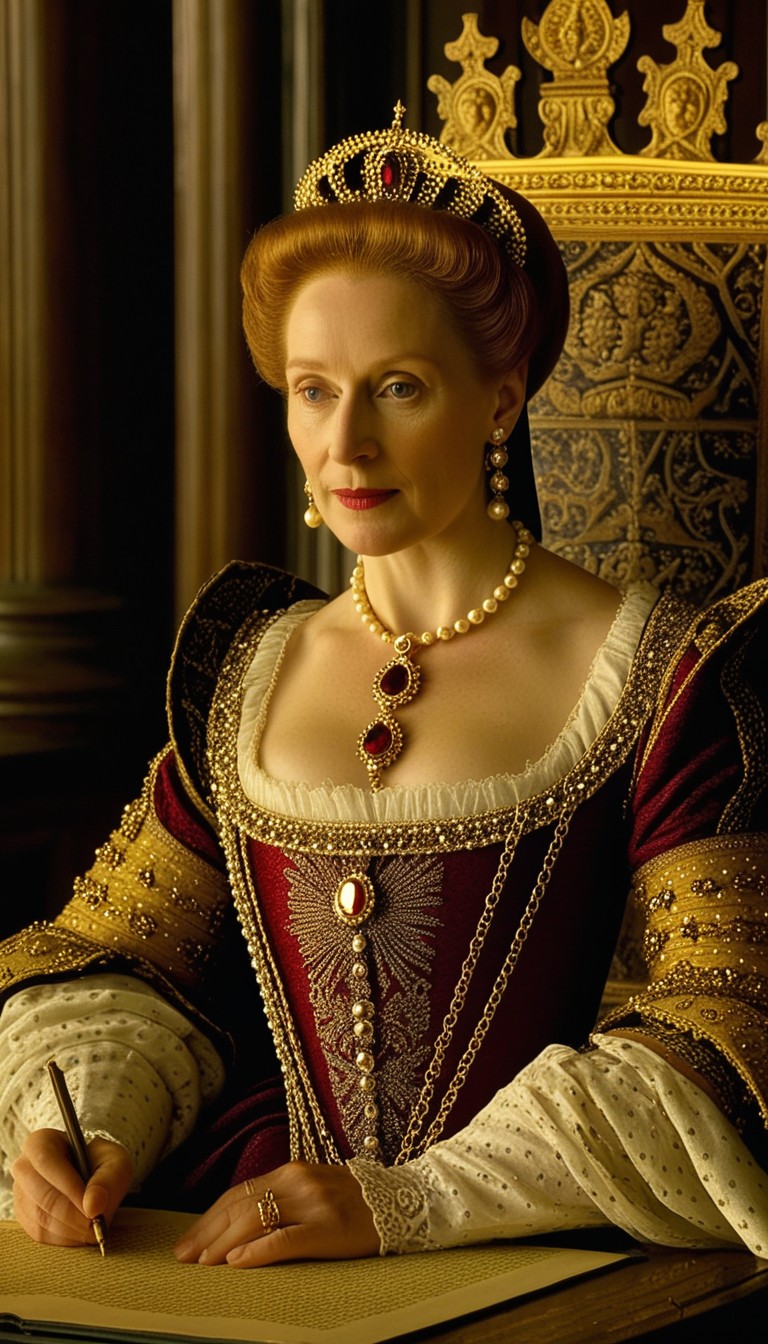
When Mary I died on November 17, 1558, Elizabeth was at Hatfield House. She was twenty-five years old. The messenger who brought her the news found her sitting beneath an oak tree reading the New Testament. Her coronation at Westminster Abbey on January 15, 1559 was a magnificent spectacle. As the crown was lowered onto her head, the crowd roared. She had outlived her enemies, endured imprisonment, and held her nerve through years of deadly court intrigue. Now she was queen—and England was hers.
1559
Westminster, England
The Religious Settlement
Elizabeth inherited a kingdom torn apart by decades of violent religious swings—from Henry VIII's break with Rome, to Edward VI's radical Protestantism, to Mary I's Catholic persecutions that earned her the name Bloody Mary. Elizabeth's solution was characteristically pragmatic. The Elizabethan Religious Settlement of 1559 re-established the Church of England with the monarch as Supreme Governor and created a form of worship broad enough to accommodate most of her subjects. She famously declared she had no desire to "make windows into men's souls." It was not perfect peace, but it was stability—and stability was everything.
1559–1603
England
The Virgin Queen
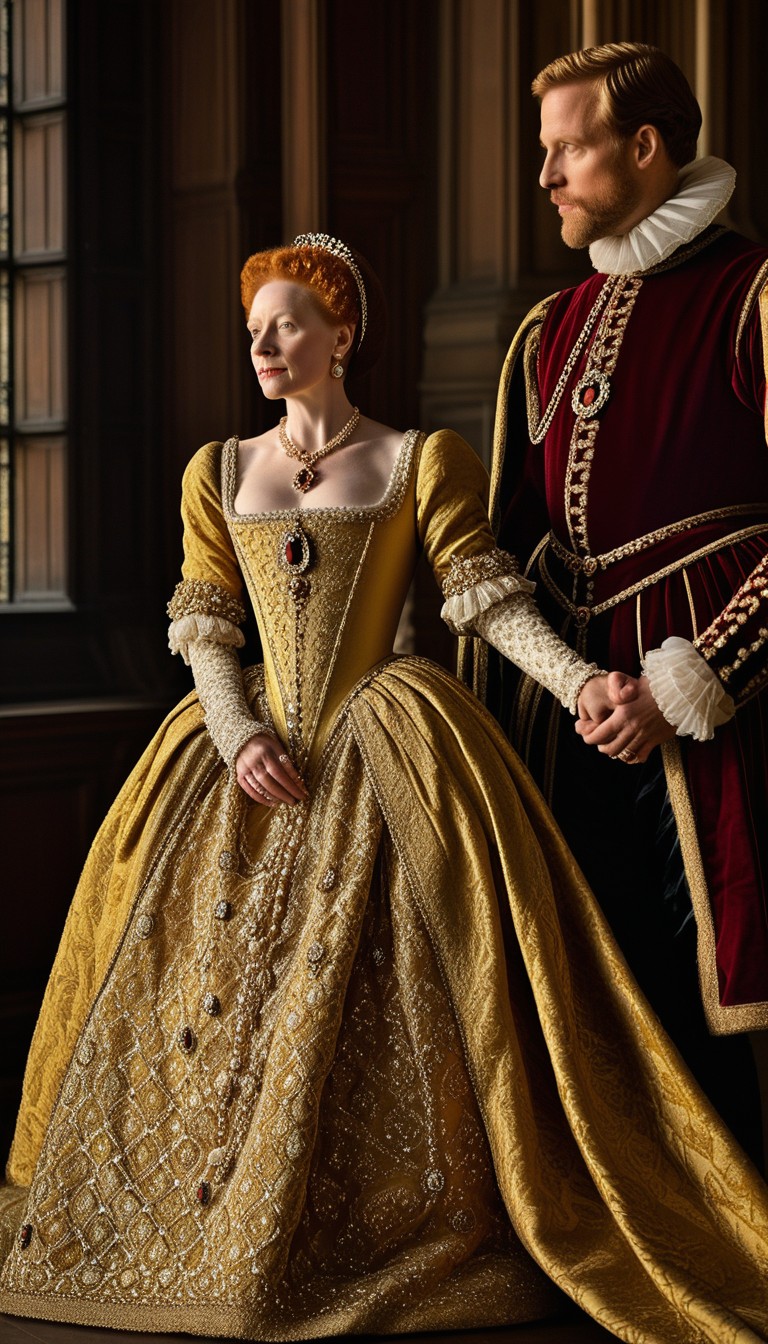
From the moment she took the throne, Parliament and her advisors pressed Elizabeth to marry and produce an heir. She refused—not out of indifference, but out of calculated genius. A royal marriage meant submitting to a husband's authority, entangling England in foreign alliances, and risking her own death in childbirth. Instead, Elizabeth made her single status a diplomatic tool, dangling the possibility of marriage before the rulers of Spain, France, and Austria for decades. She cultivated the image of the Virgin Queen—wedded to England and her people alone. It was one of the most audacious political maneuvers of the age.
1570s–1590s
England and Beyond
The Elizabethan Golden Age
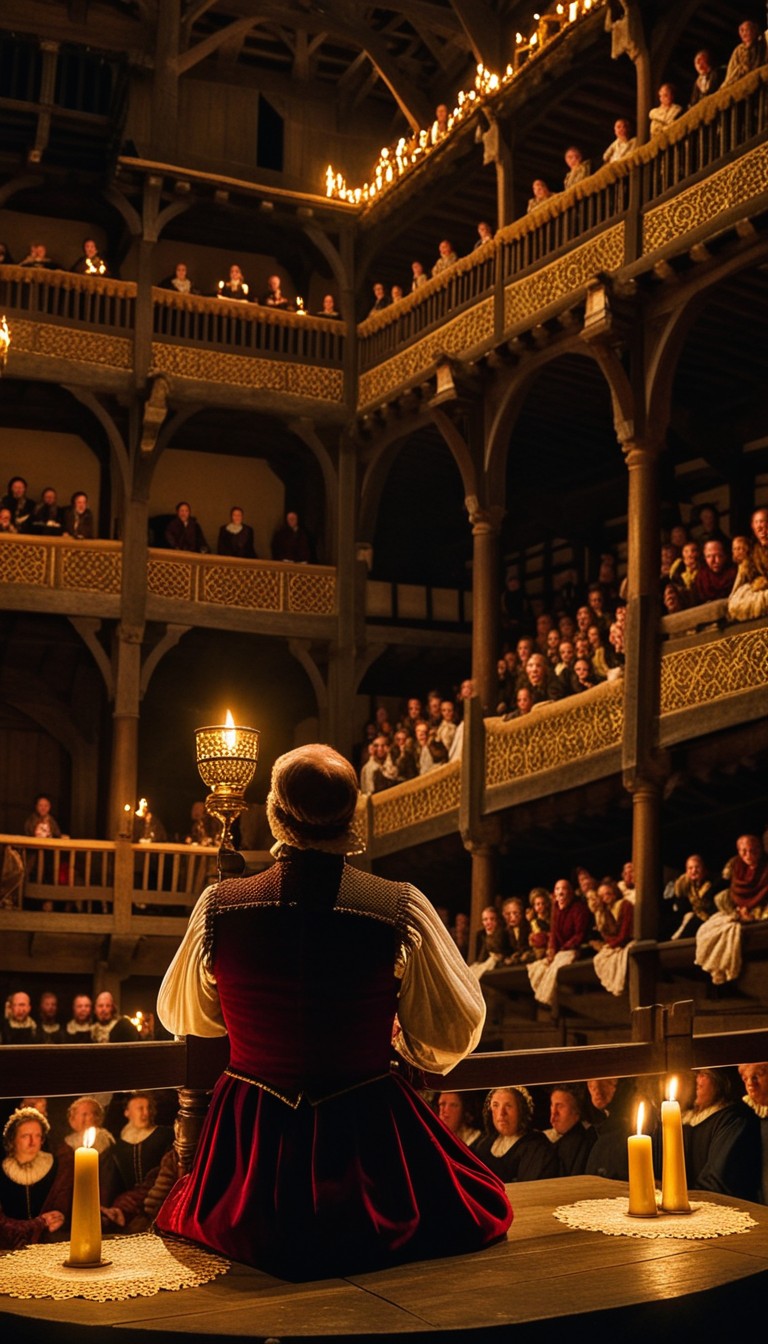
Elizabeth's reign unleashed a flowering of English culture and ambition unlike anything the nation had seen before. William Shakespeare and Christopher Marlowe transformed the English theatre. Francis Drake became the second person to circumnavigate the globe, and Walter Raleigh attempted the first English settlements in the Americas. Edmund Spenser wrote The Faerie Queene in her honour. English merchants founded trading companies that would lay the foundations of an empire. The queen herself was highly educated—fluent in six languages—and actively patronised the arts. England was no longer a peripheral island kingdom; it was becoming a world power.
August 1588
English Channel
Defeat of the Spanish Armada
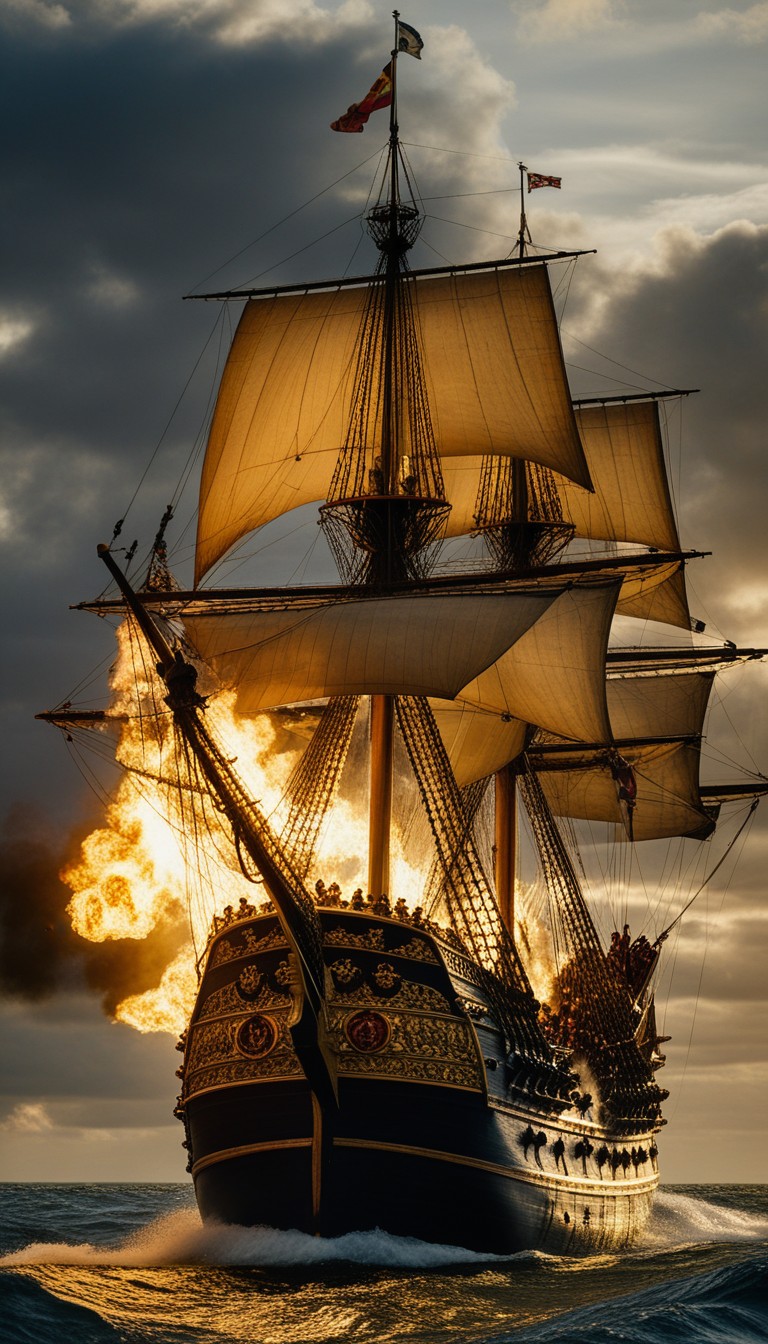
In the summer of 1588, Philip II of Spain launched the most powerful invasion fleet the world had ever seen—130 ships, 30,000 men, intended to overthrow Elizabeth and return England to Catholicism. As the Armada gathered in the Channel, Elizabeth rode to Tilbury to address her troops. "I know I have the body of a weak and feeble woman," she declared, "but I have the heart and stomach of a king—and of a king of England too." English fire ships scattered the Armada in the night. Storms finished the destruction. England had survived. Elizabeth's legend was sealed.
24 March 1603
Richmond Palace, England
Gloriana
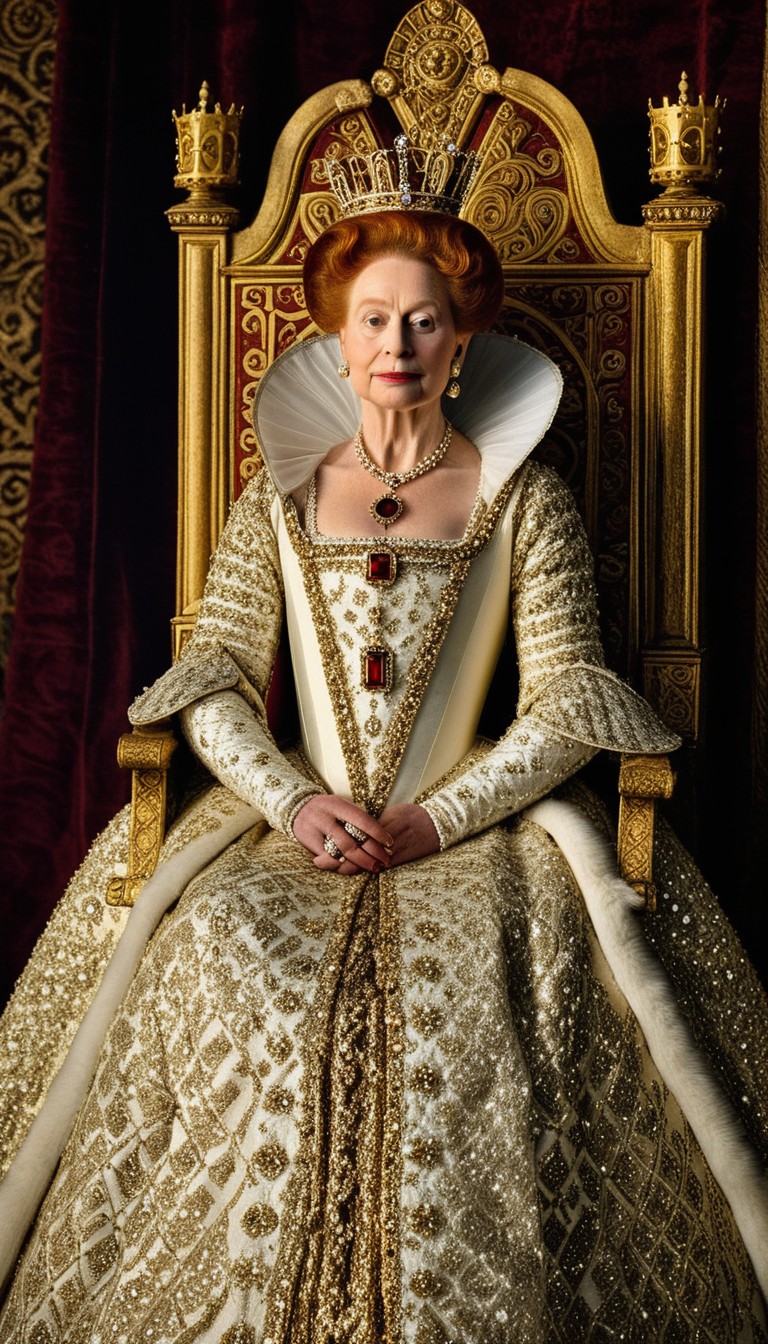
As Elizabeth aged, her court grew older with her and the question of succession hung over England like a storm. She refused to name an heir until the very end. The final years of her reign were shadowed by war in Ireland, the execution of her favourite Robert Devereux, and the weight of forty years on the throne. Yet the image she had so carefully cultivated—Gloriana, the eternal virgin queen, the mother of her nation—never faltered in public. She died on March 24, 1603, at Richmond Palace, sixty-nine years old. She had never married. She had never named her successor until her last hours. She had reigned for forty-five years.
Forty-Five Years, One Legend
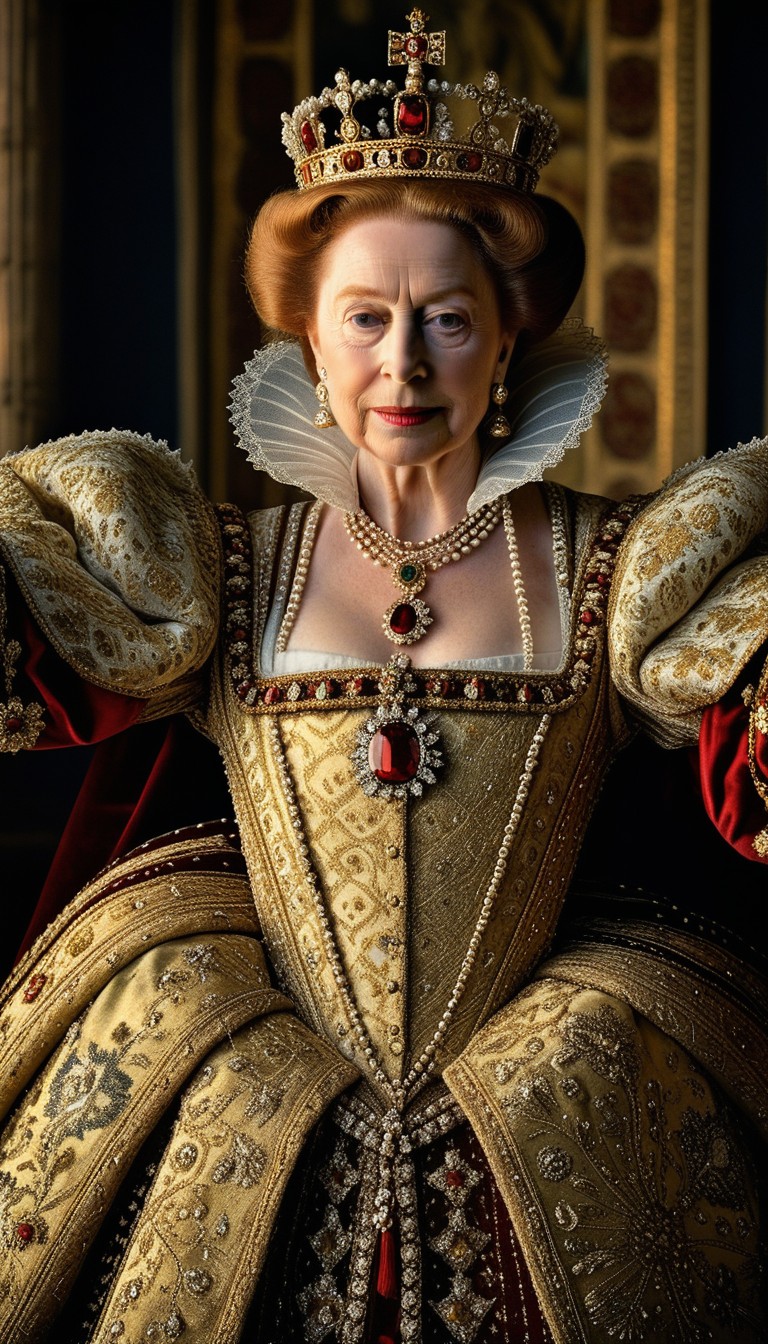
Elizabeth I reigned for forty-five years over a kingdom she transformed from a religiously fractured, second-rate power into the beating heart of a coming empire. She survived a childhood defined by her father's cruelty, imprisonment in the Tower, and decades of plots against her life. She turned her greatest vulnerability—being an unmarried woman in a world of kings—into her greatest weapon. When she died in 1603, she left behind a language enriched by Shakespeare, a navy that had humbled Spain, and a national identity that would endure for centuries. Gloriana. The Virgin Queen. Elizabeth the Great.
Recommended Reading
As an Amazon Associate, we earn from qualifying purchases.

Swipe to navigate