Hypatia: The Last Light of Alexandria
Loading story...
c. 360 AD
Alexandria, Egypt
Daughter of Alexandria
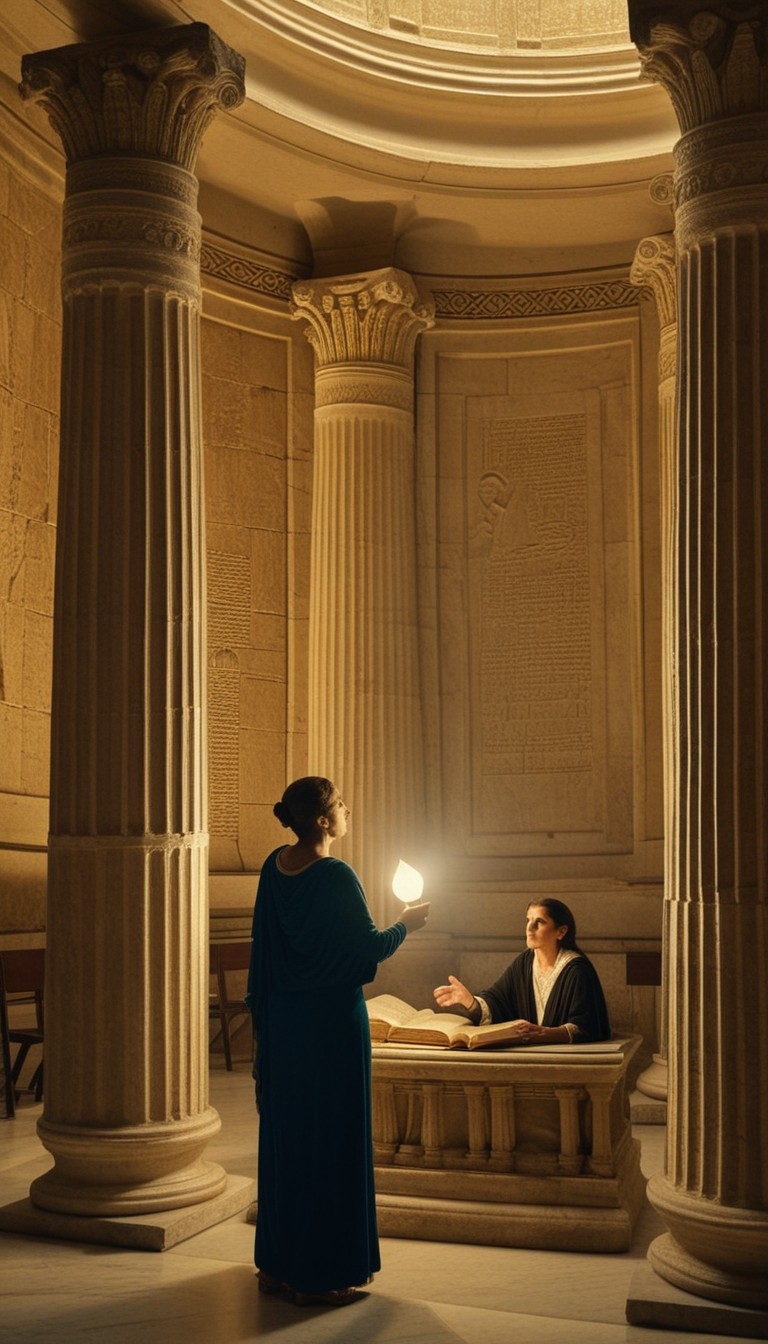
Hypatia was born around 360 AD in Alexandria, Egypt—then the intellectual capital of the Roman world. Her father, Theon of Alexandria, was a renowned mathematician and the last known member of the great Library of Alexandria. Recognising his daughter's extraordinary mind, Theon gave her an education few women of the ancient world ever received, training her rigorously in mathematics, astronomy, and the full breadth of Greek philosophy.
c. 375–390 AD
Alexandria, Egypt
A Mind Forged in Three Worlds
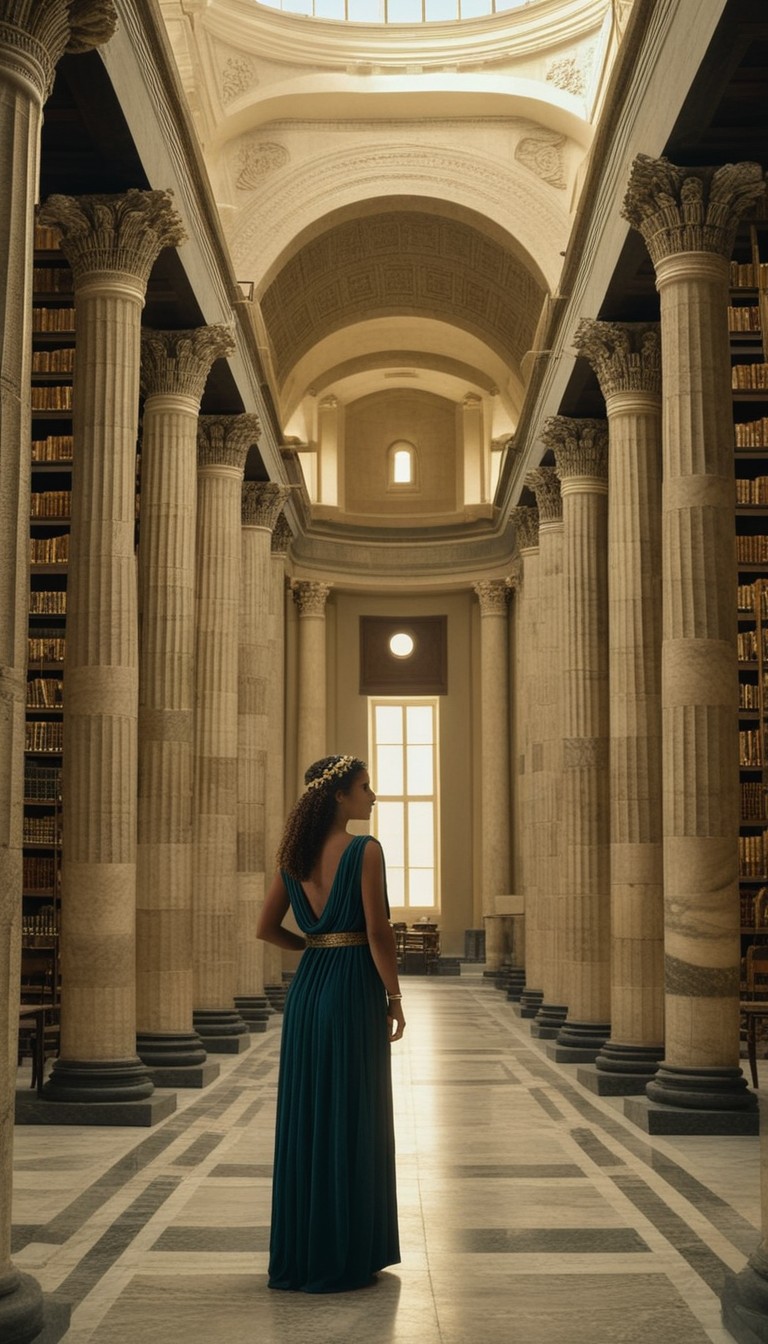
Hypatia mastered every discipline her era offered. She studied Euclid's geometry and wrote commentaries on the works of Diophantus and Apollonius that made difficult mathematics accessible to students. She was versed in Ptolemaic astronomy, able to calculate planetary movements and construct celestial charts. Above all, she embraced Neoplatonist philosophy—the tradition that sought unity between reason, the divine, and the cosmos. She did not merely learn these disciplines; she extended them.
c. 390–415 AD
Alexandria, Egypt
Head of the Neoplatonic School
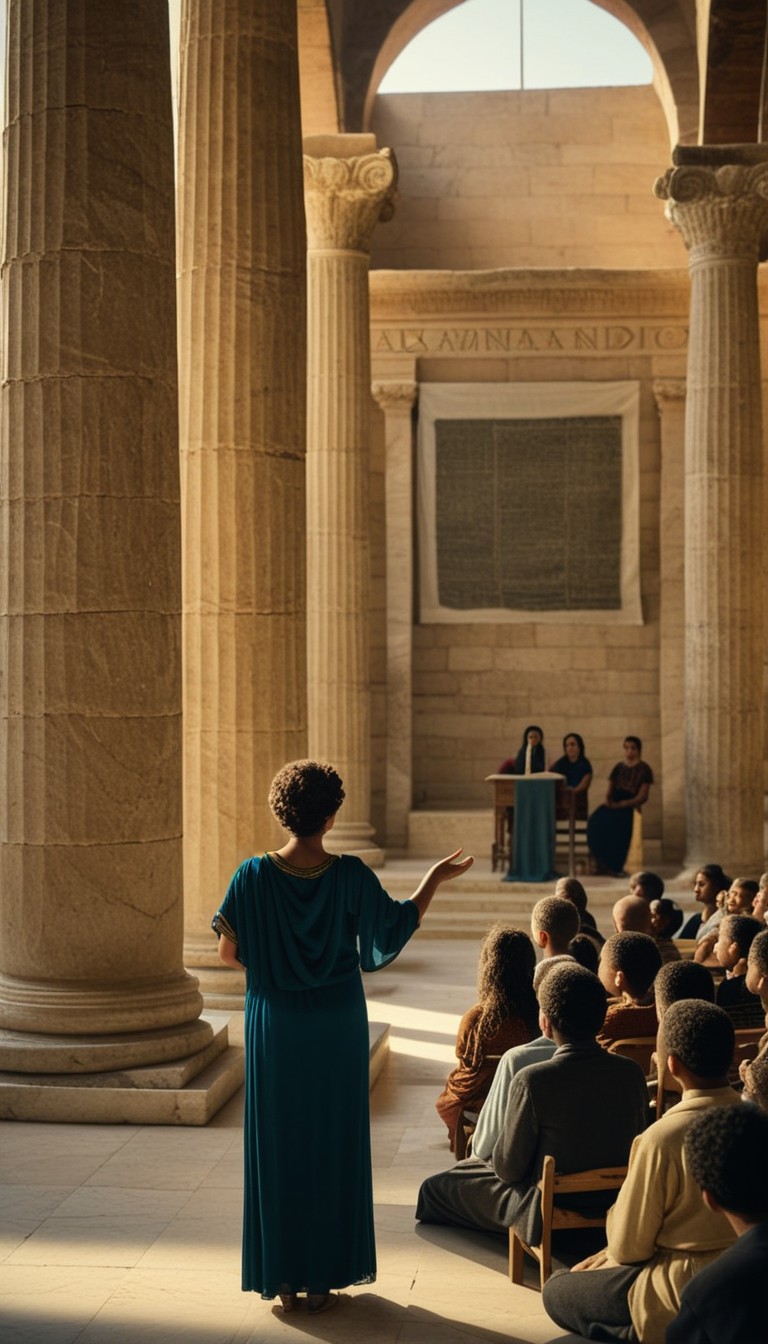
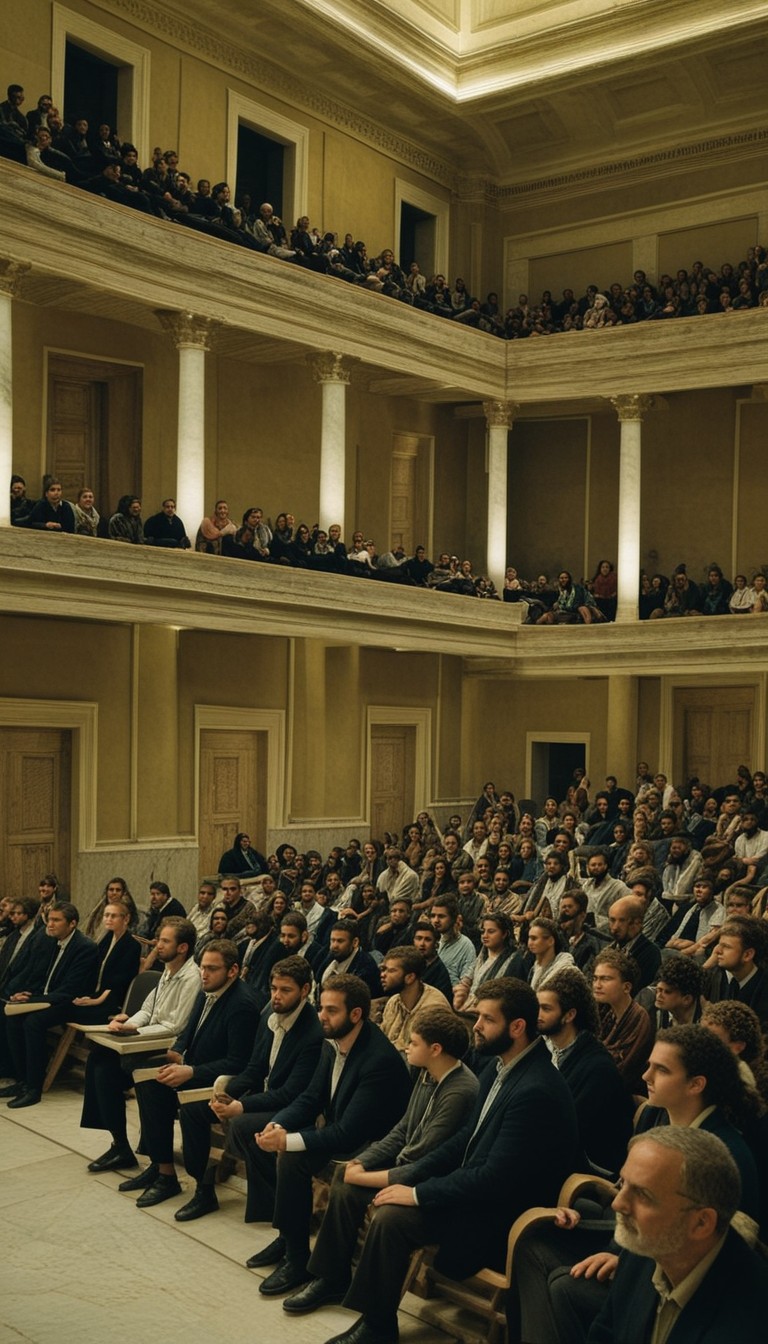
By her late thirties, Hypatia had become the undisputed head of the Neoplatonic school of philosophy in Alexandria. It was an extraordinary position for any person to hold—more so for a woman in the late Roman world. She lectured publicly on Plato, Aristotle, and the Neoplatonist tradition, drawing students who would travel for months to sit at her feet. She surpassed her father's reputation entirely, becoming the most celebrated teacher in the eastern Roman Empire.
c. 390–415 AD
Alexandria, Egypt
Students from Across the World
Hypatia's reputation transcended the boundaries of religion, class, and origin. Her students included pagans, Christians, and men of every political stripe. Among her most devoted pupils was Synesius of Cyrene, later a bishop of the Christian church, who wrote her letters of deep admiration long after leaving Alexandria. Roman governors, civic leaders, and intellectuals sought her counsel on matters of politics and philosophy alike. She was, by every account, the most respected mind in the city.
c. 400 AD
Alexandria, Egypt
Instruments of Understanding
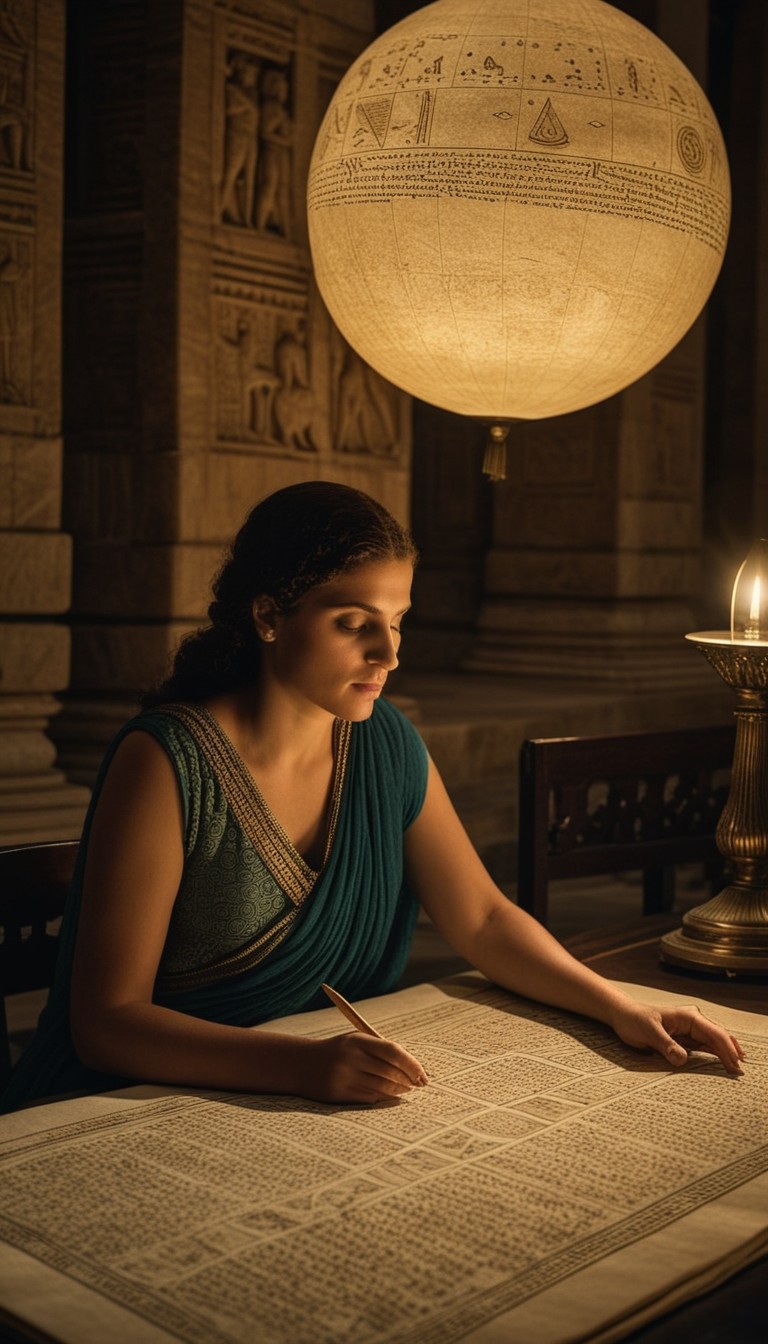
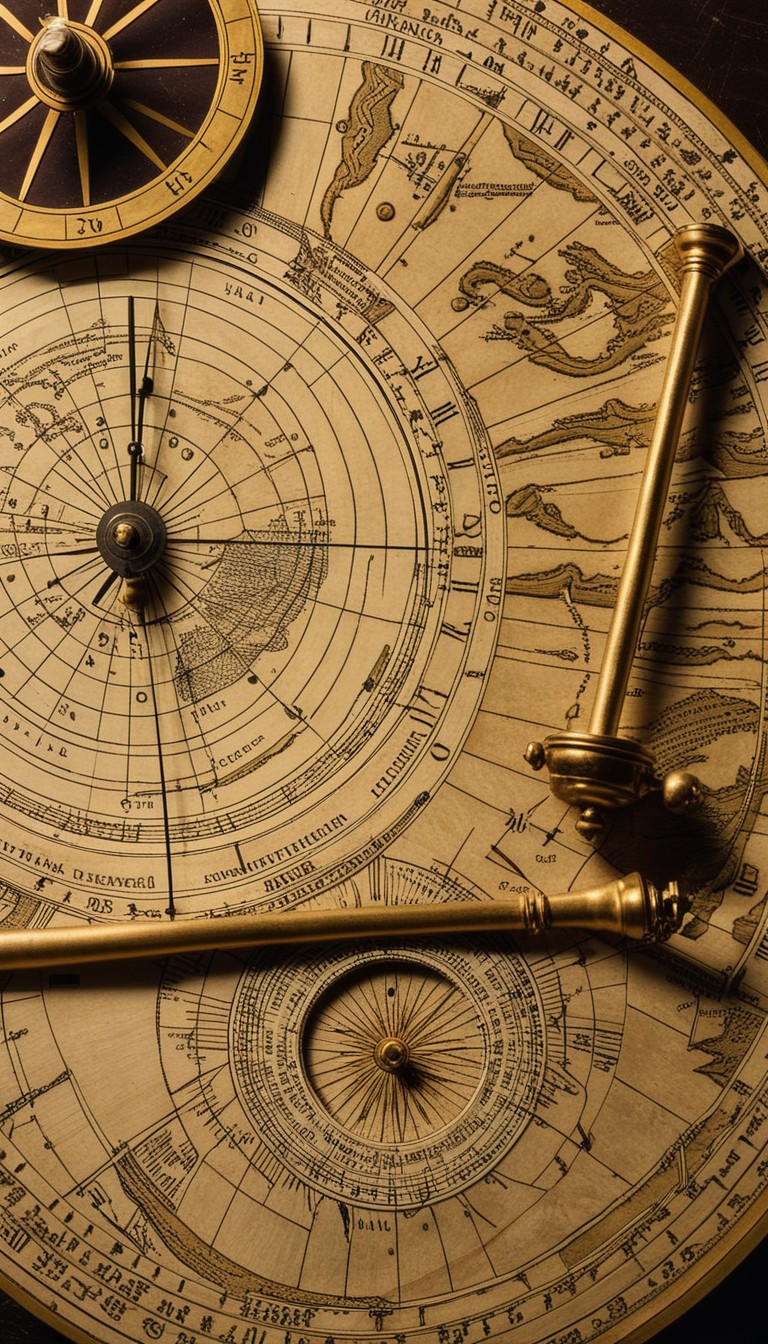
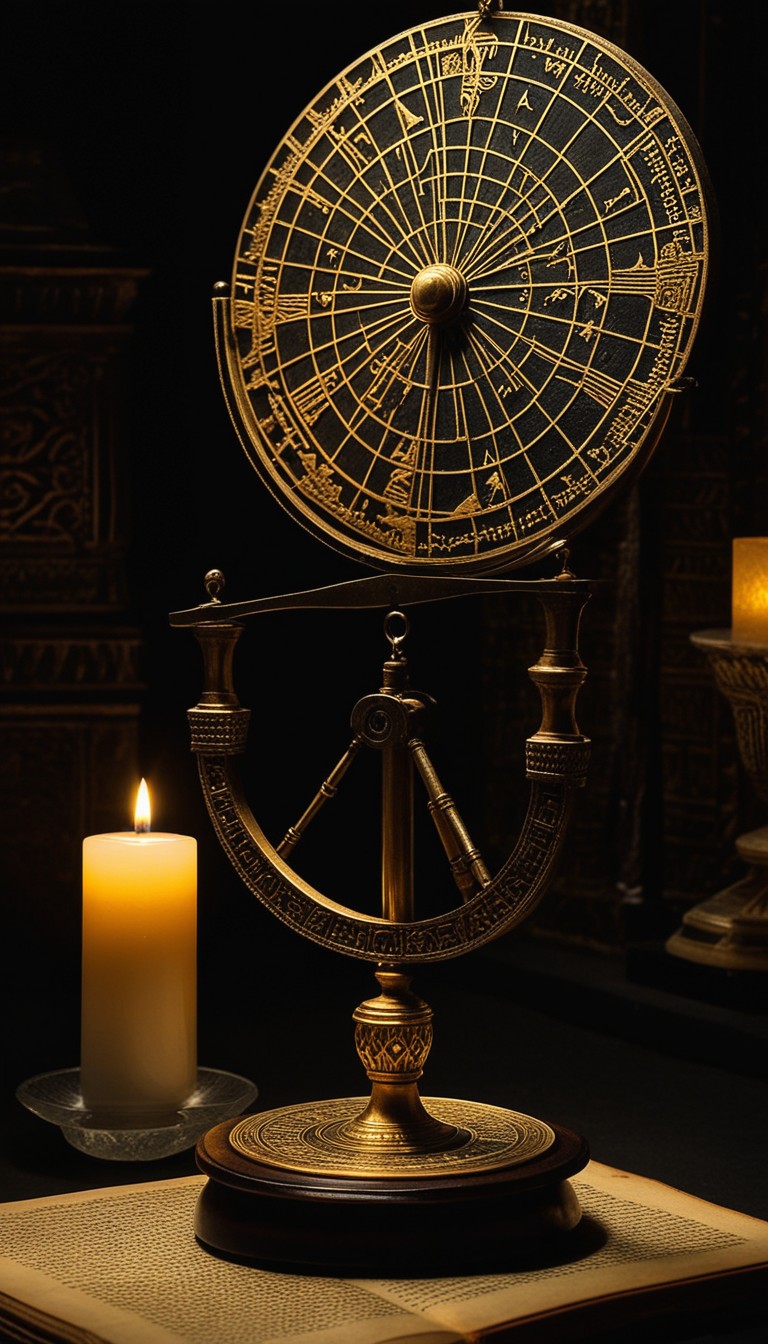
Hypatia was not only a theorist but a builder of knowledge in the most practical sense. She collaborated with her students on the construction of scientific instruments, most notably the astrolabe—a device for measuring the positions of stars and planets—and the hydrometer, used to determine the density of liquids. These tools allowed her to teach astronomy and natural philosophy through direct observation, bridging the ancient world's gap between abstract reasoning and empirical inquiry.
c. 391–415 AD
Alexandria, Egypt
A City at War with Itself
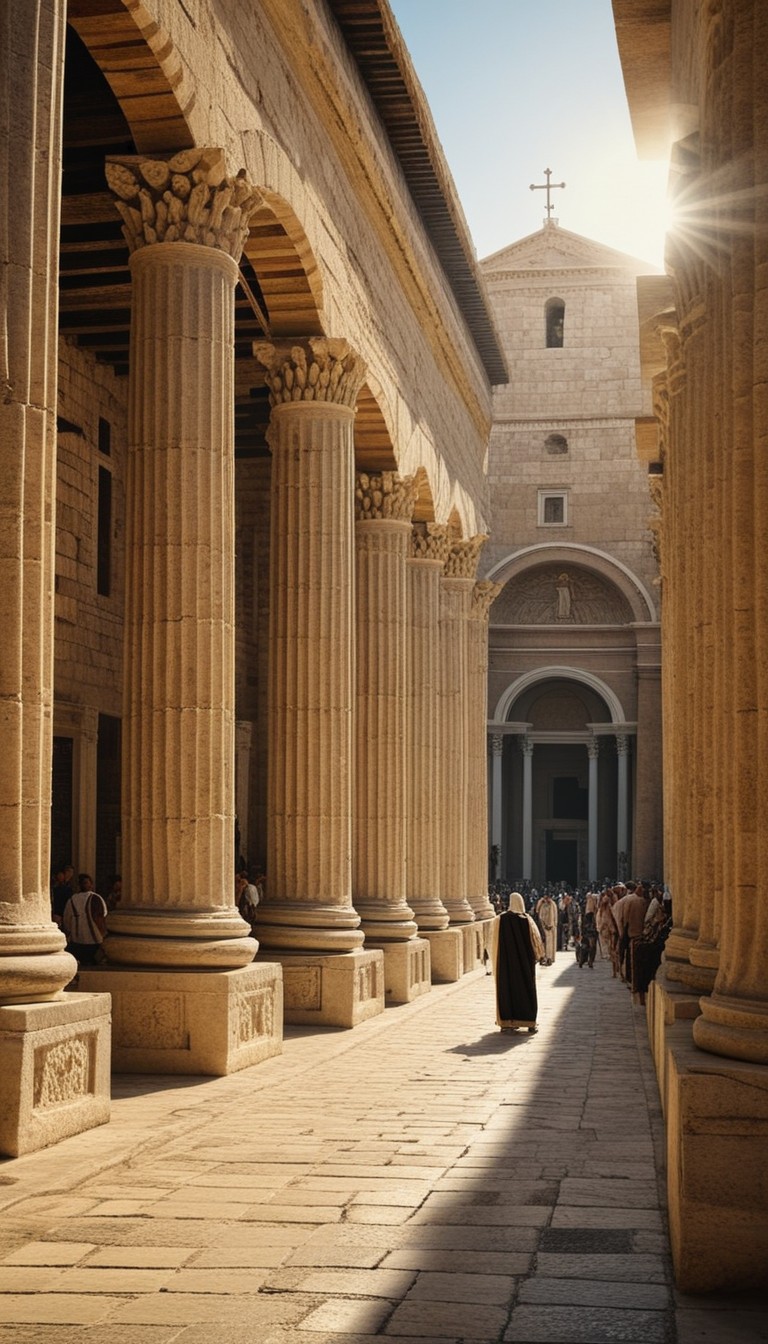
The Alexandria of Hypatia's later years was a city in profound tension. Christianity had become the official religion of the Roman Empire, and old pagan institutions were under pressure across the empire. In 391 AD, the great Serapeum temple complex in Alexandria was destroyed by a Christian mob with imperial approval. Jewish and pagan communities clashed with growing Christian factions. The city that had once prided itself on tolerant cosmopolitanism was fracturing along lines of faith, ethnicity, and power.
c. 414–415 AD
Alexandria, Egypt
Caught Between Powers
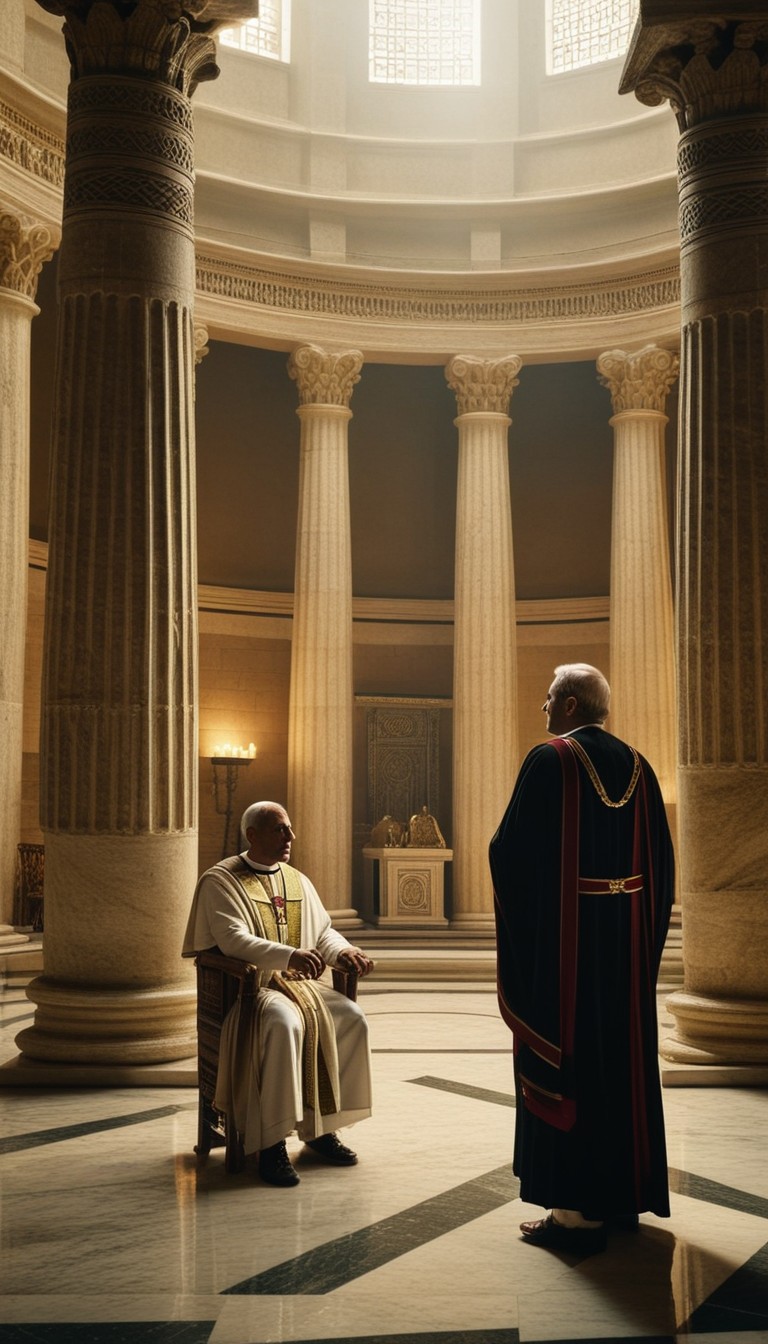
Hypatia became a symbol in a dangerous political struggle. Orestes, the Roman prefect of Alexandria and her friend, was locked in an escalating conflict with Bishop Cyril, the powerful and ambitious head of the Alexandrian church. Cyril viewed Hypatia's influence over Orestes as an obstacle to his own authority. When rumours spread—almost certainly false—that Hypatia was using witchcraft to poison the prefect's mind against the church, she became a target. Her pagan identity, her public prominence, and her political friendships had made her enemies she could not survive.
March 415 AD
Alexandria, Egypt
The Death of a Philosopher
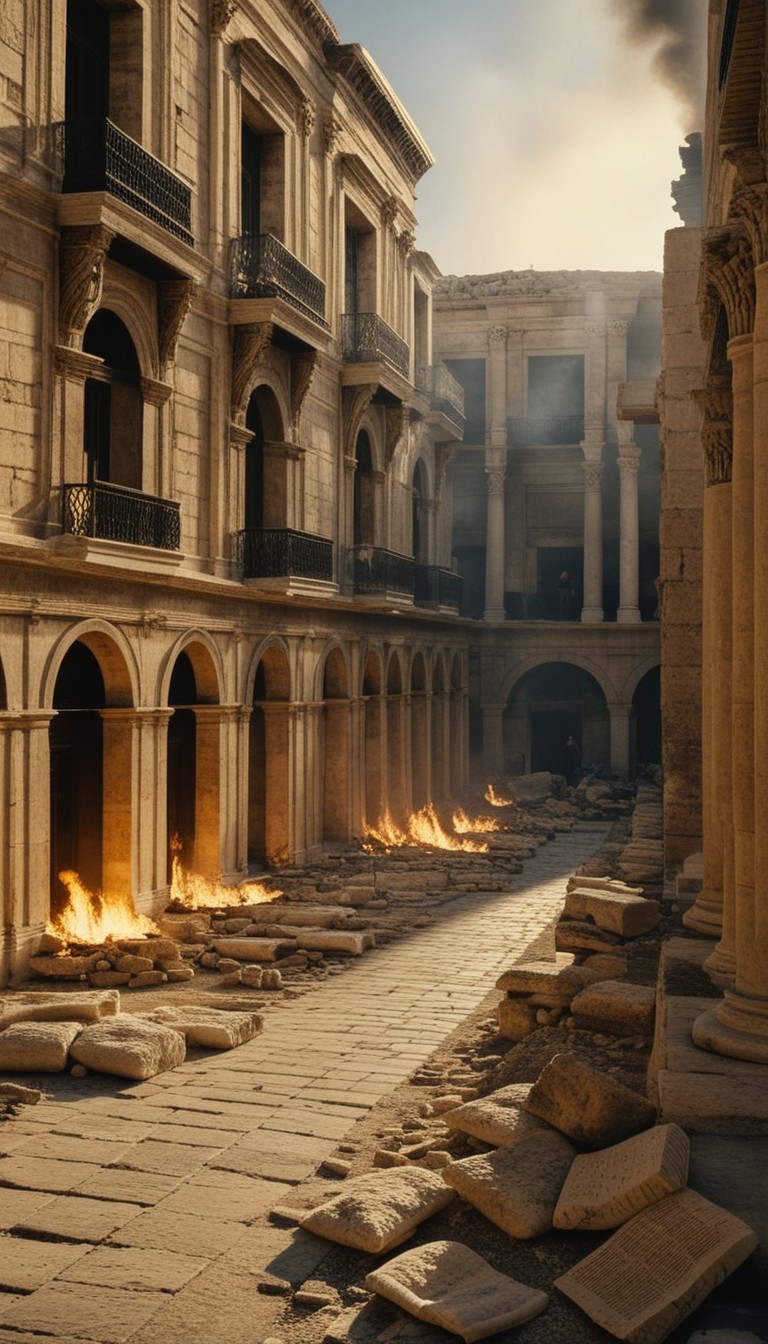
In March 415 AD, a mob of Christian zealots—likely followers of a reader named Peter acting with at least tacit encouragement from Cyril's faction—dragged Hypatia from her chariot on a street in Alexandria. She was taken to the Caesareum church, stripped, and murdered. The ancient sources are harrowing in their detail. She was approximately fifty-five years old. Her death sent a chill through the intellectual world of late antiquity. Many scholars who had hesitated to leave Alexandria departed for other cities. The city never recovered its former stature.
The Last Light
Hypatia of Alexandria was the last great philosopher of the classical world—a woman who taught mathematics and astronomy in the open streets of a city that would never again produce her equal. Her murder marked no single ending, but it stands as a monument to what is lost when knowledge becomes a threat to power. For centuries she was forgotten; today she endures as a symbol of intellectual courage, of the freedom to ask questions, and of the fragility of the institutions we build to house the best of human thought.
Recommended Reading
As an Amazon Associate, we earn from qualifying purchases.
Swipe to navigate