Ibn Battuta: The Greatest Traveler
Loading story...
1325
Tangier, Morocco
The Departure from Tangier
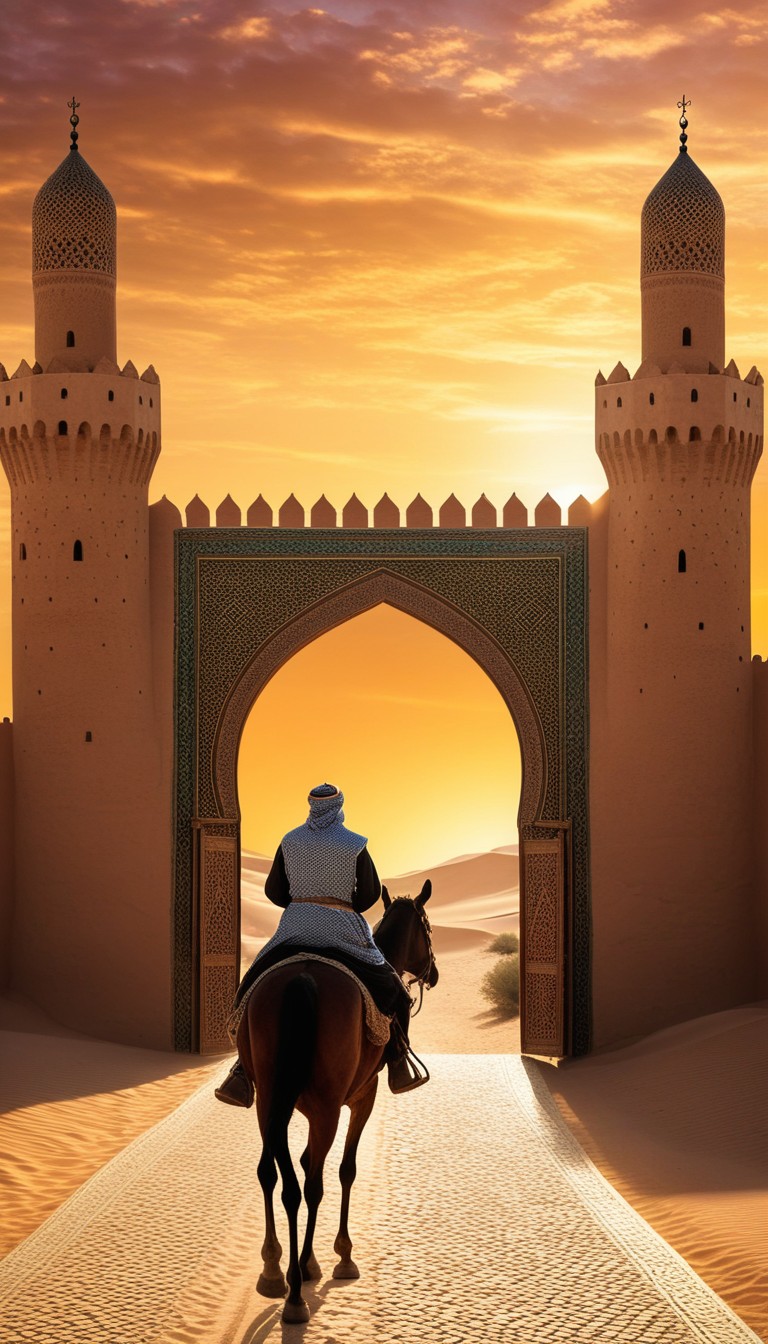
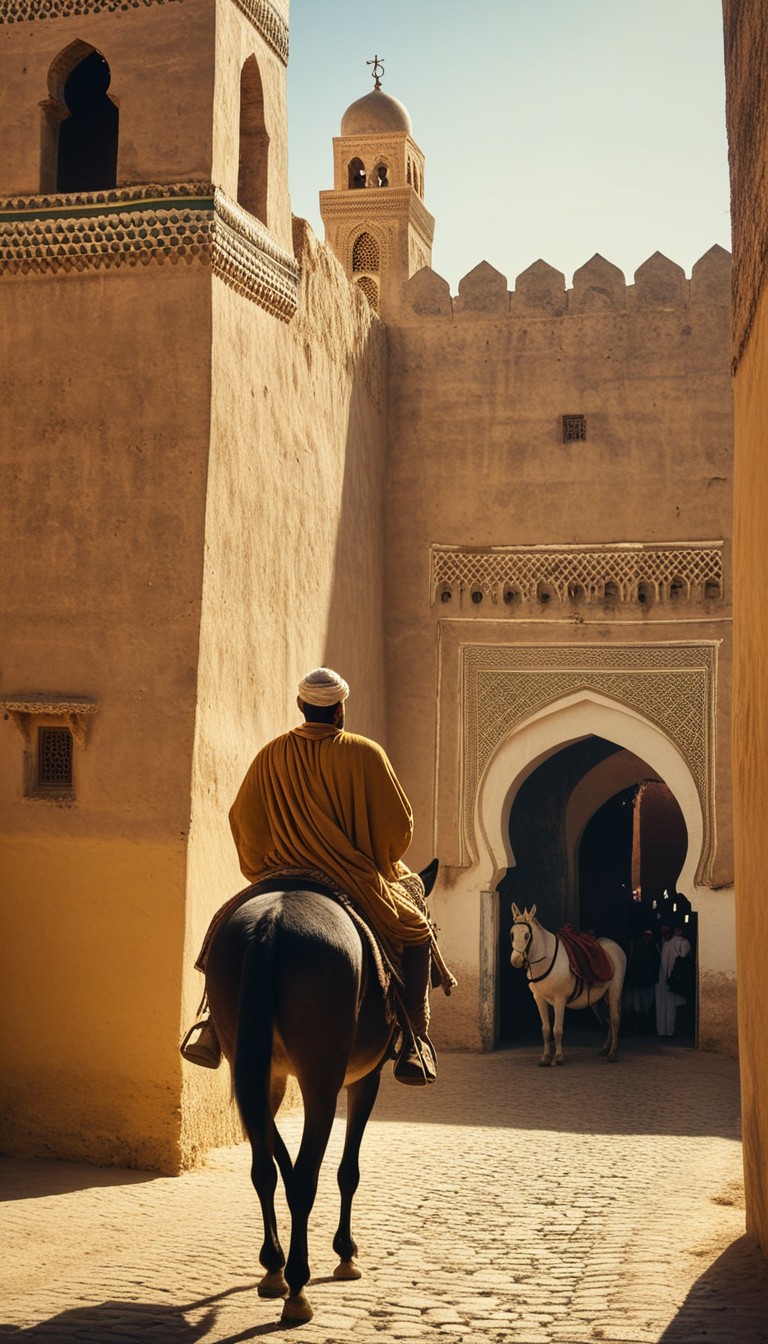
On a June morning in 1325, a twenty-one-year-old legal scholar named Abu Abdallah Muhammad ibn Battuta rode out of the Moroccan port city of Tangier, bound for the holy city of Mecca. He had no way of knowing that this act of religious devotion would grow into a lifelong odyssey. Weeping as he left his parents behind, he joined a caravan heading east along the North African coast. It was the last time he would see his homeland for more than two decades.
1325–1326
North Africa & Arabia
Across North Africa to the Holy City
Ibn Battuta made his way east through Tunis, Tripoli, and Alexandria, marveling at the ancient monuments of Egypt and the bustling markets of Cairo—the greatest city he had ever seen. He traveled up the Nile before striking overland to the Red Sea coast, then by ship to the Hejaz. When he finally arrived in Mecca and performed the Hajj in 1326, he was already a changed man. The sacred city stirred in him an insatiable hunger to see more of the vast world that God had made.
1326–1332
Persia, Arabia & East Africa
Persia, the Horn, and the Swahili Coast
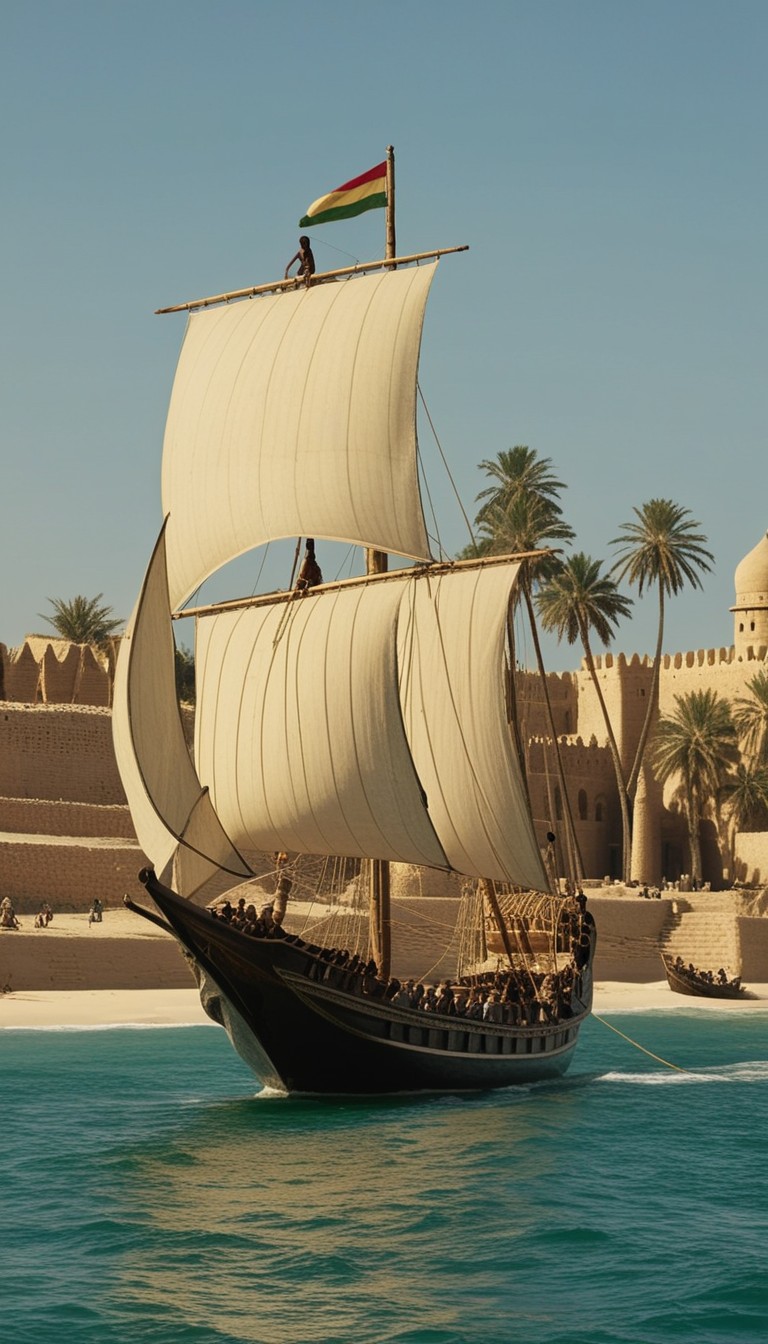
Rather than return home after Mecca, Ibn Battuta pressed onward. He traveled through Persia and Iraq, visited the ruins of Babylon, and circled back to Arabia for a second Hajj. Then he sailed south down the East African coast, visiting the prosperous Swahili trading cities of Mogadishu, Mombasa, and Kilwa—ports rich with gold, ivory, and the smell of spices from across the Indian Ocean. He recorded vibrant descriptions of these sophisticated Islamic societies that would otherwise have left almost no written record in the wider world.
1334
Delhi, India
The Courts of India
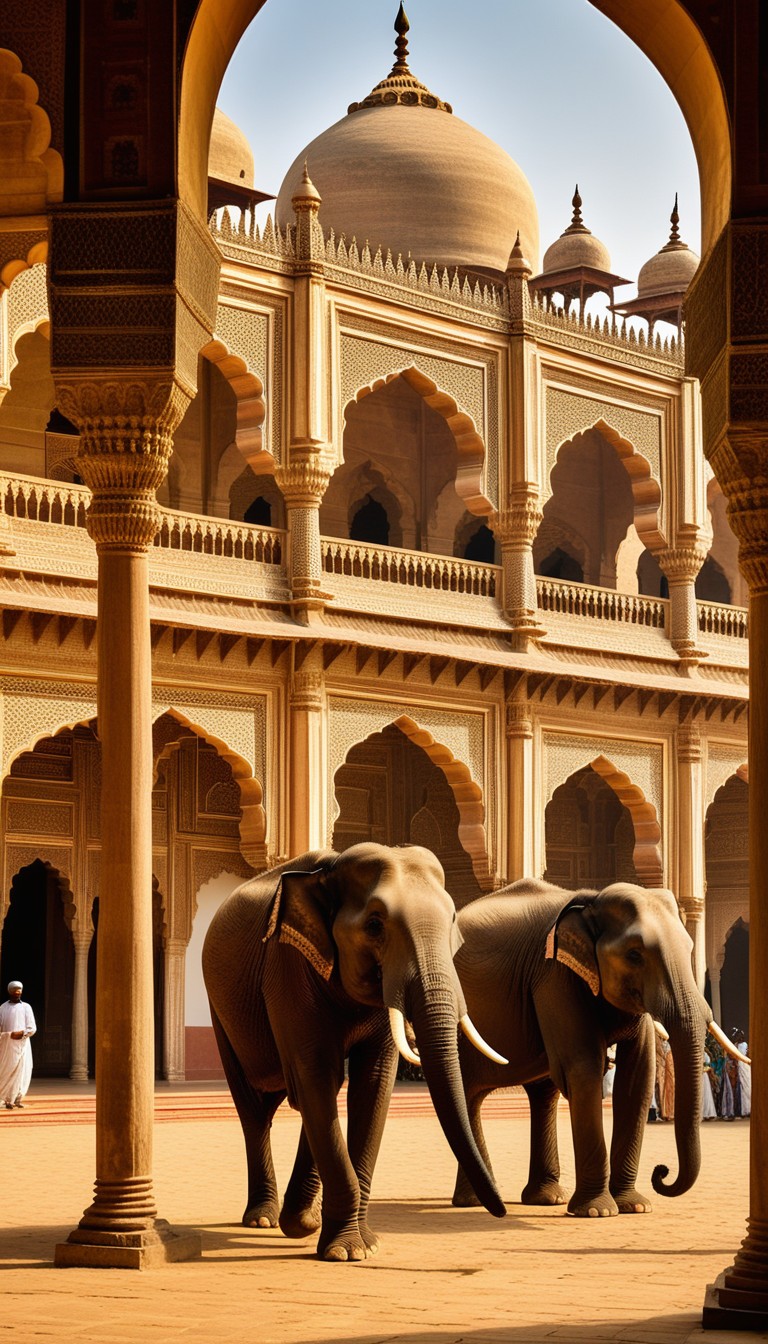
After crossing the Black Sea steppes and Anatolia—where he narrowly survived a sea storm and political upheaval—Ibn Battuta arrived in Delhi in 1334 to serve the formidable Sultan Muhammad bin Tughluq. The Sultan was brilliant, generous, and terrifyingly unpredictable, known to reward scholars lavishly one day and execute them the next. Ibn Battuta served as a qadi, or judge, accumulating wealth and influence while carefully navigating the Sultan's volatile court. He witnessed the extraordinary wealth of the Delhi Sultanate—an empire of elephants, silk, and absolute power—and survived long enough to receive a coveted appointment as an ambassador to China.
1345–1346
Southeast Asia & China
Voyage to China
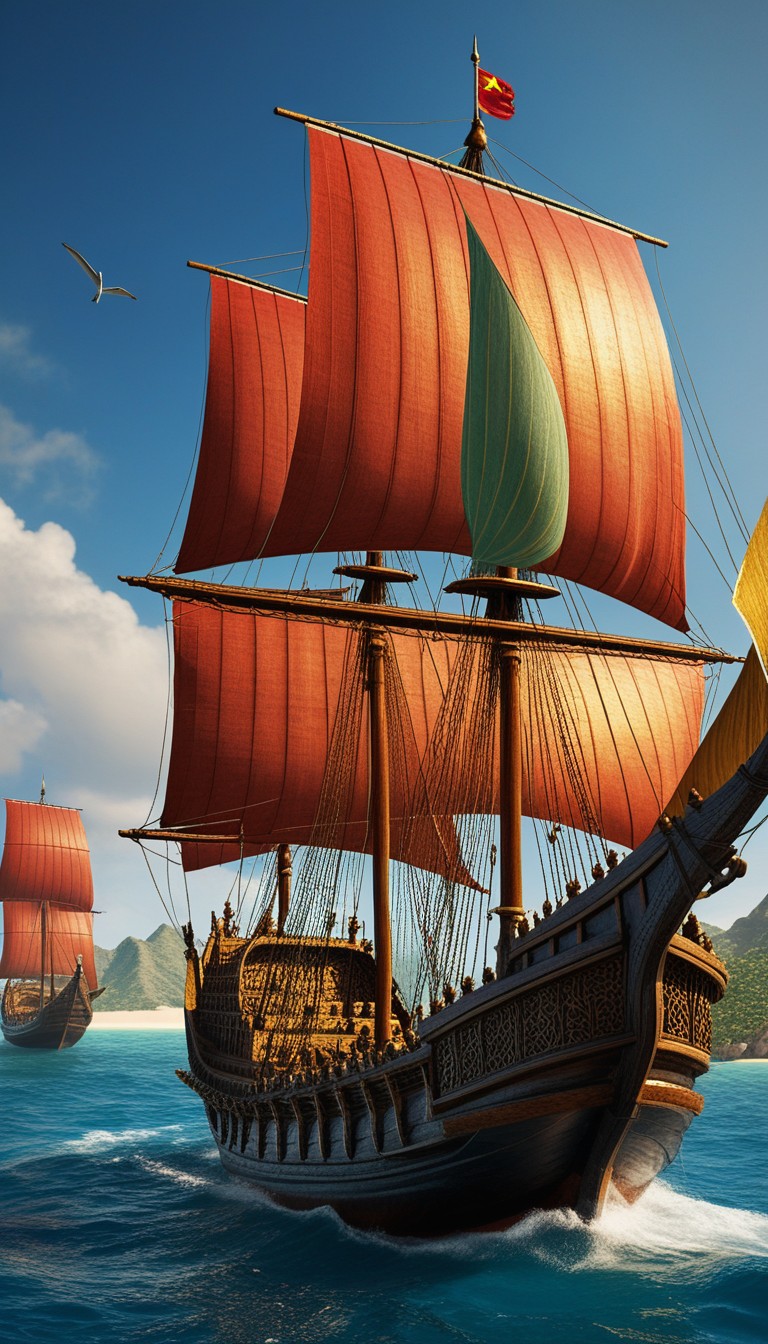
Ibn Battuta's journey to China was plagued with disaster—pirates attacked his fleet off the Malabar Coast, a storm sank vessels carrying his gifts and servants, and he was stranded in the Maldive Islands for over a year, where he served again as a judge. He eventually made his way through the Maldives, Sri Lanka, and the kingdoms of Southeast Asia before reaching the great Chinese port cities of Quanzhou and Guangzhou around 1345. China astonished him: its vast population, sophisticated infrastructure, and cheap, abundant food were unlike anything he had encountered. He filled his notebooks with wonder.
1349
Morocco
Coming Home to Catastrophe
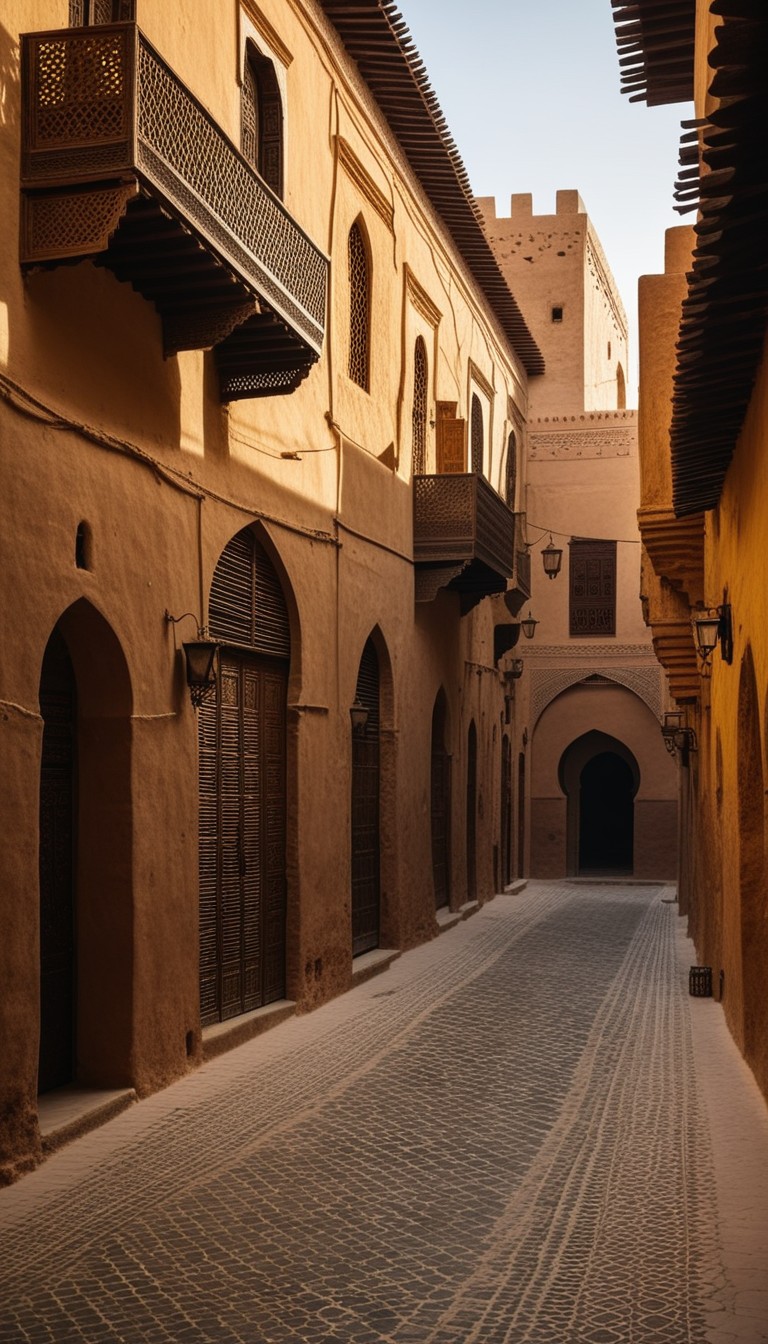
Ibn Battuta began his long journey westward in 1346, passing through Central Asia and the Middle East. Everywhere he went he found evidence of a catastrophe—the Black Death was sweeping across the Islamic world and Europe with terrifying speed, emptying cities and killing entire communities within days. When he finally reached Morocco in 1349, he found that his own mother had died of the plague. He had been away for twenty-four years. The world he had left as a young man no longer existed.
1351–1354
Sahara & Mali Empire
Across the Sahara to Mali
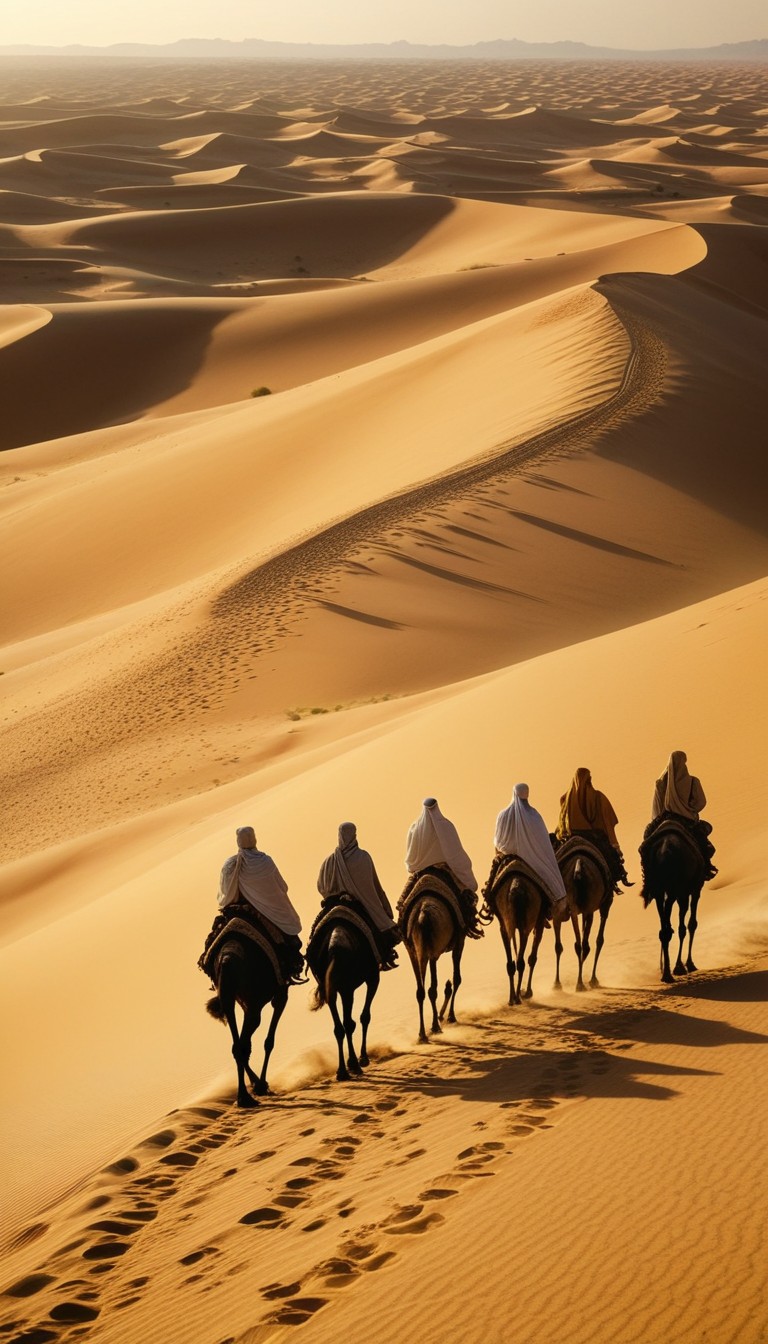
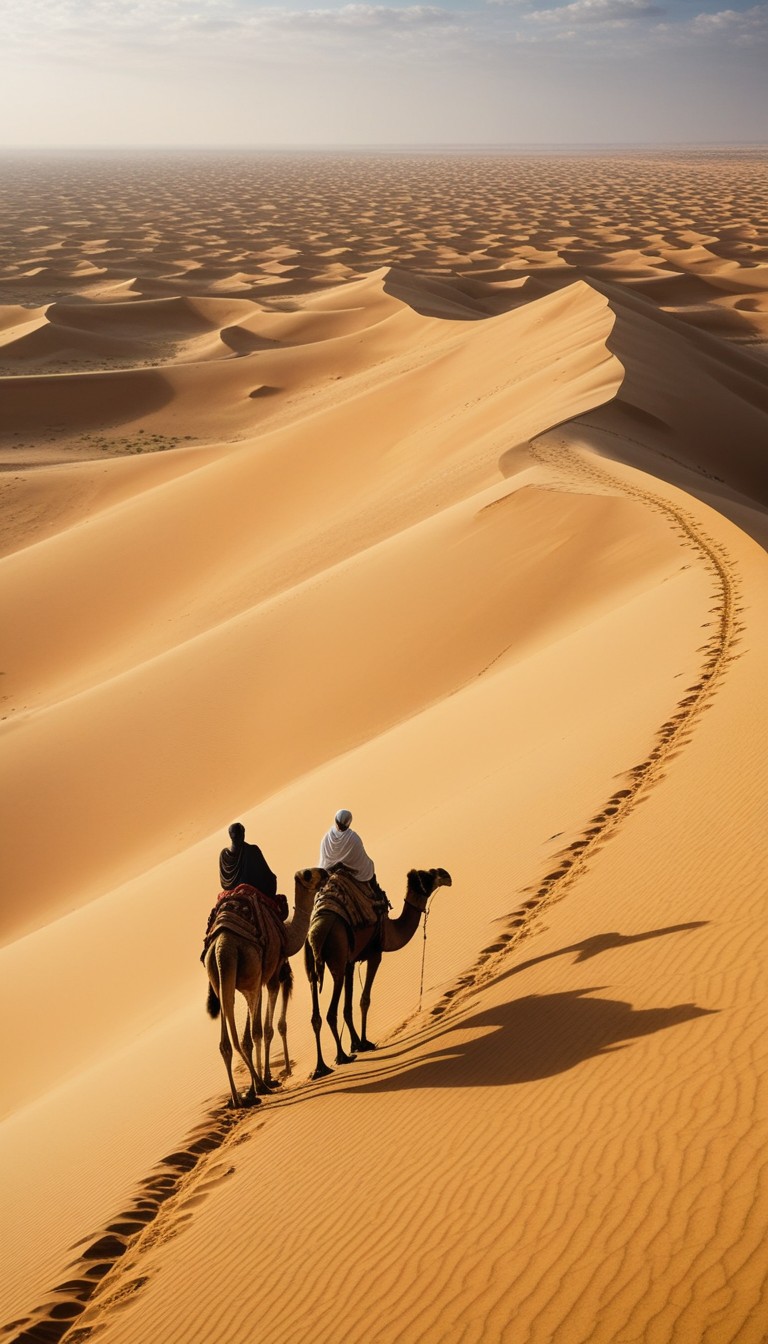
Still restless, Ibn Battuta undertook one final great journey in 1351—a crossing of the Sahara Desert to visit the Mali Empire, the wealthiest kingdom on earth. He traveled for weeks through the trackless sands, guided by the stars and the knowledge of desert merchants, before arriving at the fabled city of Timbuktu. He met the Sultan of Mali, observed the empire's extraordinary abundance of gold, and commented candidly—sometimes critically—on the customs he found different from his own. His account of Mali remains one of the most important primary sources for the history of medieval West Africa.
1355
Fez, Morocco
The Rihla — 75,000 Miles Put to Paper
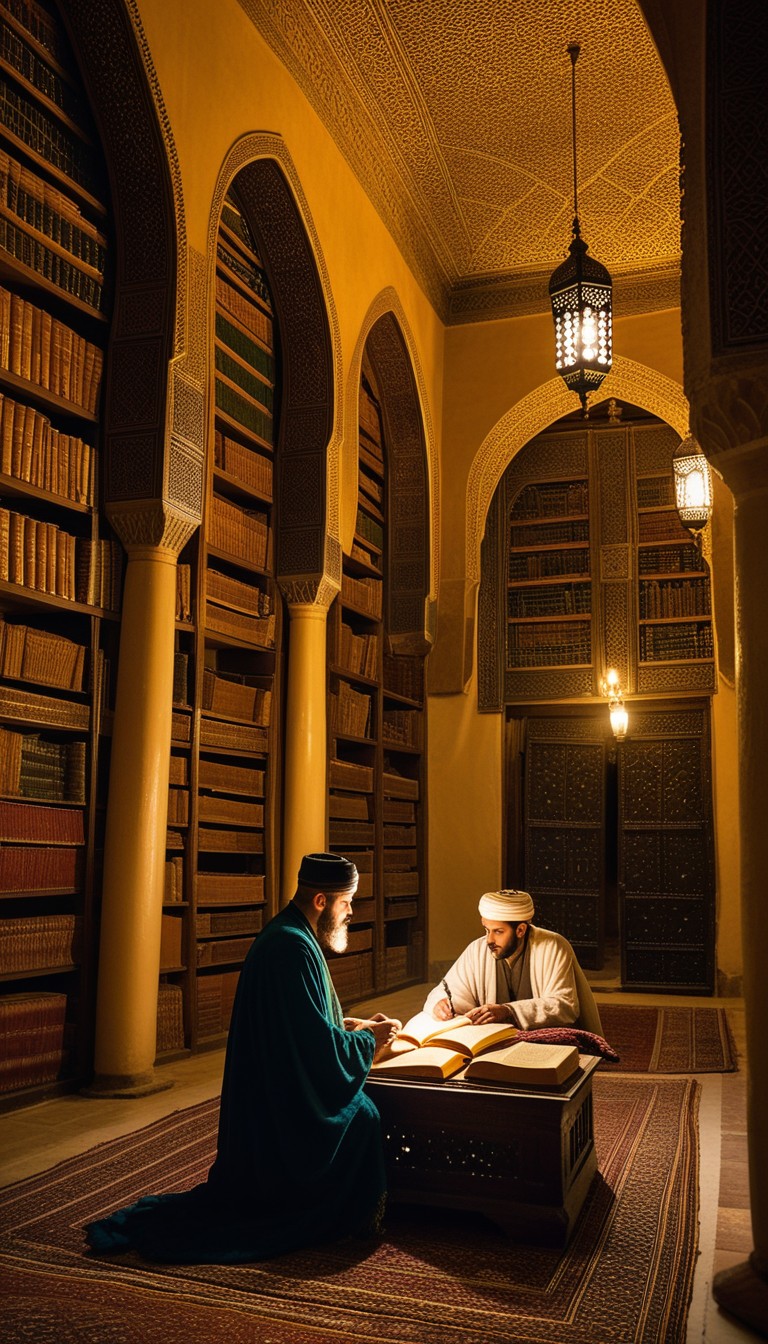
In 1355, back in the Moroccan city of Fez, Ibn Battuta sat down with the scholar Ibn Juzayy, appointed by the Sultan of Morocco, and began to dictate his memories. The resulting book—known as the Rihla, meaning "Journey"—is one of the greatest travel accounts ever written. It covers roughly 75,000 miles across forty-four modern countries, spanning nearly three decades of continuous travel. Ibn Battuta had visited the courts of sultans and emperors, survived storms and pirates and plague, and witnessed the full breadth of the medieval Islamic world at its height.
Further Than Anyone Before the Age of Steam
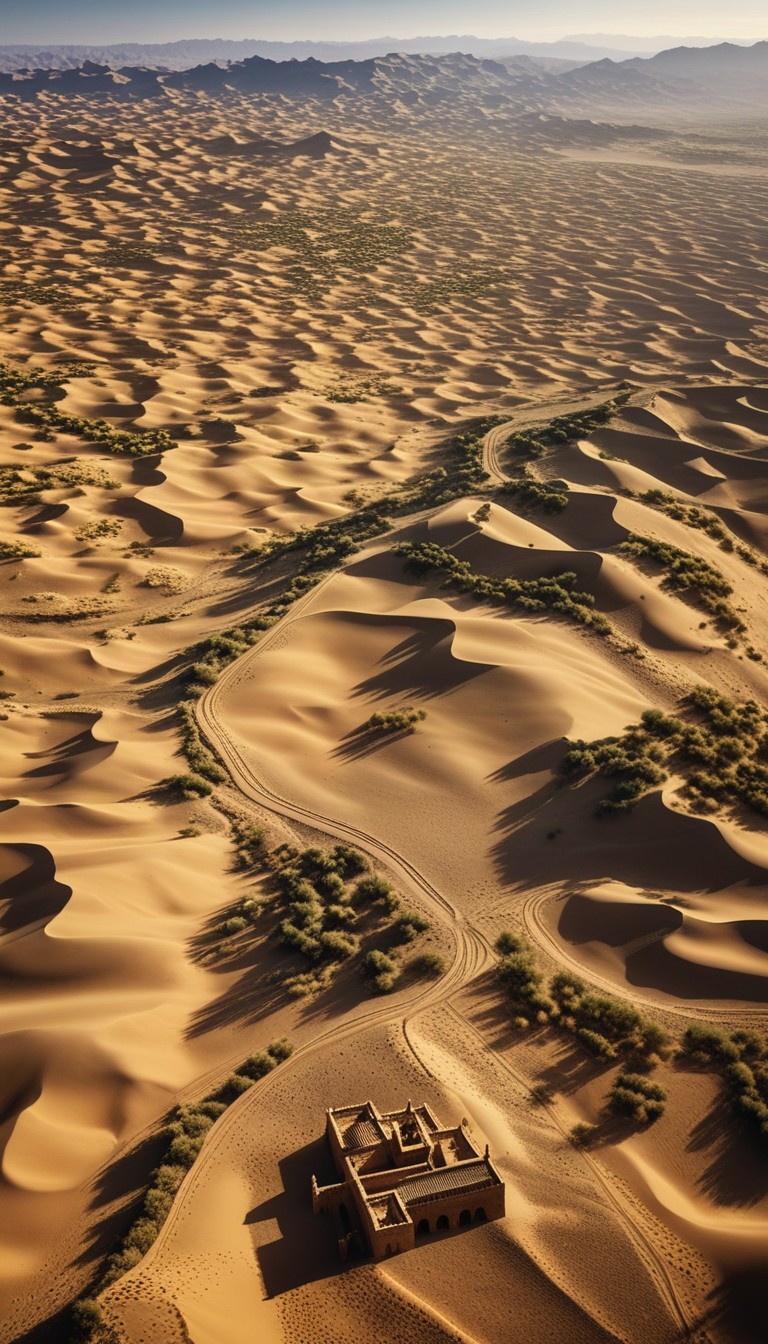
Ibn Battuta traveled roughly 75,000 miles over nearly three decades—far surpassing Marco Polo's 15,000 miles and covering more ground than any other known traveler before the invention of the steam engine. He crossed deserts, oceans, mountain ranges, and empires, serving as scholar, judge, diplomat, and pilgrim. His Rihla preserves irreplaceable accounts of medieval Africa, the Middle East, India, and China at a moment of extraordinary Islamic civilization. He died quietly in Morocco around 1368, leaving behind not a kingdom or a conquest, but something rarer: a record of the whole world as one curious human being had actually seen it.
Recommended Reading
As an Amazon Associate, we earn from qualifying purchases.



Swipe to navigate