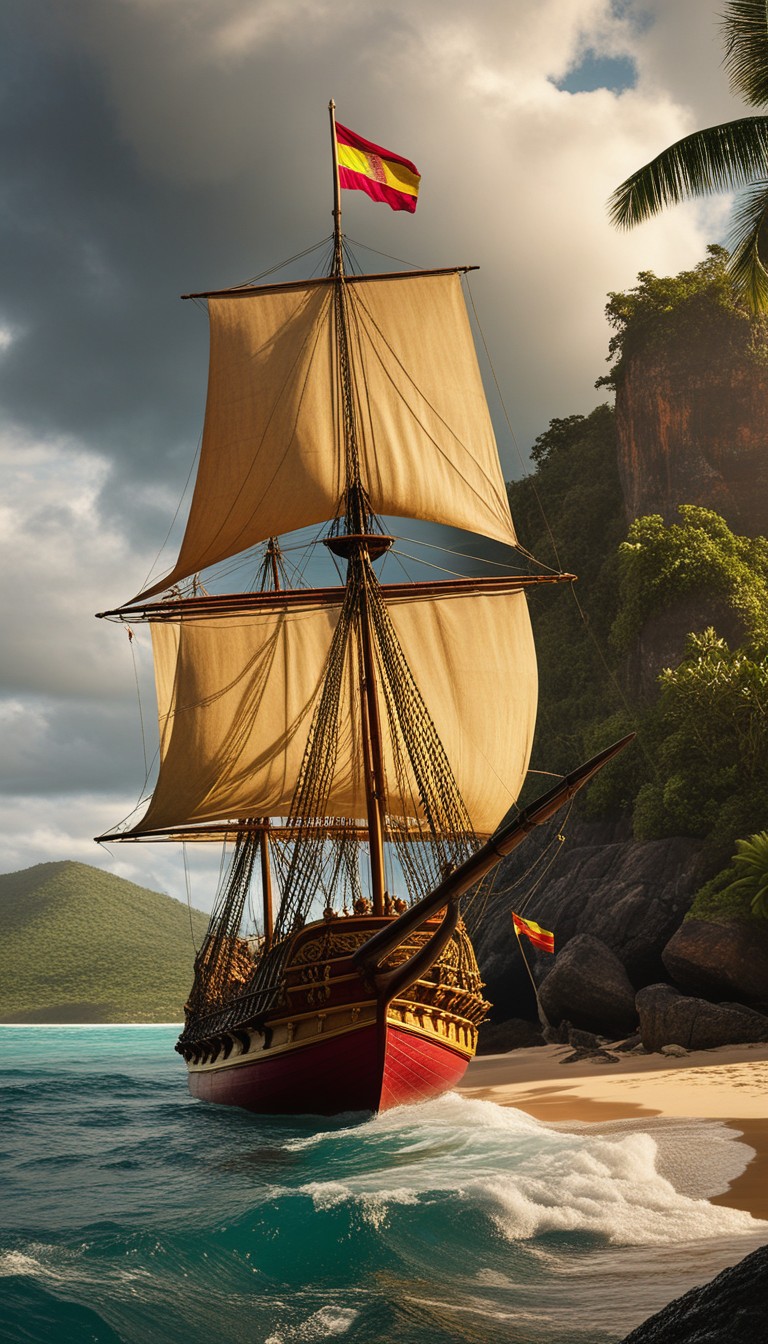
The Spanish Empire: Conquistadors & Gold
Loading story...
1492
The Bahamas
A New World Found
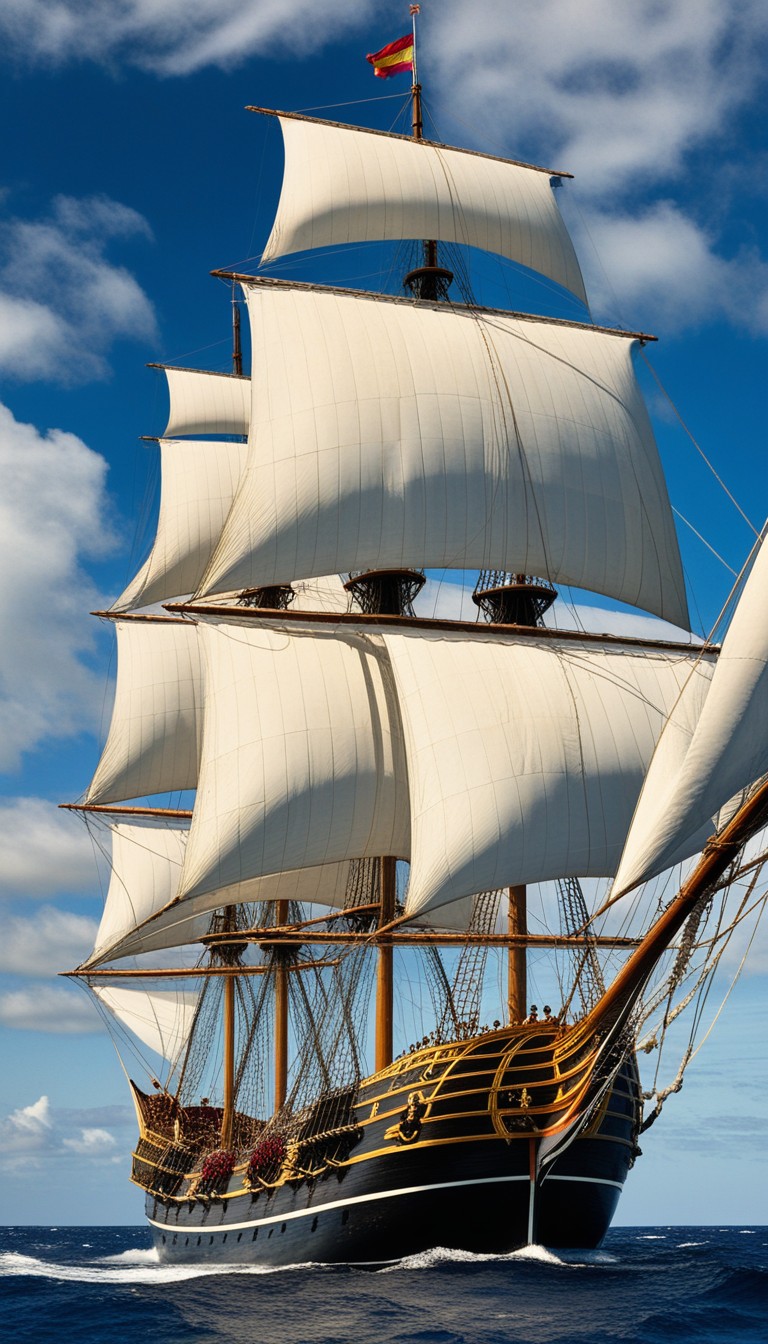
On October 12, 1492, Christopher Columbus made landfall in the Bahamas, sailing under the Spanish flag. He was looking for Asia but found something far more consequential—two continents that would transform Spain from a regional kingdom into the world's first global superpower.
1519-1521
Tenochtitlán, Mexico
The Fall of the Aztecs
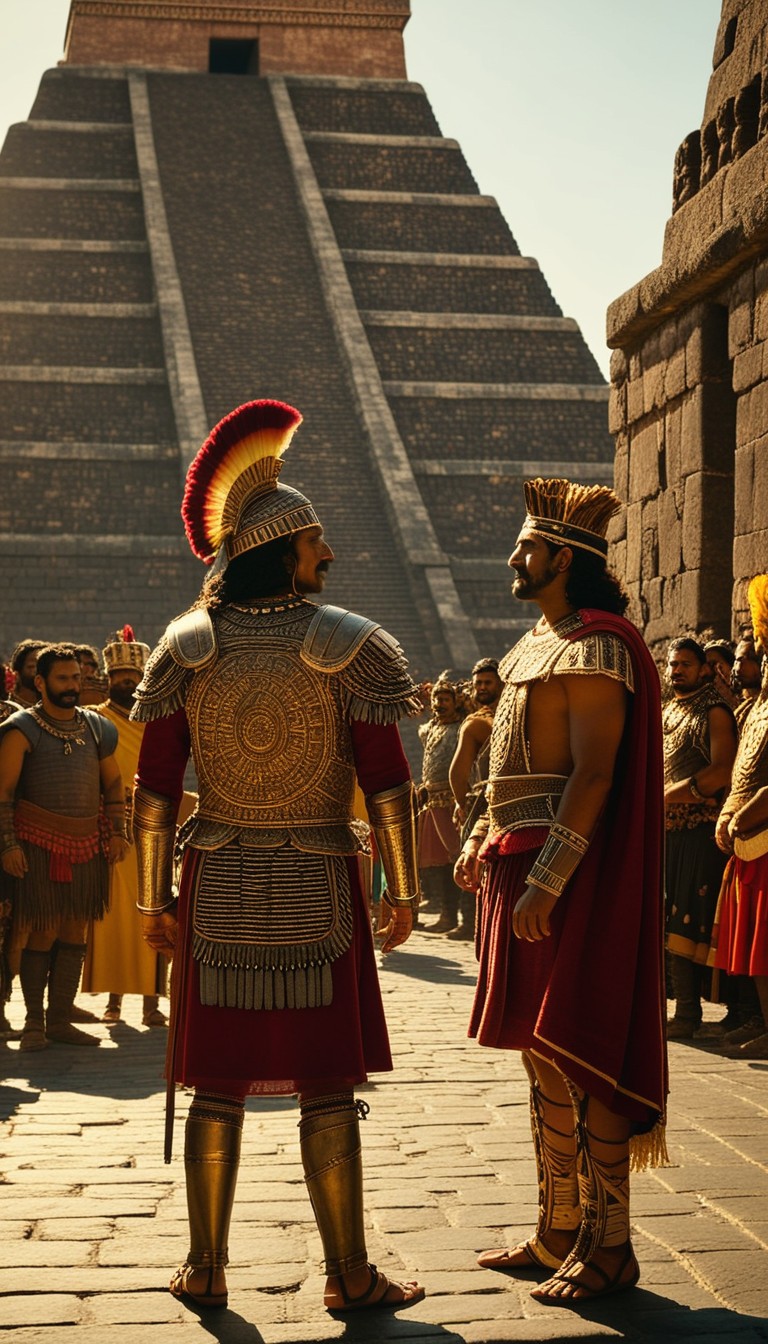
In 1519, Hernán Cortés landed in Mexico with 500 men and marched on Tenochtitlán, the Aztec capital of 200,000 people. Through alliances with rival tribes, superior weapons, and devastating smallpox, Cortés toppled an empire in just two years.
1532
Cajamarca, Peru
Conquest of the Incas
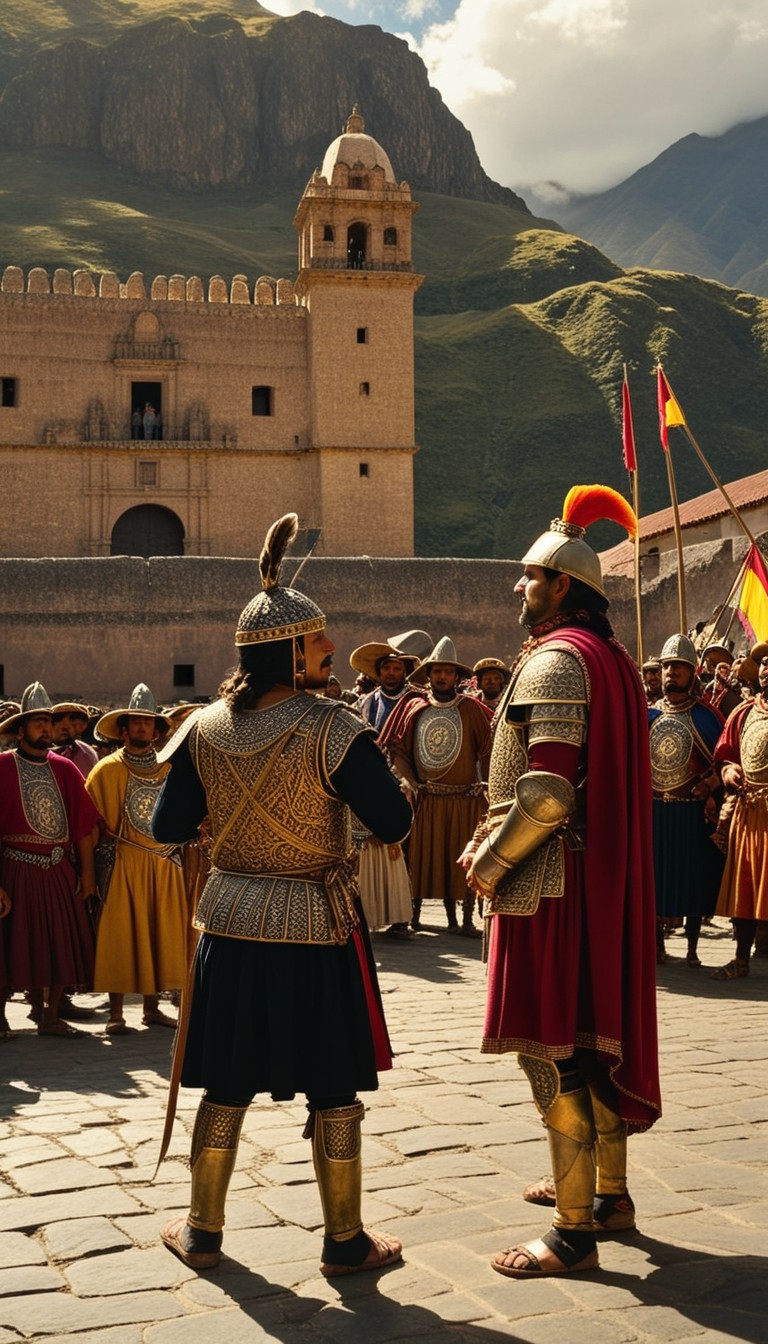
Francisco Pizarro captured the Inca Emperor Atahualpa in 1532 with just 168 soldiers. The Incas filled a room with gold and silver as ransom—then Pizarro executed Atahualpa anyway. The Inca Empire, stretching 2,500 miles along the Andes, fell to a handful of conquistadors.
1545-1800
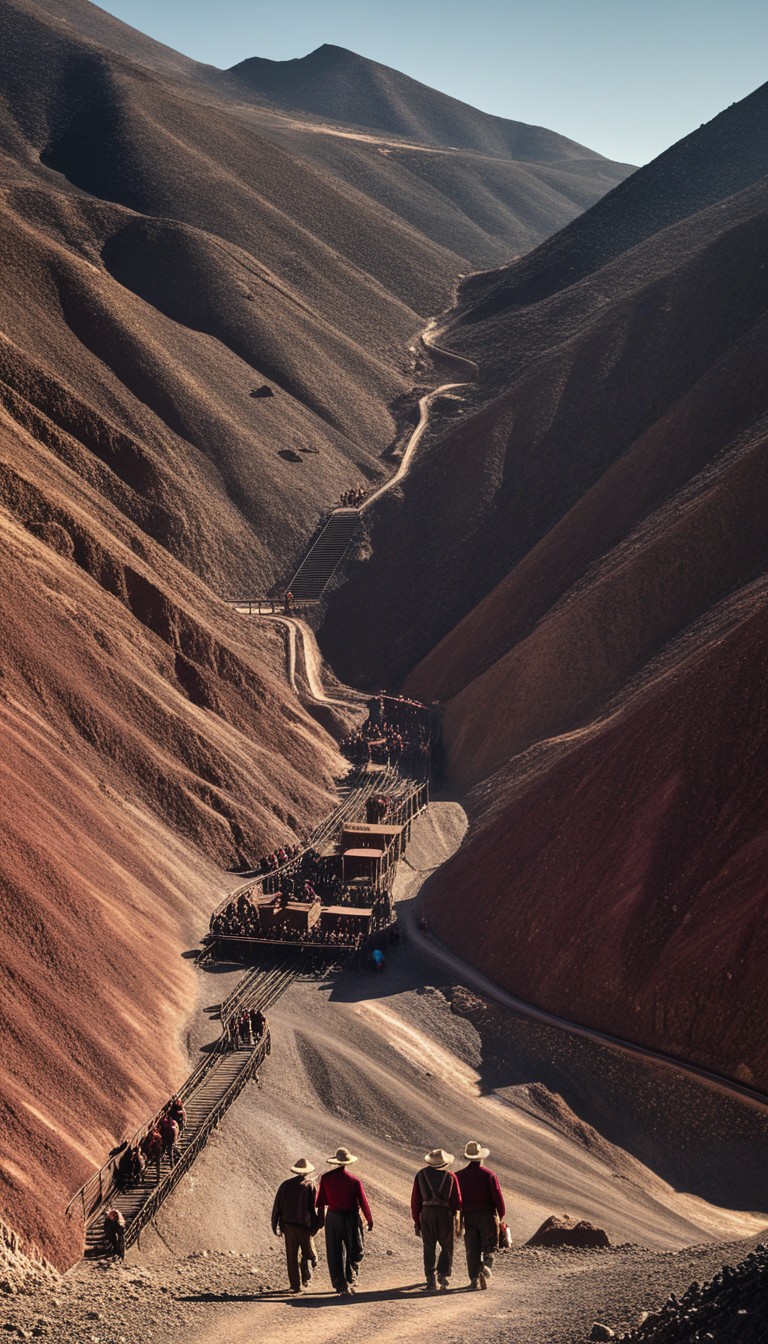
Potosí, Bolivia
Mountains of Silver
The silver mines of Potosí in Bolivia became the engine of the Spanish Empire. At its peak, Potosí was one of the largest cities in the world. Between 1500 and 1800, Spain shipped 150,000 tons of silver from the Americas—flooding Europe and fueling global trade.
1565-1815
Pacific Ocean
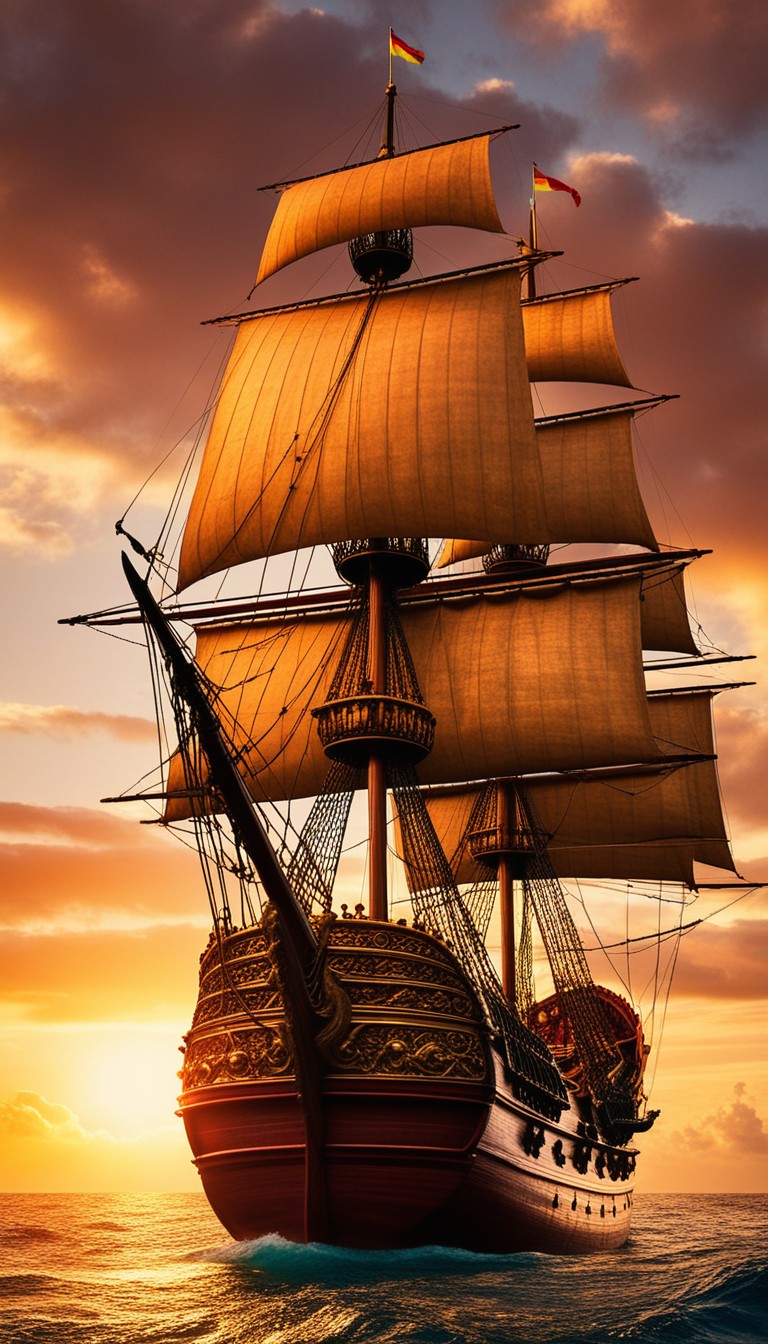
The Manila Galleons
Spain connected the world. Manila galleons sailed annually from Acapulco to the Philippines, trading American silver for Chinese silk, porcelain, and spices. This trans-Pacific trade route—lasting 250 years—was the first regular commercial link across the world's largest ocean.
1588
English Channel
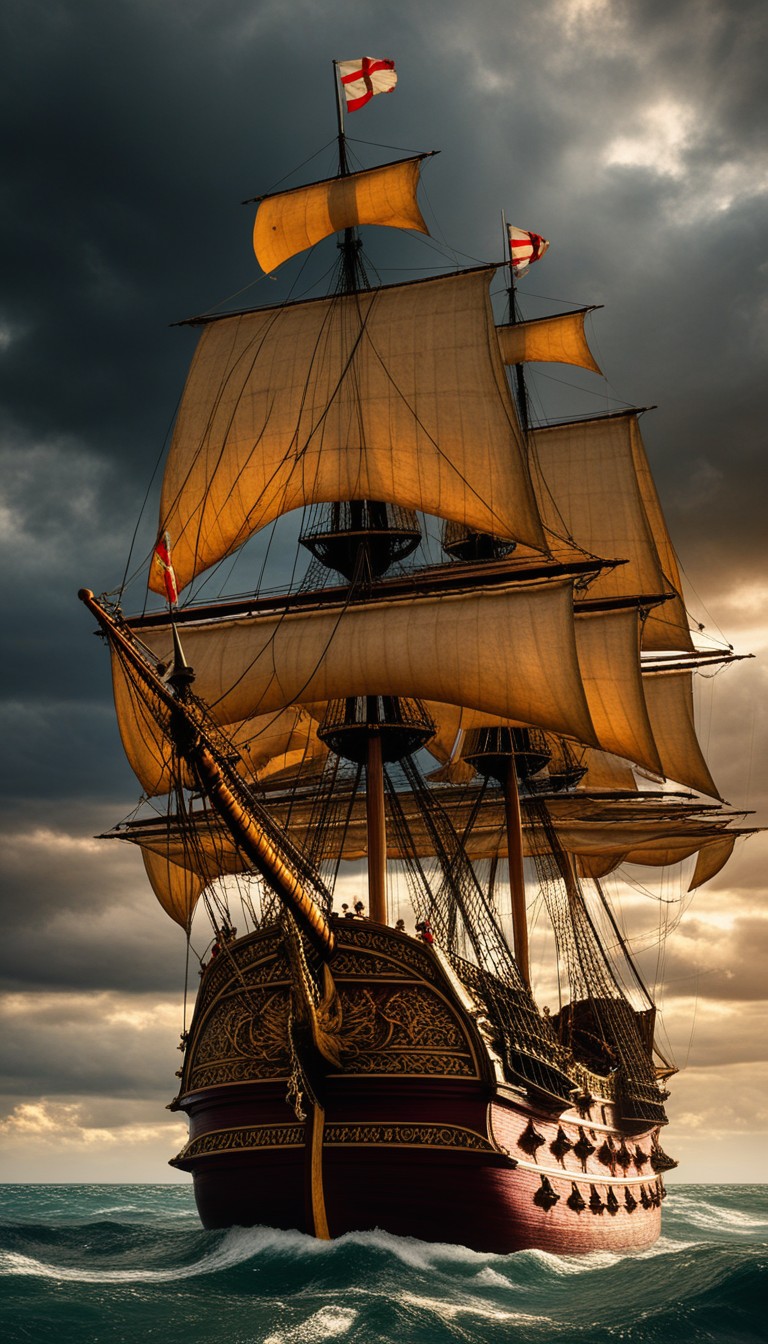
The Invincible Armada
In 1588, Philip II sent 130 ships to invade Protestant England. The "Invincible Armada" met English fireships, fierce storms, and Sir Francis Drake. The disaster didn't end Spanish power overnight, but it cracked the aura of invincibility and opened the seas to rivals.
1808-1825
South America
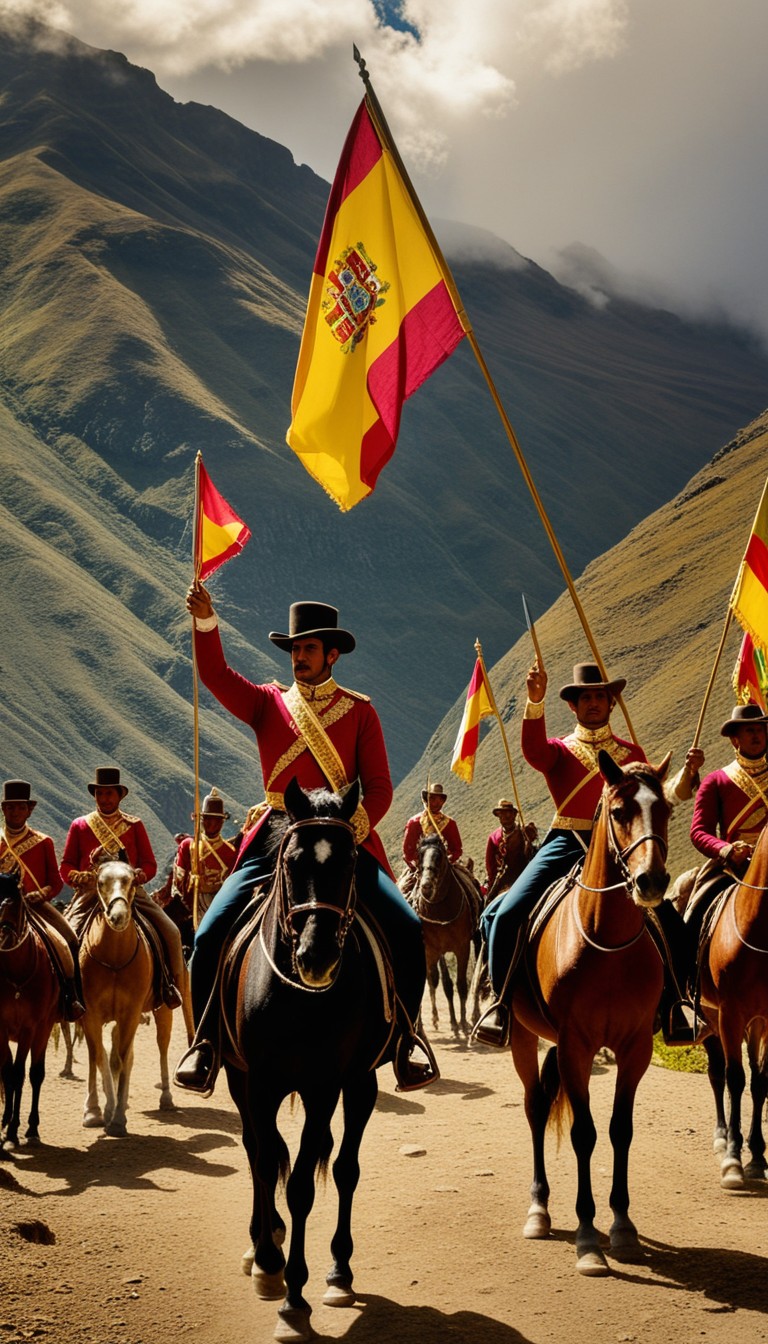
Revolution Sweeps the Americas
Inspired by the American and French Revolutions, Latin America rose against Spain. Simón Bolívar liberated Venezuela, Colombia, Ecuador, Peru, and Bolivia. By 1825, Spain had lost nearly all its American colonies—an empire built on conquest dissolved by revolution.
1898
Cuba & Philippines
The Empire's Echo
The Spanish-American War of 1898 stripped Spain of Cuba, Puerto Rico, and the Philippines—its last major colonies. But Spain's cultural legacy endures: 500 million people speak Spanish today, making it the world's second-most spoken native language.
Gold, Glory, and Legacy
The Spanish Empire was the first truly global power, connecting Europe, the Americas, Asia, and Africa. Its legacy is written in the languages, religions, and cultures of half a billion people across two continents. For better and worse, Spain's conquistadors changed the world forever.
Recommended Reading
As an Amazon Associate, we earn from qualifying purchases.
Swipe to navigate