Nelson Mandela: Long Walk to Freedom
Loading story...
1918
Mvezo, Transkei, South Africa
Born of Royal Blood
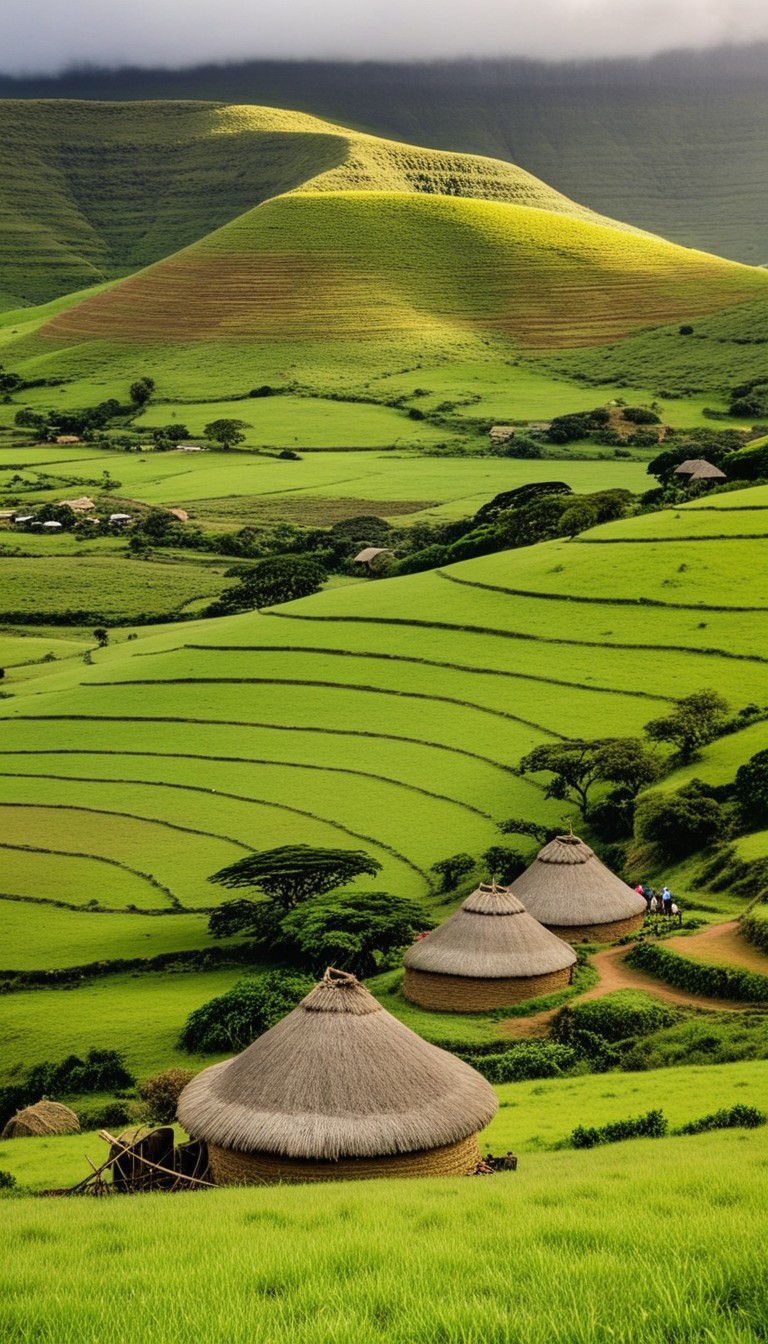
On July 18, 1918, Rolihlahla Mandela was born in the small village of Mvezo in the Transkei region of South Africa. His family belonged to the Thembu royal house—his father, Gadla Henry Mphakanyiswa, was a chief and counsellor to the Thembu king. It was a schoolteacher who gave the young boy the English name Nelson. Raised in the red-soiled hills of the Eastern Cape, he listened to elders recount stories of a free Africa before colonialism, planting in him a lifelong dream of reclaiming that dignity.
1940s–1950s
Johannesburg, South Africa
A Lawyer Under Apartheid
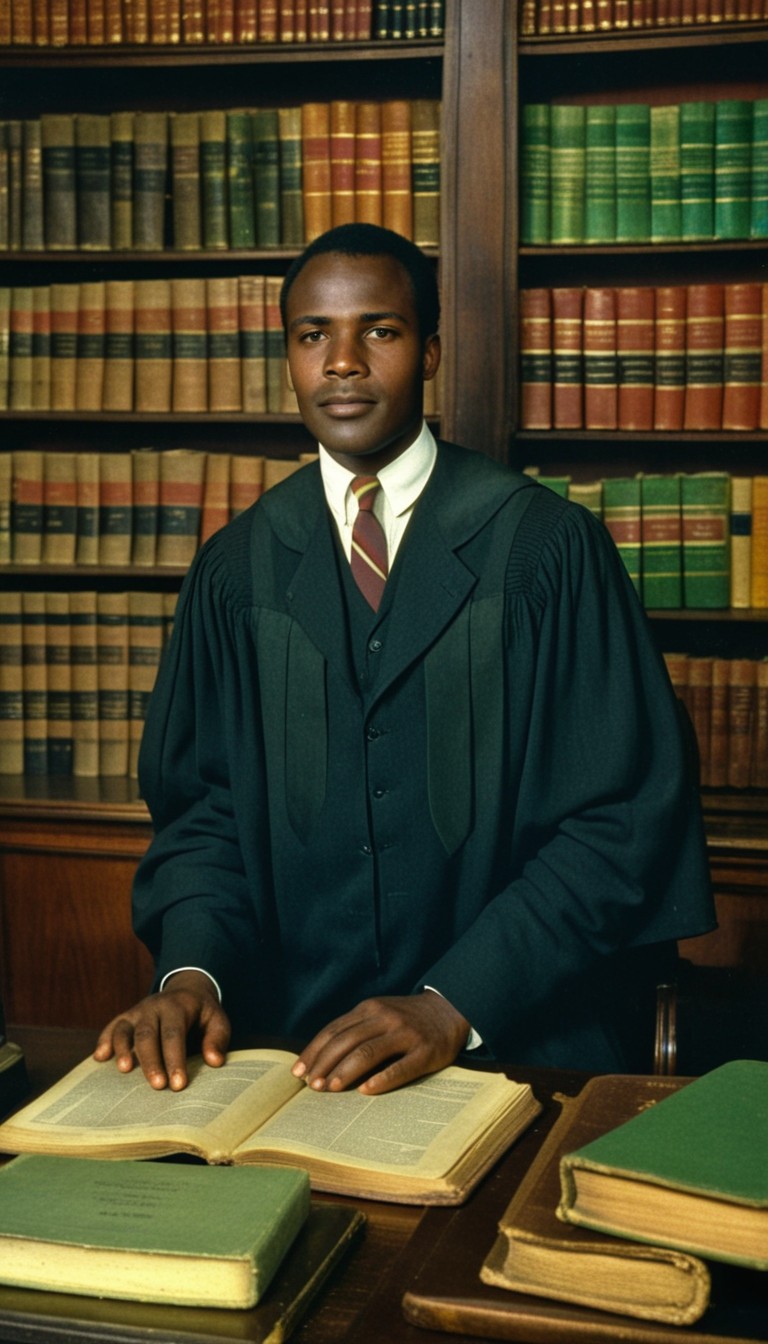
Mandela arrived in Johannesburg in 1941, studying law at the University of the Witwatersrand and eventually co-founding South Africa's first Black law firm with Oliver Tambo in 1952. Every day his practice exposed the brutal machinery of apartheid—the system of racial segregation that denied Black South Africans basic rights, forced them into townships, and criminalised their presence in white-designated areas. Mandela himself was perpetually harassed by police, restricted in his movements, and barred from courts in certain districts. The law that was supposed to protect people was being used as a weapon against them.
1944–1961
South Africa
The ANC and the Freedom Charter
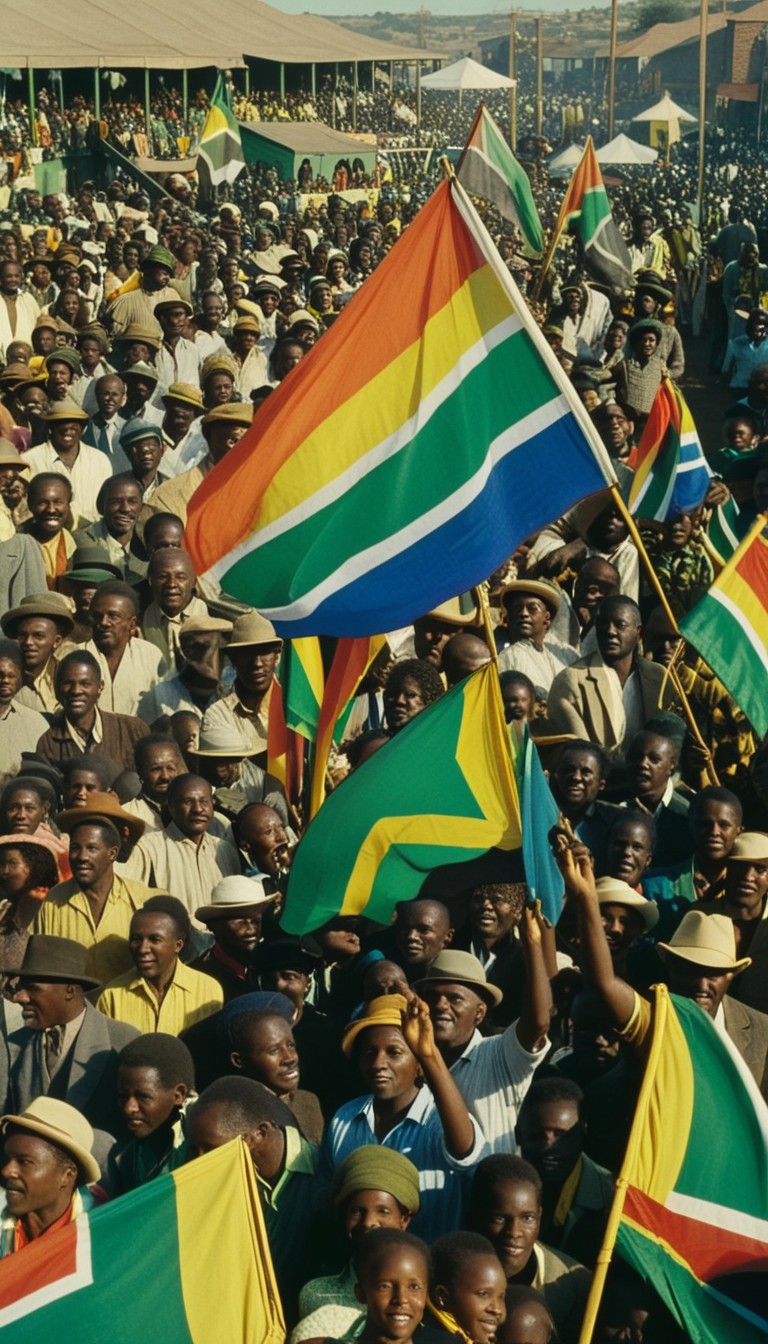
Mandela joined the African National Congress Youth League in 1944 and rose to leadership within the ANC, helping transform it into a mass movement for Black liberation. In 1955, more than 3,000 delegates from across South Africa gathered at Kliptown to adopt the Freedom Charter—a visionary document declaring that South Africa belongs to all who live in it, black and white. When the government responded with mass treason arrests, Mandela was among the accused. The Treason Trial lasted four years. He was acquitted in 1961, but the state was not finished with him.
1960–1964
Pretoria, South Africa
Rivonia Trial: Life in Prison
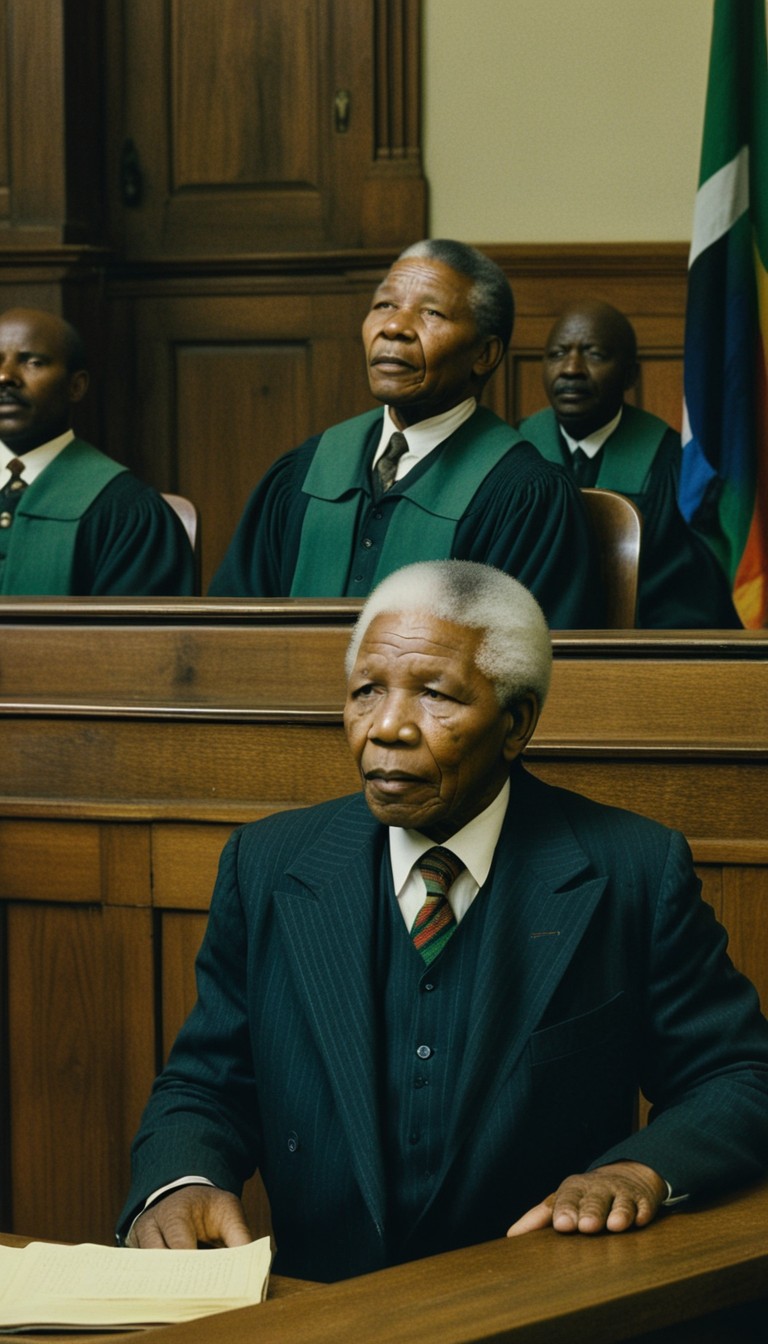
After the Sharpeville Massacre of 1960, in which police killed 69 peaceful protesters, Mandela concluded that peaceful resistance alone was not enough. He helped found Umkhonto we Sizwe—Spear of the Nation—the ANC's armed wing, targeting infrastructure rather than civilians. Captured in 1962 and charged with further offences following a police raid on the Rivonia farm, he stood trial in 1963-1964 facing the death penalty. In his dock statement, he declared he was prepared to die for a democratic and free society. The judge sentenced him to life imprisonment instead.
1964–1990
Robben Island, South Africa
27 Years on Robben Island
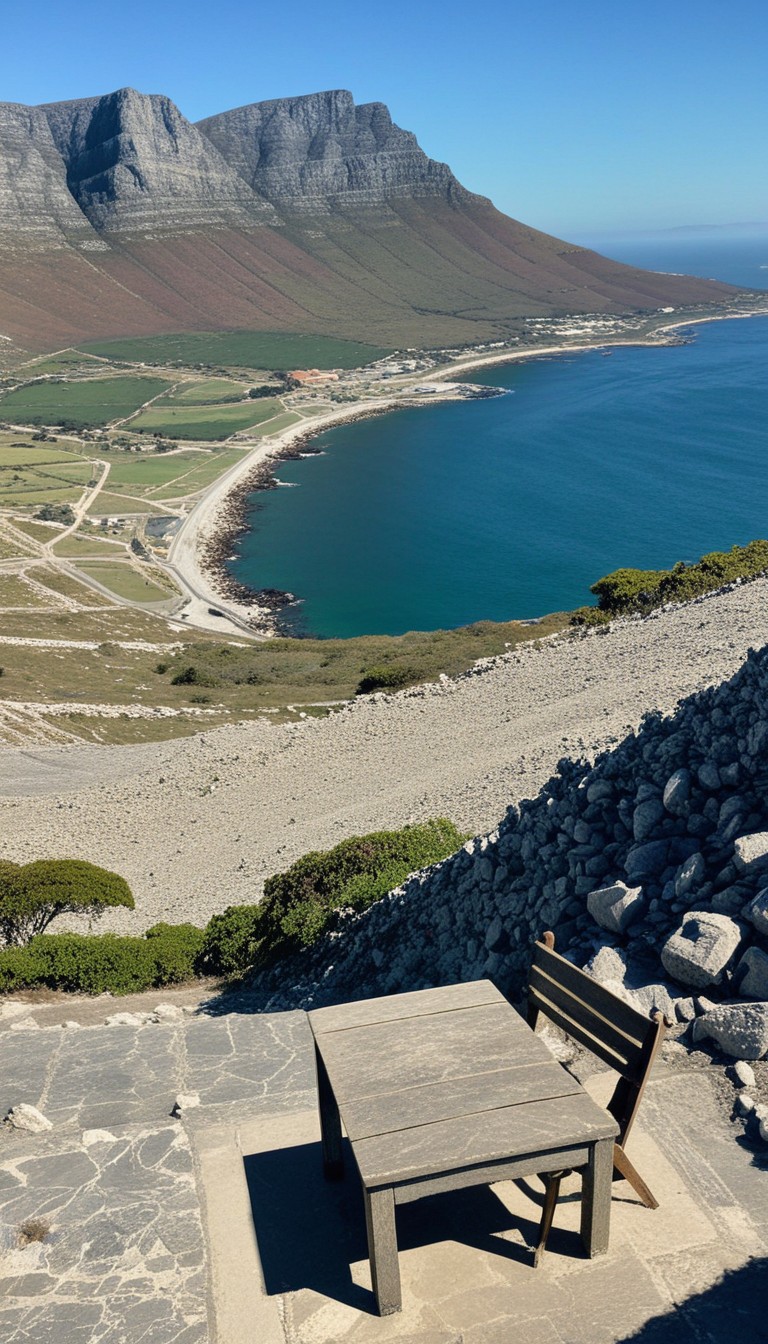
For 18 of his 27 years behind bars, Mandela was confined to a small cell on Robben Island, a windswept island in Table Bay. He broke limestone in a blinding quarry, was forbidden newspapers, and could receive only one letter and one visitor every six months. Yet prison did not break him. He studied law through a correspondence degree, mentored fellow prisoners in what they called "Robben Island University," and refused multiple conditional offers of release that would have required him to renounce the armed struggle. He remained a symbol of resistance to millions around the world who campaigned for his freedom.
February 11, 1990
Paarl, Western Cape, South Africa
Walk to Freedom
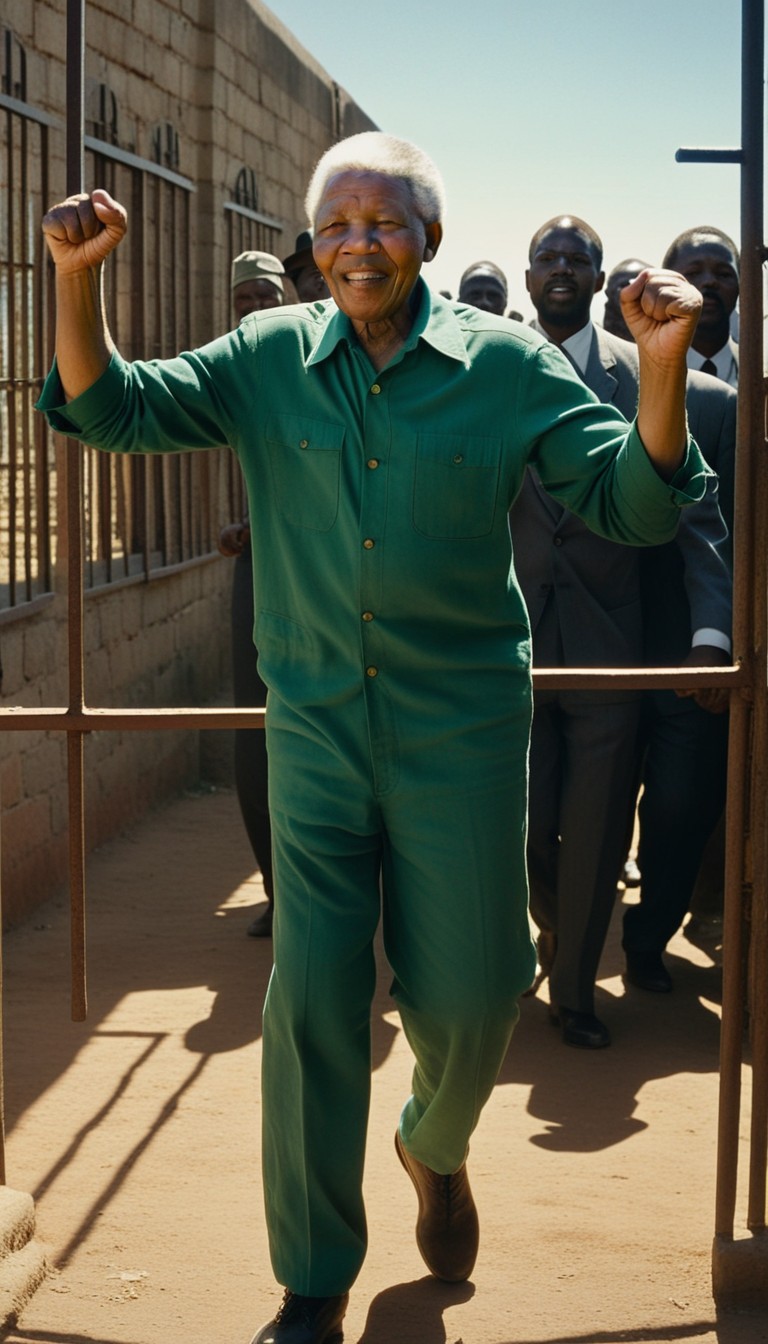
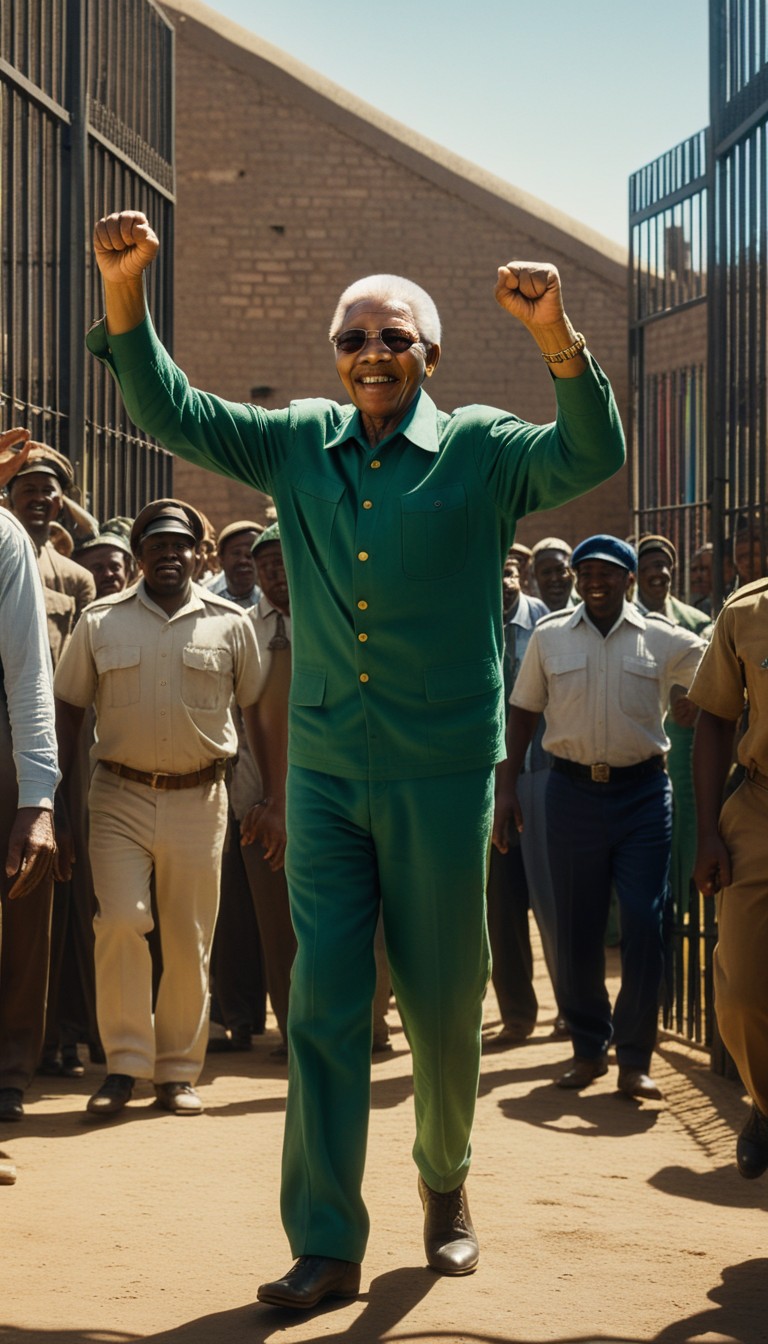
On February 11, 1990, a global television audience watched as Nelson Mandela walked out of Victor Verster Prison, his fist raised in triumph, Winnie Mandela at his side. He was 71 years old. President F.W. de Klerk had unbanned the ANC and ordered Mandela's release as South Africa's apartheid regime crumbled under international sanctions and internal unrest. Mandela's first public words called for peace and reconciliation—not revenge. The world had waited 27 years for this moment. The real work, he said, was just beginning.
1990–1993
South Africa / Oslo, Norway
Negotiations and the Nobel Prize
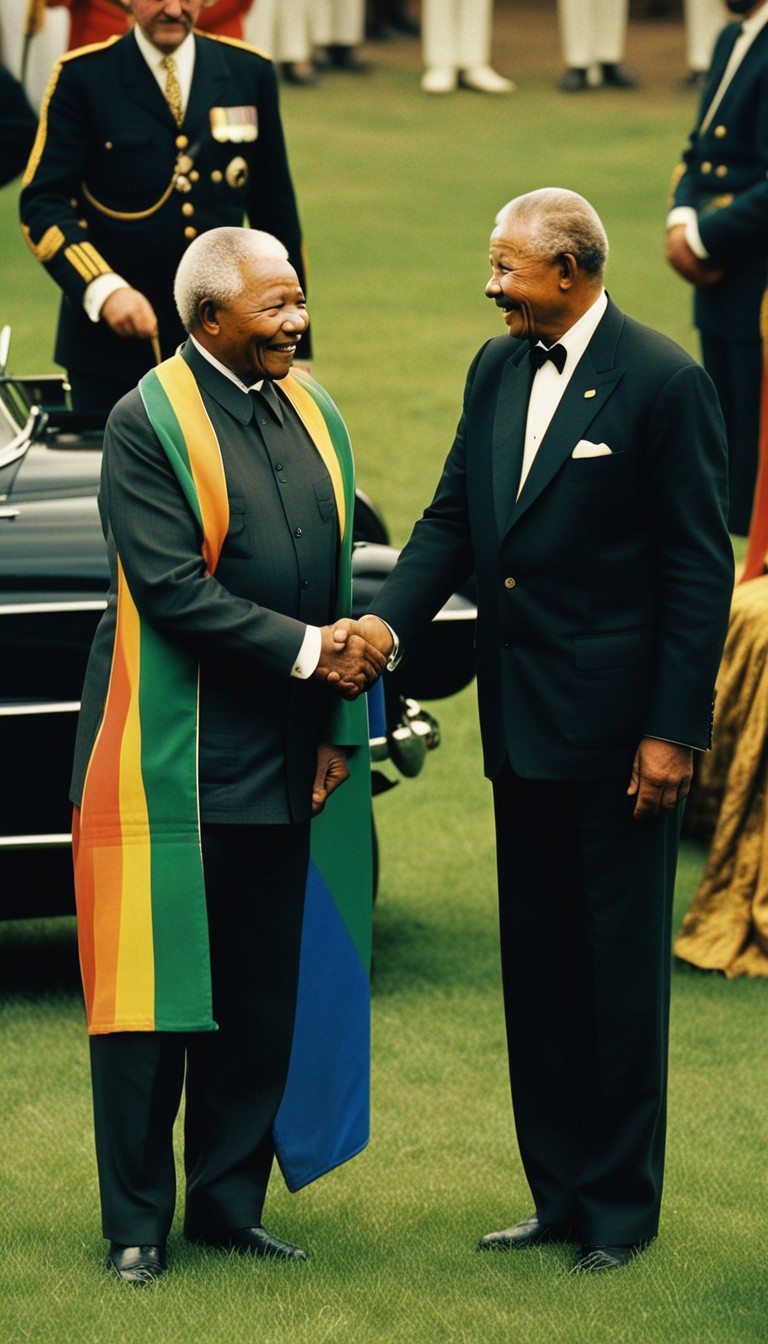
Rather than leading a revolution of retribution, Mandela chose negotiation. He and President de Klerk navigated treacherous political waters—including political assassinations, right-wing resistance, and ANC internal tensions—to reach a historic agreement to end apartheid and hold South Africa's first fully democratic elections. In December 1993, both men stood in Oslo to jointly accept the Nobel Peace Prize. Mandela used his speech to honour all those who had sacrificed in the struggle, declaring that the time had come to heal the wounds and build a new South Africa.
April–May 1994
Pretoria, South Africa
President of a Free South Africa
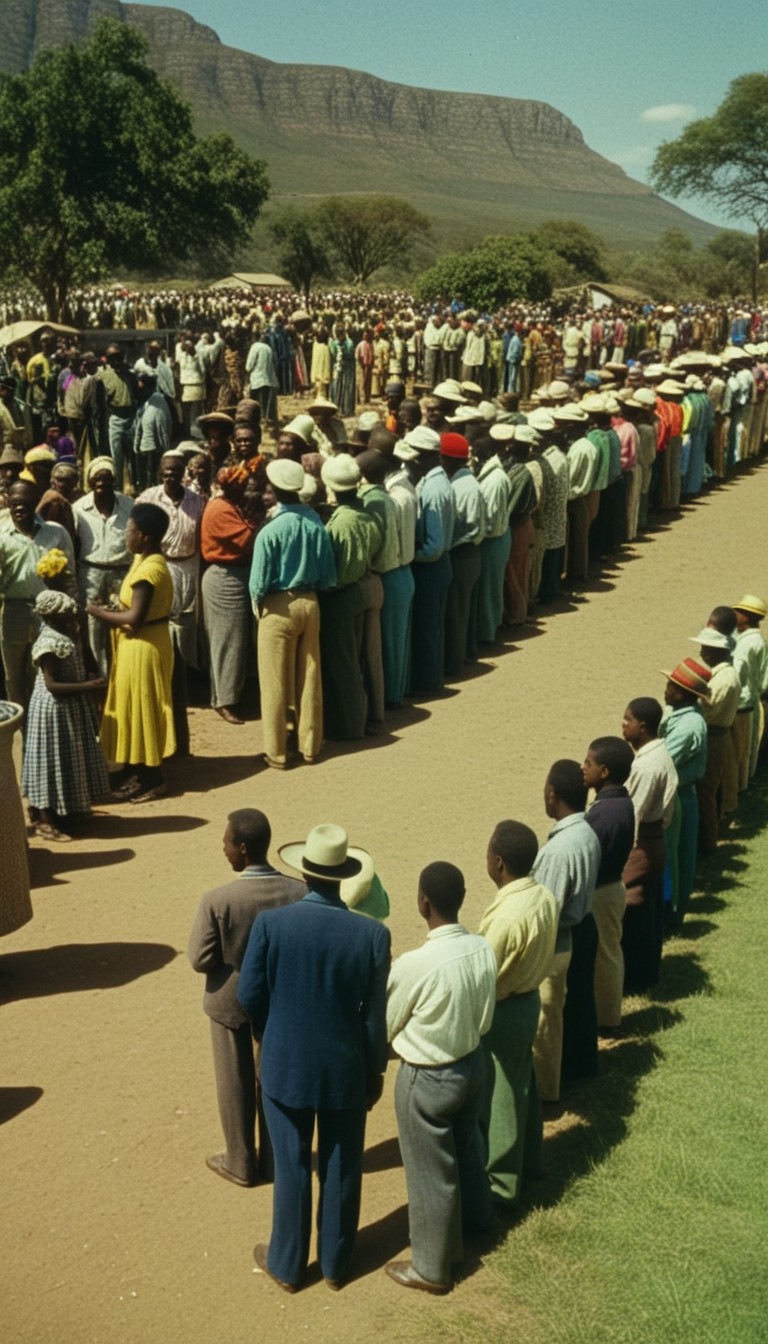
On April 27, 1994—now celebrated as Freedom Day—South Africans of every race cast ballots in the country's first democratic election. The ANC won a landslide majority, and on May 10, 1994, Nelson Mandela was inaugurated as South Africa's first democratically elected president. He served one term, stepping down in 1999 as he had pledged. His presidency established the Truth and Reconciliation Commission, extended basic services to millions, and proved to a watching world that a society could choose healing over hatred. He was 75 years old when he took the oath of office.
The Rainbow Nation's Legacy
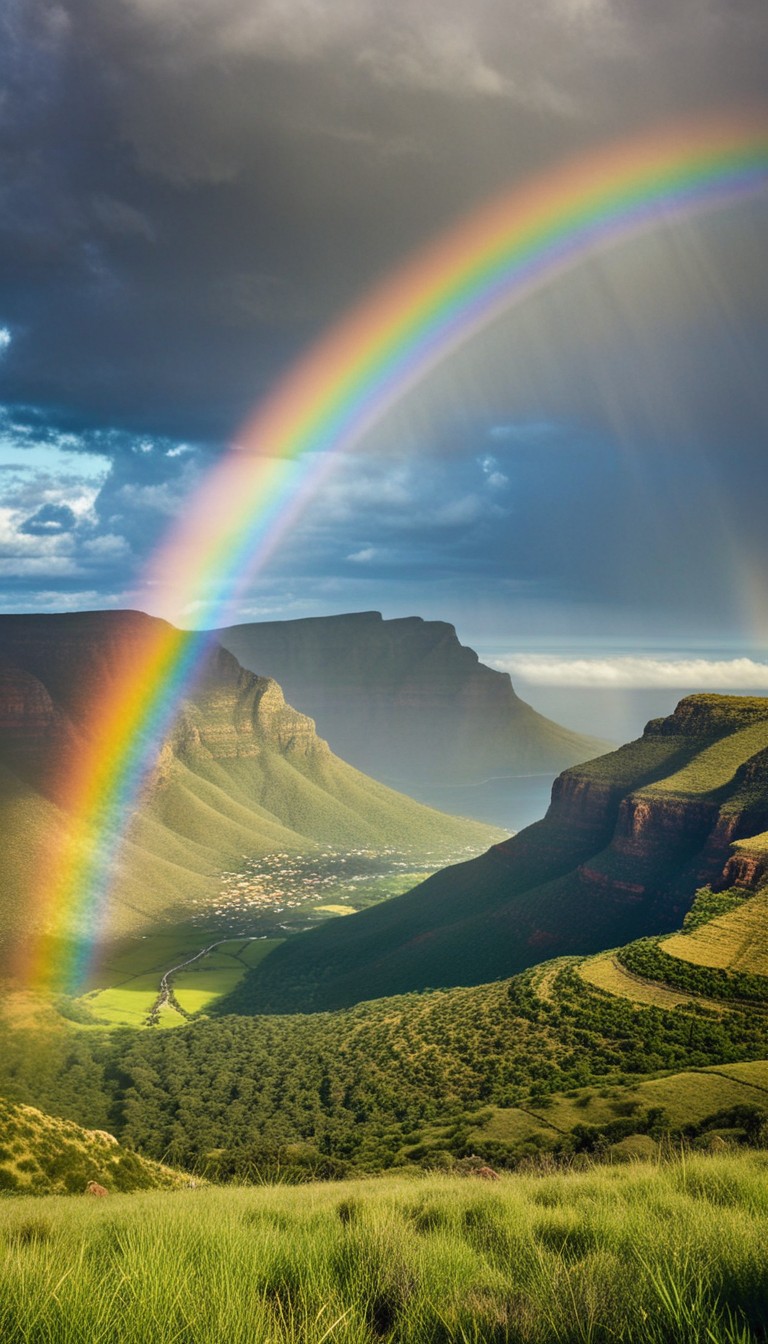
Nelson Mandela died on December 5, 2013, at the age of 95. He left behind a nation that, however imperfectly, had chosen reconciliation over civil war. Archbishop Desmond Tutu had called South Africa the Rainbow Nation—a people of all colours finding their way together. Mandela's legacy endures in the constitutional democracy he helped build, in the prisoners around the world who draw courage from his example, and in the simple truth he embodied: that no prison can confine a free mind, and that the most powerful weapon you can give the world is not a gun, but an education.
Recommended Reading
As an Amazon Associate, we earn from qualifying purchases.
Swipe to navigate