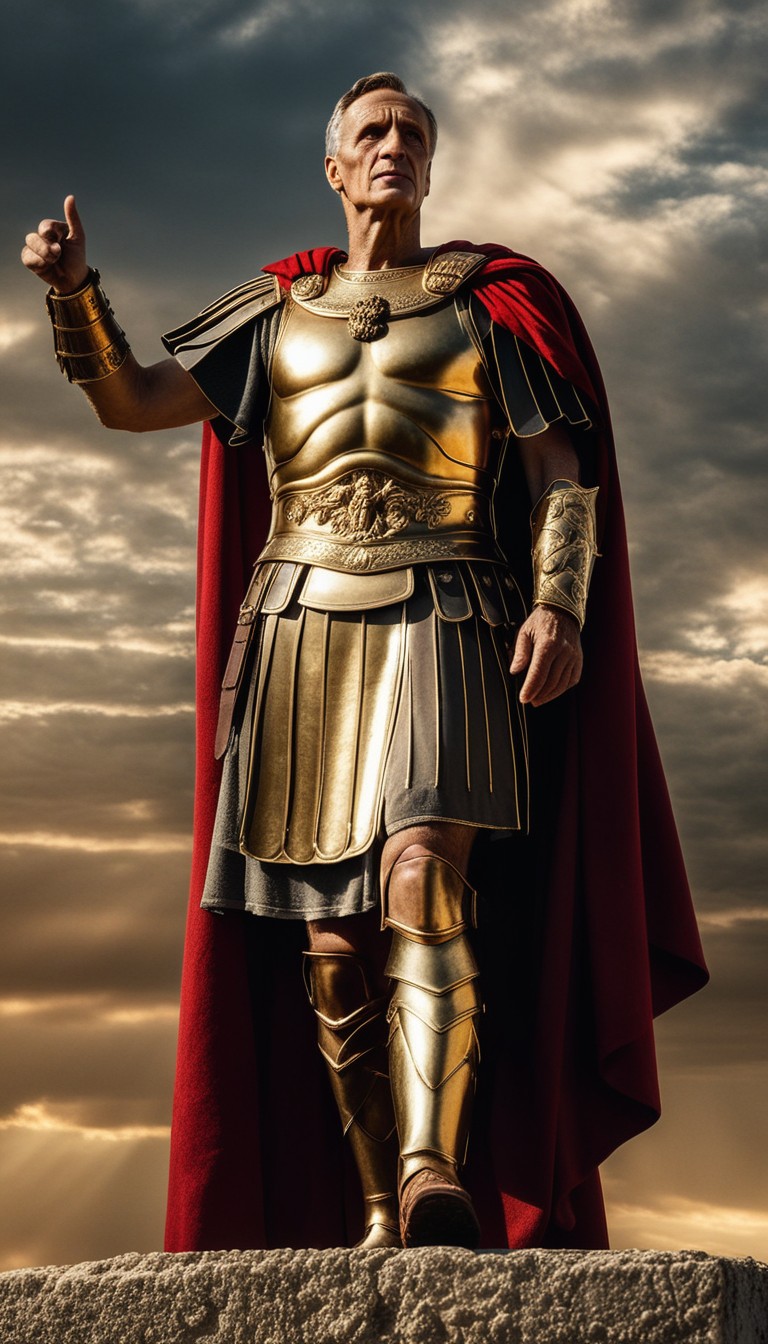
Julius Caesar: The Man Who Became Rome
Loading story...
100 BC
Rome, Roman Republic
Born Into the Storm
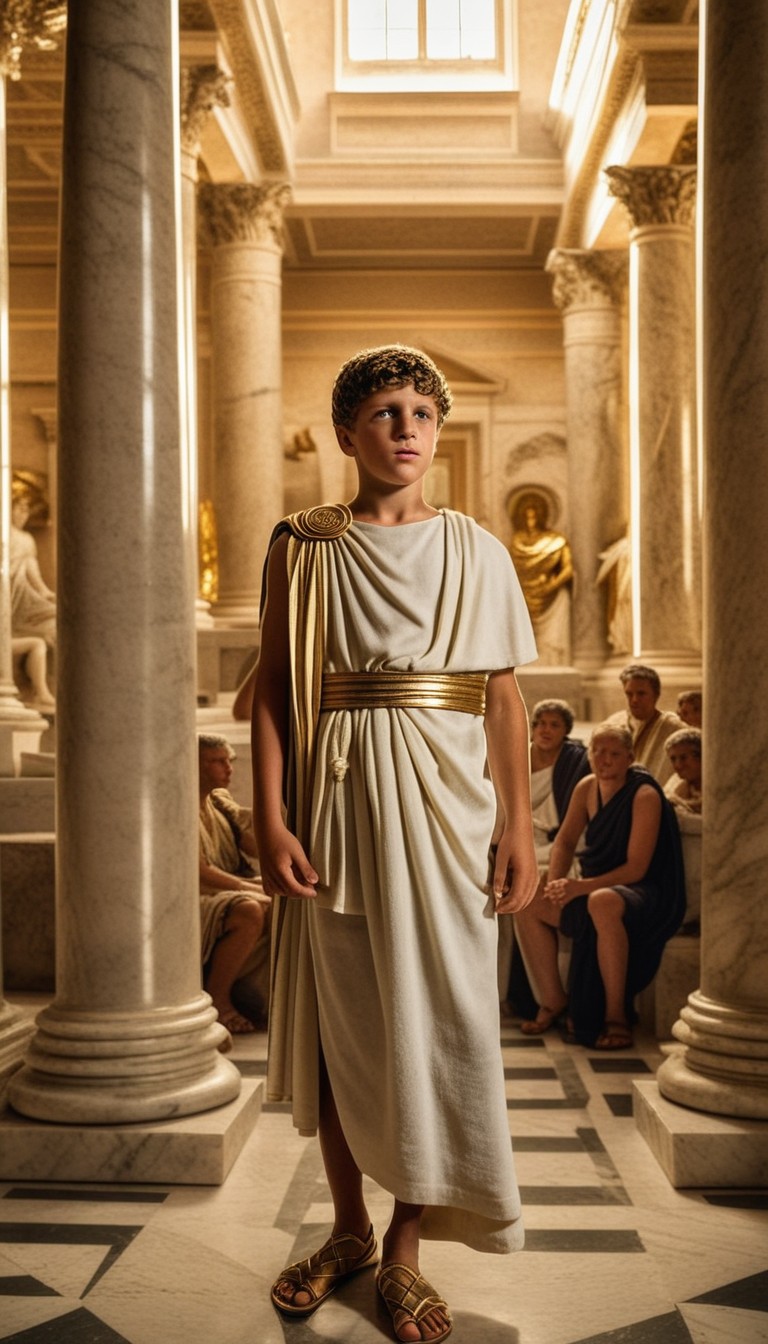
Gaius Julius Caesar was born on July 12, 100 BC, into the gens Julia, an ancient patrician family that claimed descent from the goddess Venus herself. But noble blood did not mean easy fortune—Rome in Caesar's youth was a city of street violence, political murder, and civil war between the rival factions of Marius and Sulla. As a nephew of the populist general Marius, Caesar grew up understanding that survival in Rome required more than a famous name. It required nerve.
75 BC
Aegean Sea
Captured by Pirates
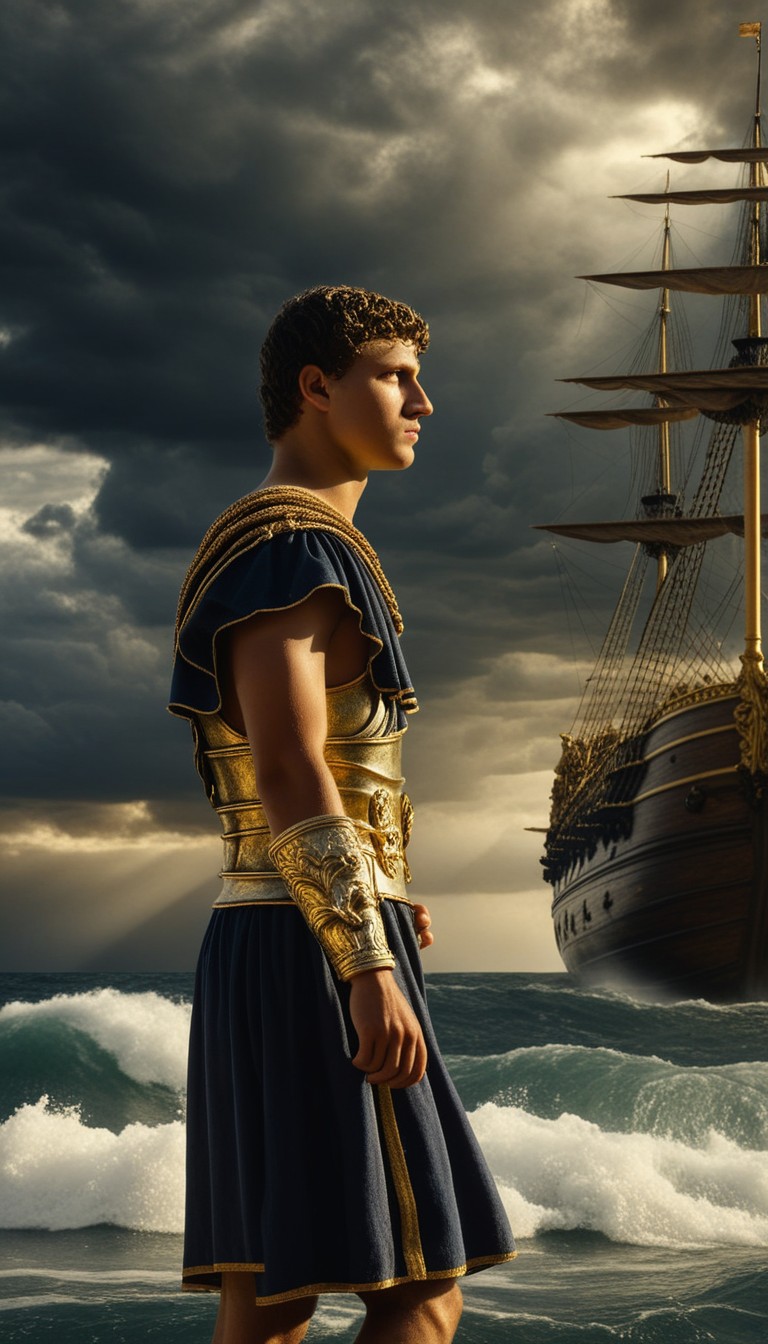
In 75 BC, while sailing to Rhodes to study rhetoric, the 25-year-old Caesar was captured by Cilician pirates who demanded a ransom of 20 talents of silver. Caesar laughed at the insult—he was worth at least 50, he told them. He spent 38 days as their "guest," writing poetry, exercising, and jovially promising to return and crucify them all. They thought he was joking. He was not. Once ransomed, Caesar raised a fleet, hunted the pirates down, and crucified every last one. He was already becoming Caesar.
60 BC
Rome, Roman Republic
The First Triumvirate
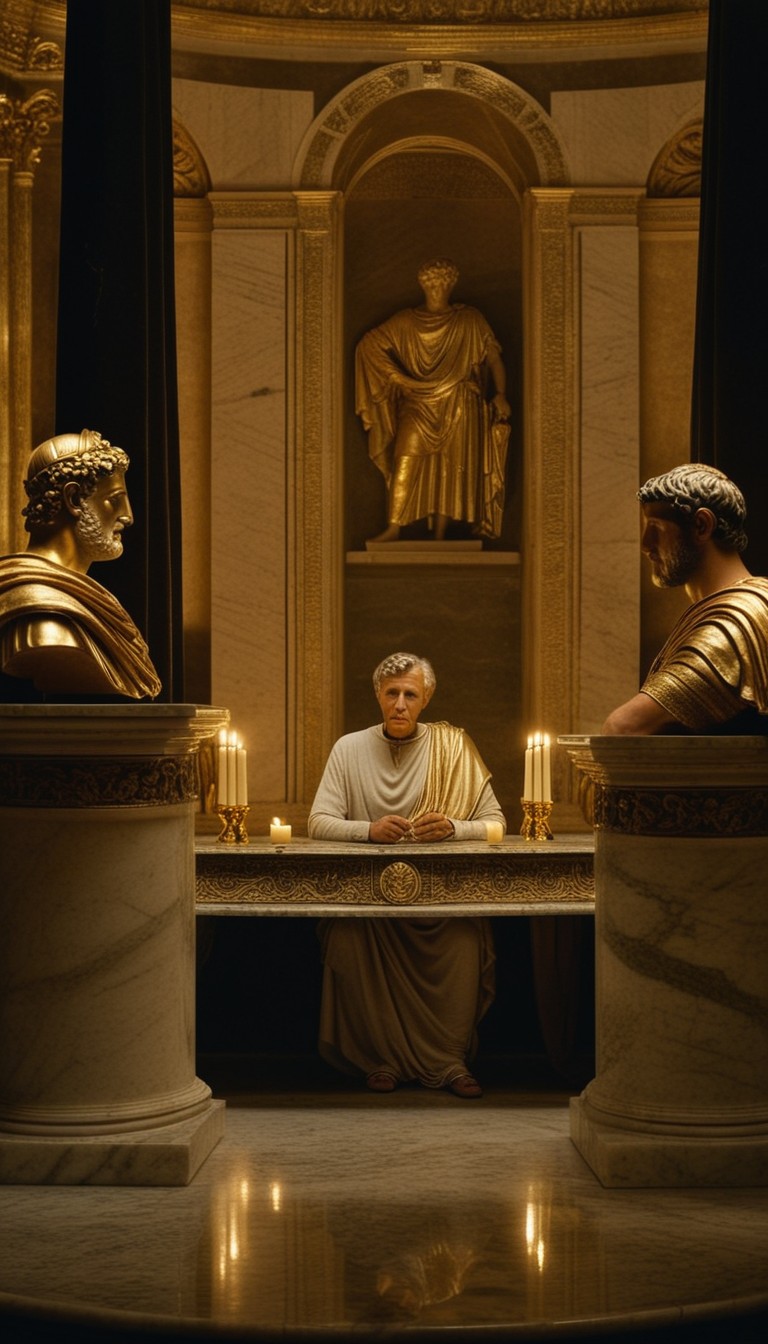
By 60 BC, Caesar had climbed the Roman political ladder through a combination of populist legislation, lavish public spending—financed largely by debt—and a razor-sharp understanding of power. He forged a secret political alliance with Rome's two most powerful men: the military hero Pompey the Great and the wealthiest man in the Republic, Marcus Licinius Crassus. Together, the First Triumvirate controlled Roman politics from the shadows. Caesar used the pact to win election as consul in 59 BC, then secured command of Gaul—the prize that would make him a legend.

52 BC
Alesia, Gaul
The Conquest of Gaul
For nine years Caesar campaigned across Gaul—modern-day France and Belgium—in one of the most brilliant and brutal military campaigns in history. He defeated tribe after tribe, chronicling every victory in his own dispatches with the memorable third-person cool of "Caesar did this." The campaign's climax came at the siege of Alesia in 52 BC, where the great Gallic chieftain Vercingetorix rallied a massive coalition against him. Caesar built two concentric rings of fortifications—besieging the hill fort from the inside while fending off a 250,000-strong relief army from the outside. Vercingetorix surrendered. Gaul was Roman.
49 BC
Rubicon River, Northern Italy
Crossing the Rubicon
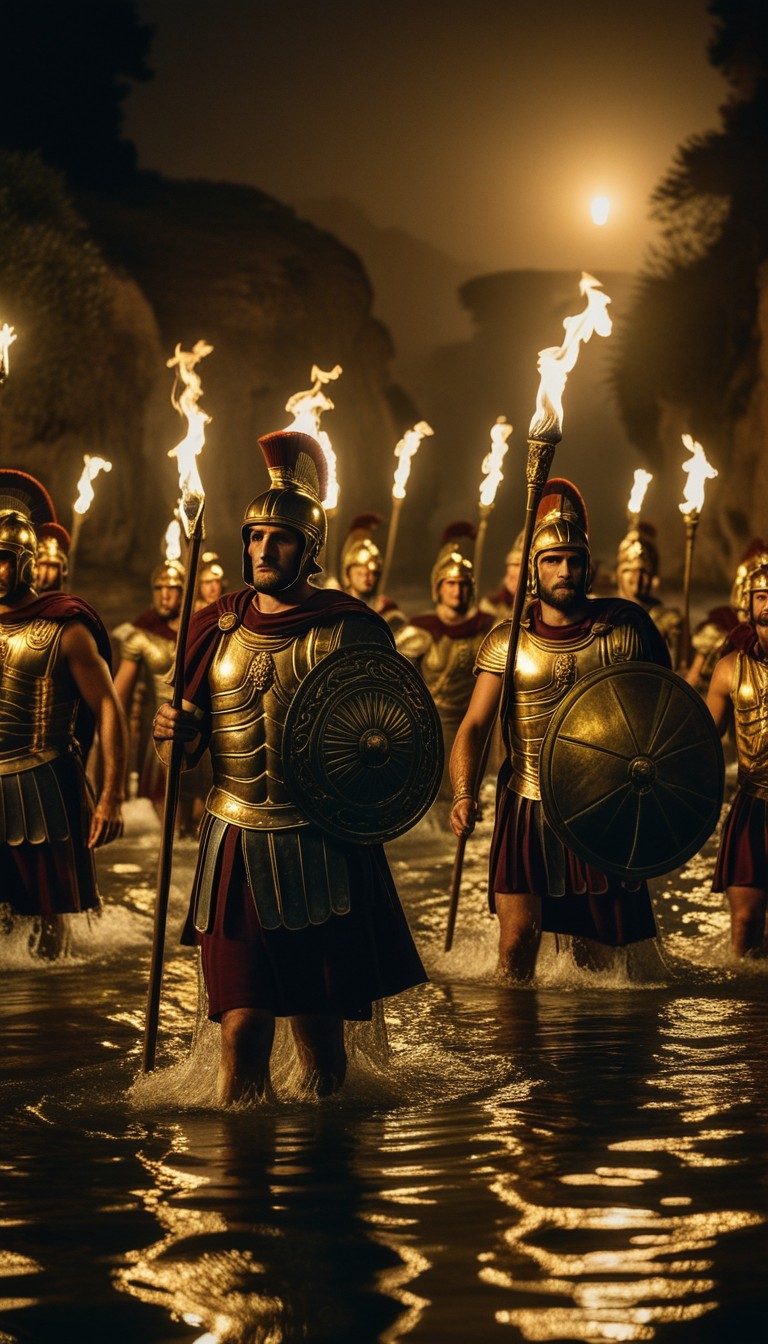
The Senate, terrified of Caesar's popularity and power, ordered him to disband his army and return to Rome as a private citizen. To cross the Rubicon—the small river marking the boundary of his command—with an army was treason, punishable by death. On the night of January 10–11, 49 BC, Caesar stood at the river's edge. He knew there was no going back. "The die is cast," he said, and led his legion across. Civil war had begun. The phrase "crossing the Rubicon" would become shorthand for any point of no return in any language, in any age.
48 BC
Pharsalus, Greece
Master of Rome
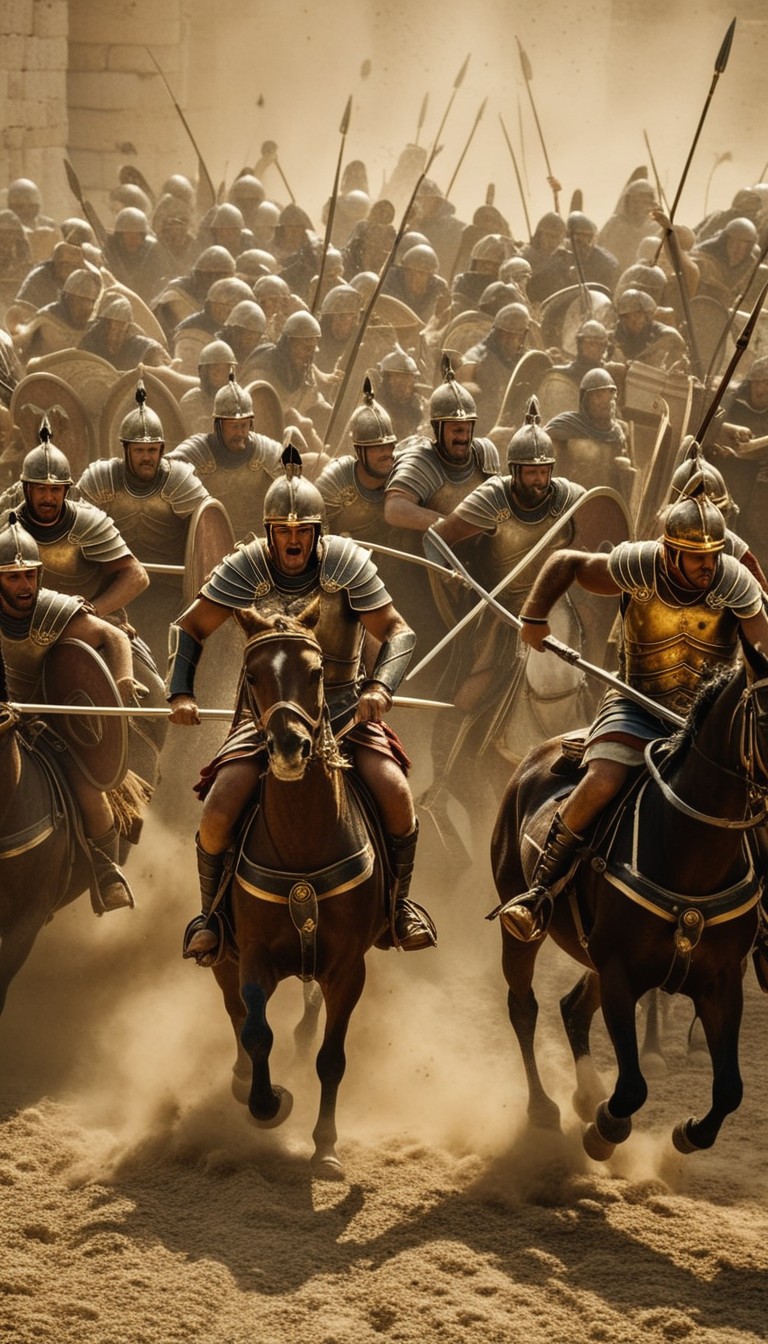
Caesar moved with breathtaking speed across Italy, driving Pompey and the Senate's forces out of Rome before they could organize a defense. The decisive clash came at the Battle of Pharsalus in central Greece on August 9, 48 BC. Though outnumbered nearly two to one, Caesar's veteran legions shattered Pompey's army in a single afternoon. Pompey fled to Egypt, where he was murdered on the beach by order of the young pharaoh's advisors. Caesar wept when they showed him Pompey's severed head—his old friend, father-in-law, and greatest rival was gone. Rome now had one master.

48–47 BC
Alexandria, Egypt
Caesar and Cleopatra
When Caesar arrived in Alexandria, Egypt was in the midst of its own civil war between the young pharaoh Ptolemy XIII and his exiled sister Cleopatra VII. Cleopatra, famous for her intelligence, political instincts, and command of nine languages, had herself smuggled to Caesar inside a rolled carpet to circumvent her brother's guards. Their meeting ignited one of history's great romances. Caesar backed Cleopatra militarily, defeating her brother's forces in the brutal Alexandrian War. Together they sailed the Nile on a magnificent royal barge. She bore him a son, Caesarion. For Caesar, Egypt was a brief, luminous interlude in an age of relentless war.
44 BC
Rome, Roman Republic
The Ides of March
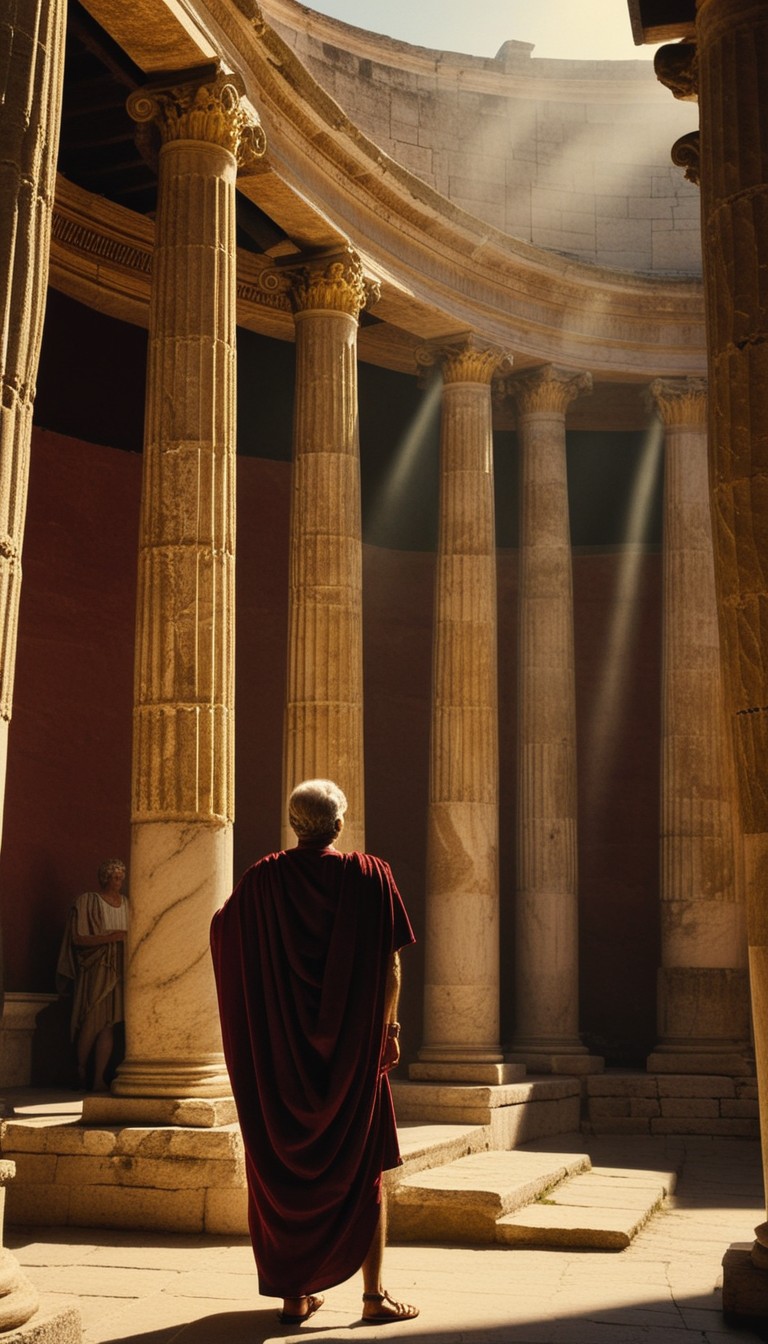
By 44 BC, Caesar had been declared dictator perpetuo—dictator in perpetuity—a title that abolished any pretense of republican government. Senators who feared permanent tyranny gathered in secret, led by Marcus Junius Brutus and Gaius Cassius Longinus. On March 15, 44 BC—the Ides of March—Caesar was lured to the Theatre of Pompey under the pretense of Senate business. The conspirators, 23 men in all, surrounded him and struck. Caesar fell at the base of Pompey's statue, struck 23 times. His last words, if the historian Suetonius is to be believed, were directed at Brutus: "You too, child?" Rome had killed the man who made it an empire. Nothing would ever be the same.
The Man Who Became Rome
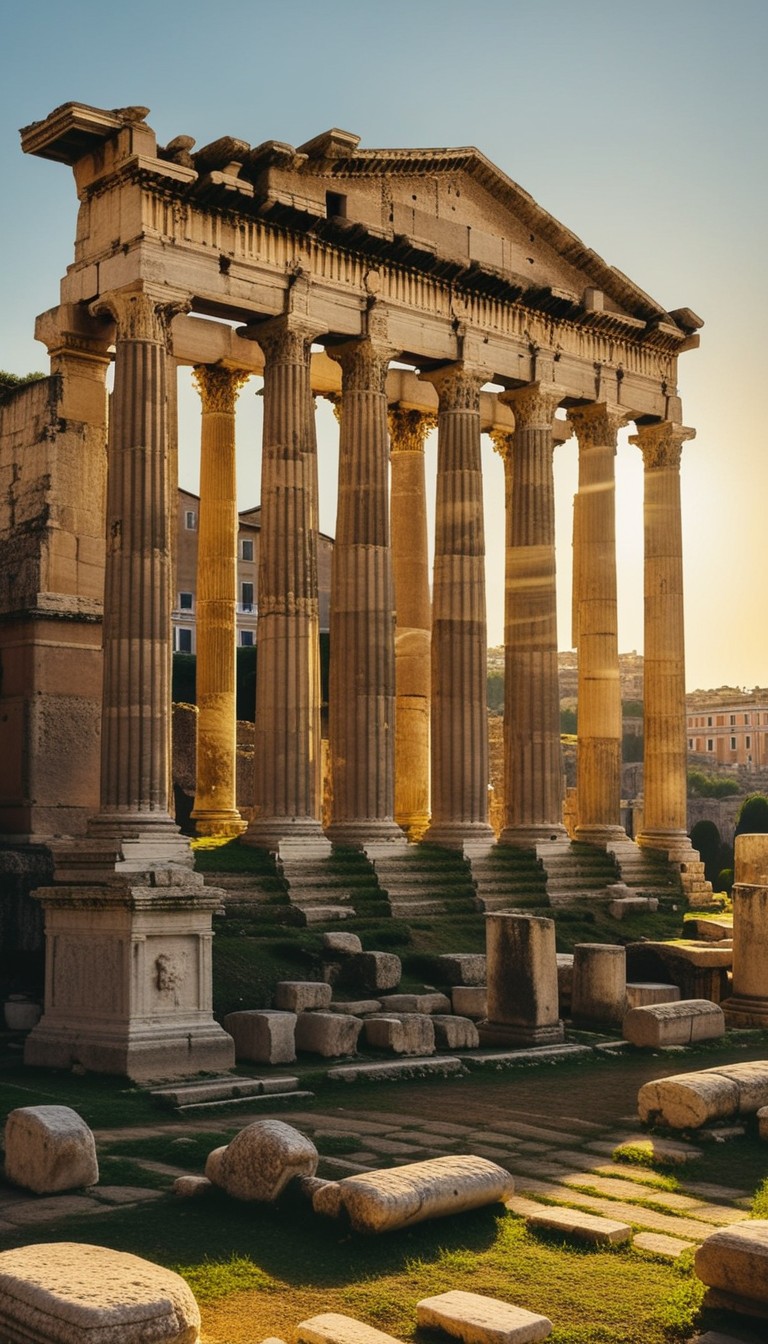
Julius Caesar was killed on the Ides of March, but he proved impossible to bury. His adopted son Octavian—later Augustus—avenged him, destroyed the conspirators, and became Rome's first emperor, ruling in Caesar's name. The Roman Senate deified Julius Caesar, making him an official god of the state. Every Roman emperor after him bore the title "Caesar," a tradition that echoed through history into the German "Kaiser" and the Russian "Tsar." More than two thousand years after his death, his name is still synonymous with power itself. Gaul had fallen, the Rubicon had been crossed, the Republic had ended—and the world had never been the same.
Recommended Reading
As an Amazon Associate, we earn from qualifying purchases.

Swipe to navigate