The Vikings: Raiders, Traders & Explorers
Loading story...
793 AD
Lindisfarne, England
Masters of the Sea
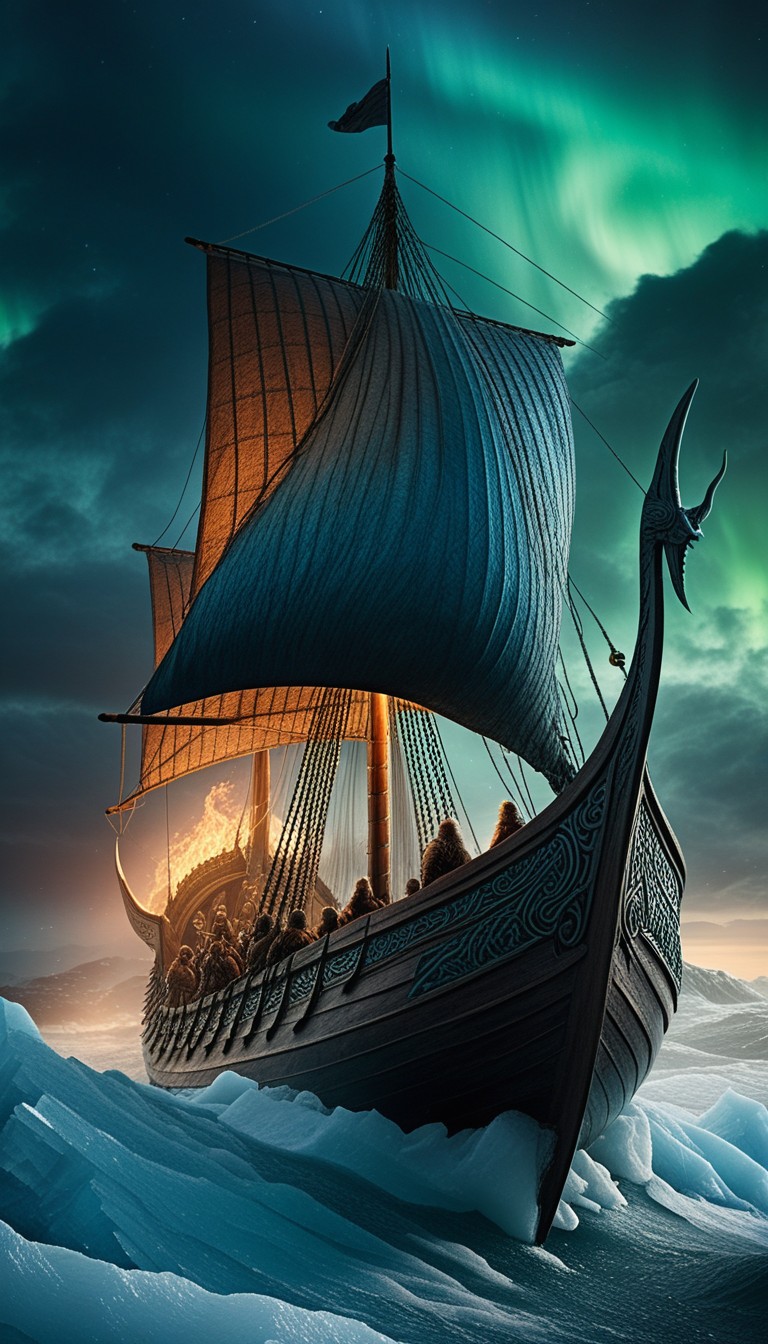
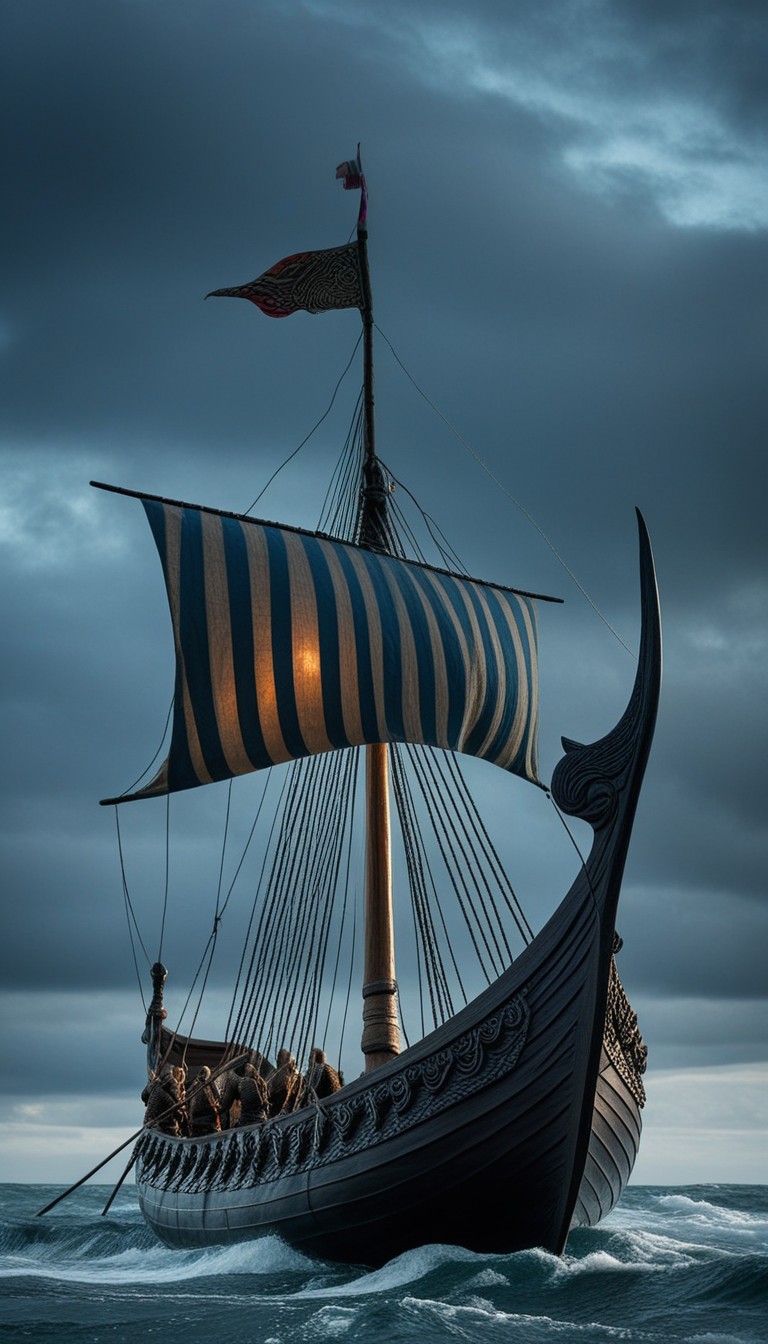
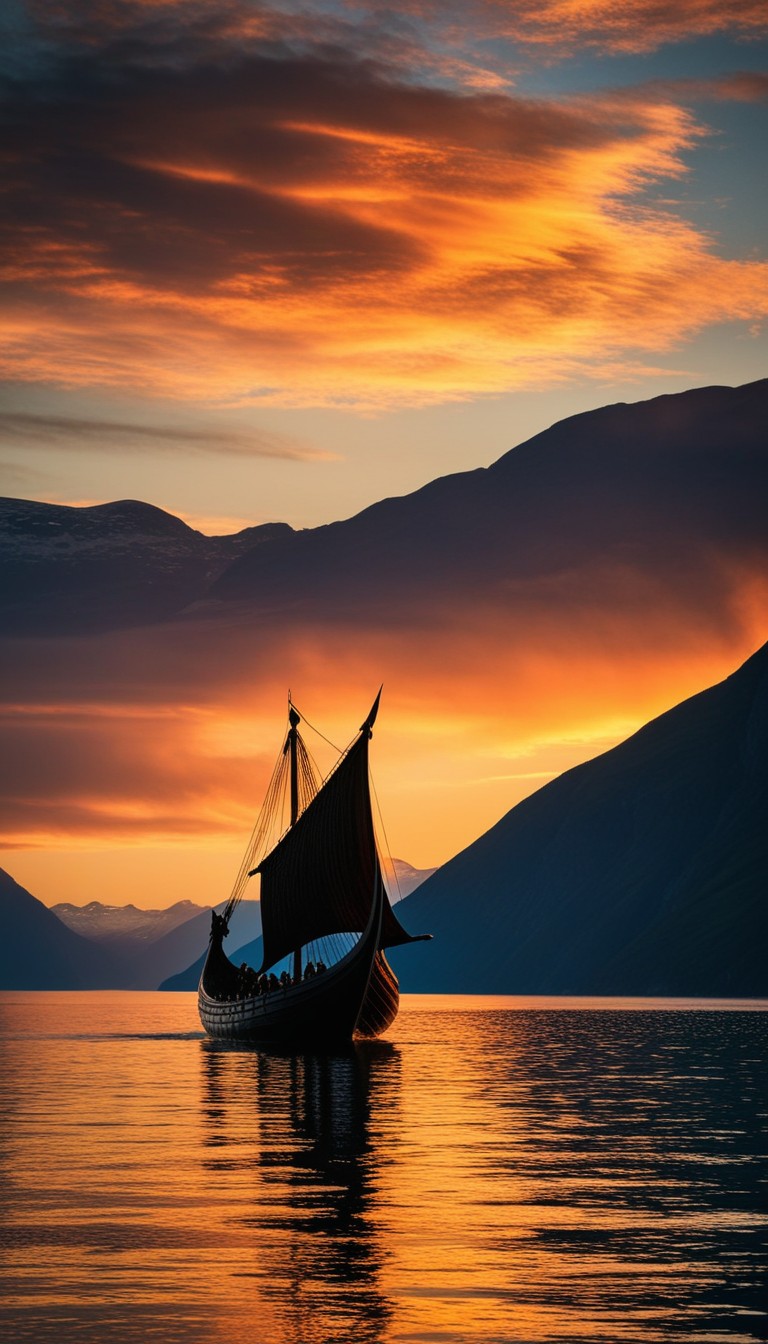
Viking longships were engineering marvels—shallow draft for rivers, sturdy enough for open ocean. With these sleek vessels, Norse warriors burst out of Scandinavia in 793 AD when they raided the monastery at Lindisfarne, England. Europe would never be the same.
793-850 AD
British Isles & France
The Fury of the Northmen
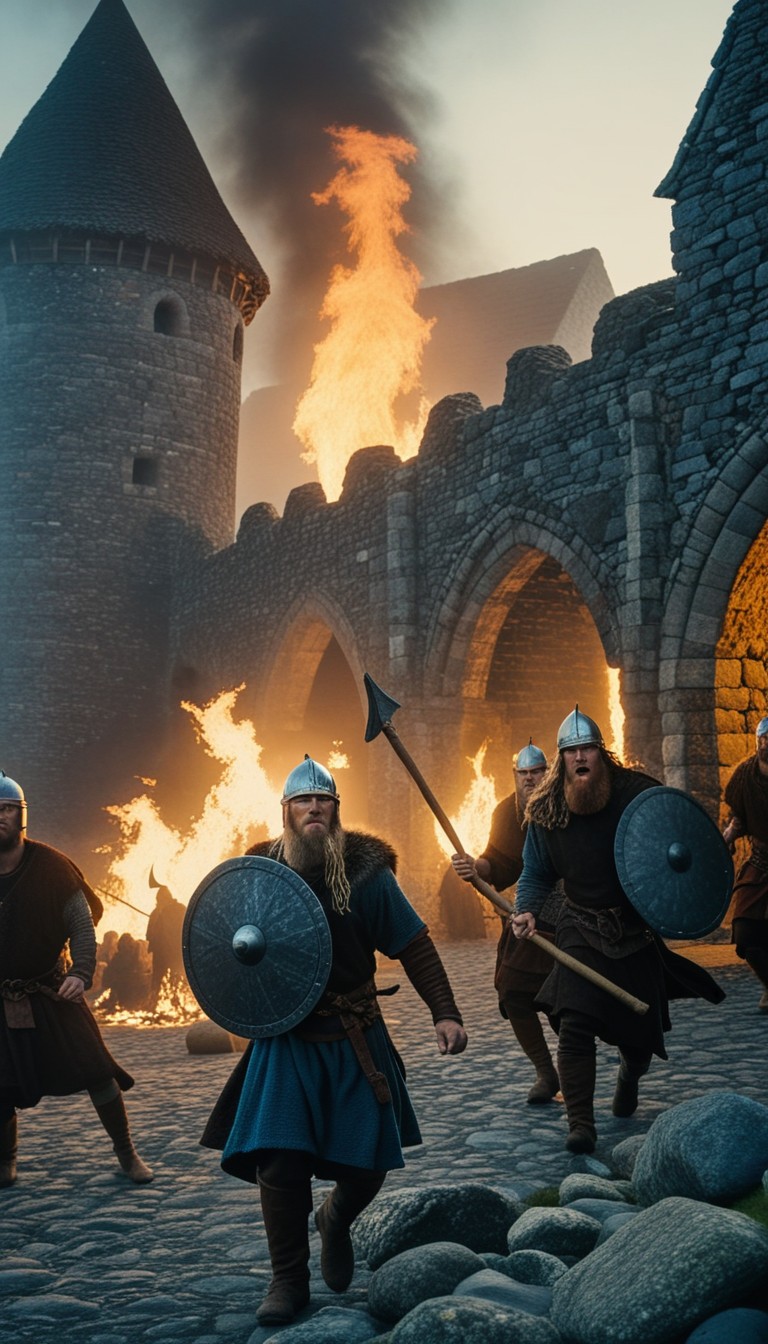
"From the fury of the Northmen, deliver us, O Lord." Viking raids terrorized coastal Europe for decades. Monasteries were favorite targets—rich in gold and poorly defended. Vikings struck fast, loaded their ships, and vanished before defenders could respond.
800-1000 AD
Scandinavia to Baghdad
Traders of the World
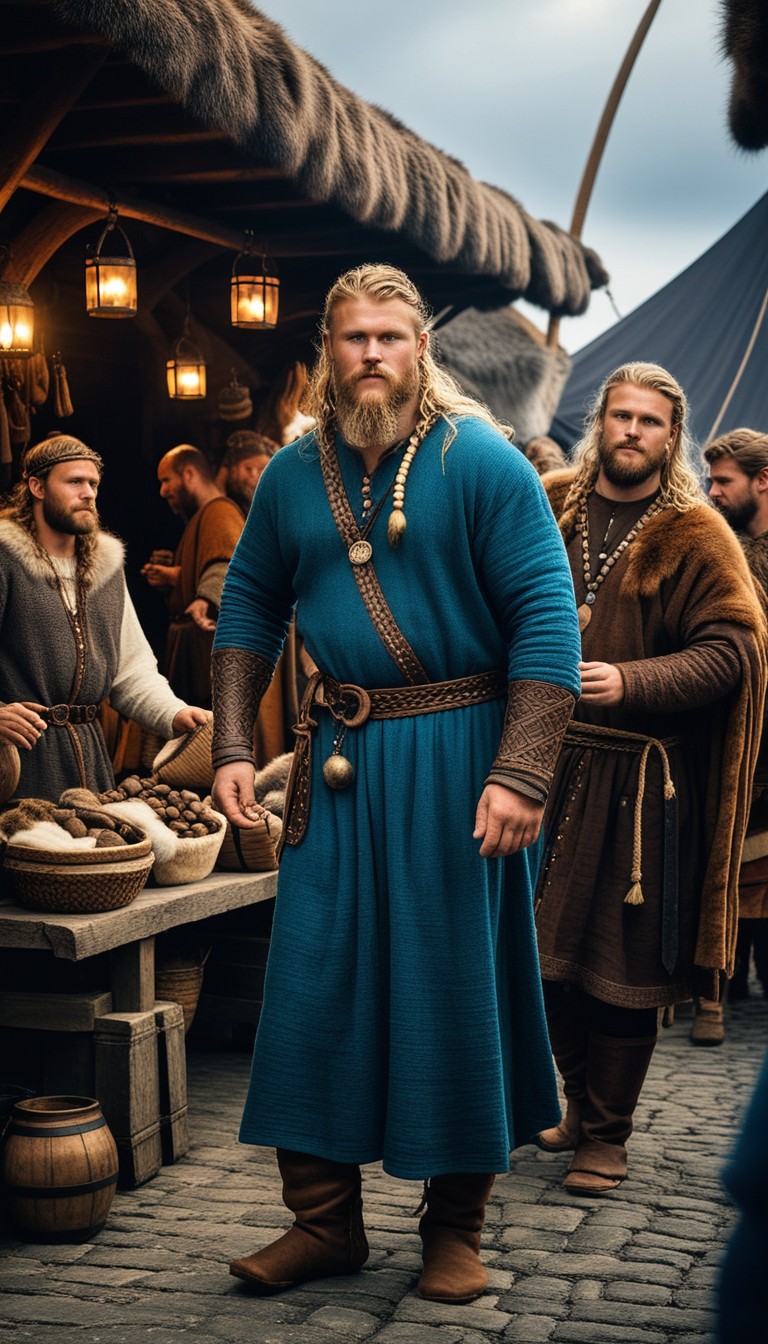
Vikings were shrewd merchants. Swedish Varangians sailed down Russian rivers to trade with Constantinople and Baghdad. Norse traders exchanged furs, amber, and walrus ivory for silk, silver, and spices. Arab coins have been found as far north as Sweden.
Viking Age
Scandinavia
Gods and Sagas
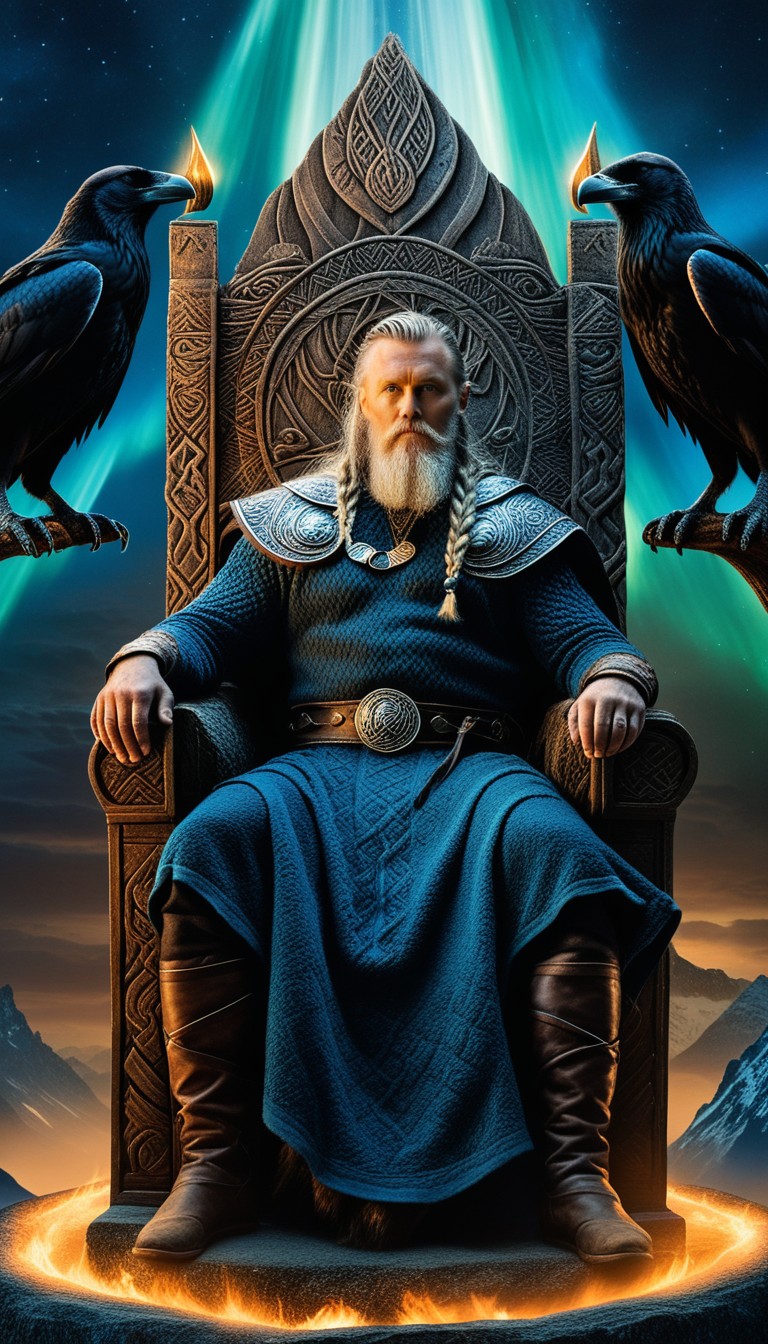
The Norse worshipped a pantheon of gods. Odin sacrificed his eye for wisdom. Thor wielded Mjölnir against giants. Warriors who died in battle feasted in Valhalla. These myths, preserved in the Eddas, inspired everything from Wagner's operas to Marvel comics.
982 AD
Greenland
Erik the Red's Gamble
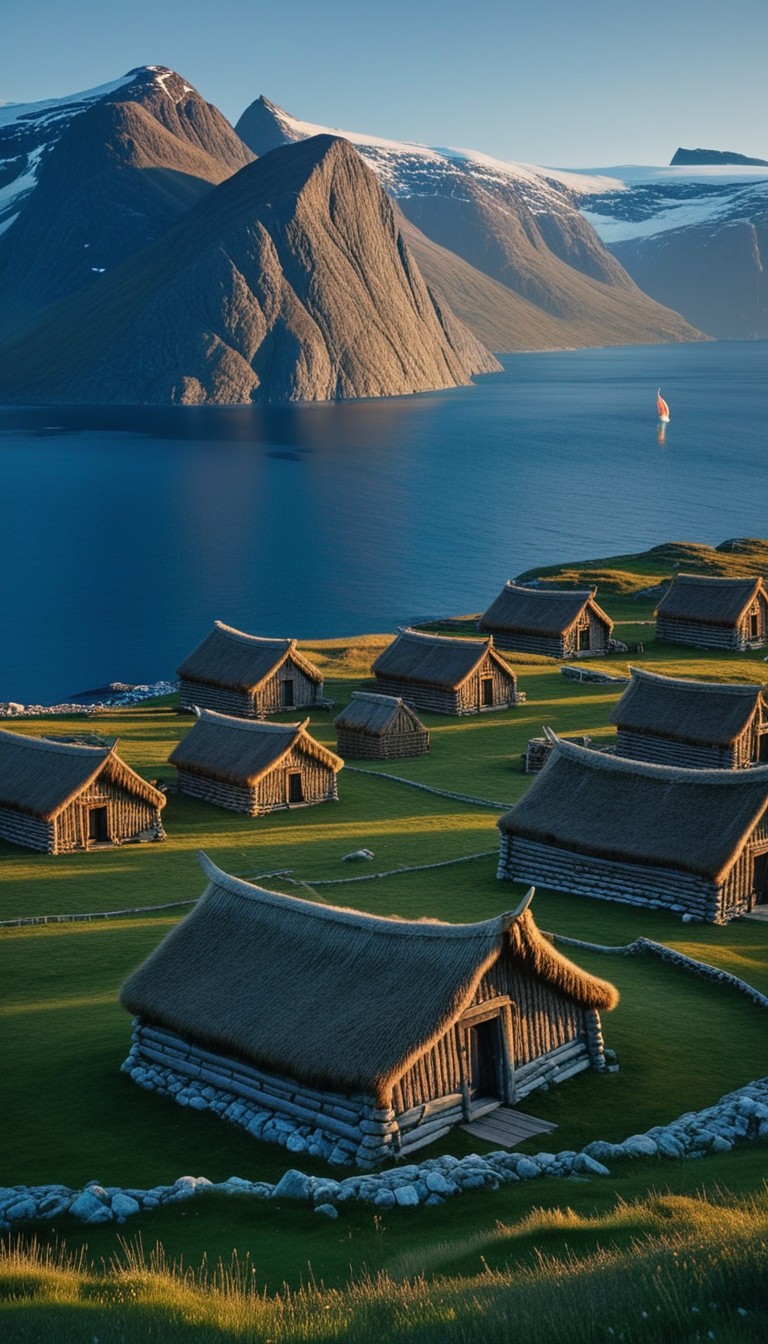
Exiled from Iceland for murder, Erik the Red sailed west and discovered Greenland around 982 AD. He called it "Greenland" to attract settlers—history's first real estate marketing. Two colonies thrived for nearly 500 years in one of Earth's harshest environments.
1000 AD
Newfoundland, Canada
First Europeans in America
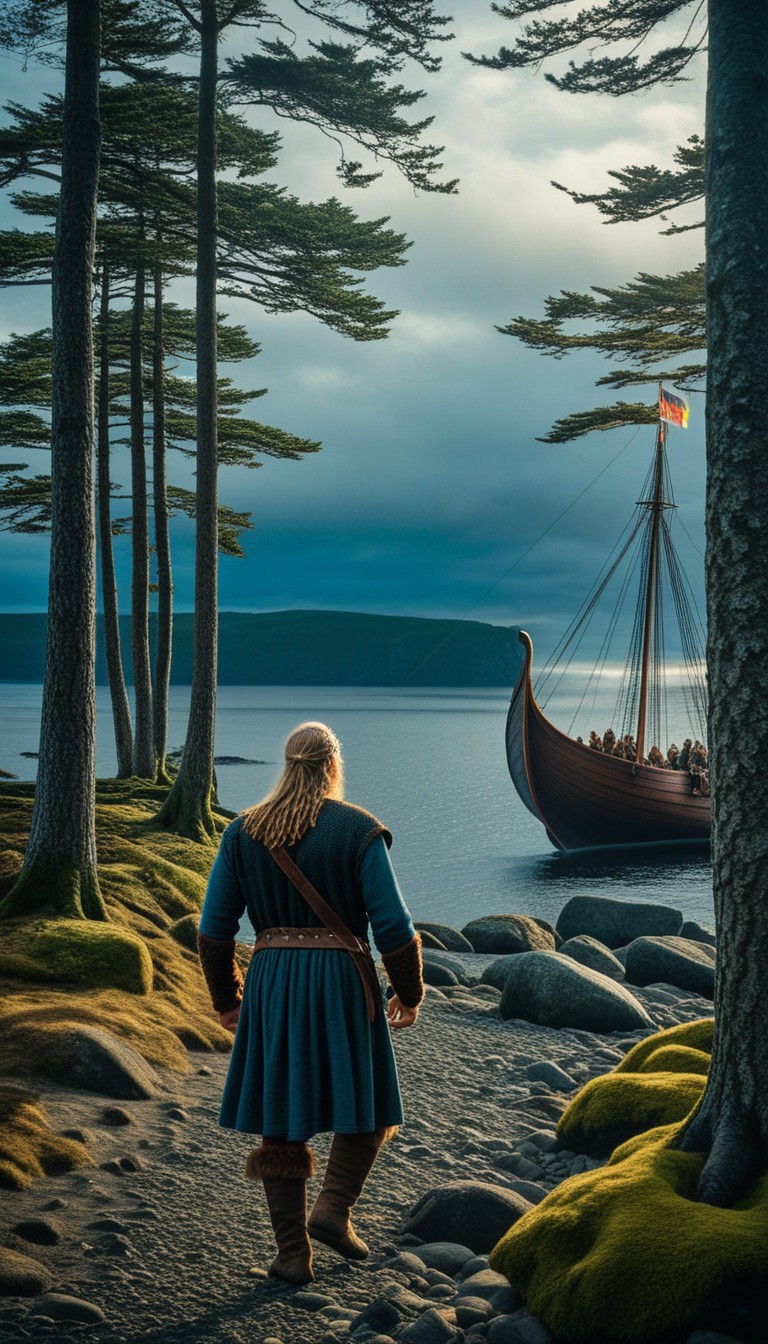
Around 1000 AD, Leif Erikson—Erik the Red's son—sailed from Greenland to North America, which he called Vinland. Archaeological evidence at L'Anse aux Meadows in Newfoundland proves Vikings reached the Americas nearly 500 years before Columbus.
850-1066 AD
Europe
Settlers and State-Builders
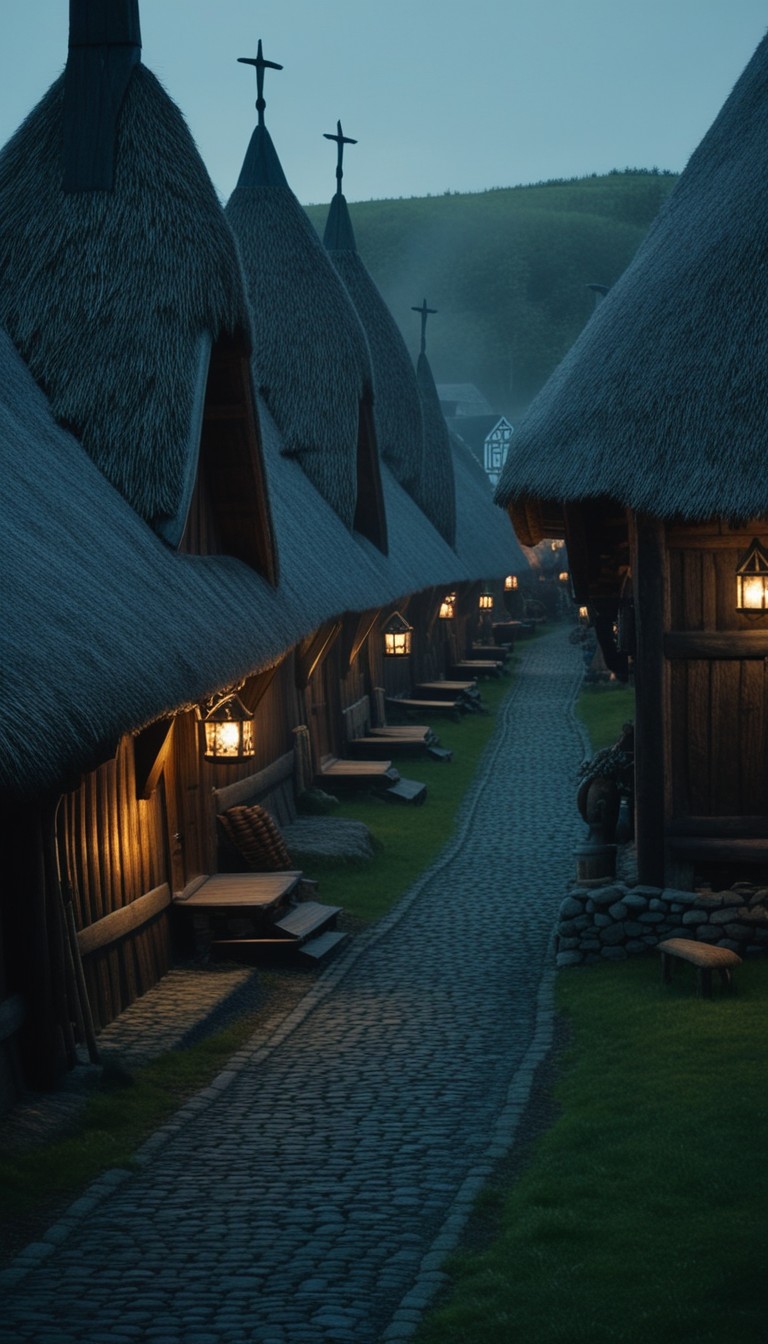
Vikings didn't just raid—they settled. They founded Dublin, established the Danelaw in England, and created Normandy (land of the Northmen) in France. Rurik's Vikings founded the Rus' state—the ancestor of Russia. From raiders to rulers in a few generations.
1066 AD
Stamford Bridge, England
The Viking Age Ends
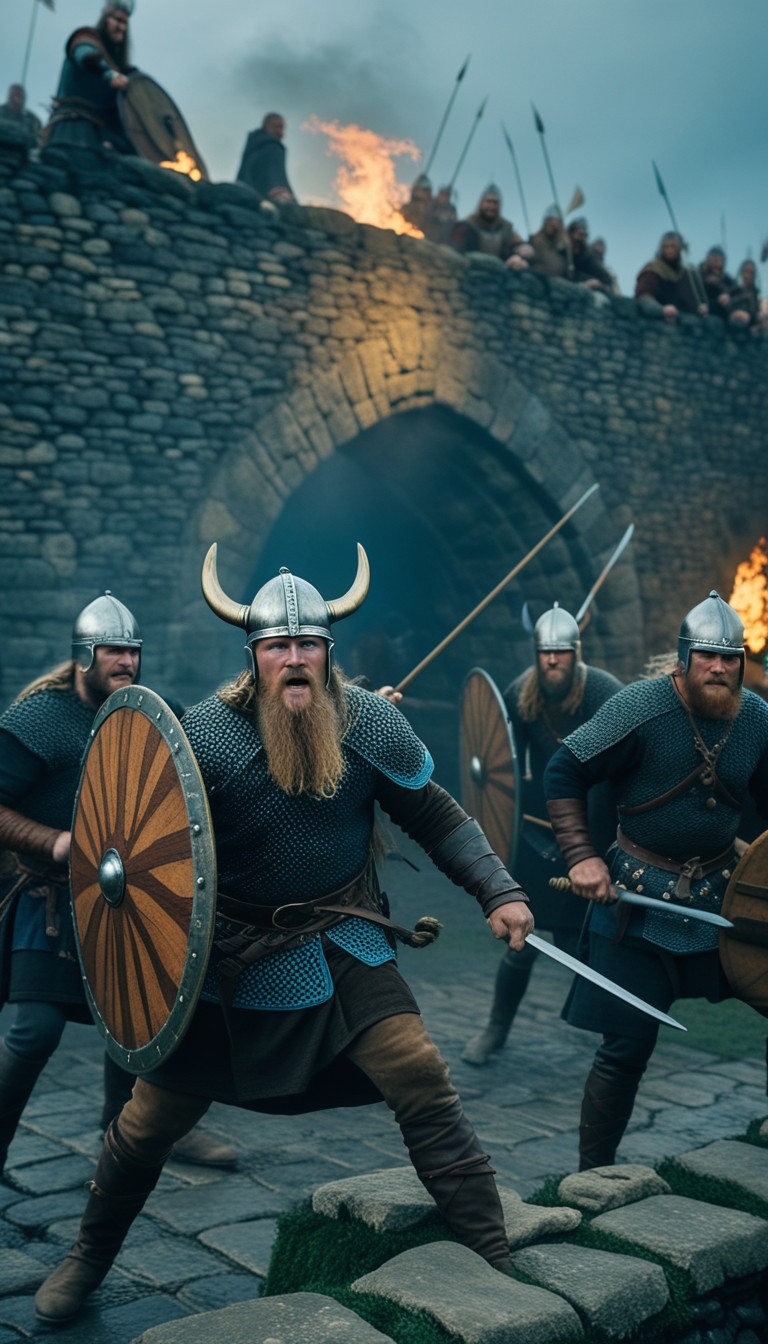
In 1066, Norwegian King Harald Hardrada invaded England and fell at Stamford Bridge. Weeks later, William the Conqueror—himself descended from Vikings—won at Hastings. Christianity replaced the old gods. The raiders became kings, and the Viking Age faded into legend.
Legacy of the Norse
The Vikings transformed Europe. They founded nations, opened trade routes from the Arctic to the Mediterranean, and reached the New World centuries before anyone else. Far from mere barbarians, they were explorers, traders, and builders who left an indelible mark on history.

Swipe to navigate