Sun Tzu: The Art of War
Loading story...
c. 544 BC
Ancient China
A World at War
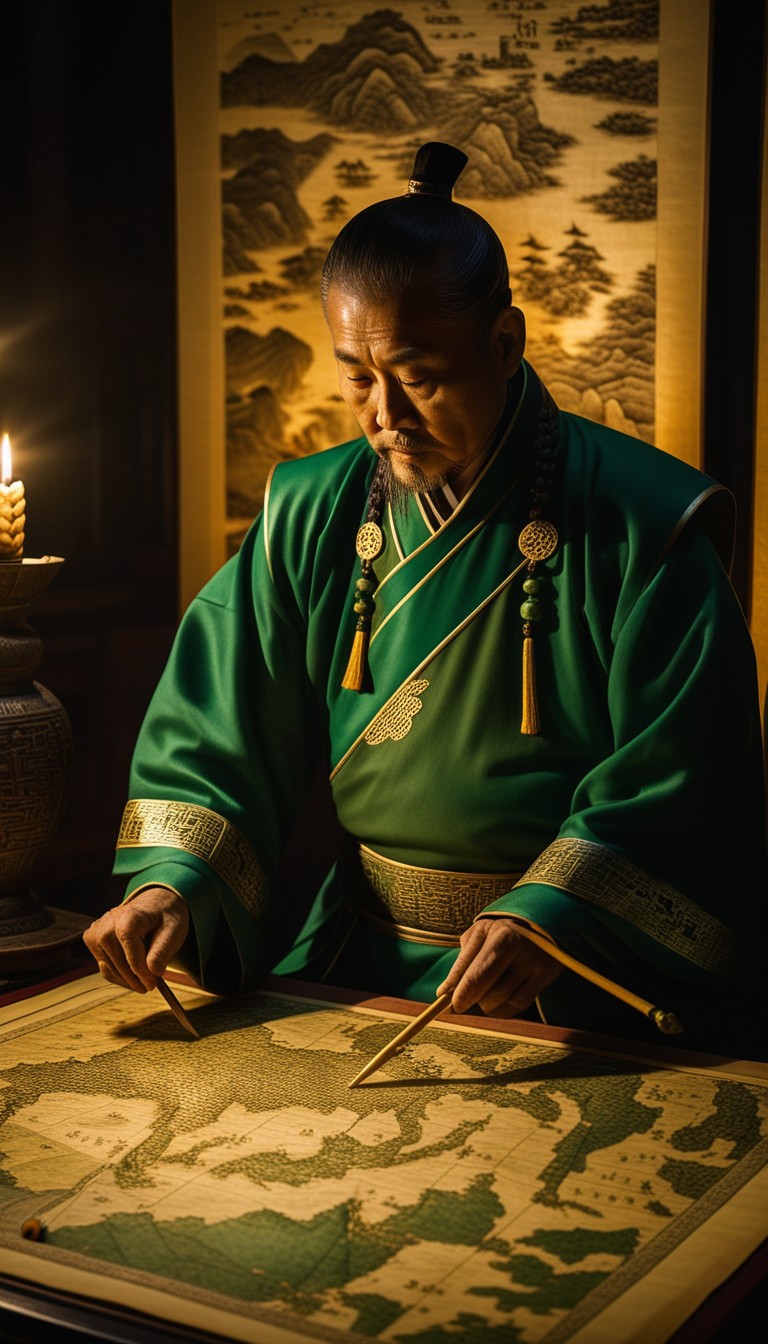
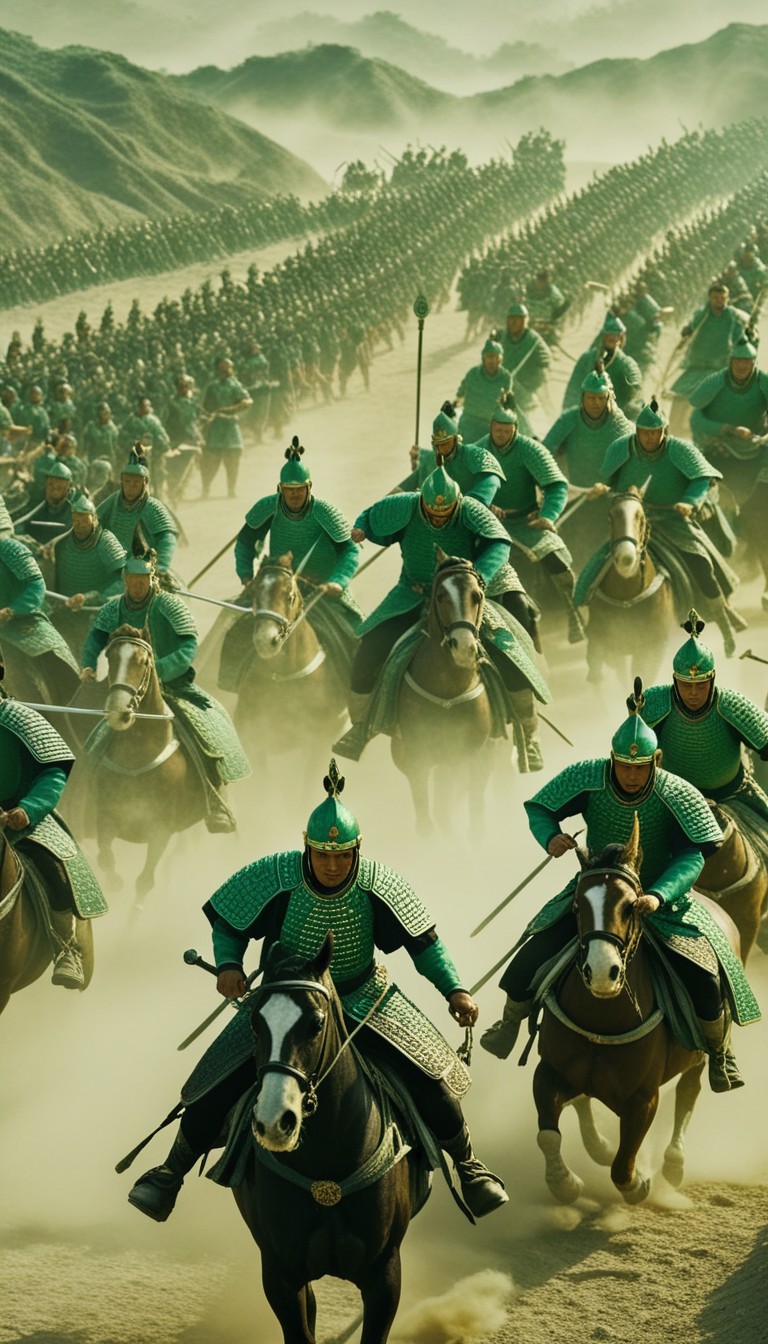
Around 544 BC, China was not a unified empire but a patchwork of rival kingdoms locked in near-constant warfare. This was the Warring States period—an age of iron swords, massed infantry, and relentless political ambition. Lords rose and fell by the sword, and survival depended on finding commanders who could outthink as well as outfight the enemy. Into this crucible of conflict, Sun Tzu was born.
c. 512 BC
State of Wu, China
The Soldier-Scholar of Wu
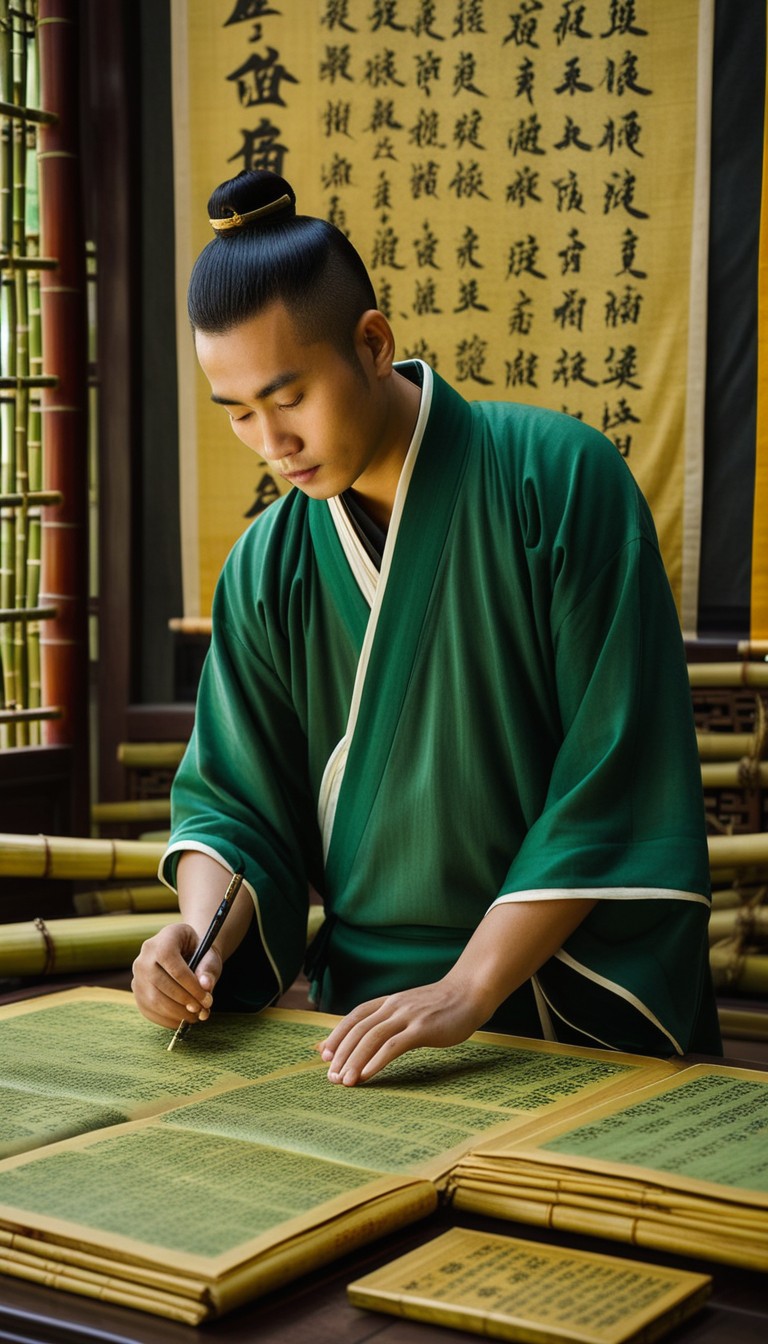
Born into a family with a tradition of military service, Sun Tzu—whose name means "Master Sun"—devoted his early years to the study of strategy, history, and the nature of conflict. He settled in the state of Wu, one of the rising powers of the era, where his written work on military strategy caught the attention of King Helü. By 512 BC, Sun Tzu had transformed his ideas into a manuscript that would outlast every army he ever served.
c. 512 BC
State of Wu, China
The Concubines' Demonstration
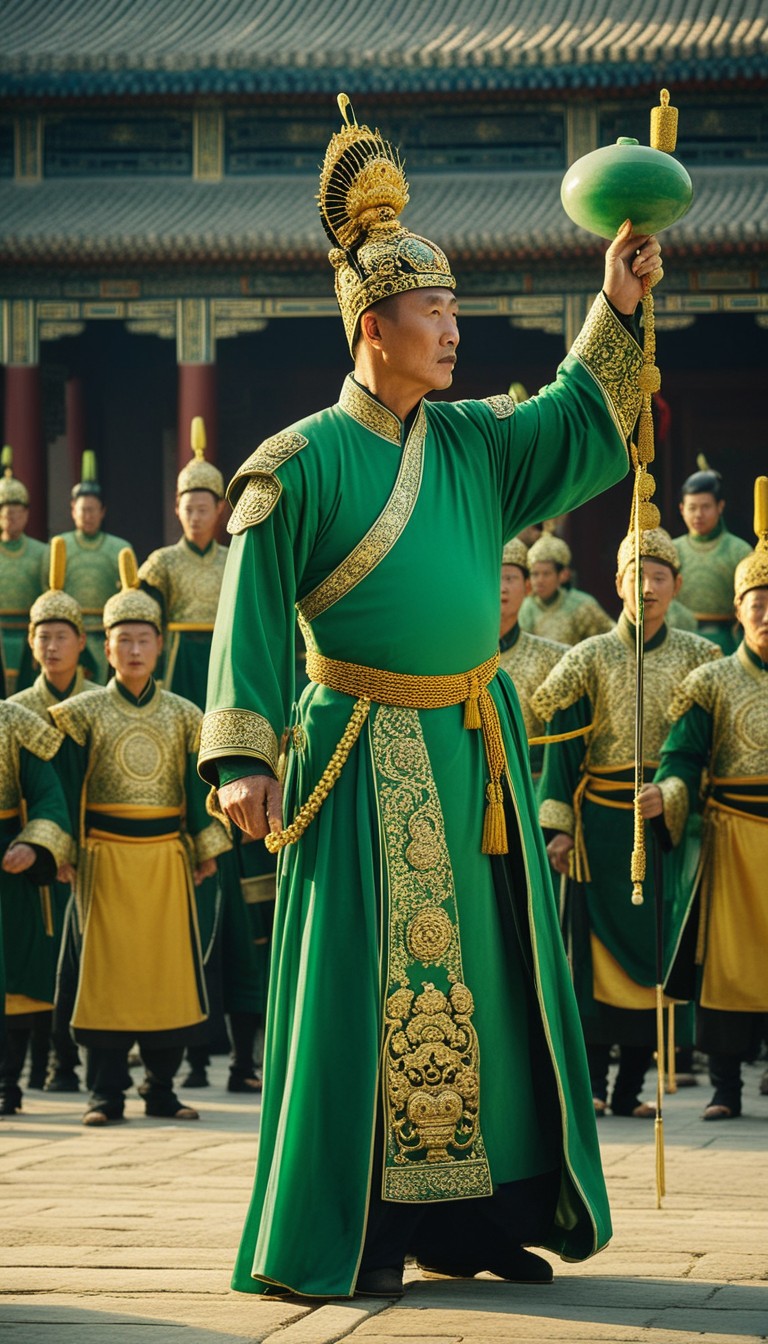
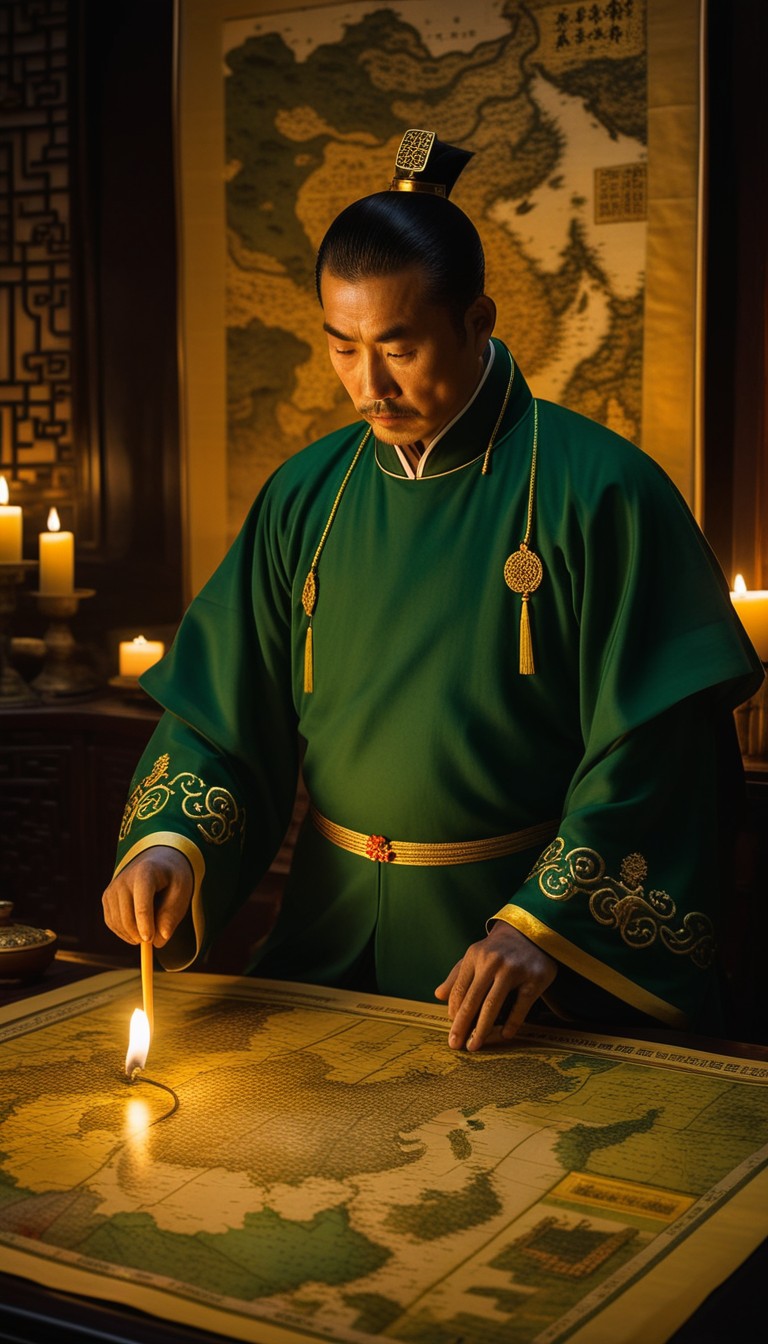
King Helü was intrigued but skeptical—could this philosopher truly train anyone to fight? He challenged Sun Tzu to demonstrate his methods using 180 palace concubines. Sun Tzu divided them into two companies, appointed the king's two favorites as captains, and issued clear commands. When the women laughed instead of obeying, Sun Tzu calmly executed both captains. The remaining concubines drilled in perfect silence. The king had his answer, and Sun Tzu had his command.
c. 500 BC
State of Wu, China
The Supreme Art: Winning Without Fighting
At the heart of Sun Tzu's philosophy was a radical idea for his violent age—the greatest victory is won before the first sword is drawn. "Supreme excellence consists in breaking the enemy's resistance without fighting," he wrote. Through deception, intelligence, and careful preparation, a skilled commander could make victory inevitable before the armies ever met. Force was a last resort, not a first weapon, and the general who understood this stood above all others.

c. 506 BC
State of Chu, China
The Campaign Against Chu
In 506 BC, Sun Tzu helped lead Wu's armies in a devastating campaign against the powerful state of Chu, one of the dominant kingdoms of the age. Using speed, misdirection, and carefully timed strikes, the Wu forces won five major battles in rapid succession, eventually capturing Chu's capital of Ying. It was a masterclass in the principles Sun Tzu had written—the enemy was disoriented, outmaneuvered, and overwhelmed before they could effectively respond.
c. 500 BC
Ancient China
The Five Factors of War
Sun Tzu taught that every conflict is shaped by five constant factors: Moral Law—the unity of will between leader and people; Heaven—timing, weather, and circumstance; Earth—terrain, distance, and ground; the Commander—wisdom, sincerity, courage, and discipline; and Method—the organization of armies and resources. A general who mastered all five could not be defeated. One who ignored even one invited catastrophe. These factors remain the framework behind military doctrine to this day.

c. 500 BC
Ancient China
Deception and the Web of Spies
Sun Tzu devoted an entire chapter of The Art of War to the use of spies, calling intelligence the "sovereign importance in war." He described five categories of agents—local, inside, reverse, dead, and living spies—each deployed to deceive and inform. "All warfare is based on deception," he declared. Feed the enemy false information, strike where he is unprepared, and appear where you are not expected. In Sun Tzu's world, the battle was won in the shadows long before it was fought in the field.
c. 500 BC – Present
Worldwide
A Legacy Without End
The Art of War survived the burning of the books, the fall of dynasties, and the centuries, becoming one of the most widely read military texts in history. Napoleon studied it. Mao Zedong credited it as a foundation of his strategy. The Vietnamese general Vo Nguyen Giap used its principles against the most powerful military in the modern world. Today, its influence extends far beyond warfare—into business, diplomacy, sports, and leadership. Sun Tzu wrote thirteen chapters. The world has been reading them ever since.

Timeless in Every Age
Sun Tzu lived in a world of bronze bells, silk banners, and chariot warfare. Yet his insights into human nature, conflict, and the psychology of victory have proven eternal. He understood that war is not merely a contest of weapons but of minds—and that the commander who sees clearly, prepares thoroughly, and acts decisively will prevail. In an era of satellites and cyber warfare, generals still open The Art of War. That is the measure of the man.
Recommended Reading
As an Amazon Associate, we earn from qualifying purchases.
Swipe to navigate