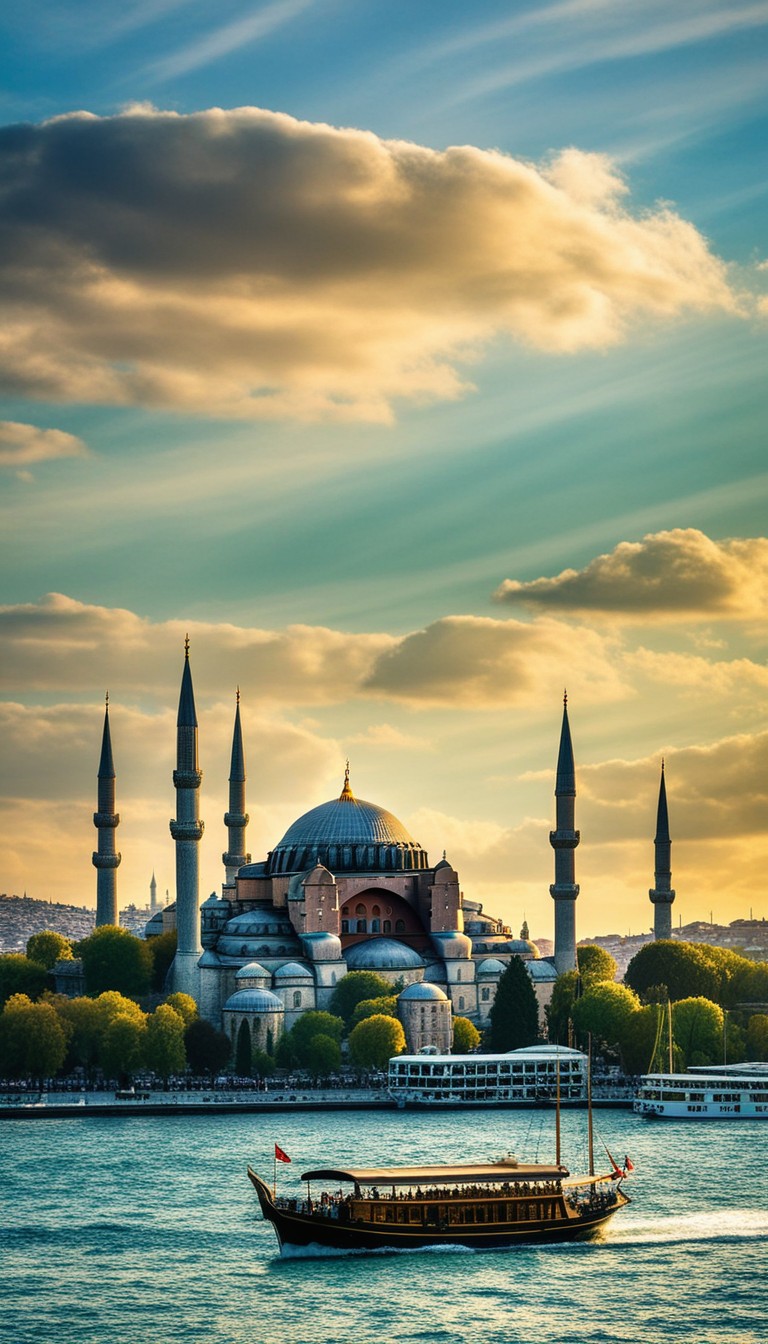
The Ottoman Empire: From Osman to Atatürk
Loading story...
1299
Anatolia
A Dream of Empire
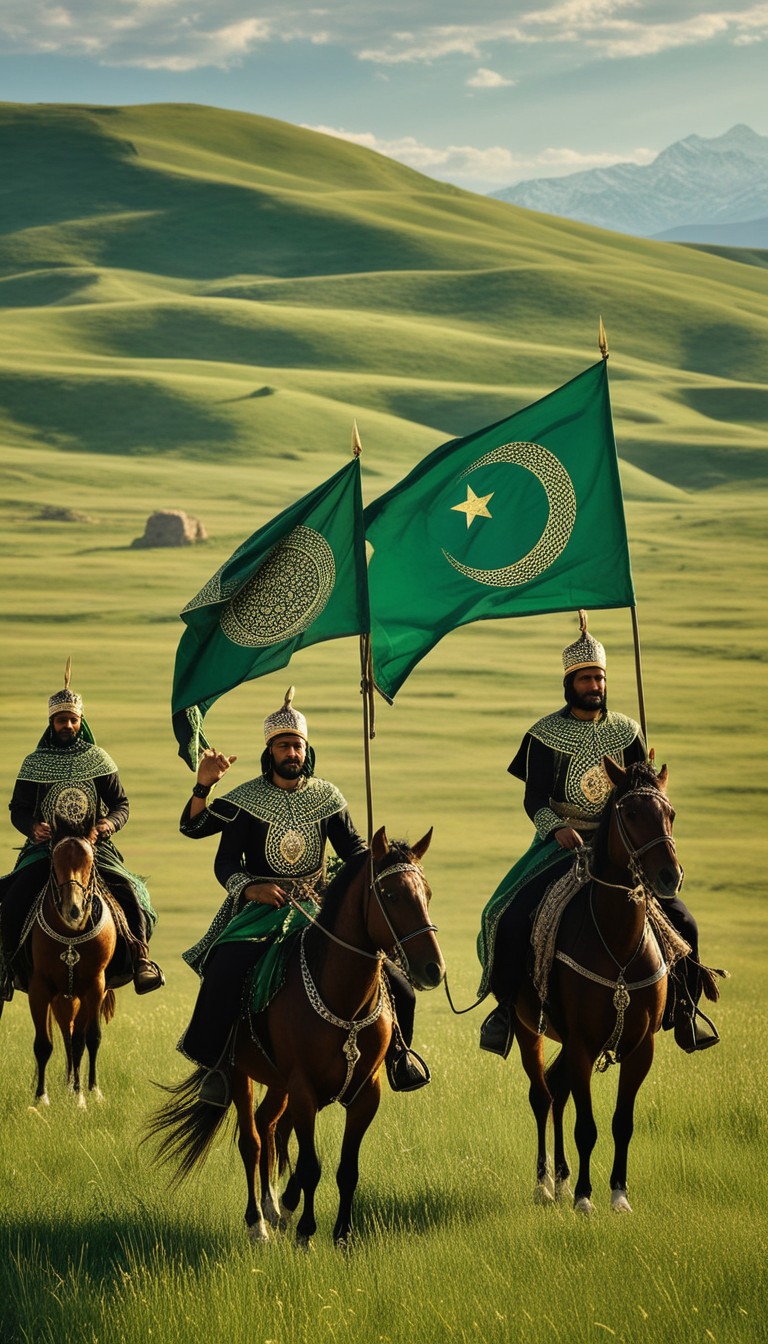
Around 1299, a Turkish tribal leader named Osman I founded a small principality in northwest Anatolia. According to legend, he dreamed of a great tree growing from his body, its branches shading the entire world. That dream became the Ottoman Empire.
1453
Constantinople (Istanbul)
The Fall of Constantinople
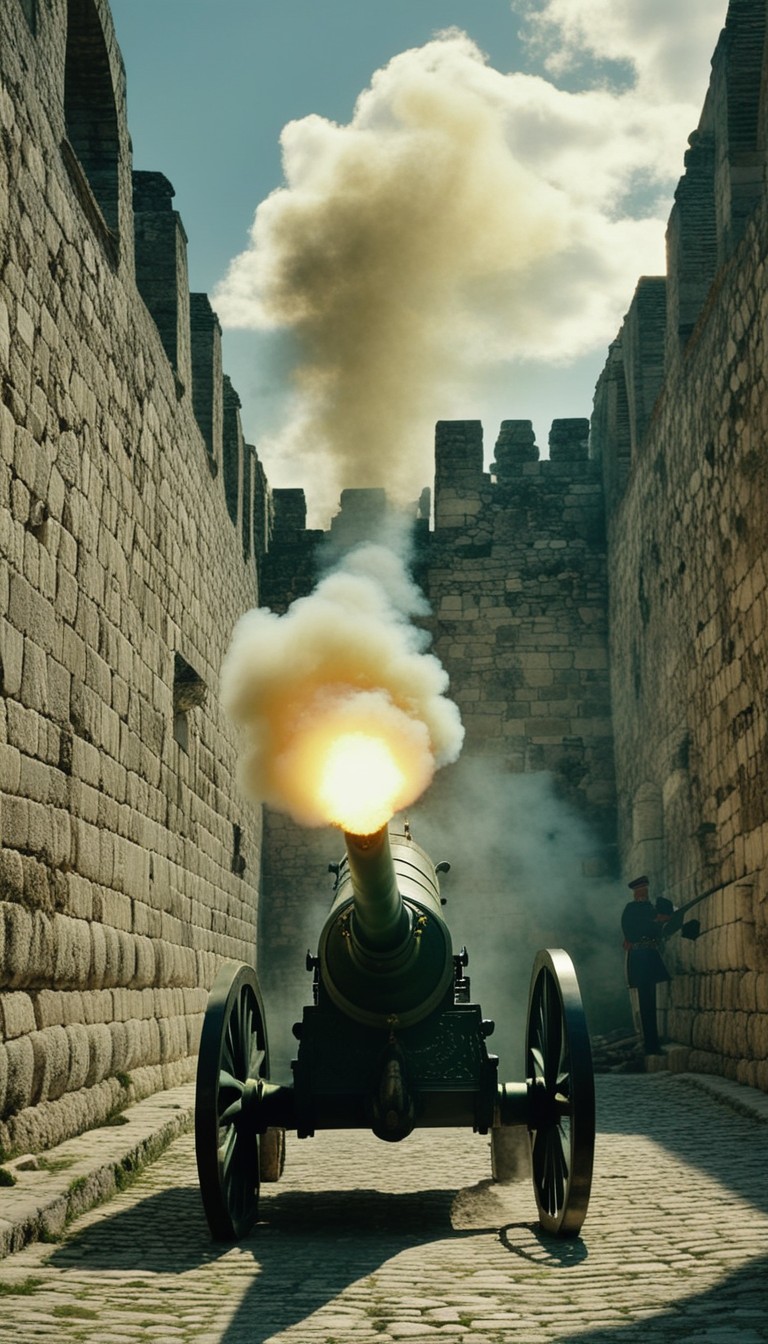
On May 29, 1453, Sultan Mehmed II—just 21 years old—breached the walls of Constantinople with massive cannons. The city that had stood for over 1,000 years as the Byzantine capital fell in a single day. Mehmed renamed it Istanbul and made it his glorious new capital.
1363-1826
Ottoman Empire
The Janissaries
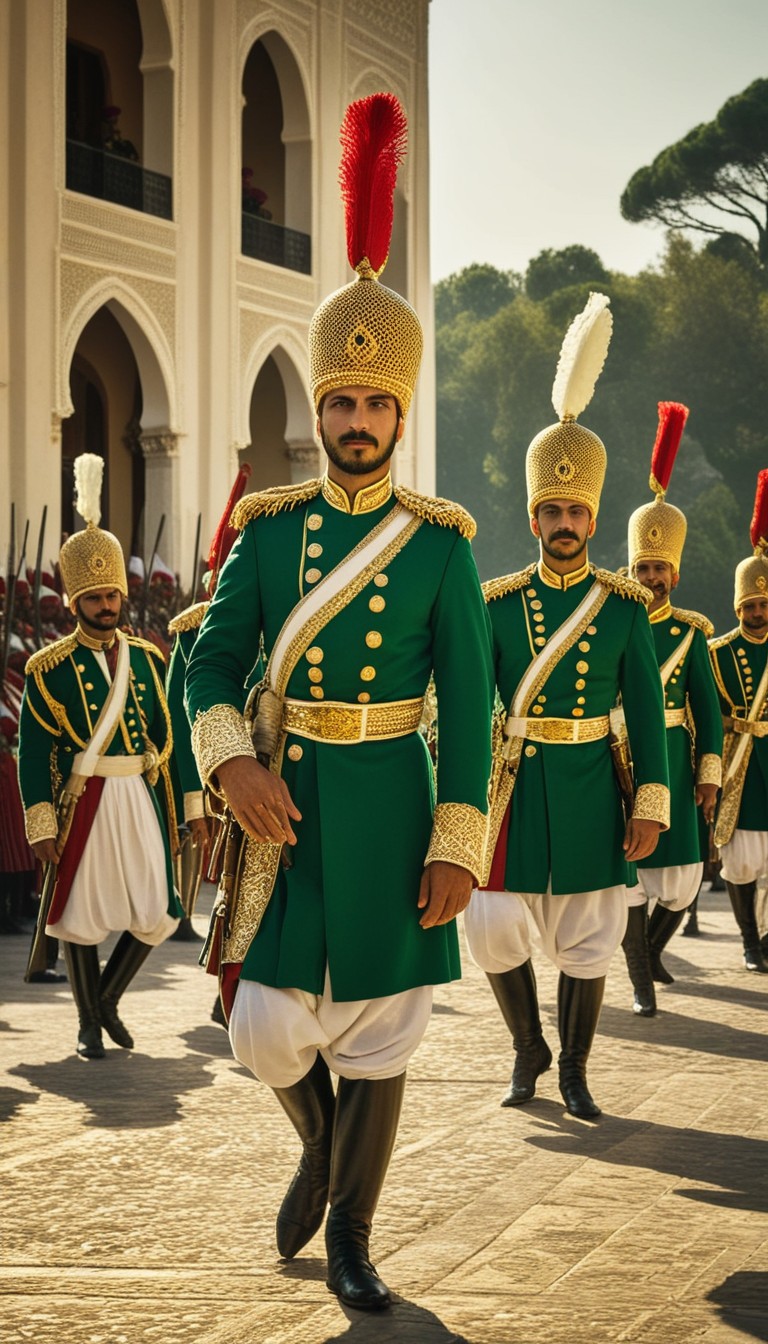
The Janissaries were the sultan's elite fighting force—Christian boys taken from conquered lands, converted to Islam, and trained as soldiers from childhood. Fiercely loyal and highly disciplined, they were the backbone of Ottoman military power for centuries.
1520-1566
Istanbul
Suleiman the Magnificent
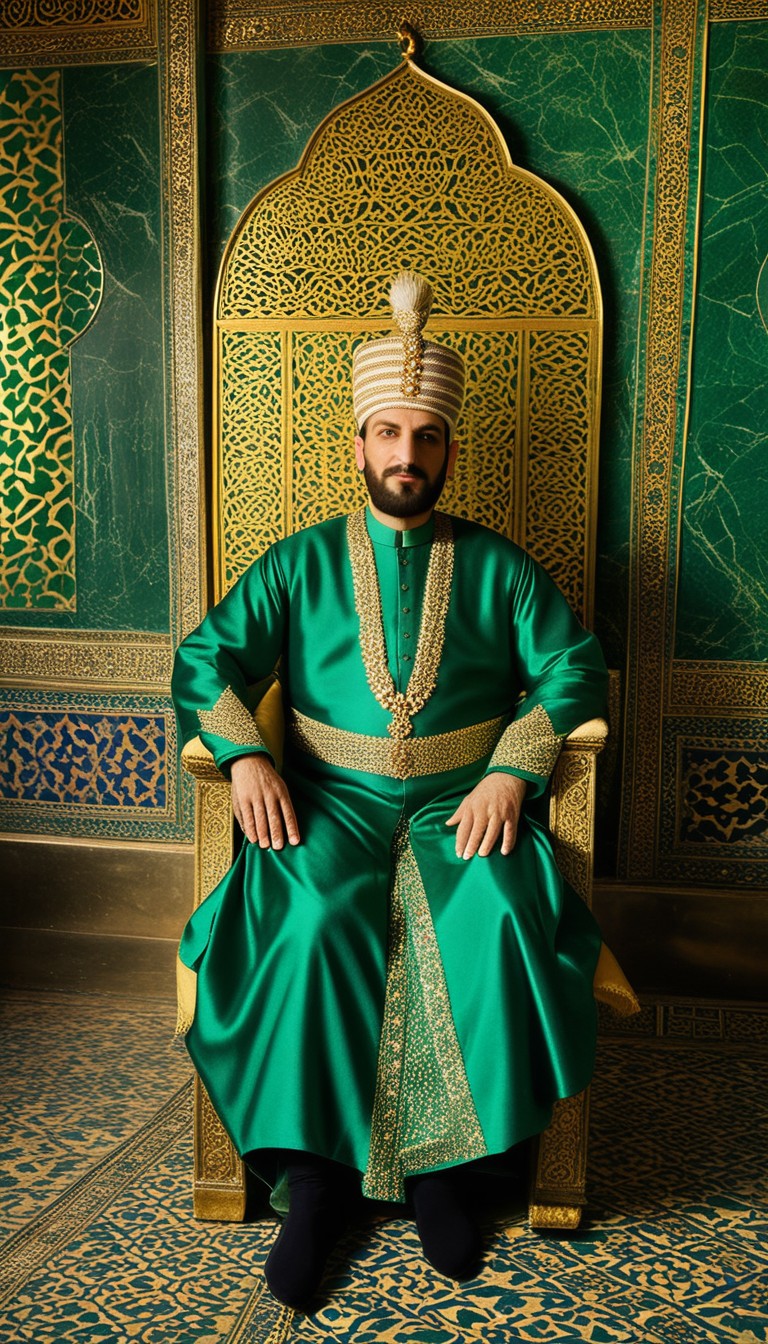
Under Suleiman I (1520-1566), the Ottoman Empire reached its peak. His armies besieged Vienna, his navy dominated the Mediterranean, and his legal reforms earned him the title "the Lawgiver." Ottoman art, architecture, and poetry flourished under his patronage.
15th-17th Century
Istanbul
A City of Minarets
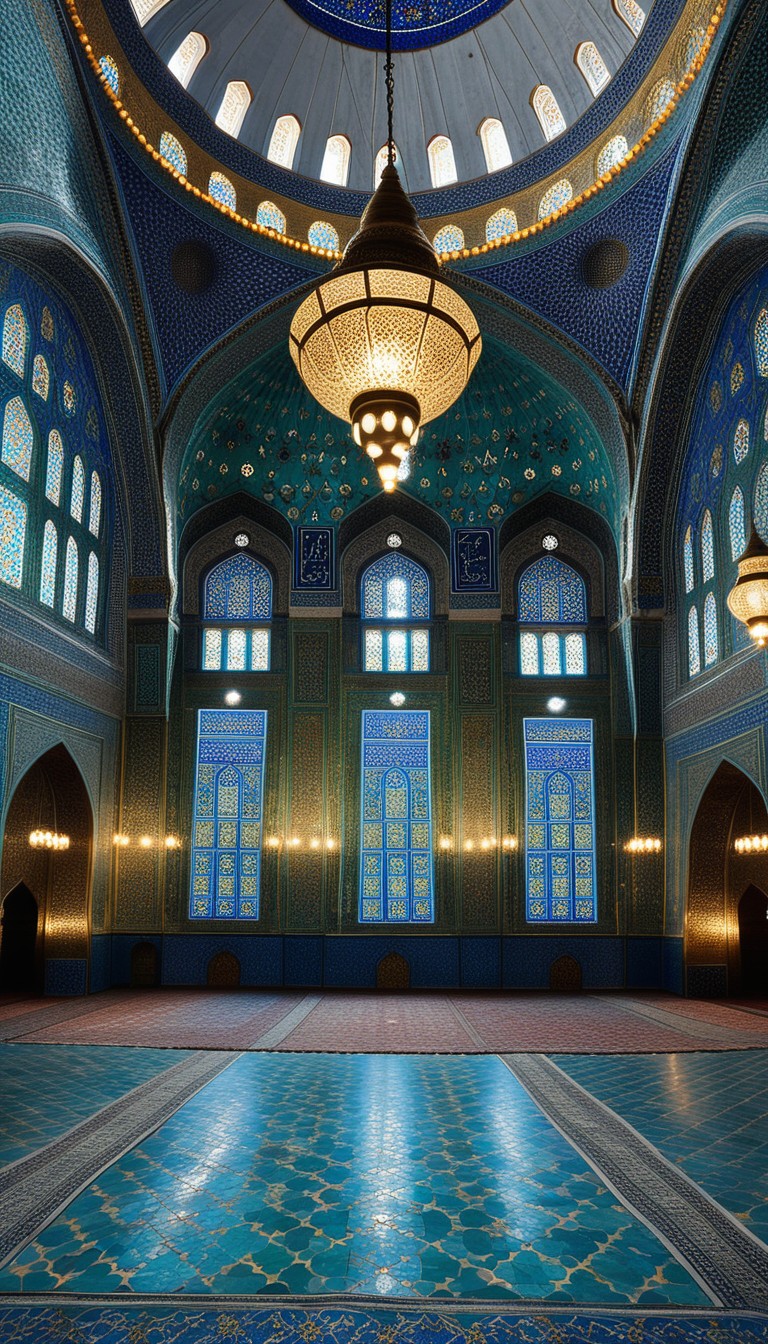
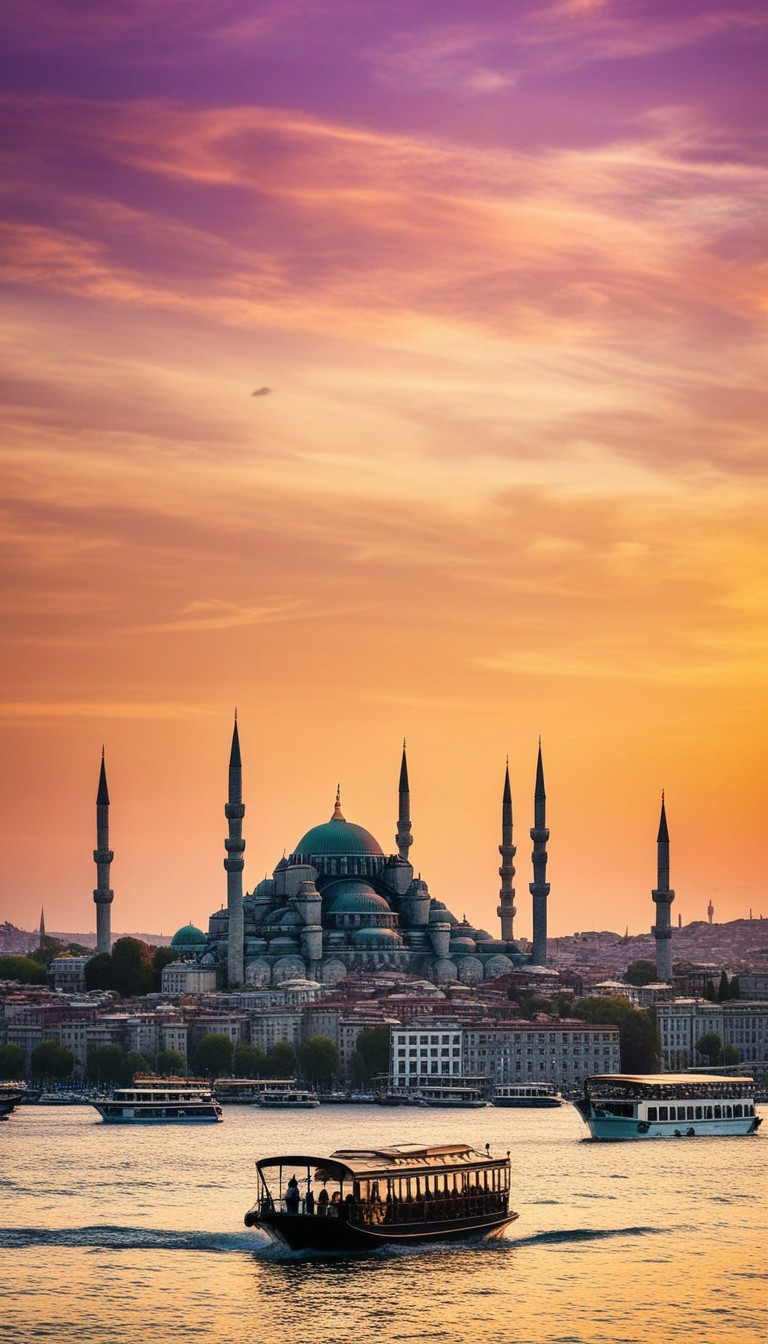
The Ottomans transformed Istanbul into one of the world's great cities. The Hagia Sophia became a mosque. The Blue Mosque rose beside it. The Grand Bazaar became one of the largest covered markets on Earth—a crossroads where East met West in every sense.
16th-17th Century
Europe, Asia, Africa
Three Continents
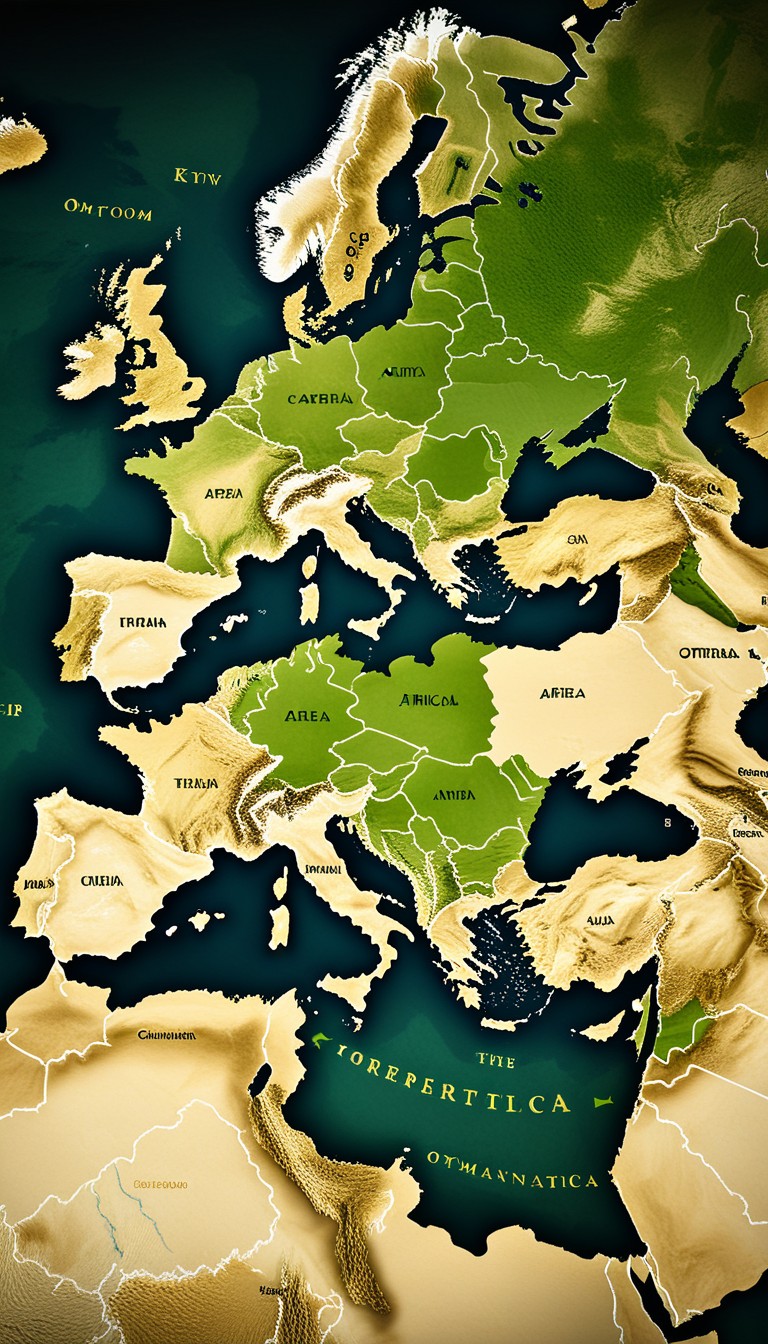
At its height, the Ottoman Empire stretched across southeast Europe, western Asia, and North Africa. It controlled the holy cities of Mecca, Medina, and Jerusalem. Over 25 million people lived under Ottoman rule—a multicultural empire of Muslims, Christians, and Jews.
1914-1918
Gallipoli, Turkey
The Sick Man of Europe
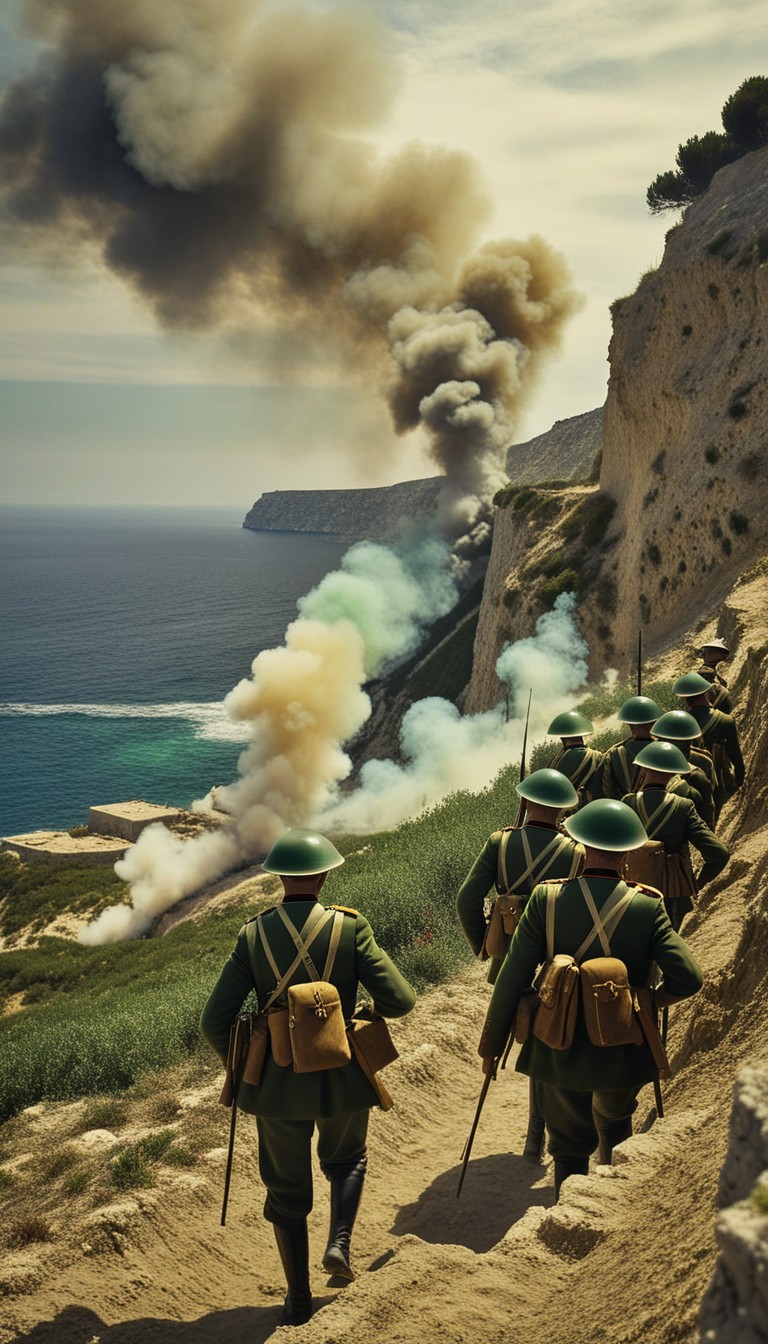
By the 19th century, the once-mighty empire was in decline—called "the Sick Man of Europe." Territories broke away, debts mounted, and reforms came too late. World War I delivered the final blow when the Ottomans chose the losing side.
1923
Ankara, Turkey
From Empire to Republic
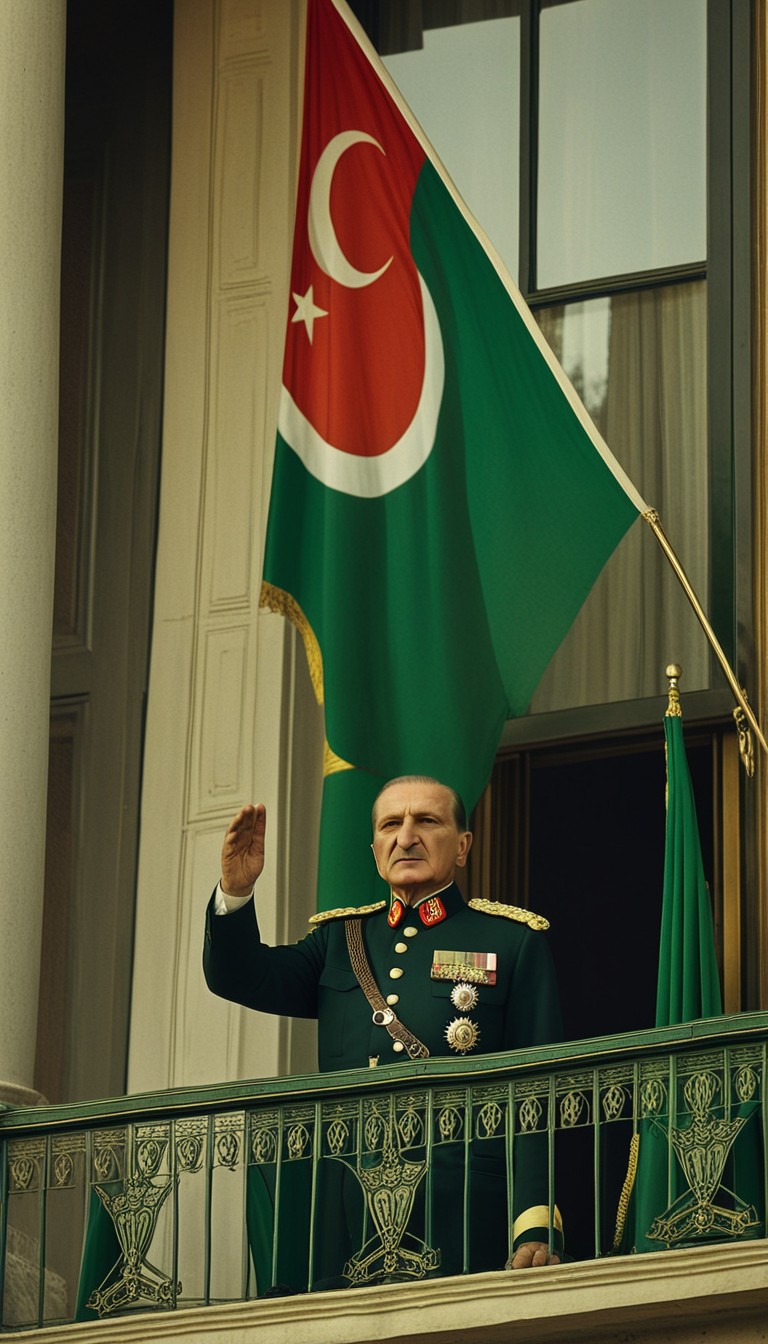
In 1922, Mustafa Kemal Atatürk abolished the sultanate. On October 29, 1923, he proclaimed the Republic of Turkey. After 623 years, the Ottoman Empire was no more. Atatürk modernized Turkey with sweeping reforms—new alphabet, secular laws, and women's suffrage.
Legacy of the Crescent
The Ottoman Empire bridged medieval and modern worlds for over six centuries. Its legacy lives on in the architecture of Istanbul, the borders of the modern Middle East, and the cultural tapestry of southeast Europe. From Osman's dream to Atatürk's republic—an epic journey.
Recommended Reading
As an Amazon Associate, we earn from qualifying purchases.
Swipe to navigate