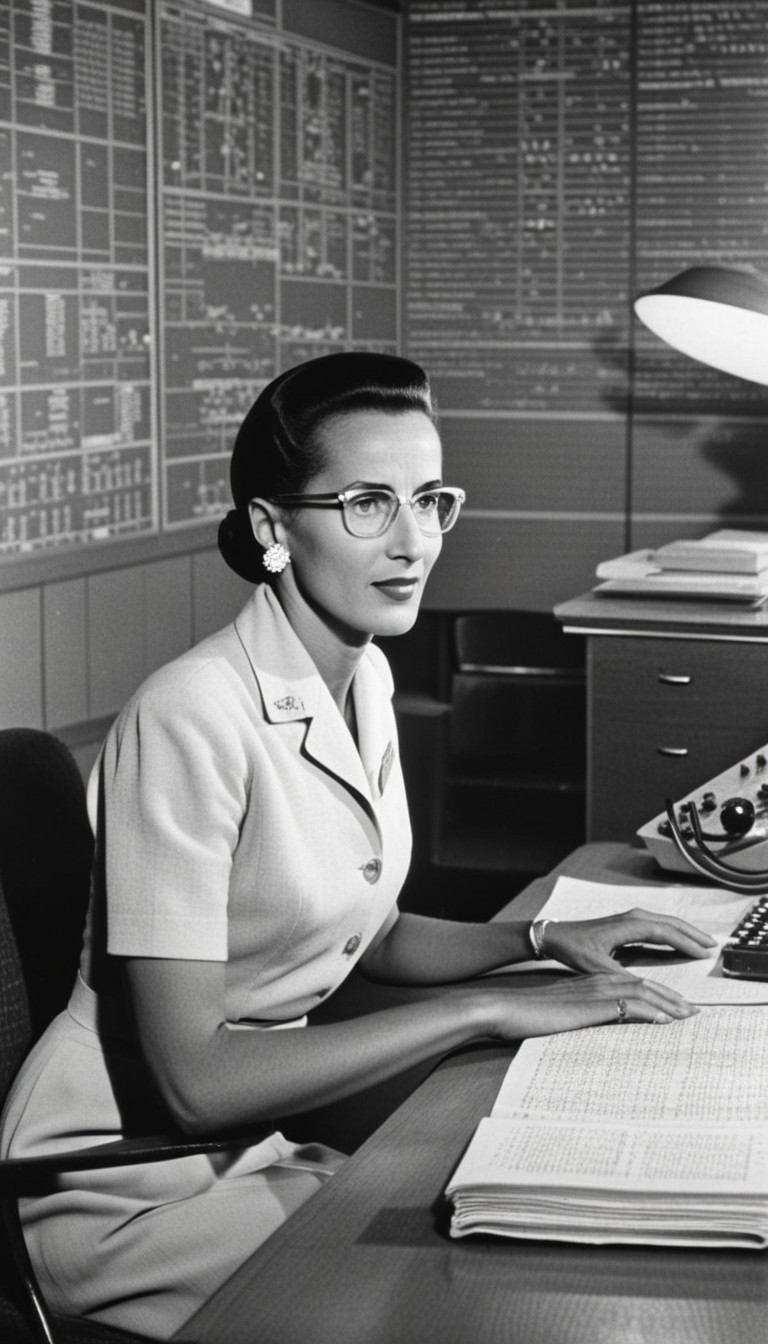
Katherine Johnson: The Human Computer Who Reached the Stars
Loading story...
1918-1932
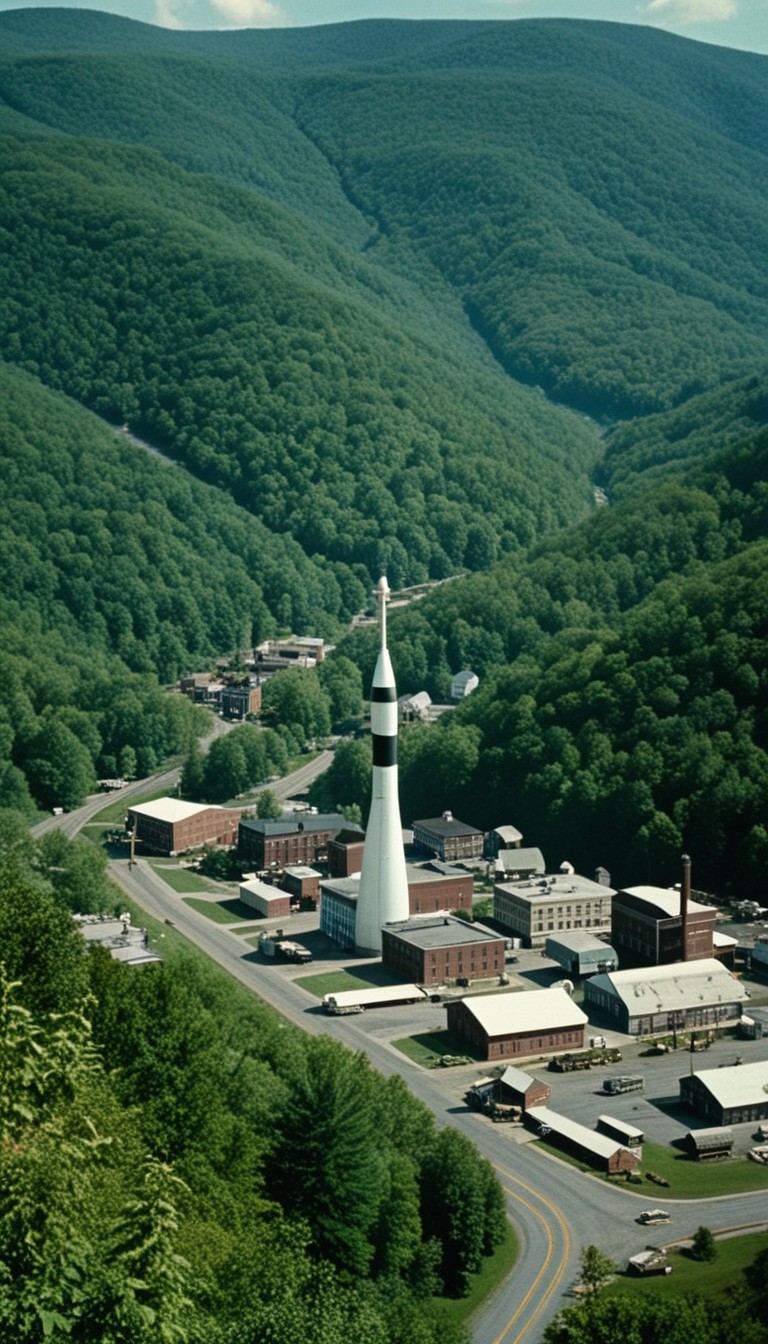
White Sulphur Springs, West Virginia
Counting Everything in White Sulphur Springs
Katherine Coleman was born on August 26, 1918, in White Sulphur Springs, West Virginia. From the earliest age, she counted everything: steps to church, plates at dinner, stars in the sky. Her father, a farmer and handyman, recognized her gift and moved the family so she could attend school, since the local county did not offer public schooling for Black children past eighth grade. By age ten, she was attending high school. By fourteen, she was enrolled at West Virginia State College.
1933-1939
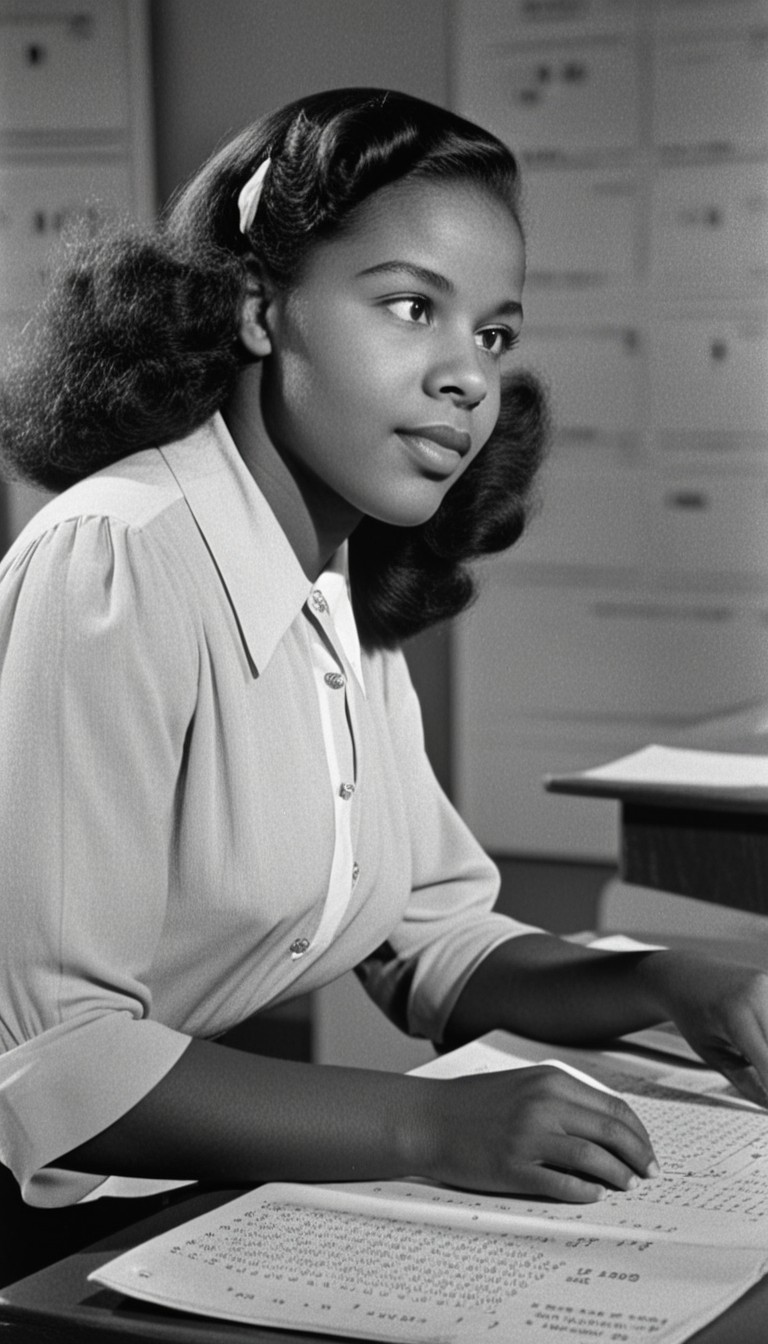
Institute, West Virginia
A Prodigy Finds Her Calling
At West Virginia State College, Katherine took every mathematics course available, and her professors created new ones just for her. W.W. Schieffelin Claytor, one of the first Black Americans to earn a PhD in mathematics, became her mentor and personally prepared her for a research career. She graduated summa cum laude in 1937 at age eighteen with degrees in mathematics and French. She was one of three Black students selected to integrate the graduate program at West Virginia University.
1953-1958
Hampton, Virginia
A Human Computer at Langley
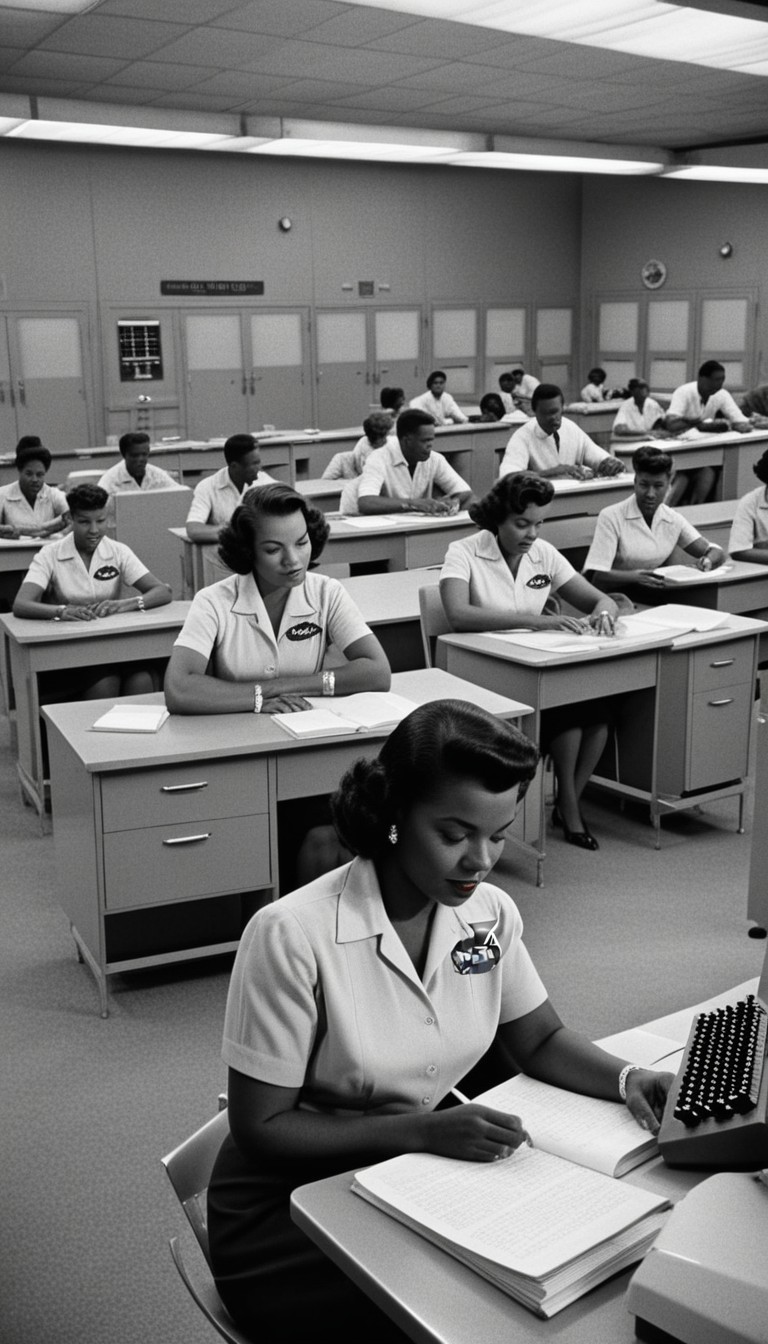
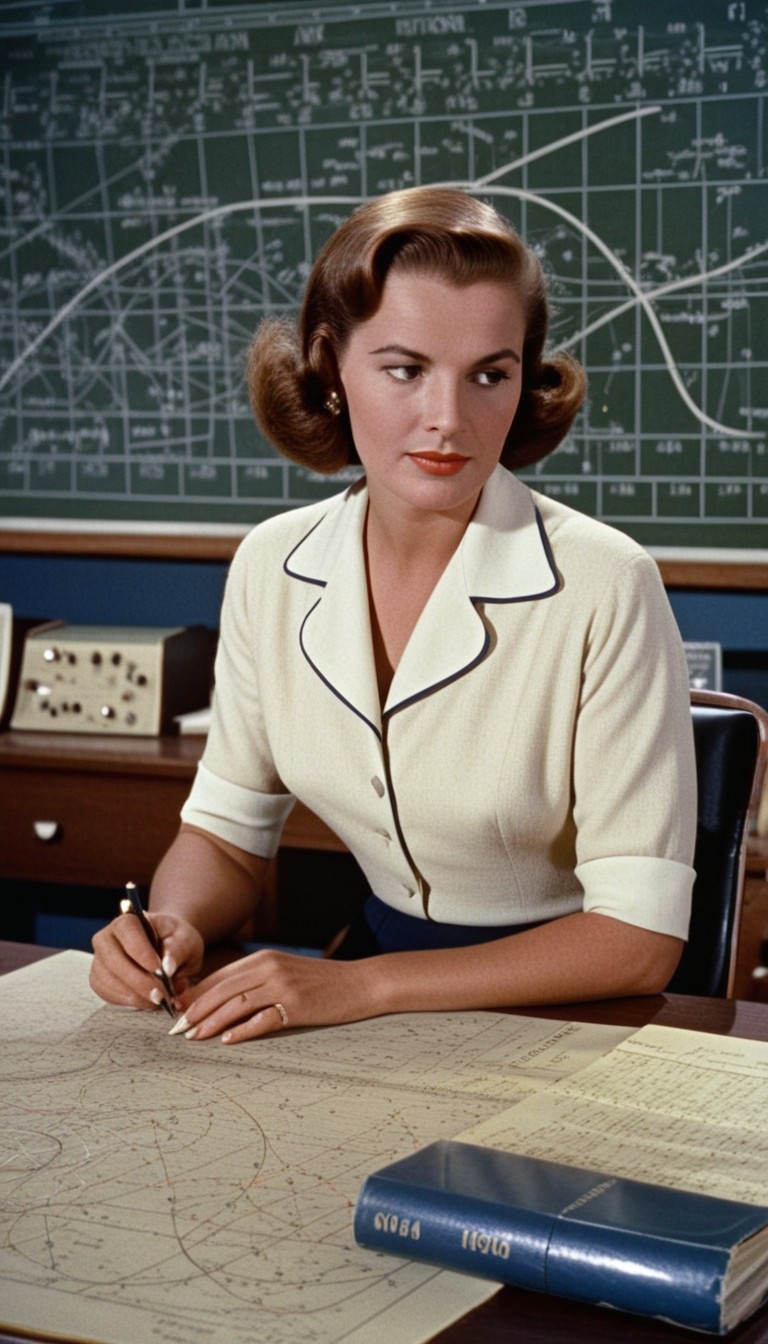
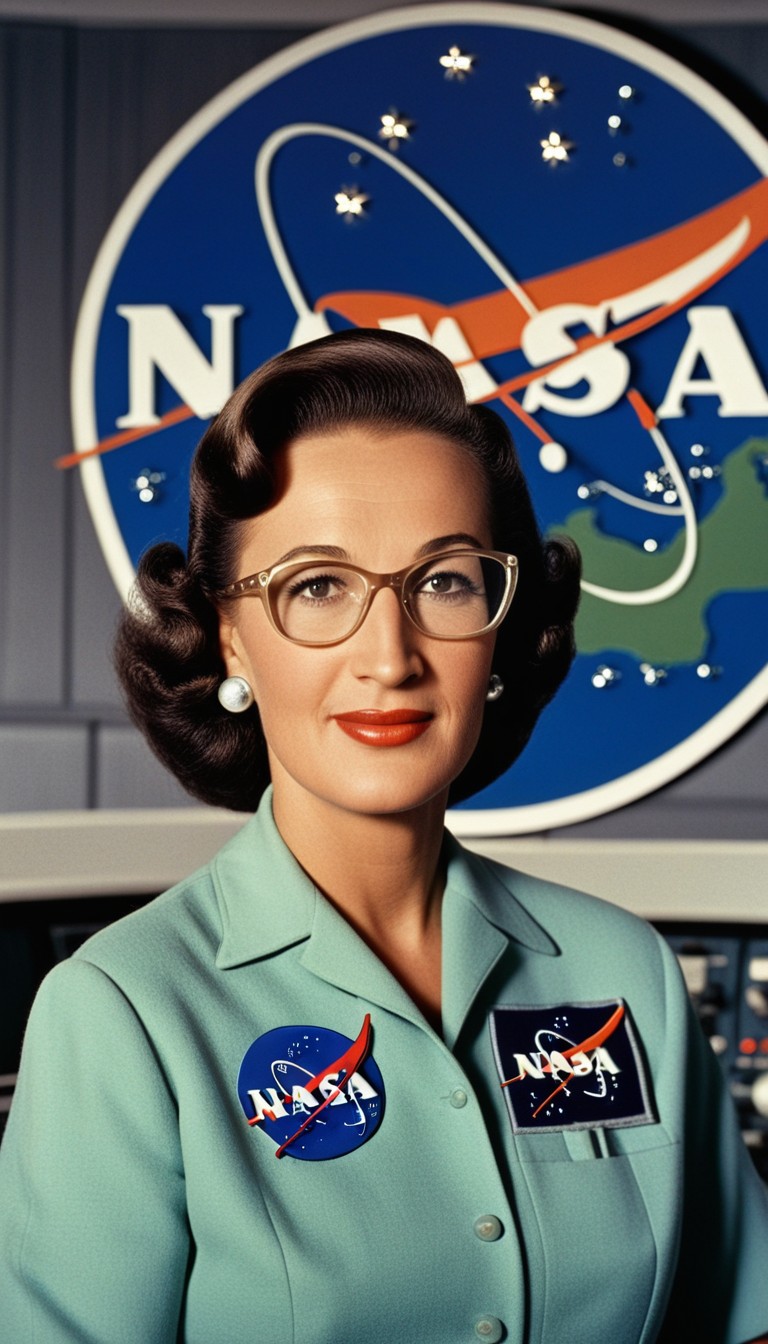
In 1953, Katherine joined the National Advisory Committee for Aeronautics, the predecessor of NASA, at the Langley Research Center in Virginia. She was assigned to the West Area Computing section, a segregated group of Black women mathematicians who performed complex calculations by hand. They were called "computers." Katherine's exceptional accuracy and her insistence on understanding the engineering context behind every equation quickly set her apart. She asked questions no one else dared to ask.
1958-1961
Hampton, Virginia
Breaking Through Barriers
Katherine refused to accept the boundaries placed on her. She asked to attend editorial meetings that were closed to women and to her computing group. When told that women did not attend, she asked, "Is there a law against it?" There was not, and she was allowed in. She became the first woman in her division to receive credit as an author on a research report, co-writing a 1960 paper on orbital mechanics. In a world of rigid racial and gender hierarchies, she advanced through sheer competence.
February 20, 1962
Hampton, Virginia & Cape Canaveral, Florida
Get the Girl to Check the Numbers
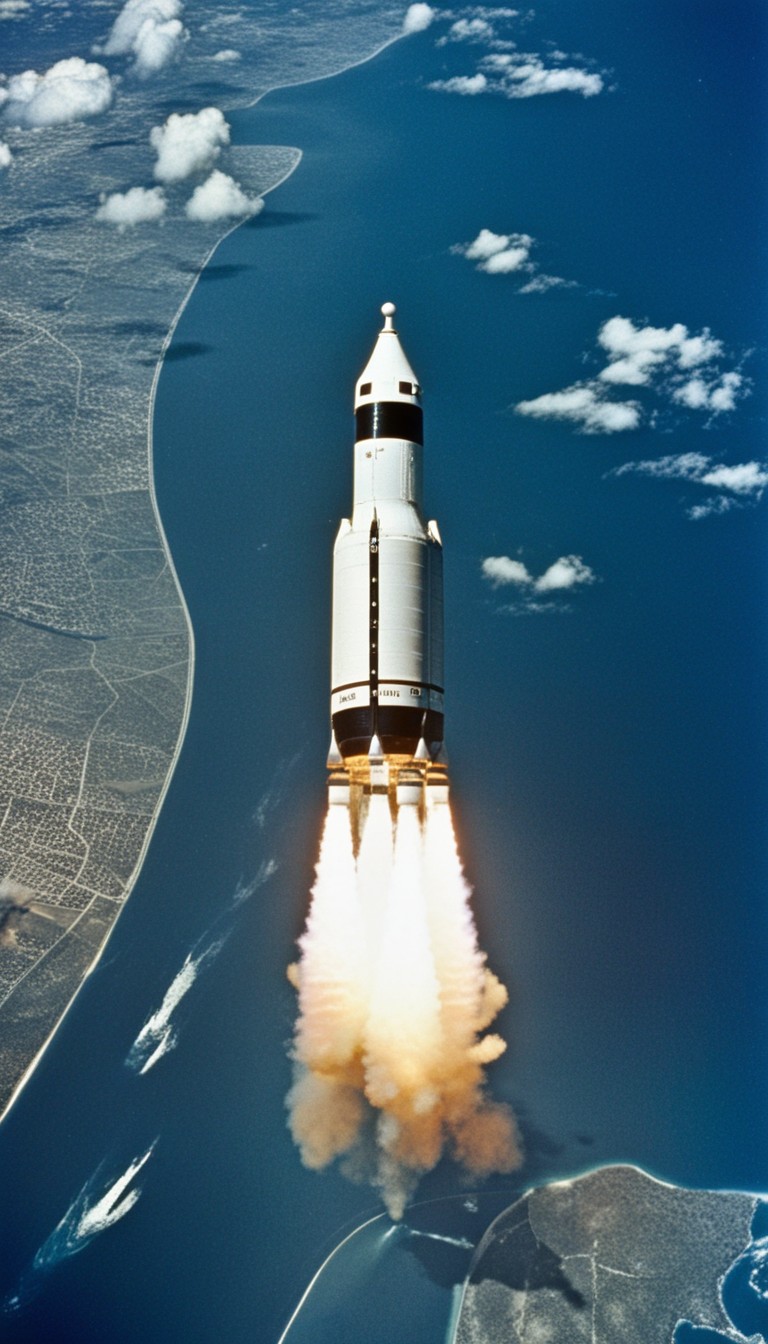
In 1962, as NASA prepared for John Glenn's historic orbital flight aboard Friendship 7, electronic computers were used to calculate the trajectory for the first time. Glenn did not trust the machines. Before he would climb into the capsule, he made a specific request: "Get the girl to check the numbers." He meant Katherine Johnson. She ran the same equations by hand, verified the computer's output, and Glenn flew. Her calculations were flawless.
1969
Hampton, Virginia
Calculating the Path to the Moon
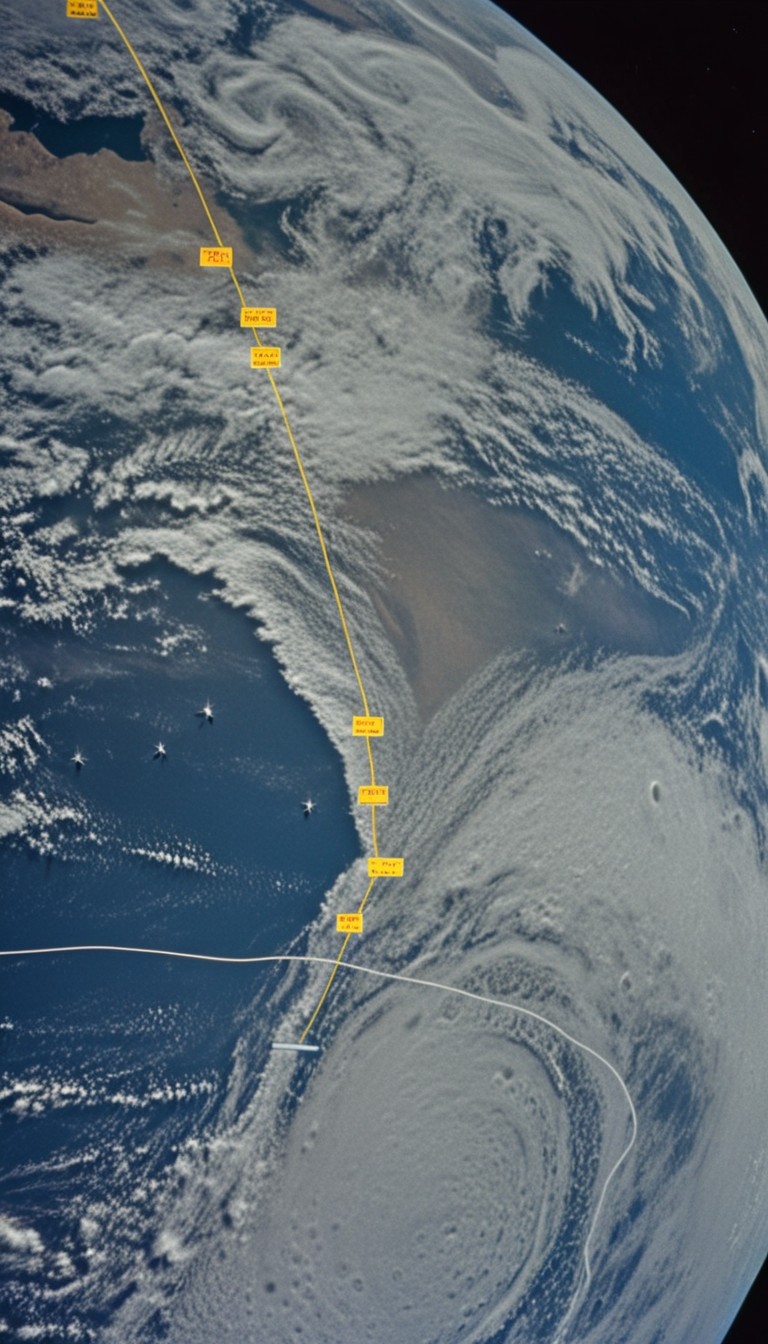
Katherine Johnson's trajectory calculations were critical to the Apollo program. She helped calculate the trajectory for Apollo 11, the mission that put the first humans on the Moon in July 1969. She also worked on the mathematics for the rendezvous paths that allowed the lunar module to meet the command module in lunar orbit. For Apollo 13, when an explosion crippled the spacecraft, she worked on backup navigation procedures that helped bring the crew home safely.
1970-1986
Hampton, Virginia
A Career Spanning the Space Age
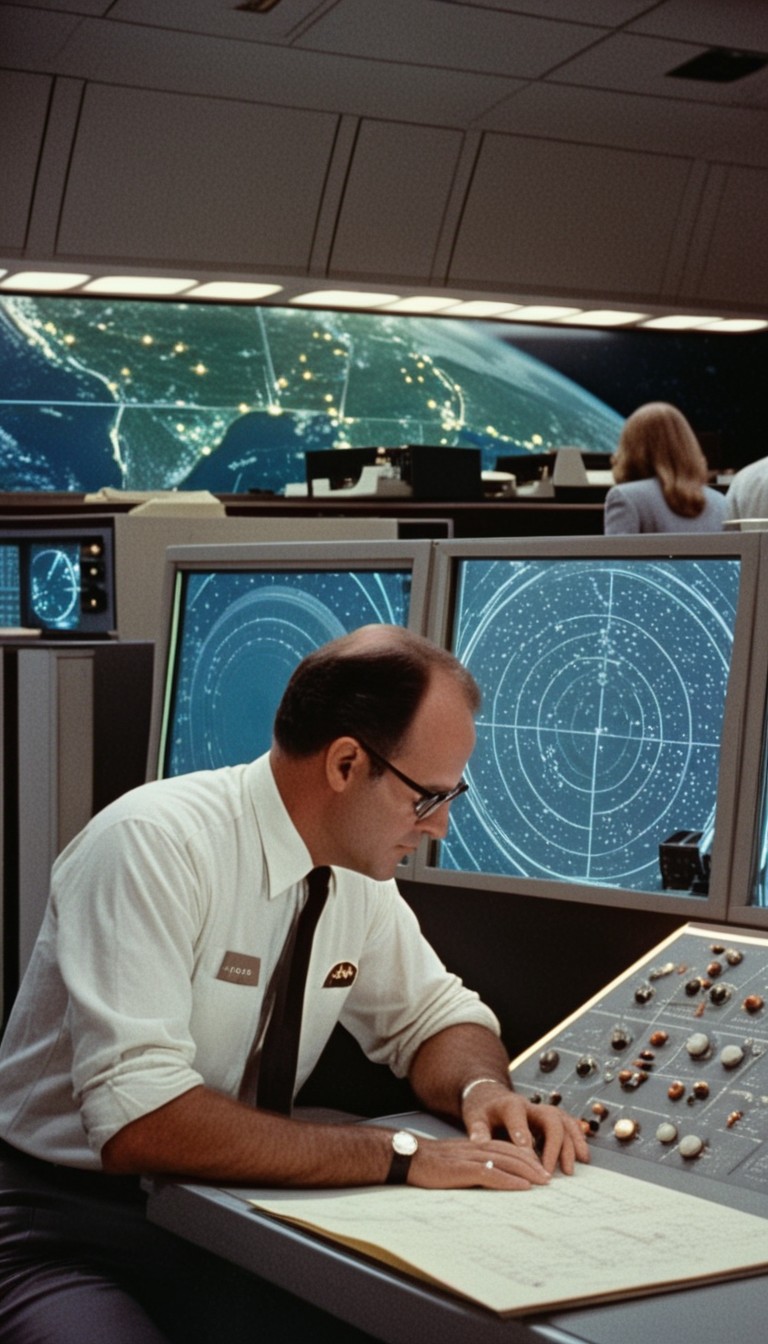
Johnson continued at NASA for thirty-three years, contributing to the Space Shuttle program and early plans for a mission to Mars. Her work covered orbital mechanics, launch windows, and emergency return trajectories. She co-authored twenty-six scientific papers. Throughout her career, she maintained that her greatest contribution was the verification of the computer calculations for Glenn's orbital mission. She retired from NASA in 1986, having helped transform America's space program from its first tentative steps to routine operations.
2015-2020
Hampton, Virginia & Washington, D.C.
Hidden No More
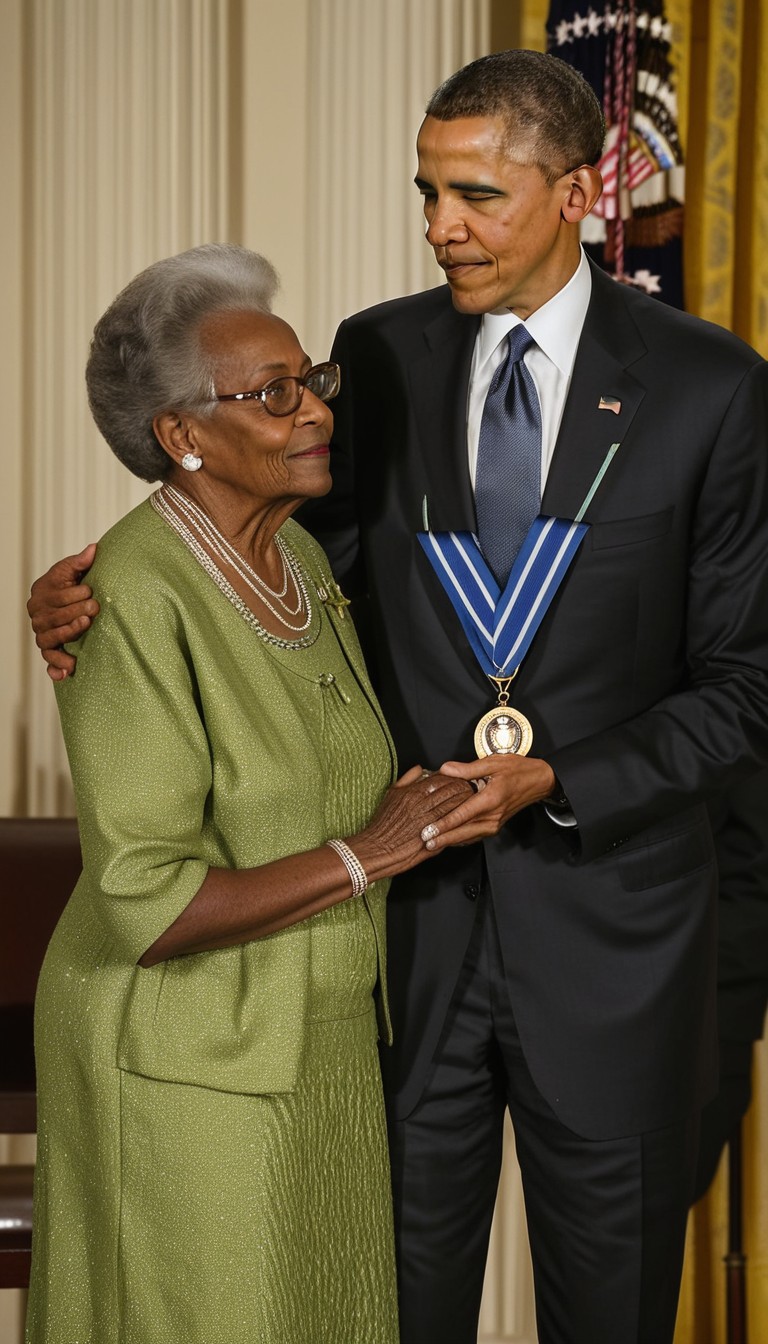
For decades, Katherine Johnson's contributions were largely unknown to the public. That changed in 2016 with the book and film Hidden Figures, which told her story and those of her colleagues Dorothy Vaughan and Mary Jackson. In 2015, President Barack Obama awarded her the Presidential Medal of Freedom. In 2017, NASA named a building at Langley in her honor. She died on February 24, 2020, at the age of 101, having lived to see her story finally told to the world.
She Counted the Stars and They Counted on Her
Katherine Johnson proved that one person with a pencil, extraordinary mathematical skill, and the courage to ask "why not" can change the course of history. She calculated trajectories that carried astronauts into orbit and to the Moon, breaking through barriers of race and gender with quiet, unshakable dignity. In a story about rockets and stars, the most powerful force was a woman doing mathematics with absolute precision and the conviction that she belonged in the room.
Swipe to navigate