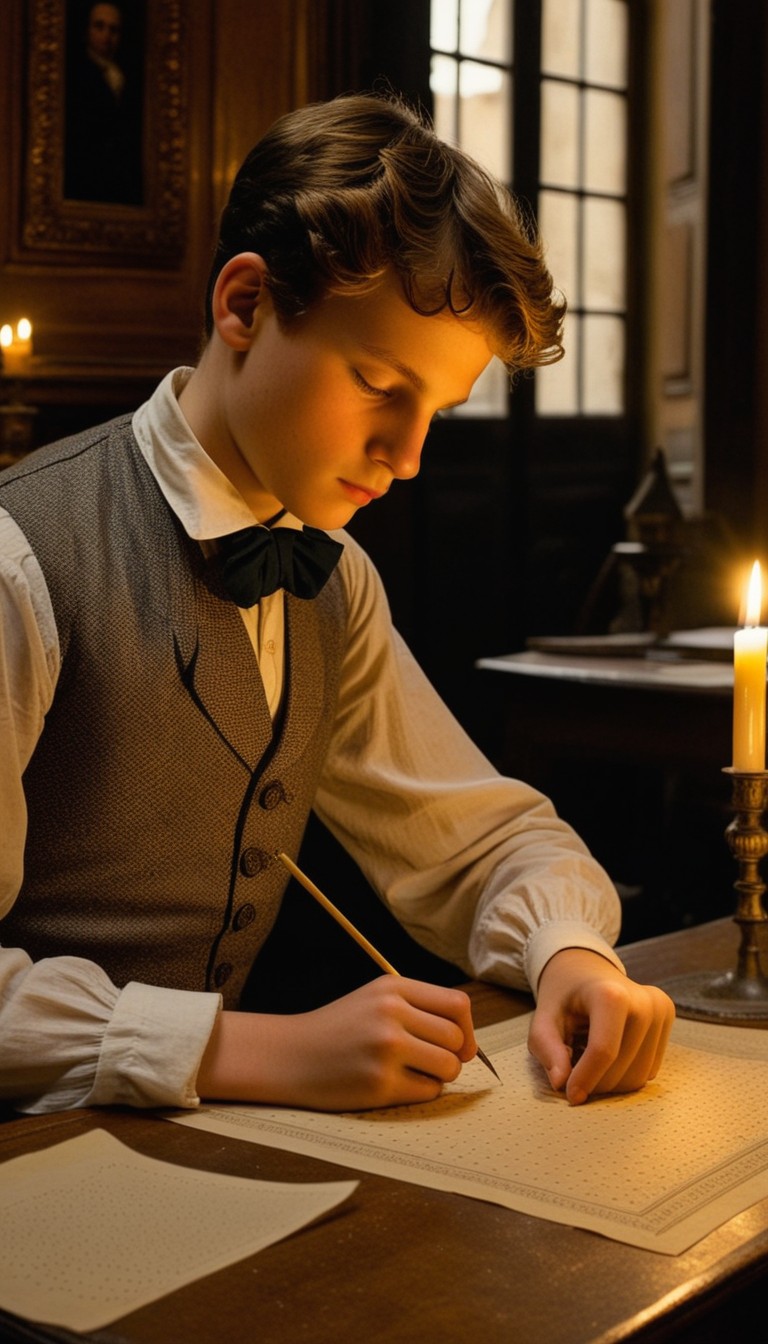
Louis Braille: The Boy Who Lit Up the Dark
Loading story...

1809–1812
Coupvray, France
A Boy from Coupvray
Louis Braille was born on January 4, 1809, in the small village of Coupvray, about twenty-five miles east of Paris. His father, Simon-René, was a respected leatherworker and saddler. At the age of three, Louis was playing in his father's workshop when a sharp tool—an awl used for piercing leather—slipped and struck him in one eye. The wound became infected and spread to the other eye. Within months, the boy was completely blind. In an era when blindness meant near-certain poverty and dependence, the Braille family refused to give up on their son.
1819
Paris, France
The Royal Institute
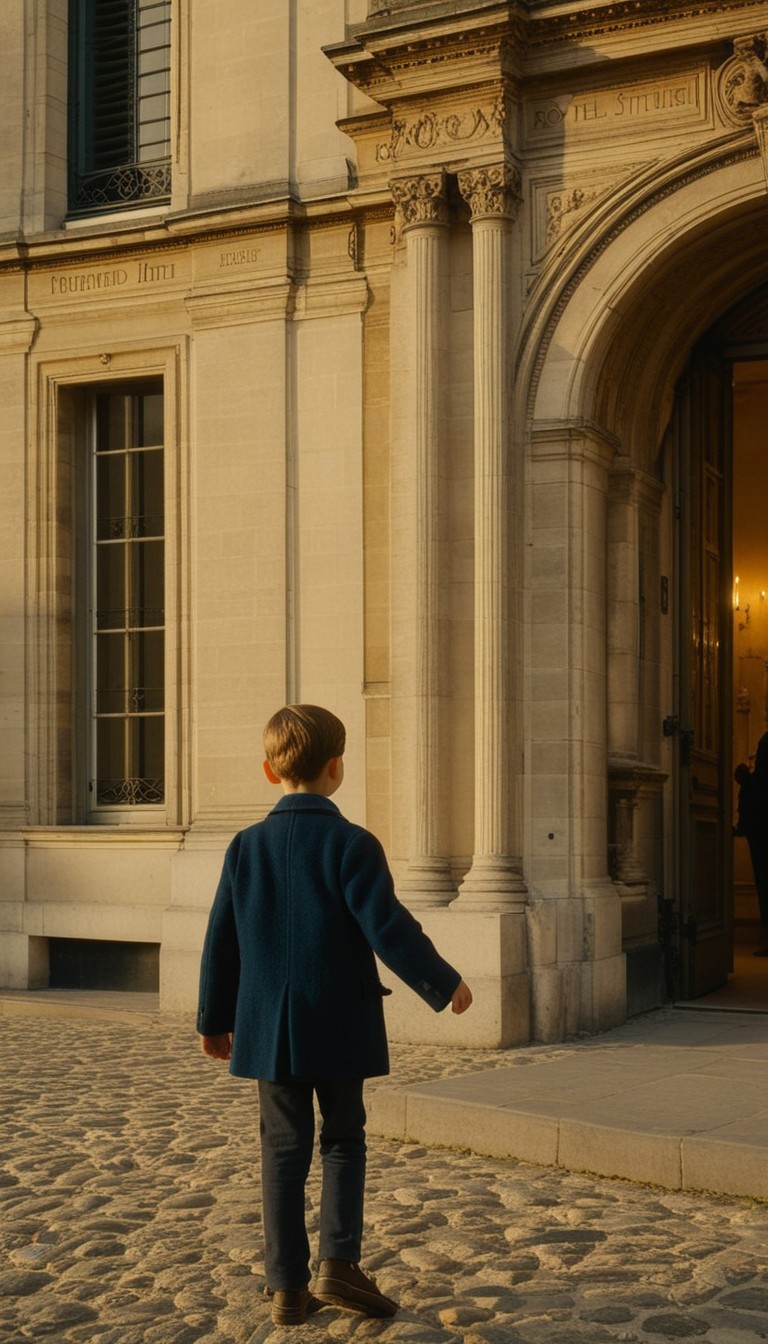
In 1819, at the age of ten, Louis earned a scholarship to the Royal Institute for Blind Youth in Paris—one of the first schools in the world dedicated to educating blind children. Founded by Valentin Haüy in 1784, the Institute was a place of genuine ambition but grim conditions. The building was damp and poorly ventilated, the food was inadequate, and disease was common. Still, for Louis it was a revelation: here were teachers who believed blind children could learn, and here were other students like himself. He threw himself into his studies with fierce determination.

1819–1821
Paris, France
The Limits of Raised Letters
The Institute's library contained books printed in a system devised by Haüy himself: standard Roman letters embossed in raised type so blind readers could trace them with their fingertips. The idea was well-intentioned but deeply flawed. The books were enormous—some weighed over nine pounds—because the letters had to be large enough to feel. Reading was agonisingly slow, since each letter had to be identified by shape. Worse, the system was one-directional: blind people could read these books, but they could not write in the same format. Louis quickly realised that raised letters were a dead end.
1821
Paris, France
Night Writing
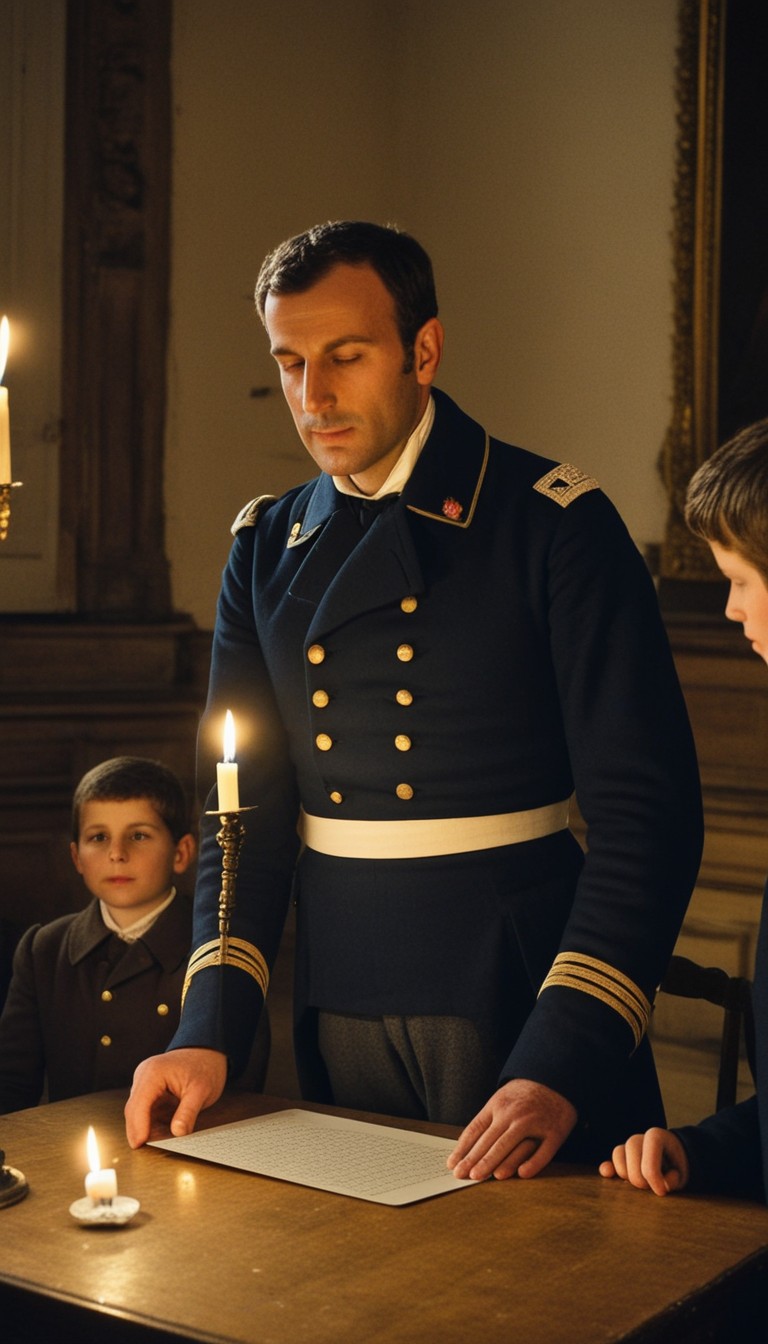
In 1821, a former artillery captain named Charles Barbier de la Serre visited the Institute to demonstrate his invention: "night writing," or sonography. Barbier had designed the system so soldiers could pass messages silently in the dark without striking a light that might reveal their position. It used a grid of twelve raised dots—two columns of six—to represent sounds rather than letters. The system was too complex for military use and had been rejected by the army, but Barbier believed it might help the blind. Twelve-year-old Louis was electrified. The core idea—raised dots instead of raised letters—was a breakthrough.
1824
Paris, France
Six Dots Change Everything
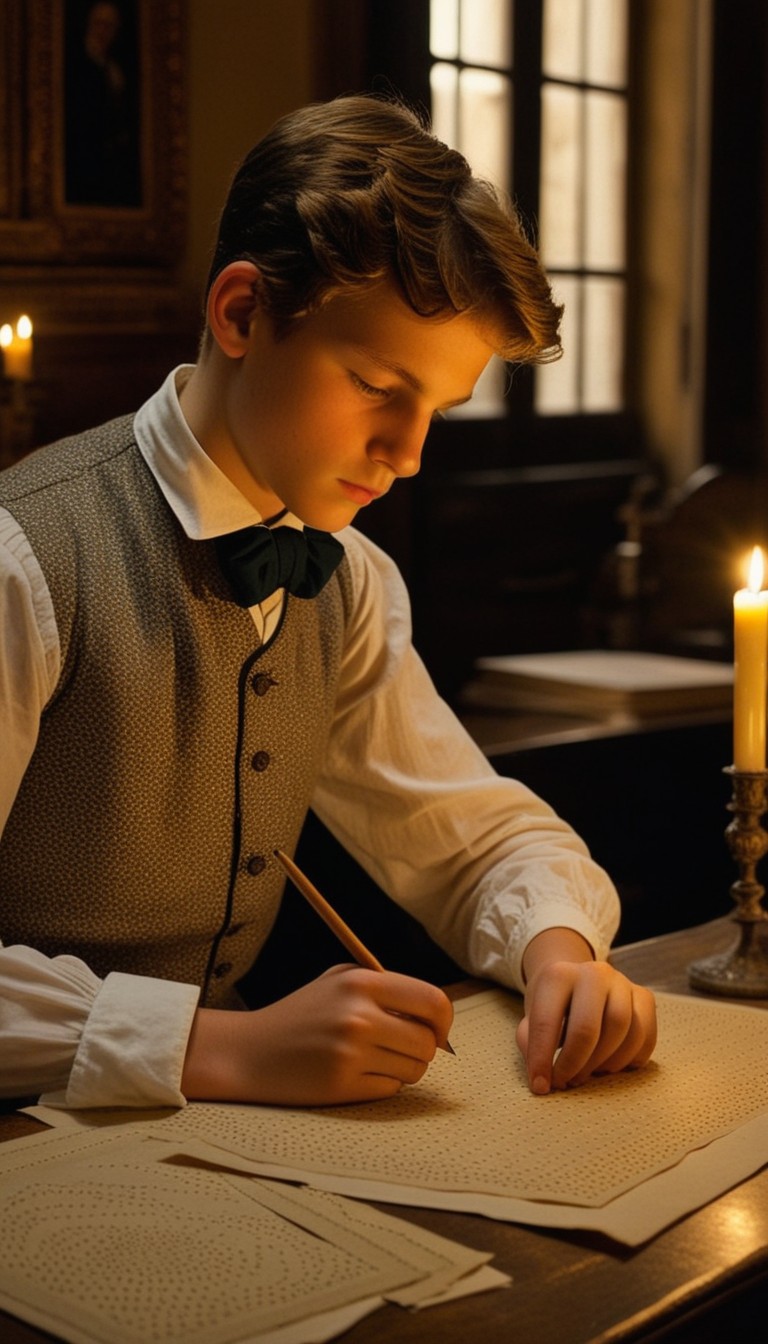
Louis spent three years experimenting with Barbier's system, testing it relentlessly with his own fingers. He identified its fatal weaknesses: twelve dots were too many to feel in a single touch, and encoding sounds rather than letters made spelling and punctuation impossible. By 1824, when he was just fifteen years old, Louis had devised his own system: a cell of only six dots—two columns of three—that could be read with a single fingertip placement. With sixty-three possible combinations, his code could represent every letter of the alphabet, numbers, punctuation marks, and even mathematical symbols. It was compact, logical, and fast.

1829
Paris, France
Embraced and Resisted
In 1829, at the age of twenty, Louis published the first edition of his method: "Method of Writing Words, Music, and Plain Songs by Means of Dots." His fellow blind students adopted the system eagerly—it was faster, more practical, and for the first time allowed them to write as well as read. But the sighted teachers and administrators at the Institute were far less enthusiastic. Many saw Braille's system as a threat to their authority: if blind students could communicate in a code their teachers could not easily read, the power dynamic shifted. Institutional resistance would dog Louis for the rest of his life.
1828–1850
Paris, France
Teacher, Musician, Inventor
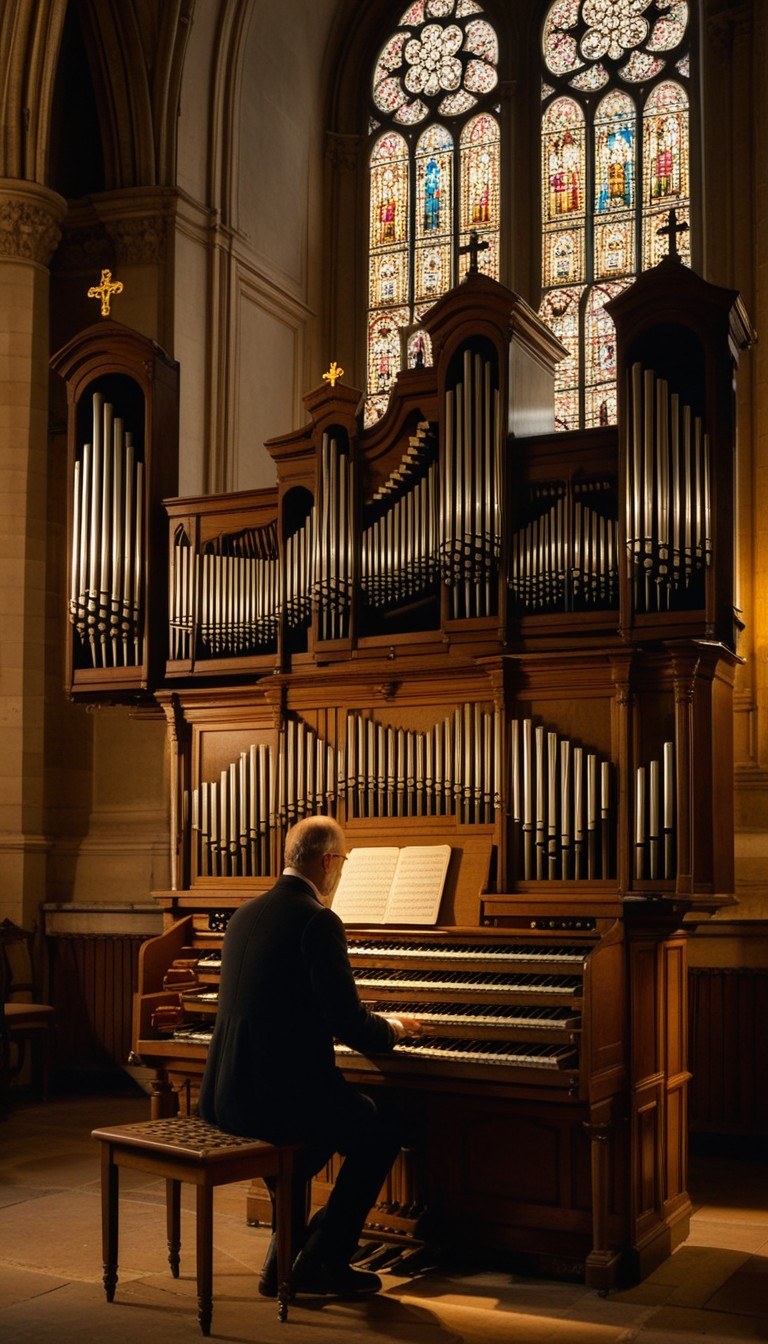
Louis became a teacher at the Institute at the age of nineteen and remained on its faculty for much of his adult life. He was beloved by his students for his patience, clarity, and quiet passion. Beyond the classroom, he was an accomplished musician—a skilled cellist and one of the most sought-after organists in Paris, playing regularly at churches across the city. He also adapted his dot system to musical notation, giving blind musicians the ability to read and write music independently for the first time. His mind never stopped refining the system he had created as a teenager.
1835–1852
Paris, France
A Light Dimming
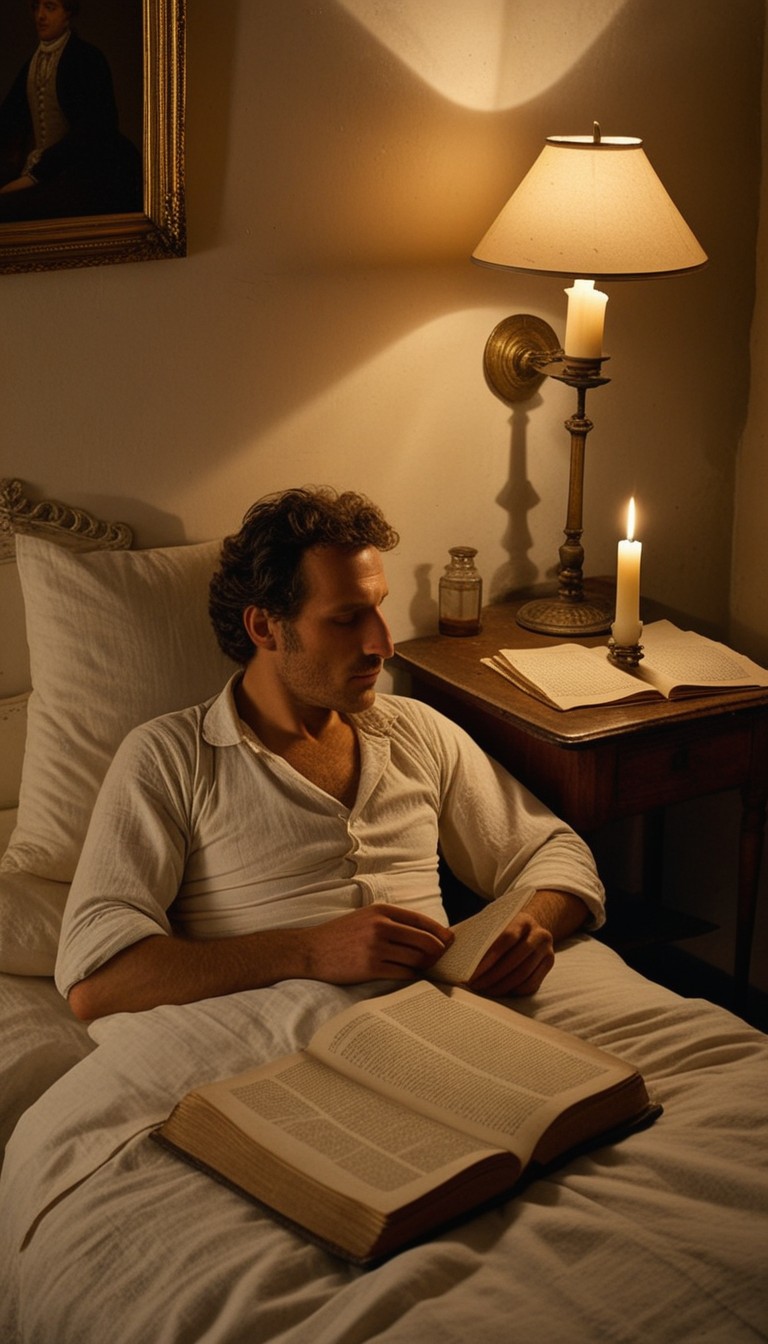
Louis had never been physically robust, and the damp, unhealthy conditions at the Institute took their toll. By his late twenties he was suffering from tuberculosis, the disease that ravaged nineteenth-century Europe. He was forced to take increasingly long absences from teaching, returning whenever his health permitted. Even as his body weakened, he continued to advocate for his system and to refine its applications. By the late 1840s he was largely confined to bed. He died on January 6, 1852, just two days after his forty-third birthday, still uncertain whether the world would ever fully adopt the code he had given it.

A World He Could Not See
Louis Braille died without knowing the reach his invention would achieve. France did not officially adopt the Braille system until 1854—two years after his death. But once adopted, it spread with astonishing speed. By the end of the nineteenth century, Braille had been adapted for virtually every major language on Earth. Today it remains the foundation of literacy for millions of blind and visually impaired people worldwide, used in books, on signage, on medication, and on every elevator panel. A boy who lost his sight at three gave the world a way to read in the dark.
Recommended Reading
As an Amazon Associate, we earn from qualifying purchases.



Swipe to navigate