Malala Yousafzai: The Girl Who Stood Up
Loading story...
1997–2007
Swat Valley, Pakistan
A Daughter of the Swat Valley
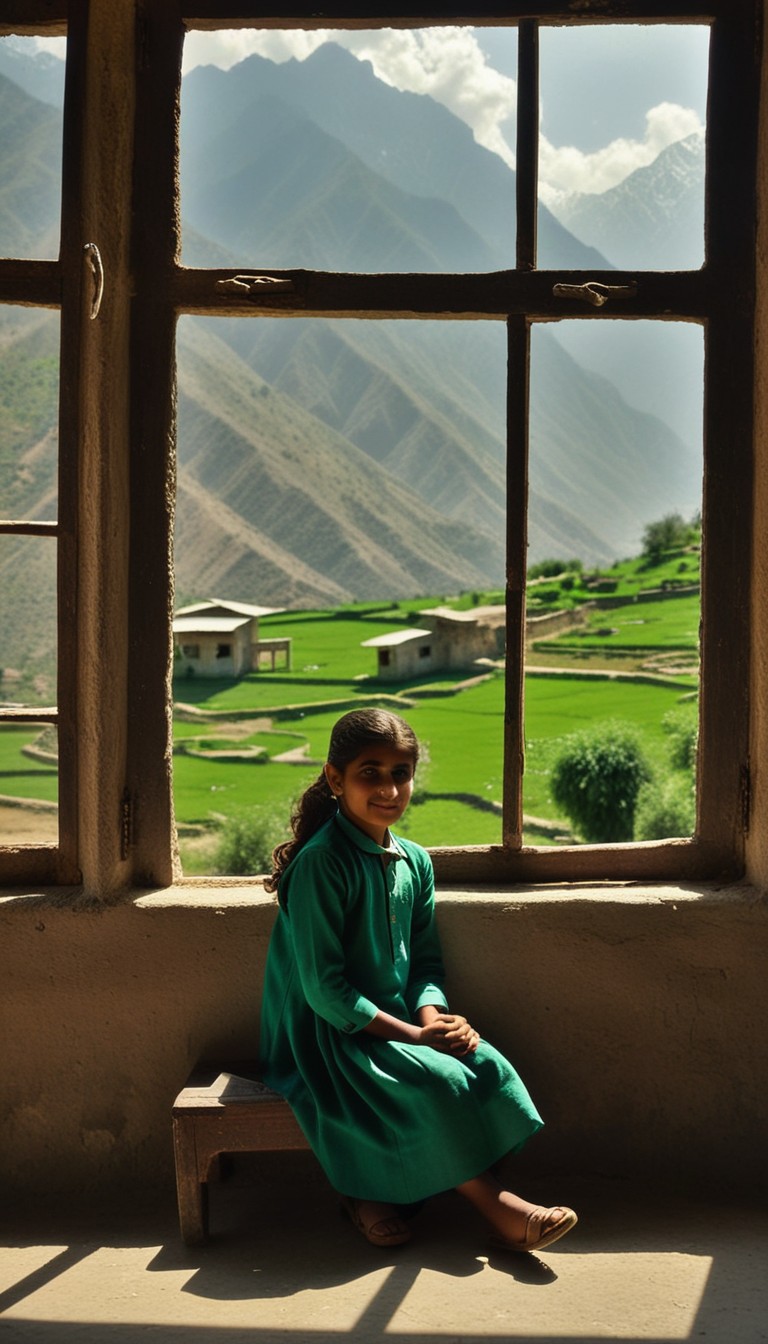
Malala Yousafzai was born on July 12, 1997, in Mingora, the largest city in the Swat Valley of northwestern Pakistan—a region once known as the "Switzerland of the East" for its breathtaking mountains and rivers. Her father, Ziauddin Yousafzai, was a poet, educator, and activist who ran a chain of schools in the valley. He named his daughter after Malalai of Maiwand, a Pashtun heroine. From her earliest years, Ziauddin treated Malala as an equal, encouraging her to speak freely, attend school, and dream without limits—radical acts in a society where many girls were kept from the classroom.
2007–2009
Swat Valley, Pakistan
When the Taliban Came
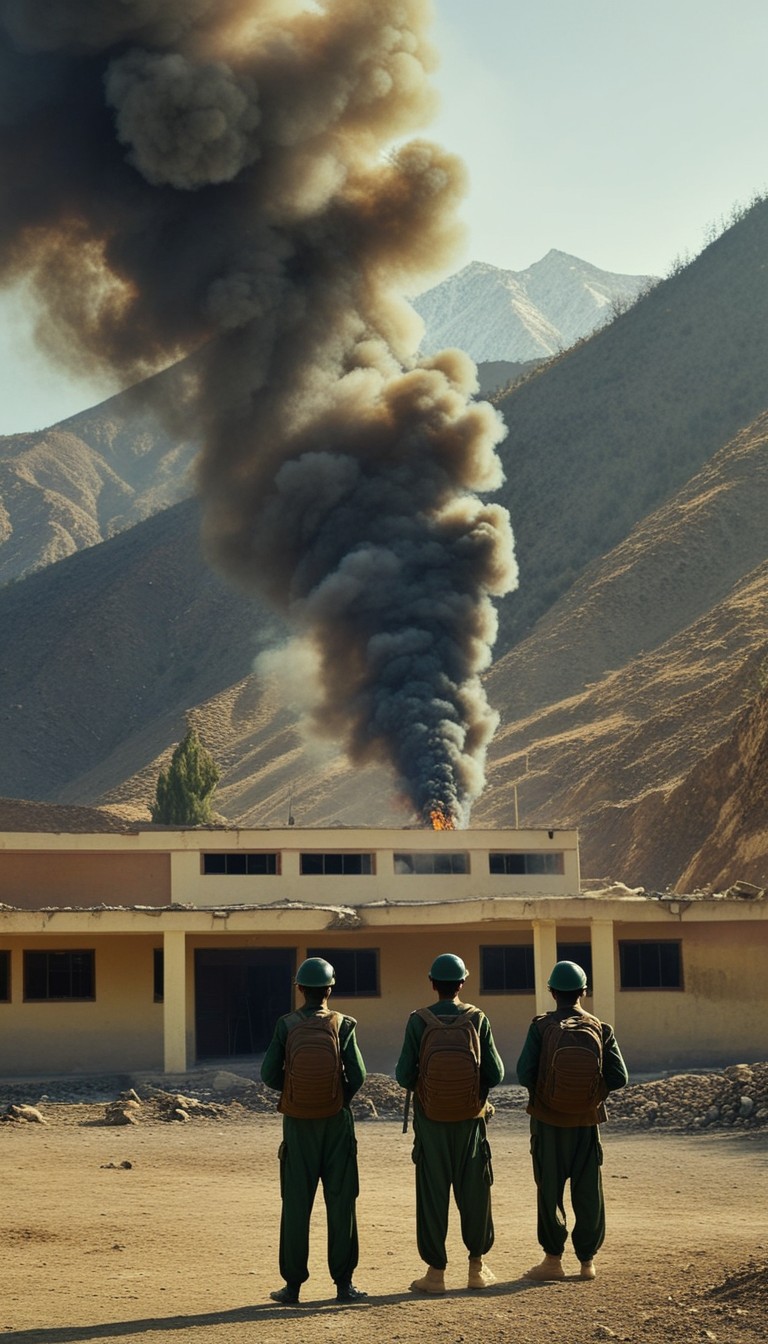
Beginning in 2007, a local Taliban faction led by Maulana Fazlullah seized control of the Swat Valley. They imposed a brutal regime: banning television, music, and women's education. Girls' schools were particular targets—by early 2009, more than 400 schools had been destroyed or shuttered. Edicts warned that any girl caught attending school would face severe punishment. The valley that Malala loved was transformed into a place of fear. Ziauddin's schools became acts of defiance simply by remaining open, and the family lived under constant threat for refusing to submit.
January 2009
Swat Valley, Pakistan
A Voice in the Darkness
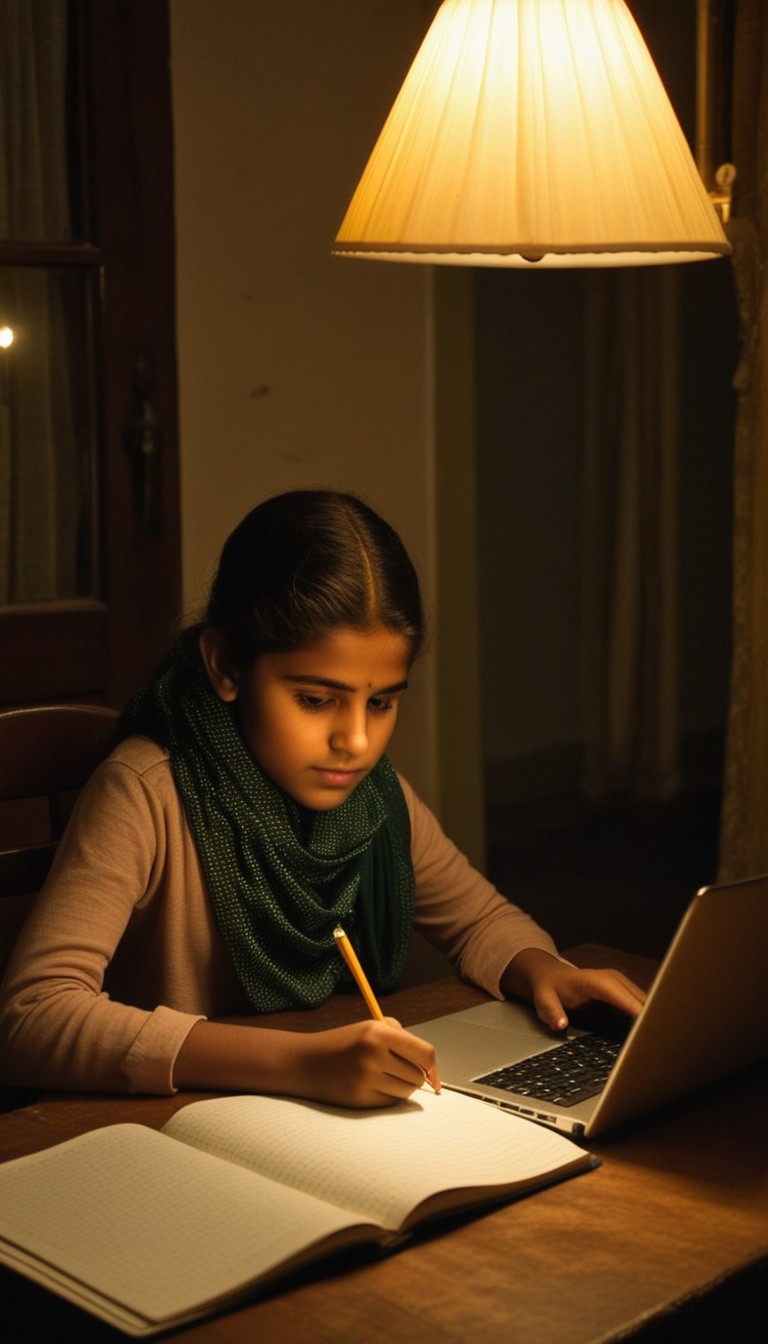
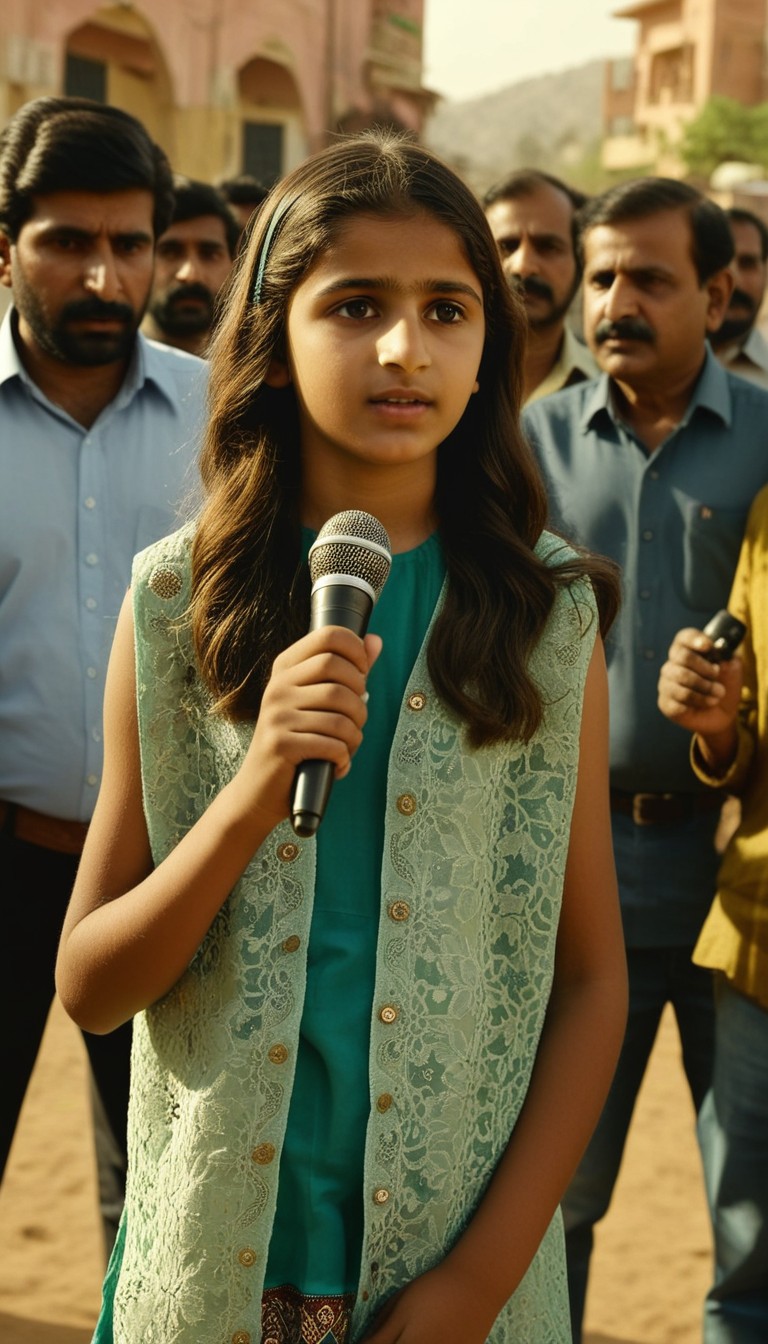
In January 2009, when Malala was just eleven years old, she began writing an anonymous blog for the BBC Urdu service under the pseudonym "Gul Makai." In simple, vivid entries she described what it was like to live under Taliban rule: the fear of going to school, the sound of gunfire at night, the day the Taliban announced that all girls' schools must close. Her words reached millions. The blog gave the outside world a rare, first-person window into the reality of life in Swat—and it marked the beginning of Malala's transformation from a schoolgirl into a symbol of resistance.
2009–2012
Swat Valley, Pakistan
The Girl Who Would Not Be Silent
After the Pakistani military recaptured Swat from the Taliban in 2009, Malala's identity as the BBC blogger was revealed. Rather than retreating, she stepped further into the spotlight. A New York Times documentary filmed her daily life and her father's fight to keep his schools open. She gave interviews to Pakistani and international media, speaking with a clarity and moral force that belied her age. The Pakistani government awarded her the National Youth Peace Prize in 2011. At fourteen, she had become the most prominent advocate for girls' education in Pakistan—and the Taliban had taken notice.
October 9, 2012
Mingora, Pakistan
The Shot That Echoed Around the World
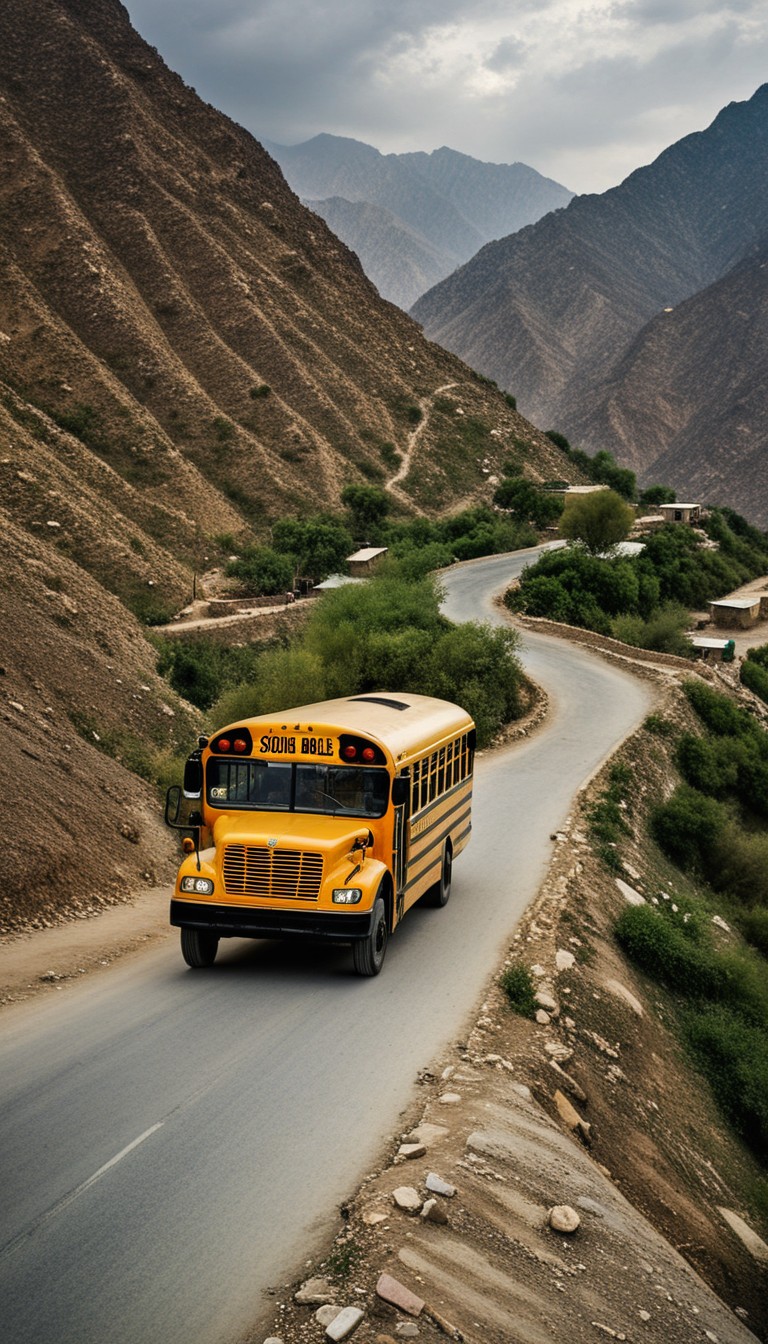
On October 9, 2012, as fifteen-year-old Malala rode the school bus home from an exam, a Taliban gunman boarded the vehicle and asked, "Who is Malala?" When her friends' eyes involuntarily turned to her, the gunman fired three shots. One bullet struck Malala in the left side of her head, travelled down her neck, and lodged in her shoulder. Two other girls were also wounded. The Taliban claimed responsibility, calling Malala "a symbol of the infidels." The attack was meant to silence her forever. Instead, it ignited a global firestorm of outrage and solidarity.
October 2012 – March 2013
Birmingham, England
A Miraculous Recovery
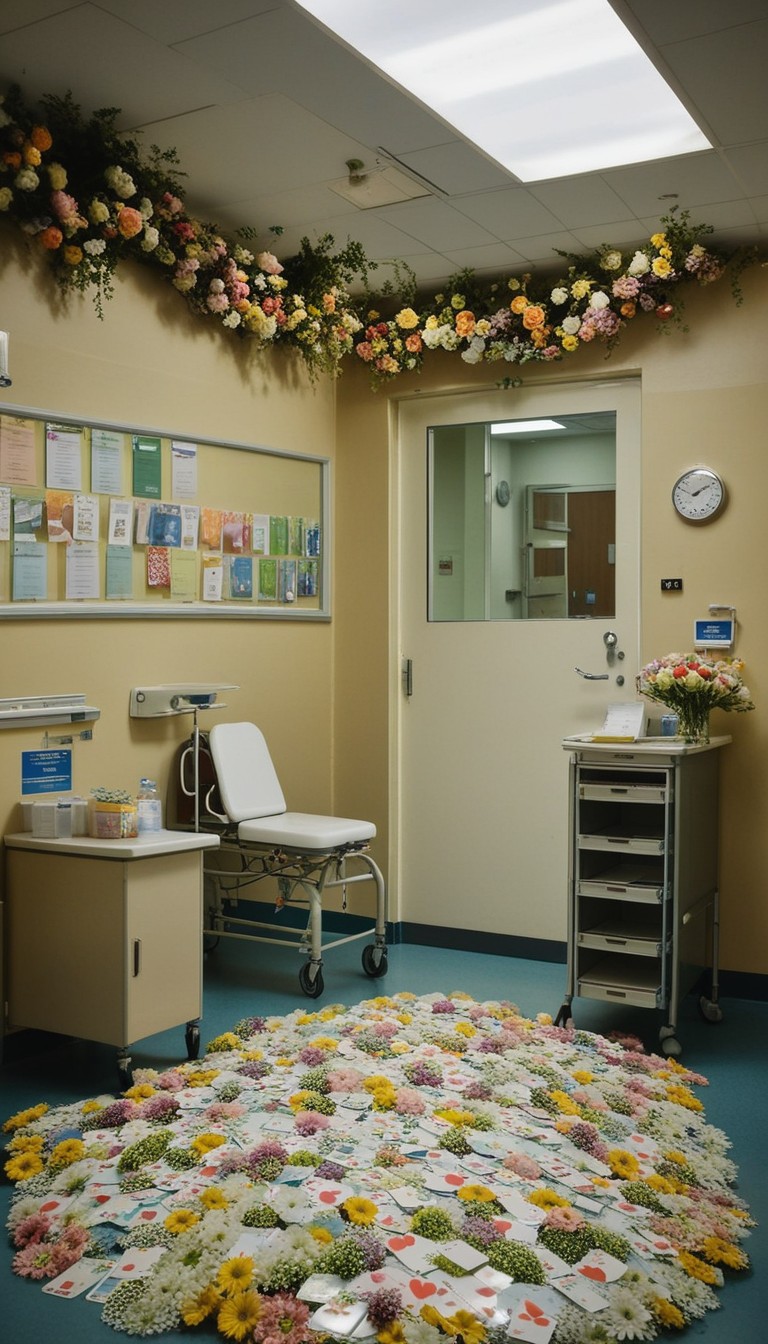
Malala was airlifted from a Pakistani military hospital to the Queen Elizabeth Hospital in Birmingham, England, where a team of specialists fought to save her life. She endured multiple surgeries, including the repair of a damaged facial nerve and the insertion of a titanium plate to replace a section of her skull. Against enormous odds, she survived—and her mind was undiminished. As she recovered, messages of support flooded in from world leaders, celebrities, and millions of ordinary people. The United Nations declared November 10, 2012, "Malala Day." The girl the Taliban tried to kill had become the world's most famous advocate for education.
July 12, 2013
United Nations, New York
"One Child, One Teacher, One Book, One Pen"
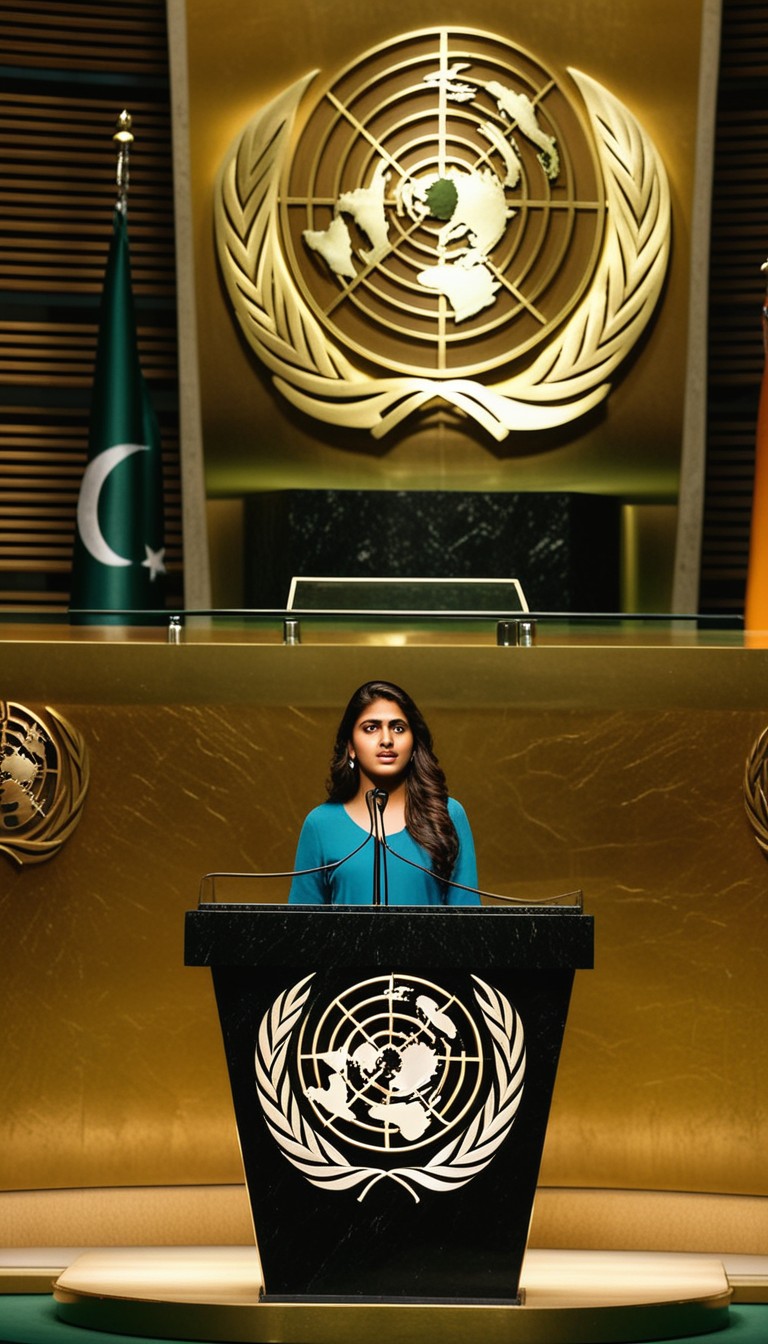
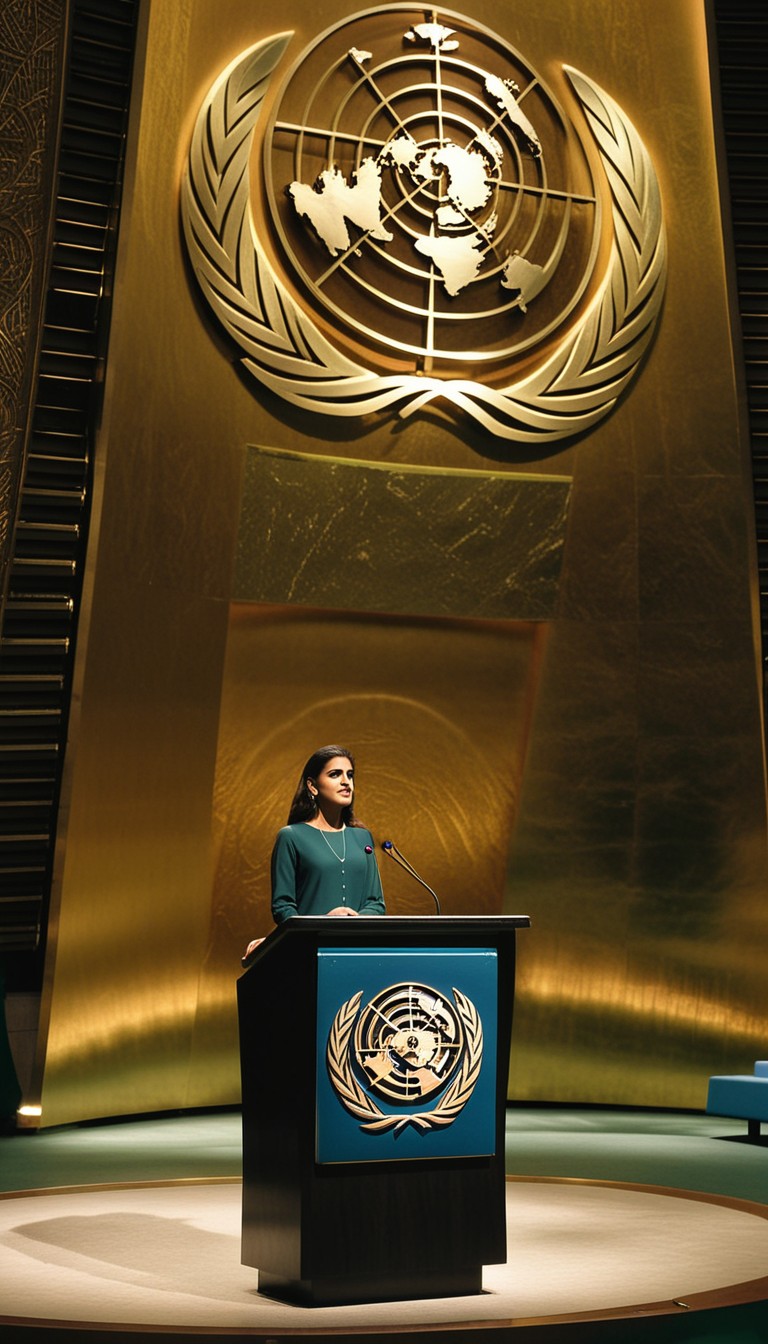
On July 12, 2013—her sixteenth birthday—Malala stood before the United Nations General Assembly in New York and delivered a speech that silenced the chamber. Wearing a shawl that had belonged to the assassinated Pakistani leader Benazir Bhutto, she spoke without anger or vengeance. "The terrorists thought that they would change our aims and stop our ambitions," she said, "but nothing changed in my life except this: weakness, fear, and hopelessness died. Strength, power, and courage was born." She called for universal education and declared: "One child, one teacher, one book, one pen can change the world." The hall gave her a standing ovation.
December 10, 2014
Oslo, Norway
The Youngest Nobel Laureate
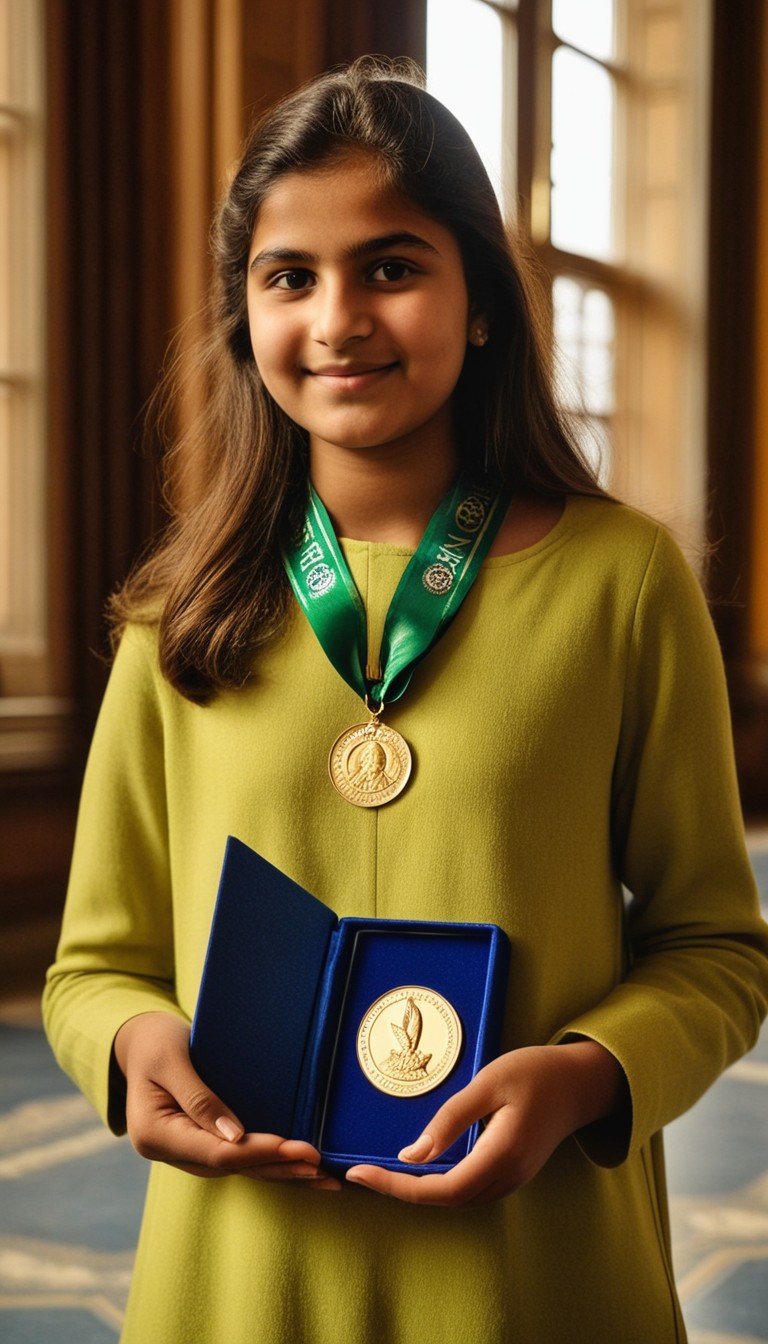
On October 10, 2014, the Norwegian Nobel Committee announced that Malala Yousafzai, at the age of seventeen, had been awarded the Nobel Peace Prize—making her the youngest laureate in the prize's history. She shared the honour with Indian children's rights activist Kailash Satyarthi. In her acceptance speech in Oslo, she said: "This award is not just for me. It is for those forgotten children who want education. It is for those frightened children who want peace. It is for those voiceless children who want change." She donated the $1.1 million prize money to fund the building of a secondary school for girls in Pakistan.
The Girl Who Changed the World
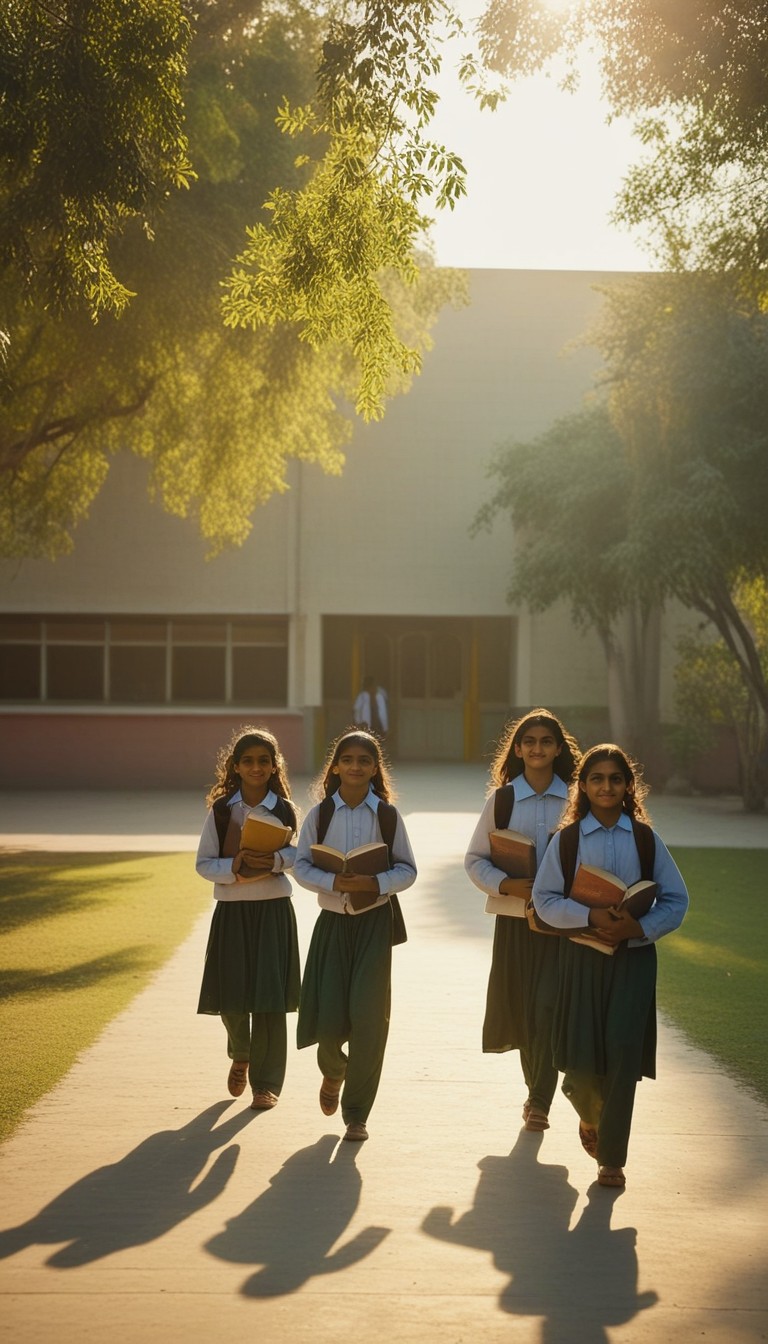
Today, Malala Yousafzai continues her fight through the Malala Fund, the organisation she co-founded with her father to advocate for every girl's right to twelve years of free, safe, quality education. The Fund works in Pakistan, Afghanistan, Nigeria, India, Brazil, and beyond—investing in local educators and activists who are breaking down barriers to girls' schooling. Malala graduated from Oxford University in 2020 and remains the world's most recognisable voice for education. The girl who was shot for going to school did not just survive—she made it impossible for the world to look away.
Recommended Reading
As an Amazon Associate, we earn from qualifying purchases.
Swipe to navigate