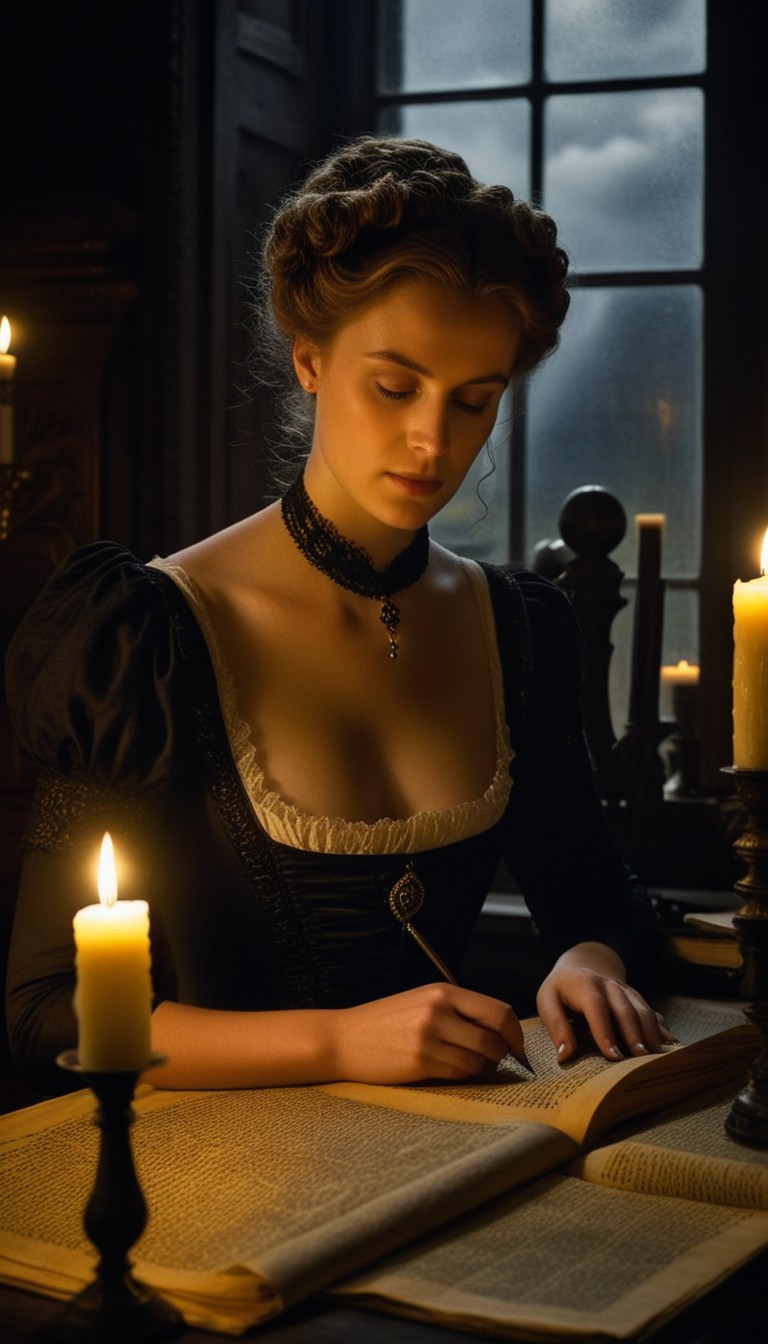
Mary Shelley: The Teenage Creator of Frankenstein
Loading story...
1797
London, England
Born into Radical Brilliance
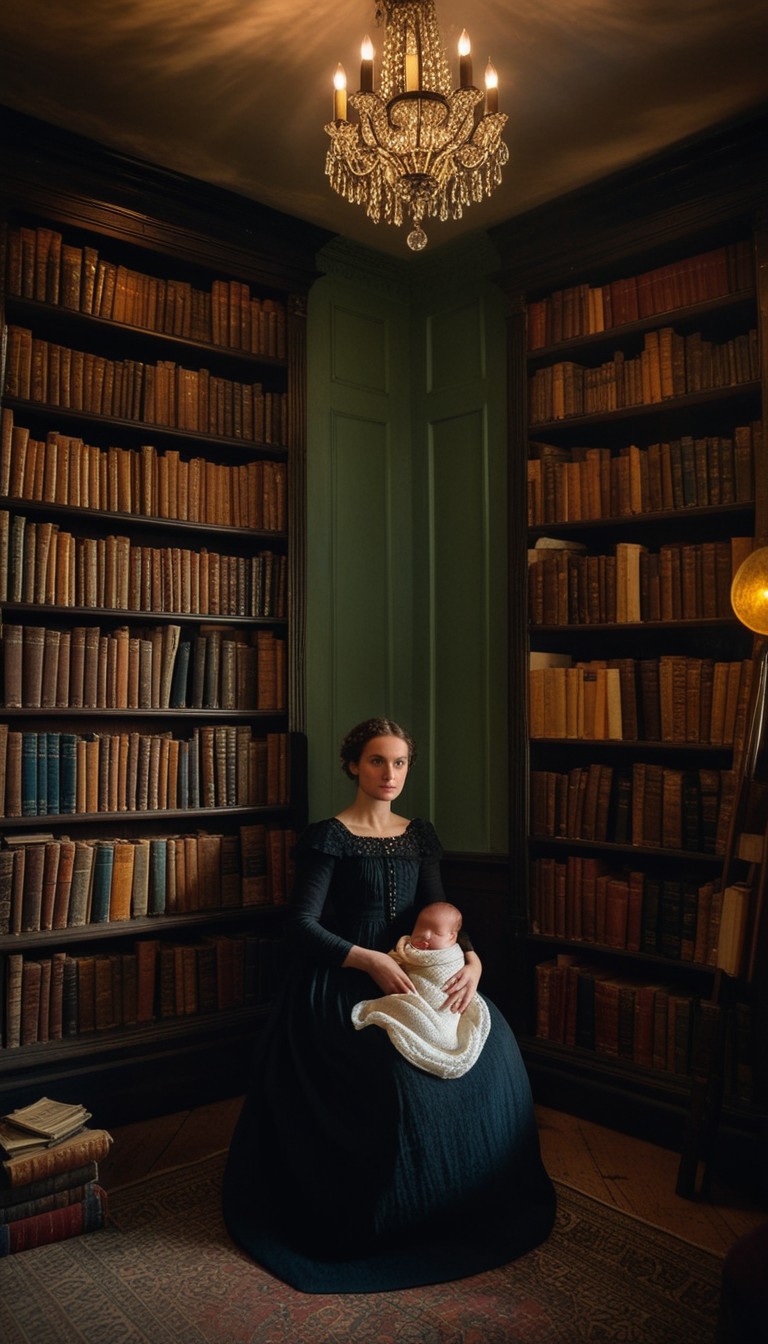
Mary Wollstonecraft Godwin was born on 30 August 1797 in London, into a household unlike any other in England. Her mother, Mary Wollstonecraft, was the author of A Vindication of the Rights of Woman—the founding text of modern feminism. Her father, William Godwin, was one of the most influential political philosophers of the age, whose work inspired an entire generation of radicals. Mary was born into a world of ideas, argument, and intellectual ambition that would shape everything she became.
1797–1812
London, England
A Motherless Child Among Books
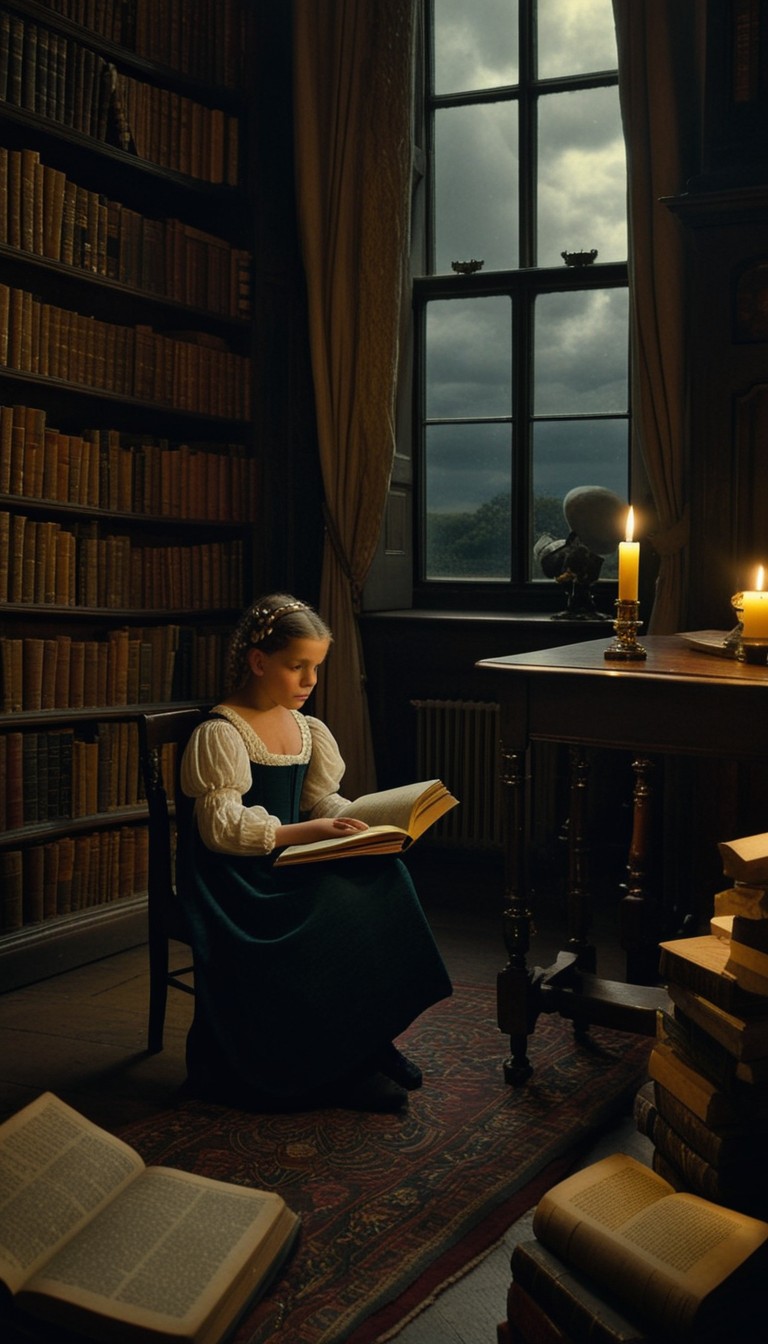
Mary Wollstonecraft died of puerperal fever just eleven days after giving birth. The infant Mary grew up in the shadow of a mother she never knew but whose presence pervaded the household. William Godwin, grief-stricken and ill-suited to single parenthood, nevertheless surrounded his daughter with books, conversation, and the company of England's leading intellectuals. Mary educated herself voraciously in her father's library, reading history, philosophy, and poetry. She would later say she learned to write by visiting her mother's grave in St Pancras churchyard.
1814–1816
London & Continental Europe
Elopement and Scandal
In 1814, sixteen-year-old Mary fell in love with Percy Bysshe Shelley, a twenty-one-year-old poet, radical, and admirer of her father's philosophy. Percy was already married. The pair eloped to France, accompanied by Mary's stepsister Claire Clairmont, igniting a scandal that estranged Mary from her father and left the couple in perpetual debt. Tragedy followed swiftly: Mary's premature first child died within days of birth, and her half-sister Fanny Imlay took her own life in 1816. Mary was barely eighteen and had already known more loss than most people endure in a lifetime.
June 1816
Villa Diodati, Lake Geneva, Switzerland
The Summer of Darkness
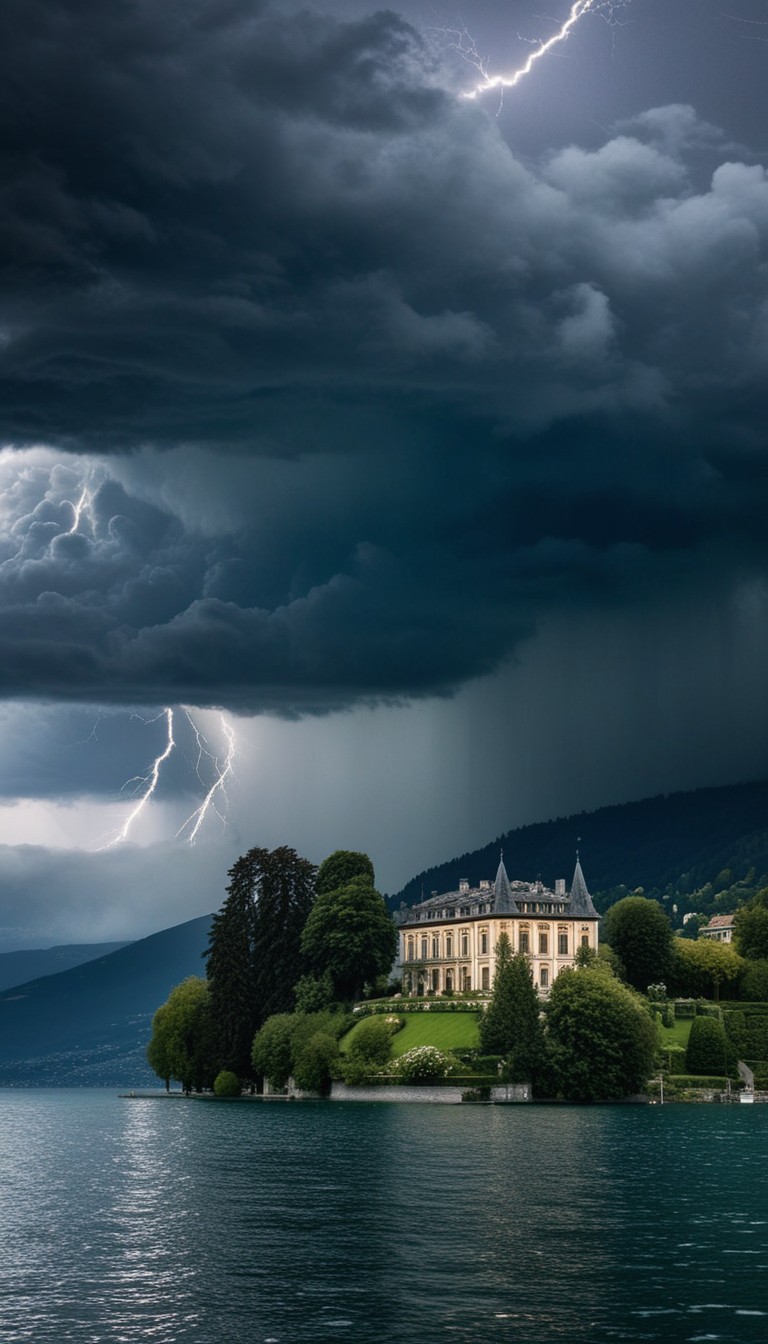
In June 1816, Mary and Percy joined Lord Byron and his physician John Polidori at the Villa Diodati on the shores of Lake Geneva. It was the famous "Year Without a Summer"—volcanic ash from Mount Tambora had darkened skies across Europe, and relentless rain kept the group indoors. To pass the time, Byron proposed a challenge: each of them would write a ghost story. The others produced fragments and false starts. Mary, just eighteen years old, struggled for days to find her subject. She did not yet know that the answer would come to her unbidden, in the dark.
June 1816
Villa Diodati, Lake Geneva, Switzerland
The Waking Dream
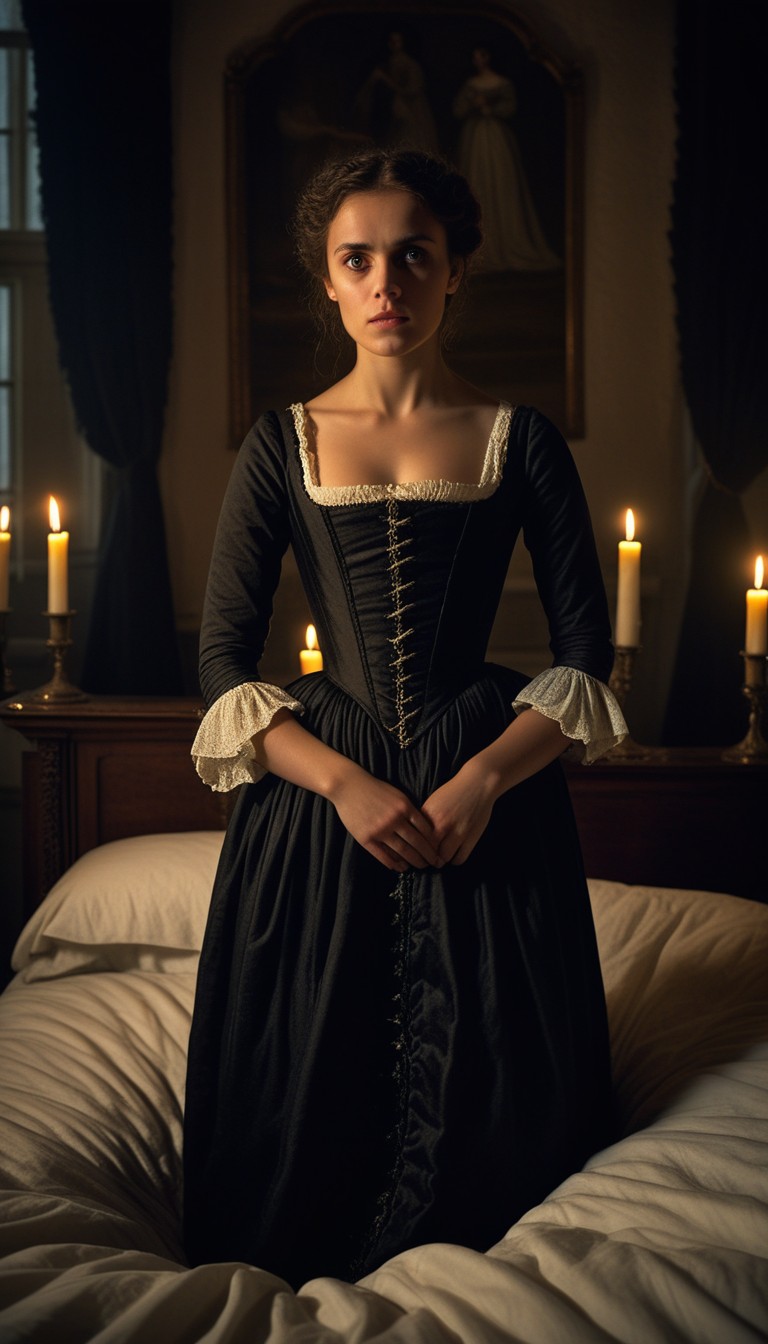
One night, after a conversation about galvanism and the possibility of reanimating the dead, Mary lay in bed unable to sleep. Then it came—a vivid, terrifying vision she later described as a waking dream. She saw "the pale student of unhallowed arts kneeling beside the thing he had put together," a hideous figure stirring to life. The image was so powerful that she could not shake it. She realised she had found her ghost story. "What terrified me will terrify others," she wrote. She was eighteen years old, and she had just glimpsed the novel that would change the world.
1816–1817
Bath & London, England
Writing Frankenstein
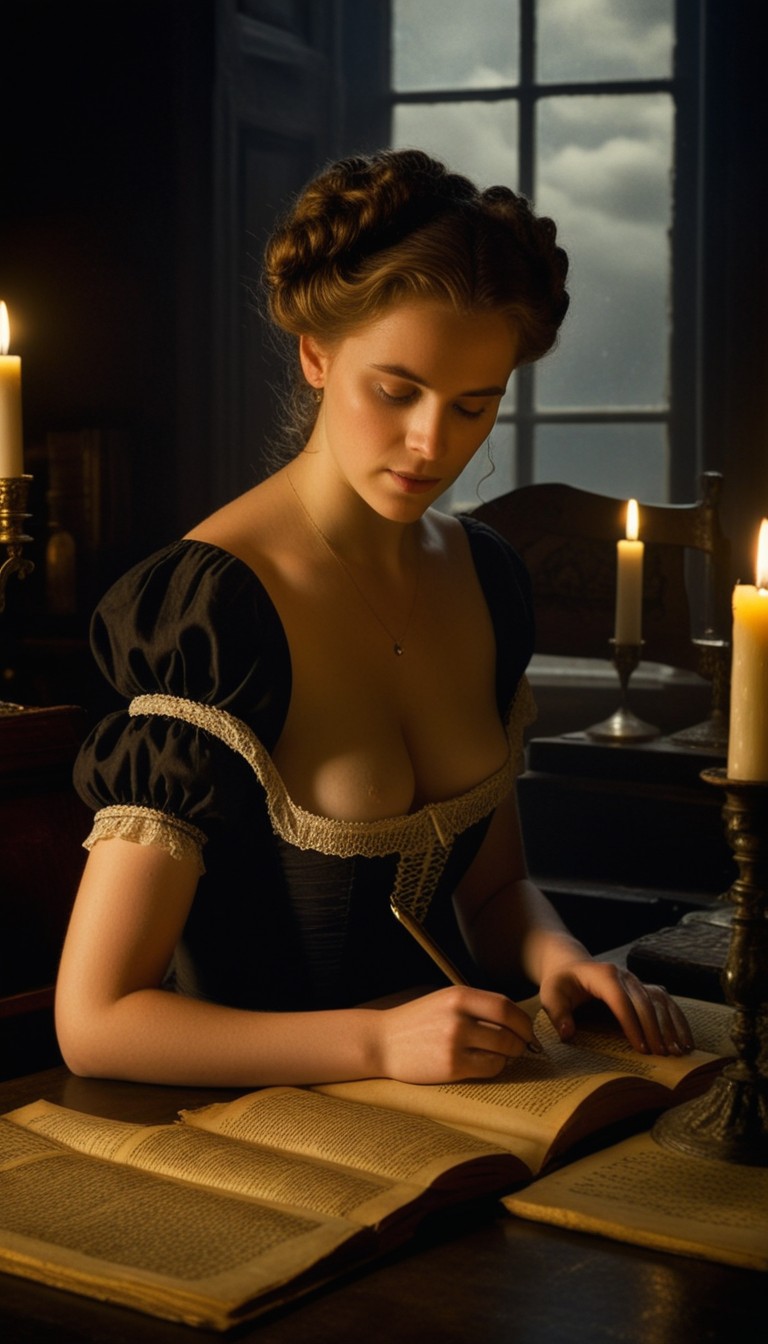
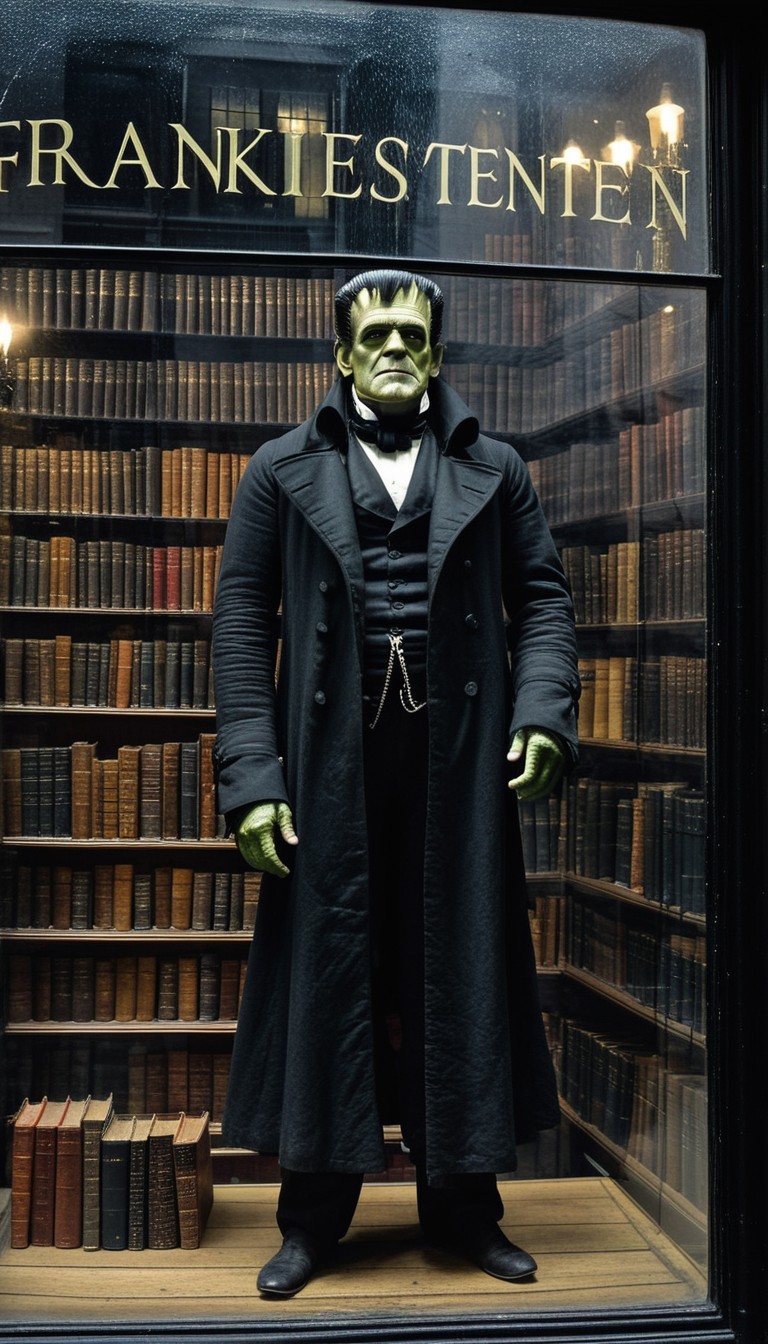
Over the following months, Mary expanded her waking vision into a full novel. What began as a ghost story became something far more ambitious: a philosophical exploration of creation, responsibility, and the consequences of ambition unchecked by moral restraint. Her scientist, Victor Frankenstein, does not fail because his science is wrong—he fails because he abandons the life he creates. The creature is not born a monster; he is made one by rejection and cruelty. At its heart, Frankenstein asks the question that still haunts us: what do we owe the things we bring into the world?
1818
London, England
Published Without a Name
Frankenstein; or, The Modern Prometheus was published on 1 January 1818. Mary was twenty years old. The novel appeared anonymously, and because Percy Shelley had written the preface, most reviewers assumed a man had written it. Some praised it as a work of bold originality; others condemned it as monstrous. When Mary's authorship became known, many refused to believe a young woman could have produced something so dark and intellectually ambitious. She had written one of the most influential novels in the English language, and the world was not yet ready to credit her for it.
1822–1851
Italy & London, England
Loss and Legacy
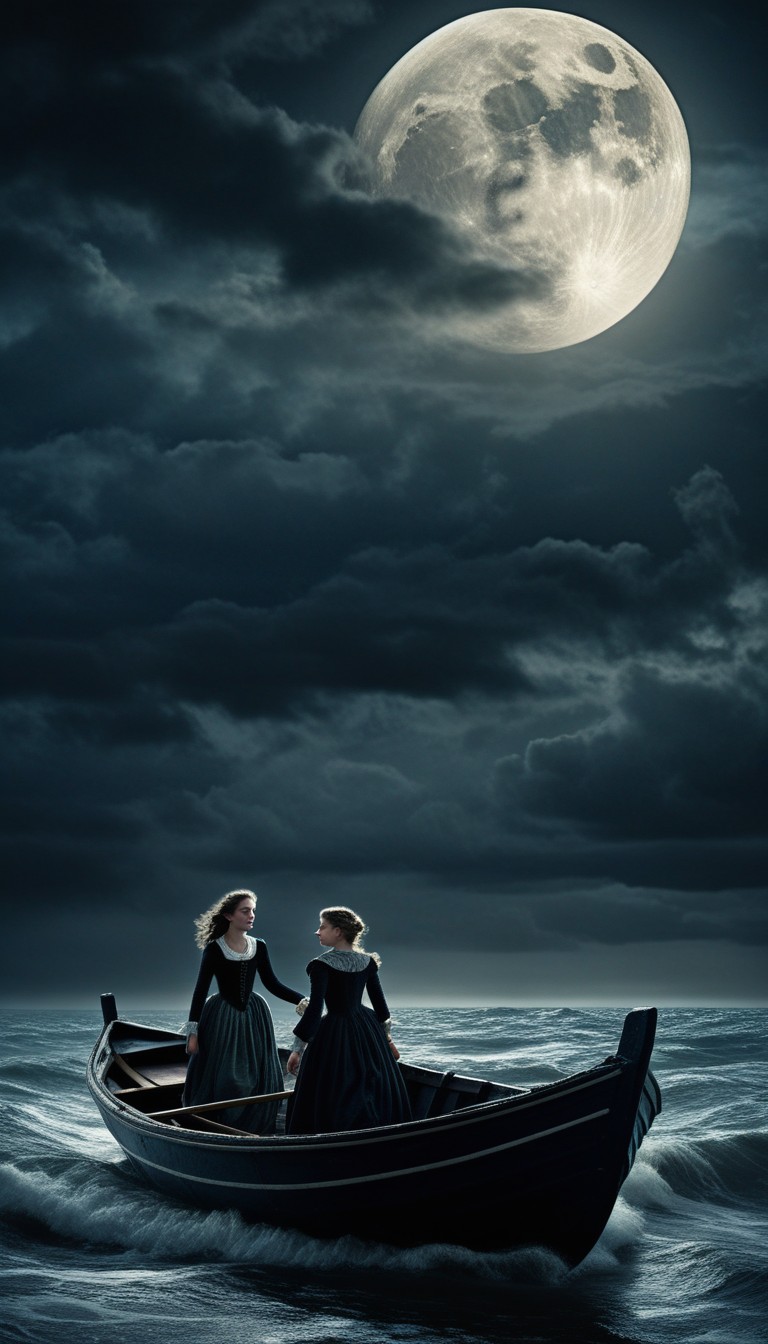
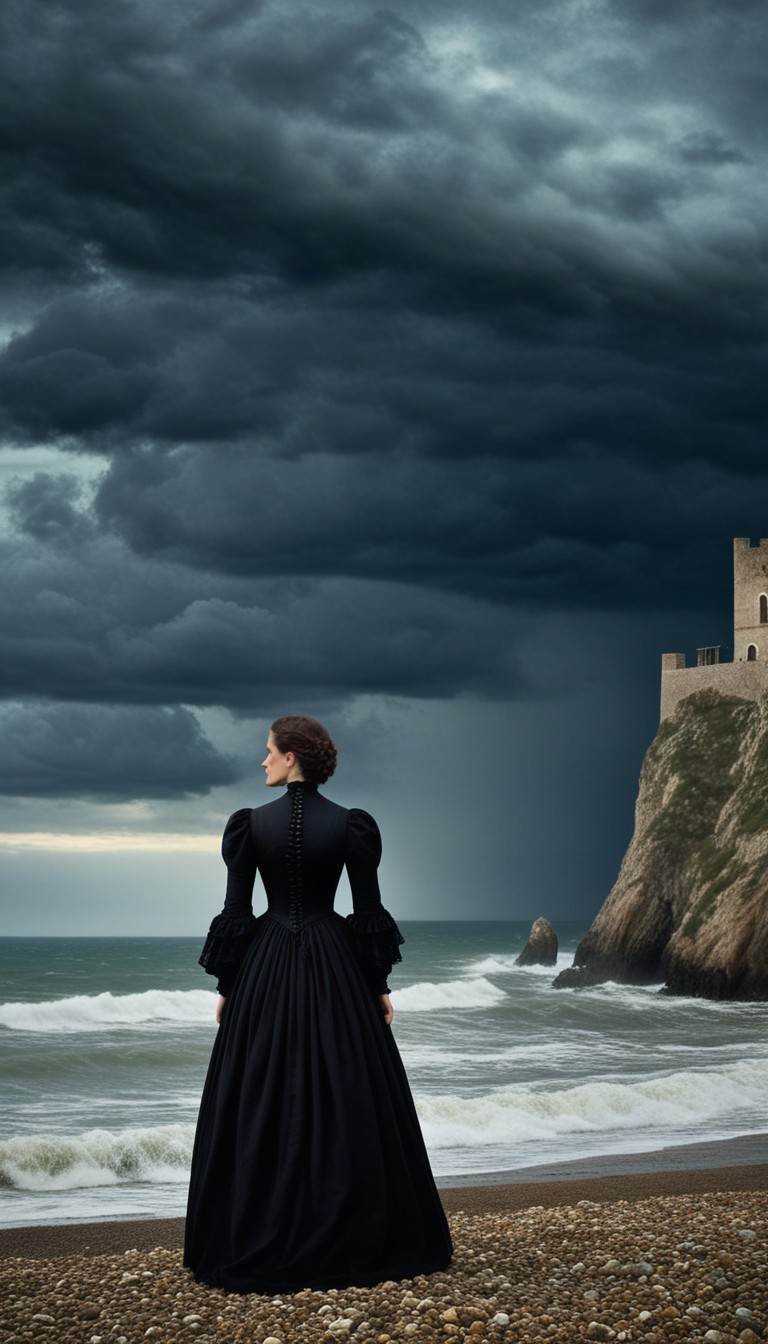
On 8 July 1822, Percy Bysshe Shelley drowned when his sailing boat sank in a sudden storm off the Italian coast. He was twenty-nine. Mary was twenty-four, a widow with a young son, living abroad with almost no income. She returned to England and spent the remaining decades of her life writing novels, editing Percy's poetry, and fiercely protecting his literary reputation. She published his collected works, wrote biographical notes that shaped how the world understood him, and ensured his place in the canon. Mary Shelley died on 1 February 1851, at the age of fifty-three.
The Mother of Science Fiction
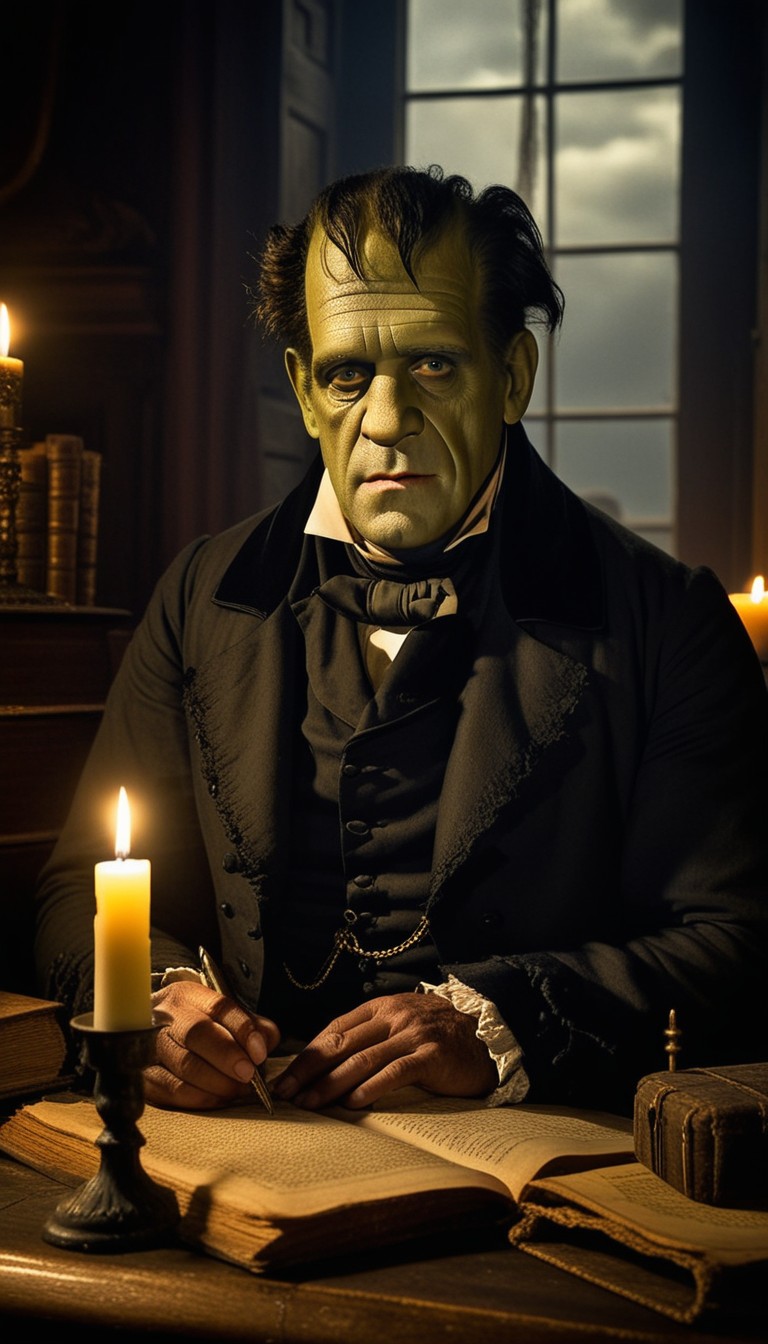
Mary Shelley was eighteen when she dreamed a monster into existence—and in doing so invented an entire genre. Frankenstein was the first novel to imagine the consequences of scientific creation, the first to ask what happens when humanity's reach exceeds its wisdom. Written by a teenager who had already survived more grief than most adults ever know, it endures not as a horror story but as a warning: that the things we create demand our care, our responsibility, and our conscience. Two centuries later, in an age of artificial intelligence and genetic engineering, her question has never been more urgent.
Recommended Reading
As an Amazon Associate, we earn from qualifying purchases.

Swipe to navigate