Pocahontas: The Girl Between Two Worlds

Loading story...
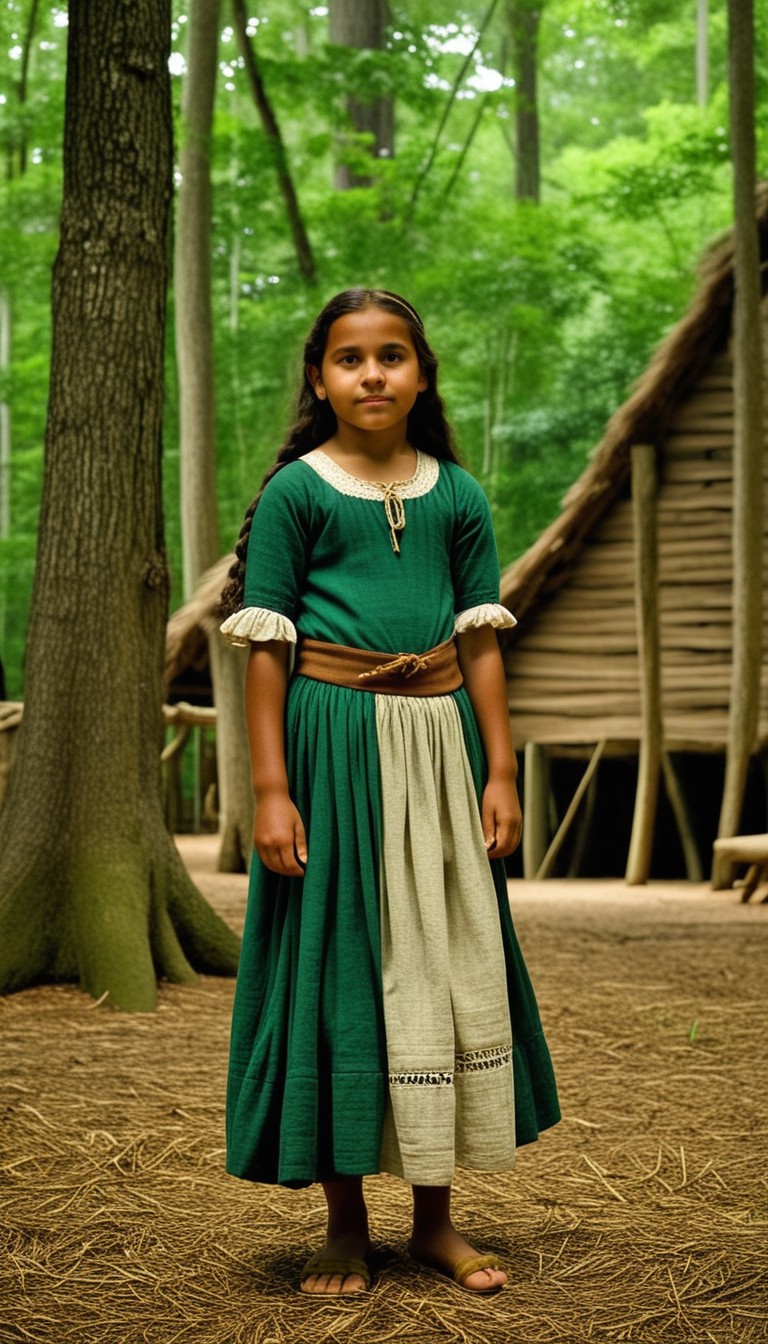
A young Powhatan girl playing among the longhouses and forests of Tsenacommacah in coastal Virginia
c. 1596 Tsenacommacah, Virginia

The Playful One

Around 1596, a girl named Amonute was born into the most powerful Native American confederacy in the Chesapeake region. Her father was Wahunsenacah, the paramount chief who ruled over more than thirty tribes collectively known as the Powhatan. She earned the nickname Pocahontas—meaning "playful one" or "ill-behaved child"—for her spirited, curious nature. She grew up in Werowocomoco, the political heart of the Powhatan world, surrounded by a vast network of rivers, forests, and the rhythms of a civilization that had thrived for centuries before any European ship appeared on the horizon.
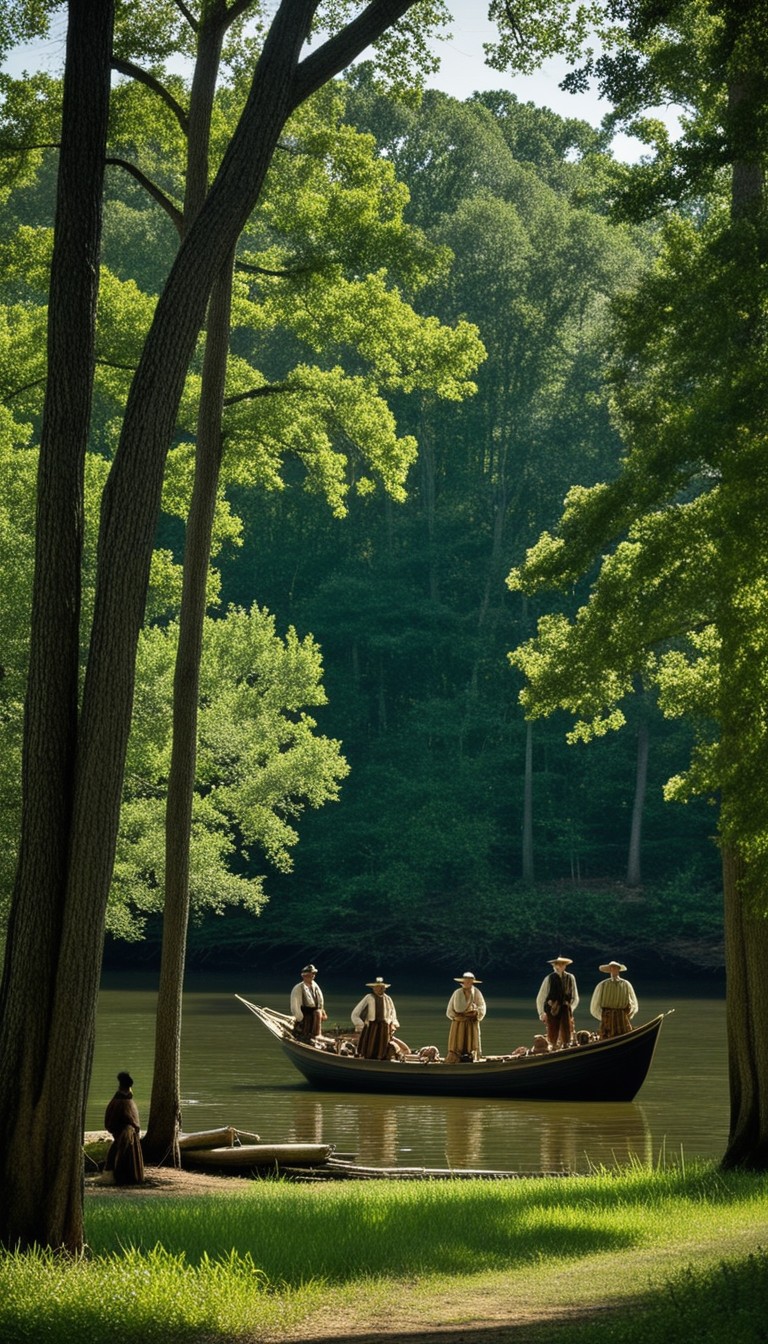
English ships arriving at the marshy shores of Jamestown while Powhatan people watch from the treeline
1607 Jamestown, Virginia

Strangers from the Sea

In May 1607, three English ships landed on the swampy banks of what they would call Jamestown—the first permanent English settlement in North America. Pocahontas was about eleven years old. The colonists, sponsored by the Virginia Company of London, were desperately unprepared: they had come seeking gold and a passage to Asia, not to farm or build. Within months they were starving and dying of disease. The Powhatan people watched with a mixture of curiosity and wariness as these strangers stumbled through a land they did not understand.
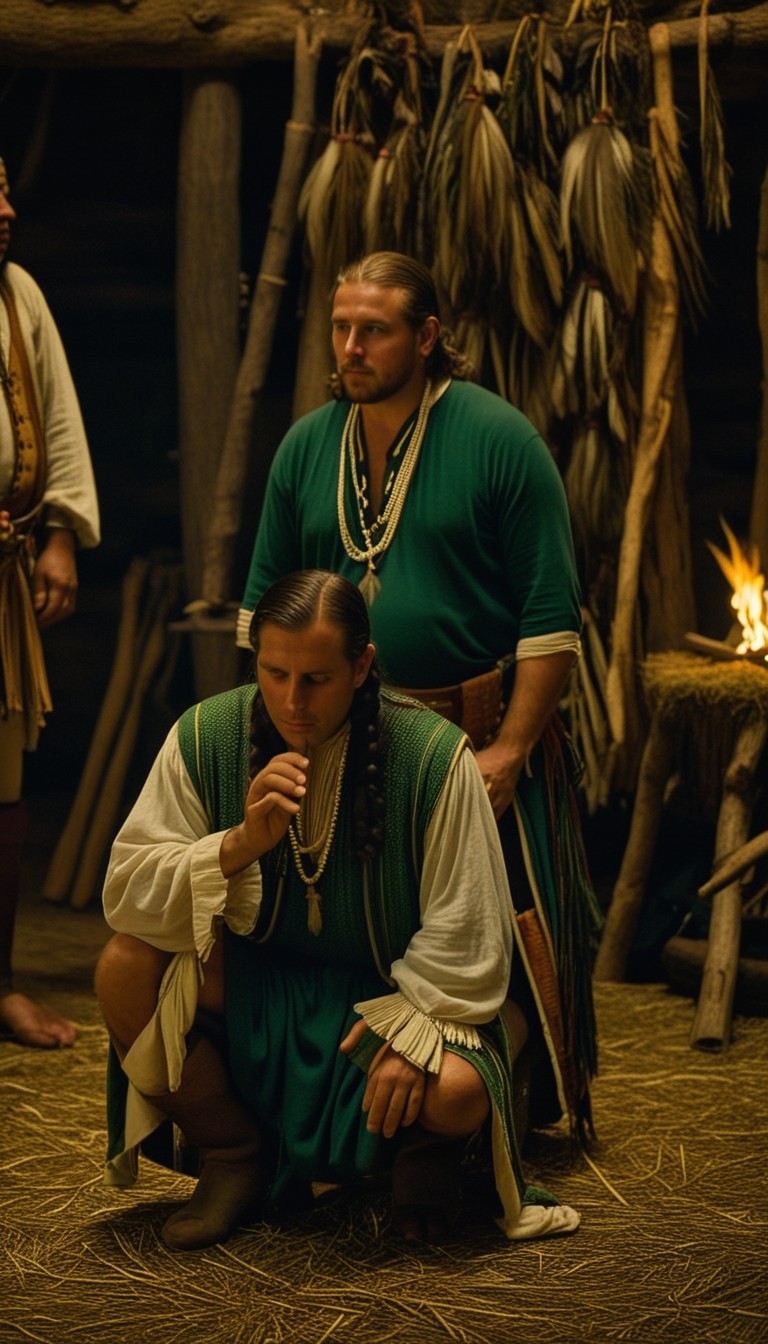
A Powhatan ceremonial gathering inside a longhouse with an English captive kneeling before the chief
December 1607 Werowocomoco, Virginia

The Smith Legend

Captain John Smith later claimed that in December 1607, after being captured by Powhatan warriors, he was brought before Chief Wahunsenacah and was about to be executed when young Pocahontas threw herself over his body to save him. This dramatic story, however, was not written down until 1616—nearly a decade after it supposedly happened—and only after Pocahontas had become famous in England. Most modern historians believe Smith either misunderstood a Powhatan adoption ritual or simply invented the tale. The real Pocahontas was a child; Smith was a thirty-year-old soldier. There was no romance—only a convenient myth.
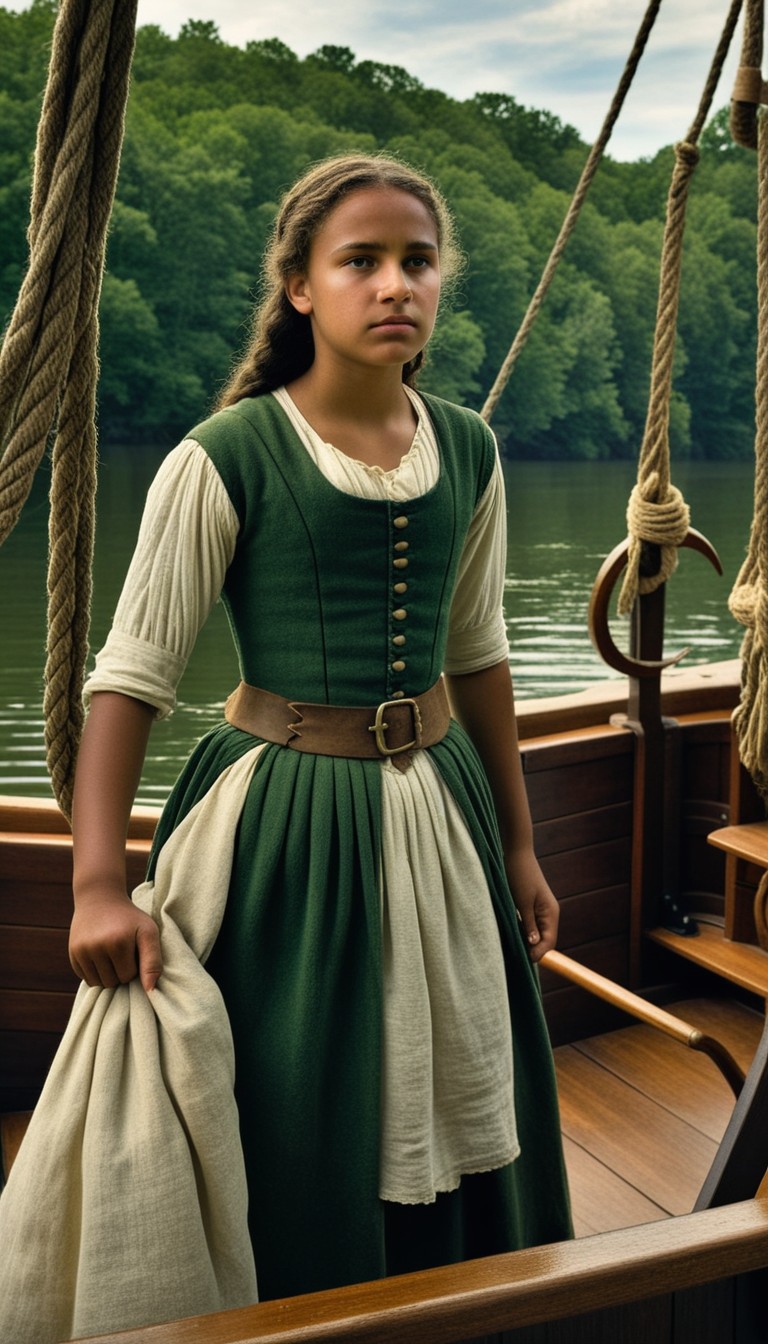
A teenage Powhatan girl being led aboard an English ship under armed guard on the Potomac River
1613 Potomac River, Virginia

Kidnapped

By 1613, relations between the Powhatan and the English had deteriorated into open conflict. Captain Samuel Argall devised a plan to capture Pocahontas—now about seventeen—and use her as leverage to force her father to return English prisoners and stolen weapons. With the help of a local chief named Iopassus, Argall lured Pocahontas aboard his ship on the Potomac River. She was taken to Henricus, an English settlement upriver from Jamestown, and held captive. Her father, Wahunsenacah, returned some prisoners but refused to meet all of the English demands. Pocahontas remained a hostage.
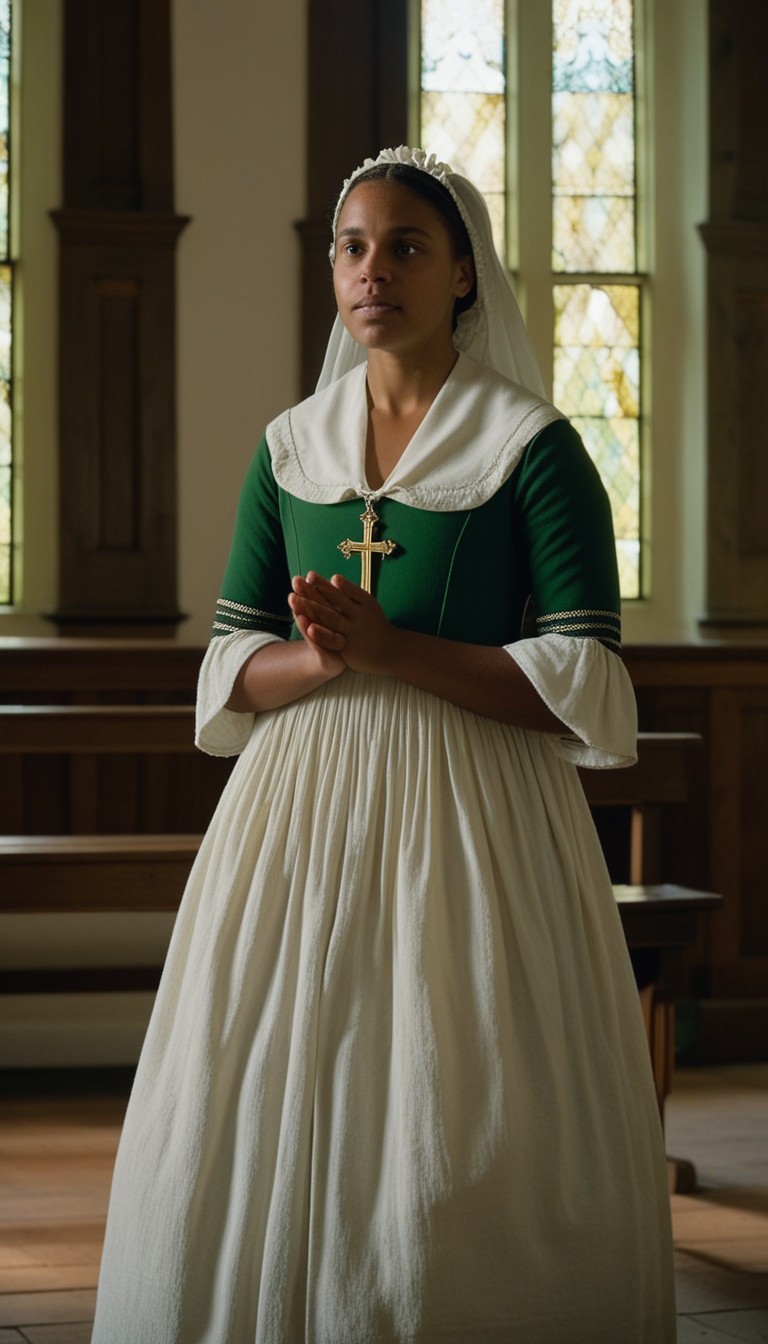
A young Powhatan woman in English dress being baptized inside a small colonial church
1613–1614 Henricus, Virginia

Rebecca

During her captivity, Pocahontas was instructed in Christianity by the Reverend Alexander Whitaker. She learned English, adopted English dress, and was baptized with the name Rebecca. How willing this transformation was remains one of history's most debated questions. She was a prisoner, isolated from her people and her father, surrounded entirely by the culture of her captors. Some historians see genuine conversion; others see a young woman doing what she had to in order to survive. What is certain is that the English celebrated her transformation as proof that their colonial mission could "civilize" the native people of Virginia.
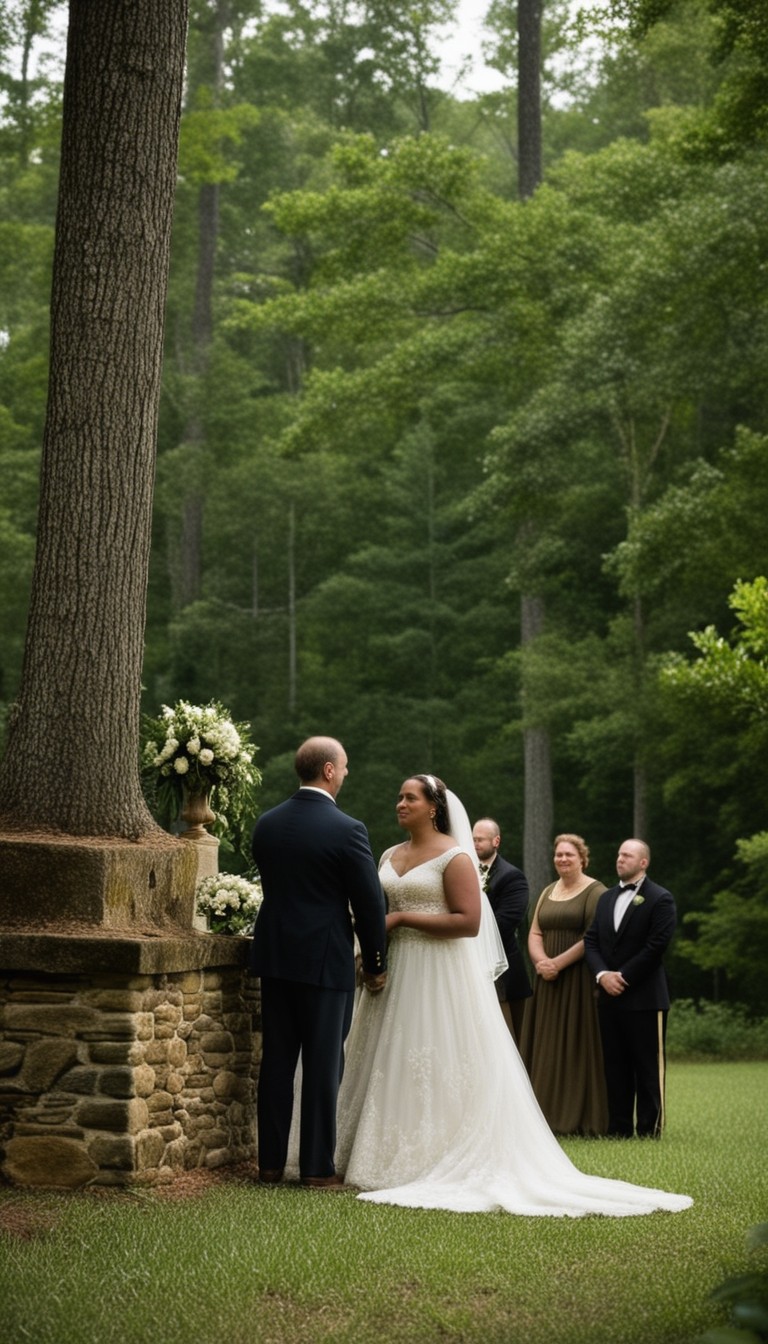
A wedding ceremony in a colonial Virginia church between a Powhatan woman and an English tobacco planter
April 1614 Jamestown, Virginia

The Peace of Pocahontas

In April 1614, Pocahontas married John Rolfe, a tobacco planter who had developed the strain of tobacco that would make Virginia profitable. The marriage was both personal and deeply political: it brought about what colonists called the "Peace of Pocahontas," a fragile truce between the Powhatan confederacy and the English that lasted eight years. Rolfe wrote to the governor requesting permission to marry her, framing it as a service to the colony and the cause of converting the natives. Their son, Thomas Rolfe, was born in 1615—a child of two worlds that were already at war.
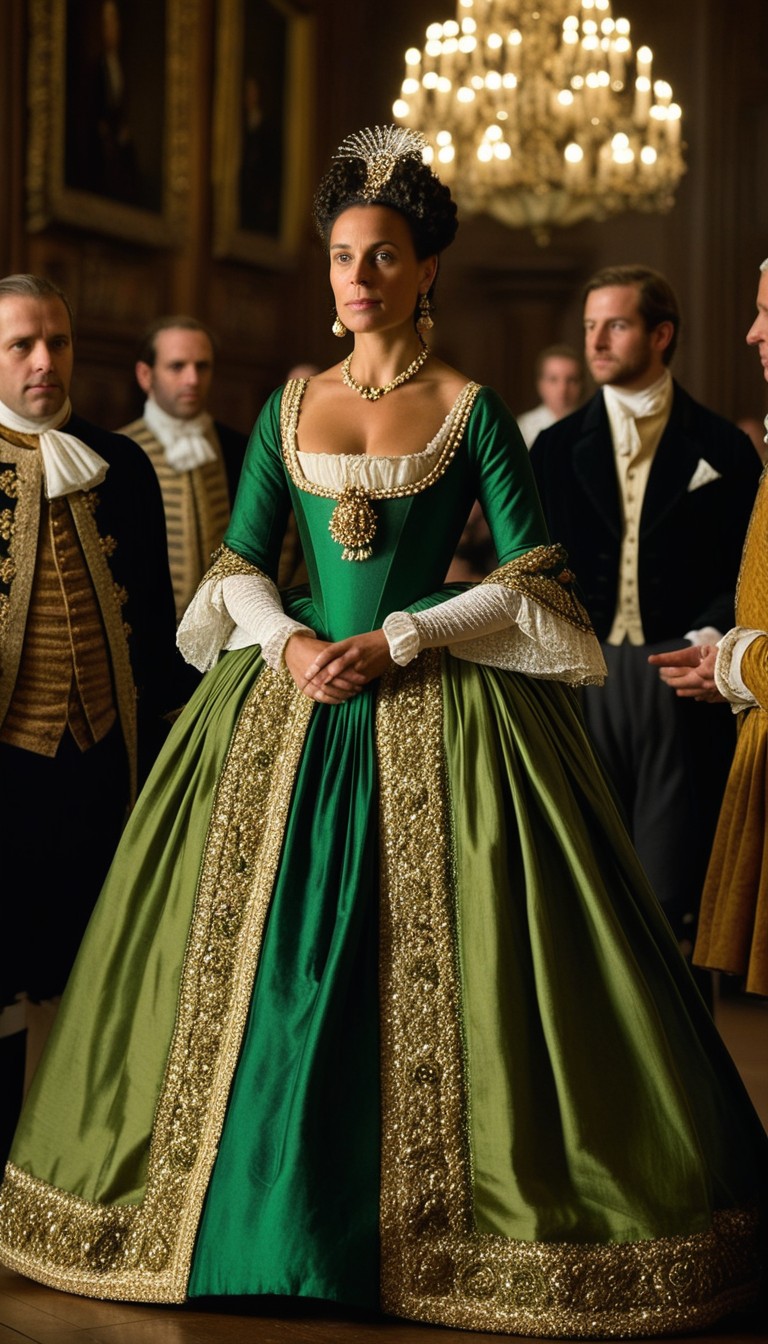
A Powhatan woman in elaborate English court dress being presented to aristocrats in a grand London hall
1616 London, England

The "Civilized Savage"

In 1616, the Virginia Company brought Pocahontas, John Rolfe, and their infant son to England. She was a living advertisement for colonisation—proof that Native Americans could be converted, educated, and made "presentable" to European society. Rechristened Lady Rebecca Rolfe, she was presented at the court of King James I, attended masques, and was painted in the one portrait that survives of her: wearing an Elizabethan ruff and hat, looking out with an expression historians have endlessly interpreted. In London she encountered John Smith again, whom she had been told was dead. By multiple accounts she was furious at the deception.
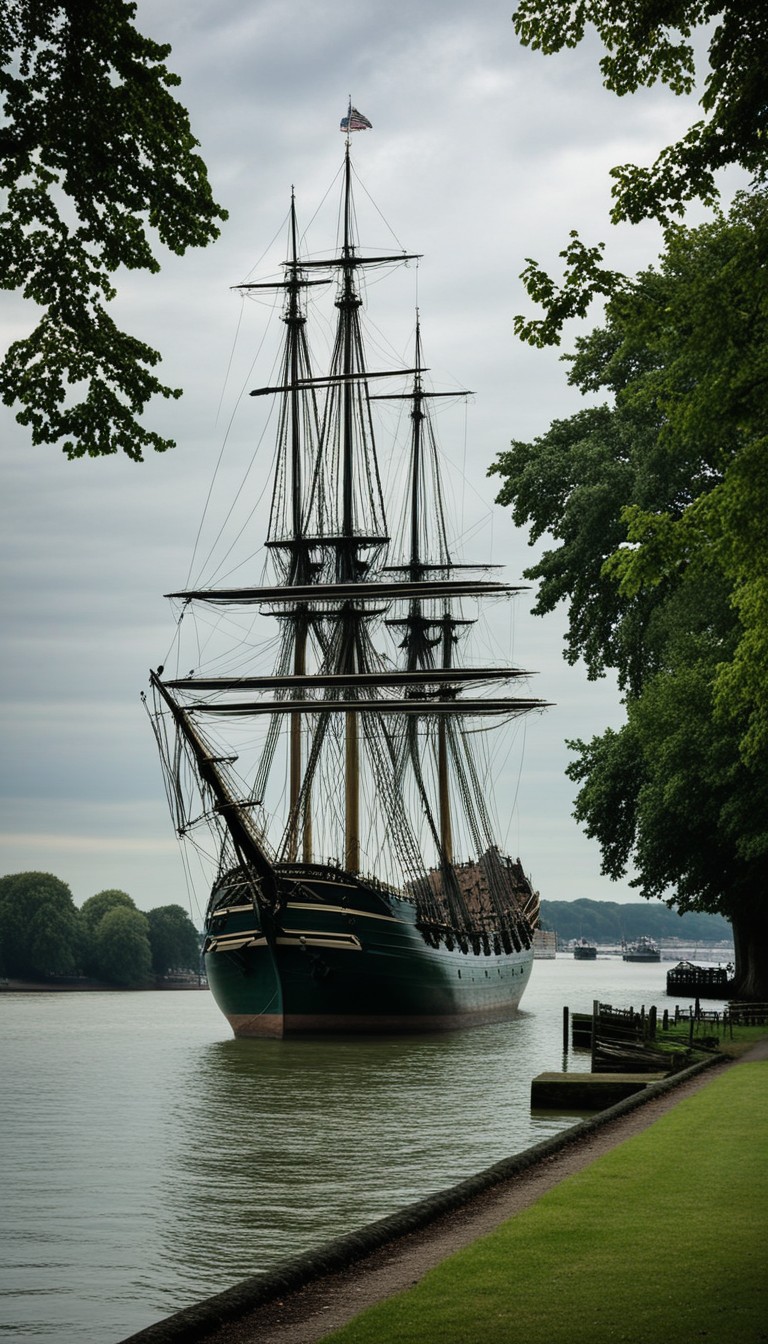
A ship anchored at Gravesend on the Thames, a sombre scene of mourning on the grey English waterfront
March 1617 Gravesend, England

Gravesend

In March 1617, as the Rolfe family prepared to sail back to Virginia, Pocahontas fell gravely ill. The ship had barely reached Gravesend on the Thames when she had to be brought ashore. She died there, likely of pneumonia or tuberculosis—diseases against which she had no immunity—at approximately twenty-one years of age. She was buried at St George's Church in Gravesend on 21 March 1617. She never saw her homeland again. Her son Thomas, too ill to travel, was left in England to be raised by relatives. He would not return to Virginia until he was an adult, a stranger to both his parents' worlds.
A quiet Virginia river at dawn with forest on both banks, the Powhatan homeland unchanged and enduring

Between Two Worlds

The real Pocahontas was not a Disney princess who fell in love with an English explorer. She was a child caught in the collision of civilizations—kidnapped, converted under duress, married for political convenience, and paraded before a foreign court as a trophy of empire. She died at twenty-one, thousands of miles from home, in a country that saw her as a curiosity rather than a person. Yet her descendants became prominent Virginians, and the Powhatan people endure to this day. Her story, honestly told, is not a romance but a window into the human cost of colonialism—and a reminder that the people history uses as symbols were first and always real.

Recommended Reading

As an Amazon Associate, we earn from qualifying purchases.

Swipe to navigate