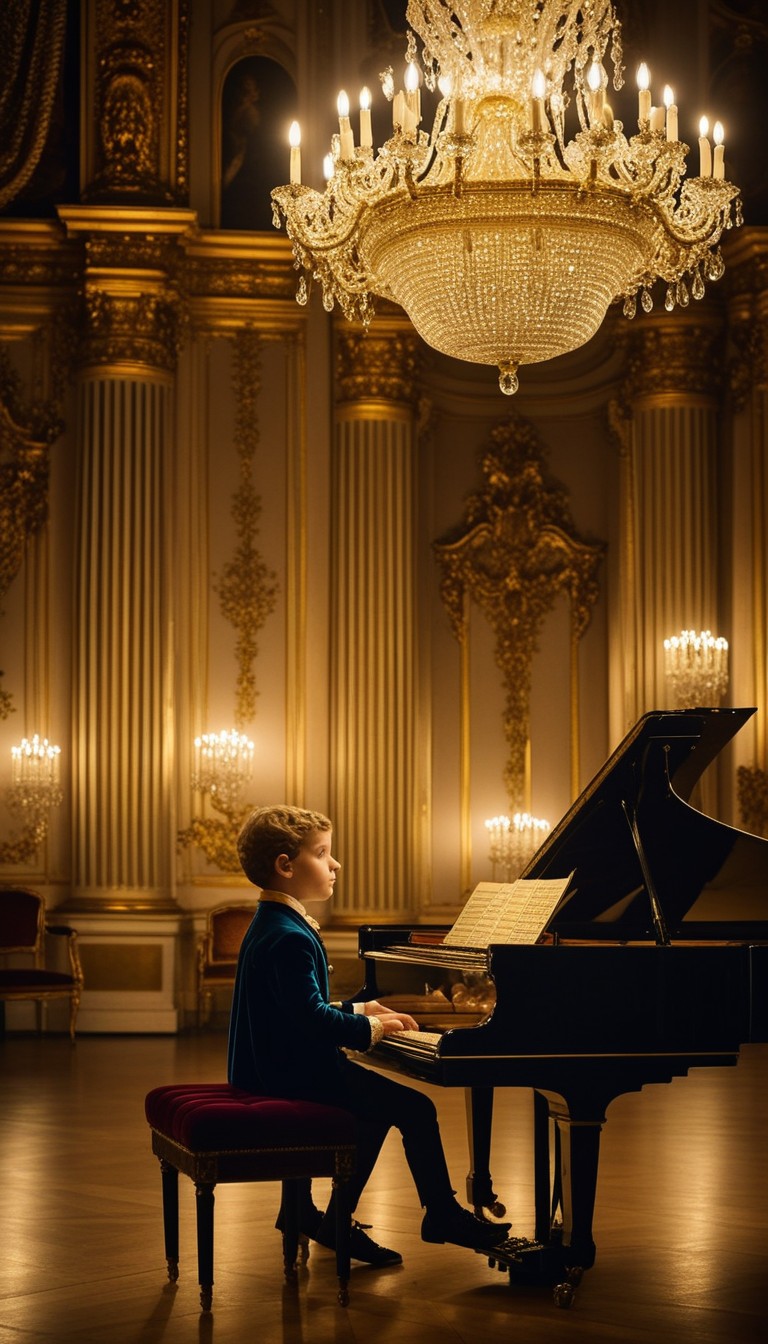
Mozart: The Child Prodigy
Loading story...
1756–1761
Salzburg, Austria
The Miracle in Salzburg
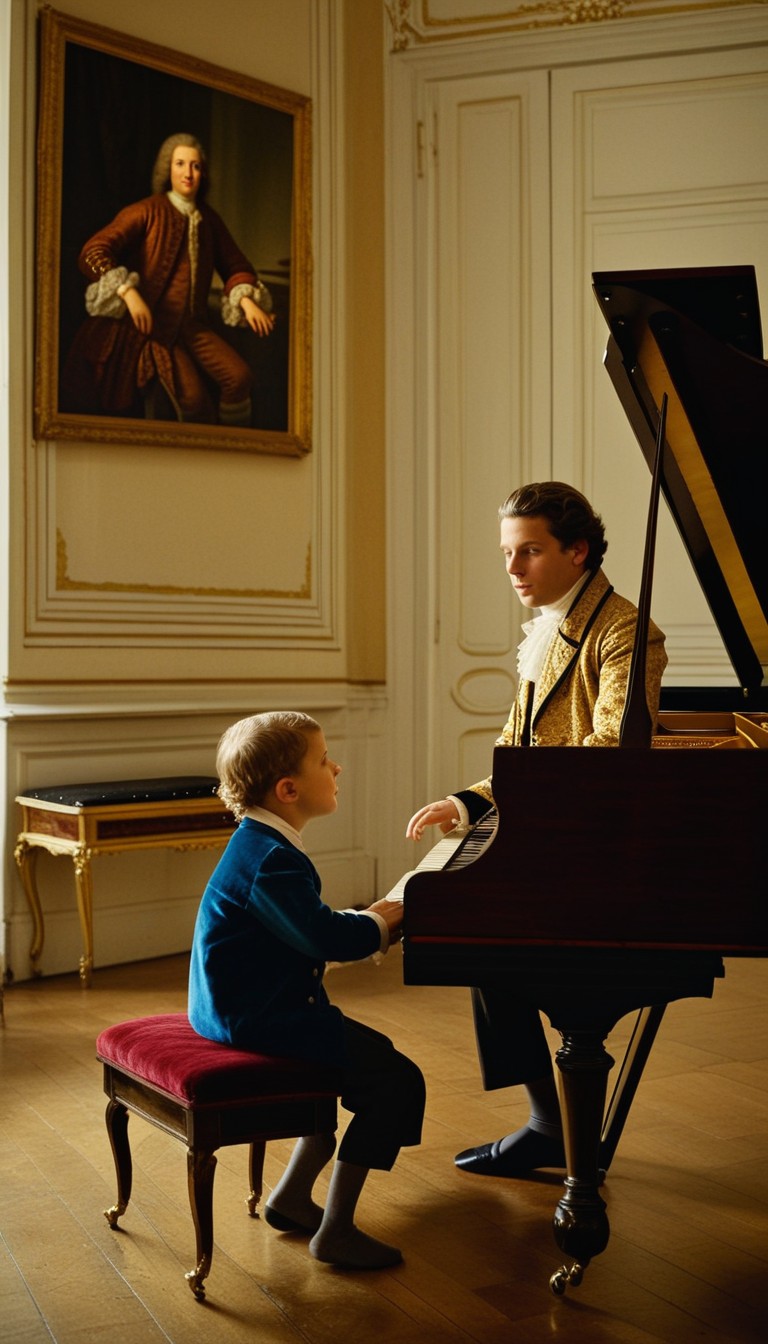
Wolfgang Amadeus Mozart was born on January 27, 1756, in Salzburg, a small prince-archbishopric nestled in the Austrian Alps. His father, Leopold Mozart, was a respected composer and violinist in the court orchestra. When Leopold noticed his three-year-old son picking out chords on the harpsichord and memorising pieces after a single hearing, he recognised something extraordinary. By four, Wolfgang was learning entire compositions in minutes. Leopold abandoned much of his own career to devote himself to cultivating the most remarkable musical talent he had ever witnessed.
1762–1763
Munich & Vienna
Playing for Royalty
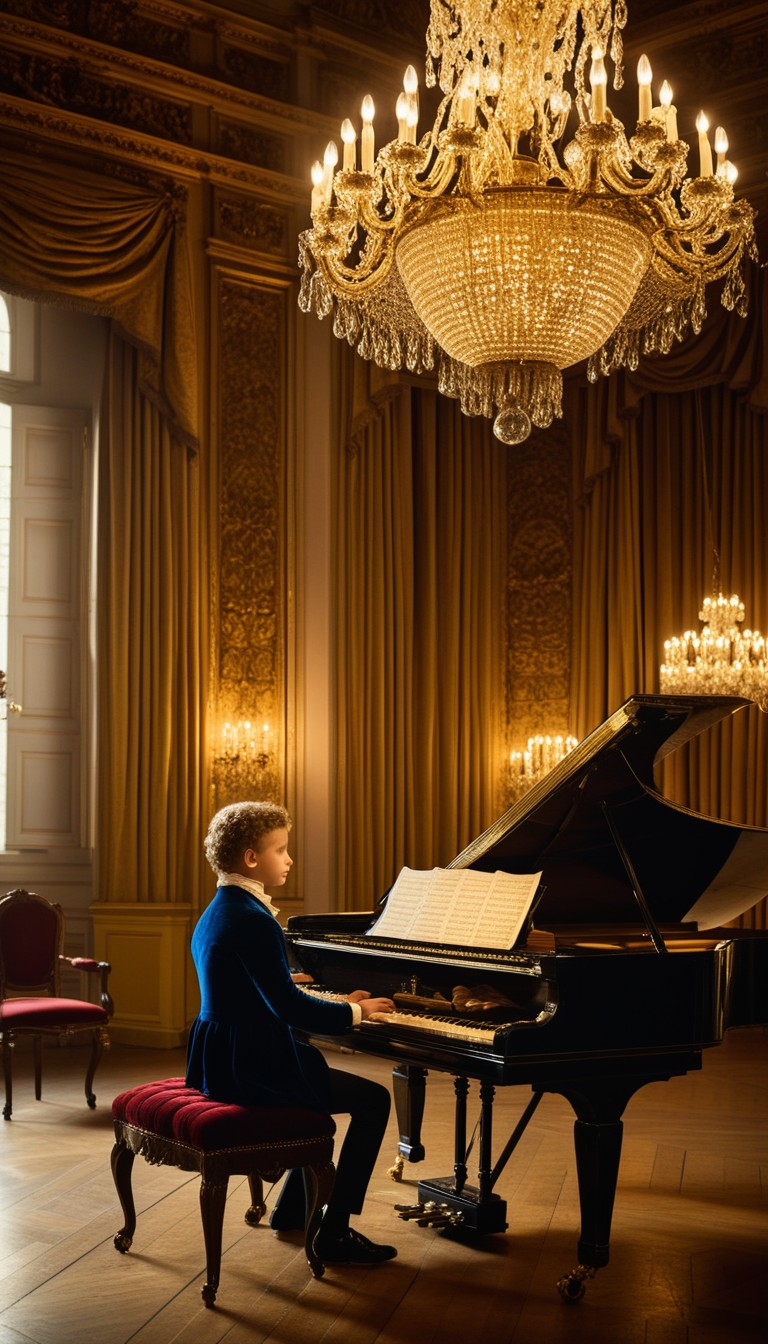
In 1762, Leopold took six-year-old Wolfgang and his eleven-year-old sister Maria Anna—known as Nannerl—on their first performance tour. The children played before the Elector of Bavaria in Munich and then for Empress Maria Theresa at the Habsburg court in Vienna. Wolfgang astonished audiences by playing blindfolded, sight-reading difficult music, and improvising on themes suggested by the audience. The young Marie Antoinette, then a princess, was among those who watched him play. Europe had never seen anything like it.
1761–1768
Salzburg & Vienna
Composing Before He Could Spell
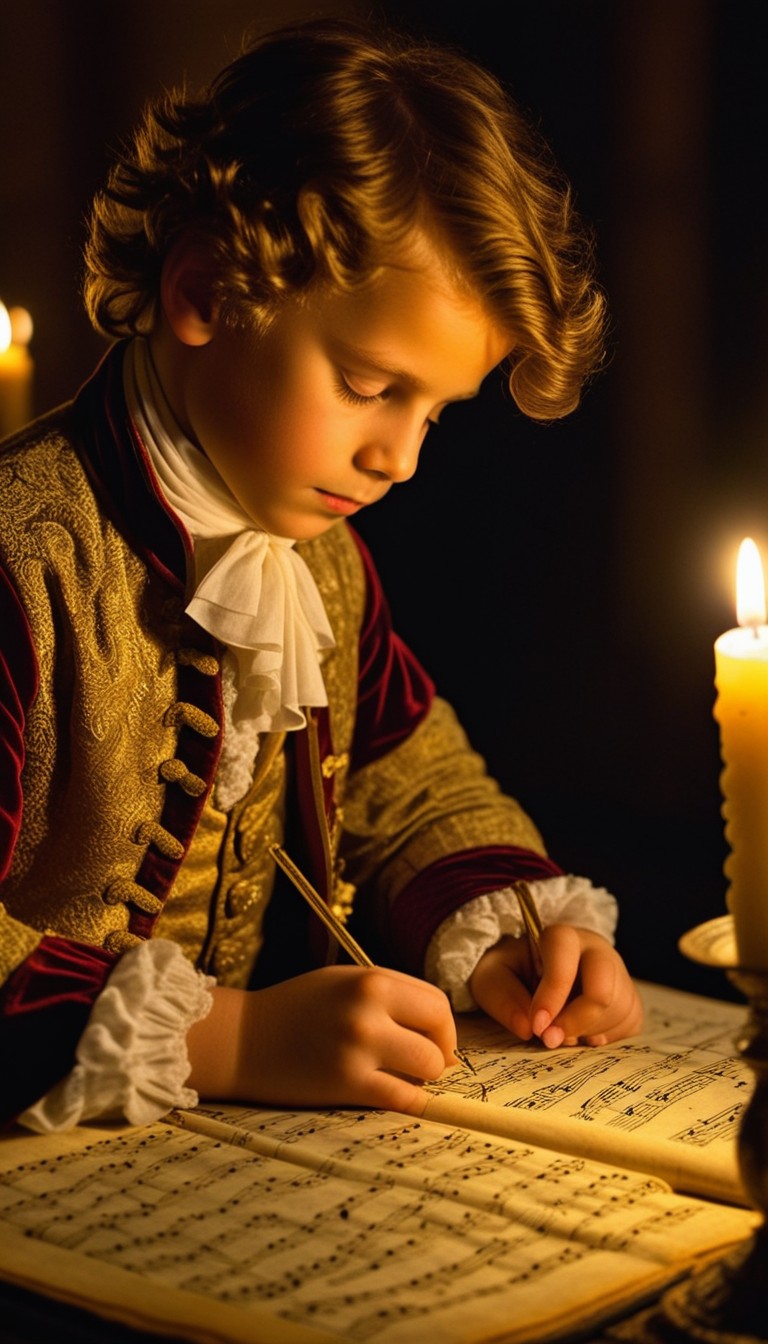
Mozart did not merely perform—he created. At the age of five he composed his first small pieces, which his father carefully transcribed. By eight he had written his first symphony, the Symphony No. 1 in E-flat major. At twelve he composed his first opera, La finta semplice, commissioned by Emperor Joseph II himself. These were not childish curiosities—they were works of genuine sophistication that revealed a mind absorbing and transforming every musical style he encountered. He was not imitating; he was already innovating.
1763–1766
Paris, London & Beyond
The Grand Tour
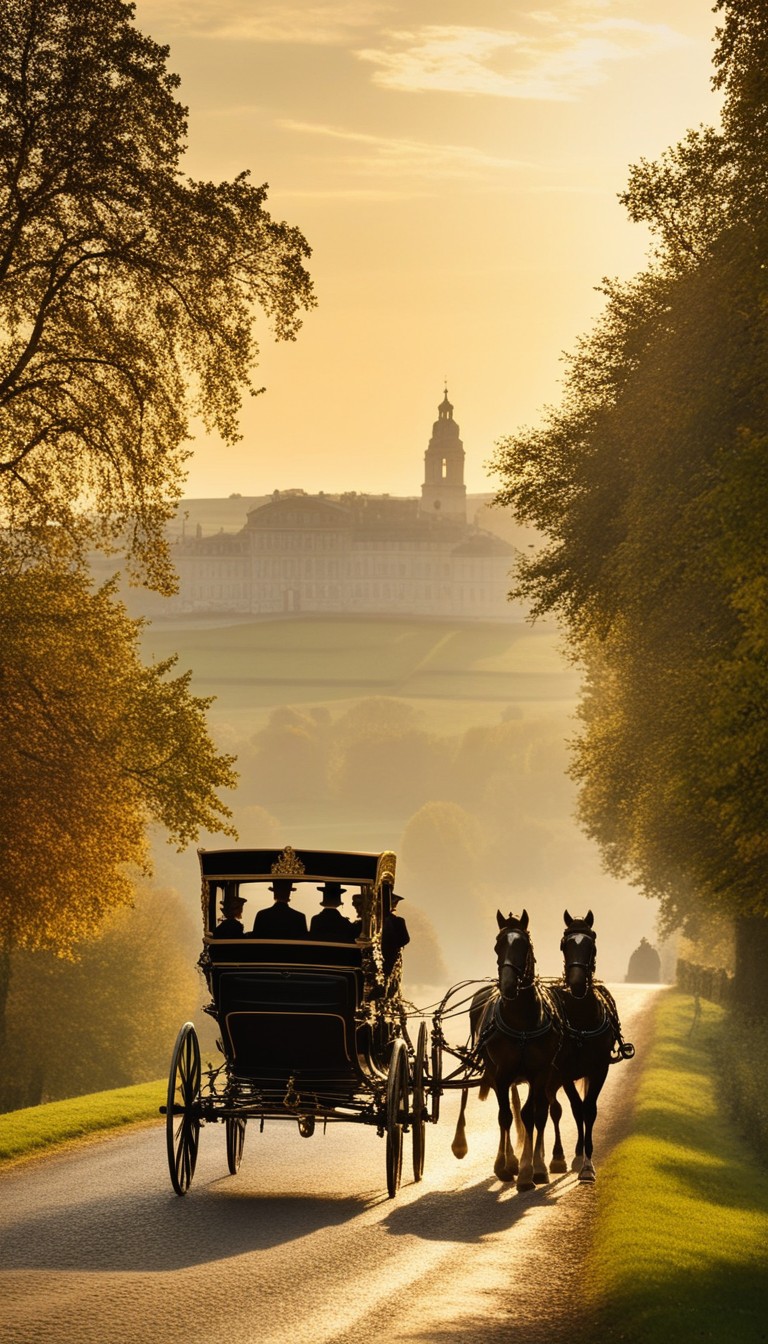
From 1763 to 1766, Leopold took his children on a grand tour of Western Europe that would last three and a half years. They performed in Paris before Louis XV, in London where Wolfgang befriended Johann Christian Bach, in The Hague, in Zurich, and in dozens of courts and concert halls in between. They played for kings, popes, and emperors. The young Mozart absorbed French elegance, Italian melody, and German counterpoint, forging a musical vocabulary that drew on every tradition in Europe. The journey was gruelling—both children fell seriously ill—but it made Wolfgang the most celebrated child in the Western world.
1773–1781
Salzburg, Austria
Restless in Salzburg
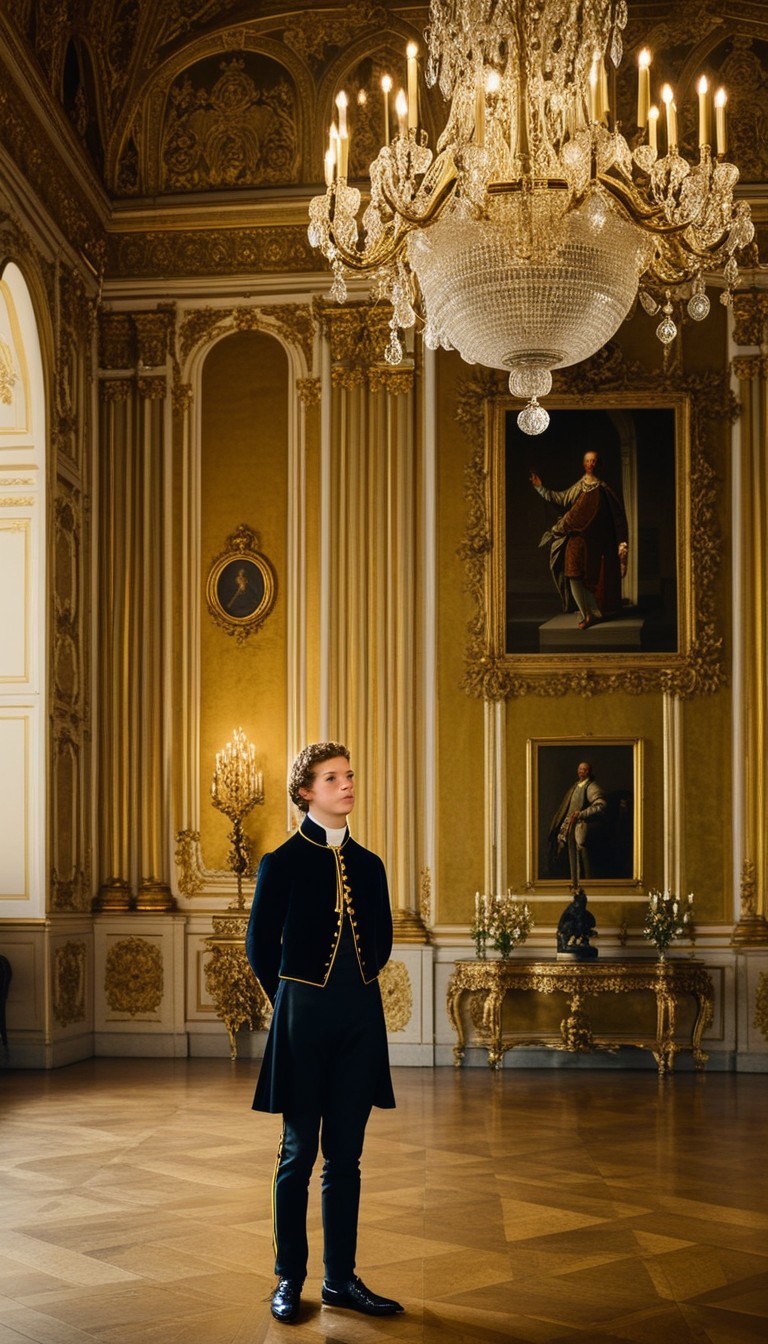
After years of freedom and adulation across Europe, returning to provincial Salzburg was suffocating. As a teenager, Mozart served as a court musician under Prince-Archbishop Hieronymus Colloredo, who regarded him as a servant and treated his music as mere entertainment for guests. Mozart chafed under the restrictions—he was forbidden from performing elsewhere without permission and was expected to compose on demand for church services and court functions. The young genius who had played for emperors was now writing dinner music for a man who barely appreciated his gift.
1781
Vienna, Austria
Breaking Free
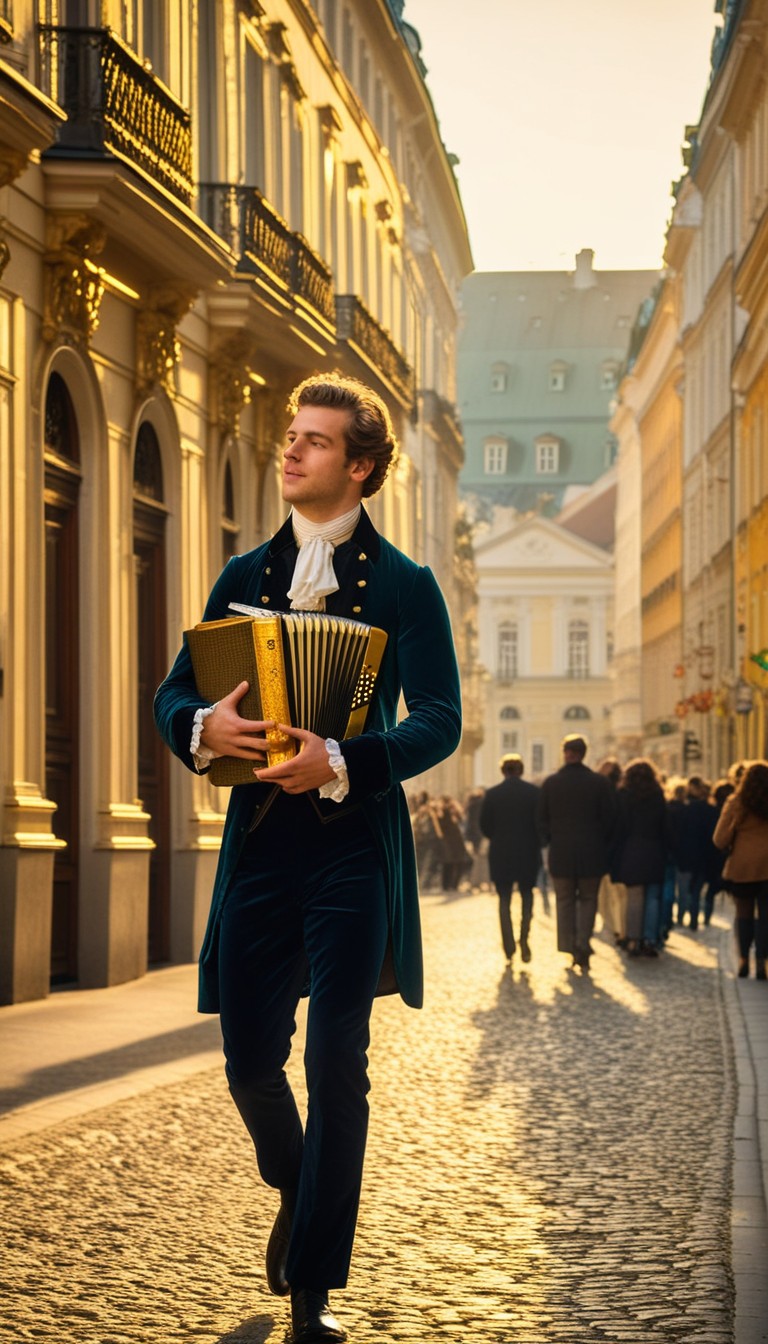
In 1781, at the age of twenty-five, Mozart did something almost no musician of his era dared: he quit. After a final bitter confrontation with Archbishop Colloredo in Vienna—during which Mozart was literally kicked out of the room by the Archbishop's steward—he chose to remain in the imperial capital as a freelance musician. It was a revolutionary act. Composers in the eighteenth century depended on aristocratic or church patronage; to go independent was to risk poverty and obscurity. Mozart bet everything on his talent and the audiences of Vienna, and for a time, the gamble paid off spectacularly.
1786–1791
Vienna, Austria
The Great Works
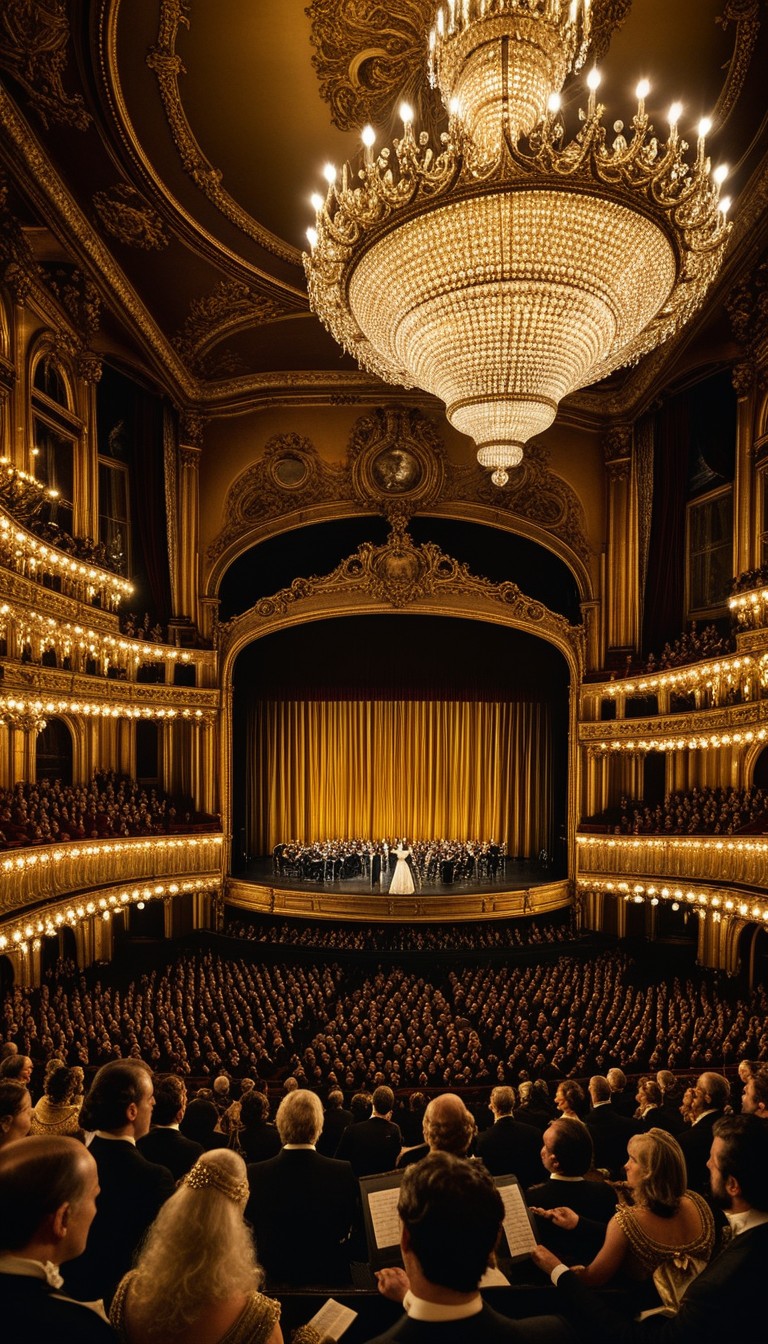
Mozart's decade in Vienna produced some of the most extraordinary music ever written. Working with the brilliant librettist Lorenzo Da Ponte, he created three operas that changed the art form forever: The Marriage of Figaro, a subversive comedy that mocked aristocratic privilege; Don Giovanni, a dark and dazzling masterpiece about a seducer dragged to hell; and Così fan tutte, a bittersweet exploration of love and faithfulness. He composed The Magic Flute, a singspiel blending fairy tale with Masonic philosophy. Alongside these he produced piano concertos, symphonies, string quartets, and sacred music of staggering beauty and invention.
1791
Vienna, Austria
The Unfinished Requiem
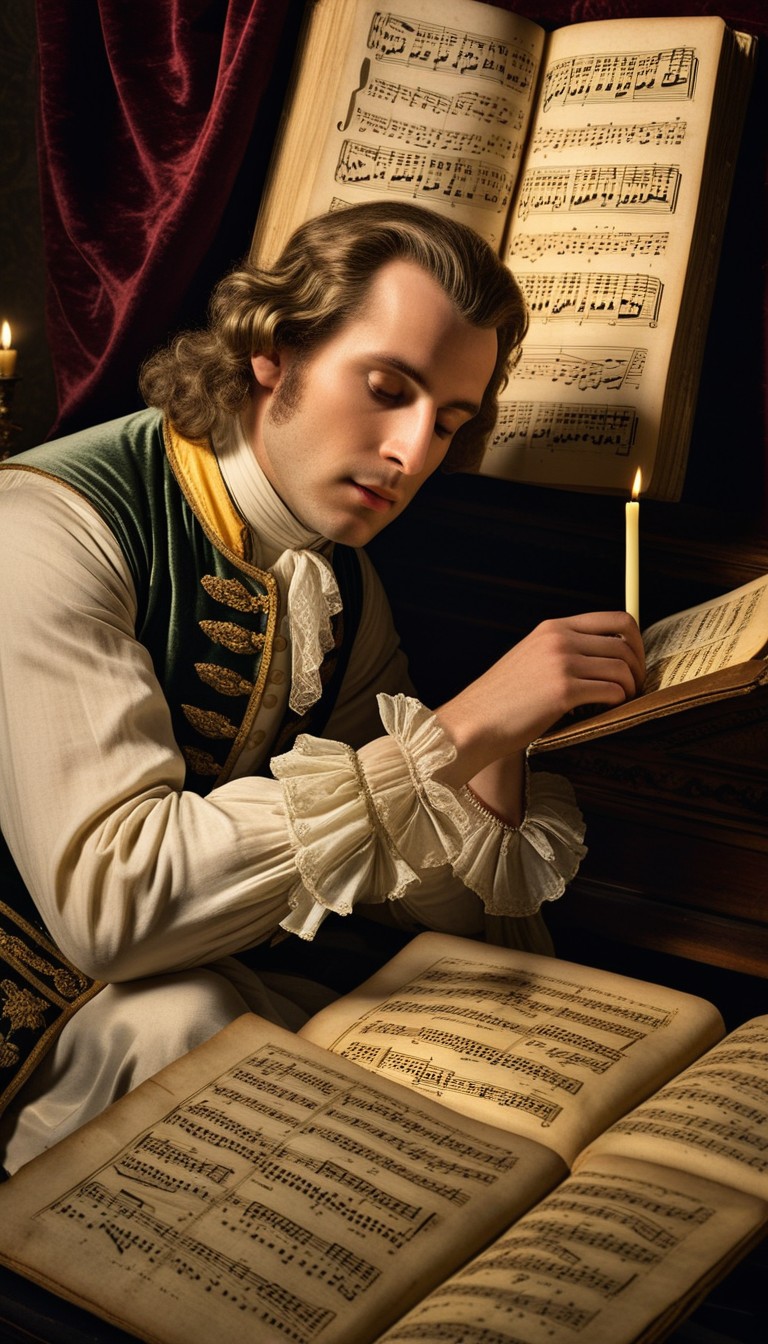
In the autumn of 1791, while composing The Magic Flute and a clarinet concerto of heartbreaking beauty, Mozart received an anonymous commission to write a Requiem Mass. He became convinced he was writing it for himself. His health, never robust after the illnesses of his childhood tours, deteriorated rapidly. On December 5, 1791, Wolfgang Amadeus Mozart died at the age of thirty-five. The cause remains debated—rheumatic fever, kidney disease, and poisoning have all been proposed. The Requiem was left unfinished, later completed by his student Franz Xaver Süssmayr. He was buried in a common grave in Vienna, unmarked and unattended.
The Eternal Prodigy
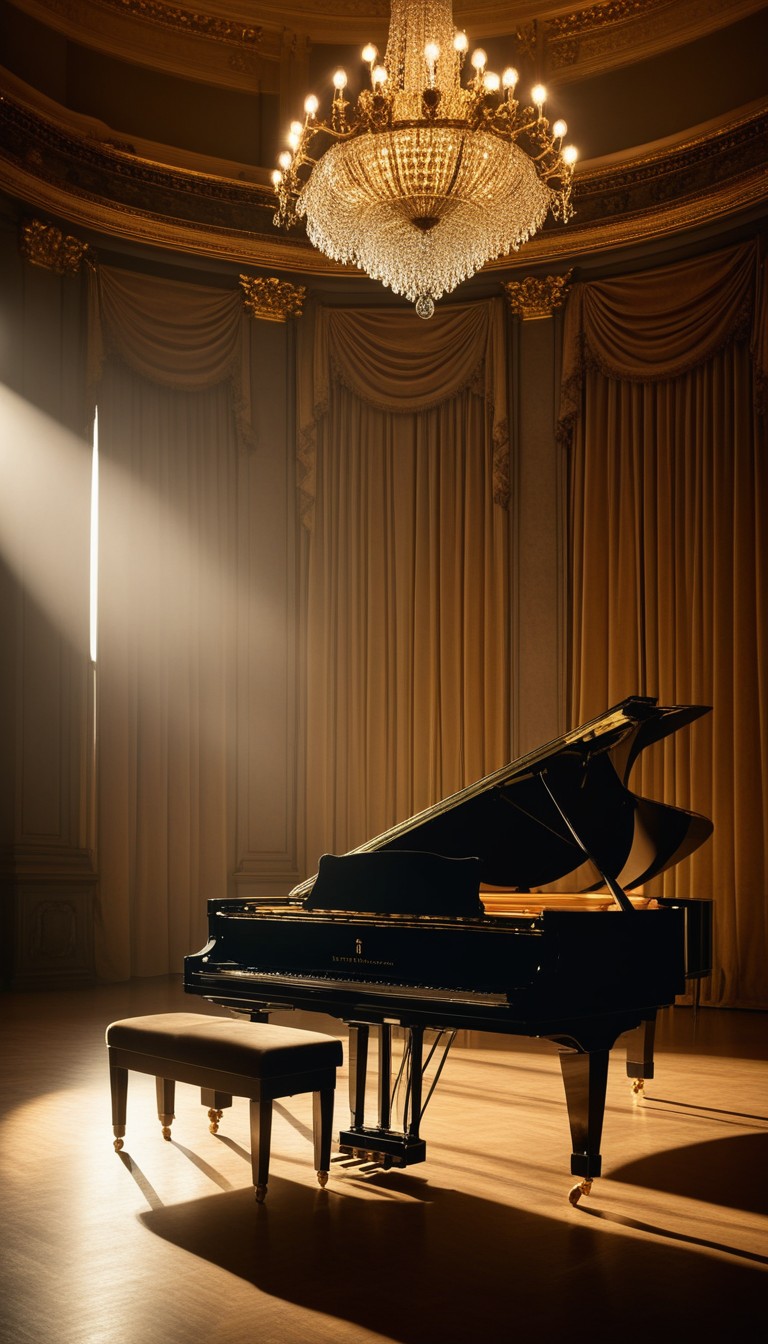
Wolfgang Amadeus Mozart lived only thirty-five years, yet he composed over six hundred works that remain at the heart of Western music more than two centuries after his death. He mastered every genre of his era—opera, symphony, concerto, chamber music, sacred music—and transformed each one. He was a child who played for kings and grew into a man who refused to bow to them. His music speaks with a perfection and emotional depth that has never been surpassed. He is, by any measure, the most extraordinary child prodigy the world has ever produced—and perhaps the greatest musical genius in history.
Recommended Reading
As an Amazon Associate, we earn from qualifying purchases.

Swipe to navigate