Sybil Ludington: The Midnight Ride
Loading story...
1761
Dutchess County, New York
Eldest of Twelve
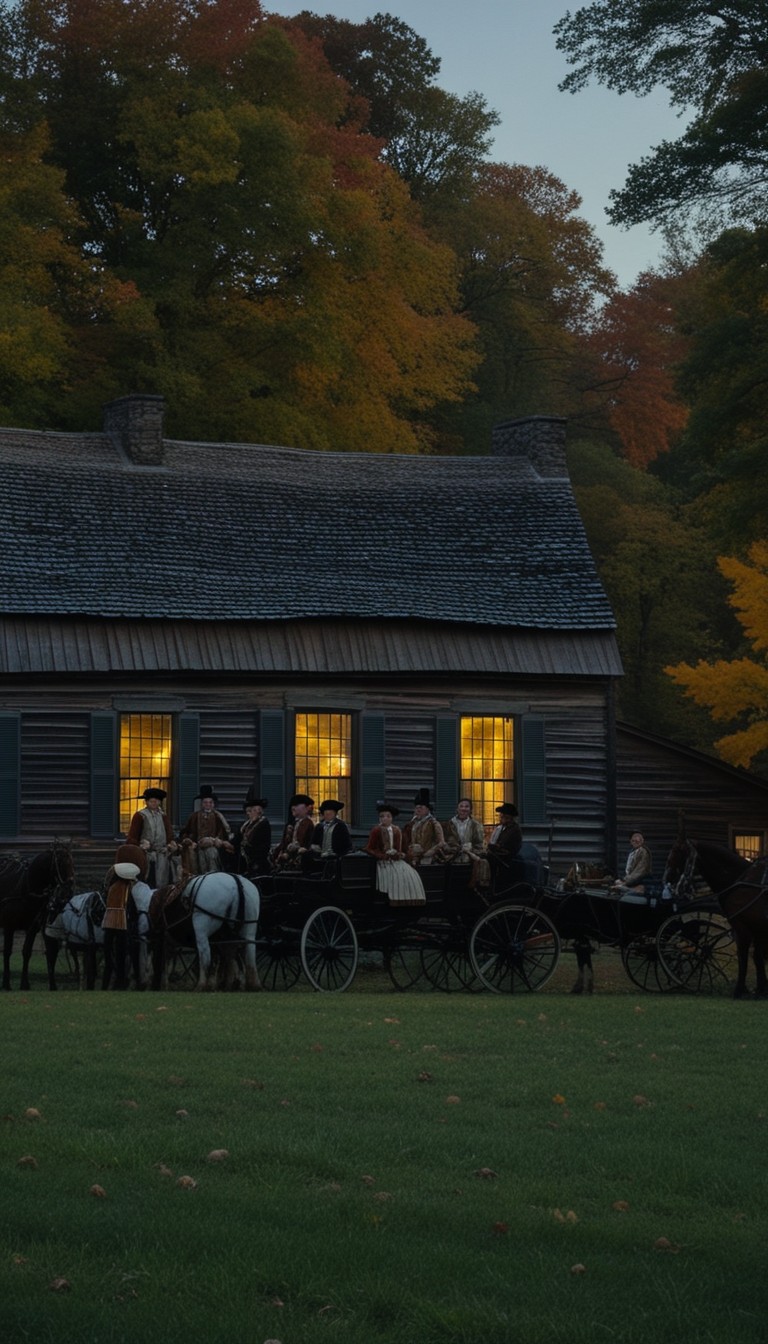
Sybil Ludington was born on April 5, 1761, in Dutchess County, New York—a region of rolling farmland along the Hudson River. She was the eldest of twelve children born to Colonel Henry Ludington, a prosperous farmer and veteran of the French and Indian War who commanded the local militia regiment. Growing up in a large household on the colonial frontier, Sybil learned to ride almost as soon as she could walk. She knew every trail, creek, and farmstead within miles of her home—knowledge that would one day prove decisive.
1775–1777
Connecticut & New York
A Revolution in Flames
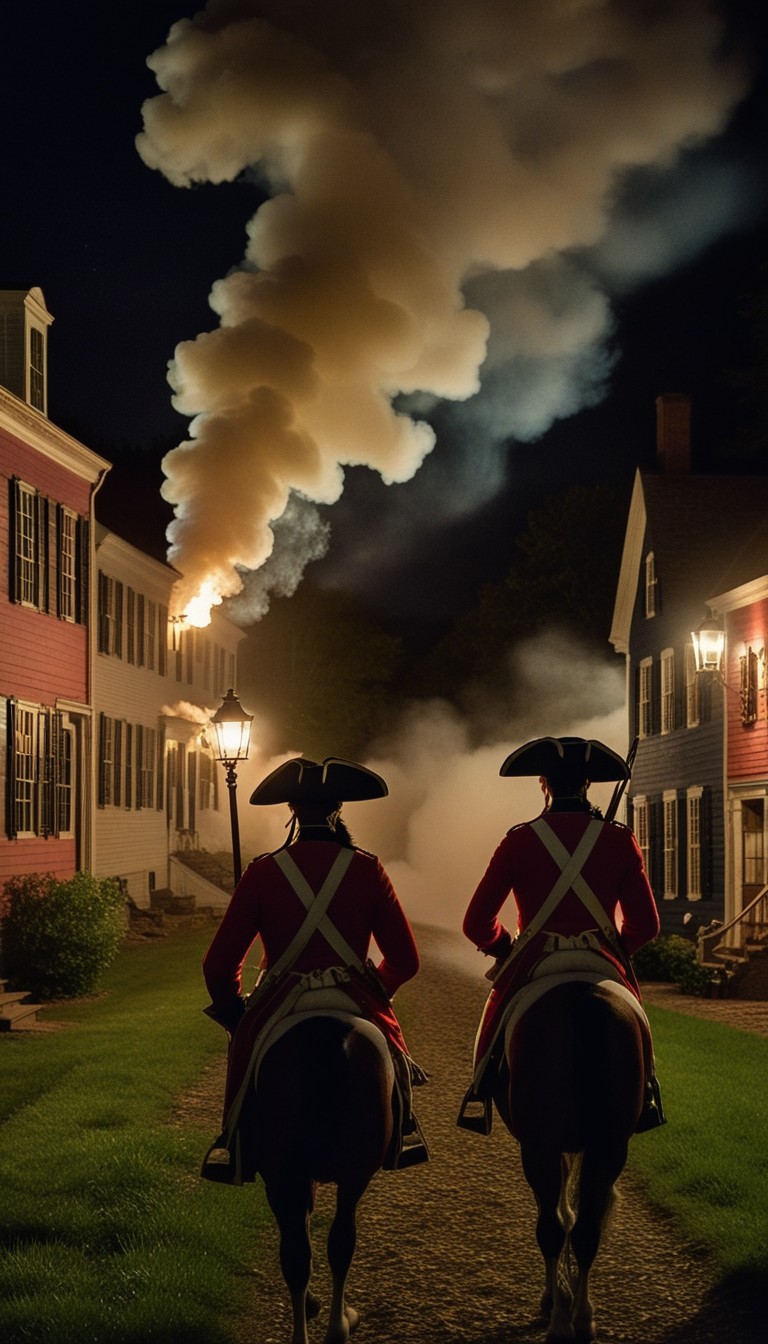
By 1777, the American Revolution had been raging for two years. The British army, determined to crush the rebellion, launched brutal raids across Connecticut and New York to destroy colonial supply depots and terrorise the population into submission. Farms were burned, livestock slaughtered, and families driven from their homes. The British strategy was simple: if they could not defeat the Continental Army in open battle, they would break the will of the people who supported it. For families like the Ludingtons, the war was not a distant affair—it was at their doorstep.
April 26, 1777
Ludington Home, New York
Danbury Is Burning
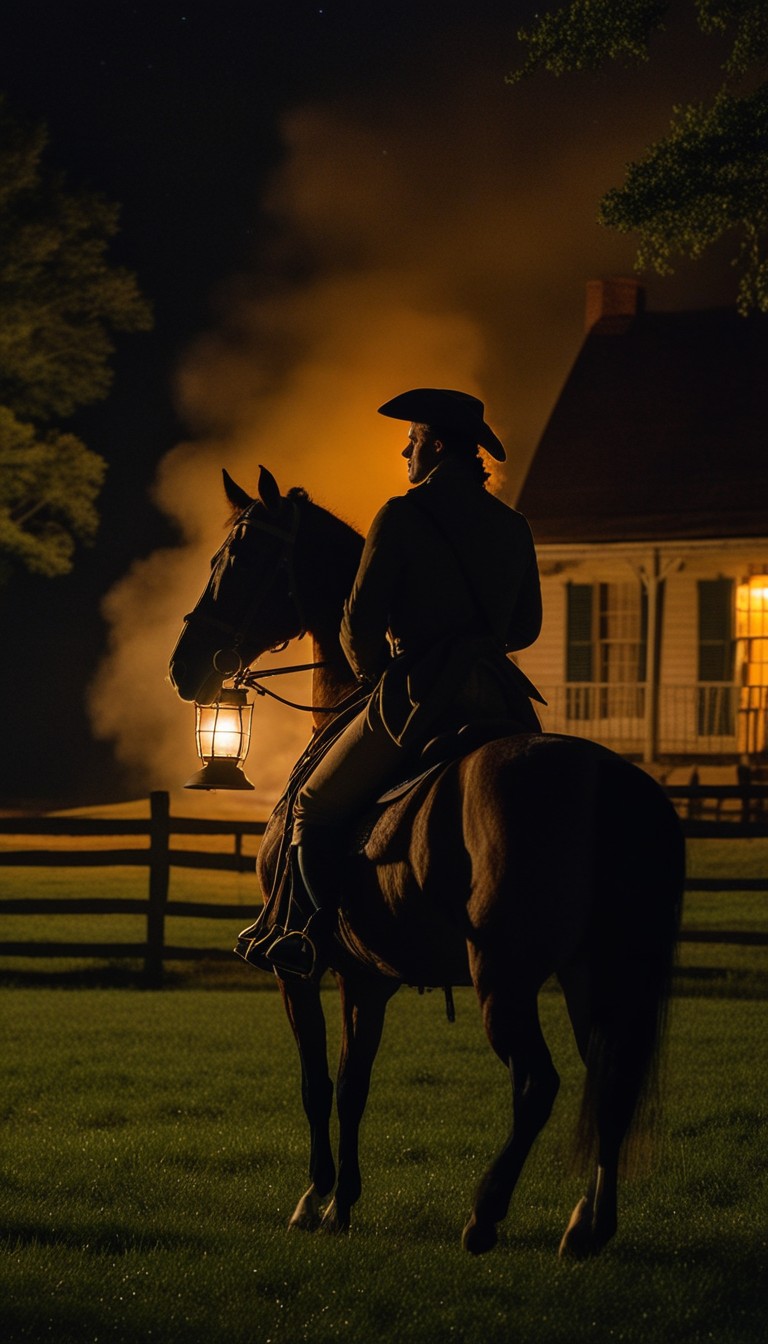
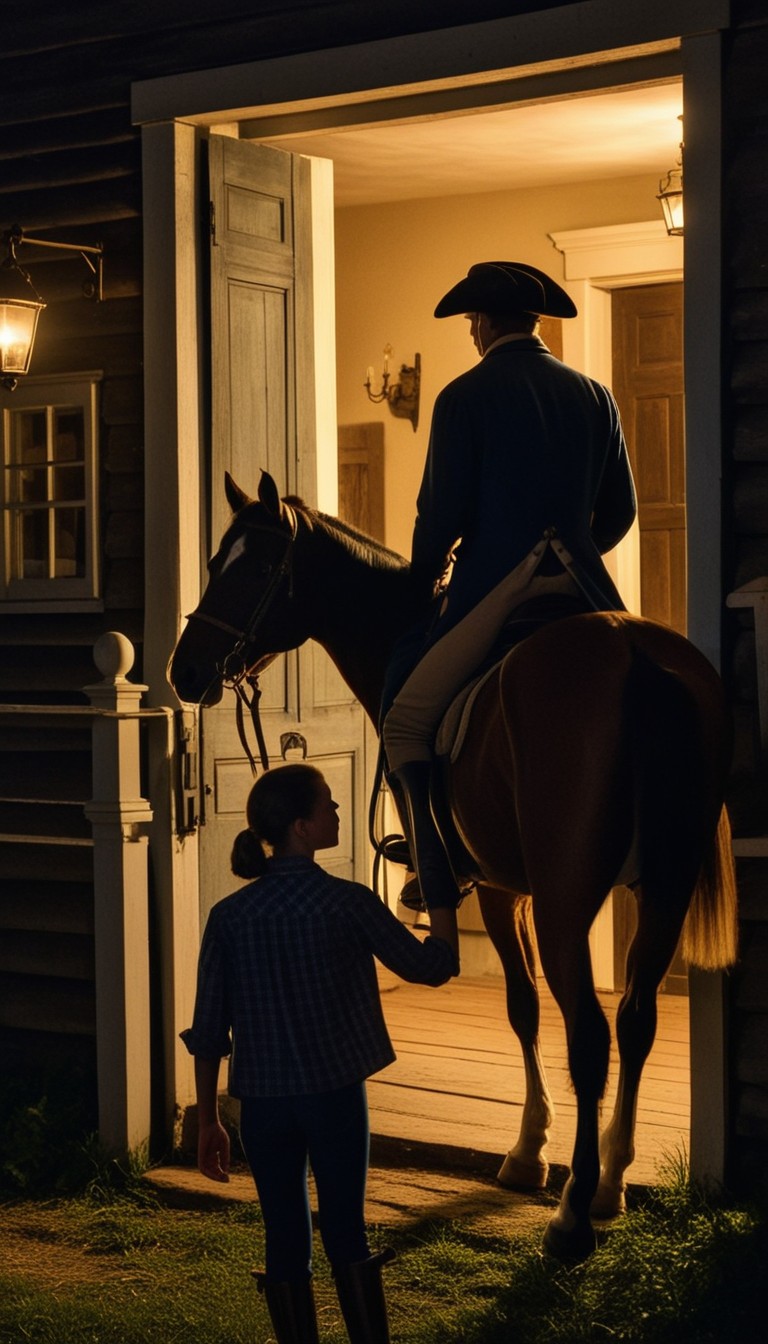
On the evening of April 26, 1777, an exhausted messenger stumbled to the Ludington farmhouse with devastating news: a British force of nearly two thousand troops under General William Tryon had marched on Danbury, Connecticut—a key American supply depot just across the state line. The town was in flames. Warehouses of food, tents, and ammunition were being destroyed. The Continental Army could not respond in time. The only hope was Colonel Ludington's militia regiment—but its men were scattered across the countryside on their farms, unaware of the crisis.
April 26, 1777
Ludington Home, New York
A Volunteer Rider
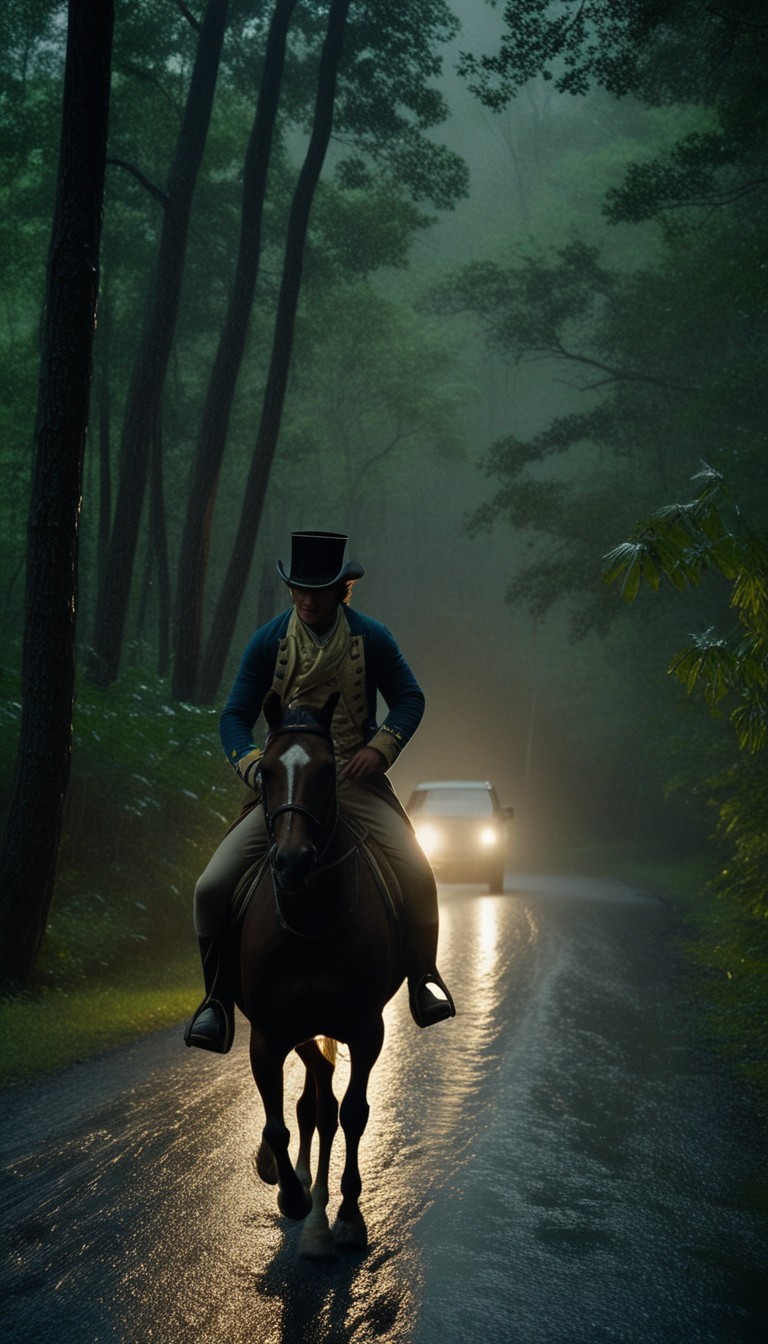
Colonel Ludington faced a terrible dilemma. He needed to stay at the farmhouse to organise and command the militiamen as they arrived—but someone had to ride out into the night to alert them. The messenger who had brought the news was too exhausted to continue. Sybil, just sixteen years old, stepped forward and volunteered. Her father knew her to be a skilled and fearless rider who knew every road and path in the county. He agreed. Sybil mounted her horse, Star, and rode out alone into the dark, rainy night with a single mission: muster the militia.
Night of April 26, 1777
Dutchess County, New York
Forty Miles Through the Night
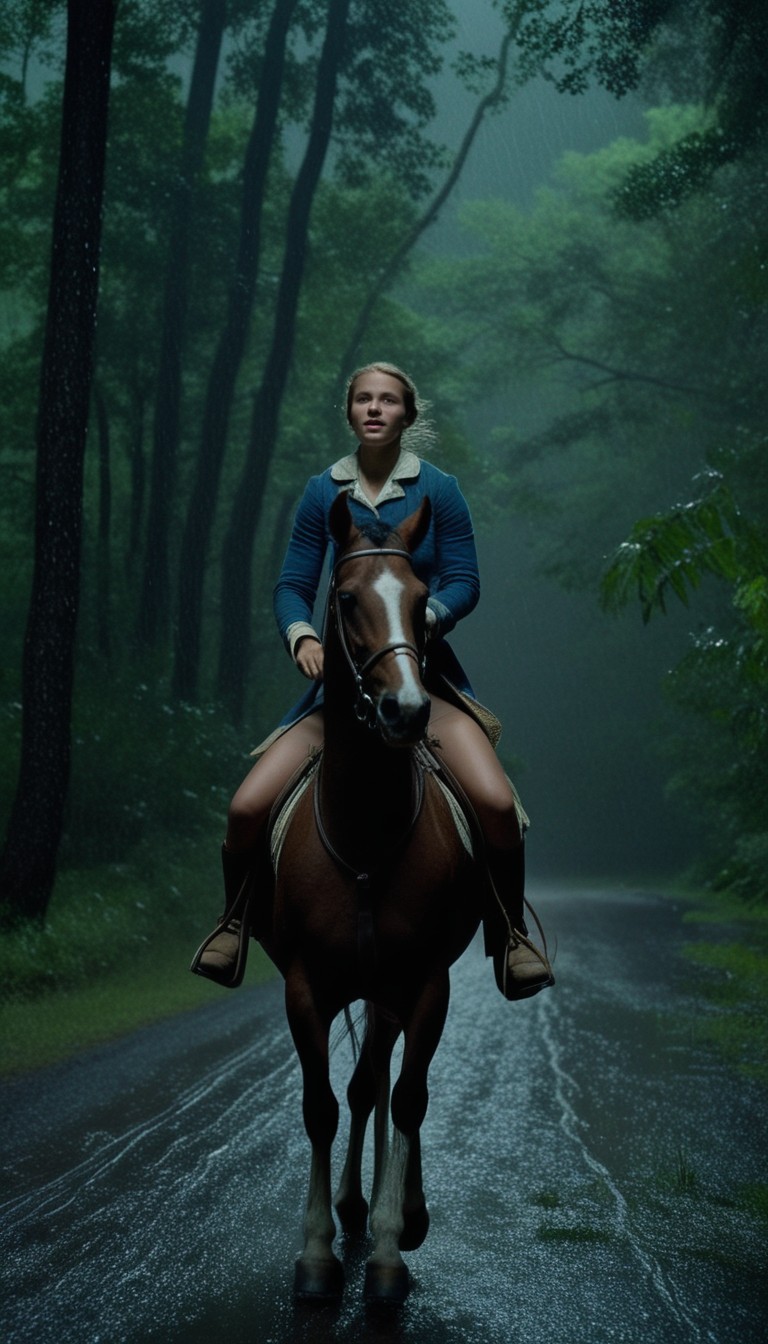
Sybil rode through the night in pouring rain, pounding on farmhouse doors and shouting the alarm: "The British are burning Danbury! Muster at Ludington's!" She followed a winding route through Carmel, Mahopac, Stormville, and dozens of smaller settlements, covering roughly forty miles before the ride was done. By comparison, Paul Revere's famous ride from Boston to Lexington two years earlier covered approximately twenty miles. Sybil rode twice the distance, alone, at night, in a storm, at the age of sixteen. She did not stop until every household on her route had been alerted.
Night of April 26, 1777
Dutchess County, New York
Danger on the Road
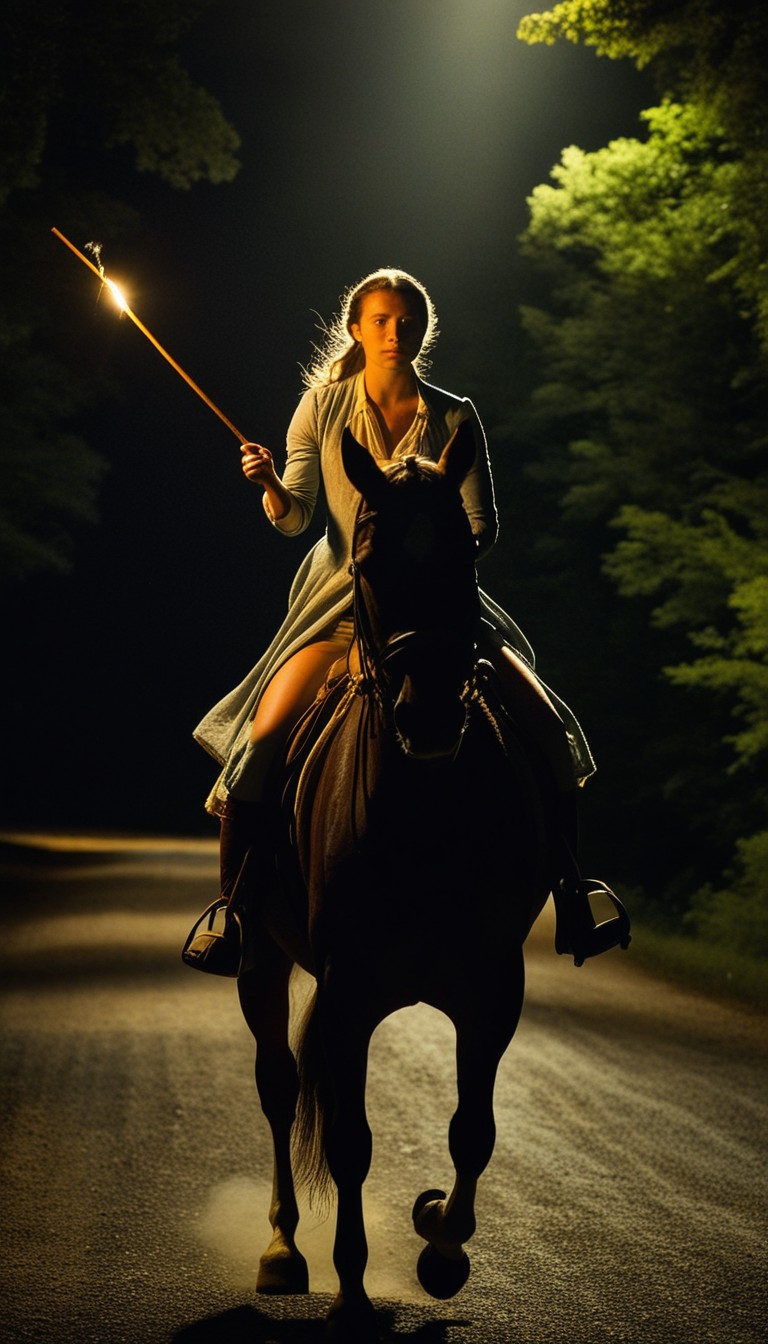
The roads Sybil travelled that night were far from safe. Loyalist sympathisers, deserters, and common outlaws roamed the countryside after dark, and a lone rider—especially a young woman—was an easy target. According to the accounts passed down through her family, Sybil encountered at least one highway robber during her ride and drove him off by striking at him with a stick she carried for the purpose. The darkness and the rain were both her enemies and her allies: they made the ride miserable and treacherous, but they also concealed her from those who might have stopped her.
April 27, 1777
Ridgefield, Connecticut
Four Hundred Strong
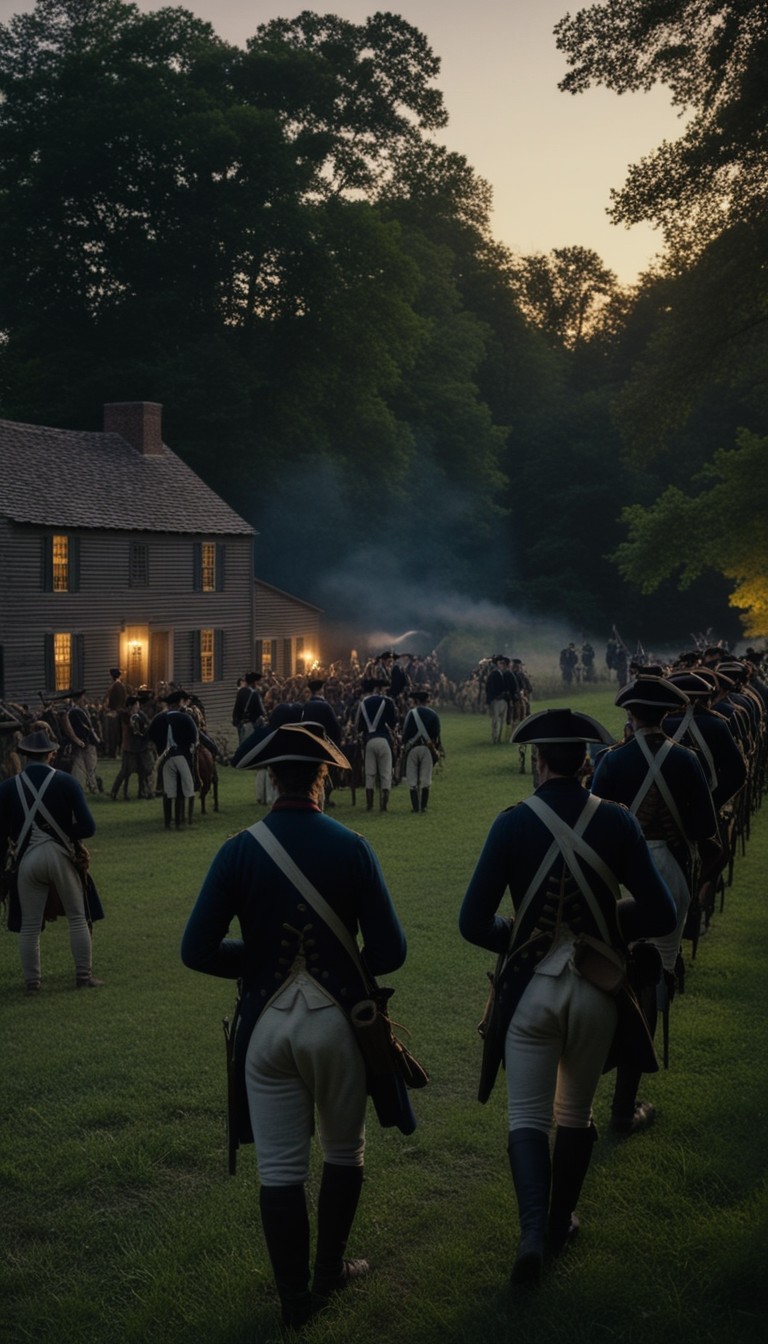
By dawn on April 27, Sybil had returned home—soaked, exhausted, but triumphant. Her ride had worked. Nearly four hundred militiamen had mustered at Colonel Ludington's farmhouse and were ready to march. They set out immediately toward Ridgefield, Connecticut, where they joined other American forces in engaging the British troops as they attempted to withdraw to their ships on Long Island Sound. Though the Americans could not undo the destruction at Danbury, the Battle of Ridgefield inflicted significant casualties on the British and demonstrated that the colonial militia could respond with speed and force.
1777–1839
New York
A Hero Overlooked
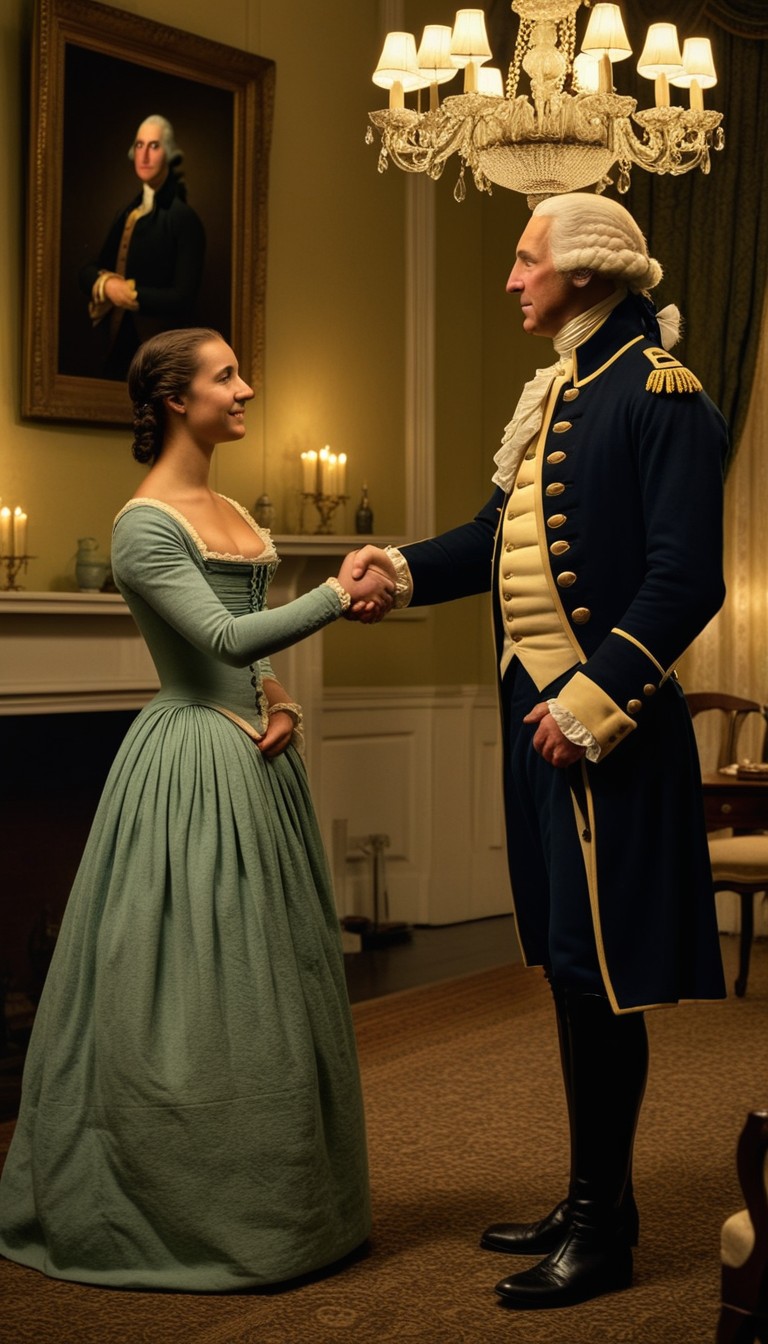
Sybil Ludington's courage did not go entirely unnoticed in her own time. General George Washington personally visited the Ludington home to thank her for her service to the cause of independence. Alexander Hamilton also acknowledged her bravery. Yet in the centuries that followed, it was Paul Revere—immortalised by Henry Wadsworth Longfellow's 1861 poem—who became the symbol of the midnight ride, while Sybil's name faded from public memory. She married, raised a family, and lived until 1839, dying at the age of seventy-seven. She never sought fame, and for a long time, fame did not seek her.
The Forgotten Rider
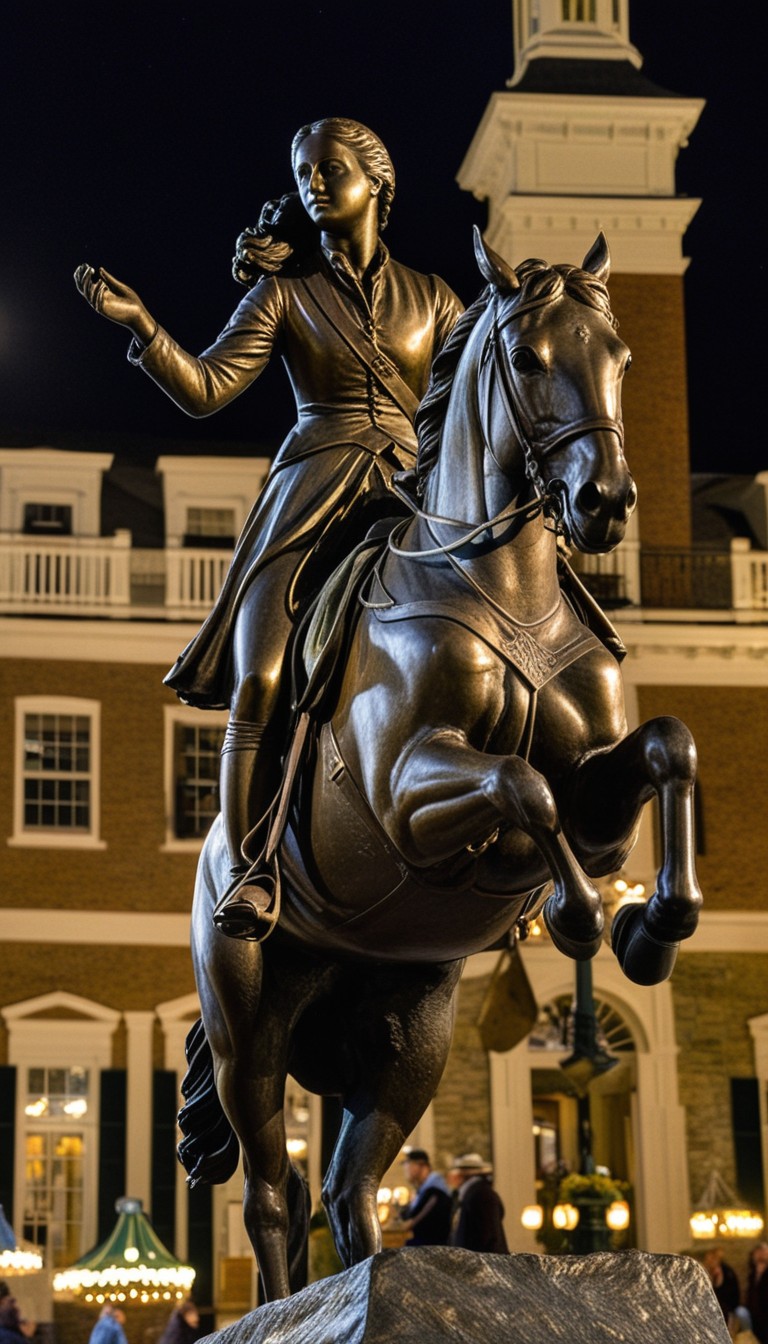
Today, a bronze statue of Sybil Ludington on horseback stands in Carmel, New York—arm raised, riding into the night as she did in 1777. A historical marker traces her route through Dutchess County, and in 1975, the United States Postal Service honoured her with a commemorative stamp. Yet her name remains far less known than Paul Revere's, a reminder that history's pen does not always record its bravest chapters. Sybil Ludington was sixteen years old, riding alone through rain and darkness to defend a revolution. She represents every forgotten hero whose courage shaped the world without ever receiving its credit.
Recommended Reading
As an Amazon Associate, we earn from qualifying purchases.


Swipe to navigate