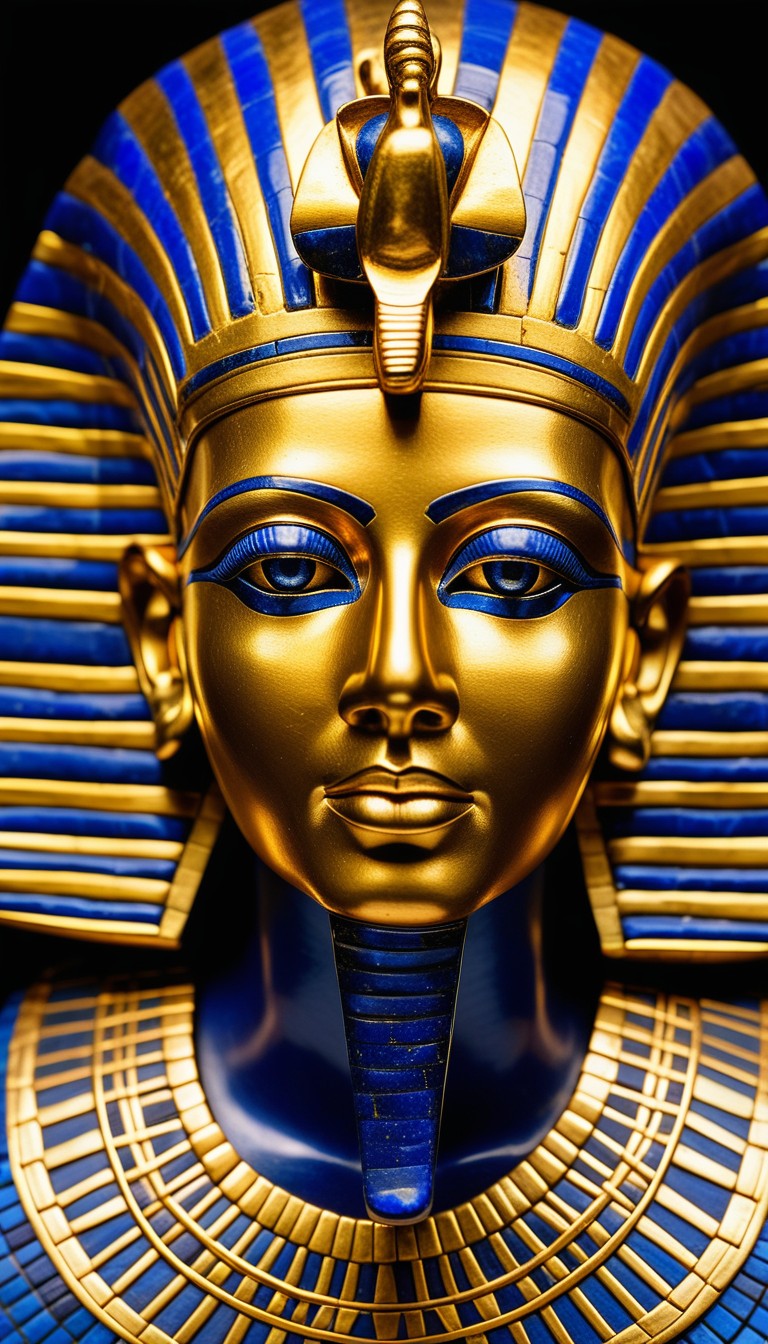
Tutankhamun: The Boy King
Loading story...
c. 1334 BC
Amarna, Egypt
A Boy on the Throne
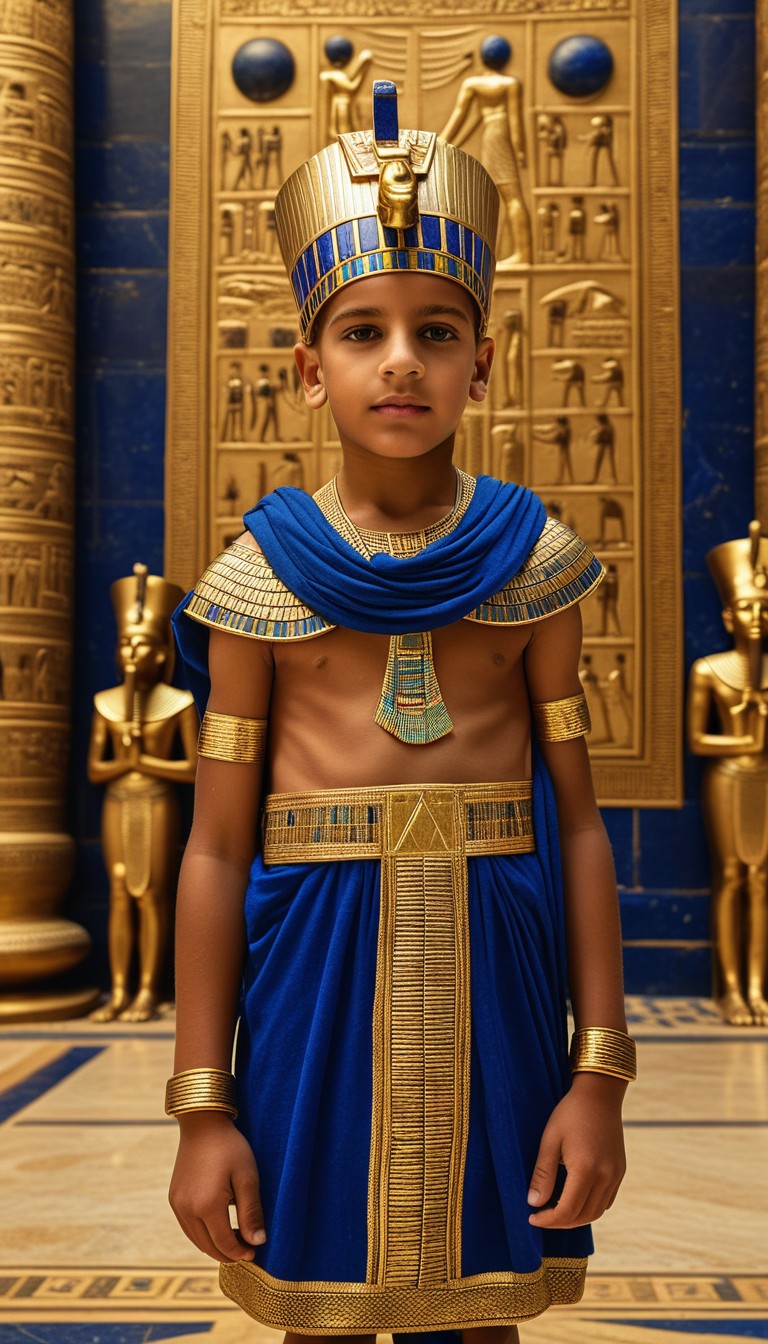
Around 1334 BC, a boy of just nine years old was crowned pharaoh of Egypt. His father, Akhenaten, had thrown the kingdom into turmoil by abolishing the worship of the traditional gods and replacing them with a single deity—the sun disc Aten. Temples were closed, priesthoods disbanded, and the capital moved to a brand-new city in the desert. When Akhenaten died, the kingdom he left behind was fractured and angry. The child who inherited it was originally named Tutankhaten—"living image of the Aten"—but he would soon change his name, and the course of Egyptian history with it.
c. 1332 BC
Thebes, Egypt
Restoring the Old Gods
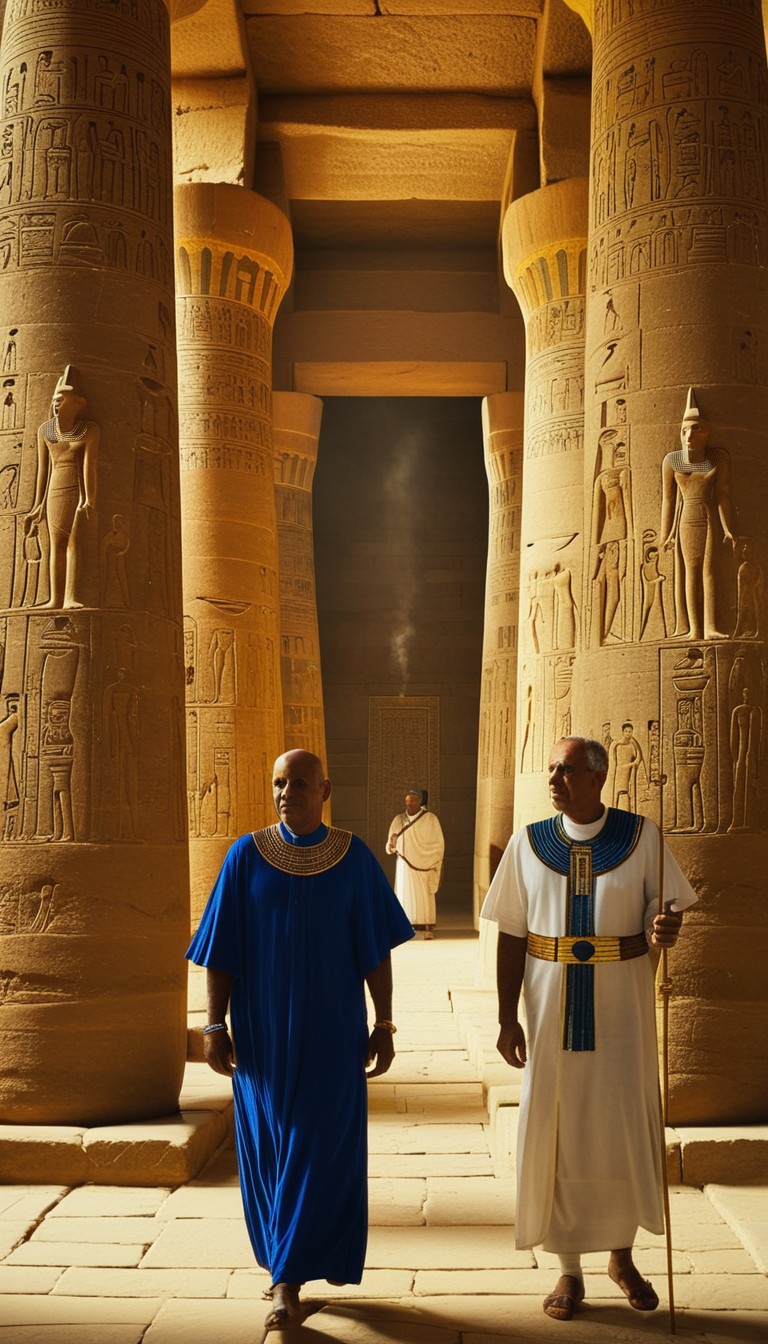
The young pharaoh's most significant act was the reversal of his father's religious revolution. Tutankhaten became Tutankhamun—"living image of Amun"—signalling the restoration of Egypt's traditional gods. The abandoned temples of Amun at Karnak and Luxor were reopened and repaired. The powerful Amun priesthood was reinstated, their lands and wealth returned. The capital was moved back from Akhenaten's isolated city of Amarna to the ancient centres of Thebes and Memphis. For a people who had endured years of forced religious change, the boy king's reign meant the return of cosmic order—what Egyptians called Ma'at.
c. 1332–1325 BC
Memphis, Egypt
The Power Behind the Throne
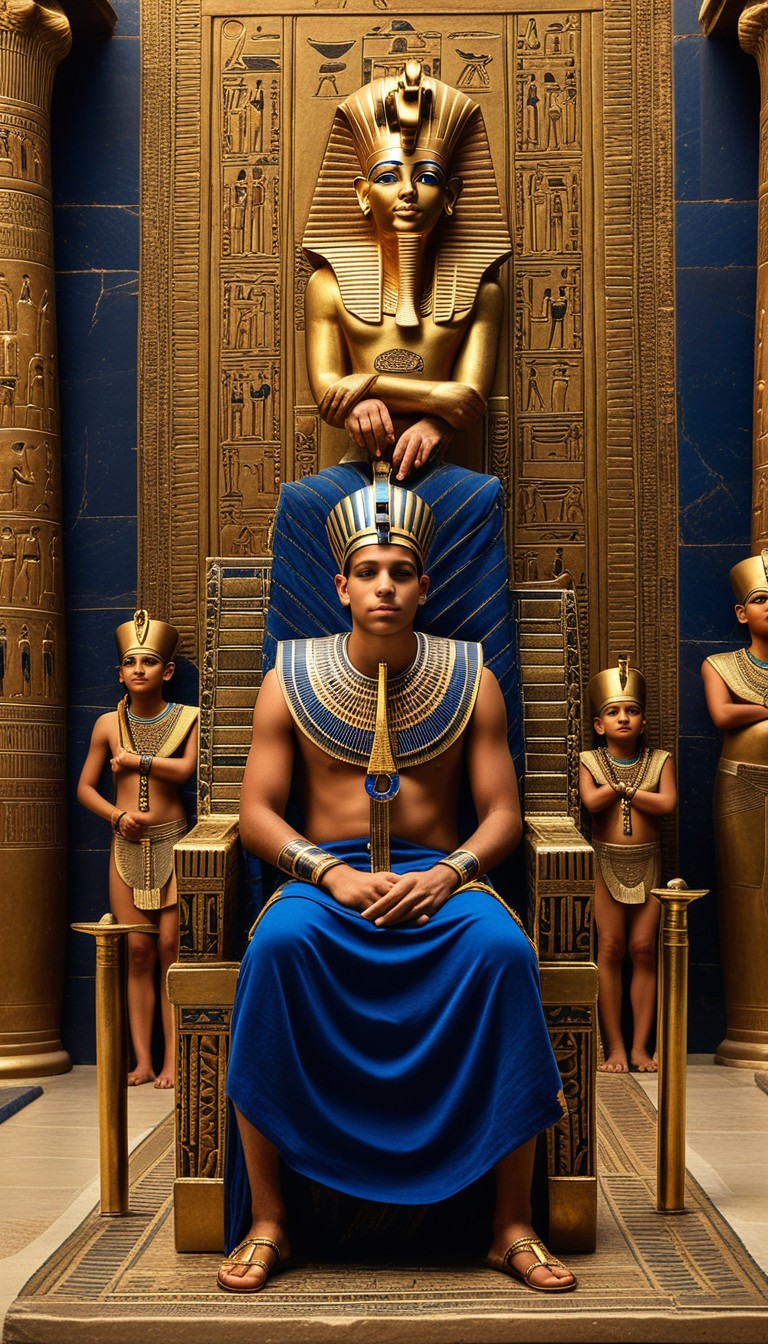
Tutankhamun may have worn the double crown, but the real power lay with his advisors. Ay, an elderly courtier who may have been the boy's grandfather, served as the chief minister and guided the day-to-day governance of the kingdom. Horemheb, a formidable military general, commanded Egypt's armies and managed foreign affairs. Together, these two men shaped the policies of the restoration while the young pharaoh grew into his role. Court life was one of ritual and splendour, but for Tutankhamun it was also one of dependence—a boy king surrounded by men who had their own ambitions for Egypt's future.
c. 1332–1325 BC
Thebes, Egypt
A Fragile King
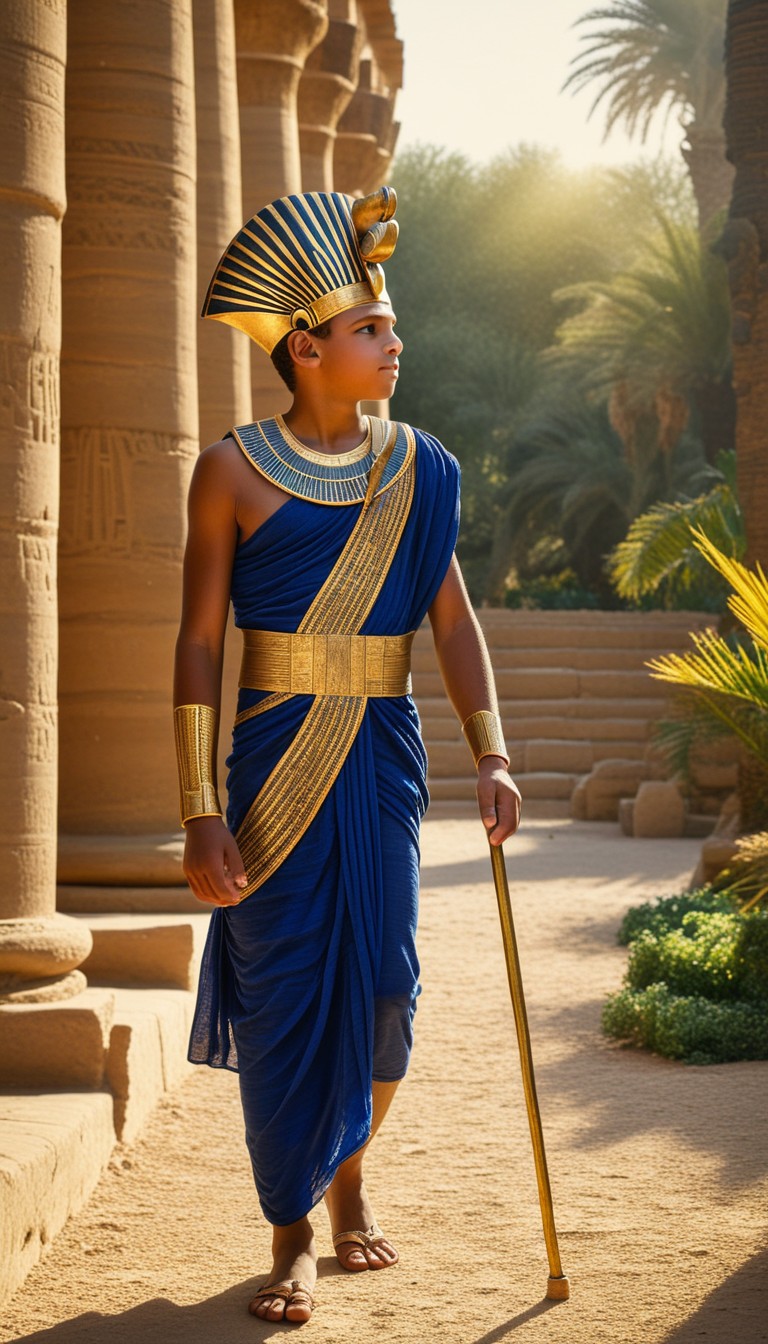
Modern science has revealed that Tutankhamun's life was marked by significant physical suffering. CT scans and DNA analysis of his mummy show that he had a severe clubfoot in his left leg, a bone disease called Köhler disease, and had contracted malaria multiple times. Over one hundred walking canes were found in his tomb—not ceremonial objects, but practical aids he needed daily. These ailments were likely the result of generations of royal inbreeding: his parents were brother and sister, a common practice among Egyptian royalty intended to keep the bloodline pure. Instead, it left the young king with a body that struggled against itself.
c. 1332–1325 BC
Thebes, Egypt
The Royal Marriage
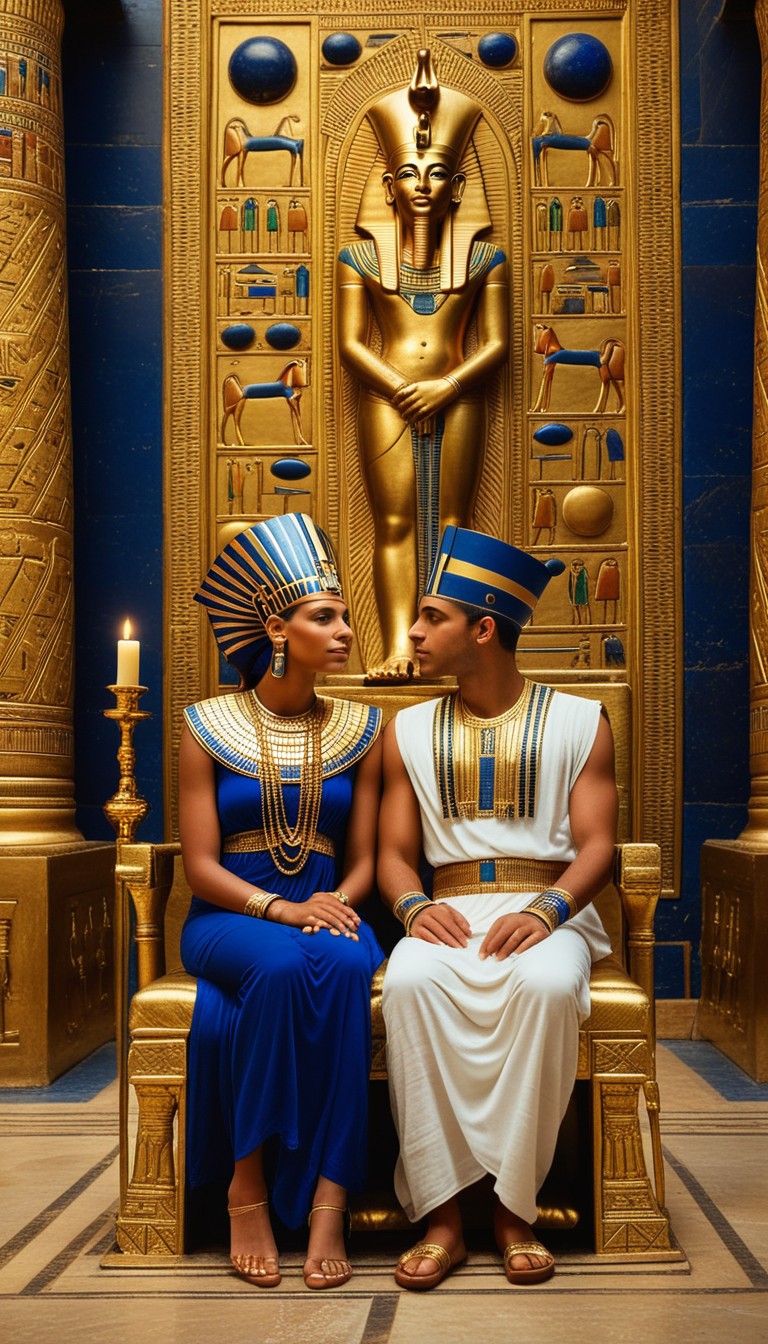
Tutankhamun married Ankhesenamun, who was almost certainly his half-sister—both were children of Akhenaten. Their marriage, like so much in the Egyptian royal court, was as much political as personal. Ankhesenamun had previously been married to her own father, and her union with Tutankhamun helped legitimise his claim to the throne. The couple appears to have been genuinely close; tomb paintings depict tender scenes of the young pair together. Tragically, two mummified foetuses found in the tomb suggest they lost two daughters—likely stillborn due to the same genetic complications that plagued the royal family.
c. 1325 BC
Thebes, Egypt
A Death Wrapped in Mystery
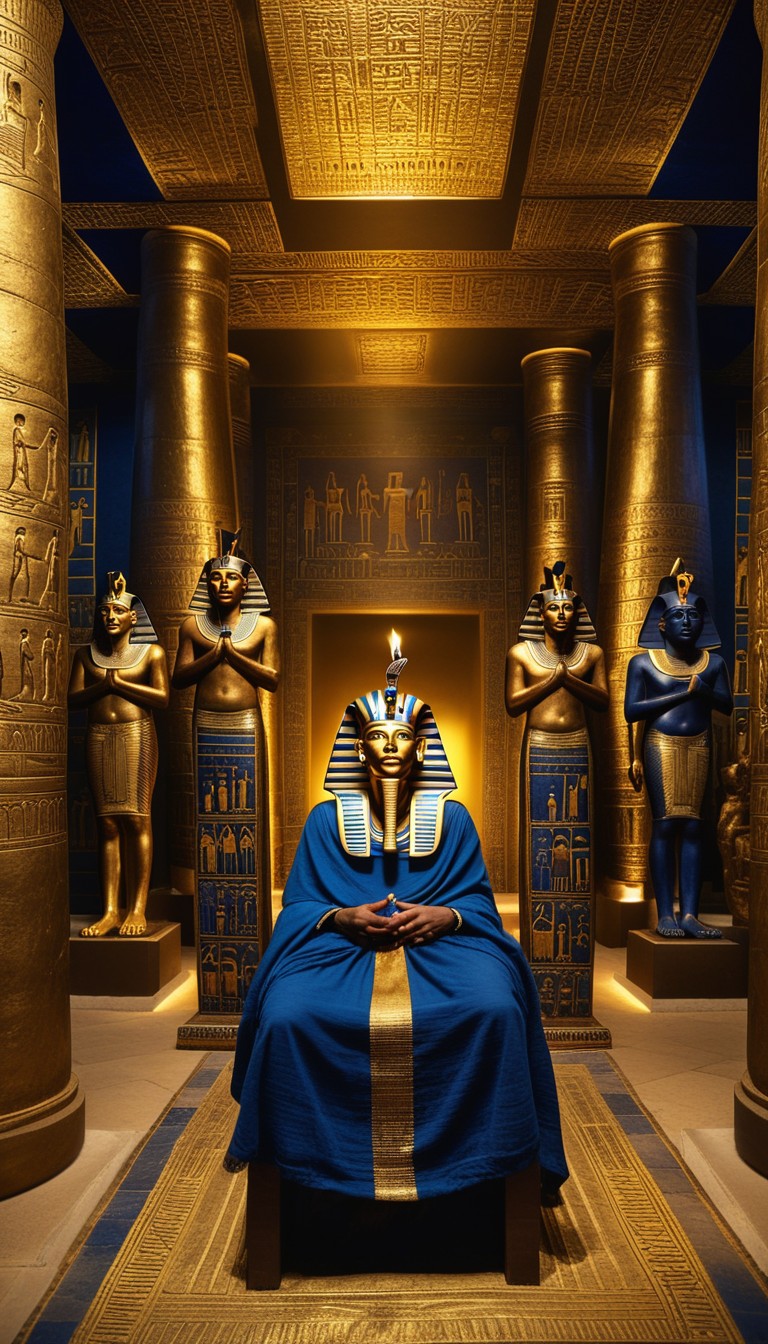
Tutankhamun died around 1325 BC at approximately nineteen years of age. The cause of his death has been debated for decades. Early examinations found a fragment of bone inside his skull, sparking theories of murder—perhaps a blow to the head by a rival seeking the throne. Later CT scans in 2005 ruled out foul play but revealed a badly broken left leg that may have become fatally infected. DNA analysis confirmed he suffered from malaria. The current consensus is that a combination of his genetic frailties, the leg fracture, and malarial infection overwhelmed his weakened body. But certainty remains elusive, and the mystery endures.
c. 1325 BC – 1922 AD
Valley of the Kings, Egypt
Lost for Three Thousand Years
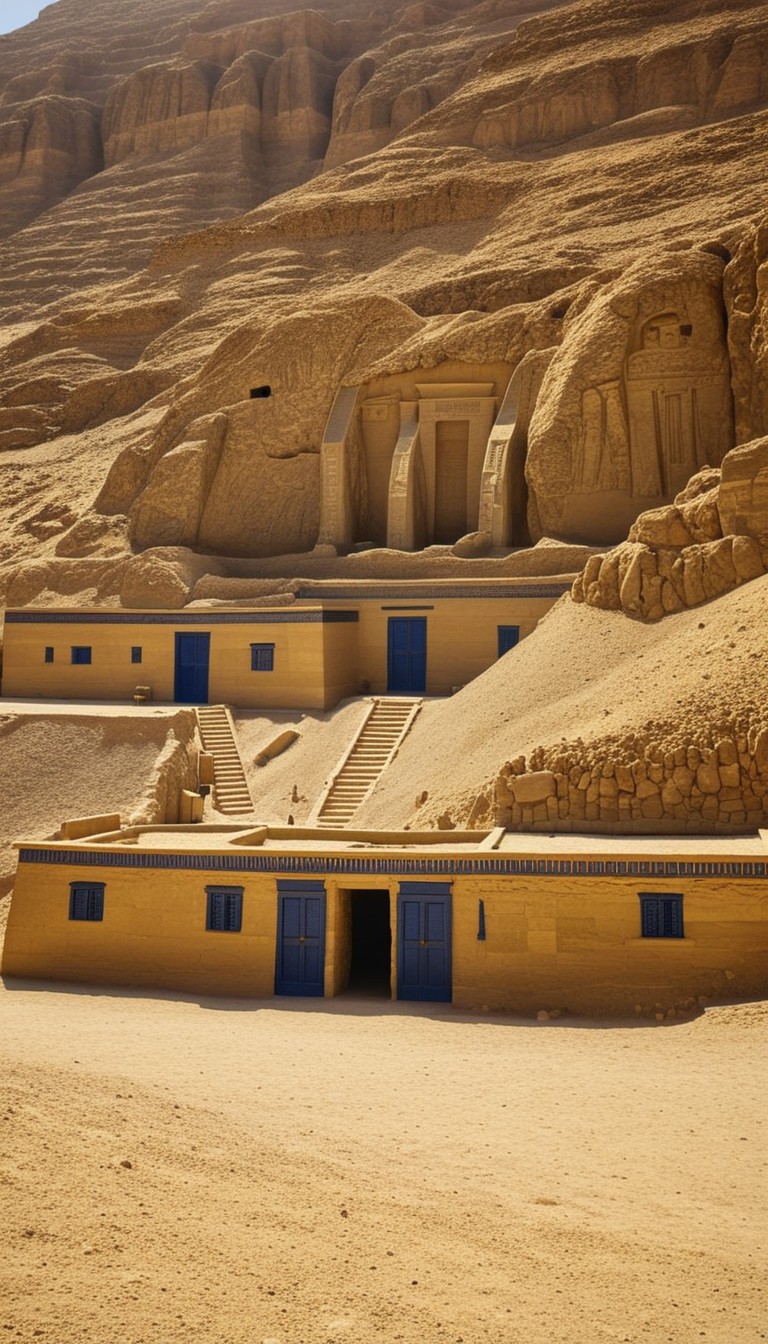
After Tutankhamun's death, his successors—first Ay, then Horemheb—worked systematically to erase his memory. His name was removed from official king lists and his monuments were usurped or dismantled. The boy king was meant to be forgotten, and he was. But this erasure proved to be his salvation. When workers building nearby royal tombs constructed their stone huts directly over the entrance to his burial chamber in the Valley of the Kings, they inadvertently sealed it from history. For over three thousand years, while every other pharaoh's tomb was found and plundered, Tutankhamun's lay untouched beneath the rubble.
1922 AD
Valley of the Kings, Egypt
"Wonderful Things"
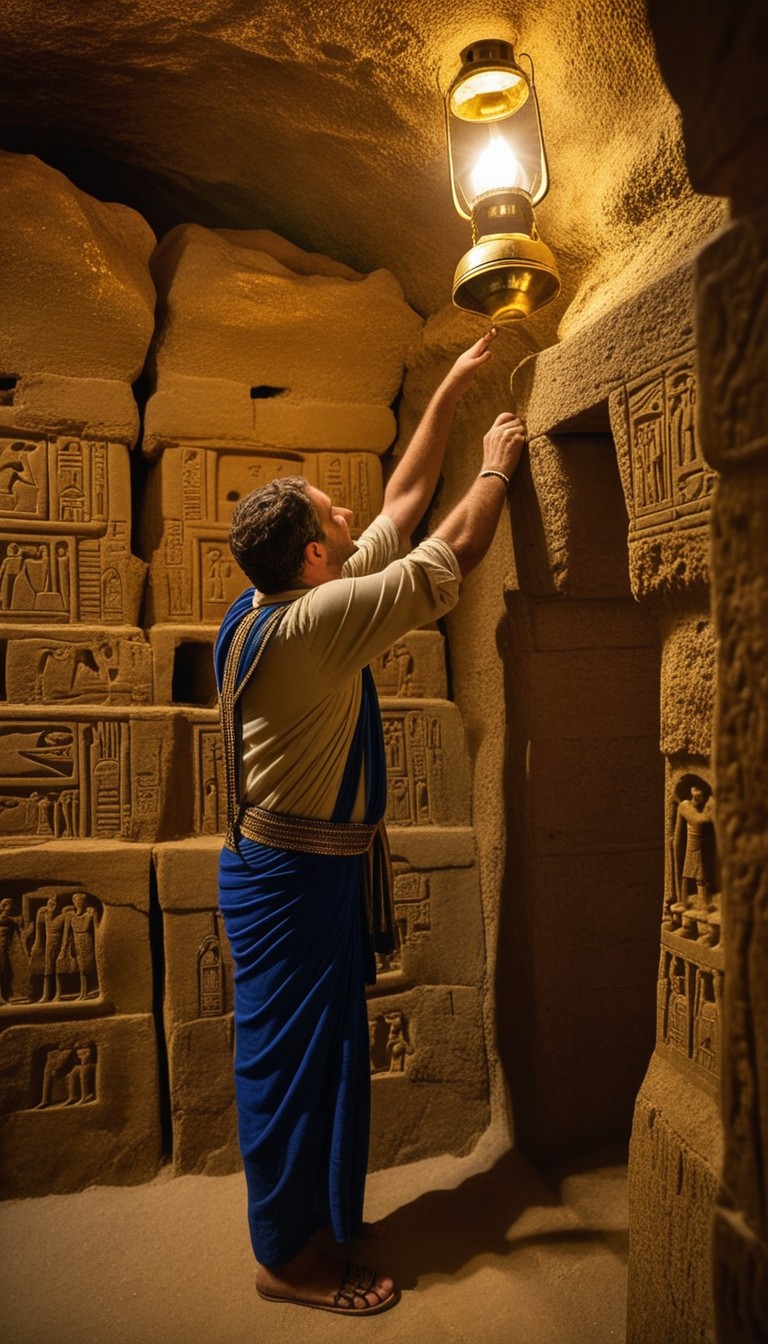
On 4 November 1922, a water boy on Howard Carter's excavation team stumbled upon a stone step cut into the bedrock of the Valley of the Kings. After years of fruitless searching funded by Lord Carnarvon, Carter had found what he scarcely dared hope for. When the sealed doorway was finally breached on 26 November, Carnarvon asked from behind, "Can you see anything?" Carter, peering through the small opening by candlelight into a chamber glittering with gold, replied with words that became legendary: "Yes, wonderful things." The tomb contained over five thousand artefacts—including the iconic golden death mask—making it the most complete royal burial ever discovered in Egypt.
The Boy Who Became Eternal
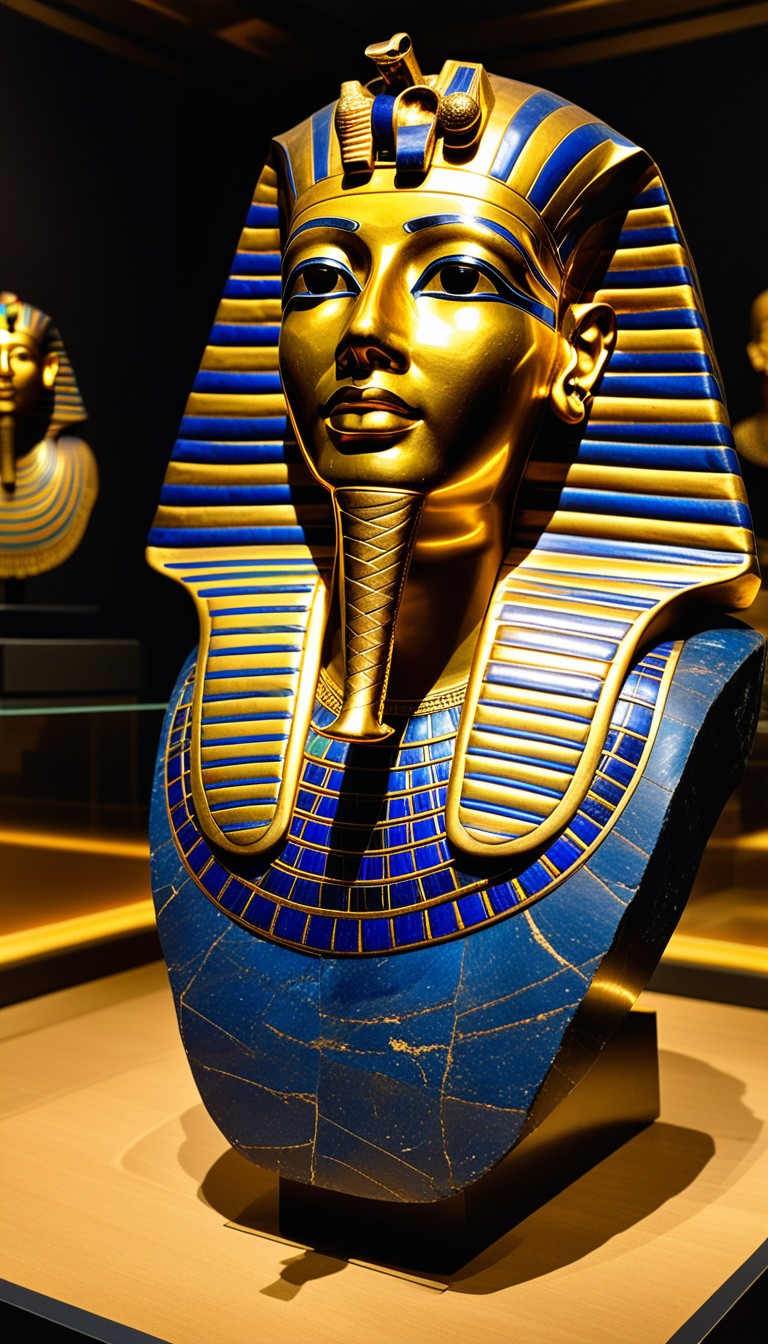
Within weeks of the tomb's opening, newspapers worldwide carried tales of a "Pharaoh's Curse" after Lord Carnarvon died from an infected mosquito bite. The legend only deepened the public fascination. Tutankhamun—a minor king who ruled briefly and was deliberately forgotten—became the most famous pharaoh in history. His golden death mask is the single most recognisable artefact of the ancient world. The boy king's story endures not because of what he achieved in his short life, but because of what survived: a tomb so perfectly preserved that it allowed the modern world to reach across thirty-three centuries and touch the splendour of ancient Egypt.
Recommended Reading
As an Amazon Associate, we earn from qualifying purchases.

Swipe to navigate